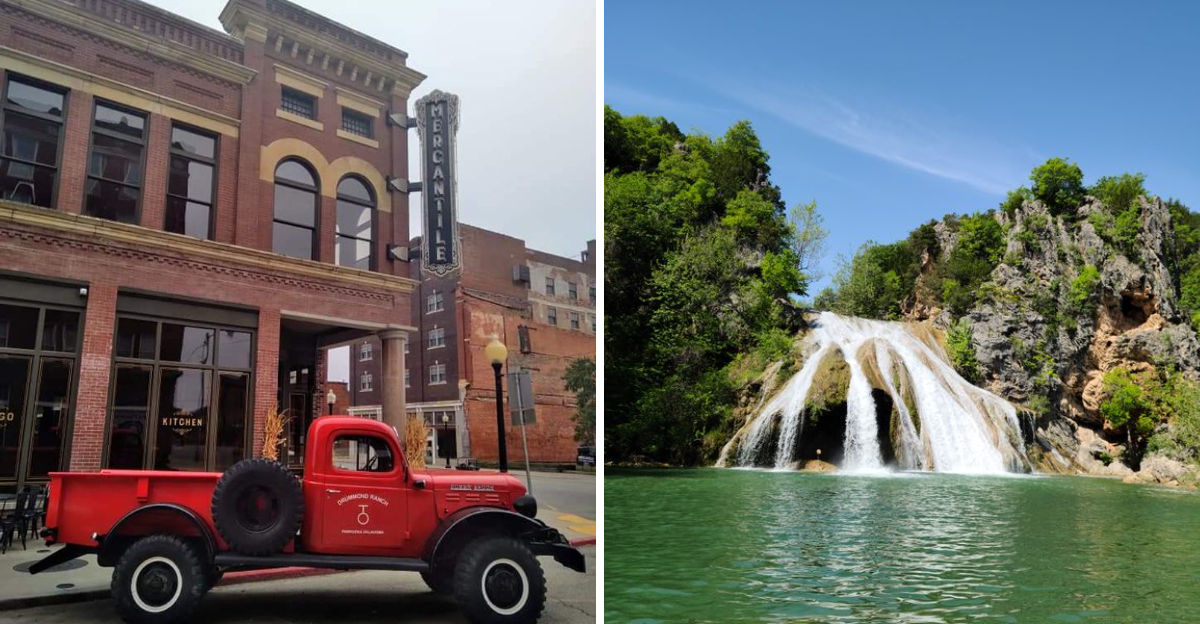
Oklahoma has always been a place where small towns hold big charm, but lately, some communities are experiencing something different.
Tourism is bringing new energy, money, and attention to towns that once flew under the radar.
While visitors can boost local economies and create excitement, they also bring challenges that change the rhythm of daily life.
From crowded streets to rising costs, these shifts are reshaping what it means to live in these once-quiet places.
Understanding how tourism impacts small towns helps us appreciate both the opportunities and the struggles they face.
Some communities are thriving with the influx of guests, while others are working hard to balance growth with tradition.
Across Oklahoma, seven towns are feeling the effects of visitors in ways that are impossible to ignore.
Each one tells a unique story of transformation, adaptation, and resilience.
Whether you’re planning a visit or simply curious about these changes, exploring these towns offers a window into the evolving heart of Oklahoma.
1. Broken Bow
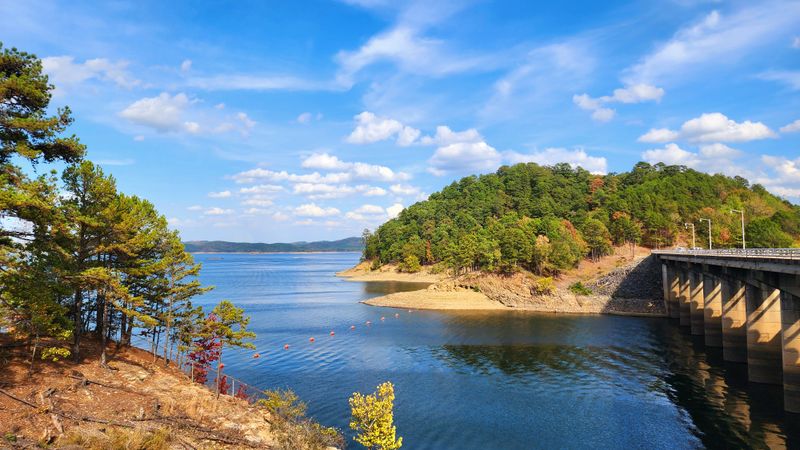
Broken Bow sits tucked away in the southeastern corner of Oklahoma, where pine forests meet crystal-clear lakes and cabins dot the hillsides.
Once a quiet lumber town, it has transformed into one of the state’s hottest vacation destinations.
Beavers Bend State Park and Broken Bow Lake draw thousands of visitors each year, especially during summer and fall when the scenery is at its most breathtaking.
Local businesses have flourished thanks to the tourism boom, with new restaurants, boutiques, and rental cabin companies popping up regularly.
Places like Girls Gone Wine and Grateful Head Pizza Company have become must-visit spots for tourists seeking local flavor.
The influx of visitors has created jobs and injected money into the local economy, giving residents more opportunities than ever before.
However, the town is also grappling with growing pains that come with sudden popularity.
Traffic congestion on weekends can make it difficult for locals to navigate their own community, and housing prices have skyrocketed as investors snap up properties for short-term rentals.
Some longtime residents worry that the charm and tranquility that made Broken Bow special are fading as crowds continue to grow.
Despite these challenges, many people in Broken Bow recognize that tourism has brought undeniable benefits.
The key now is finding a balance that preserves the natural beauty and small-town feel while welcoming guests.
Community leaders are working on infrastructure improvements and planning initiatives to manage growth more sustainably.
For visitors, Broken Bow remains a magical escape, but locals hope future travelers will respect the land and culture that make it so unique.
2. Medicine Park
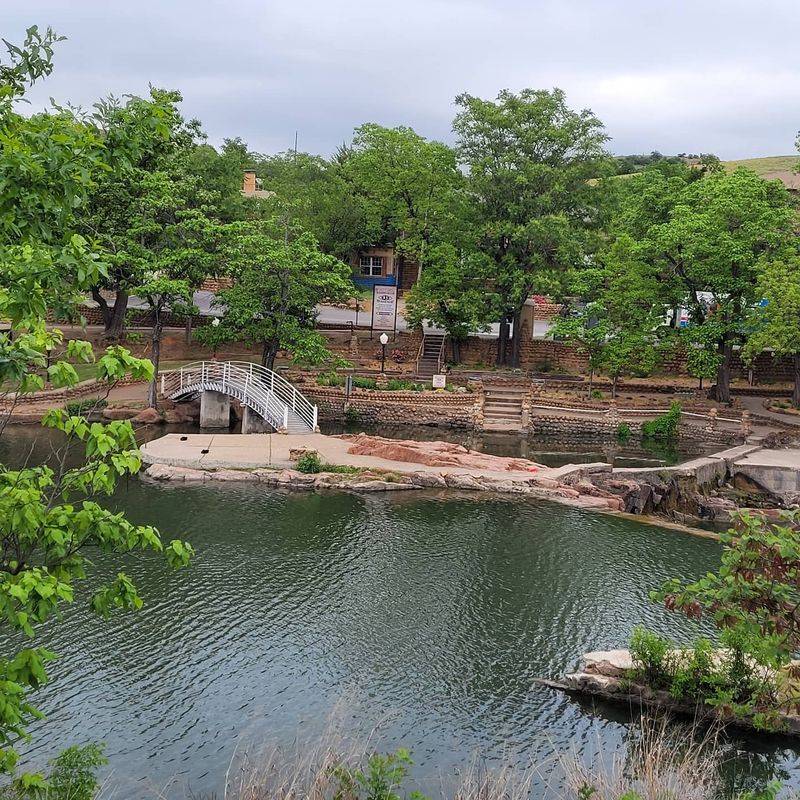
Nestled against the Wichita Mountains, Medicine Park is Oklahoma’s original cobblestone town, built in 1908 as a health resort.
Bath Lake runs through the center of this charming village, and its historic stone buildings give it a storybook quality that attracts visitors from across the region.
The town’s walkable streets are lined with shops, galleries, and eateries that celebrate local art and culture.
Tourism has breathed new life into Medicine Park, especially after years of decline in the mid-20th century.
The Old Plantation Restaurant, located at 187 W Lake Dr, serves up comfort food that keeps visitors coming back, while quirky spots like the Rusty Nail Winery offer tastings in a relaxed atmosphere.
Weekend festivals and live music events draw crowds who fill the streets, bringing energy and revenue to local merchants.
Yet the town’s small size means that even moderate increases in visitors can feel overwhelming to the roughly 400 permanent residents.
Parking becomes scarce during peak times, and the peaceful atmosphere that locals cherish can disappear when tourists flood in.
Some worry that commercialization might erode the authentic character that makes Medicine Park so appealing in the first place.
Still, most residents appreciate the economic boost and the pride that comes with living in a destination people want to visit.
The town has worked to maintain its historic integrity while accommodating guests, preserving original architecture and limiting development.
For those who visit, Medicine Park offers a glimpse into Oklahoma’s past with modern amenities.
Respecting the community and its history ensures this gem remains special for generations to come.
3. Guthrie
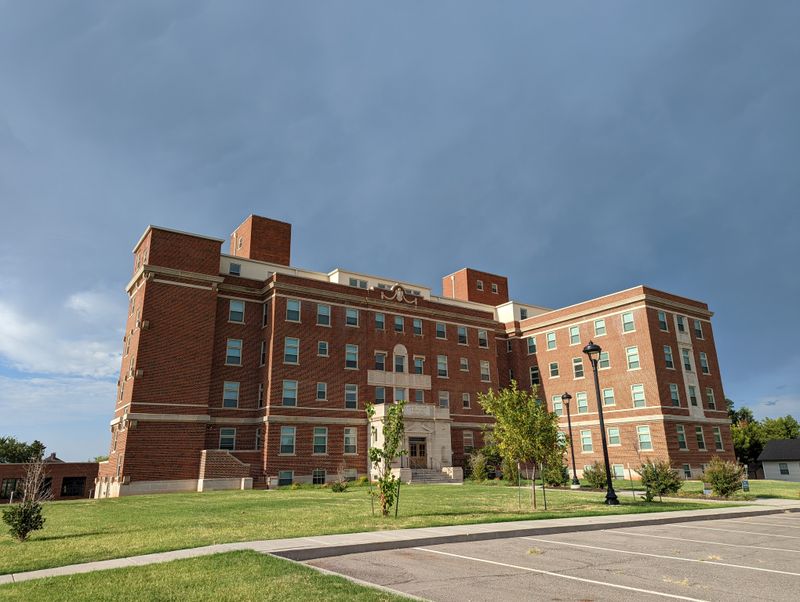
Guthrie served as Oklahoma’s first capital and remains one of the largest historic districts in the nation, with over 2,000 acres of Victorian-era buildings.
The downtown area looks like it stepped out of the late 1800s, complete with red brick storefronts, ornate facades, and streets that tell stories of statehood.
History buffs and architecture enthusiasts flock here to experience a piece of authentic Americana that’s remarkably well-preserved.
The town has embraced its heritage as a tourism asset, hosting events like the annual 89er Day celebration and offering guided tours of historic sites.
The Scottish Rite Masonic Temple, one of the world’s largest, stands as a stunning example of the craftsmanship visitors come to admire.
Local businesses such as Hobson’s Choice, located at 124 W Oklahoma Ave, provide antique shopping experiences that transport guests back in time.
Tourism dollars have helped fund restoration projects and keep historic buildings from falling into disrepair, but the constant flow of visitors also presents challenges.
The infrastructure in Guthrie was built for a much smaller population, and large events can strain resources and disrupt daily life for residents.
Some locals feel their town has become more of a museum than a living community, with businesses catering more to tourists than to people who actually live there.
Finding the right balance between preservation and progress remains an ongoing conversation in Guthrie.
Many residents take pride in sharing their town’s history and understand that tourism helps keep it alive.
Efforts to engage visitors in respectful ways while maintaining authentic community spaces continue to evolve.
For travelers, Guthrie offers an unparalleled journey into Oklahoma’s founding story, as long as they remember real people still call this historic place home.
4. Sulphur
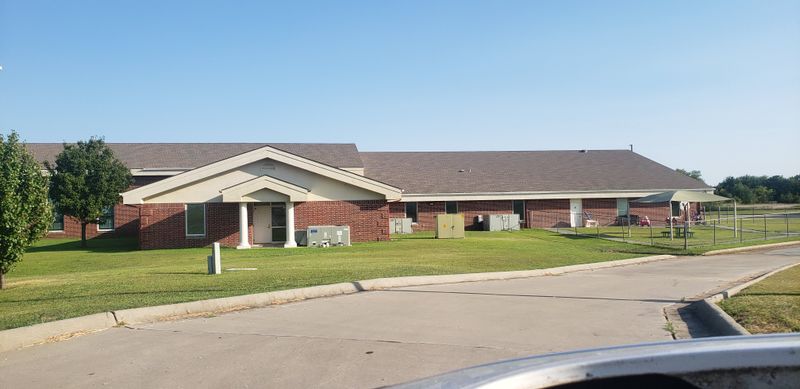
Sulphur sits at the edge of the Chickasaw National Recreation Area, where natural springs, swimming holes, and hiking trails create an outdoor paradise.
The town earned its name from the mineral-rich springs that once drew people seeking healing waters, and today it continues to attract nature lovers and adventure seekers.
Travertine Creek flows through the recreation area, offering a refreshing escape during Oklahoma’s hot summers.
Visitor numbers have climbed steadily as more people discover the beauty and accessibility of Chickasaw National Recreation Area, which is free to enter.
Local establishments like Rusty Nail Winery and Bedré Fine Chocolate (Davis Street) have capitalized on the tourism boom, offering experiences that complement outdoor activities.
The economic benefits are clear, with increased sales tax revenue helping fund community improvements and services.
However, the surge in visitors has put pressure on natural resources and public facilities that weren’t designed for such heavy use.
Popular swimming areas can become dangerously crowded on summer weekends, and trash left behind by careless visitors threatens the pristine environment locals work hard to protect.
Traffic congestion near park entrances frustrates residents who need to travel through town for work or errands.
Community members and park officials are collaborating on solutions to manage visitor impact while keeping the area accessible and beautiful.
Education campaigns encourage tourists to practice Leave No Trace principles and respect wildlife and waterways.
For Sulphur residents, the challenge is welcoming guests without sacrificing the natural treasures that define their home.
Visitors who take care of this special place help ensure it remains a sanctuary for everyone to enjoy.
The town’s future depends on sustainable tourism practices that honor both nature and community.
5. Pawhuska
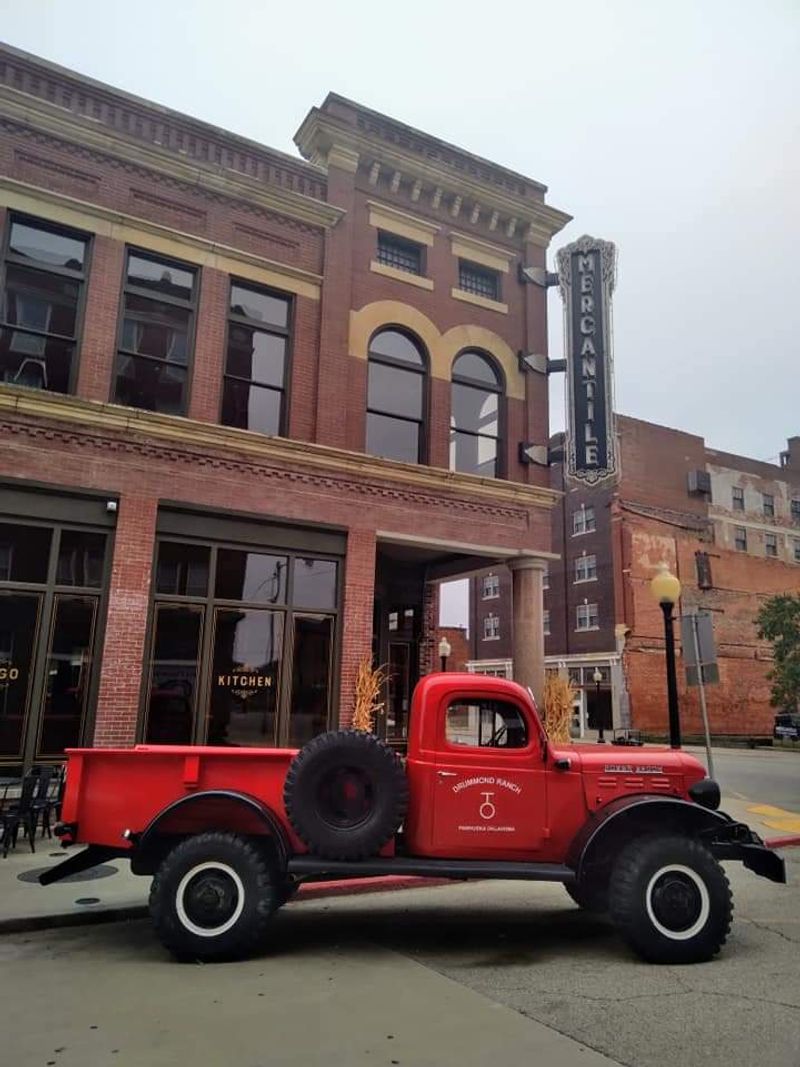
Pawhuska experienced an unexpected tourism explosion after becoming famous as the home of The Pioneer Woman, Ree Drummond’s restaurant and retail empire.
What was once a sleepy Osage County town now sees tour buses and out-of-state license plates lining the streets, especially on weekends.
The Pioneer Woman Mercantile, located at 532 Kihekah Ave, serves as the main draw, but visitors also explore the town’s rich Osage heritage and historic downtown
The economic transformation has been remarkable, with new businesses opening to serve the influx of tourists and existing shops seeing record sales.
Restaurants, boutiques, and bed-and-breakfasts have sprouted up, creating jobs and revitalizing a downtown that had struggled for decades.
Many residents credit the tourism boom with saving their town from further economic decline and giving young people reasons to stay or return.
Yet the sudden fame has also brought challenges that strain the small community of fewer than 4,000 people.
Traffic jams are now common on Main Street, and wait times at popular restaurants can stretch for hours, frustrating both visitors and locals.
Housing costs have risen as investors buy properties for short-term rentals, making it harder for working families to afford homes in their own town.
Some longtime residents feel their community has been commodified, turned into a backdrop for social media photos rather than respected as a living, breathing place with deep cultural roots.
The Osage Nation’s presence and history sometimes get overshadowed by the celebrity-driven tourism narrative.
Still, many in Pawhuska appreciate the opportunities tourism has created and work to ensure their town’s authentic identity isn’t lost.
Visitors who take time to learn about Osage culture and support local businesses beyond the main attractions contribute to a more meaningful and sustainable tourism model.
6. Turner Falls Area (Davis)
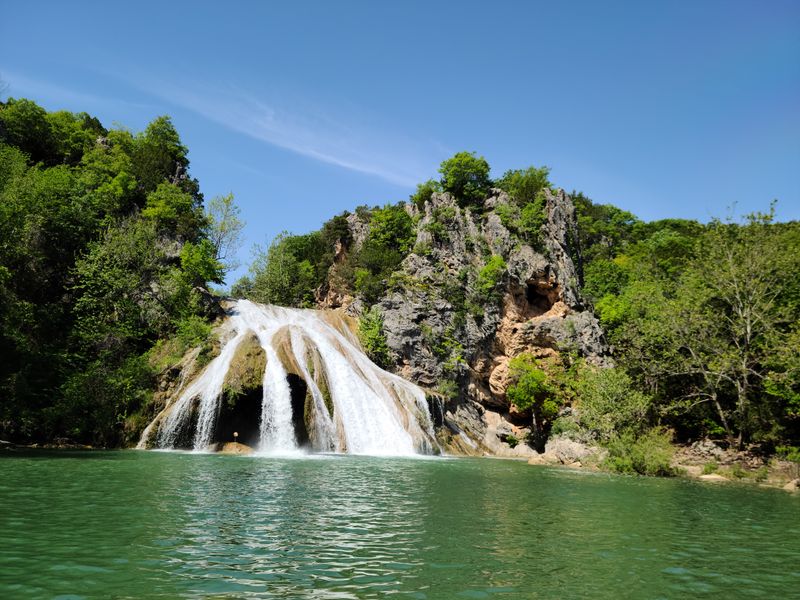
Davis serves as the gateway to Turner Falls Park, home to Oklahoma’s tallest waterfall at 77 feet, which cascades into a natural swimming pool surrounded by limestone cliffs.
The Arbuckle Mountains provide a dramatic backdrop for this small town that swells with visitors during peak season.
Families, college students, and adventure seekers come for swimming, hiking, and exploring caves, making it one of the state’s most popular natural attractions.
Local businesses in Davis have adapted to serve the seasonal influx, with motels, restaurants, and convenience stores depending heavily on tourism revenue.
The Arbuckle Mountain Fried Pies shop has become a beloved stop for travelers seeking a sweet treat before or after their waterfall visit.
During busy months, the town’s economy thrives as visitors spend money on lodging, food, and souvenirs, supporting jobs and community services.
The downside is that Davis experiences extreme seasonal fluctuations, with summer crowds creating chaos and winter months bringing financial uncertainty for businesses.
Turner Falls Park itself can become overcrowded and littered, with some visitors showing little regard for the natural environment or safety rules.
Noise, traffic, and occasional rowdy behavior from tourists can make life difficult for permanent residents, especially those living near the park entrance.
Managing visitor behavior and environmental impact remains an ongoing challenge for both the town and park management.
Efforts to improve facilities, increase ranger presence, and educate visitors about responsible recreation are helping to address some issues.
For Davis residents, the relationship with tourism is complicated; necessary for economic survival but sometimes overwhelming in its intensity.
Those who visit with respect and awareness make a positive difference, helping preserve the natural wonder that makes this area so special while supporting the community that calls it home.
7. Talimena Scenic Drive Communities (Talihina)
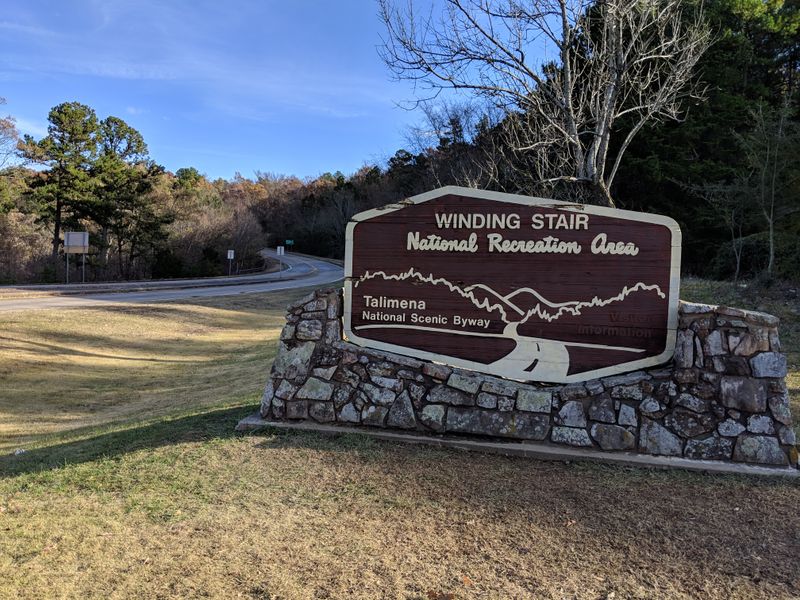
Talihina sits at the eastern end of the Talimena Scenic Drive, a breathtaking 54-mile route through the Ouachita Mountains that’s especially stunning during fall foliage season.
The town serves as a base for travelers exploring this remote and beautiful region, where winding roads offer panoramic views of forested ridges.
Outdoor enthusiasts come for hiking, camping, and simply experiencing the dramatic landscape that feels worlds away from Oklahoma’s prairie regions.
Fall brings the biggest surge of visitors, when the mountains explode in shades of red, orange, and gold, drawing photographers and leaf-peepers from across the country.
Local accommodations fill up quickly during peak weekends, and restaurants see lines out the door as hungry travelers stop for meals.
The seasonal tourism provides crucial income for a town that has limited economic opportunities otherwise, helping support local families and small businesses.
However, the narrow mountain roads weren’t designed for heavy traffic, and accidents increase when inexperienced drivers navigate the curves while distracted by scenery.
The small community lacks the infrastructure to handle large crowds, with limited public restrooms, parking, and emergency services stretched thin during busy periods.
Trash left at scenic overlooks mars the natural beauty and creates cleanup burdens for understaffed maintenance crews.
Residents appreciate visitors who come to enjoy the mountains respectfully but grow frustrated with those who treat the area carelessly.
Efforts to improve signage, add facilities, and promote responsible tourism are ongoing but require funding and coordination.
For Talihina, tourism represents both opportunity and challenge; a chance to share their stunning backyard with the world while protecting it from being loved to death.
Visitors who drive carefully, pack out their trash, and support local businesses help ensure this mountain treasure remains pristine and welcoming for years to come.
Dear Reader: This page may contain affiliate links which may earn a commission if you click through and make a purchase. Our independent journalism is not influenced by any advertiser or commercial initiative unless it is clearly marked as sponsored content. As travel products change, please be sure to reconfirm all details and stay up to date with current events to ensure a safe and successful trip.
