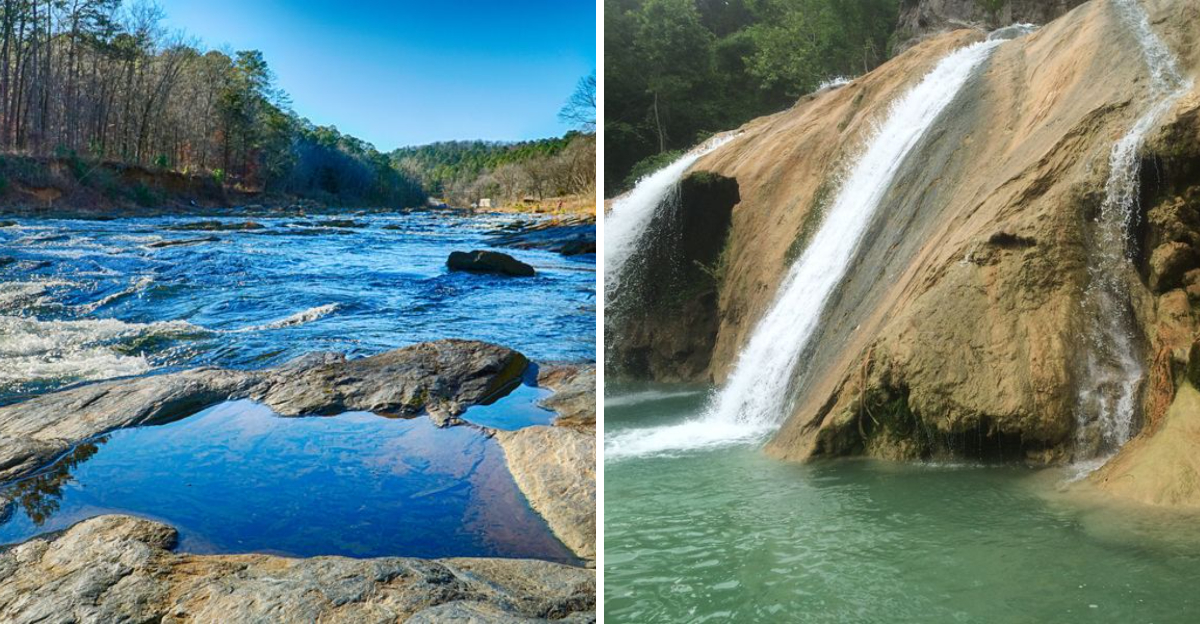
Oklahoma might not be the first state that comes to mind when planning a vacation, but it holds some surprising treasures that draw crowds year after year.
From charming small towns with rich histories to vibrant communities offering unique attractions, these destinations have become hotspots for travelers seeking authentic experiences.
The influx of visitors brings life and energy to these places, but it also means navigating busy streets, packed restaurants, and popular sites filled with fellow tourists.
Understanding which towns attract the most visitors can help you plan your trip more effectively, whether you want to join the crowds or find quieter times to visit.
These seven Oklahoma towns have earned their popularity through a combination of cultural heritage, natural beauty, and entertaining attractions that keep people coming back.
Each location offers something special that resonates with tourists, making them worth the occasional wait in line or search for parking.
Knowing what to expect can transform your visit from frustrating to fantastic, allowing you to appreciate what makes these communities so beloved.
Get ready to explore the Oklahoma towns where tourism thrives and crowds gather to create unforgettable memories.
1. Guthrie
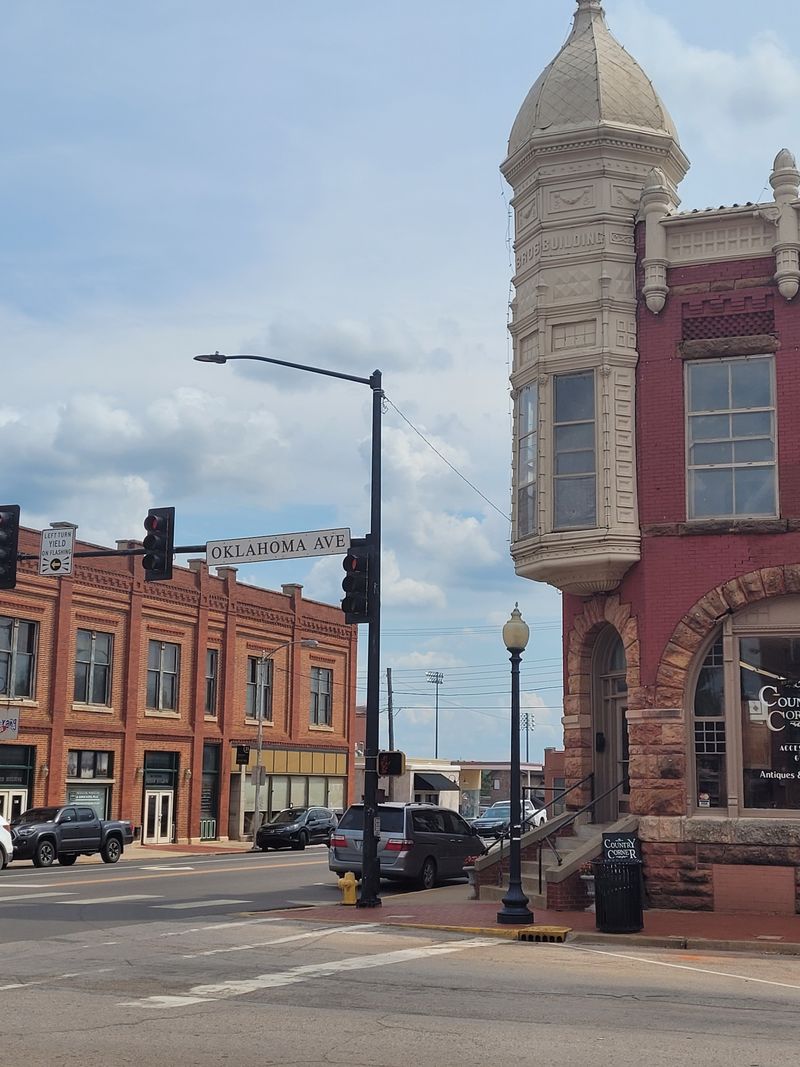
Historic charm radiates from every brick building lining the streets of this former territorial capital that draws history enthusiasts from across the region.
Guthrie’s entire downtown earned National Historic Landmark designation, making it one of the largest urban historic districts in the nation.
Visitors flock here especially during special events when the already-busy streets become packed with people exploring the Victorian architecture.
The Scottish Rite Masonic Temple at 900 East Oklahoma Avenue stands as one of the world’s largest Masonic centers and attracts curious tourists year-round.
Walking tours fill up quickly during peak seasons as guides share stories about the Land Run of 1889 and the town’s brief time as Oklahoma’s capital.
Antique shops, boutiques, and cafes occupy restored buildings that transport visitors back to the late 1800s.
Pollard Theatre at 120 West Harrison Avenue presents professional productions that bring theater lovers to town throughout the year.
The combination of authentic history and well-preserved architecture creates an irresistible draw for photographers and history buffs alike.
Weekends see the heaviest crowds, particularly when festivals like the Oklahoma International Bluegrass Festival take over the downtown area.
Parking becomes scarce during major events, so arriving early gives you the best chance to explore without frustration.
The Guthrie Trolley offers a convenient way to see the main attractions without worrying about finding spots for your vehicle.
Local restaurants experience long waits during lunch and dinner rushes, especially at popular spots like Ricks Cafe and Stables Cafe.
Planning your visit during weekdays or off-season months allows you to appreciate Guthrie’s treasures with fewer people around.
The town’s commitment to preservation means every corner offers something worth photographing or exploring at your own pace.
Despite the crowds, Guthrie’s authentic historical atmosphere makes it a destination that lives up to its reputation.
2. Medicine Park
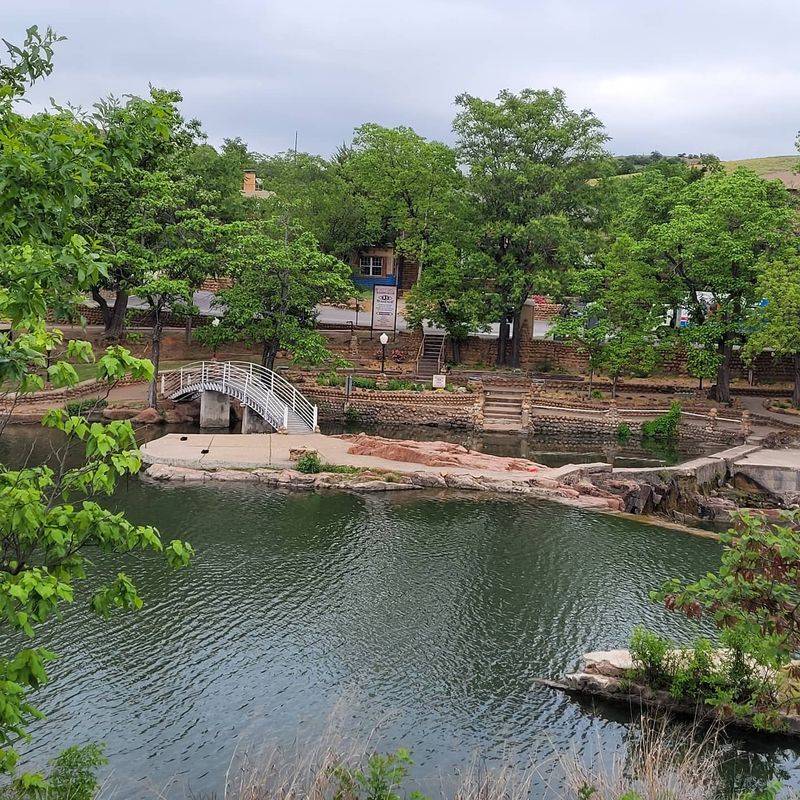
Cobblestone streets and rustic architecture create a mountain village atmosphere in this unique town nestled in the Wichita Mountains.
Medicine Park was Oklahoma’s first resort town, founded in 1908, and it continues drawing visitors seeking natural beauty and small-town charm.
Bath Lake flows directly through the center of town, where families wade in the cool water during hot summer months when crowds reach their peak.
The town’s distinctive cobblestone buildings, constructed from local stone, give it a storybook quality that photographers absolutely love.
Weekends bring thousands of visitors who fill the sidewalks, browse art galleries, and dine at waterfront restaurants with limited seating.
Old Plantation Restaurant at 201 W. 1st Street serves up comfort food that often has lines stretching out the door during peak dining hours.
Nature lovers come here as a gateway to the Wichita Mountains Wildlife Refuge, adding even more traffic to this already-popular destination.
The Medicine Park Aquarium and Natural Sciences Center attracts families with children, contributing to the bustling atmosphere throughout the day.
Live music events at the amphitheater draw additional crowds, especially during the summer concert series that packs the town beyond capacity.
Finding parking becomes a genuine challenge on Saturday and Sunday afternoons when day-trippers arrive from Oklahoma City and surrounding areas.
The small-town infrastructure wasn’t designed for the volume of visitors it now receives, making patience essential during your visit.
Local shops and eateries sometimes run out of popular items by late afternoon when crowds have been steady all day.
Visiting on weekday mornings offers a more relaxed experience where you can actually enjoy the peaceful sound of flowing water.
The charm that makes Medicine Park special remains intact despite the crowds, with friendly locals and genuine hospitality throughout.
This mountain resort town proves that good things come in small packages, even when those packages get pretty crowded.
3. Sulphur
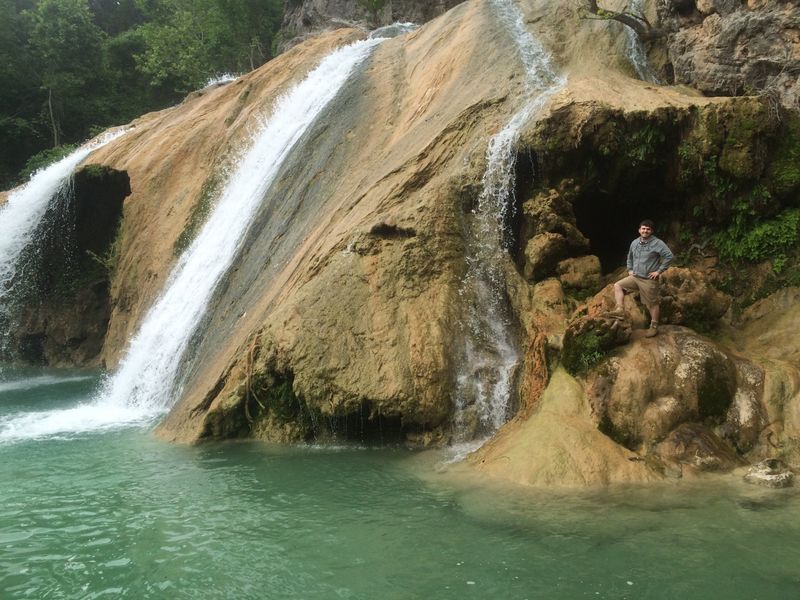
Natural springs and the Chickasaw National Recreation Area make this south-central Oklahoma town a magnet for outdoor enthusiasts and families seeking nature experiences.
Sulphur sits at the entrance to one of Oklahoma’s most visited national parks, ensuring steady streams of tourists throughout most of the year.
The historic downtown area offers a pleasant mix of shops and restaurants that serve as the perfect complement to outdoor adventures nearby.
Bromide Hill within the recreation area features natural springs where visitors can taste the mineral-rich water that gave the town its name.
Trafalgar Square and Park at 717 West Muskogee Avenue provides a charming downtown gathering spot that fills with people during festivals and events.
The proximity to Turner Falls, though technically in Davis, brings additional traffic through Sulphur as visitors stop for supplies and meals.
Summer months see the heaviest tourist traffic as families on vacation explore the swimming areas, hiking trails, and picnic spots within the national recreation area.
Veterans Lake and the Little Niagara waterfall become crowded destinations where finding a good spot requires arriving early in the day.
Local businesses benefit from the tourist traffic but also experience the challenges of serving large volumes of customers with small-town resources.
Bedré Fine Chocolate, operated by the Chickasaw Nation, attracts chocolate lovers who create lines during peak visiting hours at their retail location.
The town’s restaurants fill quickly during lunch and dinner, especially on weekends when day-trippers and overnight visitors converge simultaneously.
Motels and campgrounds book solid during summer weekends, making advance reservations absolutely essential for overnight stays.
Spring and fall offer beautiful weather with noticeably smaller crowds, allowing you to enjoy the natural springs and trails more peacefully.
The combination of natural beauty and small-town hospitality keeps visitors returning year after year despite the sometimes overwhelming crowds.
Sulphur demonstrates how natural resources can transform a quiet community into a bustling tourist destination that maintains its essential character.
4. Pawhuska
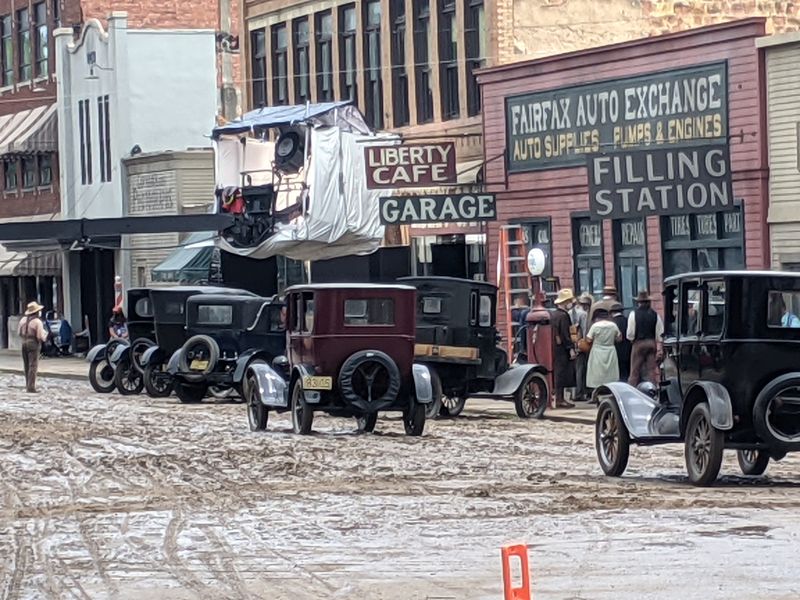
A quiet Osage County town experienced an unprecedented tourism boom when celebrity chef Ree Drummond opened The Pioneer Woman Mercantile in 2016.
What was once a sleepy community with a rich Native American heritage suddenly found itself on the map as a major tourist destination.
Visitors now arrive by the busload, creating traffic and parking challenges this small town had never imagined facing before.
The Mercantile at 532 Kihekah Avenue draws the largest crowds, with wait times for the restaurant often exceeding two hours on weekends and holidays.
People line up before opening time, hoping to secure a spot in the beautifully restored building that serves as restaurant, bakery, and retail shop.
The economic impact has been tremendous, breathing new life into downtown Pawhuska and inspiring other businesses to open or renovate.
Beyond the Pioneer Woman phenomenon, Pawhuska offers genuine cultural and historical attractions that deserve attention in their own right.
The Osage Nation Museum at 819 Grandview Avenue is the oldest tribally owned museum in the United States, showcasing important Native American history.
The Tallgrass Prairie Preserve just outside town provides a stunning natural landscape where bison roam freely across thousands of acres.
Downtown streets that once saw minimal traffic now struggle with congestion, especially during peak tourist seasons and special events.
Local restaurants and shops benefit from the influx but also deal with inventory challenges and staffing needs they never previously encountered.
The Osage County Historical Museum at 700 North Lynn Avenue offers a quieter alternative for those interested in local history without the crowds.
Visiting on weekdays, particularly Tuesday through Thursday, provides a much more manageable experience with shorter waits and easier parking.
The town has worked to accommodate tourists while preserving its authentic character and respecting its Osage heritage.
Pawhuska proves that unexpected fame can transform a community, bringing both opportunities and challenges that require careful balance.
5. Broken Bow
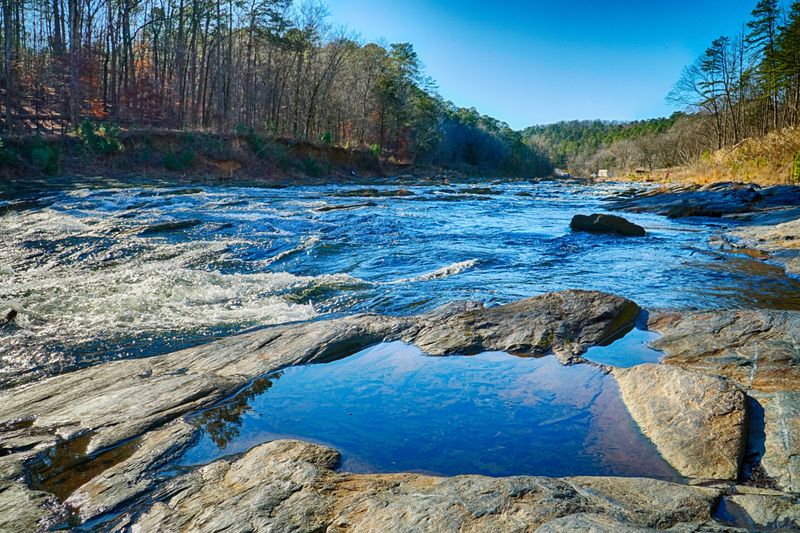
Towering pines and crystal-clear mountain lakes create a southeastern Oklahoma paradise that has become one of the state’s premier vacation destinations.
Broken Bow Lake attracts fishing enthusiasts, boaters, and families seeking water recreation in a scenic setting that rivals destinations in neighboring states.
The town itself has grown rapidly to accommodate tourists, with new restaurants, shops, and services appearing to meet increasing demand.
Beavers Bend State Park adjoins the town, offering hiking, zip-lining, horseback riding, and countless outdoor activities that keep visitors entertained for days.
The Mountain Fork River provides excellent trout fishing and scenic beauty that photographers and nature lovers find irresistible throughout the year.
Luxury cabin rentals dot the forested hillsides, with some properties commanding premium prices that rival upscale resorts in other states.
Summer and holiday weekends bring massive crowds that fill every available lodging option and create traffic congestion on the narrow mountain roads.
Popular restaurants like Grateful Head Pizza Oven and Tap Room experience long waits, with visitors sometimes driving to nearby towns for dining options.
The state park’s most popular trails and scenic overlooks become crowded with hikers and sightseers, especially during peak fall foliage season.
Hochatown, the area immediately surrounding Beavers Bend, has experienced explosive growth with new businesses opening constantly to serve tourist needs.
This rapid development has changed the character of the area, with some longtime visitors lamenting the loss of the quiet, undiscovered feel.
Local infrastructure sometimes struggles to keep pace with the visitor volume, particularly regarding traffic flow and parking availability at popular sites.
Weekday visits during spring and fall shoulder seasons offer the best balance of pleasant weather and manageable crowds.
The natural beauty that draws people here remains stunning despite the increased development and visitor numbers.
Broken Bow demonstrates how natural resources and outdoor recreation can transform a remote area into a tourism powerhouse that generates significant economic activity.
6. Tenkiller
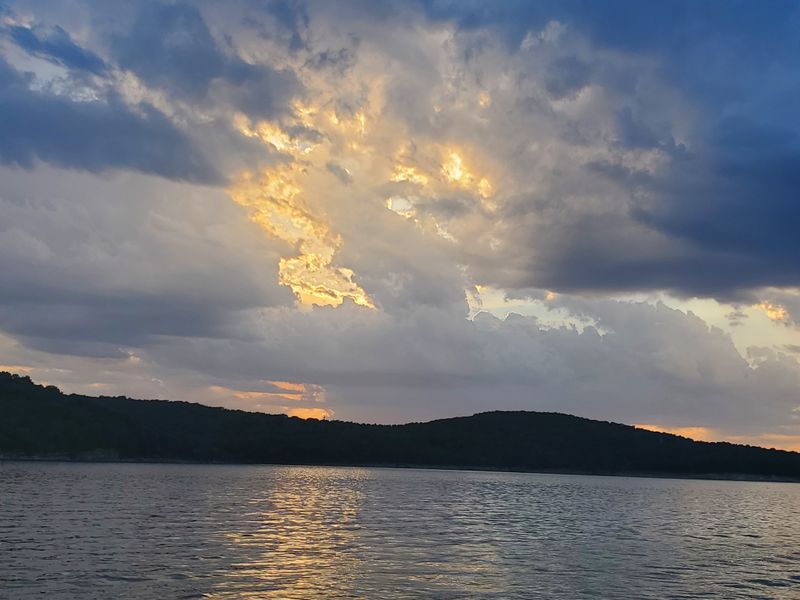
Clear water and dramatic scenery make Lake Tenkiller one of Oklahoma’s most beloved water recreation destinations that attracts boaters and divers year-round.
The lake’s exceptional clarity, rare for Oklahoma, creates ideal conditions for scuba diving, making it a training destination for divers from multiple states.
Small communities around the lake have evolved to serve tourists, with marinas, restaurants, and lodging options catering to seasonal visitors.
Summer weekends transform the quiet lake into a bustling water playground with boats, jet skis, and swimmers filling the coves and main channels.
Tenkiller State Park provides camping, swimming beaches, and boat ramps that become packed with visitors during peak season from Memorial Day through Labor Day.
The lake’s reputation for excellent striped bass fishing brings anglers who compete for space at popular fishing spots and boat launches.
Cookson Bend on the lake’s eastern shore features restaurants and shops that experience their busiest times during summer months and holiday weekends.
Parking at public access points fills quickly on nice-weather weekends, with latecomers sometimes unable to find spots to launch their boats.
The combination of recreational opportunities and scenic beauty creates a draw that brings visitors back repeatedly throughout the warm months.
Local businesses operate on seasonal schedules, with some closing or reducing hours during the slower winter months when tourism drops significantly.
The area’s remote location means limited dining and shopping options compared to larger tourist destinations, so visitors should plan accordingly.
Rental cabins and lake houses book months in advance for prime summer weeks, requiring early planning for those wanting to stay near the water.
Spring and early fall provide excellent weather with noticeably fewer crowds, allowing more peaceful enjoyment of the lake’s natural beauty.
The water remains clear and inviting even during busy times, maintaining the quality that makes Tenkiller special among Oklahoma lakes.
This northeastern Oklahoma gem shows how a single natural resource can anchor tourism for an entire region.
7. Tahlequah
Capital of the Cherokee Nation and home to Northeastern State University, Tahlequah combines cultural significance with recreational opportunities that attract diverse visitors.
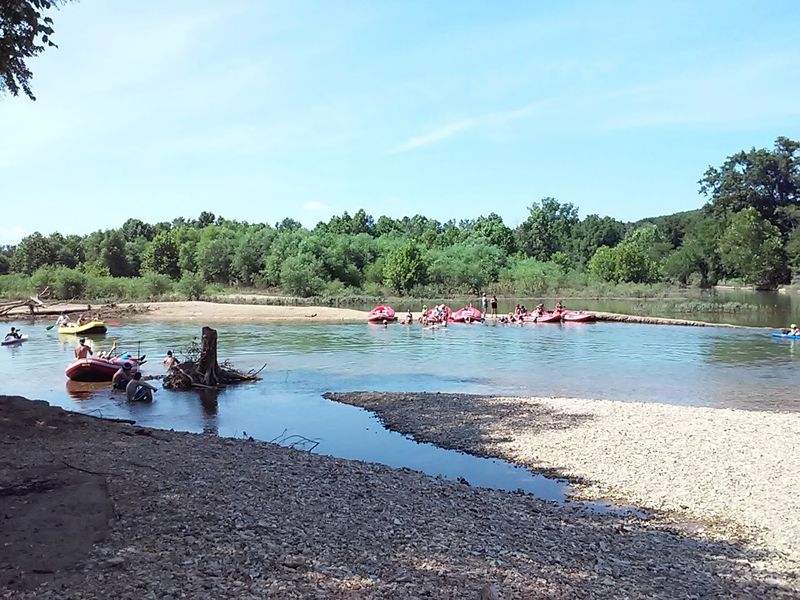
The Illinois River flowing near town draws thousands of floaters each summer, creating a seasonal tourism boom that transforms this otherwise quiet college town.
Downtown Tahlequah offers a historic square surrounded by local businesses, restaurants, and shops that serve both residents and the steady stream of tourists.
River outfitters line the highways leading to popular float sections, providing canoes, kayaks, and rafts to visitors eager to experience the scenic waterway.
Weekends from late spring through early fall see massive crowds descending on the river, with some sections becoming so packed that boats bump into each other.
The influx of young partiers seeking a floating good time has created challenges for the community, including litter, noise, and occasional unruly behavior.
Cherokee Heritage Center at 21192 South Keeler Drive provides educational experiences about Cherokee history and culture that attract school groups and history enthusiasts.
The Ancient Village and Trail of Tears exhibits offer important perspectives on Native American history that deserve attention beyond the river recreation scene.
NSU events, including sporting competitions and cultural programs, bring additional visitors throughout the academic year when the town experiences different crowd patterns.
Local restaurants and shops experience feast-or-famine business cycles, with summer river season bringing crowds and other times seeing much quieter activity.
The town has worked to balance its identity as Cherokee capital, college town, and river recreation destination with varying degrees of success.
Parking downtown becomes scarce during peak times, and popular eateries like Brownie’s Hamburger Stand experience long waits during busy periods.
Visiting during the academic year but outside river season allows you to experience Tahlequah’s cultural offerings without overwhelming crowds.
The Cherokee Nation’s presence provides authentic cultural experiences that distinguish Tahlequah from other river towns.
This northeastern Oklahoma community demonstrates the complexity of managing tourism that serves different audiences with different expectations and impacts.
Dear Reader: This page may contain affiliate links which may earn a commission if you click through and make a purchase. Our independent journalism is not influenced by any advertiser or commercial initiative unless it is clearly marked as sponsored content. As travel products change, please be sure to reconfirm all details and stay up to date with current events to ensure a safe and successful trip.
