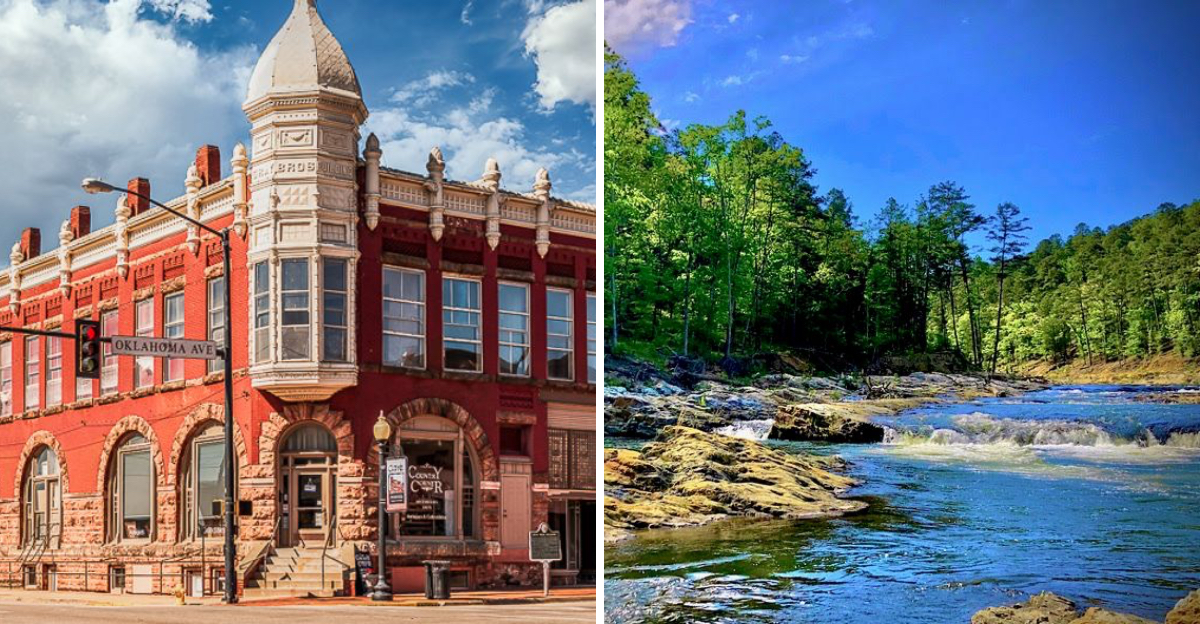
Tourism has a way of reshaping places you thought you knew, and across Oklahoma the shift feels impossible to ignore.
Small towns with peaceful streets and wide skies have turned into hot tickets thanks to social media, road trip trends, and renewed love for outdoor and cultural escapes.
You feel the buzz in crowded trailheads, booked out festivals, and homes that seem forever listed as short term stays.
If you are planning a visit, you can still soak up the magic without missing why locals worry about rising costs and changing rhythms.
1. Broken Bow
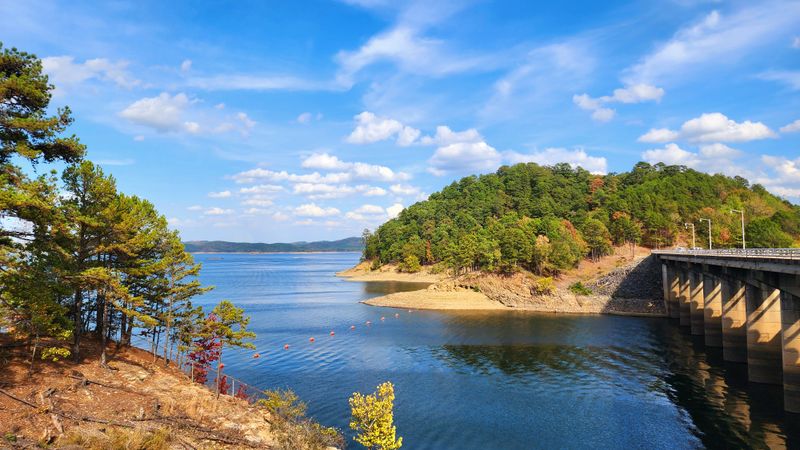
Broken Bow feels like the epicenter of cabin culture in southeastern Oklahoma, where pines hush the wind and the lake throws back a perfect sky.
You notice families lining up for kayaks while photographers chase fog on the water at first light.
Beavers Bend State Park remains the anchor, with trails bending through hardwoods and a river that rolls smooth past fly fishers.
The Forest Heritage Center Museum explains the timber story with accessible exhibits and seasonal events.
Address: Forest Heritage Center Museum, 4350 S SH 259A, Broken Bow, OK.
Cabins stretch up hillsides, and it is easy to understand why visitors keep coming.
Yet that popularity pushes nightly rates up and nudges locals to the edges of long familiar neighborhoods.
If you come, start early to avoid crowding on the Lower Mountain Fork and choose midweek for quieter moments.
Respect parking limits, pack out every snack wrapper, and keep noise low after sunset.
Wander the Friends Trail for river views that feel endless without requiring a full day hike.
Picnic by the spillway and watch light slide across smooth rock shelves.
You will hear woodpeckers and the occasional boat motor, a gentle soundtrack that suits this corner of the state.
Stop at local outfitters for maps and updates on water releases.
Then give the area space to breathe by supporting year round businesses, not just weekend hotspots.
2. Hochatown
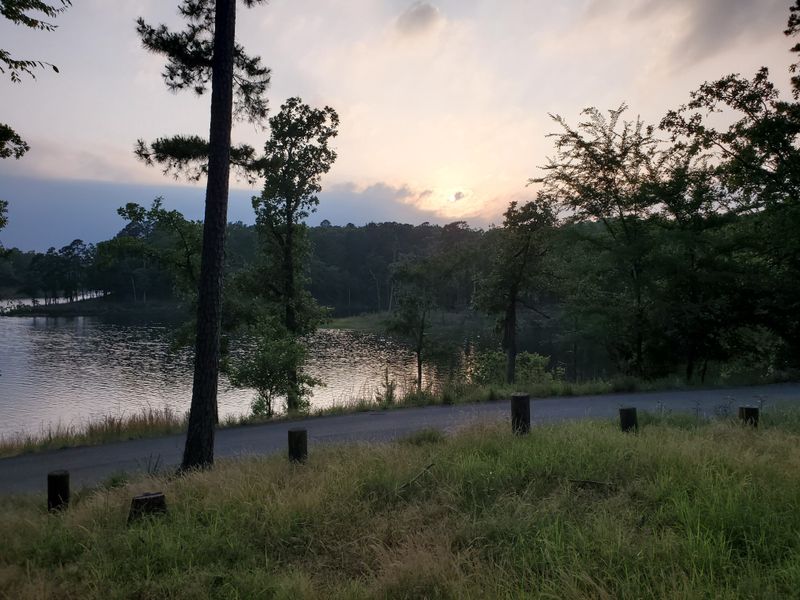
Hochatown hums with energy just a few minutes from Broken Bow, where adventure parks, pet friendly patios, and bustling eateries bring the woods to life.
Families line up for zip lines and kayak rentals while photographers chase mist over the lake at first light.
Cabin clusters spill into the forest, and local shops welcome visitors with handmade crafts and seasonal treats.
The area pulses with activity, yet quiet spots linger along trails and hidden river bends for those seeking solitude.
Adventure seekers glide down rapids while anglers test patience on calmer stretches of water.
Plan your visit midweek to enjoy more space and fewer crowds, and respect local guidelines to keep the woods peaceful.
Picnic under towering pines or sip coffee on a sunlit patio while the lake stretches wide in the background.
Evening settles slowly, with bird calls and distant paddle strokes composing a gentle soundtrack.
Local outfitters offer gear, maps, and advice for exploring trails and waterways safely.
Support restaurants, shops, and tour guides to help the community thrive beyond peak weekends.
Hochatown balances energy and tranquility, making it a perfect complement to Broken Bow’s quiet charm.
3. Medicine Park
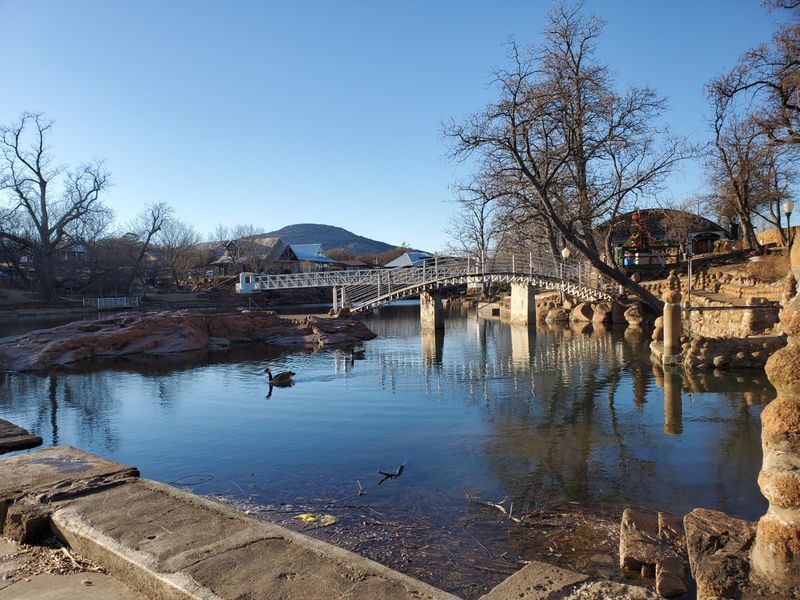
Medicine Park looks like a movie set, all rounded cobblestones and bright doors tucked against the Wichita Mountains.
The creek runs clear under willow shade, and music drifts from patios that face the water.
On weekends the crowd swells, and rooms that once felt easy to snag now vanish far in advance.
The Wichita Mountains Wildlife Refuge nearby pulls photographers and hikers who chase longhorn silhouettes at dusk.
Trails like Elk Mountain and the Charon’s Garden area deliver granite slabs, wind bursts, and sweeping prairie views.
Stop at the Visitor Center for maps and wildlife updates.
Address: Wichita Mountains Wildlife Refuge Visitor Center, 32 Refuge HQ Rd, Indiahoma, OK.
In town, the Bath Lake swimming area turns into a summer magnet with calm pools and smooth stone edges.
Art galleries and tiny boutiques add texture, and seasonal events keep the calendar lively.
Locals talk about rising rents, limited parking, and service jobs that cannot match housing pressure.
If you visit, park once and walk the loop to reduce congestion along narrow streets.
Early morning strolls reveal quieter corners and glimpses of deer slipping between yards.
Sunset over Mount Scott glows red, then settles into deep blue that hugs the hills.
Bring layers because wind knifes through the gaps even on mild days.
Buy crafts directly from makers so the creative community benefits as much as the view does.
4. Pawhuska
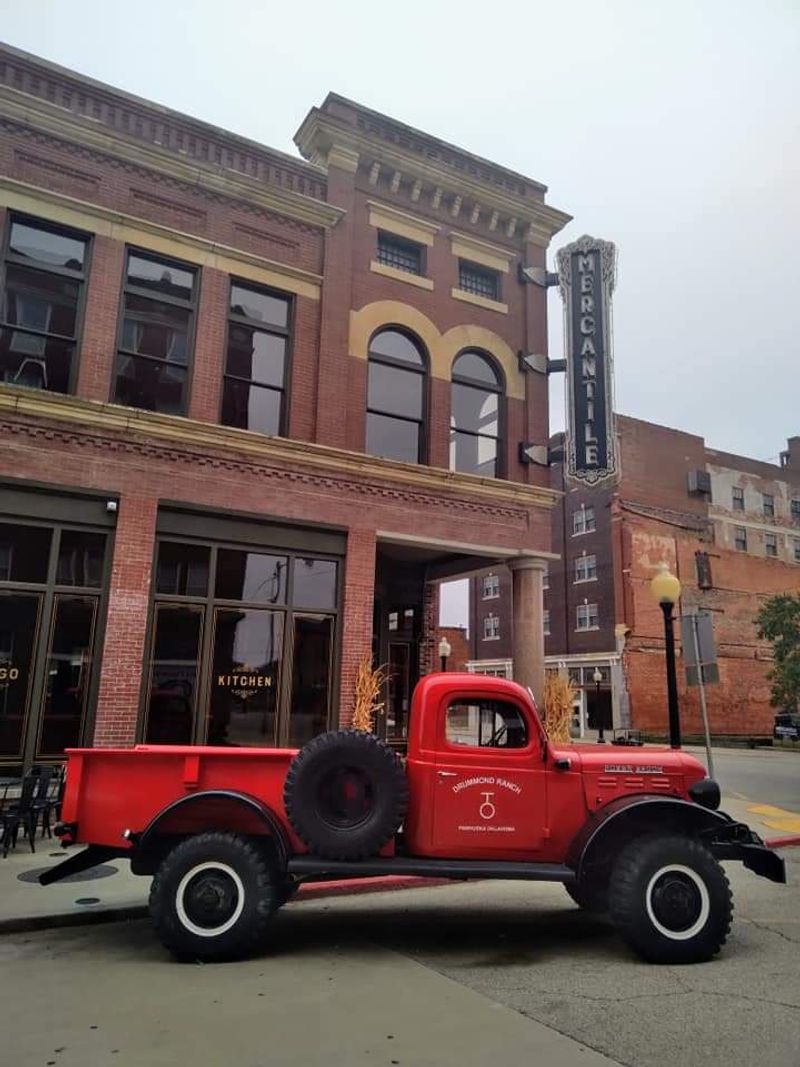
Pawhuska sits on the Osage Nation reservation with a layered story that pulls in visitors for food, culture, and prairie horizons.
The Pioneer Woman influence amplified attention and turned quiet weekdays into lively sidewalks.
Short term rentals multiplied, and longtime residents describe a squeeze that arrives with every new photo line.
Balance comes from deeper context at the Osage Nation Museum, where art and history anchor the community’s voice.
Exhibits change periodically, and staff can point you toward seasonal events and public programs.
Address: Osage Nation Museum, 819 Grandview Ave, Pawhuska, OK.
Nearby, the Tallgrass Prairie Preserve opens a road into wind driven grass and bison herds that move like weather.
Windows down, you hear insects humming while hawks ride thermals overhead.
Downtown’s brick blocks frame independent shops that champion local makers and calm, practical design.
Visit midweek to ease sidewalk pressure and secure shorter waits at cafes.
Bring patience for two lane traffic and plan extra time around midday surges.
Photography is welcome in many spots, but be mindful when capturing people or private property.
Sunrise on the prairie glows gold and reveals subtle color across every ridge.
Storm days create dramatic skies that make even quick drives memorable.
Support community organizations so cultural stewardship keeps pace with the travel wave.
5. Guthrie
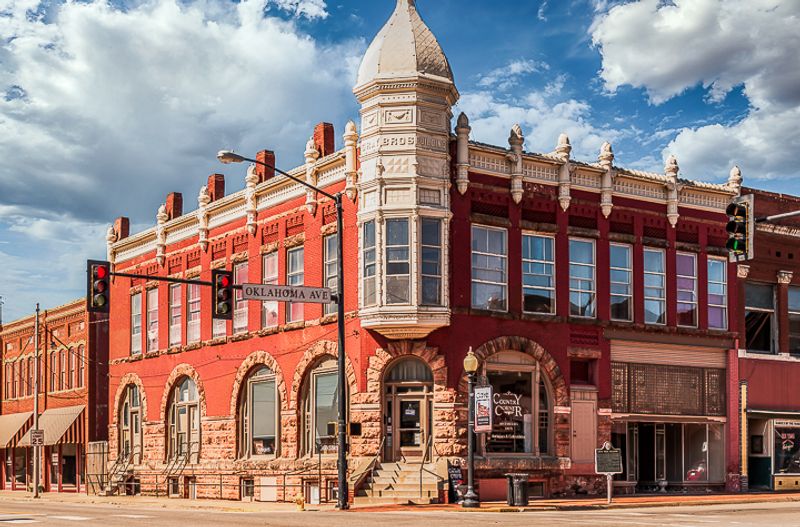
Guthrie wears its Territorial era architecture with quiet pride, and those blocks photograph beautifully from almost any angle.
Festivals and theater seasons now draw more guests than many weekends can handle.
That attention boosts storefronts while complicating rent for locals who want to stay downtown.
The Oklahoma Territorial Museum and Carnegie Library provide context on statehood and urban growth.
Exhibits spell out how rail, policy, and planning shaped this once booming capital.
Address: Oklahoma Territorial Museum, 406 E Oklahoma Ave, Guthrie, OK.
Brick streets wrap through a district that glows at night when the lamps kick on and windows warm up.
You can wander alleys for mural finds and step into antique shops filled with maps, tools, and postcards.
Music echoes during special events, and long lines form for sweets on fair weather days.
Parking fills fast, so consider side streets and a relaxed walking loop instead.
Respect storefront hours and leave patience for staff working at full tilt.
Sunrise showcases decorative cornices and cast iron details that many towns lost decades ago.
Storm light turns the brick a deep rust color that feels cinematic without effort.
Support historic preservation groups that keep roofs tight and facades strong.
Your visit can help the district thrive while easing pressure through thoughtful timing.
6. Tahlequah
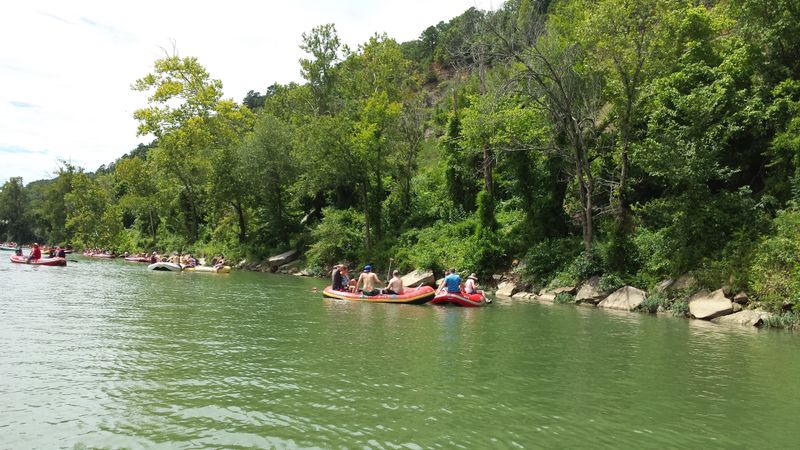
Tahlequah carries the rhythm of a college town alongside the heart of Cherokee Nation government and culture.
River outfitters and campus seasons stack visitors in layers, and rentals close to the square jump first.
Locals juggle the steady pulse of student life with a surge of warm weather float trips.
The Cherokee National History Museum lays out timelines, language, and artistry with careful detail.
Staff welcome questions and point to additional sites across the capital complex.
Address: Cherokee National History Museum, 101 S Muskogee Ave, Tahlequah, OK.
Walk the Town Branch Trail in the morning before the river crowds roll in with bright tubes.
Main Street stores sell beadwork, books, and pieces that reflect living traditions.
During fall, trees frame the campus with color that complements red brick and stone.
The Illinois River flows gentle most seasons, and gravel bars feel like little beaches.
Weekday visits keep parking workable near the square and along shaded side streets.
Be mindful of cultural sites and follow posted guidance at government buildings.
Photography should remain respectful, especially during community events or ceremonies.
Order from Native owned cafes and galleries to keep your dollars aligned with place.
This corner of Oklahoma rewards curiosity that listens as much as it looks.
7. Sulphur
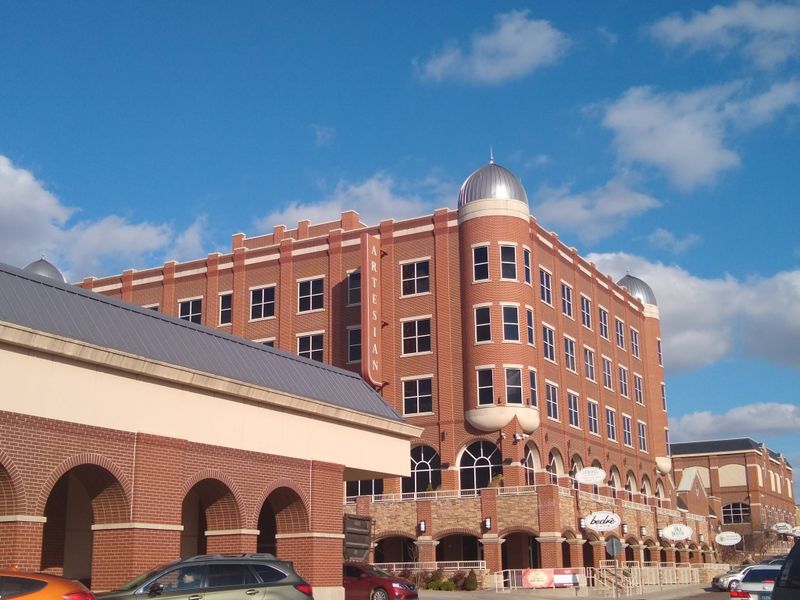
Sulphur sits amid springs, limestone, and rolling Arbuckle hills that invite long rambles.
Chickasaw National Recreation Area channels visitors into shaded creeks that sparkle even on hot afternoons.
The Travertine Nature Center offers exhibits on water flow, geology, and wildlife behavior through the year. Staff can help you read stream levels and choose low-impact routes.
Address: Travertine Nature Center, 1504 Perimeter Rd, Sulphur, OK.
You hear laughter at Little Niagara while dragonflies flicker across shallow pools. Boardwalks cut through riparian shade where cottonwoods lift the canopy skyward.
That beauty drives demand for cabins and rentals that once sat empty on weekdays. Locals describe tighter markets and seasonal strain on services, especially water use and trash pickup.
Visit early, bring refillable bottles, and pack out everything so creeks stay clear.
Hike the Veterans Lake loop for quiet bird calls and sunset color. Avoid climbing fragile tufa and stay on rock that can handle traffic.
If crowds swell, pivot to Bromide Hill for a breezy overlook without the splash zone.
Support visitor-friendly shops in downtown Sulphur that operate beyond summer holidays.
8. Claremore
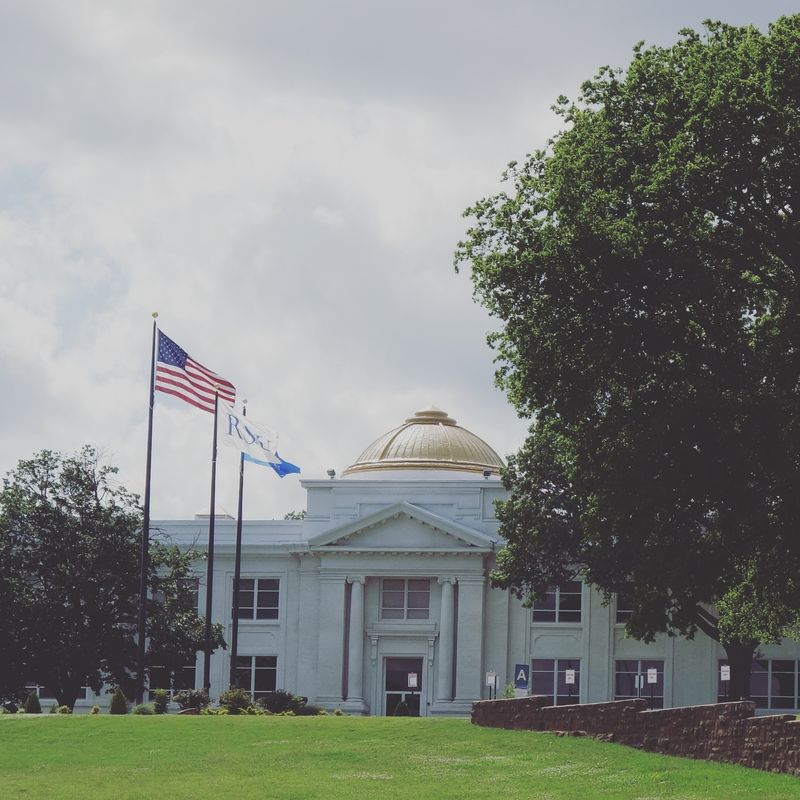
Claremore rides a wave of interest tied to history, roadside nostalgia, and easy highway access.
The Will Rogers Memorial Museum crowns a hill with galleries, films, and a view that sweeps across town.
Weekends bring steady lines, and nearby rentals bump in price whenever major events hit the calendar.
The museum grounds feel serene, with statues and native plantings that frame the approach.
Docents share stories that connect humor, aviation, and public service.
Address: Will Rogers Memorial Museum, 1720 W Will Rogers Blvd, Claremore, OK.
Downtown shows off brick storefronts filled with antiques, records, and family run cafes.
Murals add bright color along alleys, and side streets offer quieter parking when Main fills up.
Hikers can branch to nearby trails at Claremore Lake for breezy shoreline loops.
Birdsong carries across coves in the early hours when water sits still and silver.
Tourism elevates pride yet makes leases tricky for workers who keep shops humming.
Choose shoulder season travel to balance crowds and comfort.
Keep visits gentle by sticking to posted hours and leaving space in smaller galleries.
Spend on local prints and books that keep history projects funded and visible.
This northeastern Oklahoma stop rewards curiosity with steady, grounded detail.
9. Bartlesville
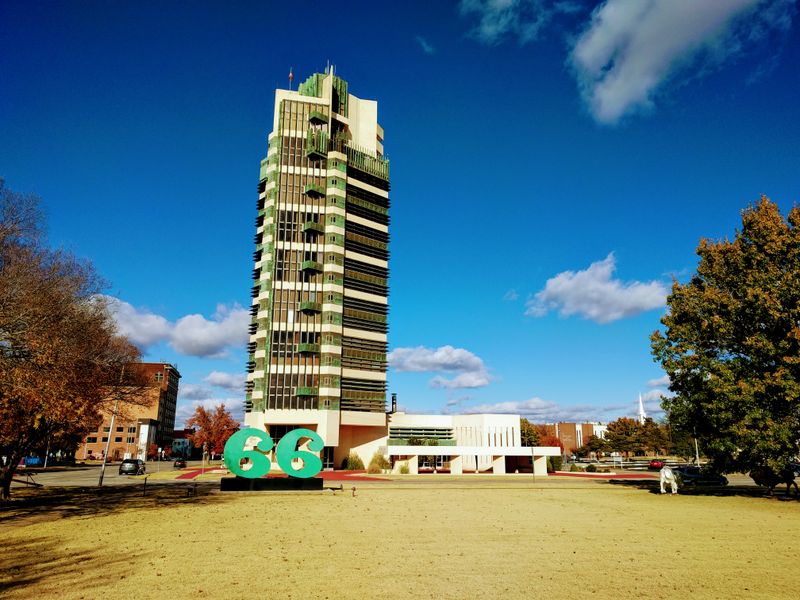
Bartlesville draws architecture fans who come to stand beneath the copper panels of Price Tower and look straight up.
The structure remains a rare vertical design from Frank Lloyd Wright and anchors a compact downtown.
Increased attention brings boutique lodging pressure and steady weekend rates that surprise returning guests.
The Price Tower Arts Center provides tours and rotating exhibitions tied to design and craft.
Docents explain materials, geometry, and careful preservation that keeps the lines crisp.
Address: Price Tower Arts Center, 510 S Dewey Ave, Bartlesville, OK.
Elsewhere, the paths at Johnstone Park offer shade, swings, and a simple break from gallery pacing.
Public art dots corners where brick meets glass and steel.
Dining rooms fill fast during festival weekends, so early reservations can help.
Parking remains workable if you choose a perimeter block and plan a short walk.
Locals note higher housing costs near renovated buildings and long term shifts in who can stay downtown.
Visitors can ease strain by booking midweek and shopping at maker markets.
Sunsets reflect off the tower with warm copper tones that linger for minutes.
Night views reveal a sculptural silhouette that rewards slow, careful looking.
This is Oklahoma modernism with real neighborhood stakes.
10. Idabel
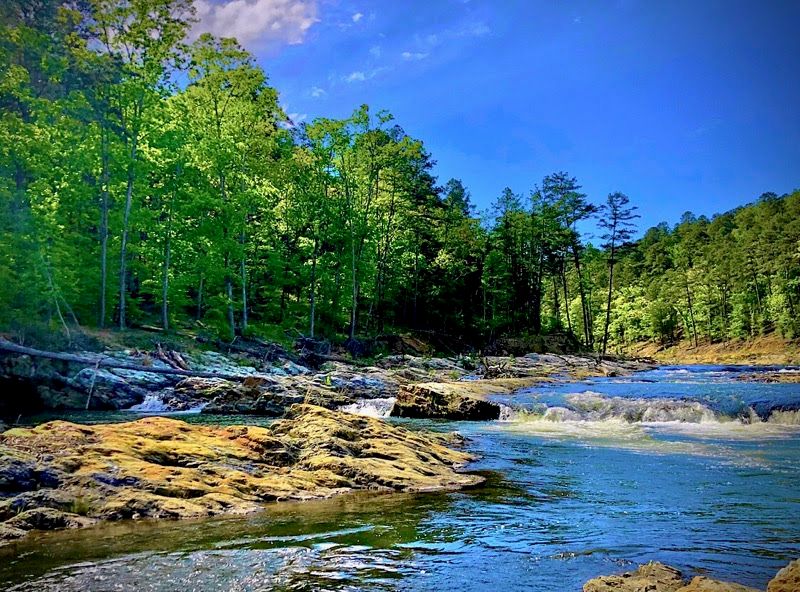
Idabel sits in the far southeast with pine edges and open farmland that meet under big skies.
The Museum of the Red River elevates this town with a serious collection and thoughtful design.
Travel attention grows each season as road trippers connect Idabel to Broken Bow loops.
Inside the museum, the casts and artifacts reveal deep time, regional art, and careful curation.
Special exhibitions keep repeat visits interesting without overwhelming smaller galleries.
Address: Museum of the Red River, 812 E Lincoln Rd, Idabel, OK.
Downtown holds murals and quiet storefronts where you can pause and linger without rush.
Birding routes nearby reward early starts, especially during migration windows.
More visitors translate into pressure on rental availability that used to sit stable.
Local leaders juggle opportunity and the need to preserve everyday affordability.
Choose thoughtful timing, and keep voices low in galleries to protect the slower cadence.
Ask staff about community events that welcome visitors while centering residents.
Cloud banks roll in fast across the plains and turn the light soft for photography.
Storm breaks paint the museum facade with shifting color and shadow.
This Oklahoma stop proves culture can thrive outside the usual corridors.
Dear Reader: This page may contain affiliate links which may earn a commission if you click through and make a purchase. Our independent journalism is not influenced by any advertiser or commercial initiative unless it is clearly marked as sponsored content. As travel products change, please be sure to reconfirm all details and stay up to date with current events to ensure a safe and successful trip.
