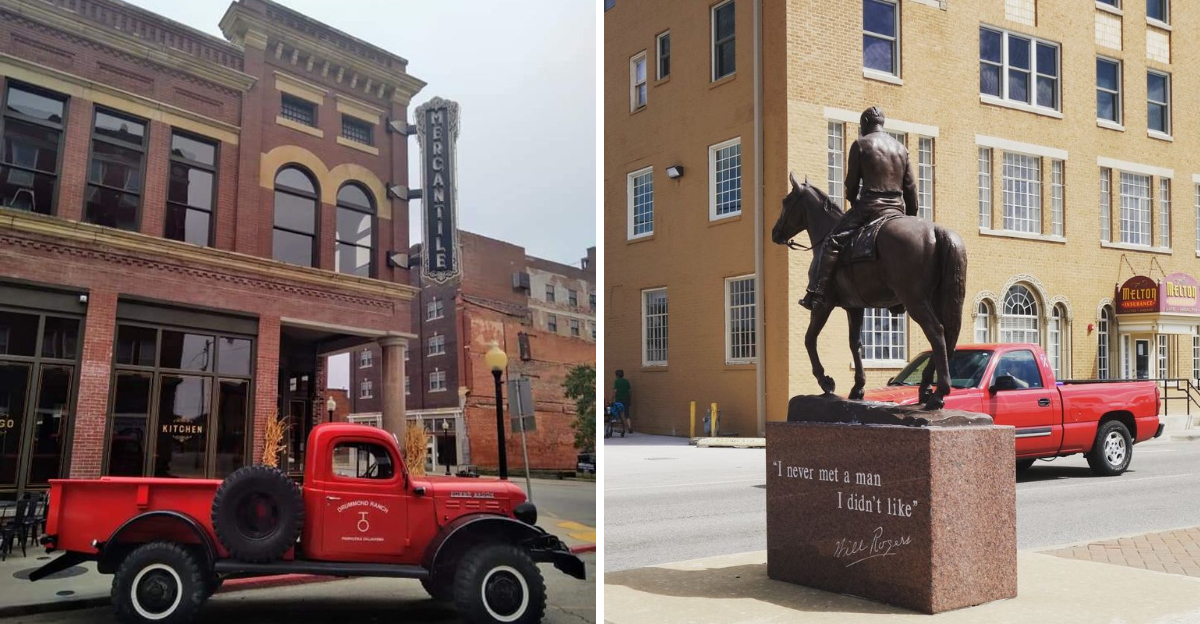
Oklahoma holds treasures from the past that come alive in charming downtown districts scattered across the state.
Walking through these historic areas feels like stepping back in time, where brick-lined streets tell stories of pioneers, oil booms, and communities that built the heartland of America.
From beautifully preserved buildings to quirky antique shops and family-owned diners, these towns offer glimpses into what life was like generations ago.
Whether you love history, architecture, or simply exploring new places, Oklahoma’s historic downtowns provide unforgettable experiences that connect us to our roots.
Each town has its own personality and unique charm, making every visit a fresh adventure.
These downtown areas aren’t just museums frozen in time; they’re living, breathing communities where the past meets the present.
Local businesses thrive alongside century-old structures, creating spaces where families can learn, shop, eat, and enjoy quality time together.
Exploring these seven Oklahoma towns will give you a deeper appreciation for the state’s rich heritage and the people who worked hard to preserve it.
Pack your curiosity and comfortable walking shoes because these historic downtowns are waiting to share their stories with you.
1. Guthrie
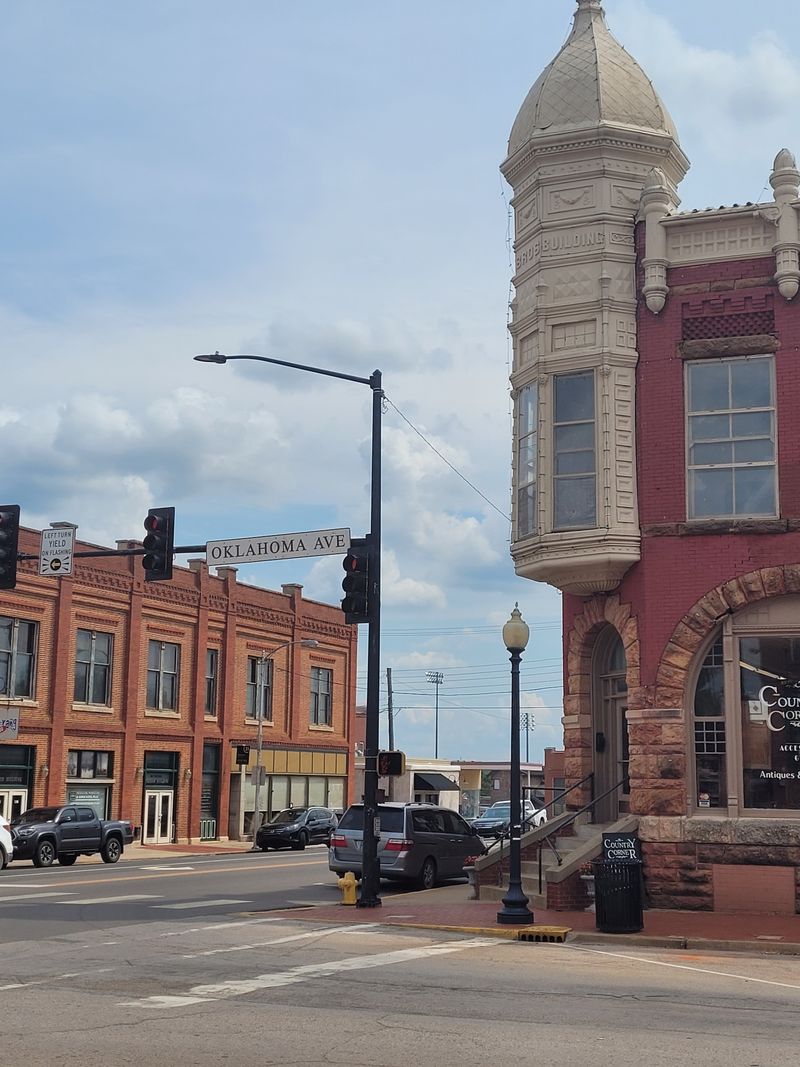
Guthrie stands as Oklahoma’s first capital and showcases one of the largest historic districts in the nation.
The downtown area spans over 400 acres filled with Victorian-era architecture that has remained remarkably intact since the Land Run of 1889.
Red brick buildings line the streets, their ornate facades featuring intricate stonework and tall windows that reflect the optimism of early Oklahoma settlers.
Walking down Oklahoma Avenue, you’ll discover the Scottish Rite Masonic Temple towering at 206 West Oklahoma Avenue.
This landmark offers guided tours that reveal grand ballrooms, intricate woodwork, and a fascinating history.
Nearby, the Oklahoma Territorial Museum at 406 East Oklahoma Avenue provides exhibits about frontier life and the dramatic Land Run.
The Blue Belle Saloon at 224 West Harrison Avenue recalls Guthrie’s Wild West days with original fixtures and colorful stories.
Antique shops fill many storefronts, offering vintage treasures and collectibles that span generations.
The Pollard Theatre at 120 West Harrison Avenue hosts live performances in a beautifully restored historic venue.
Stables Cafe at 223 West Harrison Avenue serves meals in a former horse-and-carriage building that blends history with modern comfort.
Guthrie’s commitment to preservation means nearly every corner tells a story through its buildings and streetscapes.
Annual events like the territorial Christmas celebration transform downtown into a Victorian wonderland for visitors of all ages.
2. Pawhuska
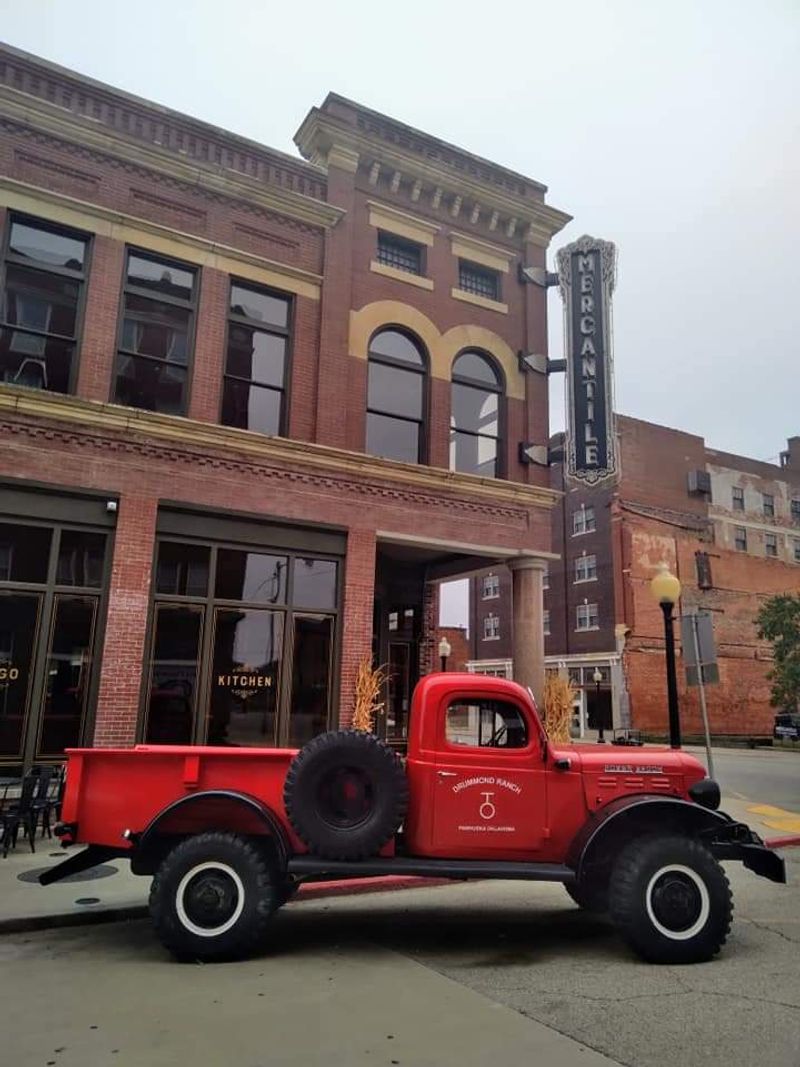
Pawhuska gained international attention when Food Network star Ree Drummond opened The Pioneer Woman Mercantile, but this town’s history runs much deeper than recent fame.
Situated in Osage County, Pawhuska served as the headquarters of the Osage Nation and prospered during the oil boom of the early 1920s.
The downtown reflects this wealth with impressive buildings constructed from native limestone and brick that have weathered nearly a century.
The Pioneer Woman Mercantile at 532 Kihekah Avenue draws crowds for its restaurant, bakery, and retail space housed in a gorgeously restored building.
Beyond this popular destination, the Triangle Building at 201 West Main Street showcases the unique architecture that gives Pawhuska its distinctive character.
The Osage Nation Museum at 819 Grandview Avenue, established in 1938, is the oldest tribally owned museum in the United States.
The Constantine Theater at 115 West Main Street once entertained oil barons and their families with vaudeville shows and silent films.
Today, restoration efforts aim to bring this beautiful venue back to life for future generations.
Bad Brad’s Bar-B-Q at 119 North Kihekah Avenue serves mouthwatering meals in a casual atmosphere that locals love.
Wandering through Pawhuska’s downtown reveals layers of history from Native American heritage to oil wealth to modern-day revitalization.
The Immaculate Conception Catholic Church features striking architecture that reflects the town’s diverse cultural influences.
Antique stores and local boutiques fill historic storefronts, creating a shopping experience that feels authentic and connected to the past.
Pawhuska proves that respecting history while embracing change creates vibrant communities where everyone feels welcome.
3. Claremore
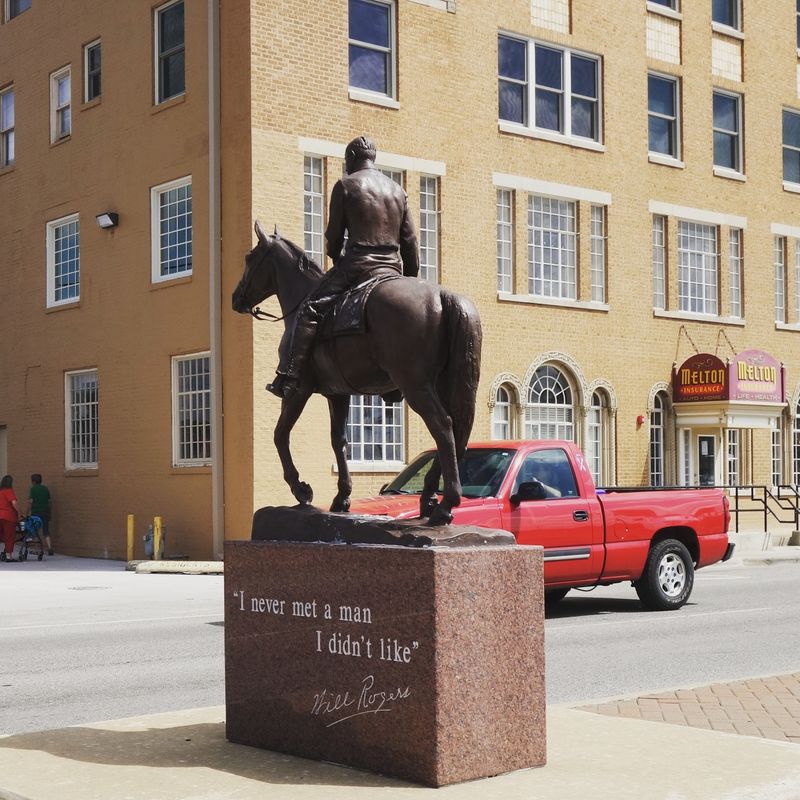
Claremore proudly claims Will Rogers as its most famous resident, and the downtown area celebrates this connection while showcasing its own rich heritage.
Located along the historic Route 66 corridor, Claremore developed as a trading center and railroad town in the late 1800s.
The downtown district features buildings from the early 20th century that have been lovingly maintained and repurposed for modern businesses.
The Will Rogers Memorial Museum sits just outside downtown at 1720 West Will Rogers Boulevard, offering exhibits about the beloved humorist, actor, and philosopher who put Claremore on the map.
Back in the historic district, the Belvidere Mansion at 121 North Chickasaw Avenue stands as a testament to the wealth generated by the area’s natural springs and health resorts.
This beautiful home, built in 1907, now operates as a museum showcasing Victorian-era furnishings and local history.
The old Claremore Hotel building and surrounding structures on Will Rogers Boulevard display classic early American commercial architecture with pressed tin ceilings and large storefront windows.
Hammett House Restaurant at 1616 West Will Rogers Boulevard serves comfort food in a historic setting that locals have enjoyed for decades.
Antique shops and specialty stores line the streets, making downtown Claremore a destination for treasure hunters and history enthusiasts alike.
The J.M. Davis Arms and Historical Museum at 330 North J.M. Davis Boulevard houses one of the world’s largest privately assembled gun collections along with other fascinating artifacts.
Claremore’s downtown benefits from active preservation efforts and community pride that keeps these historic buildings functional and beautiful.
The Claremore Expo Center hosts events that bring people together, continuing the town’s tradition as a gathering place for Rogers County residents and visitors from across the state.
4. Bartlesville
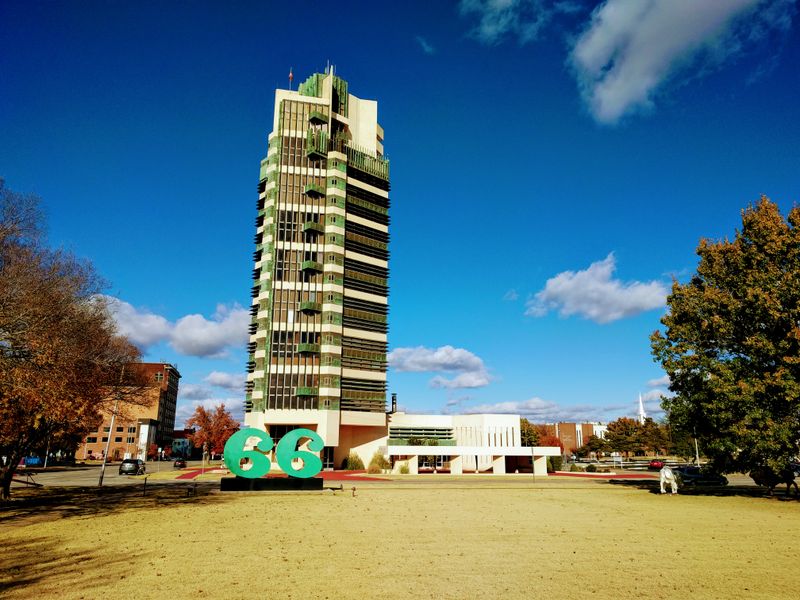
Bartlesville emerged as an oil industry powerhouse when Frank Phillips founded Phillips Petroleum Company here in 1905.
This prosperity translated into impressive architecture that still defines the downtown landscape today.
The historic district showcases buildings from the oil boom era, featuring art deco details and solid construction that reflected the confidence and wealth of early 20th-century Oklahoma.
Price Tower at 510 Dewey Avenue stands as the only realized skyscraper designed by legendary architect Frank Lloyd Wright.
This nineteen-story marvel combines residential and commercial space in a cantilevered design that was revolutionary for its time.
Visitors can tour the building and even stay overnight in the Inn at Price Tower, experiencing Wright’s architectural genius firsthand.
Downtown Bartlesville’s Johnstone Avenue features beautifully preserved storefronts that house locally owned shops, restaurants, and galleries.
Frank and Lola’s at 124 West Frank Phillips Boulevard serves creative cuisine in an intimate setting that celebrates local ingredients and culinary traditions.
OkPop Museum, currently under development, will showcase Oklahoma’s incredible contributions to popular culture, adding another cultural attraction to this already rich downtown.
The Community Center at 300 Southeast Adams Boulevard hosts performances and events that bring the community together throughout the year.
Woolaroc Museum and Wildlife Preserve, located just outside town, displays an incredible collection of Western art and artifacts assembled by Frank Phillips himself.
Bartlesville Public Library at 600 South Johnstone Avenue occupies a mid-century modern building that represents another chapter in the town’s architectural evolution.
The downtown area successfully balances preservation with progress, maintaining historic character while supporting thriving businesses that serve residents and visitors alike.
5. Ardmore
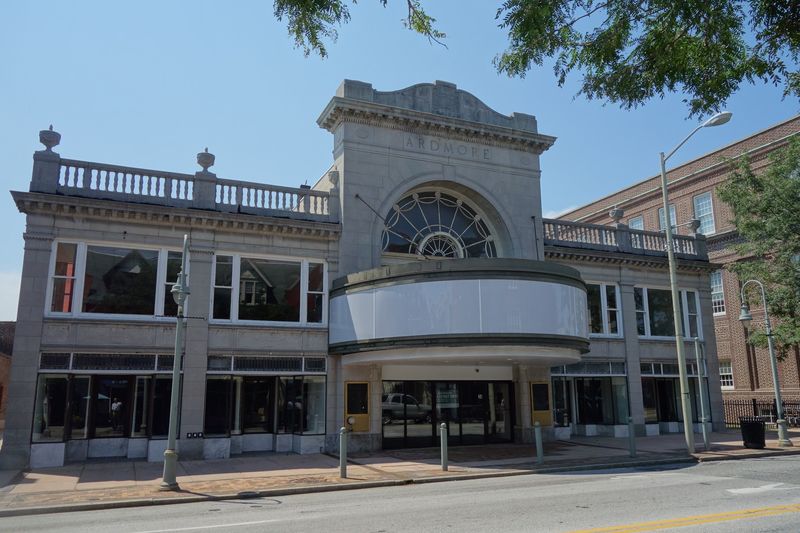
Ardmore sits near the Texas border and developed as a major railroad hub for the Santa Fe Railway in the late 1800s.
The downtown area reflects this transportation heritage with substantial brick buildings that served railroad workers, ranchers, and farmers from surrounding areas.
Main Street showcases classic American commercial architecture with wide sidewalks and buildings that have housed businesses for over a century.
The Goddard Center at 401 First Avenue Southwest brings arts and culture to downtown Ardmore through rotating exhibitions and community programs.
Eliza Cruce Hall Doll Museum at 320 East Street Northwest displays an impressive collection of dolls and toys that spans generations, offering a unique glimpse into childhood through the decades.
These cultural attractions complement the historic commercial buildings that give Ardmore its distinctive character.
Greater Southwest Historical Museum at 35 Sunset Drive preserves local history through exhibits about Native American heritage, pioneer settlement, and military history.
Downtown Ardmore has experienced revitalization in recent years, with new restaurants and businesses breathing life into historic structures.
Cajun King Seafood at 2524 West Broadway Street serves delicious Louisiana-style cuisine, reflecting the diverse culinary influences found in southern Oklahoma.
The Hardy Murphy Coliseum hosts rodeos, concerts, and events that continue Ardmore’s tradition as a regional gathering place.
Lake Murray State Park, located nearby, offers outdoor recreation that complements a downtown visit with swimming, fishing, and hiking opportunities.
Ardmore’s historic downtown benefits from community investment and a growing appreciation for the stories these buildings tell.
Walking through the district reveals architectural details like decorative cornices and original signage that connect present-day visitors to the pioneers and entrepreneurs who built this southern Oklahoma community.
6. Stillwater
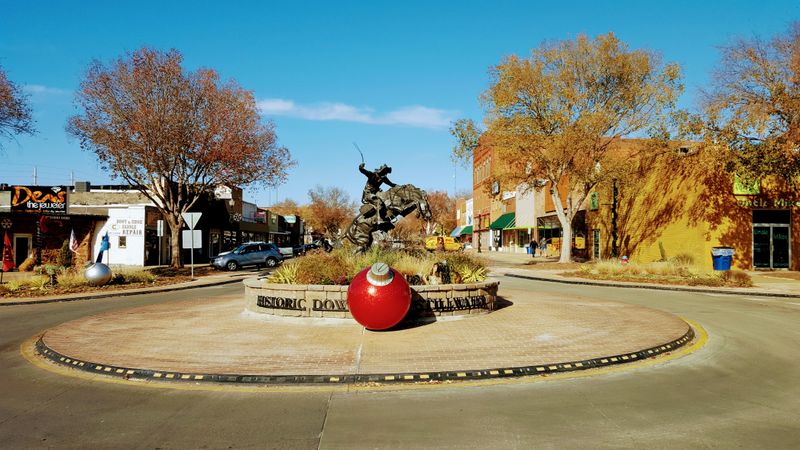
Stillwater combines college town energy with genuine historic charm in its downtown district.
Founded during the Land Run of 1889, Stillwater quickly established itself as an educational center when Oklahoma Agricultural and Mechanical College (now Oklahoma State University) opened in 1891.
The downtown area developed to serve students, faculty, and local residents, creating a mix of commercial buildings that reflect different eras of growth.
Main Street features buildings from the early 1900s with classic storefronts that now house bookstores, coffee shops, and locally owned businesses.
The Sheerar Museum of Stillwater History at 702 South Duncan Street occupies a beautiful 1920s home and showcases the town’s development through photographs, artifacts, and exhibits.
Nearby, Oklahoma State University’s campus includes historic buildings like Old Central, which dates to 1894 and represents the university’s founding era.
Eskimo Joe’s at 501 West Elm Avenue started as a college bar in 1975 and grew into a Stillwater institution known for its cheese fries and iconic logo.
The restaurant occupies a building that reflects the town’s mid-century development and has become a must-visit destination for OSU fans and visitors.
Downtown Stillwater Farmers Market brings fresh produce and handmade goods to the historic district, continuing the tradition of Main Street as a community gathering place.
Gardiner Art Gallery at 108 East Seventh Avenue showcases regional artists in a historic setting that celebrates creativity.
The Cimarron River runs through Stillwater, and Boomer Lake Park offers scenic views and outdoor activities just minutes from downtown.
Stillwater’s historic downtown thrives because of strong community support and the constant energy that comes from being a college town.
The blend of preserved architecture, local businesses, and university culture creates an atmosphere that honors the past while looking toward the future.
7. Tahlequah
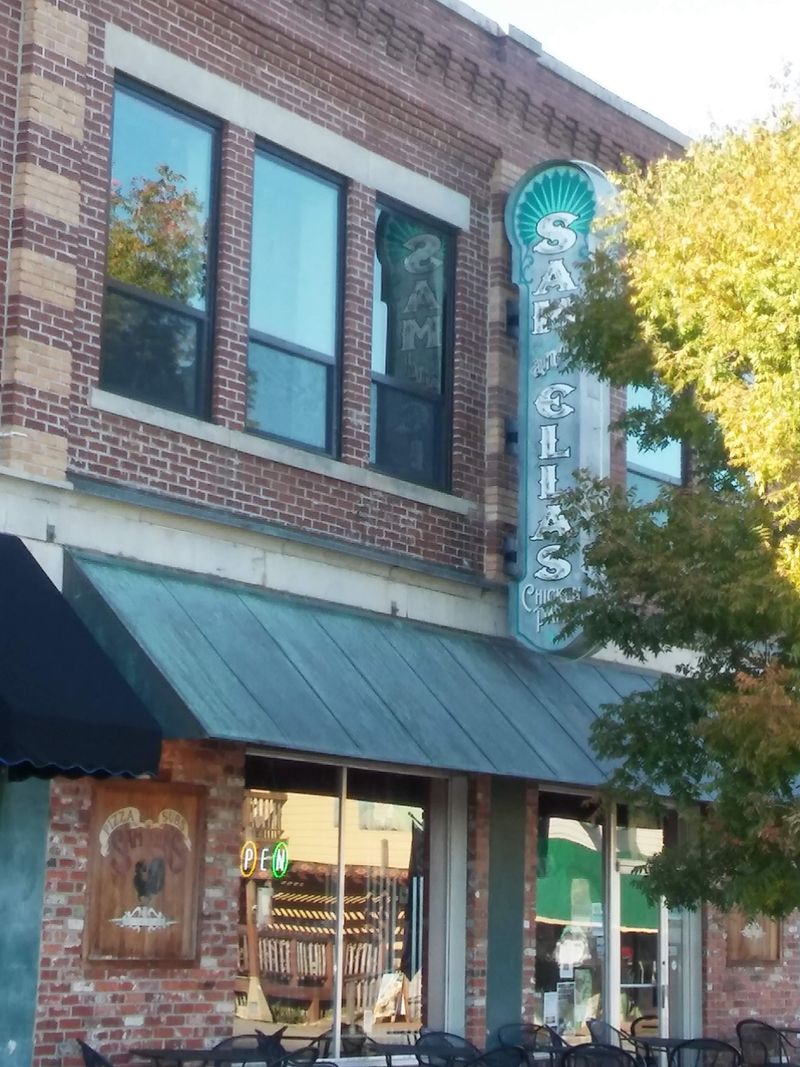
Tahlequah holds special significance as the capital of the Cherokee Nation since 1839.
The downtown area reflects this unique heritage with buildings that tell the story of Cherokee resilience and the establishment of a new homeland after the Trail of Tears.
Muskogee Avenue forms the heart of downtown, where historic structures blend Cherokee history with frontier architecture and early statehood development.
The Cherokee National Capitol Building at 101 South Muskogee Avenue, built in 1869, stands as a powerful symbol of Cherokee sovereignty and self-governance.
This impressive brick structure now houses the Cherokee Nation Supreme Court and remains an active government building.
Nearby, the Cherokee National History Museum at 101 South Muskogee Avenue presents exhibits about Cherokee culture, language, and history through interactive displays and artifacts.
Downtown Tahlequah features buildings from the late 1800s and early 1900s that served as businesses for both Cherokee citizens and settlers moving into Indian Territory.
Ne-Yo-Ka Restaurant at 500 South Muskogee Avenue serves traditional Cherokee dishes alongside American fare, offering a taste of cultural heritage.
Local shops sell Cherokee art, crafts, and books, supporting artists and preserving traditional skills.
Northeastern State University, established in 1851 as the Cherokee Female Seminary, adds educational prestige to Tahlequah and brings students to the downtown area.
The Illinois River flows near town, providing world-class floating and outdoor recreation that attracts visitors year-round.
Tahlequah’s historic downtown succeeds because it honors Cherokee heritage while welcoming everyone to learn about this important chapter in American history.
Walking these streets connects visitors to the strength and determination of the Cherokee people who rebuilt their nation in Oklahoma and created a thriving community that continues today.
Dear Reader: This page may contain affiliate links which may earn a commission if you click through and make a purchase. Our independent journalism is not influenced by any advertiser or commercial initiative unless it is clearly marked as sponsored content. As travel products change, please be sure to reconfirm all details and stay up to date with current events to ensure a safe and successful trip.
