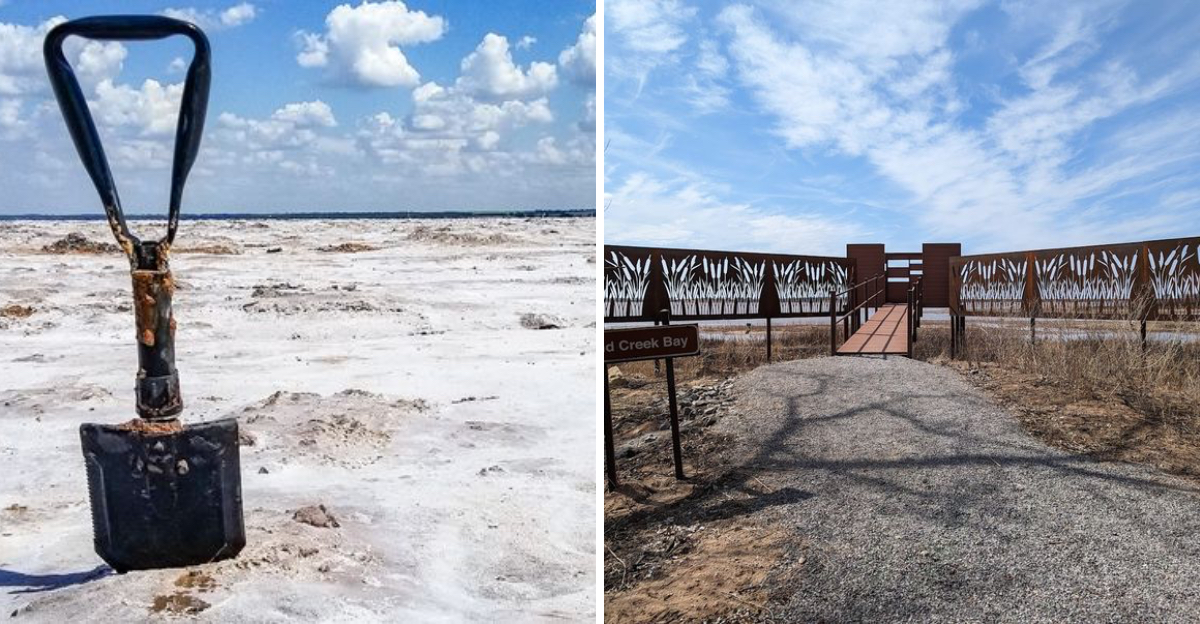
Salt Plains National Wildlife Refuge used to feel like a secret. A place where migratory birds outnumbered people, where the landscape stretched white and endless under a big Oklahoma sky.
But lately, something has shifted. The parking lots fill up faster.
The trails buzz with voices. Families arrive by the carload, shovels in hand, ready to dig for crystals in the salt flats.
What was once a quiet sanctuary for birds and solitude seekers has become a weekend destination for crowds chasing Instagram moments and treasure hunting adventures. Is this refuge losing its wild heart, or just sharing it with more people than it ever expected?
The Salt Flats Have Become a Treasure Hunt Free-for-All
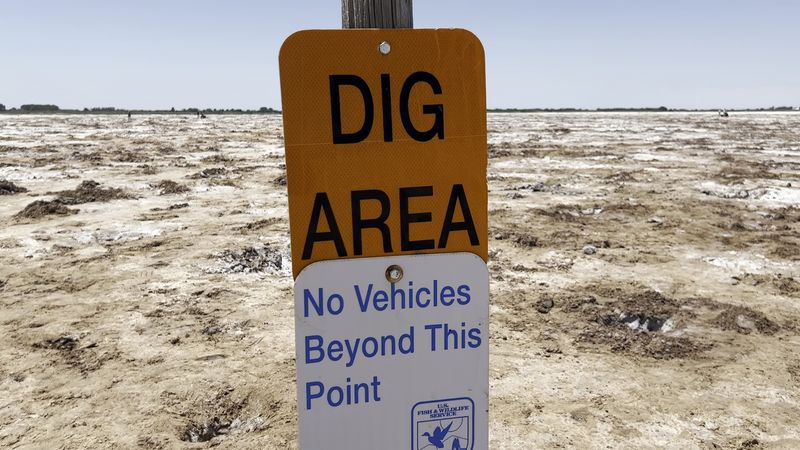
Walking onto the salt flats used to feel like stepping onto another planet. The ground glittered white, the horizon stretched forever, and the silence was thick enough to make you whisper.
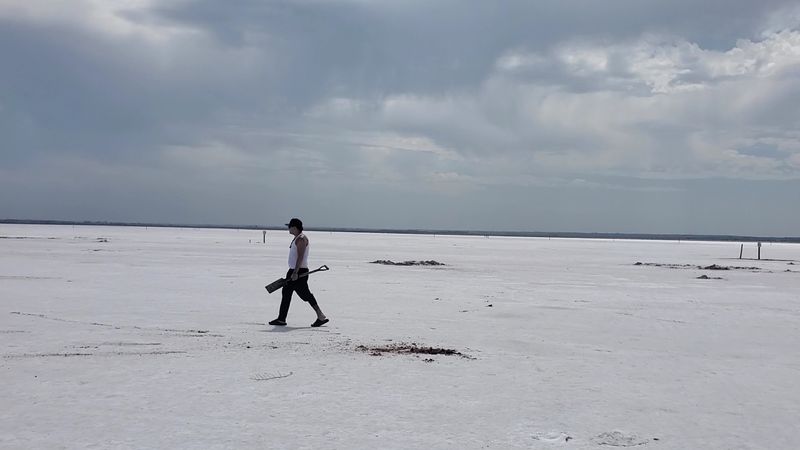
Now it looks more like a community dig site. Families cluster in groups, kids kneeling in the dirt, parents hauling shovels and buckets.
Everyone is hunting for selenite crystals, those hourglass-shaped formations that hide just below the surface. And honestly, it’s fun.
You pour water on the ground, watch it pool, then dig carefully until you feel the sharp edge of a crystal. Some people find tiny shards, others pull up clusters the size of their palm.
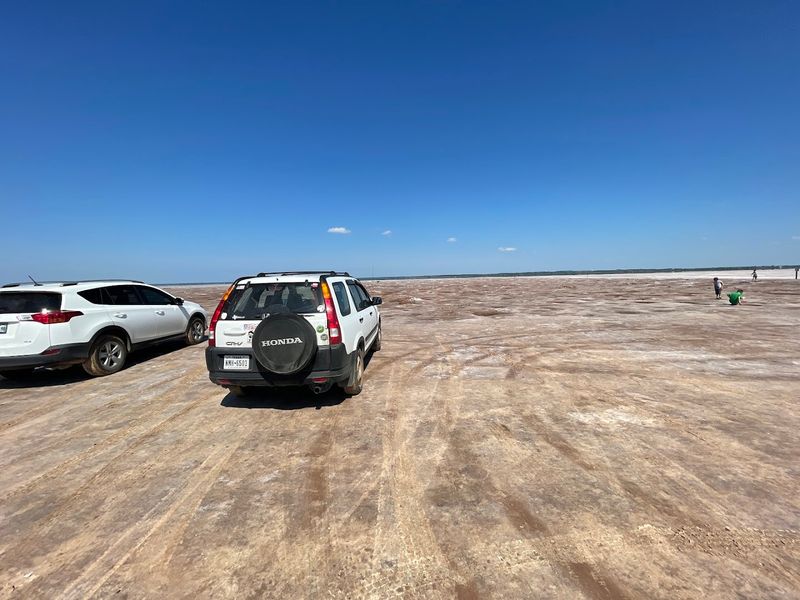
But the scene has changed. On busy weekends, you might count a dozen cars parked along the access road.
Voices carry across the flats. The ground gets churned up, pockmarked with shallow holes.
It’s not serene anymore. It’s social.
It’s loud. It’s crowded.
The crystals are still there, sure. But the experience of finding them has shifted from quiet discovery to group activity.
You’re not alone with the landscape anymore. You’re sharing it with strangers, all bent over the same patch of earth, all hoping to leave with something shiny.
The Auto Tour Route Feels Like a Traffic Jam Now
The Harold F. Miller Auto Tour Route was designed to let you explore the refuge at your own pace.
Roll down your windows, drive slow, scan the marshes for deer or migrating waterfowl. It’s supposed to be peaceful.
Meditative, even.
But on weekends, it feels more like rush hour on a dirt road. Cars inch along bumper to bumper.
Someone stops to take a photo, and the whole line backs up. You can’t pull over without blocking someone else.
The dust kicks up from the car ahead and coats your windshield.
You still see wildlife, don’t get me wrong. A heron might lift off from the water, or a deer might pause at the edge of the grass.
But you’re watching it alongside a parade of other vehicles. The sense of discovery fades when you’re part of a convoy.
There’s no avoiding it during peak times. If you arrive midday on a Saturday, you’re joining the procession.
The route itself is beautiful, winding through wetlands and open prairie, but the experience has lost its intimacy. You’re not exploring anymore.
You’re touring. And there’s a difference.
The Boardwalk Trails Are Packed with Families and Photographers
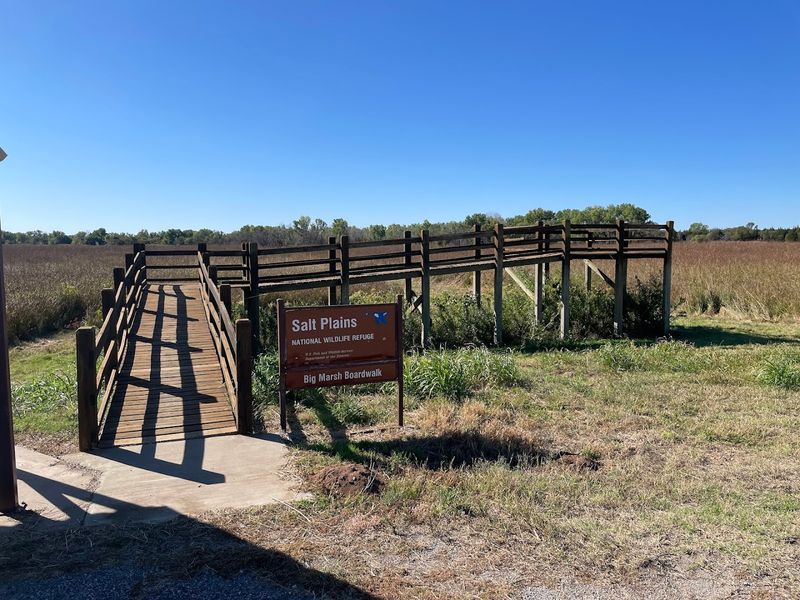
Big Marsh Overlook and the Sandpiper Nature Trail used to be where you went to breathe. The boardwalks stretch over wetlands, offering views of cattails, open water, and whatever birds happened to be passing through.
It felt like you had the place to yourself, even on a good day.
Not anymore. Arrive on a sunny afternoon and the boardwalk is full.
Families stroll in clusters, kids running ahead, parents calling them back. Photographers stake out spots with tripods, waiting for the perfect shot of a heron or egret.
Groups linger at the overlook, blocking the view while they snap selfies.
The trails themselves are still lovely. The wood is well-maintained, the scenery is stunning, and the birds are still there.
But the quiet is gone. You hear conversations overlapping, footsteps echoing on the planks, the click of camera shutters.
It’s hard to feel like you’re in a wildlife refuge when it sounds like a busy park.
Early mornings are better, before the crowds roll in. But if you’re a casual visitor who shows up midday, expect company.
Lots of it. The boardwalks are no longer a solitary experience.
They’re a shared one, for better or worse.
The Visitor Center Is Overwhelmed on Peak Days
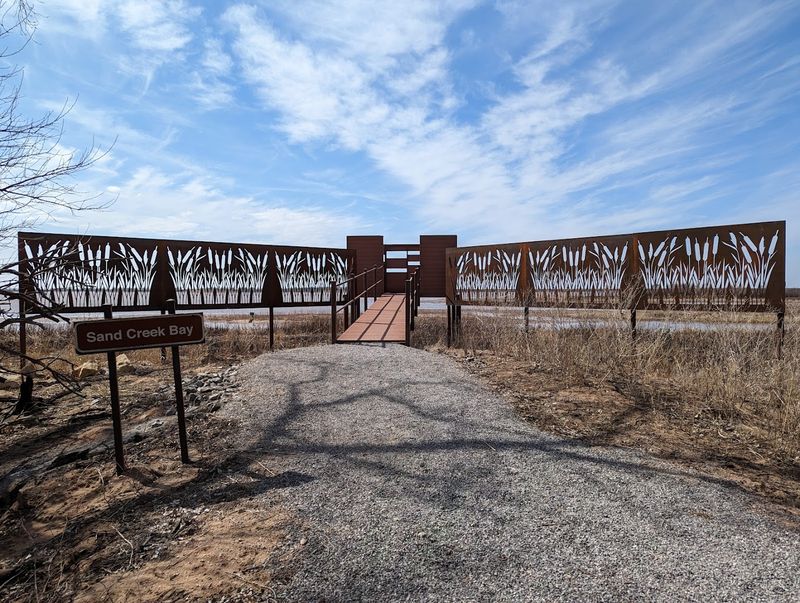
The visitor center is tiny. A modest building with displays about the refuge’s history, maps of the trails, and a few taxidermied birds mounted on the walls.
It’s meant to be a quick stop, a place to grab information before heading out.
But on busy weekends, it’s swamped. People crowd around the front desk asking questions.
Families mill around the small exhibit space, kids pressing their faces against the glass cases. The parking lot fills up, and late arrivals have to park along the road.
The staff do their best, but they’re clearly stretched thin. Rangers answer the same questions over and over: Where do we dig?
What do we need to bring? How long does it take?
You can see the patience wearing thin by midday.
The center itself hasn’t changed. The displays are still interesting, the maps are still helpful.
But the atmosphere has shifted. It’s no longer a calm, informative stop.
It’s a processing center, funneling waves of visitors out to the popular spots. You don’t linger.
You get your info and move on, because someone else is already waiting behind you.
The Roads Leading In Are Rougher Thanks to Heavy Traffic
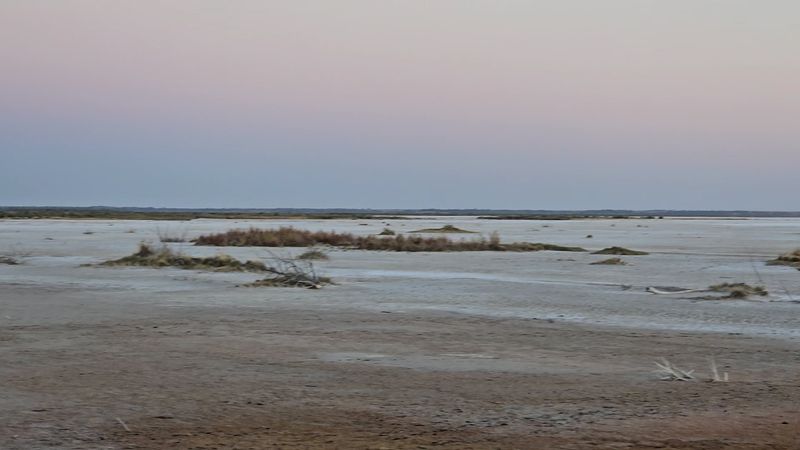
The roads into Salt Plains were never fancy. Gravel and dirt, rutted in places, dusty when dry.
But they were manageable. You could take your sedan out there without too much worry, as long as you drove slow.
Now, with the increase in traffic, those roads are taking a beating. The ruts are deeper.
The washboard sections are rougher. After a busy weekend, the surface gets chewed up by dozens of vehicles, and it takes time for maintenance crews to smooth it out again.
You feel every bump. Your car rattles.
Dust coats everything. If you’re in a low-clearance vehicle, you start second-guessing your decision halfway down the road.
Some visitors turn back, not wanting to risk the undercarriage.
The roads aren’t impassable, but they’re not pleasant either. And the wear and tear is visible.
Potholes form faster. Gravel gets pushed to the edges, leaving bare dirt in the center.
It’s a small thing, but it adds up. The infrastructure wasn’t built for this level of use, and it shows.
You get where you’re going, but the journey is bumpier than it used to be.
The Wildlife Seems Less Visible During Peak Hours
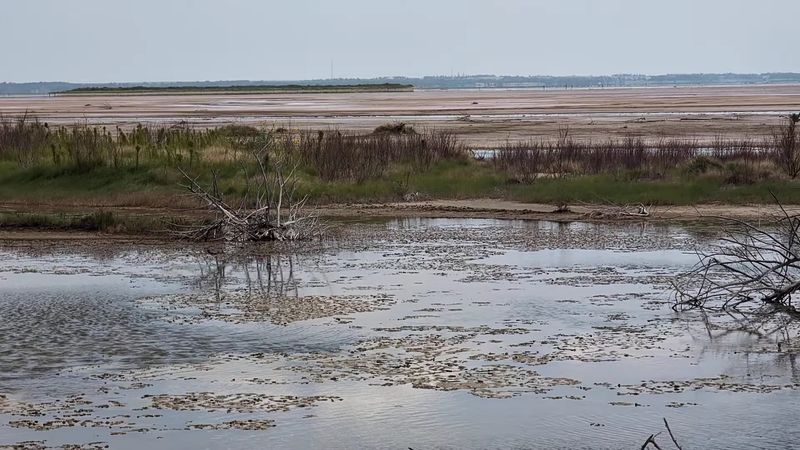
The whole point of a wildlife refuge is the wildlife. Birds, deer, maybe an armadillo if you’re lucky.
Salt Plains has always been a stopover for migratory species, a place where you could spot pelicans, herons, and shorebirds depending on the season.
But animals don’t love crowds. And as visitor numbers have climbed, sightings during peak hours have dropped.
The birds that used to linger near the boardwalks now keep their distance. Deer that once grazed near the auto tour route now retreat deeper into the refuge.
You still see wildlife if you time it right. Early morning or late afternoon, when the crowds thin out, the animals come back.
But if you show up midday on a Saturday, you might spend an hour scanning the marshes and see nothing but other people.
It’s not that the wildlife is gone. It’s just avoiding the noise.
The refuge is still functioning as a habitat, but the experience of observing that habitat has changed. You have to work harder for it now.
Plan your visit carefully. Accept that the animals have adapted to the crowds by simply staying out of sight.
The Bathroom Situation Has Become a Real Problem
Let’s talk about the bathrooms. Or rather, the lack of adequate bathrooms.
Salt Plains has basic facilities, the kind you’d expect at a remote refuge. Pit toilets.
No running water. Functional, but not fancy.
And they’re overwhelmed. On busy days, the lines form.
People wait. The facilities get dirty faster than they can be cleaned.
Toilet paper runs out. It’s not pleasant.
During government shutdowns or maintenance periods, the bathrooms close entirely. Visitors who didn’t plan ahead are stuck.
There’s nothing nearby. No gas stations, no restaurants.
You’re in the middle of rural Oklahoma, and if nature calls, you’re out of options.
It’s a small issue in the grand scheme of things, but it matters. When a refuge sees a sudden surge in visitors, infrastructure like bathrooms becomes a bottleneck.
People get frustrated. The experience sours.
You came to enjoy nature, not to stress about finding a restroom.
The refuge wasn’t designed for this level of traffic. And until improvements are made, the bathroom situation will remain one of the most common complaints.
Bring your own supplies. Plan accordingly.
And maybe lower your expectations.
The Parking Areas Fill Up Fast on Weekends
Parking used to be an afterthought at Salt Plains. You’d pull up, find a spot, and head out.
Simple. But now, on busy weekends, parking is a challenge.
The lots near the crystal digging area fill up by mid-morning. Latecomers park along the roadside, creating makeshift overflow areas.
It’s not just about finding a spot. It’s about the congestion.
Cars jockey for position. People block each other in.
You have to wait for someone to leave before you can squeeze into a space. It’s stressful, and it’s not what you expect at a wildlife refuge.
The situation is worst near the salt flats, where everyone wants to dig. But even the trailhead parking for the boardwalks gets tight.
Families with kids and gear take up multiple spaces. Photographers with equipment linger longer.
The turnover is slow.
If you’re planning a visit, arrive early. Really early.
Or go on a weekday when the crowds are thinner. Otherwise, you might spend the first twenty minutes of your trip just trying to park.
It’s a small frustration, but it sets the tone for the whole experience. And it’s a clear sign that the refuge is struggling to handle the demand.
The Sense of Solitude Has Disappeared
There’s a reason people used to seek out places like Salt Plains. The solitude.
The chance to stand in the middle of a landscape and feel small, quiet, alone in the best possible way. That feeling is rare now.
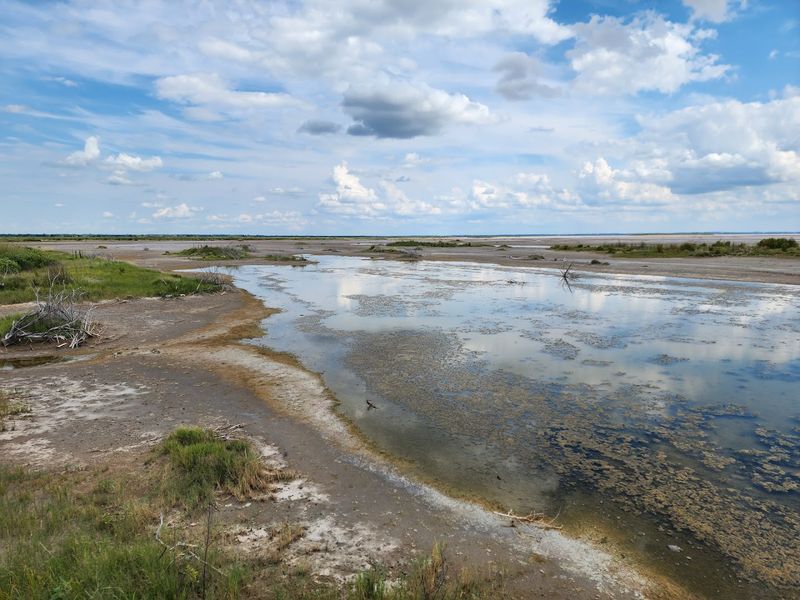
The refuge is still beautiful. The salt flats still stretch white and endless.
The marshes still shimmer in the afternoon light. But you’re sharing that beauty with dozens of other people.
You hear their voices. You see their cars.
You’re never quite alone.
For some, that’s fine. They’re here for the activity, the crystals, the experience of being outdoors with family or friends.
But for those who came seeking peace, the change is jarring. The refuge has become popular, and popularity has a cost.
You can still find quiet moments if you’re willing to work for them. Hike the less popular trails.
Visit during off-peak times. But the days of showing up anytime and finding solitude are over.
Salt Plains is no longer a hidden gem. It’s a destination.
And destinations come with crowds.
The refuge hasn’t lost its wild character entirely. But it’s sharing that character with more people than ever before.
And for better or worse, that changes everything.
The Crystal Digging Season Brings the Biggest Crowds
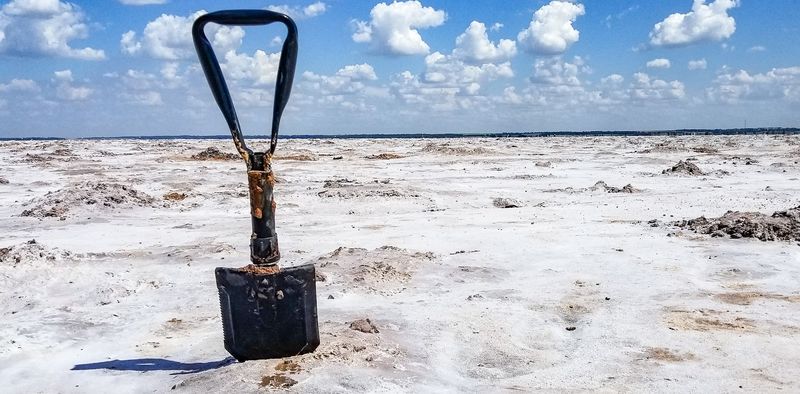
Crystal digging season runs from April through mid-October, and that’s when the crowds peak. Word has spread.
Social media posts show off sparkling selenite finds. Travel blogs rave about the experience.
And people come in droves.
The appeal is obvious. You get to dig for actual crystals and take them home for free.
It’s hands-on, it’s fun, and it’s something most people have never done before. Kids love it.
Adults get surprisingly competitive about it. It’s a novelty, and novelties draw crowds.
But the popularity has consequences. The digging area gets crowded.
The ground gets torn up. People leave behind trash, despite the refuge’s best efforts.
The experience becomes less about connecting with nature and more about collecting souvenirs.
Outside of crystal season, the refuge is quieter. Visitors still come for the trails and the wildlife, but the numbers drop.
If you want to see Salt Plains without the chaos, visit in the off-season. You won’t dig for crystals, but you’ll get a sense of what the place used to feel like before it became a tourist hotspot.
Salt Plains National Wildlife Refuge is located near Jet, Oklahoma 73749. It’s still worth visiting, but go in knowing what to expect.
The wild is still there. You just have to share it now.
Dear Reader: This page may contain affiliate links which may earn a commission if you click through and make a purchase. Our independent journalism is not influenced by any advertiser or commercial initiative unless it is clearly marked as sponsored content. As travel products change, please be sure to reconfirm all details and stay up to date with current events to ensure a safe and successful trip.
