Oklahoma rewards curious eaters with restaurants that treat farms like trusted neighbors and seasons like a map.
You will find kitchens that write menus around fields, not trends, and dining rooms that honor the state’s landscapes and communities.
This road trip list leads you through cities, small towns, and a lakeside lodge, all bound by careful sourcing and clear flavors.
Pack a flexible appetite, because what is ripe in Oklahoma today might shape your plate tonight.
1. The Living Kitchen, Tulsa
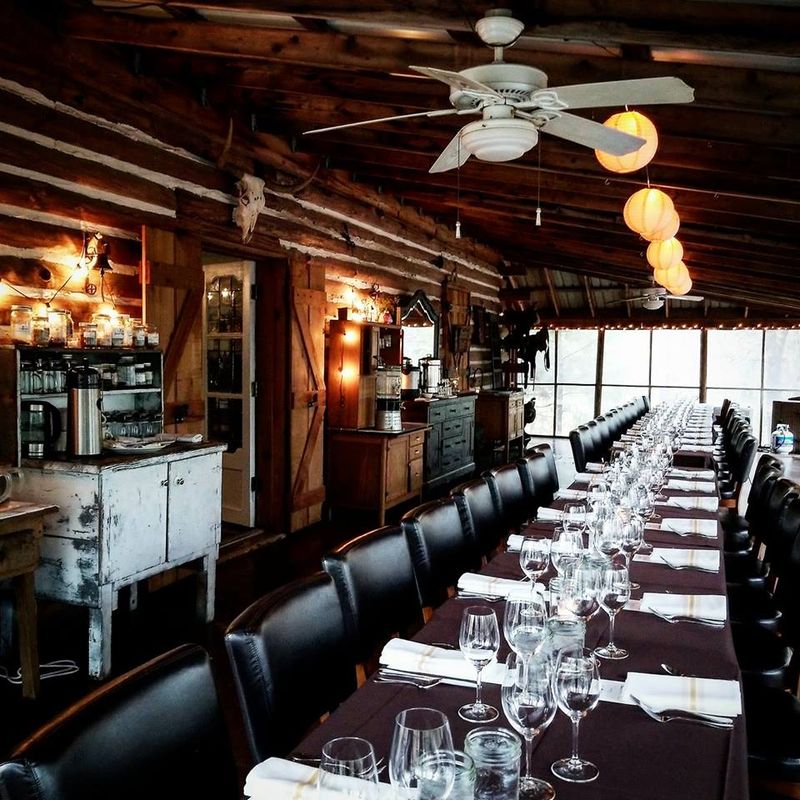
This Tulsa restaurant operates with a clear sourcing philosophy, relying on Oklahoma growers and producers whose methods emphasize soil health and seasonal balance.
Menus change often, reflecting what is available rather than what is expected, which keeps each visit grounded in the moment.
Plates are simple in structure but thoughtful in execution, allowing vegetables, grains, and responsibly raised proteins to remain the focus without distraction.
The dining room feels calm and intentional, with natural textures, soft lighting, and space to linger.
You notice details that speak to the land, from seasonal flowers by the entry to chalkboard notes about partner farms.
Conversation drifts toward the week’s weather and what it might mean for tomorrow’s harvest.
Service is unhurried, and staff explain sourcing without sermon or jargon.
You feel guided rather than directed, with suggestions that match curiosity and comfort level.
The result is a meal that unfolds like a walk through an Oklahoma market.
Warm bread arrives with a quiet confidence, letting grain and fermentation tell their story.
Vegetables carry texture and bright edges, and nothing is coated in heavy distraction.
Proteins come from responsible ranchers who prioritize pasture, health, and traceability.
Seasonal desserts echo the same restraint, offering freshness rather than overwhelming sweetness.
Windows frame a gentle city rhythm, reminding you that Tulsa’s creative energy runs on local roots.
It feels personal without being precious, rural in spirit yet polished in timing.
Oklahoma pride shows up on the plate, in the relationships, and in the steady respect for place.
Address: 307 E Reconciliation Way, Tulsa, OK 74120.
The restaurant hosts occasional tasting events that highlight lesser-known regional ingredients.
You can watch staff prepare dishes in an open kitchen, which reinforces the connection to craft.
Local cheeses and dairy products appear throughout the menu, offering subtle complexity.
Even simple salads feel layered, with textures and flavors that reflect careful thought.
The dining experience encourages reflection on where food comes from and how it is grown.
Tables near windows provide natural light that enhances the seasonality of each dish.
Patrons often ask questions about farms and techniques, sparking conversations beyond the meal.
Leaving the restaurant, you carry a sense of place and a curiosity about Oklahoma’s agricultural landscape.
2. FarmBar, Tulsa
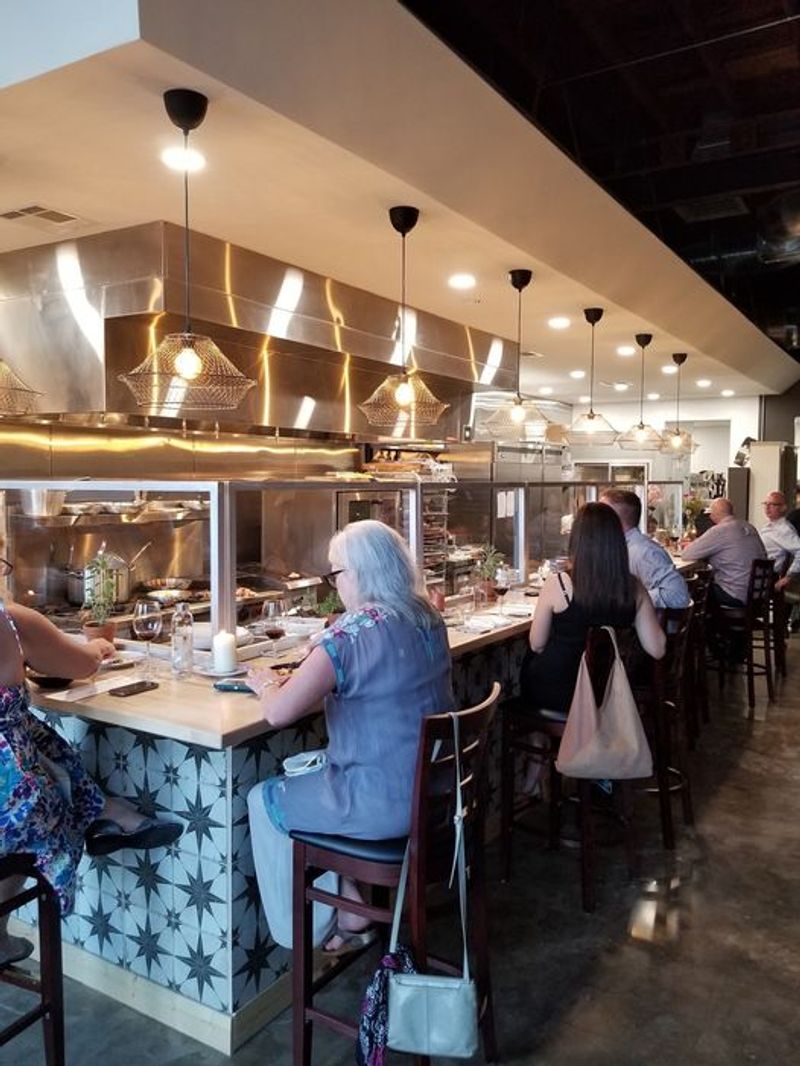
FarmBar builds its identity around transparency, listing farms and producers directly on the menu so diners know where each ingredient begins.
The cooking style leans modern while staying rooted in regional traditions, resulting in dishes that feel familiar yet carefully refined.
The space itself is understated, keeping attention on the food and the local network behind it.
Staff speak fluently about producers, seasons, and techniques, answering questions with clarity and warmth.
You can trace a carrot back to its farm and understand how weather guided its preparation.
That clarity makes choices feel easy, and it turns dinner into a conversation with Oklahoma growers.
The room’s design supports the narrative, with natural materials, quiet color, and well spaced seating.
Lighting creates intimacy without dimming the farm story, and the open view of the line adds momentum.
Modern touches soften into hospitality that feels steady rather than showy.
Menus shift with steady cadence, reflecting what nearby fields can offer at peak freshness.
Vegetable courses show restraint, while proteins land with precision and purpose.
House preserves, ferments, and broths weave depth without losing bright edges.
Travelers will appreciate how Tulsa’s creative scene supports this kitchen’s careful approach.
It reads like a local atlas, where each producer adds a page to the meal.
Oklahoma’s agricultural strengths guide the experience with honest direction.
You leave feeling connected to a supply chain that is close enough to visit and close enough to trust.
Address: 1740 S Boston Ave, Tulsa, OK 74119.
The restaurant occasionally features chef collaborations that spotlight regional producers.
Herbal garnishes and house-made condiments extend the story of local cultivation.
Staff explain subtle differences between cuts, grains, and vegetables with approachable insight.
The open kitchen allows diners to observe preparation, creating a quiet theater of technique.
Tables are spaced for conversation, letting stories about farms and fields flow easily.
Outdoor seating connects the dining room to Tulsa’s urban gardens and green spaces.
Seasonal tasting flights showcase produce at peak freshness, emphasizing rhythm over trend.
You leave with an appreciation for how regional knowledge shapes everyday meals.
3. The Red Cup, Oklahoma City
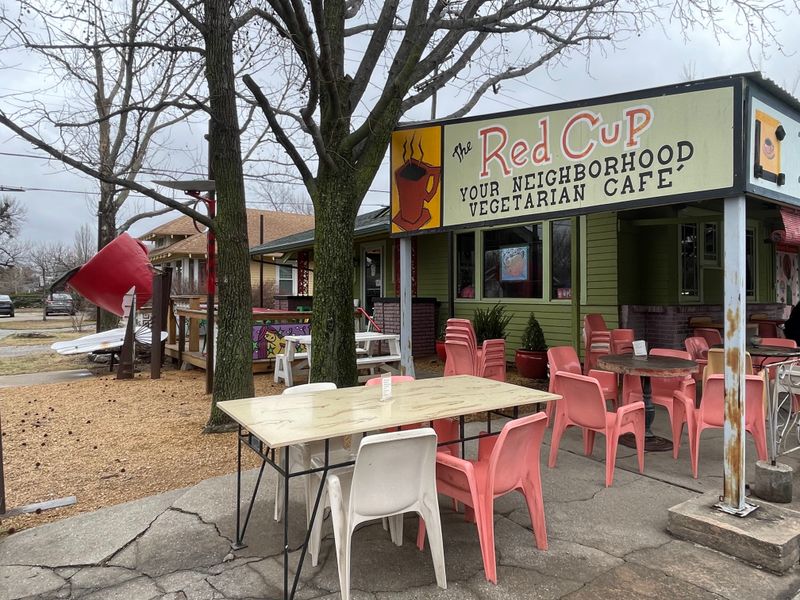
This long standing Oklahoma City cafe centers its menu on organic ingredients and regional suppliers, with an emphasis on plant forward cooking.
The approach is practical and welcoming rather than trendy, making it a consistent stop for travelers who value ingredient integrity.
Seasonal vegetables and locally produced staples shape much of the menu throughout the year.
The space looks like a community living room, with art on the walls and plenty of sunlight.
You can settle in with a book or plan a route across Oklahoma, feeling both unhurried and connected.
Staff keep things friendly, and the tone remains accessible to all kinds of eaters.
The kitchen treats produce with care, coaxing flavor through seasoning, roasting, and simple technique.
Nothing feels showy, and everything lands with a sense of purpose.
Portions are balanced, and the menu avoids clutter, which helps decisions come quickly.
Plant based choices share space with hearty comforts, always anchored by regional sourcing.
Local grains and greens carry texture that turns into satisfying bites.
House sauces add brightness without overshadowing the main ingredients.
Walls and shelves show a playful side, yet the mission stays steady and clear.
You feel the neighborhood’s pulse from the patio and through the steady stream of regulars.
The cafe serves as a reliable waypoint for anyone mapping a farm focused road trip.
It embodies Oklahoma hospitality in a casual key, simple and sincere.
Address: 312 N Broadway Ave, Oklahoma City, OK 73102.
Breakfast and brunch menus highlight local eggs, dairy, and artisan breads.
The cafe rotates baked goods to match the seasons and support local bakeries.
Evening offerings include small plates that pair with regional beers and ciders.
Patrons often linger over coffee, turning a quick stop into a gentle morning ritual.
Decor includes rotating art from Oklahoma creators, connecting the room to community talent.
Staff are adept at suggesting pairings without pressure, letting diners follow curiosity.
The menu includes vegetarian and vegan options that feel fully realized, not secondary.
Returning guests notice subtle changes in dishes that reflect seasonal growth cycles.
4. Prairie Kitchen at The Lodge at Sequoyah State Park
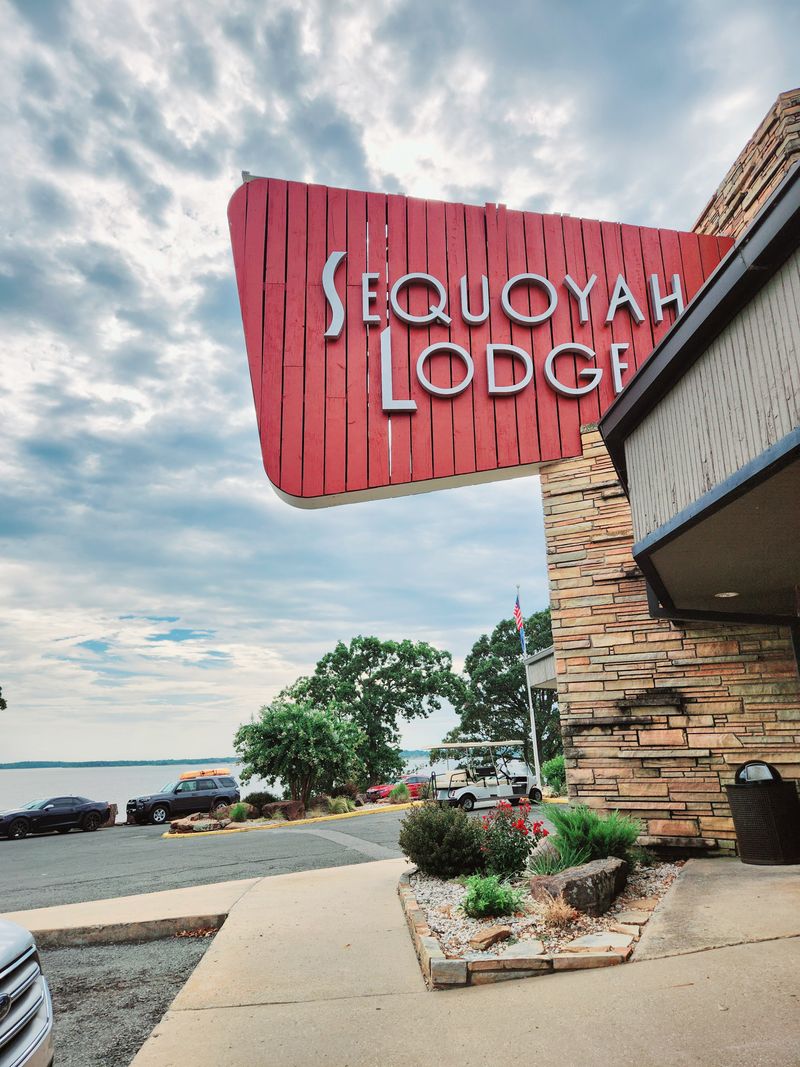
Located within a state park setting, Prairie Kitchen draws inspiration from northeastern Oklahoma’s agricultural landscape.
The restaurant highlights regional farms and ranches, pairing local ingredients with views of wooded hills and open water.
The experience feels tied to the land, reinforcing the connection between what is on the plate and the surrounding environment.
The lodge architecture leans rustic, with timber framing, stone accents, and generous windows.
You can watch light move across Fort Gibson Lake while the room stays calm and spacious.
The setting turns a simple meal into a pause that feels restorative and grounded.
Menus change with regional rhythms, favoring freshness over complication.
Vegetables speak in clear tones, and ranch products arrive with sturdy confidence.
House preparations respect ingredient character, keeping flavors clean and steady.
Service runs at a measured pace, which suits the slower pulse of the park.
Guests flow in from trails and marinas, carrying the outdoors into the dining room.
Conversations often drift toward wildlife sightings and weather patterns.
Seasonal touches might include herbs from nearby gardens and grains from trusted mills.
That link to Oklahoma producers turns the dining room into a gentle classroom.
It is a reliable stop on a lakeside loop where food and scenery share the spotlight.
The memory is clear and uncluttered, like a shoreline after a breeze.
Address: 19808 Park 10, Hulbert, OK 74441.
Breakfast menus feature lake-sourced fish and grains from nearby mills.
Outdoor views frame every table, making each dish part of the landscape.
Staff share insights about hiking trails and park activities alongside menu recommendations.
The restaurant often sources herbs and vegetables from an on-site garden.
Evening dinners showcase game meats and seasonal produce in balanced, rustic preparations.
Lighting emphasizes natural tones, keeping attention on the food and scenery.
Visitors often remark on how meals echo the rhythms of the surrounding park.
The space supports reflection, conversation, and an appreciation for local ecosystems.
5. The Restaurant at The Bradford House, Oklahoma City
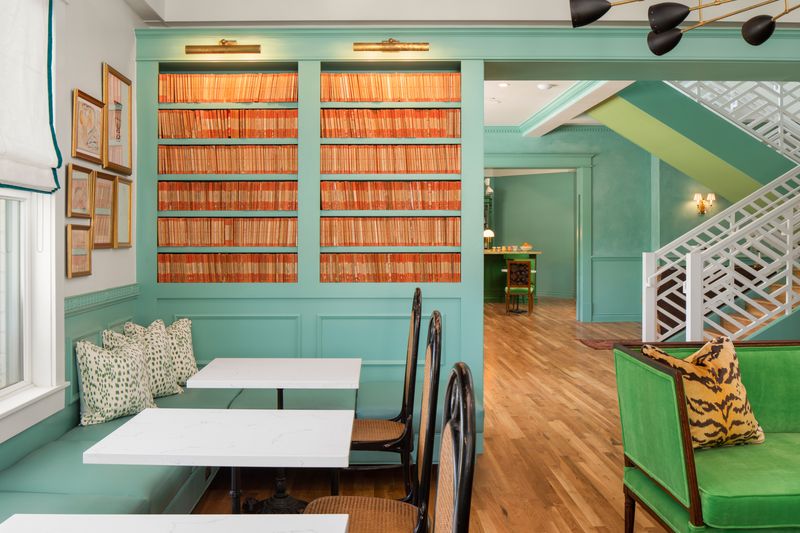
Housed inside a restored historic property, this restaurant emphasizes seasonal sourcing and close relationships with local producers.
The menu favors clarity and balance, with dishes built around fresh vegetables, responsibly raised meats, and house prepared components.
The calm setting supports a dining experience that feels intentional and unhurried.
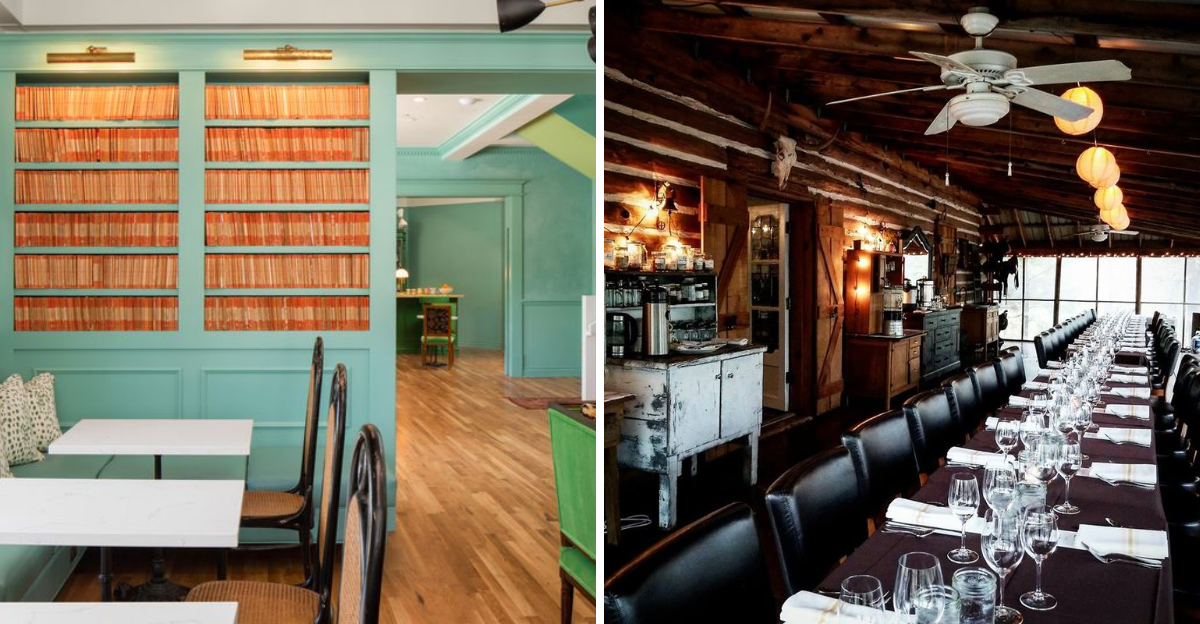
Design choices lean playful and refined, with color, light, and texture in poised harmony.
Service feels personal without leaning into formality, and guidance comes with gentle confidence.
You can settle into a corner banquette and sense Oklahoma’s creative spirit in the details.
Seasonal changes arrive naturally, reflected in herbs, greens, and grains from trusted partners.
Cooking techniques remain precise, allowing ingredients to finish the sentence.
Every plate reads like a composed thought, tidy and clear.
The courtyard and lounges create pockets of quiet that encourage long conversations.
Music stays low, and the room’s rhythm invites slow pacing.
It works equally well for celebrations and quiet evenings after a drive.
House pickles and preserves add small sparks that brighten savory notes.
Fresh breads underline the kitchen’s patient approach and reliable craft.
By the end, you feel restored rather than overwhelmed, which is the point.
It is a graceful expression of Oklahoma hospitality with a modern lens.
Address: 1235 NW 38th St, Oklahoma City, OK 73118.
Dinner menus highlight seasonal vegetables in both familiar and inventive forms.
House-made breads and pastries reflect the same careful sourcing as main courses.
The historic architecture frames modern design choices, creating a layered atmosphere.
Servers offer context for menu items, explaining farms, producers, and seasonal decisions.
Even casual visits feel elevated by attention to ingredient integrity and plating.
Tables are arranged to balance privacy and social energy, depending on the time of day.
The courtyard brings light and fresh air into the dining experience for relaxed meals.
The combination of heritage and modern technique makes every visit feel curated yet natural.
6. The Ranchers Club, Stillwater
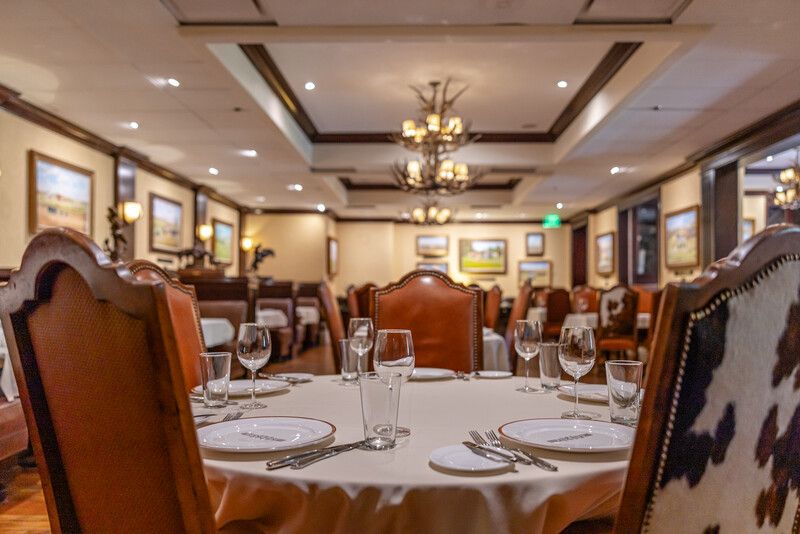
Operated in partnership with Oklahoma State University, The Ranchers Club focuses on regional ranch products and farm sourced ingredients tied to the state’s agricultural programs.
The menu reflects careful sourcing and classic techniques, offering a direct link between Oklahoma’s research driven farming community and the dining table.
The result is a meal that feels educational without being formal.
The room balances collegiate history with polished comfort, creating a setting that feels both grounded and celebratory.
Staff speak knowledgeably about ranching practices, grading standards, and seasonal variability.
You come away with a clearer sense of how stewardship and science shape flavor.
Producers are named with respect, and the supply chain sits close to Stillwater’s campus.
Preparation leans precise, letting texture and temperature show the kitchen’s discipline.
Side selections draw from regional vegetables and grains, which broaden the story beyond ranch cuts.
Service flows with steady timing that supports conversation and reflection.
The dining room’s design echoes the prairie, with warm tones and natural materials.
It feels like a tribute to Oklahoma’s agricultural backbone and its future.
Menus rotate to honor seasonal availability, keeping the experience lively and timely.
That respect for timing underlines the partnership between farms, educators, and cooks.
You leave with both satisfaction and a bit of new knowledge.
It is a Stillwater landmark that makes local sourcing feel tangible and close.
Address: 100 Student Union, 220 S Hester St, Stillwater, OK 74078.
Steaks and chops highlight breed, cut, and ranching techniques with precise preparation.
Vegetable sides rotate based on university-supported research on optimal harvest times.
House sauces and reductions are subtle, aiming to complement rather than overpower.
Decor celebrates both agricultural history and contemporary research achievements.
Staff can walk you through the journey of a protein from pasture to plate.
The dining room accommodates both quiet meals and larger group gatherings comfortably.
Wine and beverage options include local vineyards and regional craft producers.
Each visit reinforces the connection between Oklahoma’s food systems and culinary culture.
Dear Reader: This page may contain affiliate links which may earn a commission if you click through and make a purchase. Our independent journalism is not influenced by any advertiser or commercial initiative unless it is clearly marked as sponsored content. As travel products change, please be sure to reconfirm all details and stay up to date with current events to ensure a safe and successful trip.
