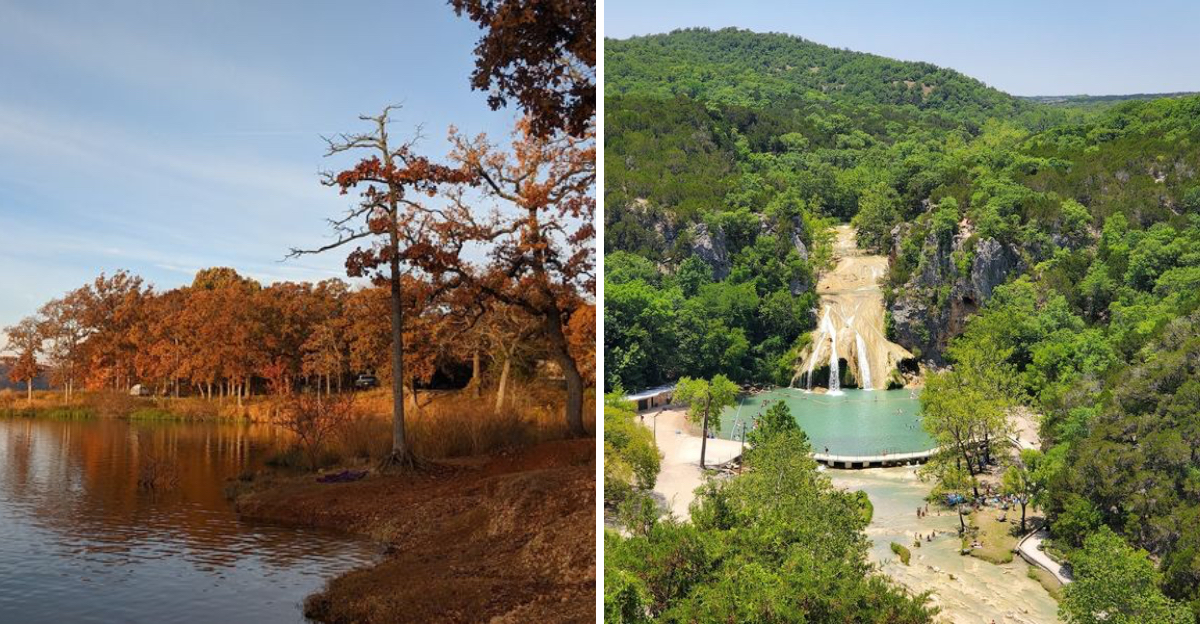
Oklahoma doesn’t always get the credit it deserves, and that’s a shame. Spanning more than 500 miles across red dirt backroads, rolling prairies, ancient mountains, and clear-water lakes, this road trip reveals some of the most striking scenery in the country.
This isn’t a single marked highway you follow from one end to the other. It’s a route you piece together by linking some of Oklahoma’s most spectacular landscapes into one sweeping journey across the state.
When I first mapped it out, I had no idea what I was stepping into. By mile 50, I was already planning a return.
This is the kind of drive that reshapes how you see the American heartland, one mile at a time.
1. Wichita Mountains: Where Bison Still Rule the Land
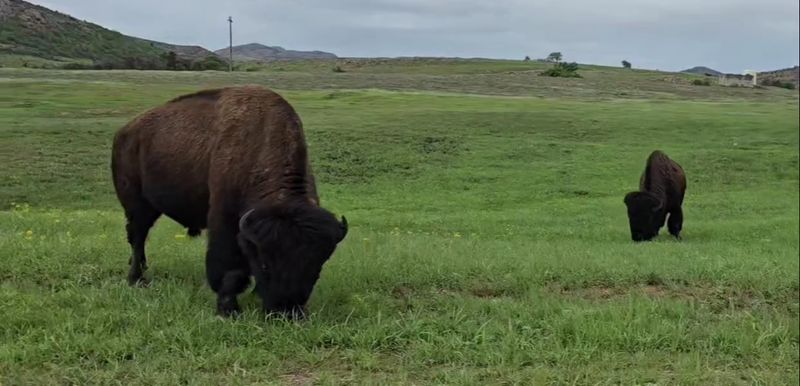
Standing at the base of the Wichita Mountains, you get this strange, electric feeling that the land around you is completely alive. These ancient granite peaks rise dramatically out of the southwestern Oklahoma plains, and they look like something out of a fantasy novel.
The rocks here are over 500 million years old, which means they were ancient long before dinosaurs even showed up.
Bison roam freely across the Wichita Mountains Wildlife Refuge, and spotting one up close is genuinely one of the most thrilling moments you can have on this entire route. Longhorn cattle share the range too, and both animals move with this calm, unhurried confidence that makes you feel like the hurried one.
The refuge covers about 59,000 acres, so there is plenty of space to explore without feeling crowded.
Hikers will find trails ranging from easy walks to challenging scrambles across granite domes with sweeping views. Mount Scott is a must, and you can actually drive to the summit for one of the best panoramic views in the state.
The light at golden hour here is absolutely unreal. Plan to stay longer than you think you need to, because the Wichita Mountains have a way of making time disappear completely.
2. Waterfalls and Arbuckle Mountains Wonders
There is something almost sneaky about the Arbuckle Mountains. They don’t tower over the landscape like you might expect from mountains, but what they lack in height, they more than make up for in personality.
These folded limestone ridges hide canyons, springs, and waterfalls that feel completely out of place in the middle of Oklahoma, and that surprise factor makes them unforgettable.
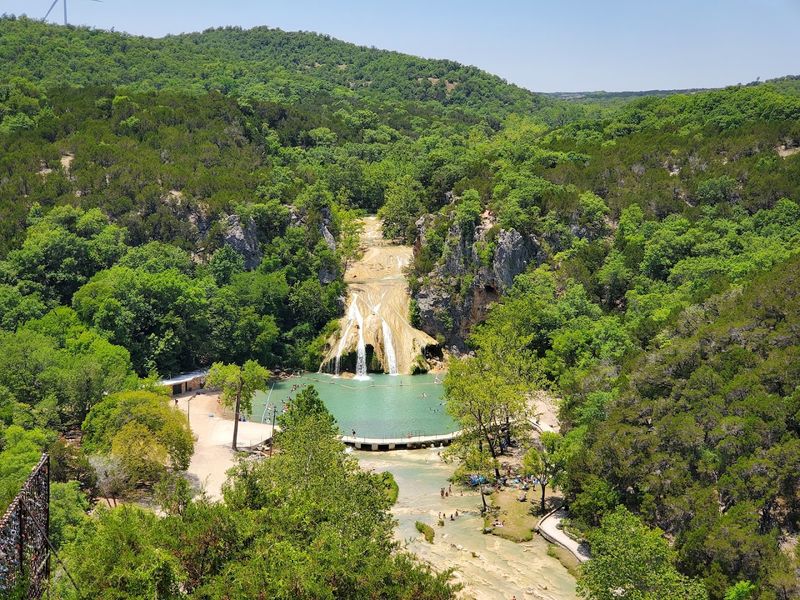
Turner Falls is the crown jewel here, and it is the largest natural waterfall in Oklahoma at 77 feet tall. The water spills over a limestone ledge into a brilliant blue-green pool below, and on a warm day, the whole scene looks like something you would see on a postcard from somewhere far more exotic.
It is real, it is here, and it is spectacular.
The surrounding area offers cave exploration, natural swimming areas, and hiking trails that wind through cedar groves and over rocky outcroppings. The geology of the Arbuckles is genuinely fascinating because these mountains are among the oldest exposed rock formations in North America.
Every trail feels like a slow walk through deep time. If you are the kind of traveler who loves finding beauty where you least expect it, the Arbuckle Mountains will absolutely deliver.
Come early to beat the crowds at the falls.
3. Chickasaw National Recreation Area: A Freshwater Oasis
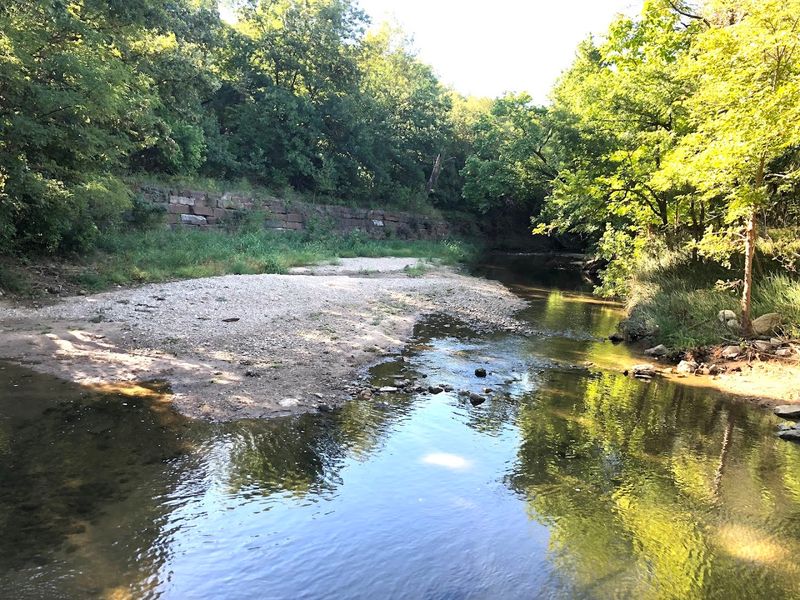
Imagine stumbling across a place where cold mineral springs bubble right out of the ground, creeks run crystal clear over smooth pebbles, and the air smells like cedar and fresh water all at once.
That is exactly what Chickasaw National Recreation Area feels like, and it genuinely stops you in your tracks the first time you visit.
Located near Sulphur, Oklahoma, this recreation area is one of the most underrated gems in the entire National Park system. It was originally established as Platt National Park back in 1902, making it one of the oldest protected areas in the country.
The Chickasaw people have deep cultural and historical ties to this land, and that connection adds a layer of meaning to every trail you walk.
The area offers swimming, fishing, kayaking, and hiking across a surprisingly diverse landscape that shifts from open grasslands to dense forest within just a few miles. Bromide Hill, the Little Niagara swimming area, and the Buffalo Springs are all worth seeking out.
The natural mineral springs scattered throughout the park were once believed to have healing properties, and people traveled from across the country to drink from them. Whether or not that is true, there is no question that spending a day here feels genuinely restorative in every possible way.
4. Beavers Bend State Park: Eastern Oklahoma’s Forest Escape
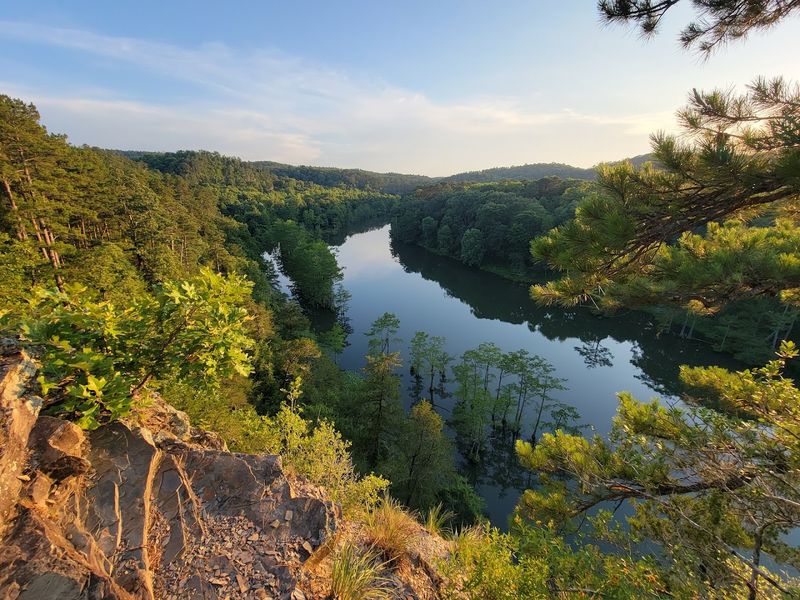
Eastern Oklahoma hits differently. The moment you cross into the Ouachita Mountains region and start winding toward Beavers Bend State Park, the landscape transforms from open plains into something lush, layered, and almost cinematic.
Tall pines lean over the Mountain Fork River, and the whole place carries this quiet, moss-and-cedar kind of energy that immediately slows your heartbeat.
Beavers Bend sits near Broken Bow, Oklahoma, and it is the kind of park that locals fiercely love and out-of-staters are shocked to discover. The river here is cold and clear, running straight out of Broken Bow Lake, and it draws serious trout fishermen from across the region.
Even if fishing is not your thing, just watching the river move through the forest is its own kind of meditation.
The park has a nature center, paddle boat rentals, horseback riding, and miles of hiking trails that range from flat riverside walks to steep ridge climbs with views that stretch for miles.
Nearby attractions and seasonal activities add even more ways to explore the area, giving you a different perspective on just how vast and beautiful this region really is.
Fall colors here are legendary, and spring brings wildflowers that carpet the forest floor in every direction. Do not skip this one under any circumstances.
5. Natural Falls State Park: One of Oklahoma’s Tallest Waterfalls
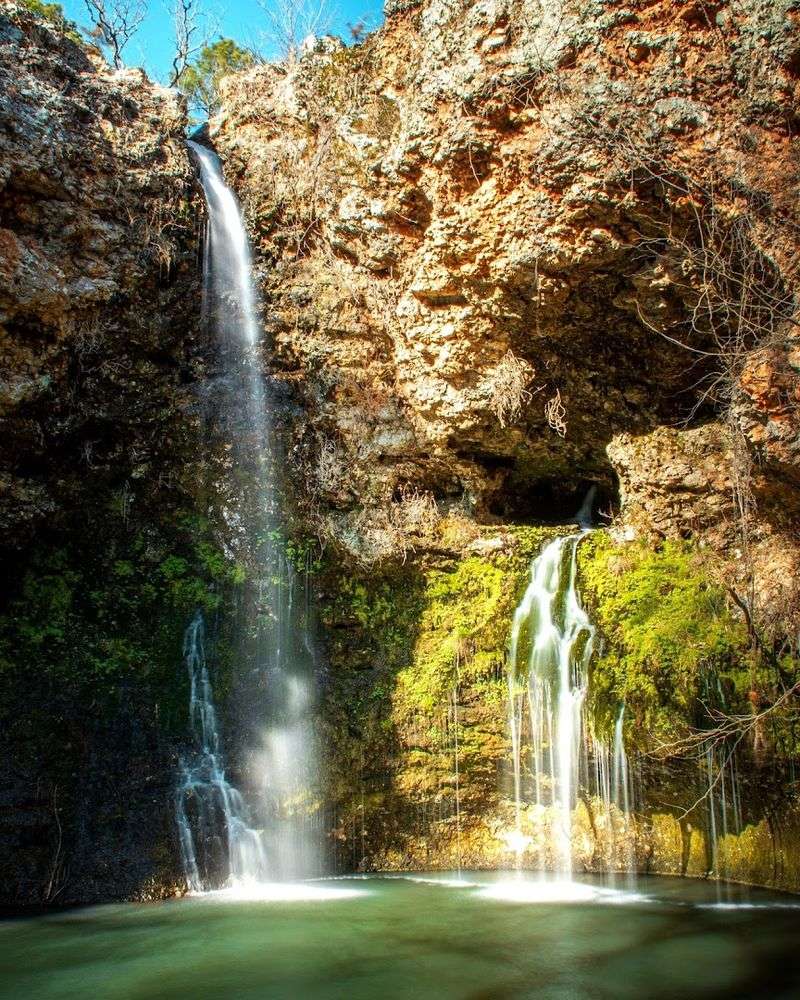
Nobody expects to find a 77-foot waterfall in northeastern Oklahoma, and that is exactly what makes Natural Falls State Park one of the most satisfying stops on this entire route.
You park the car, walk a short trail through a dense canopy of oak and hickory trees, and then suddenly the ground drops away and there it is, roaring and misting and completely magnificent.
The falls plunge into a narrow gorge carved from sandstone, and the walls of the canyon are draped in ferns and moss that glow an almost impossibly vivid green in the right light. Standing on the viewing platform, you can feel the cool mist on your face even from a distance.
It is one of those moments where you just stand there with your mouth open, slightly embarrassed by how unprepared you were for it.
The park is located near Colcord in Adair County, and the surrounding trail system winds through a forest that changes dramatically with each season. In autumn, the hardwoods explode into oranges, reds, and yellows that reflect in the pool at the base of the falls.
Summer brings full water flow and that cool mist that makes the heat bearable. Spring is quieter and equally stunning.
Natural Falls is proof that Oklahoma keeps its best secrets hidden just off the highway.
6. Grand Lake State Park: Sailing Into Oklahoma’s Biggest Views
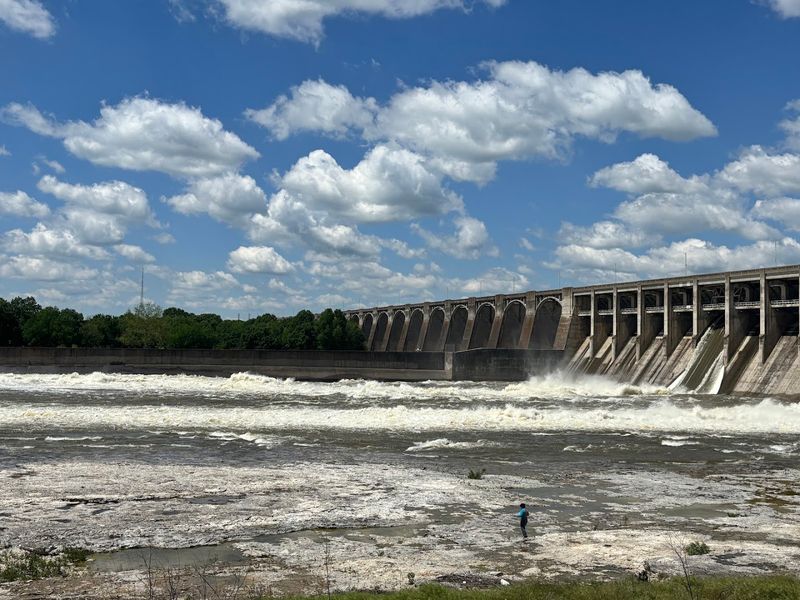
Grand Lake O’ the Cherokees is one of those places that makes you reconsider everything you thought you knew about Oklahoma.
The lake stretches across 46,500 acres in the northeastern corner of the state, and the shoreline is so jagged and sprawling that you could spend a week exploring it and still find new coves and quiet inlets you had never seen before.
Grand Lake State Park sits right along the water and offers camping, boating, fishing, and some of the most spectacular sunset views you will find anywhere in the Midwest.
The Cherokee people have a deep and ongoing connection to this region, and their cultural heritage is woven into the towns, museums, and landscapes surrounding the lake.
That history gives every visit an added dimension that goes far beyond the scenery.
Fishing here is serious business. Bass, catfish, and crappie fill the lake, and the marinas buzz with activity from early spring through late fall.
Even if you just rent a kayak and paddle out into a quiet cove for an afternoon, the experience feels quietly extraordinary. The towns around the lake are full of character too, with local markets, art galleries, and small festivals that pop up throughout the year.
Grand Lake earns its place on this route as one of the most layered and rewarding stops of all.
7. The Red Dirt Roads That Tie It All Together
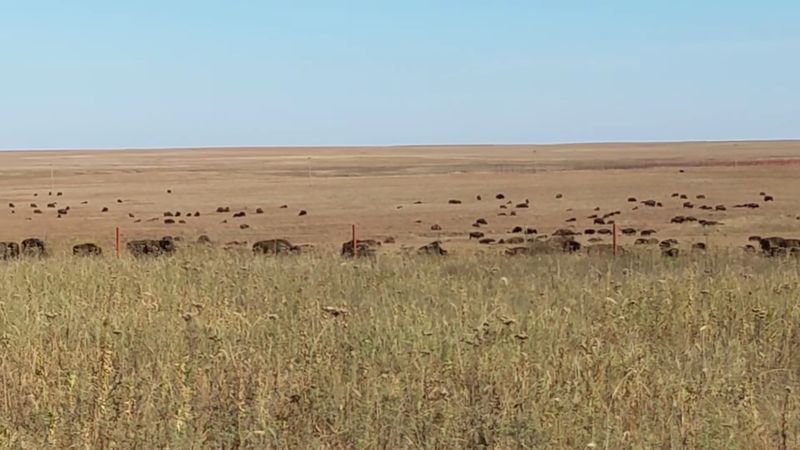
There is a specific kind of magic that happens when you turn off the highway and onto an Oklahoma red dirt road. The tires crunch, a faint rust-colored dust kicks up behind you, and suddenly the world gets very quiet and very wide.
These roads are not just connectors between destinations. They are destinations in themselves, and driving them slowly with the windows down is one of the most honest travel experiences this route offers.
Red dirt roads crisscross the state in every direction, linking small towns, ranch gates, creek crossings, and forgotten roadside stands.
The soil gets its color from iron oxide in the clay, and on a sunny afternoon, the whole landscape glows this warm, burnt-orange hue that photographers absolutely lose their minds over.
At sunrise or sunset, it borders on surreal.
What you find along these roads depends entirely on when you go and how curious you are willing to be. Old stone bridges, hand-painted mailboxes, cattle guards that rattle your whole car, and fields of wildflowers that nobody planted but everybody benefits from.
Oklahoma’s red dirt roads reward patience and slow driving in ways that interstates simply never could. Pull over when something catches your eye, because the best moments on this route almost always happen when you were not planning them at all.
8. Small Towns With Big Oklahoma Souls
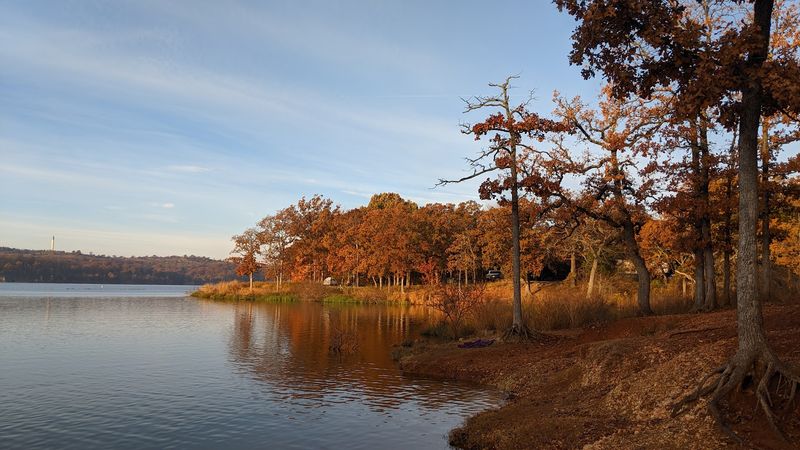
Every great road trip lives and dies by its small towns, and Oklahoma’s 534-mile route passes through some of the most genuine and characterful communities in the South-Central United States. These are not touristy recreations of small-town America.
They are the real thing, with hardware stores that have been open for decades, diners where the coffee is strong and the pie is stronger, and locals who will actually talk to you if you make eye contact.
Towns like Sulphur, Tishomingo, Tahlequah, and Broken Bow each carry their own distinct personality shaped by geography, history, and the people who have called them home for generations.
Tahlequah, for example, serves as the capital of the Cherokee Nation and carries a cultural weight that you feel the moment you walk through its downtown.
The history here is not behind glass in a museum. It is alive in the streets, the language, and the faces of the community.
Stop for lunch at a local diner rather than a chain restaurant. Wander into a small gallery or a secondhand bookshop.
Ask the person behind the counter what they recommend nearby. Nine times out of ten, they will point you toward something that never made it onto any travel list but turns out to be the highlight of your entire day.
That is the Oklahoma small-town promise, and it delivers every single time.
9. Practical Tips for Driving Oklahoma’s 534-Mile Route
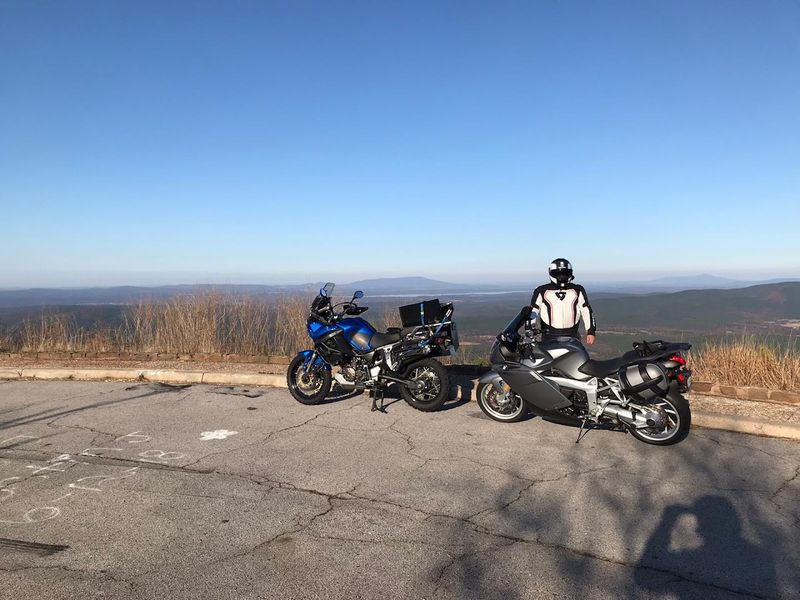
This itinerary connects southwest Oklahoma to the eastern mountains and northeast lake country, creating a cross-state journey that showcases the state’s full geographic range.
Oklahoma’s 534-mile scenic route is a journey you piece together yourself, which is honestly part of what makes it so rewarding. A little planning goes a long way, and the difference between a frustrating trip and a life-changing one often comes down to a few smart decisions made before you leave the driveway.
The best time to drive this route is spring or fall when temperatures are comfortable, wildflowers are blooming or leaves are turning, and crowds at popular parks are manageable. Summer is doable but gets genuinely hot in the central and western sections, so start your outdoor activities early in the morning.
Winter can bring ice and road closures, especially in the eastern mountain areas, so check road conditions carefully if you are planning a cold-weather adventure.
Cell service gets patchy in the more remote stretches, particularly around the Ouachita Mountains and parts of the wildlife refuge. Download offline maps before you go, and carry a paper backup just in case.
Fill up your gas tank whenever you see a station in rural areas because the next one might be farther than you expect. Pack layers, bring a good cooler, and leave room in your schedule for unexpected detours.
The best stops on this route are often the ones you stumbled into completely by accident.
Dear Reader: This page may contain affiliate links which may earn a commission if you click through and make a purchase. Our independent journalism is not influenced by any advertiser or commercial initiative unless it is clearly marked as sponsored content. As travel products change, please be sure to reconfirm all details and stay up to date with current events to ensure a safe and successful trip.
