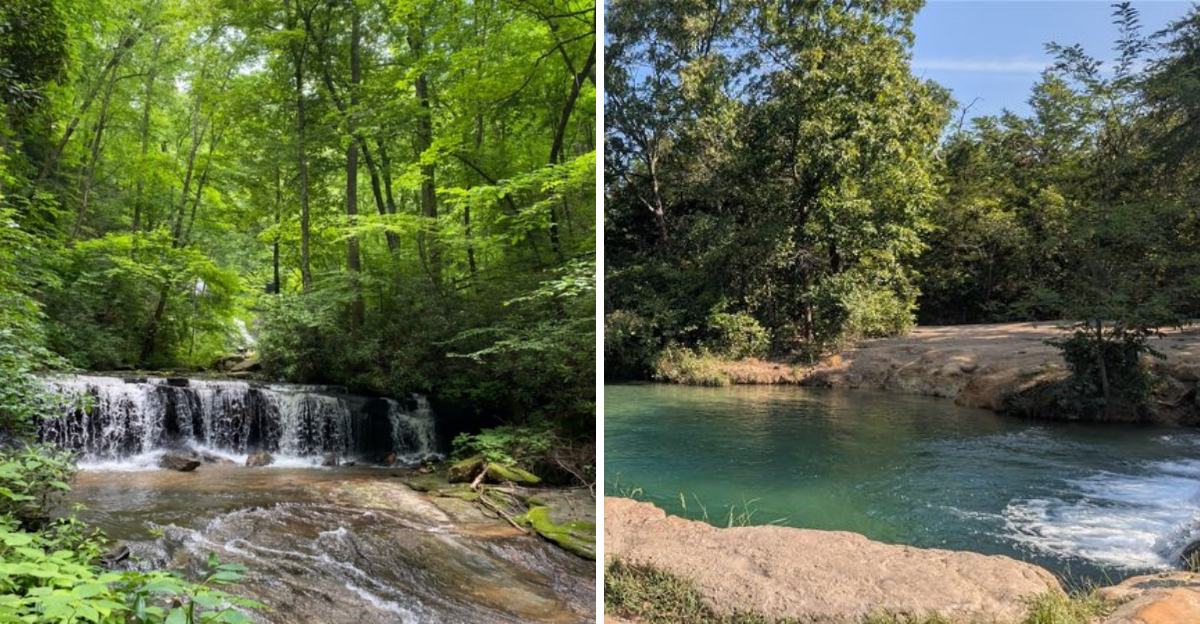
A turquoise swimming hole in the middle of Oklahoma sounds like a myth, the kind of thing you dismiss as a filtered photo or wishful thinking. But deep within a national recreation area in southern Oklahoma, this exact scene plays out every single day.
A small waterfall spills over smooth travertine rock into a pool so clear that you can count every pebble on the bottom, the water a vivid blue-green that makes your brain briefly question whether someone added dye.
The spring-fed water stays consistently cool, hovering around 65 degrees even when the Oklahoma heat pushes past triple digits. The creek, fed by underground springs that push millions of gallons to the surface daily, creates a natural playground for swimmers of all ages.
Families wade in the shallow areas near the falls, while more adventurous visitors use the rocky ledges as jumping points into deeper pockets.
The surrounding ten-thousand-acre recreation area adds to the experience, with miles of hiking trails, picnic tables, and a peaceful riverside setting. And the best part?
There is no entrance fee to enjoy any of it. This spot is a refreshing escape, the kind of place that feels like a secret even when you know it is not.
The Magic of Mineral Spring Water
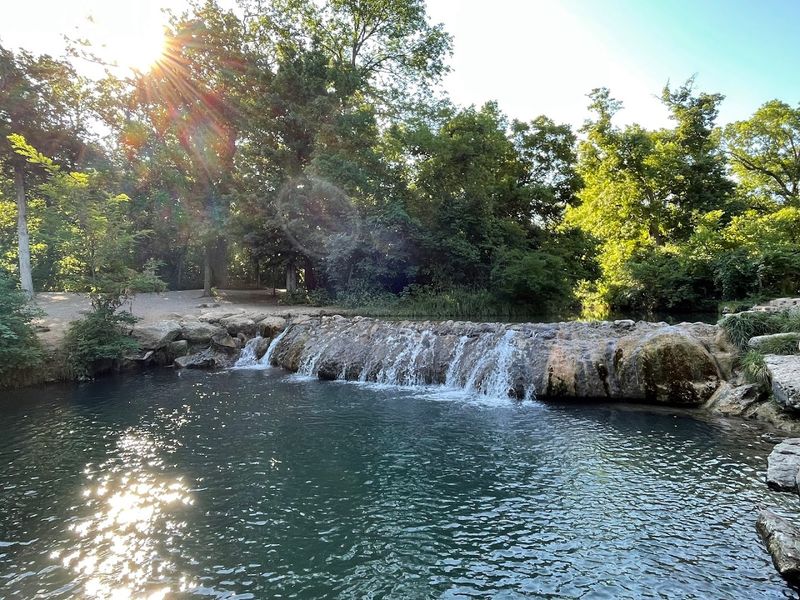
There is something almost unbelievable about water this clear sitting right in the middle of Oklahoma. The springs feeding Little Niagara Falls push mineral-rich water up from underground sources, keeping the creek running cold and remarkably clean all year long.
The water carries dissolved minerals like calcium carbonate, which is why the creek bed has that distinctive pale, rocky look. It also means the water has a slightly different feel than regular river water, almost silky against your skin.
Standing at the edge of Travertine Creek, you can see straight to the bottom even in the deeper swimming sections. Little fish dart around in the current, completely unbothered by the people wading nearby.
The consistent temperature of around 68 degrees Fahrenheit means this place is just as refreshing in late August as it is in early June. Oklahoma summers can be brutal, and this spring water is nature’s most effective answer to that heat.
A Waterfall That Fits Just Right
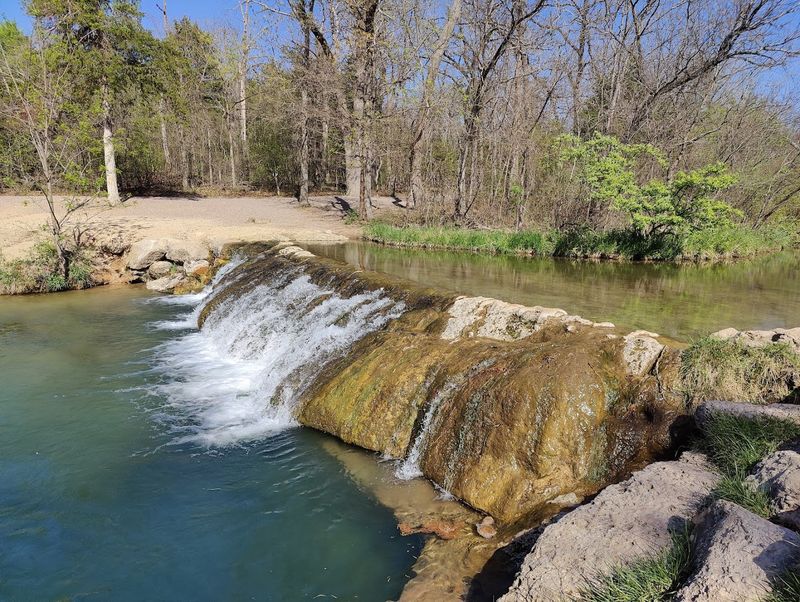
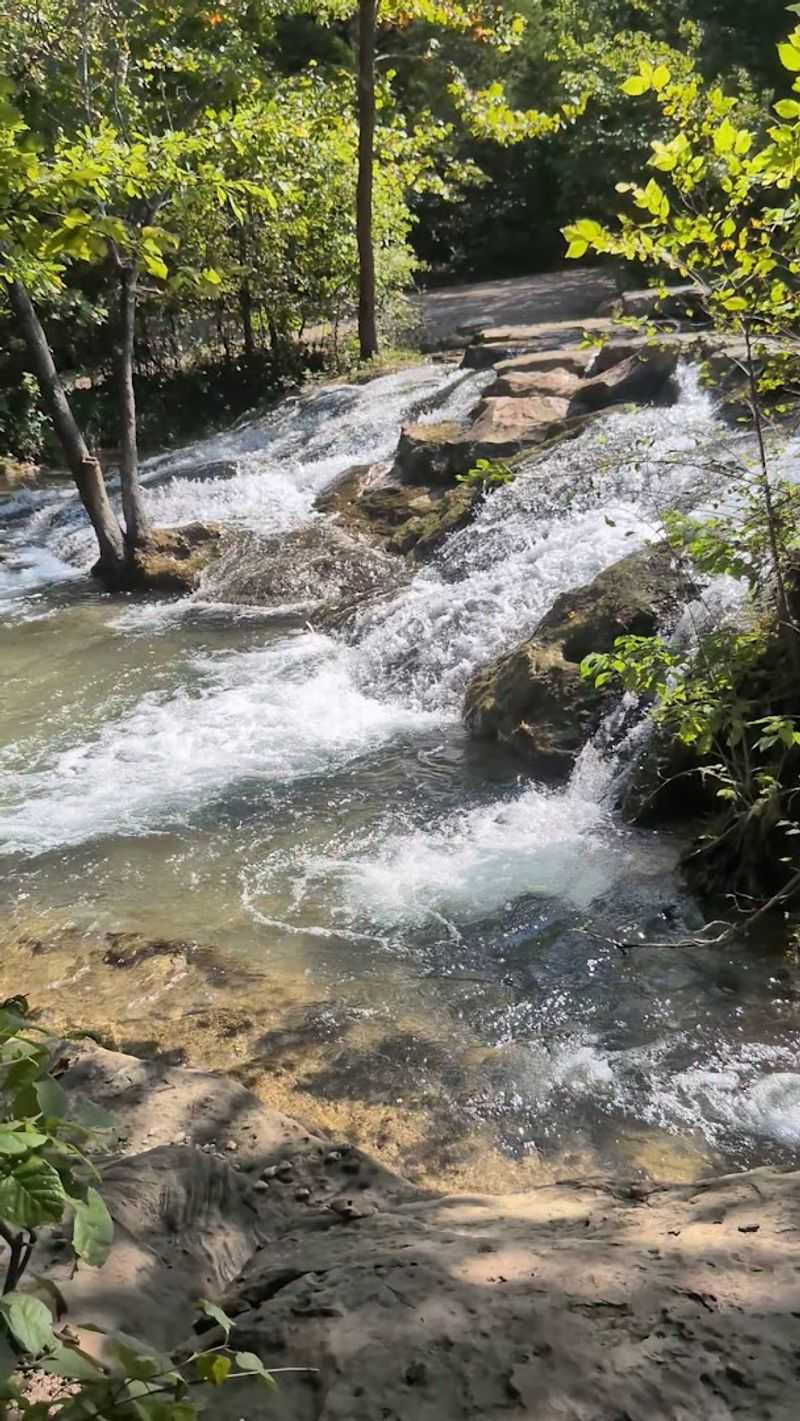
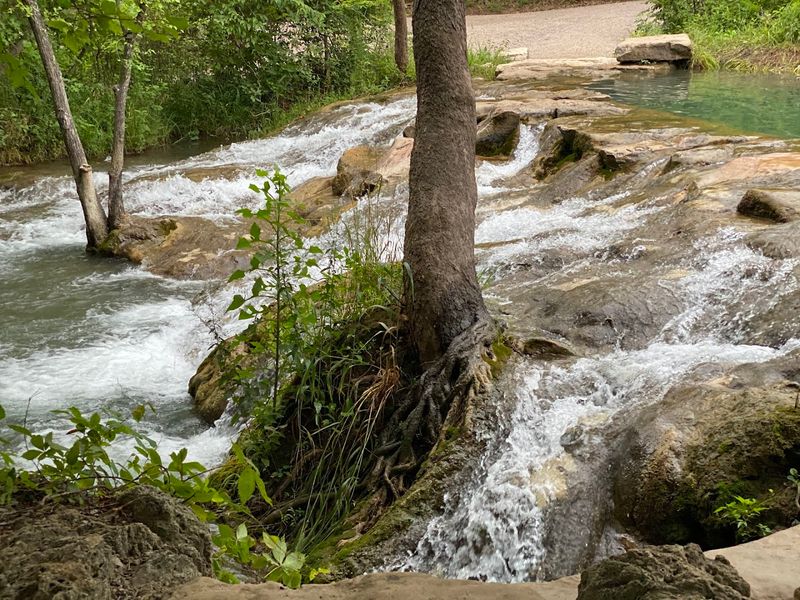
The name might suggest something dramatic and towering, but Little Niagara Falls has its own kind of charm that a massive waterfall simply cannot offer. The drop is shallow and wide, spreading the flow of Travertine Creek across a broad shelf of smooth rock before spilling into the pool below.
That shallow drop is actually what makes it so fun. People of all ages wade right up to the edge, sit on the rocks, and let the current push them gently over the lip into the pool.
The area just above the falls has a naturally shallow section that works perfectly for younger kids who want to splash around without going deep. Just below the falls, the pool deepens enough for adults to swim comfortably.
On a busy summer weekend, the whole scene looks like a giant outdoor water park, except everything here is completely natural. The sound of the water tumbling over the rocks carries through the surrounding woodland, and it never gets old no matter how long you stay.
Travertine Creek Trail Along the Water
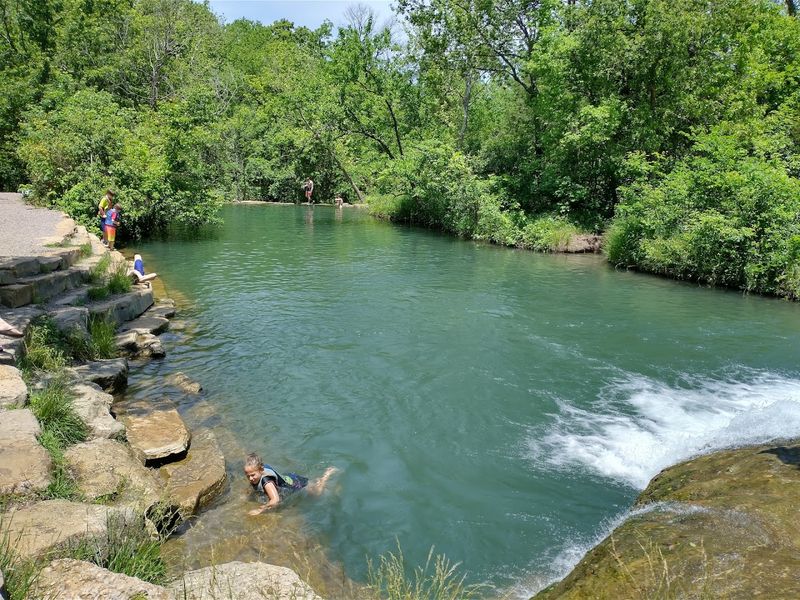
Walking the trail that runs along Travertine Creek is one of the better ways to understand just how special this part of Oklahoma really is. The path winds through 22 acres of protected woodland, passing smaller cascades and natural pools tucked between the trees.
The terrain is mostly flat and easy to navigate, with sections of both paved and gravel trail. That makes it accessible for a wide range of visitors, including those who prefer a gentle stroll over a challenging hike.
Along the way, small side pools invite you to stop and dip your feet in whenever the mood strikes. The creek runs alongside much of the trail, so the sound of moving water follows you the whole time.
Shade is plentiful here, which is a genuine gift during an Oklahoma summer afternoon. The tree canopy keeps temperatures noticeably cooler than the open parking areas nearby.
The trail also connects to broader paths within the Chickasaw National Recreation Area, so more adventurous visitors can extend their walk well beyond the falls and explore the surrounding landscape at their own pace.
Free Entry Makes It Even Better
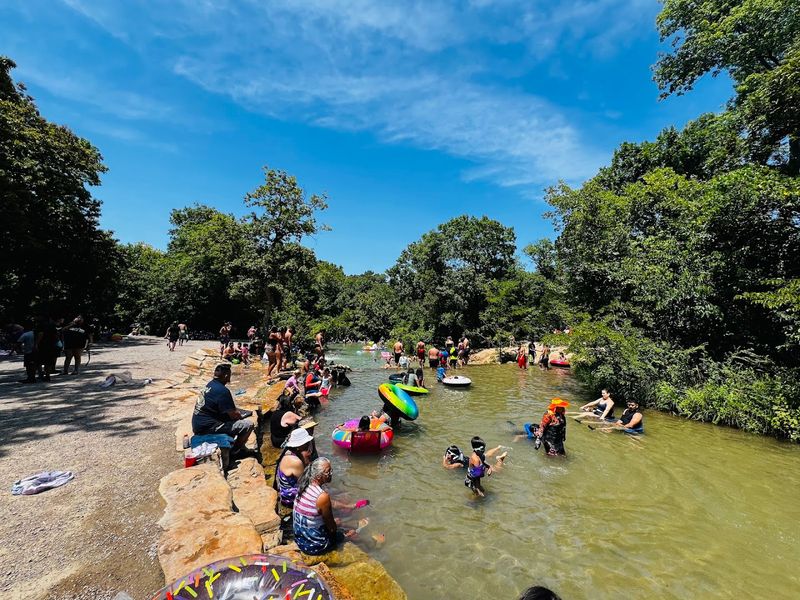
Free admission at a place this beautiful feels almost too good to be true, but Little Niagara Falls really does cost nothing to enter. The Chickasaw National Recreation Area, which manages this part of Oklahoma, keeps access open to the public without any entrance fee.
That fact alone sets it apart from many other natural swimming spots around the country. No parking fees, no wristbands, no day passes to budget for in advance.
Bringing a family here for a full day out costs only what you pack in the cooler. Oklahoma residents and out-of-state visitors alike get the same deal, which is refreshingly straightforward.
The facilities available at no charge include picnic tables, BBQ grills, clean restrooms, and ample parking with accessible spaces. That is a solid lineup for a completely free outdoor destination.
Free access also means the crowd mix here is wonderfully diverse. Families with young children, solo hikers, groups of friends, and even leashed dogs all share the space, giving the whole area a relaxed and welcoming energy that paid attractions often struggle to match.
The Riverside Setting Steals the Show
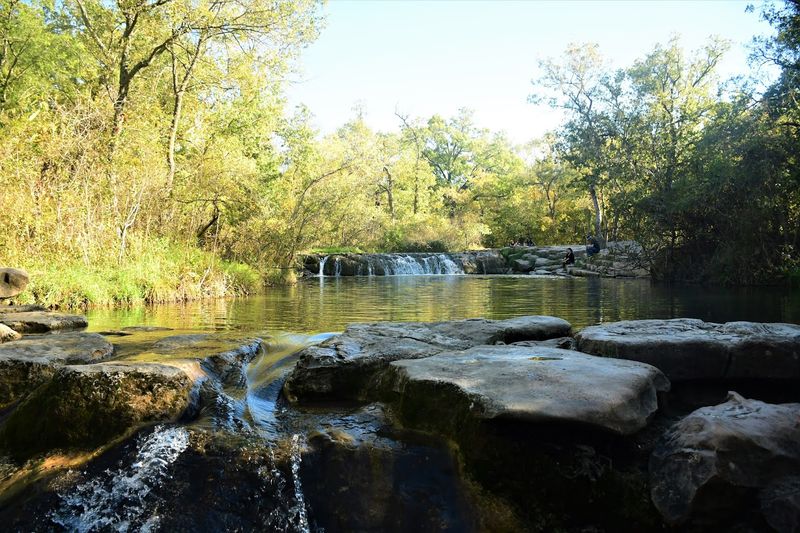
Plenty of swimming holes exist across Oklahoma, but few of them come wrapped in a setting this naturally beautiful. Travertine Creek carves through a canopy of mature hardwood trees, and the banks stay green and lush even during the driest summer months.
The combination of moving water, shade trees, and natural rock formations gives the whole area a character that feels more like the Ozarks than the southern plains. Oklahoma has a habit of surprising people who expect nothing but flat red dirt.
Picnic tables sit close enough to the water that you can hear the creek while eating lunch. The BBQ grills nearby make it easy to turn a morning swim into an all-day outing without ever leaving the park.
The light here in the late morning is particularly striking. Sunlight filters through the tree canopy and hits the clear water at angles that make the creek floor shimmer in shades of green and gold.
Sitting on a flat rock beside the creek with your feet in the current and trees overhead is one of those simple outdoor experiences that reminds you why getting away from screens and schedules is always worth the drive.
Swimming Pools Nature Built Itself
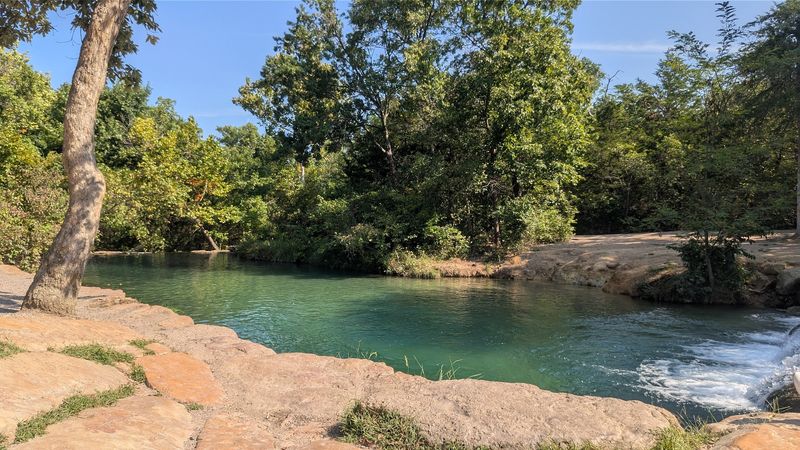
The pool at the base of Little Niagara Falls is the kind of swimming spot that makes you forget man-made pools exist. Clear water fills a natural basin carved by centuries of flowing creek water, with smooth rock edges and a sandy bottom in the shallower sections.
The depth varies enough to suit different comfort levels. Younger swimmers and nervous waders can stay near the edges where the water barely reaches the knees, while stronger swimmers can move toward the center where it gets deep enough for a proper swim.
Water temperature stays consistently around 68 degrees Fahrenheit regardless of the season. On a July afternoon in Oklahoma when the air temperature pushes past 95 degrees, that cold water is nothing short of spectacular.
Small fish are visible in the clear water, which adds an unexpected wildlife element to the swim. There is something delightful about sharing a natural pool with creatures that have been living in that same spring-fed water for generations.
The pool also benefits from the shade of surrounding trees, which keeps the rock surfaces from getting uncomfortably hot underfoot, a small but meaningful detail on a full-sun summer day in Oklahoma.
Best Times to Visit for a Good Experience
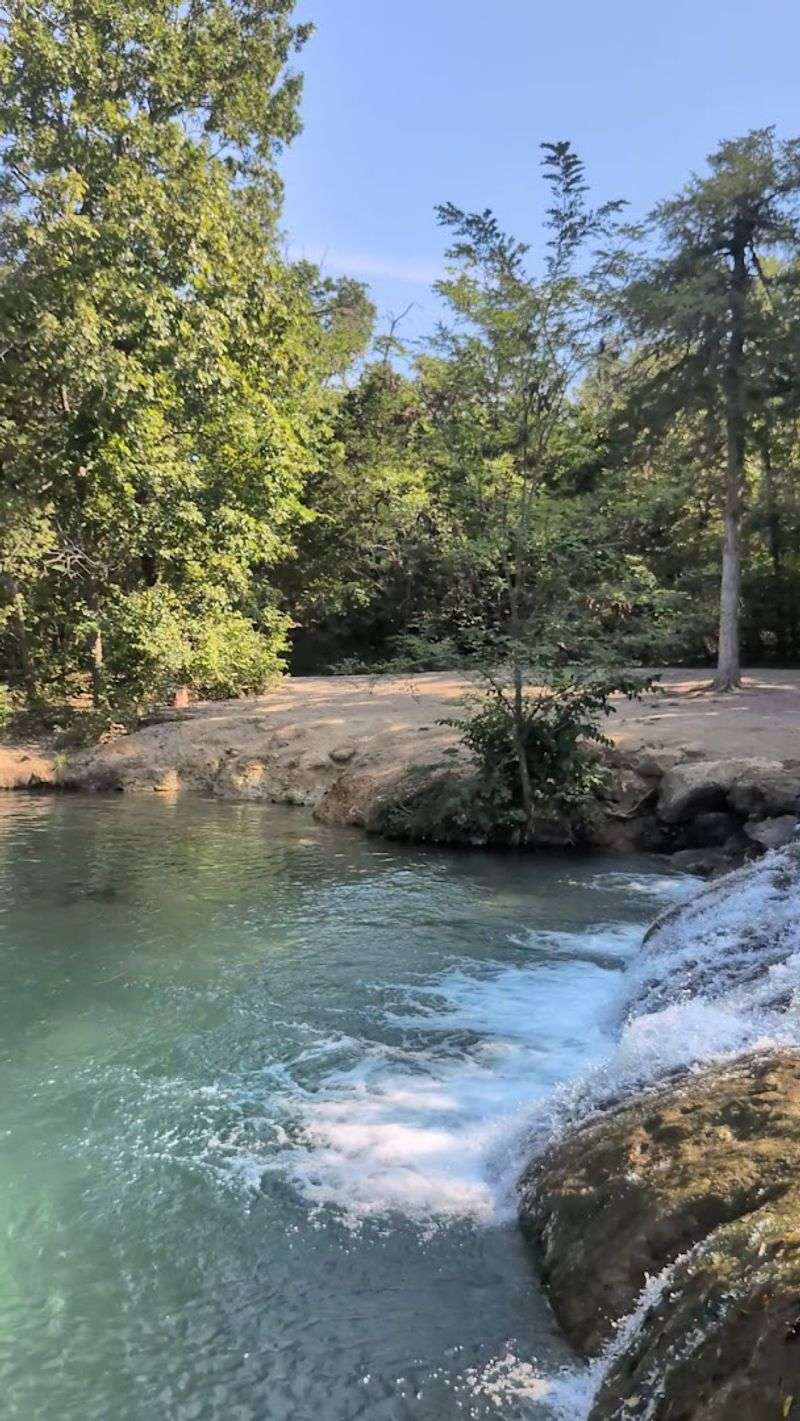
Timing a visit to Little Niagara Falls well makes a real difference in how the experience feels. Weekday mornings are consistently the calmest option, with far fewer people sharing the water and trails than you would find on a Saturday afternoon.
Summer is the most popular season for obvious reasons, but spring and early fall offer their own rewards. The water temperature stays cold year-round, and the surrounding woodland turns vivid colors in autumn, making the trail walk especially worthwhile.
Arriving early in the morning gives you the best chance of finding a picnic table close to the water. By midday on weekends, the more desirable spots near the falls tend to fill up quickly.
Oklahoma summers can bring intense heat, so packing sunscreen, plenty of water, and a hat is genuinely important. There are no food vendors or convenience stores within the immediate area, so bringing everything you need is part of the planning.
Water shoes or sandals with secure straps make navigating the rocky creek bed much more comfortable. The rocks are smooth but can be slippery, and having proper footwear turns a cautious shuffle into a confident wade.
Wildlife and Nature Along the Creek
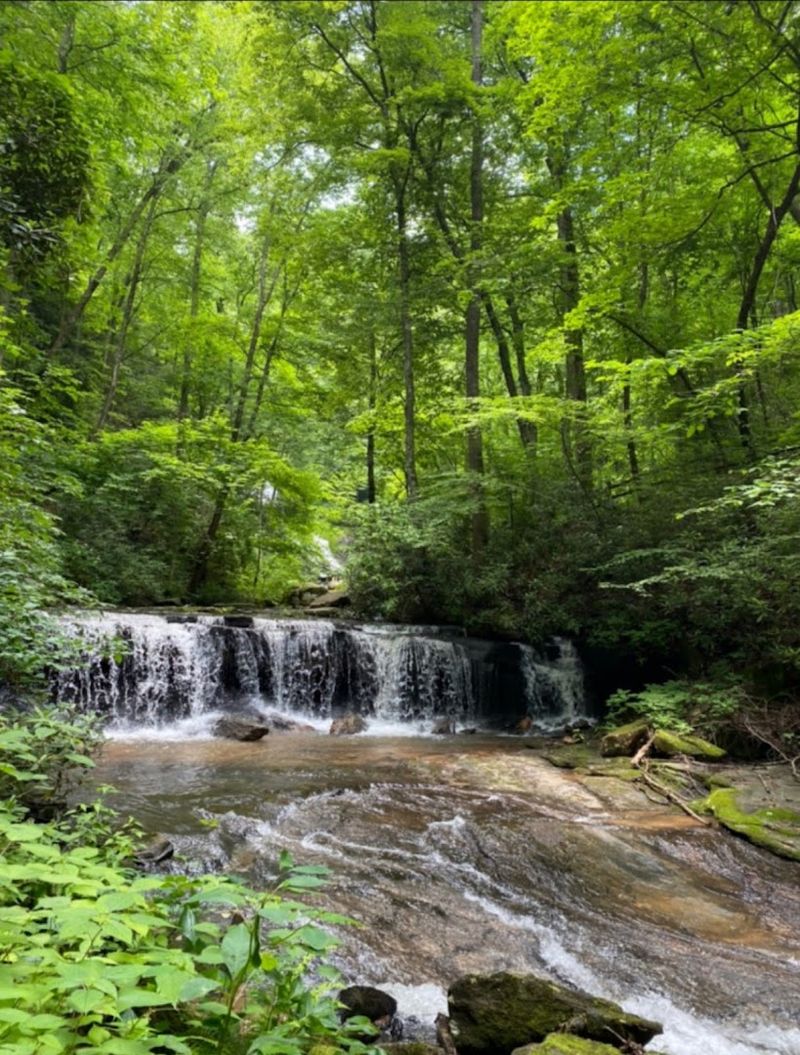
Travertine Creek is not just a place to swim. The surrounding 22 acres of protected woodland support a variety of wildlife that makes the experience feel genuinely immersive in nature.
Birds move through the tree canopy constantly, and the creek itself teems with small aquatic life.
The fish visible in the clear water are a consistent source of fascination, especially for younger visitors who may not have seen wild fish up close before. They move in small groups along the creek bottom, unbothered by the activity above the surface.
The woodland trail passes through habitat that supports deer, squirrels, and various songbirds common to southern Oklahoma. Early morning walks along the creek are the most productive for spotting wildlife before the human activity of the day picks up.
Oklahoma sits along several migratory bird routes, which means seasonal visitors to the park can include species not typically seen in the region during other times of year. Keeping a pair of binoculars in the day bag adds a whole extra layer to a visit here.
Dogs are welcome in the area on leashes, which means the wildlife-watching experience comes with the occasional friendly four-legged companion trotting along the trail beside you.
The History Behind the Recreation Area
The land surrounding Little Niagara Falls has a history that runs much deeper than a popular swimming spot. The Chickasaw National Recreation Area was established in the early 1900s, making it one of the older federally protected areas in Oklahoma.
The Chickasaw and Choctaw nations originally ceded this land to the federal government specifically to preserve its natural mineral springs, which were already known for their distinctive properties. That history gives the place a weight that goes beyond its recreational appeal.
During the 1930s, the Civilian Conservation Corps built many of the stone structures still visible throughout the park today. These historic CCC buildings add a rustic architectural character to the natural setting that feels entirely fitting.
Sulphur, Oklahoma, the nearest town, developed partly because of the springs in this area. The town’s name itself reflects the mineral-rich water that drew settlers and travelers to the region long before the park was formally established.
Understanding that history makes a walk along Travertine Creek feel like more than just a nature outing. Every smooth rock underfoot and every cold spring pushing up through the creek bed connects the present moment to a much longer story about this remarkable corner of Oklahoma.
Practical Tips for Planning Your Visit
Getting to Little Niagara Falls is straightforward once you know the route. The falls are located within the Chickasaw National Recreation Area near Sulphur, Oklahoma, roughly two hours south of Oklahoma City and about two hours north of Dallas.
Parking is available close to the falls and the trailhead, with accessible spaces included. The lot fills quickly on summer weekends, so arriving before 10 in the morning gives you the best chance of a stress-free start.
Pack everything you plan to eat and drink before leaving home. There are no food vendors or convenience stores immediately within the park, and the nearest options are back in Sulphur.
Bring a towel, a change of clothes, and footwear suitable for rocky creek beds. Water shoes are ideal, but sturdy sandals with heel straps also work well for navigating the creek around the falls.
The park’s website and social media pages post water quality updates throughout the swimming season, which is worth checking before a visit. Oklahoma’s summer heat can occasionally affect water conditions at certain spots, and knowing in advance helps you plan which areas to use.
