The history of Oklahoma is written in the land, and nowhere is that more true than at a site in the eastern part of the state. It is the only prehistoric Native American archaeological site open to the public in Oklahoma.
A major religious and political center thrived here for more than six hundred years. Twelve earthen mounds were built around a central plaza.
The site was a hub of influence and trade from the ninth to the fifteenth centuries. Today, trails wind past these ancient earthworks.
You can walk the same ground where a complex society once carried out its rituals and built its legacy. It is a quiet, sacred place that connects the present to a past that is still full of unanswered questions.
Why This Place Hits You So Fast
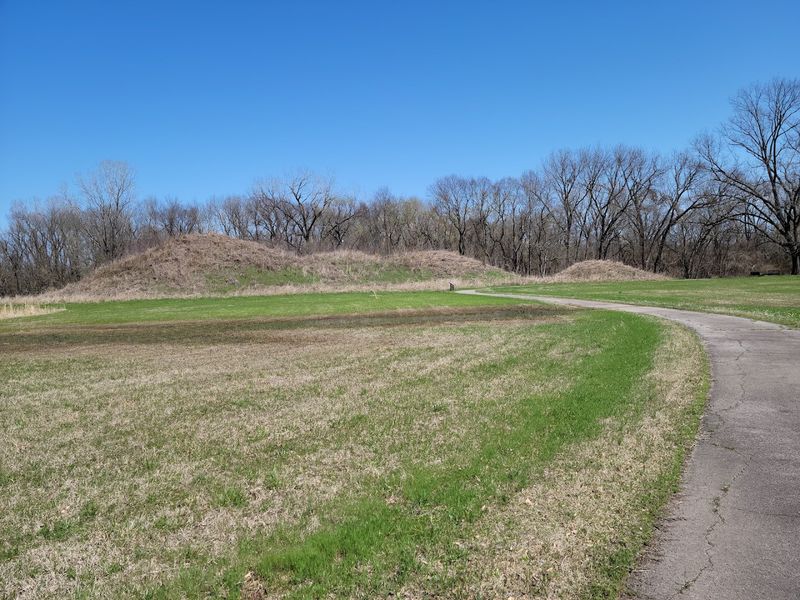
The first thing that got me was how calm everything felt, because there is nothing flashy trying to tell you this place matters and somehow that makes it feel even bigger. You step into this stretch of Oklahoma and realize you are standing at the only prehistoric Native American archaeological site in the state that is open to the public.
That lands differently when you are actually there, with wind moving through the grass and a landscape that keeps its stories close.
It is easy to think of history as something locked behind glass, but here it sits right out in the open and asks you to pay attention. Spiro Mounds is not a recreated attraction or a themed stop built to feel old, and that truth comes through almost immediately.
The setting has a quiet confidence that makes you lower your voice a little, even if you came in chatting like you do everywhere else.
I liked that it never tried too hard to impress me, because the place already knows what it is. You are looking at the remains of a powerful cultural center that connected people across a huge region, and that fact starts to sink in more with every step.
By the time you begin exploring, Oklahoma feels a lot deeper and older than it did an hour earlier.
Finding It Feels A Little Surreal
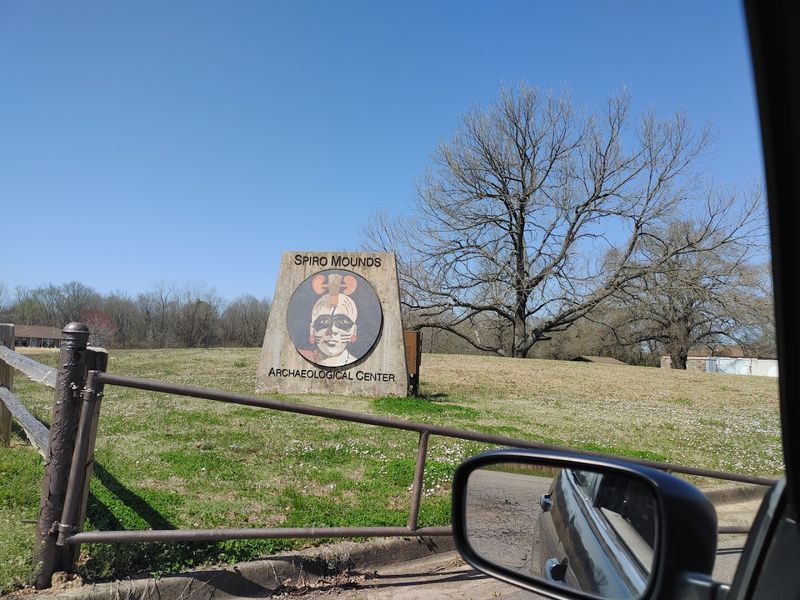
What is funny is how ordinary the drive feels right before you get there, and then suddenly you are pulling up to a place with enormous historical weight. Spiro Mounds Archaeological Center is at 18154 1st St, Spiro, OK 74959, and seeing that simple address attached to such an important site almost does not compute at first.
It really does feel like one of those places hiding in plain sight, which is probably why it sticks with people.
The area around it is quiet, and that helps set the mood before you even start reading signs or walking the grounds. You are not arriving to noise and spectacle, and honestly that is exactly right for a place like this.
The understated setting gives you a second to shift out of road-trip mode and into something slower and more curious.
I would tell you not to rush the arrival, because the transition matters more than you might expect. Let yourself notice the sky, the openness, and the way eastern Oklahoma can feel both familiar and ancient at the same time.
By the time you step out of the car, you already sense this is going to be more than a quick stop and a photo.
This Was Once A Real City
Here is the part that really resets your imagination, because this was not some tiny isolated settlement with a couple of huts and a lookout. Spiro was a major Mississippian cultural center, and when you frame it that way, the whole site starts feeling less like ruins and more like the footprint of a real city.
You begin picturing movement, ceremony, trade, work, and daily life spread across ground that now looks so quiet.
That contrast is what stayed with me most while walking around, because the silence now is covering an earlier world that was busy, organized, and deeply connected. This place mattered far beyond what is now Oklahoma, with influence reaching across a huge network of Native communities.
It helps to remember that while you are standing there, because otherwise your eyes can underestimate what your feet are actually crossing.
I found myself trying to imagine the place at its height, with leaders, craftspeople, families, and travelers all moving through the same space. The mounds stop looking like simple rises in the earth once you understand they were intentional structures built by hand for specific purposes.
After that, every path feels a little more alive, like you are walking through memory instead of scenery.
Walking The Grounds Changes Everything
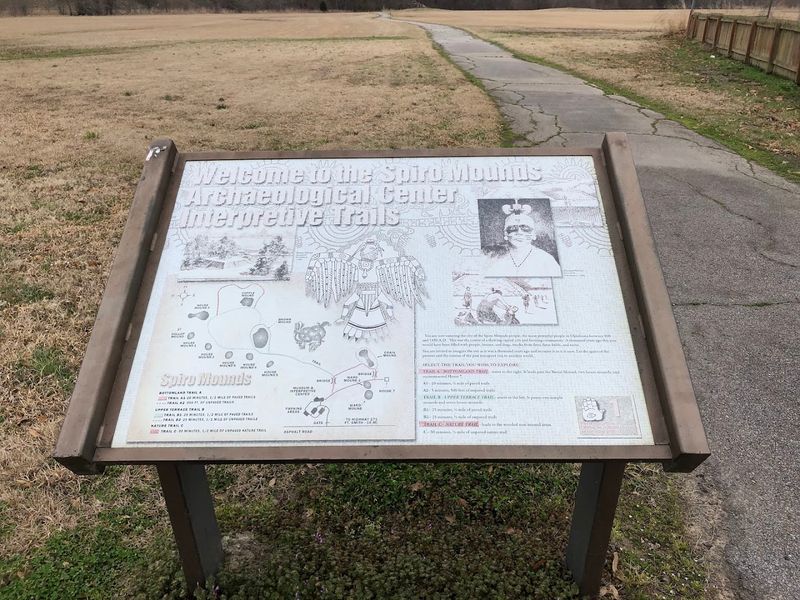
Once you actually start walking, the visit shifts from interesting to personal in a way that surprised me. The interpretive trails let you move through the landscape at a human pace, and that matters because this is not a site you understand from a parking lot glance.
The mounds rise out of the earth with a kind of steadiness that makes you slow down and pay better attention.
I kept thinking about the labor behind them, because every mound represents deliberate work done over time by many hands. Nothing here feels accidental, and the shape of the land starts reading like intention instead of nature once you know what you are looking at.
That is such a powerful switch, because the whole place opens up after that.
The walk also gives you room to think, which is part of why it feels so memorable. You are outside, hearing birds and wind, but your mind is busy imagining gatherings, ceremonies, and ordinary life unfolding on the same ground centuries ago.
A lot of historic places tell you what happened, but this one gives you enough space to actually feel the weight of it while you move through Oklahoma.
Craig Mound Carries A Lot Of Mystery
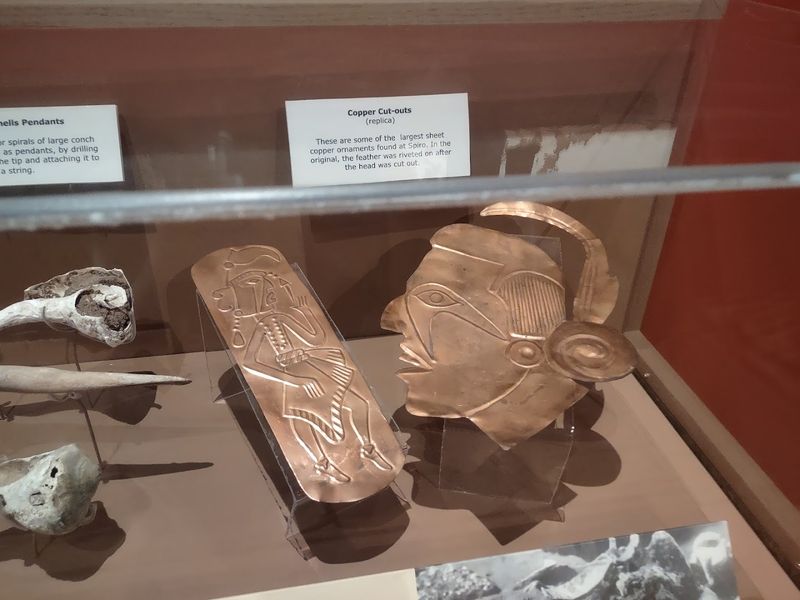
If one part of the site keeps pulling at your imagination, it is probably going to be Craig Mound. This mound is especially important because it served as a burial mound, and discoveries associated with it changed what researchers understood about the people who lived here.
Even without seeing those objects in the ground, you can feel the gravity attached to this spot.
What fascinates me is that a protected chamber helped preserve delicate materials that usually vanish with time, including textiles, feathers, and carved shell pieces. That kind of survival is rare, and it gave archaeologists an unusually detailed look at ceremonial life, artistry, and belief.
You do not have to be an expert to feel how extraordinary that is once you hear the story.
There is something humbling about standing near a place that revealed so much while still holding onto its silence. The site handles that history with a respectful tone, which I appreciated, because it never turns sacred material into spectacle.
Instead, you leave with a stronger sense that Spiro was not only politically important, but spiritually layered in ways we are still trying to fully understand.
The Exhibits Help The Whole Place Click
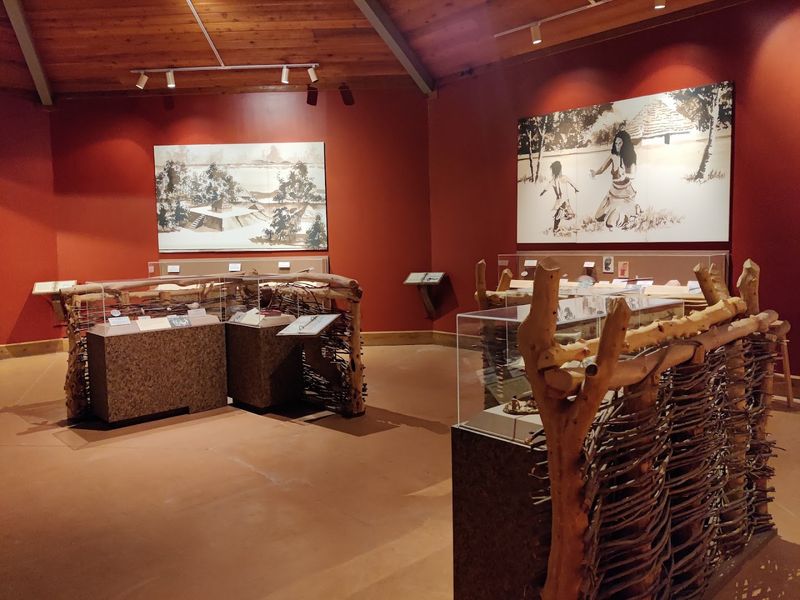
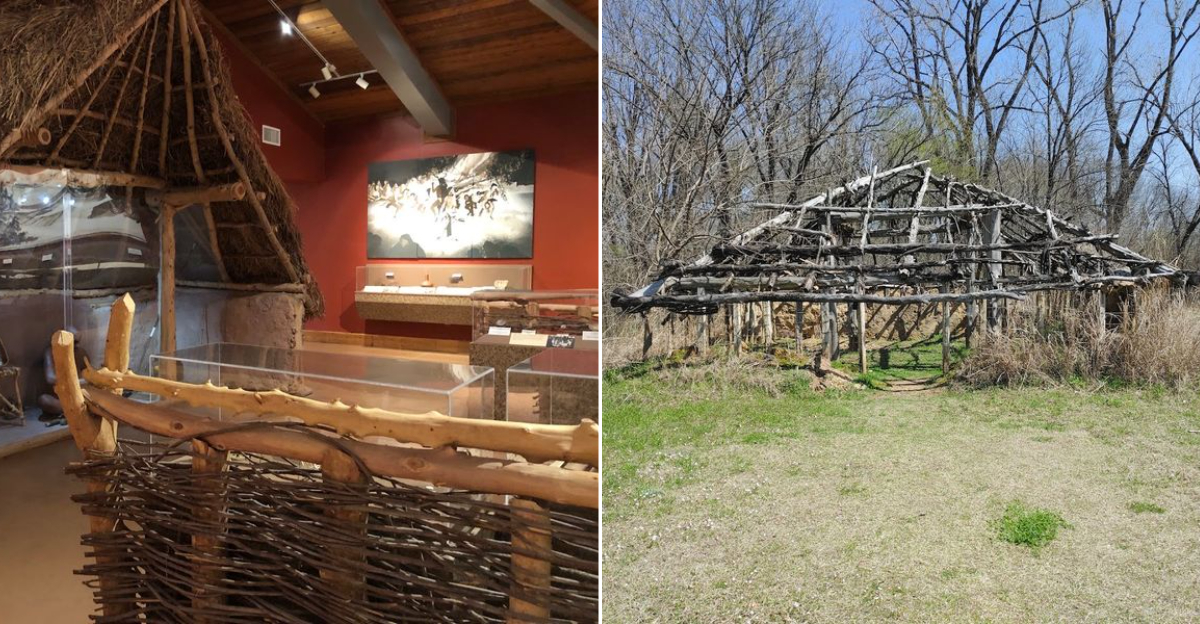
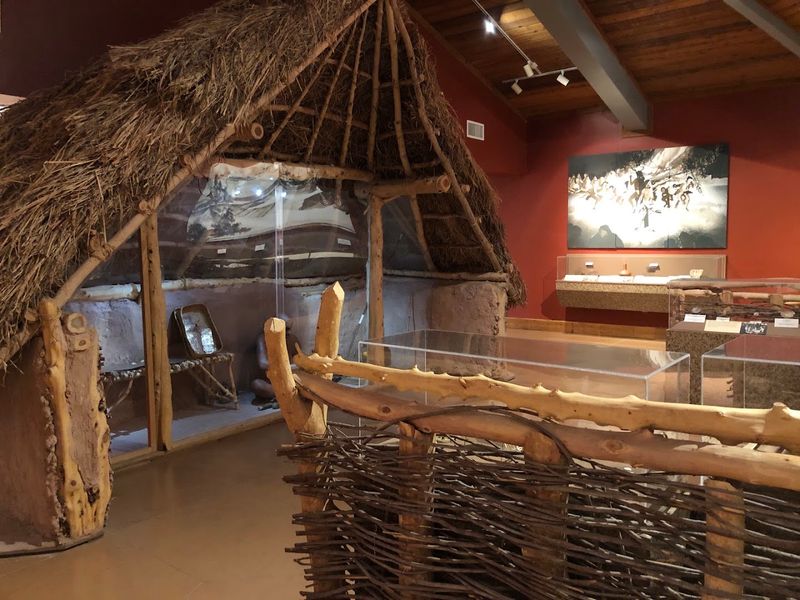
Before you head too far outside, spend a little time with the exhibits, because they make the landscape easier to read. The visitor center does a good job of giving context through interpretive displays, and that context matters when so much of the site is subtle rather than visually loud.
Once you understand what was here, the mounds stop blending into the horizon and start telling a clearer story.
I liked that the exhibits do not overwhelm you with jargon or make the experience feel academic in a stiff way. Replicas and explanations help you picture the craftsmanship, trade connections, and ceremonial meaning tied to the site, which makes everything outdoors feel more grounded.
You walk out with a stronger sense of who the Spiro people were and why this place mattered so much.
There is also something nice about getting that orientation before the quiet of the trails takes over. It gives your attention a direction, so you are not just wandering and hoping the meaning lands by accident.
For me, the indoor interpretation and the open-air walk worked together perfectly, and that balance made this Oklahoma visit feel thoughtful instead of rushed.
Try To Imagine It During A Solstice
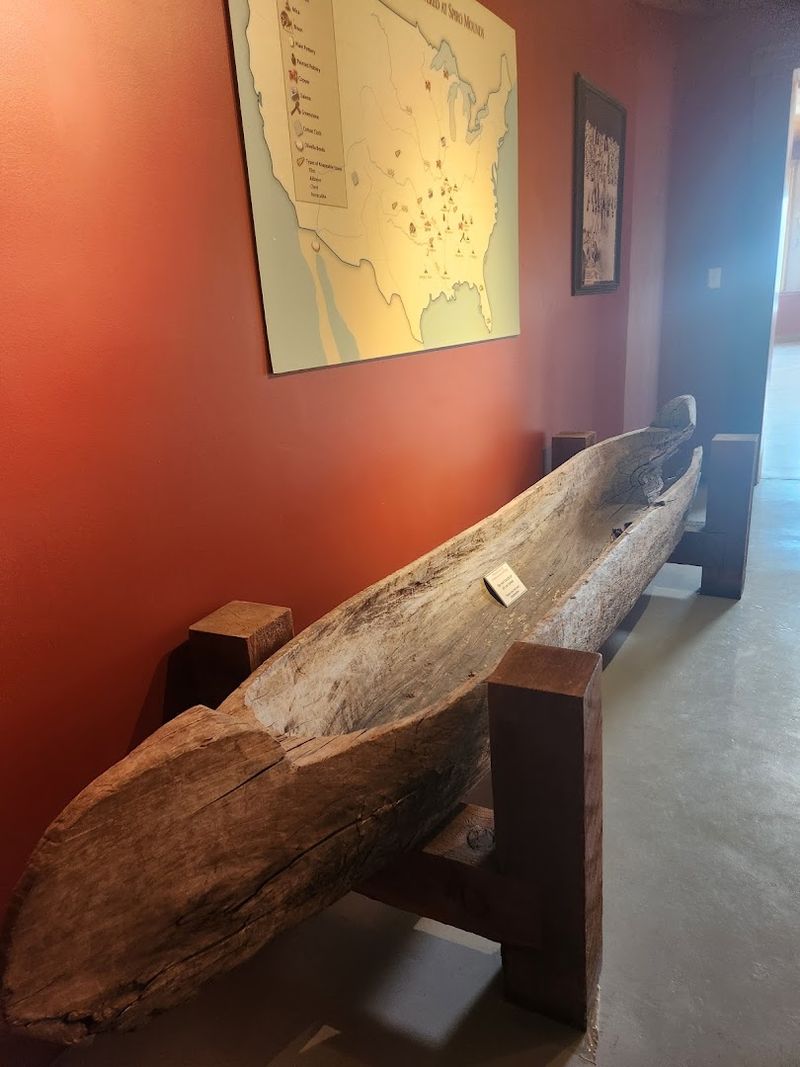
I kept thinking that this place must feel especially powerful when the light is doing something dramatic across the mounds. Spiro is associated with special programming tied to seasonal moments like solstices and equinoxes, and that feels deeply fitting once you understand the ceremonial side of the site.
Even on a regular visit, you can imagine how sky, horizon, and earth might have mattered together here.
That is part of what makes the landscape feel so alive without needing any extra production. The openness lets you notice light and shadow in a way you might ignore somewhere busier, and those changes add a quiet rhythm to the experience.
You start paying attention to direction, distance, and the shape of the ground as if the site is teaching you how to look.
I would not call it mystical in a cheesy way, but I will say it lingers in your mind differently from most historical places. Maybe it is the space, maybe it is the age of the site, or maybe it is just the awareness that people once gathered here with purpose under the same Oklahoma sky.
Whatever it is, the feeling tends to stay with you.
You Leave Seeing Oklahoma Differently
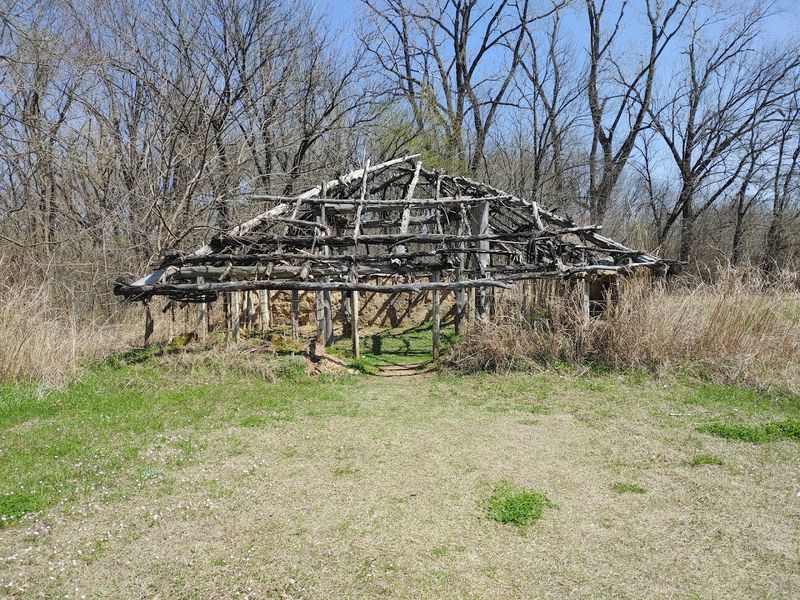
By the end, what surprised me most was not just what I learned, but how much the visit changed the way I thought about Oklahoma itself. So much of the state’s deeper Indigenous history can feel abstract until you stand somewhere like this and realize how central this region once was.
Spiro Mounds gives that history a physical shape, and once you see it, you cannot really unsee it.
The site does not need spectacle to make its point, and honestly that restraint is part of why it works so well. You leave carrying images of grassy mounds, open sky, and a place that trusted you to meet it with curiosity instead of hype.
That tone feels right for a landscape holding the remains of a sophisticated Native center with influence far beyond its immediate surroundings.
If you are the kind of traveler who likes places that keep unfolding after you leave, this one absolutely does that. I found myself replaying the walk, the stories, and the sheer age of what sits there so quietly in eastern Oklahoma.
It is one of those rare visits that gently rearranges your sense of the country, and that is not something I say lightly.
