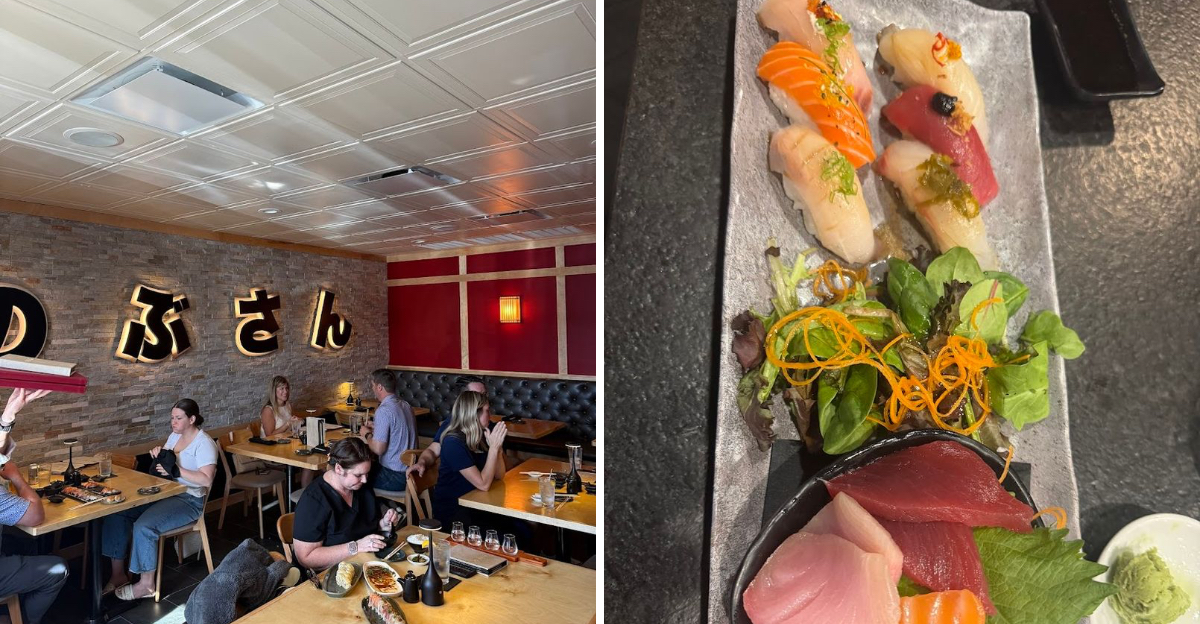
Plot twist: the best sushi in Oklahoma is not in a big city, and it is not inside a flashy restaurant with a DJ and a sushi conveyor belt. It is hidden behind a quiet counter in Tulsa, where a chef is quietly doing something that feels almost rebellious.
He is serving omakase, the kind of meal where you hand over control and let the fish do the talking.
The counter holds maybe a dozen seats, which means you are close enough to watch the chef’s hands work their magic, slicing, pressing, and plating with the kind of focus that makes you forget to blink.
Each piece arrives like a tiny gift, the fish so fresh it practically glows, the rice seasoned to perfection. There is no need for heavy sauces or fancy rolls here. The fish is the star, and it knows how to shine.
The vibe is intimate and warm, the kind of place where the chef might ask you a question and actually wait for an answer. It is not a meal.
It is a conversation between the kitchen and your taste buds. Oklahoma has been waiting for this, and now that it is here, nobody wants to leave.
Bring your curiosity and your best listening ears. The chef has a lot to say, and he says it with a knife and a piece of fish.
The Legacy Behind The Counter
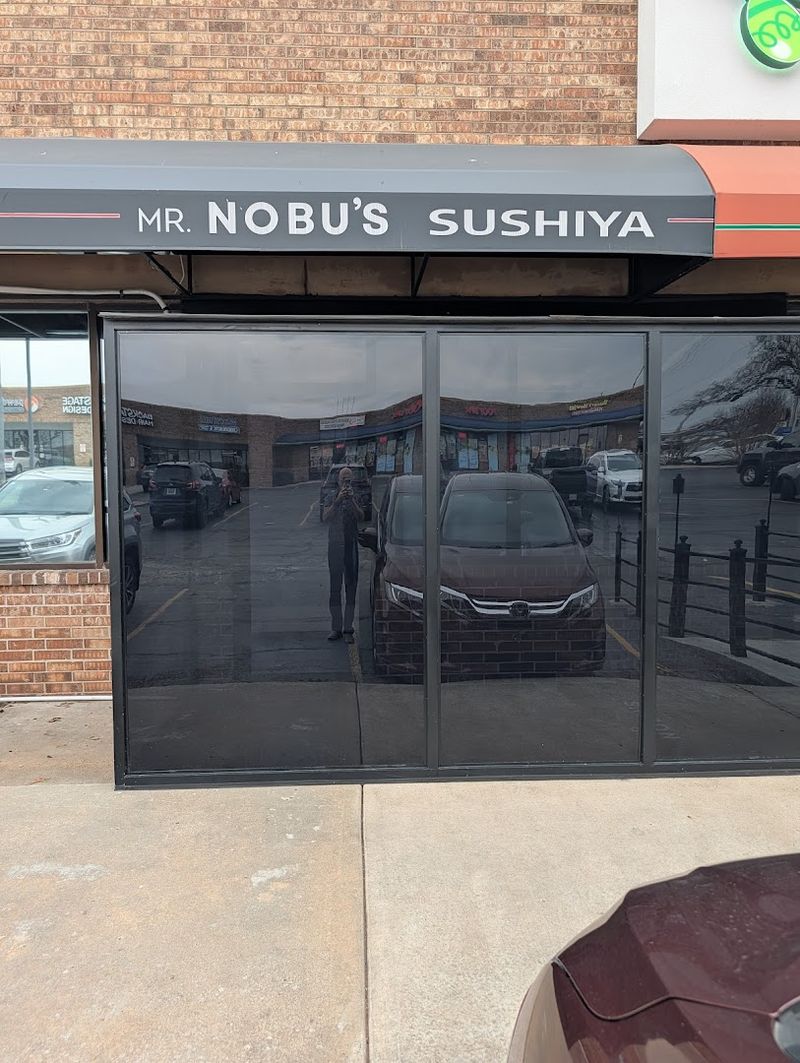
Some restaurants carry a name. This one carries a legacy. Mr. Nobu’s story in Tulsa stretches back to the 1980s, when he first introduced the city to authentic Japanese cuisine at a time when most of Oklahoma had never encountered real sushi.
That original restaurant became a touchstone for locals who cared about food done right.
Decades passed, but the passion never faded. His return to the counter is less a comeback and more a continuation, picking up exactly where a long chapter left off.
The knowledge he brings is not something learned from a cookbook. It was built over a lifetime of practice, refinement, and genuine devotion to the craft.
Every movement behind the counter feels deliberate and unhurried. Watching the preparation unfold is its own kind of education.
The precision in each cut, the careful placement of fish on rice, the quiet confidence of someone who has done this thousands of times and still treats each piece like it matters deeply. That level of dedication is rare anywhere, let alone in the middle of Oklahoma.
A Sushi Counter Built For Focus
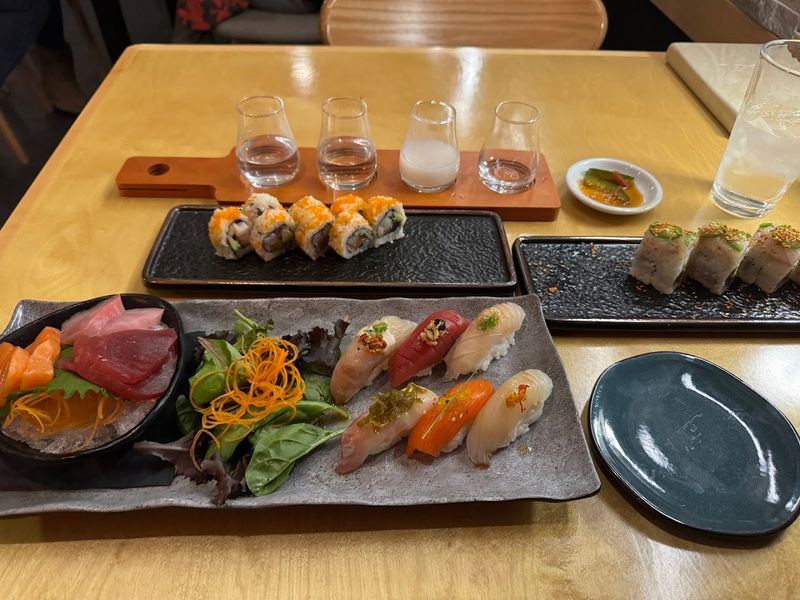
Sitting at the sushi bar here is a completely different experience from taking a table. The counter puts you inches away from the action, and suddenly the whole meal becomes interactive in the best possible way.
You can see the fish, smell its freshness, and watch each piece come together right in front of you.
The setup is intentional. A proper omakase counter demands this kind of closeness between chef and guest.
It strips away the formality of a traditional dining room and replaces it with something more honest and direct. There is no mystery about what you are eating or where it came from.
Reservations are strongly recommended, especially for counter seats. The space is small by design, not by accident.
Keeping things intimate allows the kitchen to focus on quality rather than volume. For anyone visiting for the first time, requesting a seat at the bar is the move.
The perspective you gain from watching the sushi prepared live adds an entirely new layer to the meal. It transforms dinner into something closer to a performance worth paying close attention to.
Real Wasabi Changes Everything
Most sushi restaurants in America serve a green paste made from horseradish and food coloring. It does the job, but it is not wasabi.
Real wasabi, freshly grated from the actual plant, is something else entirely. The flavor is subtle, herbal, and slightly sweet, with a heat that rises and fades gently rather than hitting you like a punch.
Mr. Nobu’s Sushiya is one of the only spots in Tulsa offering the real thing. That detail alone signals the level of seriousness behind the operation.
Sourcing authentic wasabi is expensive and requires consistent effort. Choosing to offer it anyway says a lot about the priorities in this kitchen.
Trying it for the first time alongside a clean piece of bluefin tuna is a moment worth remembering. The combination is delicate and layered in a way that the standard paste simply cannot replicate.
For anyone who considers themselves a sushi lover, this is the kind of detail that redefines what you thought you already knew. Small touches like this are what separate a good sushi restaurant from a truly exceptional one.
The Omakase Experience Explained
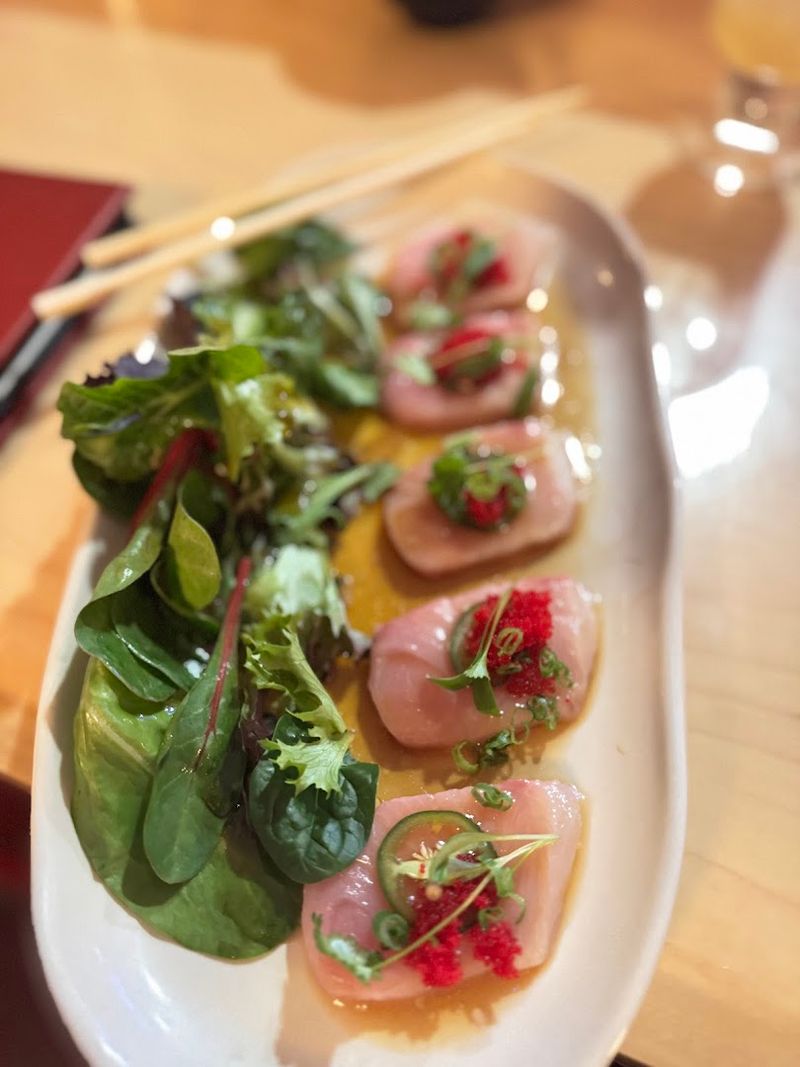
Omakase is a Japanese word that translates loosely to “I leave it up to you.” At Mr. Nobu’s Sushiya, choosing omakase means handing the decision-making entirely to the chef, and trusting that what arrives will be worth every moment of anticipation.
It is a deeply personal style of dining built on mutual respect between cook and guest.
The format here leans traditional. Nigiri and sashimi take center stage, with each piece selected based on what is freshest that week.
The fish rotation changes regularly, which means no two omakase experiences are exactly alike. That unpredictability is part of the appeal.
For first-timers, omakase can feel a little intimidating. There is no menu to hide behind and no familiar fallback options.
But that vulnerability is exactly the point. Letting go of control and simply receiving each course with an open mind leads to discoveries you would never make on your own.
Dishes like dressed akami and otoro nigiri have a way of quietly rearranging your expectations. The omakase at Mr. Nobu’s is not just a meal; it is a guided journey through what Japanese sushi can genuinely be.
Fresh Fish Flown In Weekly
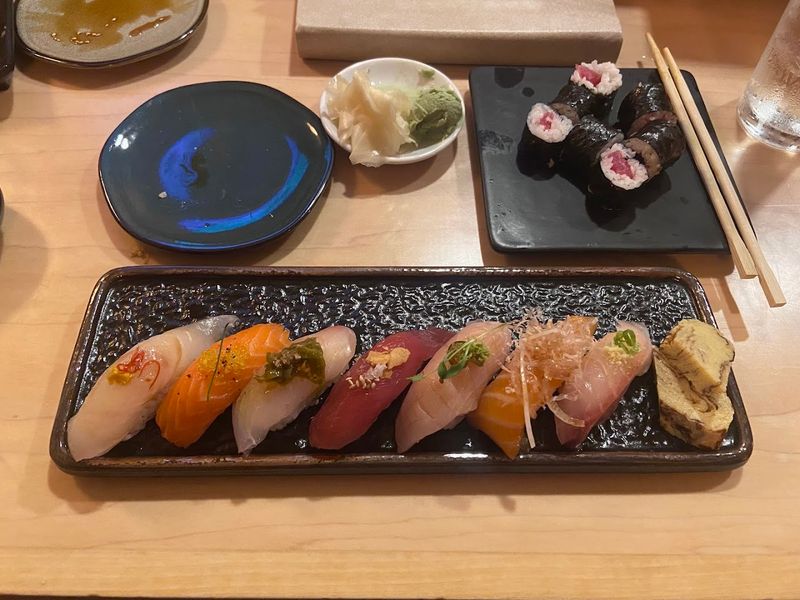
The freshness at Mr. Nobu’s Sushiya is not accidental. Fish is sourced and flown in on a consistent weekly schedule, ensuring that what lands on your plate has not been sitting around losing flavor and texture.
In a landlocked state like Oklahoma, that kind of supply chain commitment requires real effort and investment.
The difference shows up immediately on the palate. Clean flavors without any fishy aftertaste are the clearest sign of top-grade fish handled correctly.
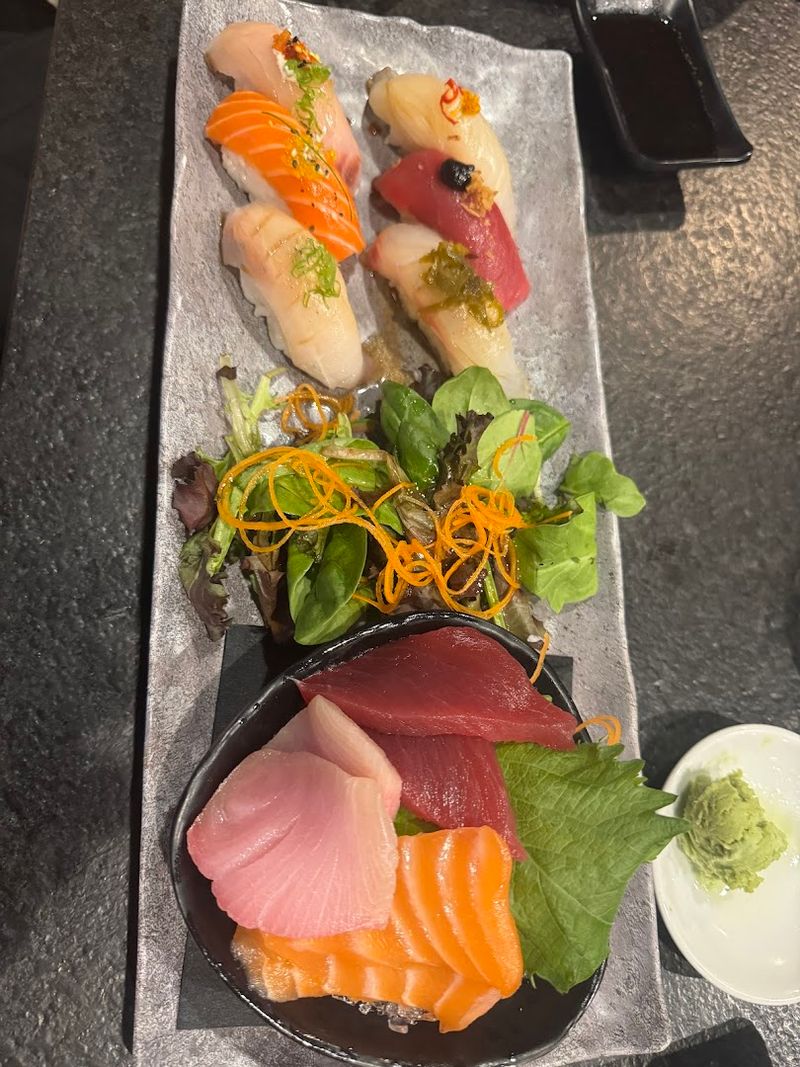
Bluefin tuna options here include multiple cuts: akami, chutoro, and otoro, each with its own distinct fat content and flavor profile. Getting all three in one sitting is a study in contrast and balance.
Hotate, hirame, hamachi, and other rotating selections round out a lineup that would feel at home in a serious coastal city. The sourcing philosophy here is simple: start with the best possible ingredient and do not overcomplicate it.
Heavy sauces and unnecessary garnishes have no place when the fish itself is this good. The kitchen trusts the product, and that confidence translates directly into every bite placed in front of you.
Standout Dishes Worth Ordering
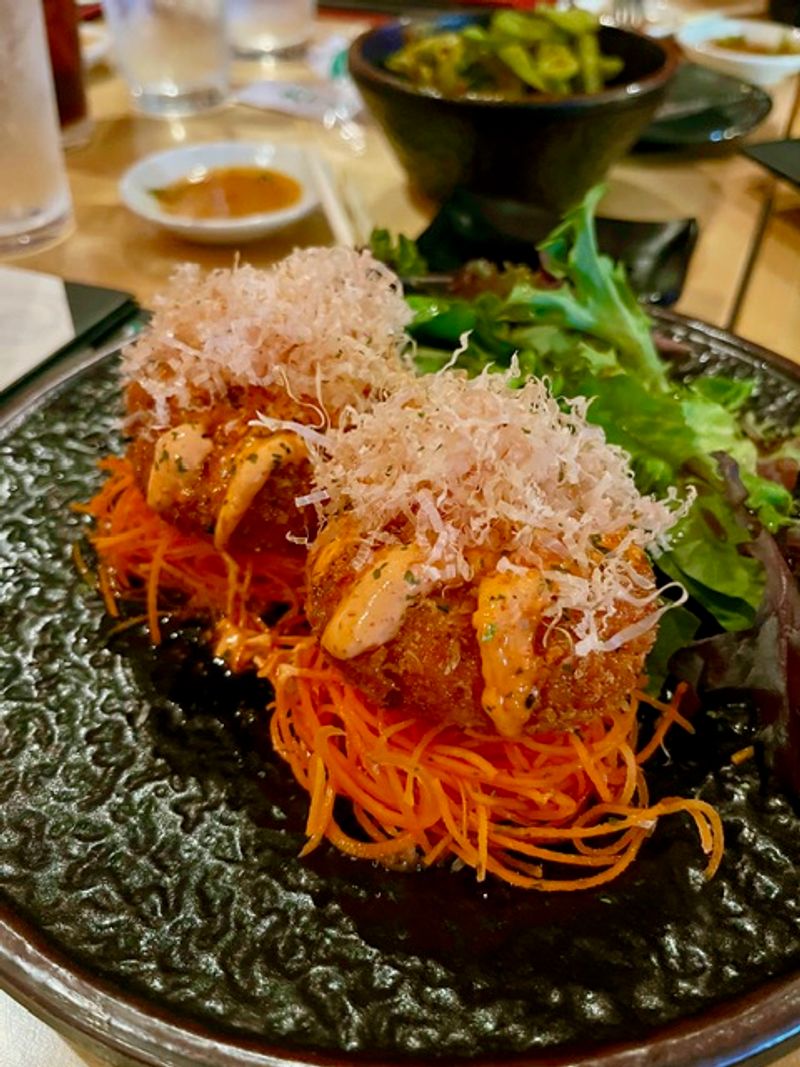
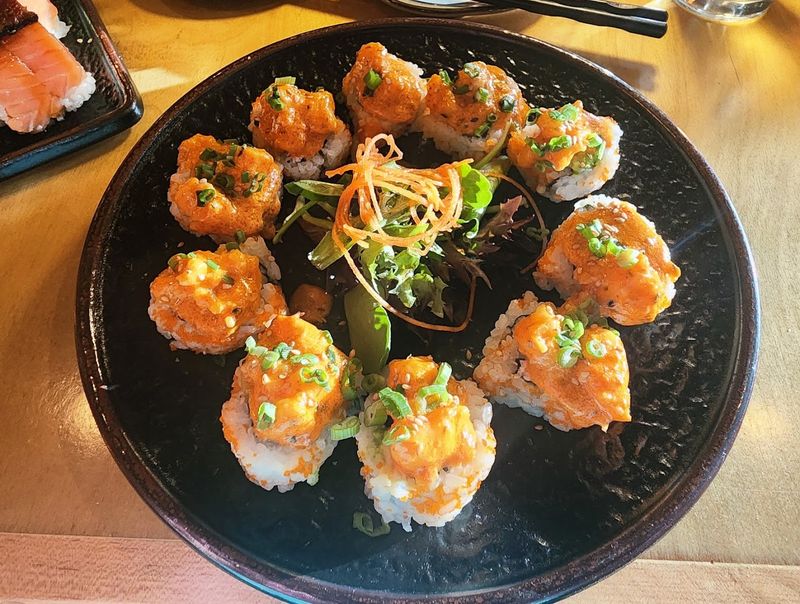
Beyond the omakase, the menu at Mr. Nobu’s Sushiya includes individual dishes that deserve serious attention on their own. The crab cakes are genuinely remarkable.
Crispy outside, rich inside, served with a kick that creeps up on you pleasantly. They are large, well-seasoned, and nothing like the bland versions found at most American restaurants.
Salmon carpaccio brings a lighter touch, with thin slices of fish brightened by pickled onion that cuts through the richness perfectly. The balance of acidity and fat in that dish is exactly what good sushi cooking is about.
Tuna tartare rounds out the starters with clean, cool flavor and just enough seasoning to enhance without overwhelming.
The dressed nigiri selections are where things get genuinely exciting. Akami dressed with black garlic is a combination that sounds simple but delivers something unexpected and deeply satisfying.
Wagyu dressed with uni is the kind of dish that makes you pause mid-bite just to appreciate what is happening. The kitchen clearly understands how to pair flavors in ways that feel intentional rather than trendy.
Every plate here tells you something new about what Japanese cuisine can accomplish.
The Atmosphere And Vibe Inside
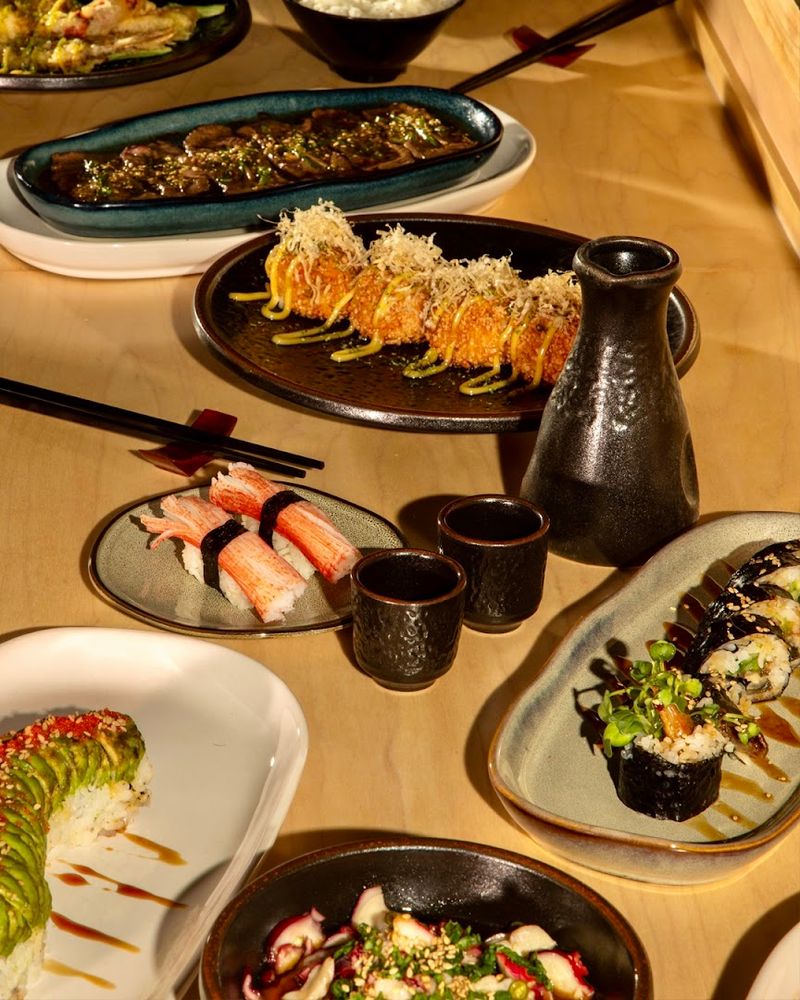
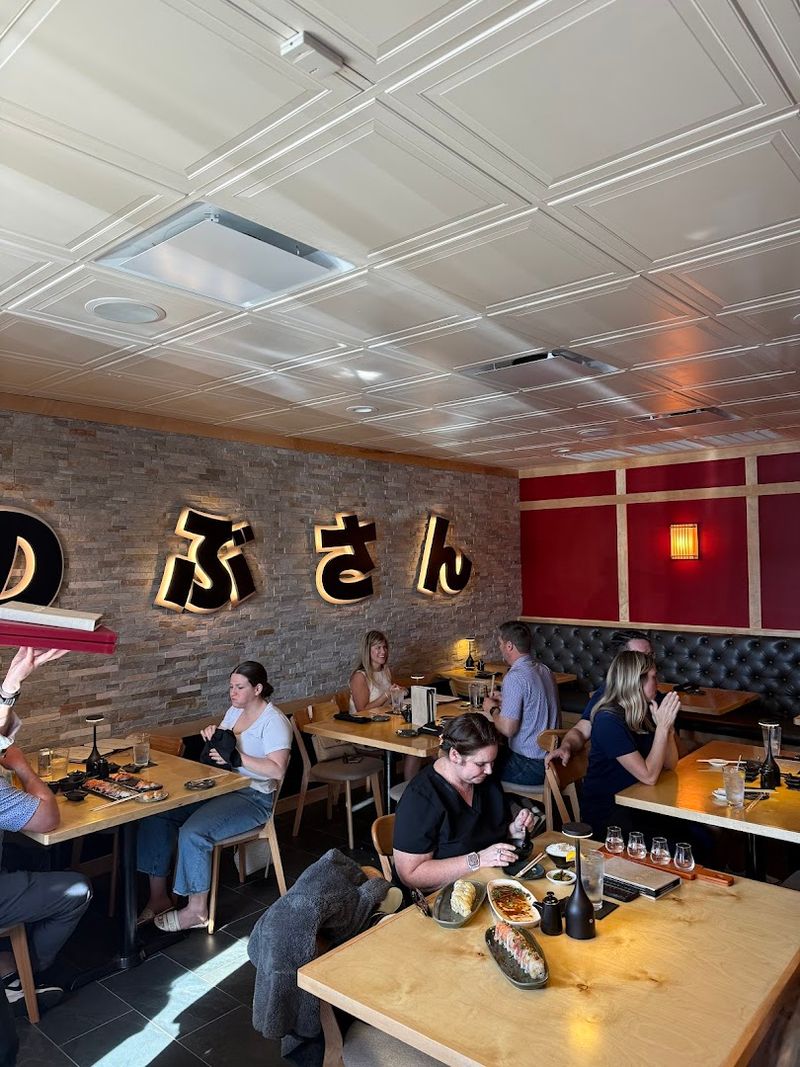
Mr. Nobu’s Sushiya is a small space, and it leans into that fully. There are no screens on the walls, no loud background noise competing for your attention, and no sense that the restaurant is trying to be anything other than what it is.
The focus here is entirely on food and the people sharing it.
The room fills up quickly on weekends, so the energy can get lively. Sitting at the sushi counter provides a noticeably calmer environment compared to the main dining area.
The counter almost creates its own separate world, quieter and more contained, where the only thing pulling your attention is the chef working directly in front of you.
The decor is understated in a way that feels deliberate. Nothing flashy, nothing competing with the food for attention.
Warm lighting keeps things comfortable without feeling dim. The overall vibe lands somewhere between a neighborhood gem and a destination worth planning your evening around.
It does not pretend to be a grand fine dining institution. Instead, it offers something more valuable: a genuine, focused, and deeply satisfying place to eat really good sushi.
How Mr. Nobu’s Fits Into Tulsa’s Food Scene
Tulsa’s dining scene has grown considerably over the past decade, but authentic Japanese sushi has remained a difficult gap to fill. Most options in the city lean toward Americanized rolls loaded with cream cheese and heavy sauces.
Mr. Nobu’s Sushiya steps clearly outside that category and into something far more disciplined and intentional.
For locals who have lived in cities like Houston, Denver, or on either coast, finding this level of sushi quality in Tulsa feels like a genuine discovery. The comparison to coastal city standards comes up repeatedly among those who know what to look for.
The fish quality, the preparation style, and the overall philosophy align with what you would expect from a serious urban sushi destination.
For Tulsa itself, this restaurant represents something meaningful beyond just good food. It signals that the city can support and sustain a place that refuses to cut corners in pursuit of a wider audience.
Choosing quality over volume is a statement. Mr. Nobu’s arrival back on the Tulsa scene, decades after first introducing the city to Japanese cuisine, feels like a full circle moment for anyone paying attention to where the local food culture is heading.
Tips For Planning Your Visit
Reservations are not just a suggestion here; they are essentially a requirement. The space is small and fills up fast, especially on Friday and Saturday evenings.
Booking ahead saves you the frustration of showing up and waiting, or worse, being turned away entirely. The restaurant opens at 4 PM Tuesday through Sunday and is closed on Mondays.
Arriving with an open mind about what to order makes the experience significantly better. If you have always stuck to familiar rolls, this is the place to finally branch out.
Asking for recommendations from the staff is genuinely worthwhile. The team here knows the menu deeply and can guide you toward combinations that fit your taste without pressure.
Sitting at the sushi counter is the strongest recommendation for any first visit. The proximity to the chefs and the visual access to the fresh fish selection adds something to the meal that a regular table simply cannot replicate.
Plan to take your time. This is not a fast-casual situation.
The pacing is thoughtful and deliberate, designed to let each course land with proper impact. Good sushi deserves patience, and Mr. Nobu’s is exactly the right place to practice it.
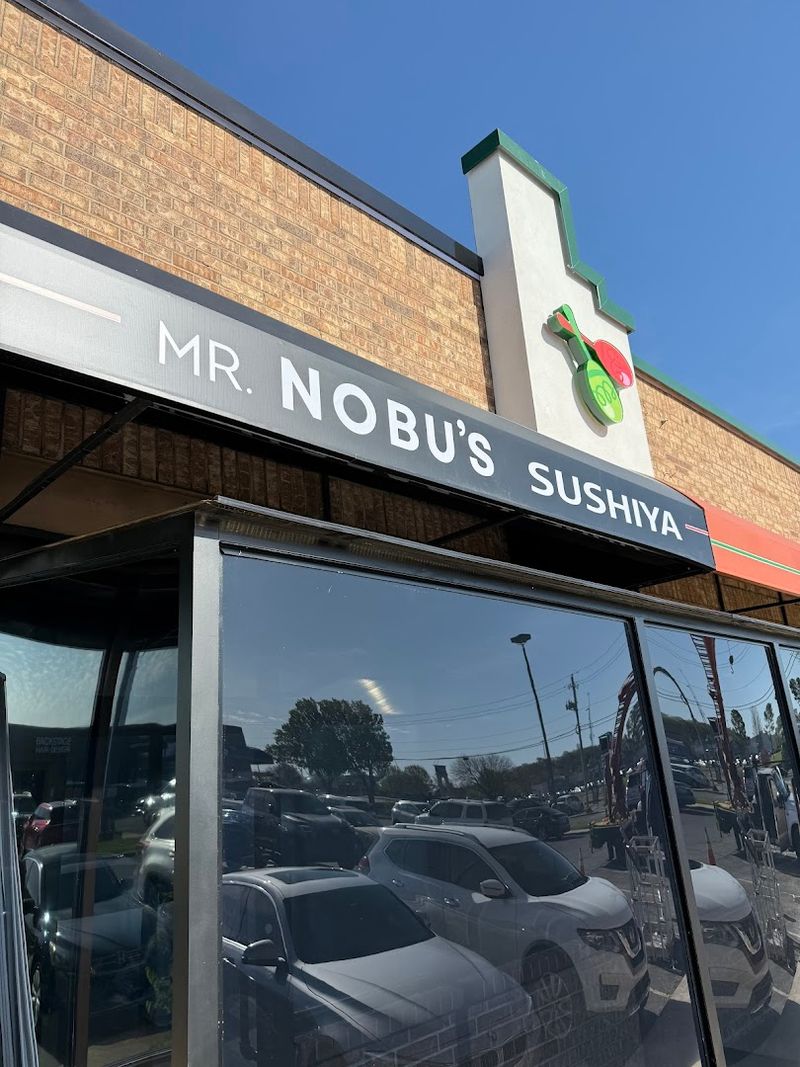
Address: 6709 E 81st St Ste B, Tulsa, OK 74133
Why Mr. Nobu’s Sushiya Is Worth The Trip
Not every restaurant earns the label of destination dining, but Mr. Nobu’s Sushiya has built a case for exactly that. People are driving in from surrounding areas specifically to eat here.
The combination of historical significance, sourcing quality, and chef-level execution creates something that is genuinely hard to find in this part of the country.
The sashimi omakase alone is worth planning a trip around. Multiple cuts of bluefin tuna, seasonal fish rotations, and preparations that honor Japanese tradition without feeling stiff or overly formal make for a meal that stays with you long after the last bite.
The yuzu cheesecake and other dessert options provide a surprisingly satisfying finish to the experience.
For food lovers visiting Tulsa, skipping Mr. Nobu’s Sushiya would be a real missed opportunity. For locals who have not yet made the trip across town, now is absolutely the time.
A place this committed to doing things right deserves consistent support. The 1980s chapter of Mr. Nobu’s story helped shape Tulsa’s food identity.
This new chapter feels poised to do exactly the same thing, only with an even sharper focus on craft, quality, and the quiet art of truly exceptional sushi.
