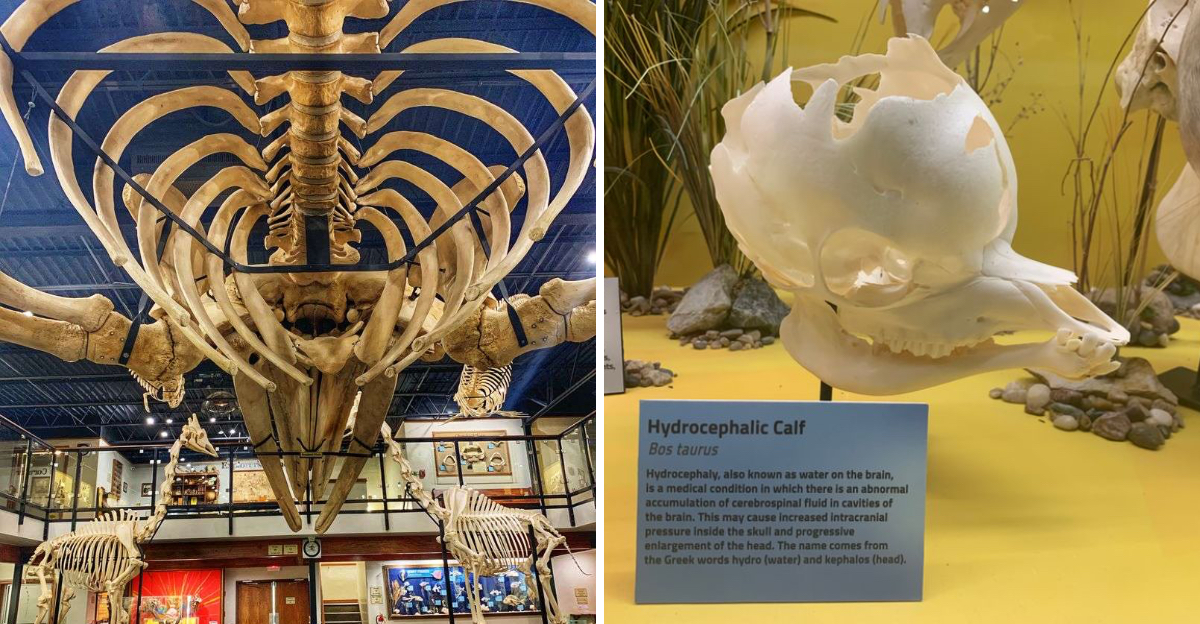
Think museums are boring? Think again.
Inside an unassuming building in Oklahoma City is a collection that will make your jaw drop, literally. Over 300 skeletons from creatures big and small line the walls, hang from ceilings, and stare back at you with empty eye sockets that somehow feel alive.
This isn’t your typical stuffy museum experience where you shuffle past dusty artifacts behind glass. Here, you can actually touch lion skeletons, watch beetles clean skulls, and learn why bones tell better stories than any textbook ever could.
The Museum of Osteology on Sunnylane Road proves that death can be wildly educational and surprisingly beautiful. From whale vertebrae the size of dinner plates to hummingbird skulls smaller than your pinky nail, every corner reveals something that makes you stop and stare.
Families love the scavenger hunts, science nerds geek out over the pathology exhibits, and even skeptics leave impressed. Oklahoma doesn’t always get credit for its attractions, but this bone-filled wonderland deserves serious attention.
Over 300 Skeletons From Around the World Fill Every Corner
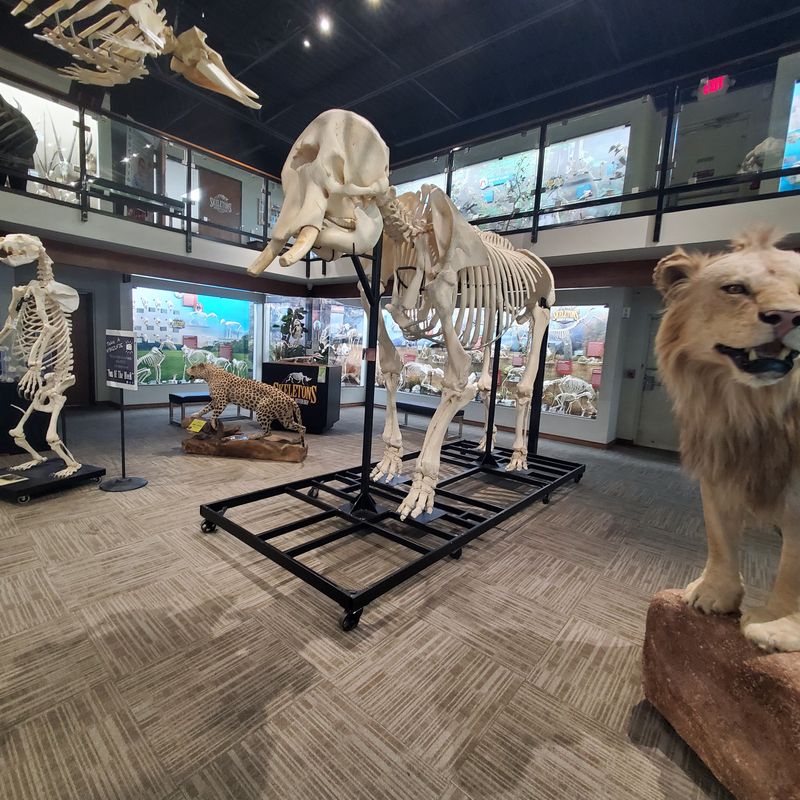
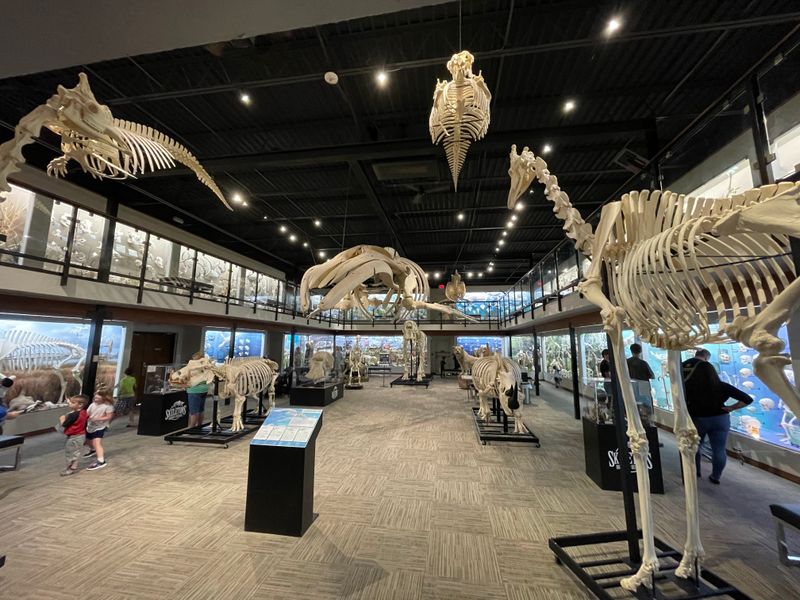
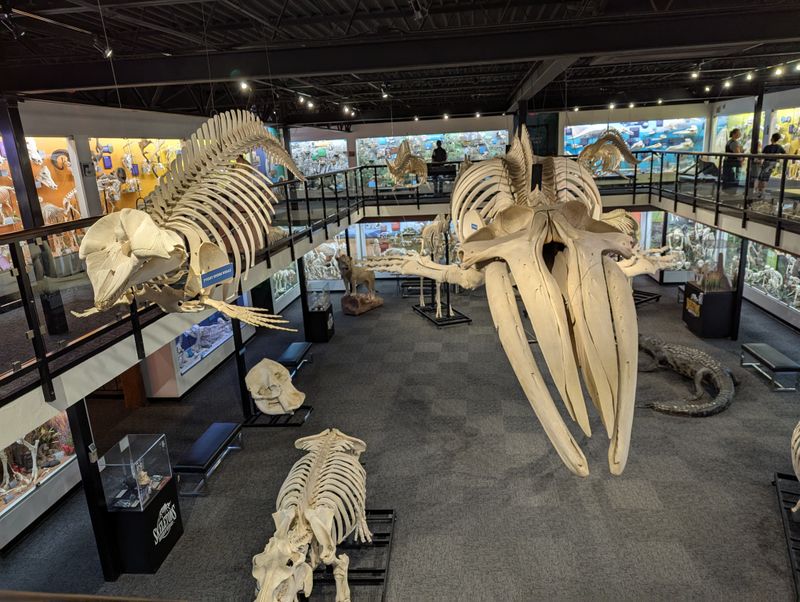
Walking through the front doors feels like stepping into a scientist’s wildest dream. Skeletons crowd every available space, creating a visual feast that overwhelms in the best possible way.
What you see represents only 10 percent of the museum’s full collection, which means somewhere behind the scenes, thousands more specimens wait their turn under the spotlight.
The variety stuns visitors immediately. Massive whale bones dwarf everything around them, while delicate bird skeletons perch nearby looking fragile enough to crumble.
Three complete lion skeletons command attention in one area, their powerful frames frozen mid-stride. A grizzly bear stands fully taxidermied, offering a rare chance to see bone structure and external appearance side by side.
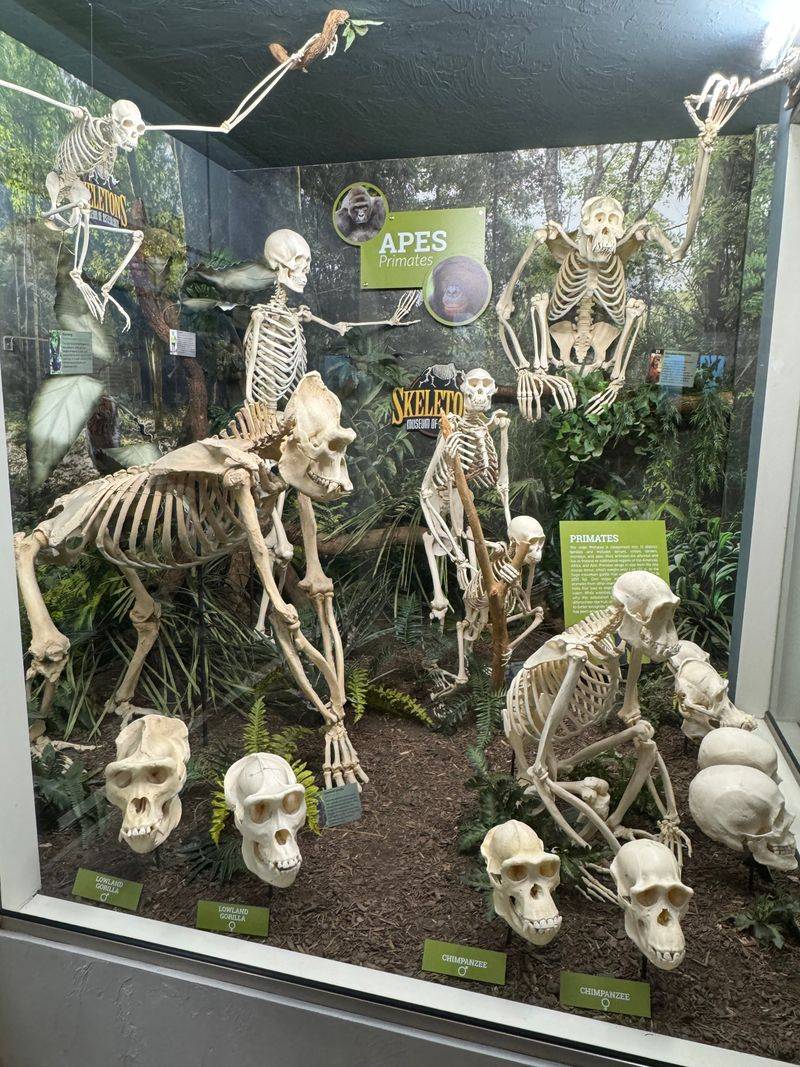
Educational plaques accompany each display, packed with facts that make you reconsider everything you thought you knew about anatomy. Comparing skeletal structures across species reveals unexpected connections and bizarre adaptations.
Fish bones, snake spines, and bird wings all tell evolutionary stories written in calcium and marrow.
The museum manages to feel both spacious and packed simultaneously. Two floors provide plenty of room to wander, with an elevator ensuring accessibility for everyone.
Visitors typically spend one to two hours exploring, though bone enthusiasts could easily lose an entire afternoon here. Address: 10301 S Sunnylane Rd, Oklahoma City, Oklahoma.
Live Dermestid Beetles Clean Skulls Right Before Your Eyes
Right near the entrance, something moves. Thousands of tiny beetles swarm over skulls in a glass enclosure, methodically stripping away every scrap of flesh and tissue.
This isn’t some gross-out gimmick, it’s genuine science in action, and it’s absolutely mesmerizing.
Dermestid beetles serve as nature’s cleanup crew, and museums worldwide rely on them for preparing specimens. These insects do what chemicals and tools cannot: they clean bones down to pristine whiteness without causing any damage.
Watching them work feels oddly satisfying, like observing a hyper-efficient cleaning service that never takes breaks.
Many visitors name this their favorite exhibit. Something about seeing the behind-the-scenes process makes the entire museum feel more authentic and alive.
Kids press their faces against the glass, fascinated by the squirming mass. Adults find themselves equally captivated, snapping photos and asking staff questions about the beetles’ care and feeding.
The display demonstrates that museum work involves more than dusting displays and giving tours. Real biological processes happen here daily.
Those pristine white bones throughout the building all passed through this beetle colony at some point, getting the royal treatment from thousands of tiny mandibles.
Scavenger Hunts Turn Casual Visitors Into Bone Detectives
Grab a scavenger hunt sheet at the front desk and suddenly every display matters. Different versions exist for various age ranges, ensuring everyone from preschoolers to adults gets appropriately challenged.
These aren’t throwaway activities, they’re thoughtfully designed to make visitors actually read the informational plaques and notice details they’d otherwise miss.
Families especially appreciate this feature. Kids who might normally rush through exhibits slow down when hunting for specific answers.
Parents find themselves equally invested, debating answers and backtracking to double-check information. The competitive element adds energy without creating chaos.
Crossword puzzles offer another engagement option for word-loving visitors. Both activities transform passive observation into active learning.
Instead of glazing over after the first dozen skeletons, participants stay mentally engaged throughout their visit. Staff members report that scavenger hunters typically spend more time in the museum and leave with better retention of facts.
Completing the hunt provides genuine satisfaction. Finding that last elusive answer feels like solving a mystery.
The activities also encourage conversation between strangers as fellow visitors compare notes or offer hints. What could be a solitary experience becomes communal and interactive.
Forensic Nights Let You Solve Actual Crime Scene Mysteries
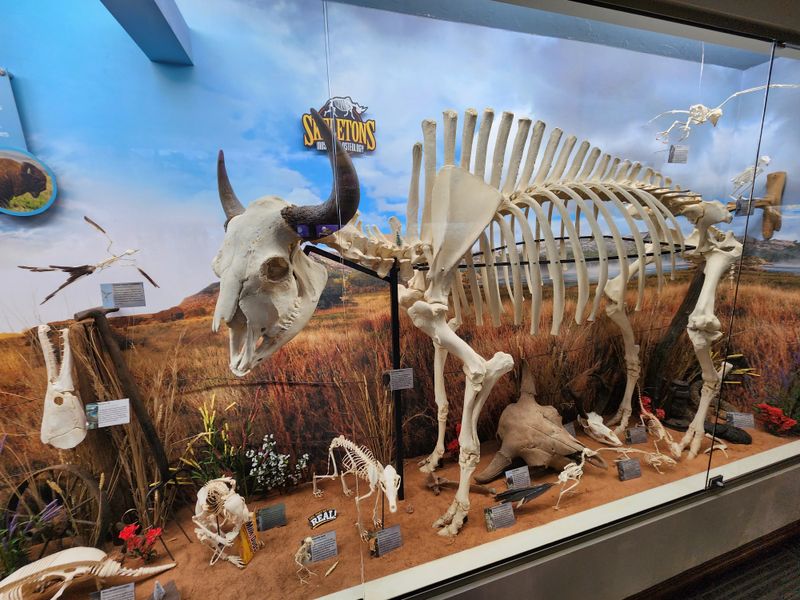
Regular museum hours offer plenty to explore, but special forensic night events elevate the experience to something extraordinary. Participants become investigators tasked with identifying victims, determining causes of death, and piecing together what happened.
Real forensic techniques guide the process, taught by knowledgeable instructors who clearly love their subject.
Shiloh, one of the staff favorites according to multiple reviews, leads these sessions with infectious enthusiasm. The attention to detail impresses even skeptics.
Crime scenes look convincing, clues require genuine detective work, and solutions don’t come easy. By evening’s end, teams have determined victim identity, age, and manner of death using only skeletal evidence.
These events sell out regularly, and for good reason. They offer hands-on learning that textbooks can’t match.
Participants leave understanding how much information bones contain and why forensic anthropology matters. The experience feels part escape room, part science class, and entirely engaging.
Even those without prior forensic knowledge find themselves contributing meaningfully. Instructors explain concepts clearly without talking down to anyone.
The collaborative atmosphere encourages questions and discussion. Many attendees return for multiple forensic nights, eager to solve new cases and apply what they learned previously.
The Gift Shop Sells Actual Skulls and Bones You Can Own
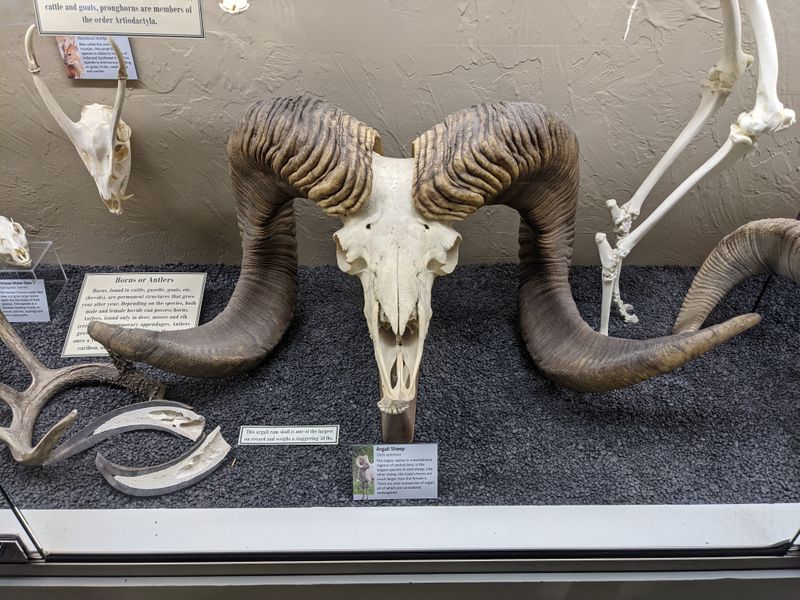
Most museum gift shops peddle generic postcards and overpriced magnets. This one sells actual skulls.
Real bones sit alongside glow-in-dark spiders, insect candy, and preserved specimens in jars. Collectors could drain their bank accounts here happily.
The shop connects to Skulls Unlimited, the museum’s parent company, which means inventory goes far beyond typical tourist trinkets. Serious collectors find museum-quality specimens while casual visitors grab quirky conversation starters.
Price ranges accommodate various budgets, from inexpensive novelties to investment-worthy pieces. Staff knowledge impresses shoppers. Employees answer questions about specimen origins, care instructions, and legal considerations for owning certain items.
They’re enthusiasts themselves, not just cashiers, which makes browsing feel more like chatting with fellow collectors than shopping.
Many visitors admit spending more time and money in the gift shop than anticipated. The selection simply offers too many tempting options.
Parents find educational toys that kids actually want. Science teachers stock up on classroom materials. Goths and naturalists alike discover treasures that speak to their aesthetic.
Even window shopping proves entertaining. Where else can you compare crocodile skulls while debating which insect lollipop flavor sounds least disgusting? The shop perfectly captures the museum’s spirit: educational, slightly macabre, and utterly fascinating.
Whale Skeletons Dominate Entire Sections With Massive Presence
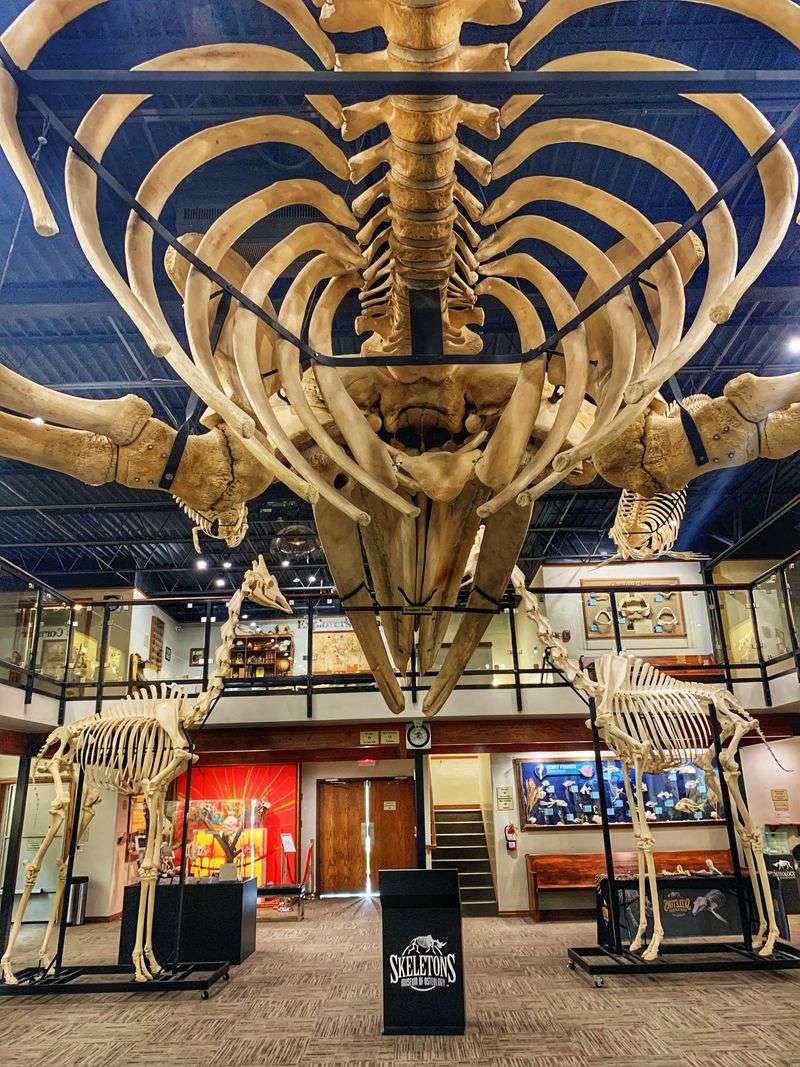
Certain exhibits command immediate attention through sheer size alone. The whale skeletons accomplish this effortlessly.
These ocean giants’ bones stretch across entire sections, their vertebrae resembling dinner plates and their ribs creating cage-like structures large enough to walk through.
Seeing whale anatomy up close reveals adaptations that seem almost alien. Flipper bones show clear finger structures, proving their mammalian ancestry.
Massive skulls demonstrate how baleen whales filter-feed while toothed whale skulls showcase entirely different evolutionary solutions. The scale makes you reconsider what it means to be an animal on Earth, where life has pushed size, strength, and efficiency to astonishing extremes.
Standing beneath these skeletons shifts perspective. Movements that look graceful and slow in water are supported by immense structures built for power and endurance.
The exhibit quietly reinforces how fragile these giants are despite their size, and how deeply connected land mammals remain to their ocean-going relatives.
Pathology Exhibits Show What Disease and Injury Do to Bones
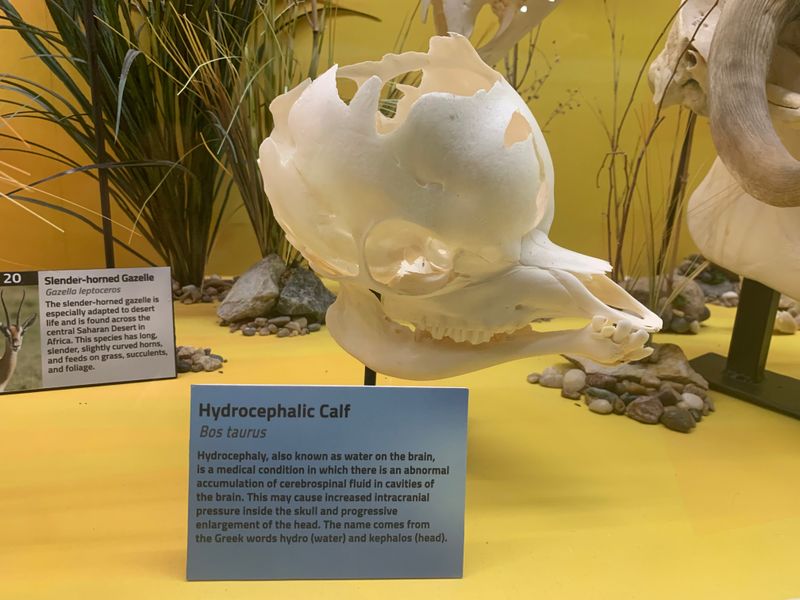
Not every skeleton died of old age in perfect health. The pathology section reveals what happens when things go wrong.
Diseased bones show tumors, infections, and degenerative conditions frozen in calcium. Healed fractures demonstrate remarkable regenerative abilities.
Battle scars and predator damage tell violent stories.
This section appeals particularly to medical professionals and students. Seeing pathology in three dimensions beats any textbook illustration.
Comparative displays show healthy versus diseased bones side by side, making differences obvious even to untrained eyes. Educational value skyrockets here.
The exhibits avoid sensationalism while maintaining engagement. Informational plaques explain conditions scientifically without graphic details that might upset younger visitors.
The focus remains educational rather than shocking. Understanding how bones respond to stress, disease, and trauma deepens appreciation for skeletal resilience.
Pathology nights offer deeper exploration for those wanting more detailed information. These special events mirror the popular forensic nights but focus on identifying diseases and conditions rather than solving crimes.
Participants learn diagnostic techniques and examine specimens more closely than regular hours allow.
Even casual visitors find this section fascinating. Comparing your own body to displayed specimens creates personal connections to the material.
That nagging knee pain makes more sense after seeing arthritis damage. Healed childhood fractures seem more impressive after viewing the remodeling process.
Hands-On Displays Let Visitors Actually Touch Real Specimens
Most museums enforce strict no-touching policies. This one encourages exactly the opposite.
Numerous displays invite visitors to pick up bones, feel textures, and examine specimens from all angles. Those three lion skeletons?
You can touch them. Various skulls sit within reach, waiting for curious hands.
Tactile learning creates connections that visual observation alone cannot match. Feeling bone density, tracing suture lines with fingertips, and comparing skull weights makes information stick.
Kids especially benefit from this hands-on approach, though adults appreciate it equally.
The interactive elements extend beyond simple touching. Owl pellet dissection classes let participants discover tiny bones hidden inside regurgitated fur and feathers.
These sessions combine treasure hunting with anatomy lessons, revealing complete skeletons of mice and voles. Instructors guide discoveries while answering questions enthusiastically.
Staff members trust visitors to treat specimens respectfully, and that trust generally proves warranted. Clear signage indicates which items welcome touching versus those requiring distance.
The policy works because most people genuinely want to learn and appreciate the rare opportunity.
Oklahoma doesn’t often get recognized for progressive museum practices, but allowing this level of interaction sets the Museum of Osteology apart nationally.
Visitors from other states frequently comment on how unusual and wonderful the hands-on access feels compared to more restrictive institutions elsewhere.
Dear Reader: This page may contain affiliate links which may earn a commission if you click through and make a purchase. Our independent journalism is not influenced by any advertiser or commercial initiative unless it is clearly marked as sponsored content. As travel products change, please be sure to reconfirm all details and stay up to date with current events to ensure a safe and successful trip.
