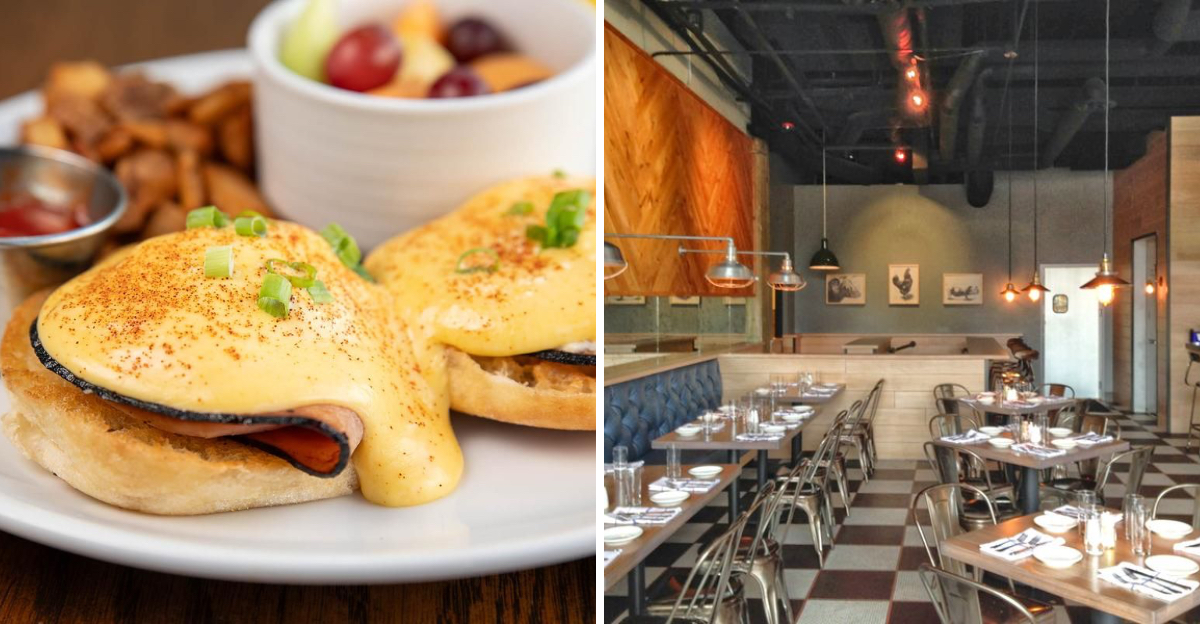
Packard’s New American Kitchen sits inside a historic automobile dealership building in downtown Oklahoma City, where inventive small plates have replaced vintage cars.
The restaurant transforms classic American comfort food into artful, shareable portions that encourage diners to sample multiple flavors in one visit.
Located at 201 NW 10th St, Oklahoma City, OK 73103, this spot has earned a reputation for creative cooking that respects tradition while embracing modern techniques.
Whether stopping by for weekend brunch or settling in for dinner, guests discover that portion size matters far less than preparation quality, presentation care, and ingredient freshness.
The menu rotates with seasonal availability, and the kitchen staff prepares everything from scratch, including house-made sauces, freshly baked breads, and even ice cream.
Dining here feels less like ordering a meal and more like curating a personal tasting experience, where each small plate reveals a different facet of American regional cooking.
The building’s open layout, natural light from oversized windows, and exposed architectural details create a relaxed atmosphere that makes both first-time visitors and neighborhood regulars feel equally welcome.
A Historic Building That Honors Its Automotive Past
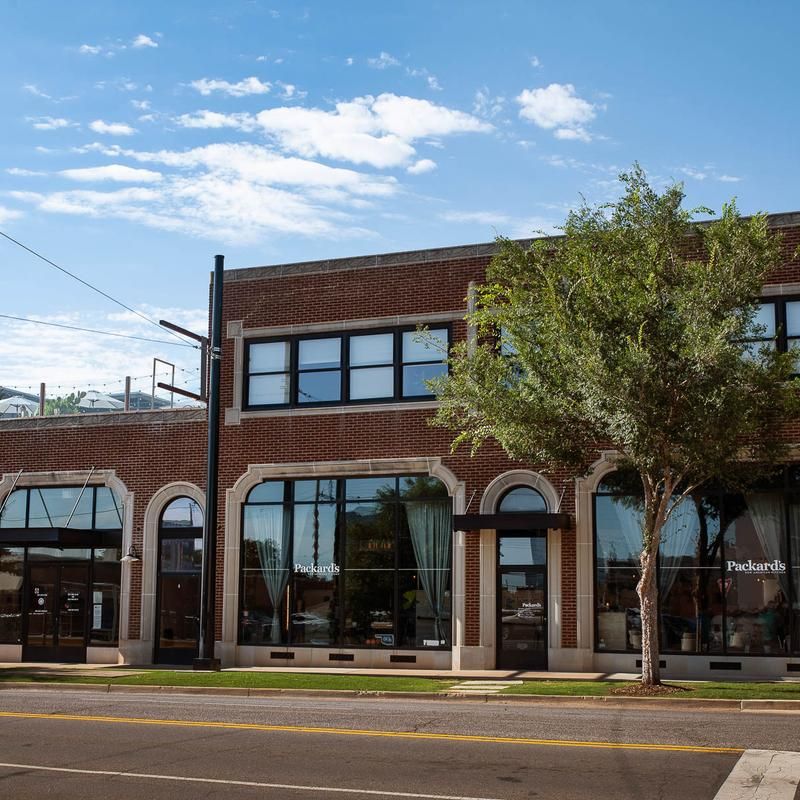
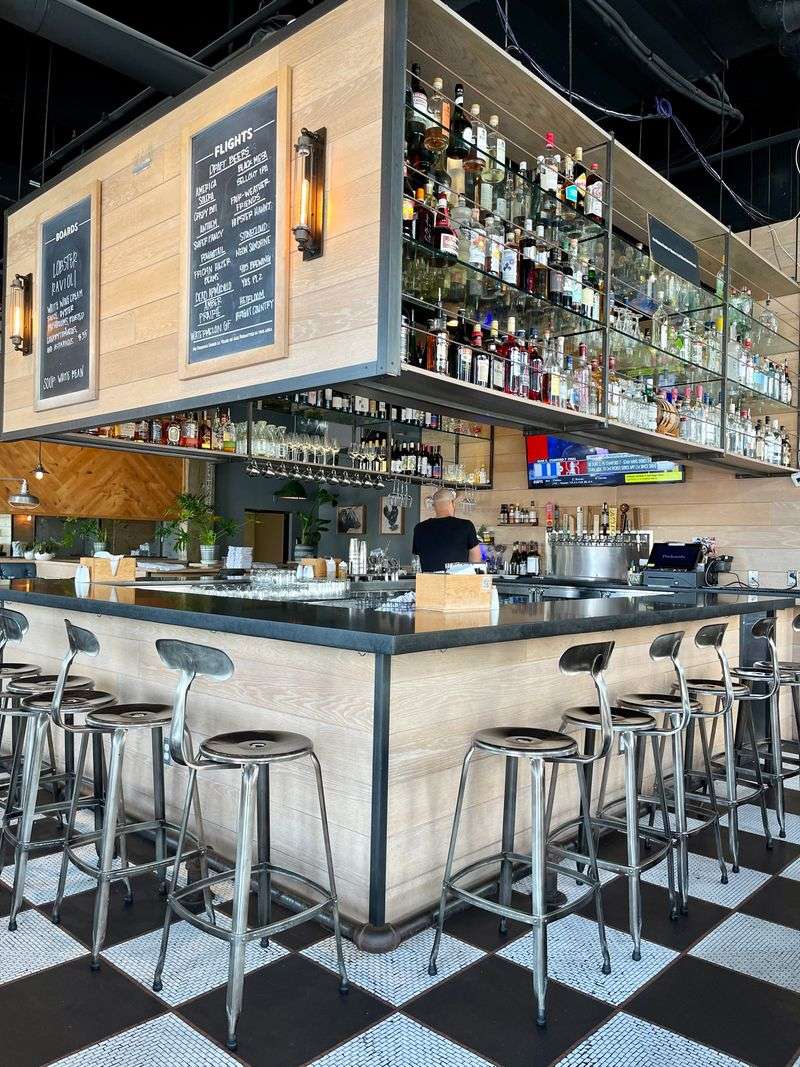
Stepping into Packard’s means walking through a piece of Oklahoma City’s commercial history. The building once served as a Packard automobile dealership, and the restaurant preserves much of that industrial character through exposed beams, high ceilings, and original architectural features.
Large windows that once displayed shiny new cars now frame views of downtown streets and the neighboring church with its striking statues.
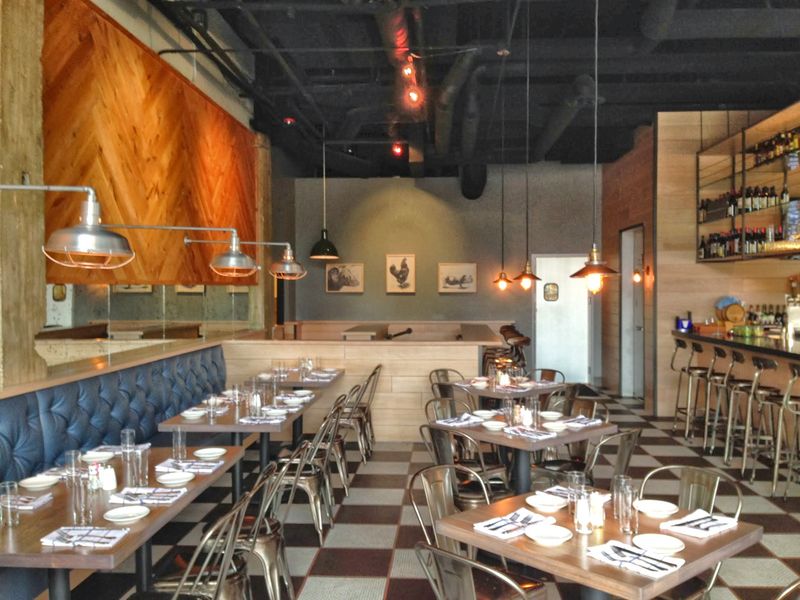
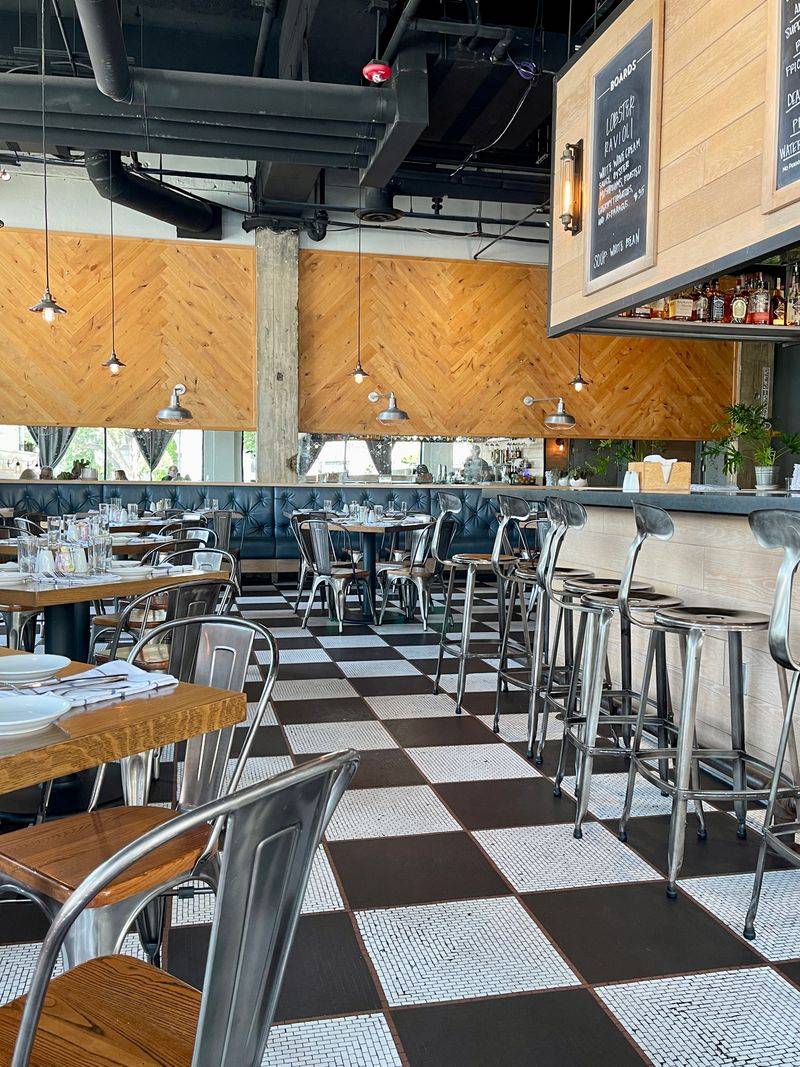
The interior design balances the structure’s automotive heritage with contemporary dining comfort. Natural light floods the main dining area during daytime hours, creating a bright and airy feeling that shifts to warm and intimate as evening arrives.
The space feels open without being cavernous, and the historical elements add personality without overwhelming the experience.
Guests can choose between the main floor dining room or venture upstairs to the upper-level patio when weather permits. Each section of the restaurant offers a slightly different perspective on the building’s character.
The architectural bones remind diners that great spaces can be reimagined and repurposed, transforming from commercial showrooms into gathering places centered around food, conversation, and community connection.
Brunch Service That Draws Neighborhood Crowds
Weekend mornings bring steady foot traffic to Packard’s as locals and visitors seek out the brunch menu. The restaurant opens its doors to accommodate guests looking for both classic breakfast comfort and inventive morning dishes.
Reservations become particularly useful during peak weekend hours, though walk-in seating may be available depending on timing and party size.
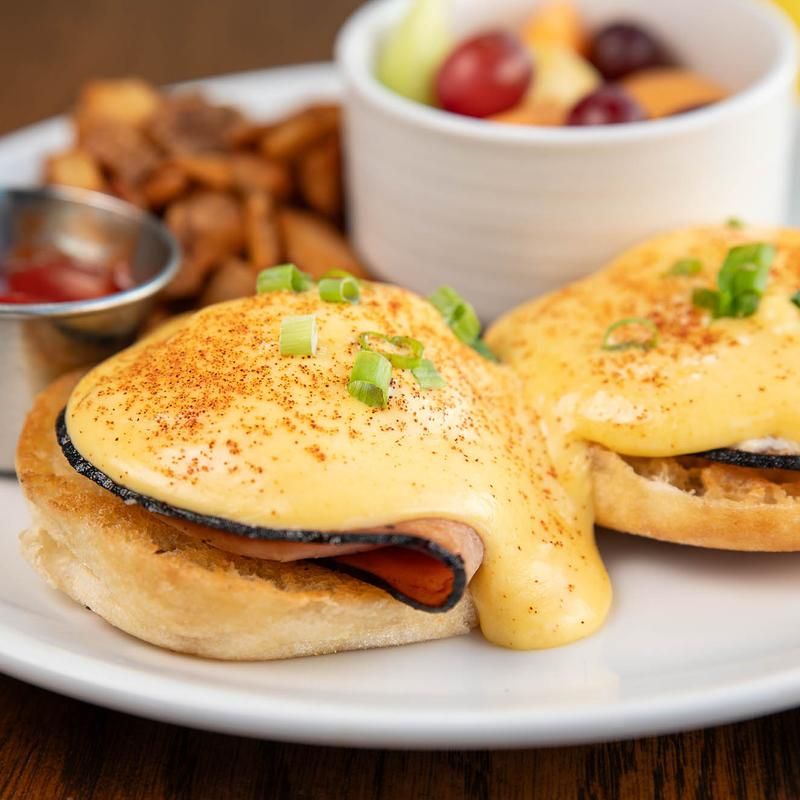
The brunch menu spans sweet and savory options, giving diners room to follow their morning appetite. French toast arrives with unique flavor touches that distinguish it from standard diner versions, while eggs benedict gets prepared with house-made hollandaise sauce that reviewers frequently mention.
Pancakes come out fluffy and light, and the kitchen offers substitutions to accommodate different preferences and dietary needs.
Service during brunch hours tends to move at a comfortable pace that matches the relaxed weekend atmosphere. The restaurant fills with conversation as sunlight streams through the windows, creating the kind of environment where guests linger over refills and share bites across the table.
Brunch at Packard’s represents the restaurant’s ability to balance familiar breakfast traditions with creative kitchen techniques that elevate each dish beyond standard expectations.
Small Plates That Encourage Sharing and Sampling
The menu structure at Packard’s revolves around smaller portion sizes designed for sharing and exploration. Rather than committing to a single large entree, diners can order multiple dishes and experience different flavor profiles throughout their meal.
This approach transforms dinner into a more interactive experience where the table becomes a rotating collection of tastes, textures, and cooking techniques.
While the restaurant also offers full-sized entrées, the small-plates format remains one of the most popular ways guests experience the menu.
Small plates allow the kitchen to showcase versatility across different cuisines and preparation methods. A single visit might include roasted vegetables, grilled proteins, fresh salads, and house-made breads, each prepared with attention to seasoning and presentation.
The format works particularly well for groups with varied preferences or dietary restrictions, since everyone can select items that appeal to their individual tastes.
Portion sizes strike a balance between satisfying hunger and leaving room for additional courses or dessert. The kitchen staff understands that small plate dining requires careful calibration, ensuring each dish feels complete rather than sparse.
Guests can pace their meal according to appetite and curiosity, ordering additional items as the evening progresses. This flexibility makes the dining experience feel personal and adaptable rather than fixed and formal.
Buddha Bowls That Accommodate Different Dietary Paths
The Buddha bowl represents one of Packard’s menu items that bridges different eating styles and preferences. The base construction includes grains, vegetables, and plant-forward components, creating a complete meal that vegetarians and vegans can enjoy as presented.
For guests who prefer animal protein, the kitchen offers the option to add grilled chicken or salmon to the bowl.
Each component receives individual attention during preparation, from properly cooked grains to well-seasoned roasted vegetables. The bowl arrives as a composed dish where colors, textures, and flavors work together rather than simply occupying the same plate.
Fresh greens add brightness, while heartier ingredients provide substance and staying power.
This menu item demonstrates the restaurant’s commitment to inclusive dining that doesn’t segregate plant-based options into a separate section or treat them as afterthoughts. The Buddha bowl stands as a fully realized dish that happens to accommodate multiple dietary approaches.
Reviewers mention the quality and freshness of ingredients, noting that vegetable-forward dishes receive the same kitchen care as meat-centered plates. The availability of protein additions gives diners control over customization without compromising the dish’s original intention or balance.
House-Made Sauces That Elevate Standard Dishes
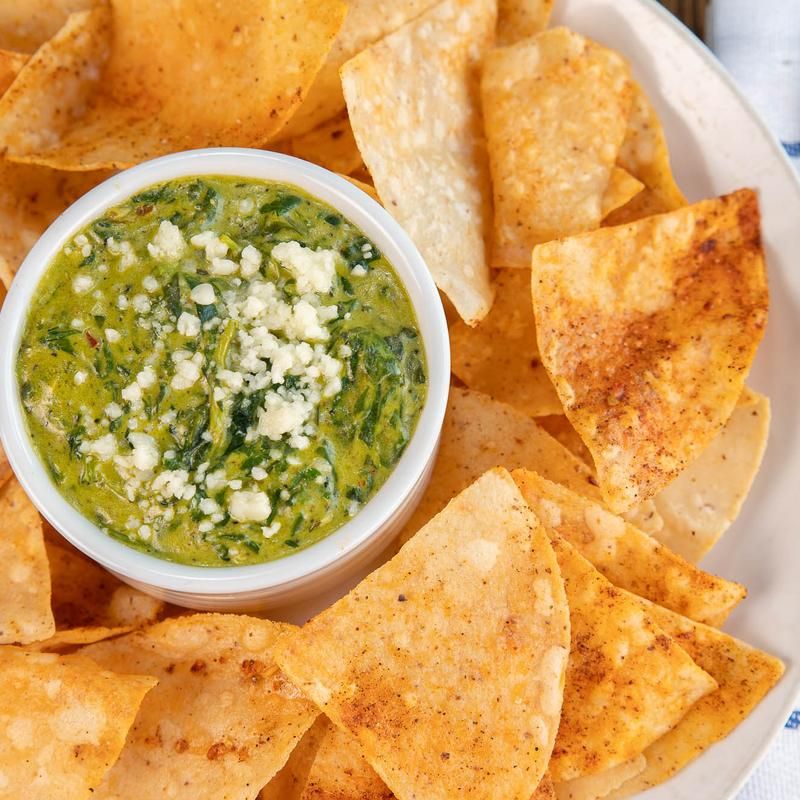
Packard’s kitchen prepares sauces in-house rather than relying on commercial products, and this commitment shows up in the final dishes. The hollandaise sauce served with eggs benedict gets mentioned repeatedly in reviews, with diners noting its freshness and proper consistency.
Making sauces from scratch requires extra time and technique, but the payoff appears in flavor depth and texture quality.
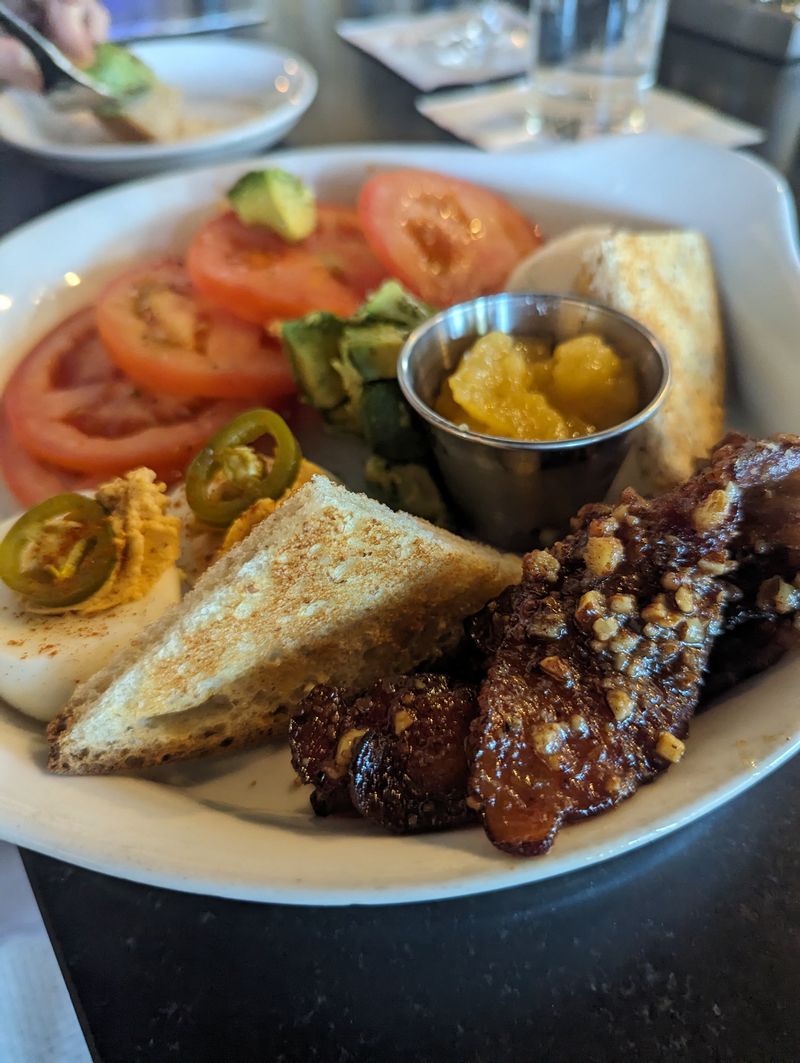
Beyond hollandaise, the kitchen produces various dressings, glazes, and finishing sauces that accompany different menu items. A balsamic glaze might appear on avocado toast, while a habanero jelly adds sweet heat to sandwiches.
These house-made components function as flavor bridges, connecting multiple elements on a plate and tying together disparate ingredients into a cohesive whole.
The attention to sauce preparation reflects a broader kitchen philosophy that values building blocks and foundational techniques. Rather than assembling dishes from pre-made components, the cooking staff invests time in creating each layer from scratch.
This approach may not be immediately obvious to every diner, but it contributes to the overall flavor profile and distinguishes restaurant cooking from home preparation or fast-casual dining. Sauces might seem like background players, but they often determine whether a dish tastes flat or fully realized.
Rooftop Dining That Changes the Perspective
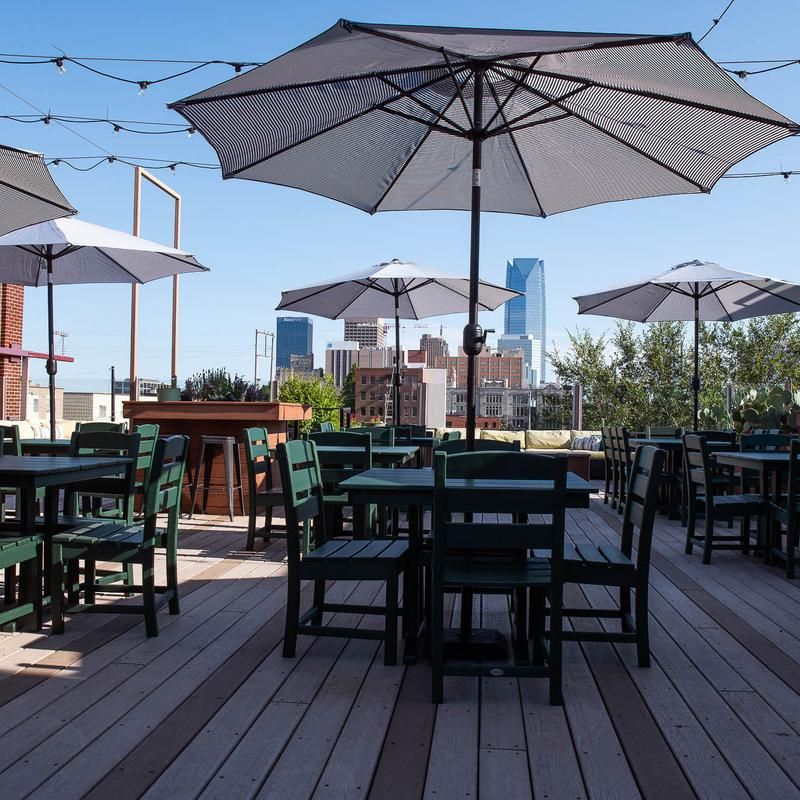
The building includes an upper-level outdoor patio space that operates when weather conditions cooperate. This outdoor area provides a different vantage point on downtown Oklahoma City and creates a more casual atmosphere compared to the main dining room.
Guests can enjoy their meals in open air while taking in views of surrounding buildings and streets.
Rooftop service follows the same menu as the main floor, though some reviewers have noted occasional differences in presentation or serving style during busy periods. The space works well for groups seeking a more relaxed setting or diners who prefer outdoor seating when temperatures allow.
The rooftop area adds versatility to the restaurant’s overall capacity and gives guests options based on preference and occasion.
Weather naturally plays a role in rooftop availability, and the restaurant may close this section during extreme heat, cold, or precipitation. When conditions align, the rooftop becomes a popular choice for weekend brunch or evening meals during pleasant months.
The elevated perspective changes the dining experience slightly, adding an element of occasion to what might otherwise be a standard meal. Guests interested in rooftop seating should inquire about availability when making reservations or upon arrival.
Avocado Toast Upgraded Beyond Basic Expectations
Avocado toast has become a brunch staple at restaurants nationwide, but Packard’s version adds layers that transform the simple concept into something more substantial. The kitchen starts with crispy sourdough bread that provides textural contrast to the creamy avocado.
Fresh arugula adds a peppery bite, while tomatoes contribute acidity and brightness.
The dish gets finished with a sweet balsamic glaze that plays against the rich avocado and sharp greens. Cheese and sunflower seeds add additional texture and flavor notes, creating a more complex profile than standard avocado-on-toast preparations.
The combination of elements means each bite offers multiple flavors and textures rather than monotone creaminess.
This menu item represents the restaurant’s approach to familiar dishes, taking recognizable concepts and elevating them through ingredient quality and thoughtful composition.
Avocado toast becomes more than Instagram-friendly brunch food when each component receives attention and contributes something specific to the overall dish.
The result satisfies both guests seeking trendy menu items and those looking for genuine flavor and substance. It’s the kind of preparation that respects current food culture while demonstrating actual cooking skill and ingredient knowledge.
Desserts Including House-Made Ice Cream
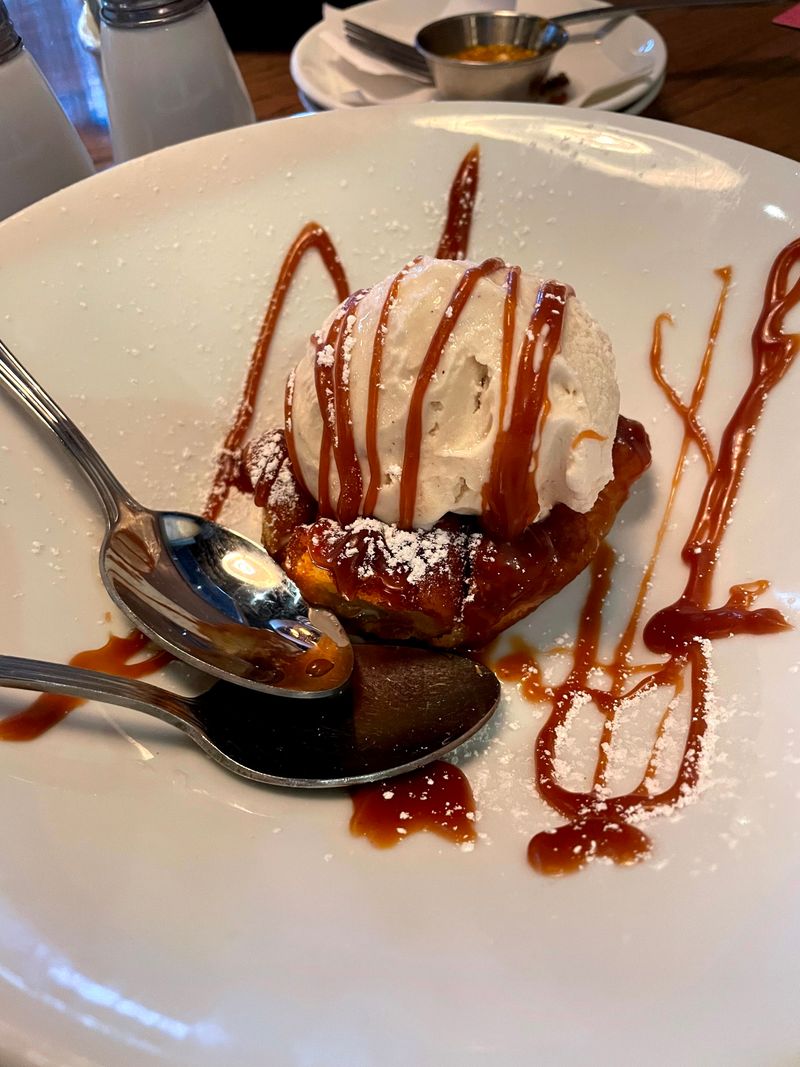
The dessert menu extends the restaurant’s commitment to house-made preparation, including ice cream produced on-site. Making ice cream in-house allows the kitchen to create unique flavors and control ingredient quality, though it also requires additional equipment and expertise.
Guests can order ice cream as a standalone dessert or paired with other sweet items on the menu.
Donut bread pudding appears as another dessert option, combining the comfort of traditional bread pudding with the sweetness of donuts. This dish arrives warm and tends to be rich, making it suitable for sharing between two or more diners.
Other dessert offerings may include seasonal items or rotating specials that take advantage of available ingredients.
Dessert service provides a final opportunity for the kitchen to demonstrate range and technique. Sweet preparations require different skills than savory cooking, and the ability to execute both well indicates a well-rounded culinary program.
Guests who save room for dessert can extend their meal and end on a sweet note that complements the savory dishes that came before. The house-made ice cream particularly stands out as a detail that many restaurants skip, opting instead for commercial products that save time but sacrifice uniqueness.
Service That Balances Efficiency With Hospitality
Service quality varies by individual experience, but many reviewers note friendly, attentive staff who handle special requests and dietary modifications. Servers demonstrate menu knowledge and can answer questions about ingredients, preparation methods, and portion sizes.
The front-of-house team manages reservations and walk-in seating, working to accommodate guests during busy periods.
The pace of service generally matches the casual-upscale atmosphere, moving efficiently without rushing diners through their meals. Staff members check on tables regularly without hovering, and they respond to requests for additional items, refills, or modifications.
During peak hours, service may slow slightly as the kitchen and servers handle increased volume, though most guests report reasonable wait times for food and drink.
Hospitality extends to handling mistakes or concerns when they arise. The restaurant appears willing to address issues and make adjustments when guests have problems with their meals.
This responsiveness matters in the overall dining experience, since even well-run establishments occasionally face service hiccups or kitchen errors. The staff’s ability to navigate these moments with grace and professionalism contributes to guest satisfaction and return visits.
Good service doesn’t mean perfection; it means handling imperfection with care and genuine concern for the guest experience.
Downtown Location With Architectural Neighbors

Packard’s occupies a prominent spot on NW 10th Street in downtown Oklahoma City, placing it within walking distance of other downtown attractions and businesses.
The address at 201 NW 10th St, Oklahoma City, OK 73103 puts the restaurant in a neighborhood experiencing ongoing development and revitalization.
Parking options exist in the surrounding area, though availability may vary depending on time and day.
The building sits next to a historic church featuring distinctive architecture and statuary that adds visual interest to the streetscape. This architectural context gives the area character and creates a sense of place that extends beyond the restaurant itself.
Guests arriving on foot can appreciate the neighborhood’s mix of historic structures and contemporary development.
The downtown location makes Packard’s accessible for both locals and visitors exploring Oklahoma City’s urban core. The restaurant functions as a destination for special occasions while also serving neighborhood residents seeking quality dining close to home.
The surrounding area continues to evolve as downtown Oklahoma City attracts new residents, businesses, and cultural venues. Packard’s presence in this location contributes to the district’s dining scene and provides an option for guests seeking inventive American cooking in a historic setting.
Menu Flexibility For Dietary Restrictions and Preferences
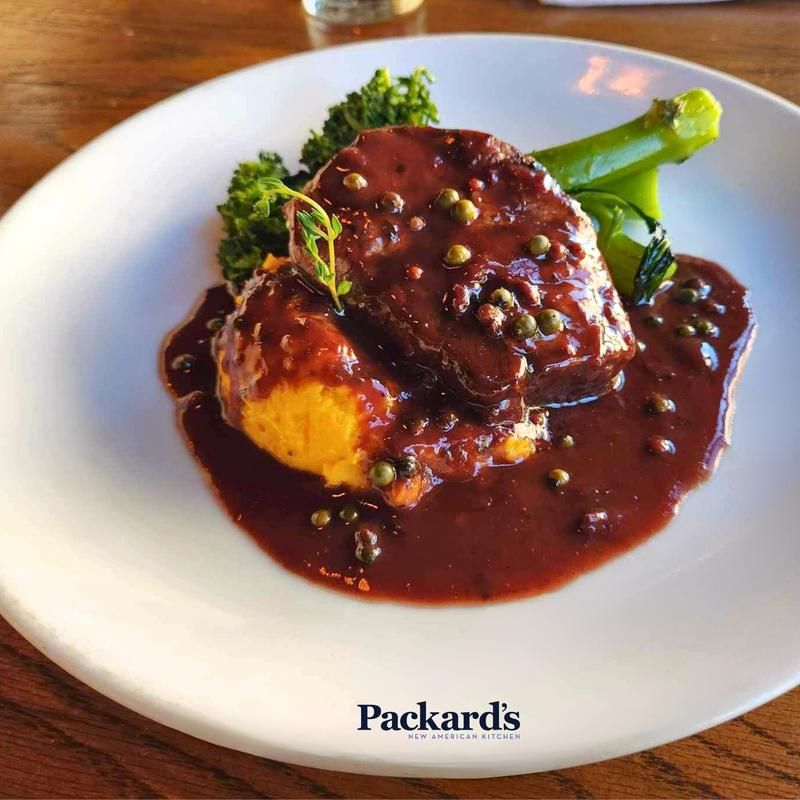
The menu includes options for various dietary approaches, from meat-centered dishes to plant-based plates that vegans and vegetarians can enjoy. The kitchen accommodates substitutions when possible, allowing guests to swap sides or adjust components to better match their preferences or restrictions.
This flexibility matters for groups with mixed dietary needs or individuals navigating food allergies and sensitivities.
Staff members can typically answer questions about ingredients and preparation methods, helping guests make informed choices. The restaurant doesn’t segregate dietary-specific options into a separate menu section, instead integrating vegetarian and customizable dishes throughout the regular menu.
This approach normalizes different eating styles and avoids making plant-based dining feel like an accommodation rather than a legitimate choice.
Menu flexibility extends to portion preferences as well, with the small-plates format naturally lending itself to customization and personalization.
Guests can order lighter or heavier based on appetite, and they can mix and match dishes to create a meal that satisfies their specific hunger and taste preferences.
The willingness to adjust and substitute demonstrates respect for individual needs and recognizes that contemporary diners often have specific requirements that extend beyond simple food preferences.
Dear Reader: This page may contain affiliate links which may earn a commission if you click through and make a purchase. Our independent journalism is not influenced by any advertiser or commercial initiative unless it is clearly marked as sponsored content. As travel products change, please be sure to reconfirm all details and stay up to date with current events to ensure a safe and successful trip.
