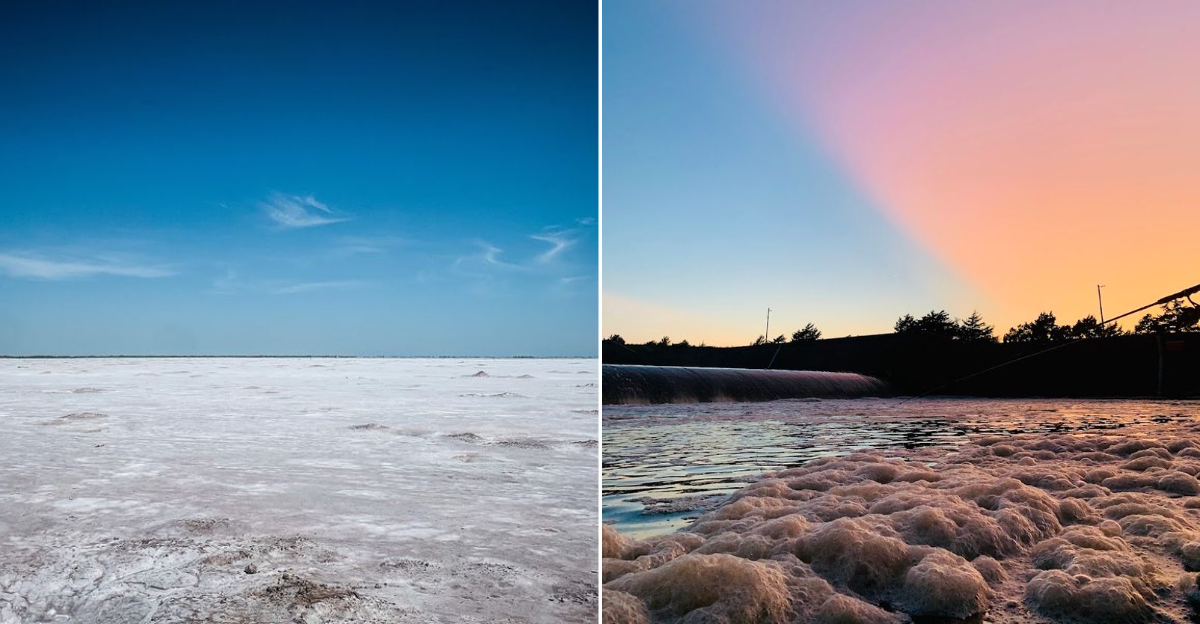
A lake that was never quite freshwater is changing in ways that worry scientists. For decades, this body of water has drawn visitors to its salty shores, but recent droughts and shifting conditions have left their mark.
The water is shallower now, and the delicate balance that once supported migrating birds and rare crystal formations is under strain. Environmentalists say the lake may never fully return to what it once was.
Yet the landscape still holds a strange beauty, a white salt flat that stretches across thousands of acres. Beneath the surface, rare hourglass-shaped crystals wait to be uncovered by those willing to dig.
It is a place where geology, history, and ecological uncertainty all meet. In Oklahoma, this is what a changing environment looks like up close.
The Salty Heart Of Oklahoma
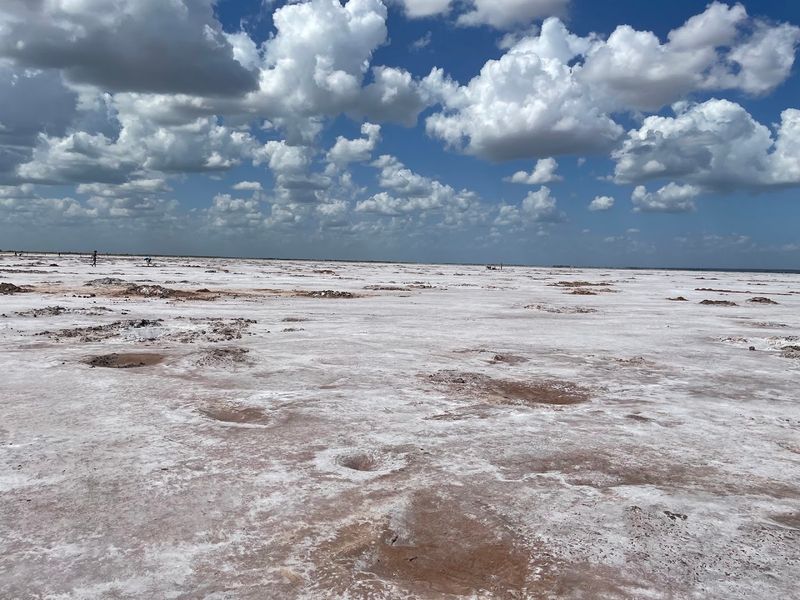
The weirdest thing about this place is how quickly your brain says this cannot possibly be Oklahoma, and then the white flats keep stretching out until you just give up and enjoy it. Great Salt Plains Lake sits near Jet, and the whole area feels ancient in a way that is hard to explain without sounding dramatic.
The salt comes from old underground beds left behind by a prehistoric sea, which is why the water and soil here act nothing like the lakes most people picture.
When the sun hits the flats, everything glows with this pale, almost snowy shine, except the air is warm and the ground crunches differently under your shoes. You are not looking at some decorative quirk of the landscape, either, because this briny system shapes the birds, the plants, and the whole mood of the place.
It gives western Oklahoma a shoreline feeling without any ocean anywhere close, and that contrast is what makes your first visit stick in your head.
I think that is why people react so strongly when they hear the lake is changing, because the setting already feels rare before you even get into the environmental concerns. A place this unusual does not feel replaceable once you have seen it up close.
You walk away knowing Oklahoma has landscapes that do not fit the usual script.
Those Unbelievable Hourglass Crystals
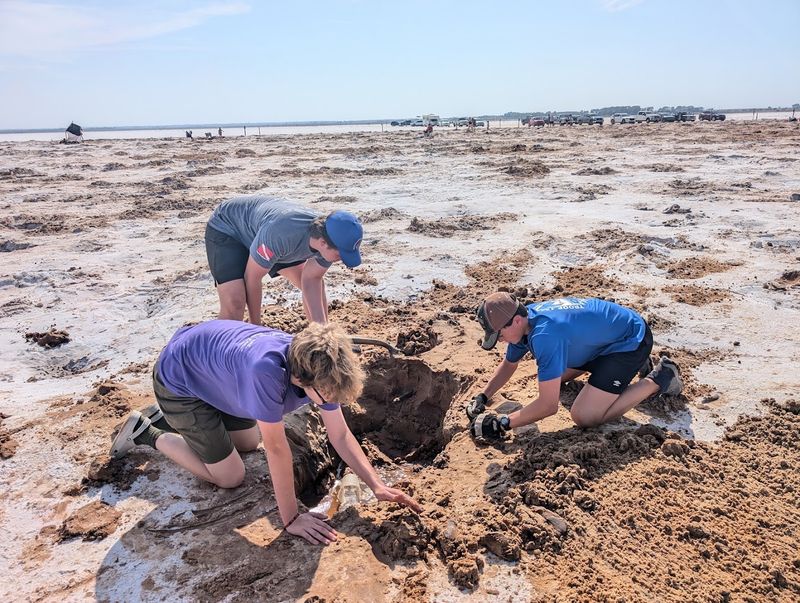
If you need one detail that makes this place sound made up, it is the crystal digging. Great Salt Plains is known as the only place where you can dig for hourglass selenite crystals, and that little fact alone gets people listening.
The crystals form with a darker hourglass shape trapped inside, so every find feels like the land tucked a tiny secret into the mud and waited for somebody patient enough to notice.
The digging area is part of the appeal because it is not polished or precious in the usual museum way. You are out there with basic tools, dirt on your hands, wind in your face, and this low-key hope that the next scrape will turn up something clear and fragile.
Even if you do not find the perfect one, the act of searching makes you pay attention to the ground itself, which is really the whole story of this lake.
That is also why the changing conditions around the lake matter beyond scenery, because a shift in water, salt, and sediment can affect the larger system that makes this experience possible. People come here for a treasure hunt, sure, but they leave talking about geology whether they meant to or not.
Oklahoma rarely gets described as otherworldly, yet this spot absolutely earns that word.
A Haven For Feathered Friends
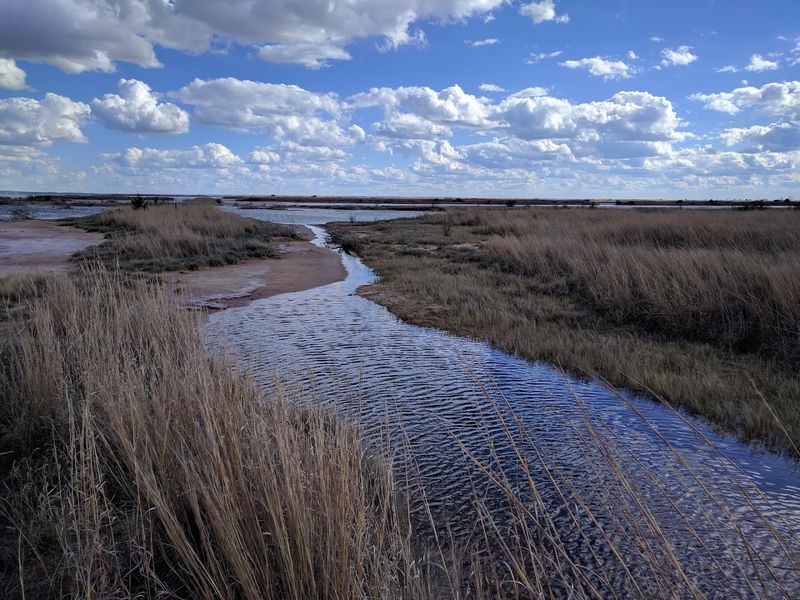
Even if birds are not usually your thing, this place can change your mind fast. The Great Salt Plains National Wildlife Refuge wraps around the lake and gives migrating and nesting birds a landscape that is both harsh and strangely welcoming.
Salty marshes, open water, mudflats, and broad skies create the kind of stopover habitat that matters on a much bigger scale than this quiet corner of Oklahoma might suggest.
You can feel it when you are standing still for a minute and the place starts moving around you. Calls drift in from different directions, wings flash over the flats, and the emptiness suddenly feels busy in this beautiful, organized way.
Birders know the refuge for its seasonal variety, but even casual visitors can appreciate how much life depends on this odd mix of salt, water, and space.
That is where the worry comes in, because habitat does not need to vanish completely before it starts losing its balance. When lake conditions shift, the ripple effect can touch food sources, nesting areas, and the timing that wildlife depends on.
I think that is why environmentalists keep talking about Great Salt Plains with such urgency, because once a place like this changes too much, getting it back is never simple.
The Lake Is Getting Shallower
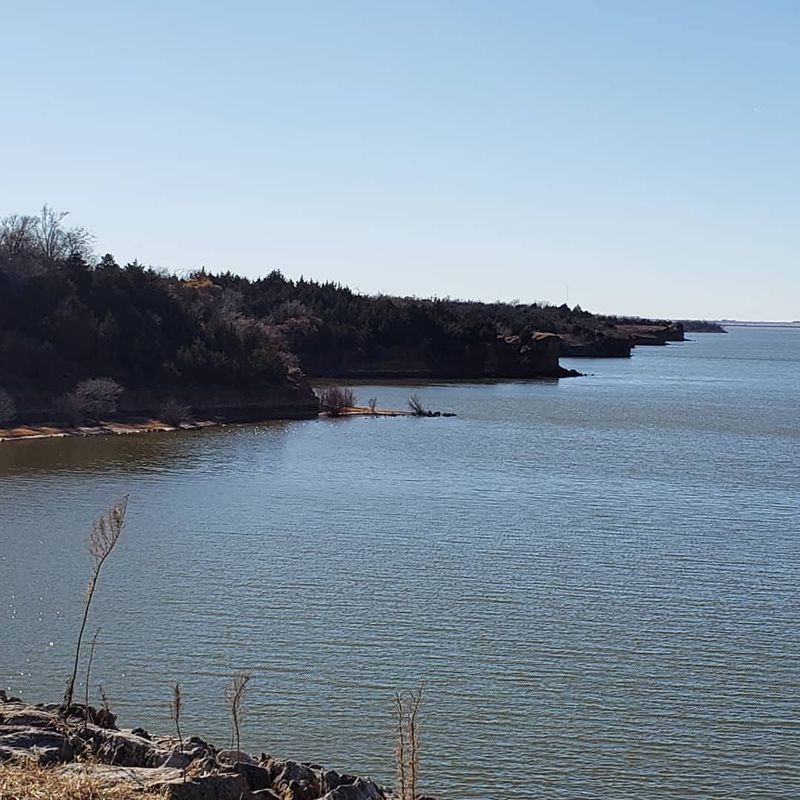
Here is the part that shifts the mood a little, because the lake itself has been getting shallower over time. Sediment has built up across the basin, and runoff from the surrounding landscape has added to the problem, leaving less depth in places that once held more water.
It is not the kind of change you notice in a flashy, dramatic moment, but it is exactly the kind that slowly rewrites what a lake can support.
When water gets spread thinner, everything else becomes more vulnerable. Heat has a stronger effect, salinity can climb more quickly, and fish and wildlife have fewer options when conditions get rough.
You do not need a scientific chart to sense that shallower water changes the whole feeling of a place, because exposed edges and shrinking stretches tell the story in a very plain way.
What makes this especially hard at Great Salt Plains Lake is that the lake is already unusual, so it does not have much room to become ordinary before it loses the traits people care about. In Oklahoma, rare landscapes are part of the identity as much as the scenery.
Once a system like this starts filling in and stressing out, every season matters a little more than it used to.
The Problem With Too Much Salt
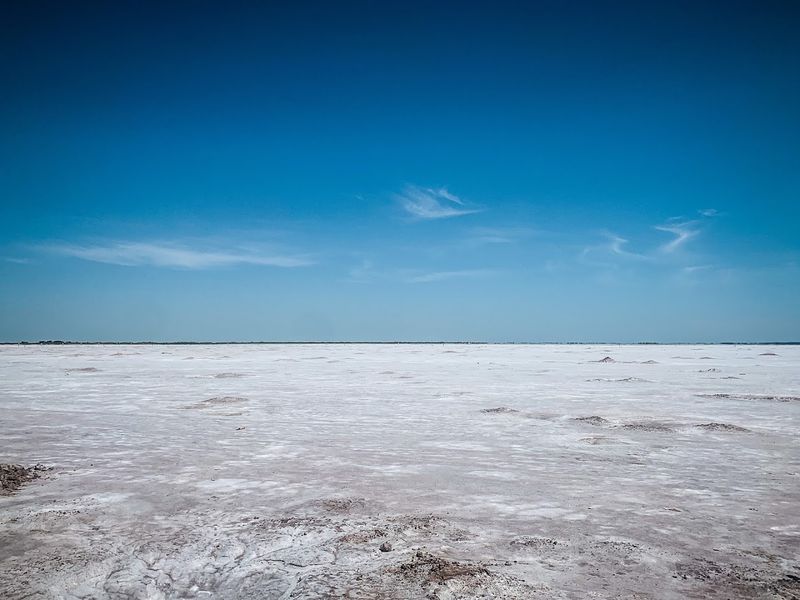
You would think a salty lake could handle more salt without too much fuss, but that is not really how this works. During hot, dry stretches, water evaporates faster, and the remaining lake water can become much more concentrated.
That extra salinity pushes the system into stressful territory, especially for fish and other living things that can tolerate some salt but not endless increases.
The trouble is that Great Salt Plains Lake is special because of its balance, not because it can survive any extreme you throw at it. Once the water gets too briny, fish can die off in large numbers, and the effect reaches beyond what you see along the shore.
Birds, food chains, and the general health of the lake all feel the strain when those salty conditions stop being occasional and start becoming more common.
I think this is where people outside Oklahoma suddenly understand why environmentalists sound so concerned. The very quality that makes the lake memorable can also become the thing that overwhelms it.
You can love the strange, mineral-heavy character of this place and still admit that too much of that same character begins to tip the whole landscape toward something harsher and less alive than it ought to be.
Oxygen Running Low For Fish
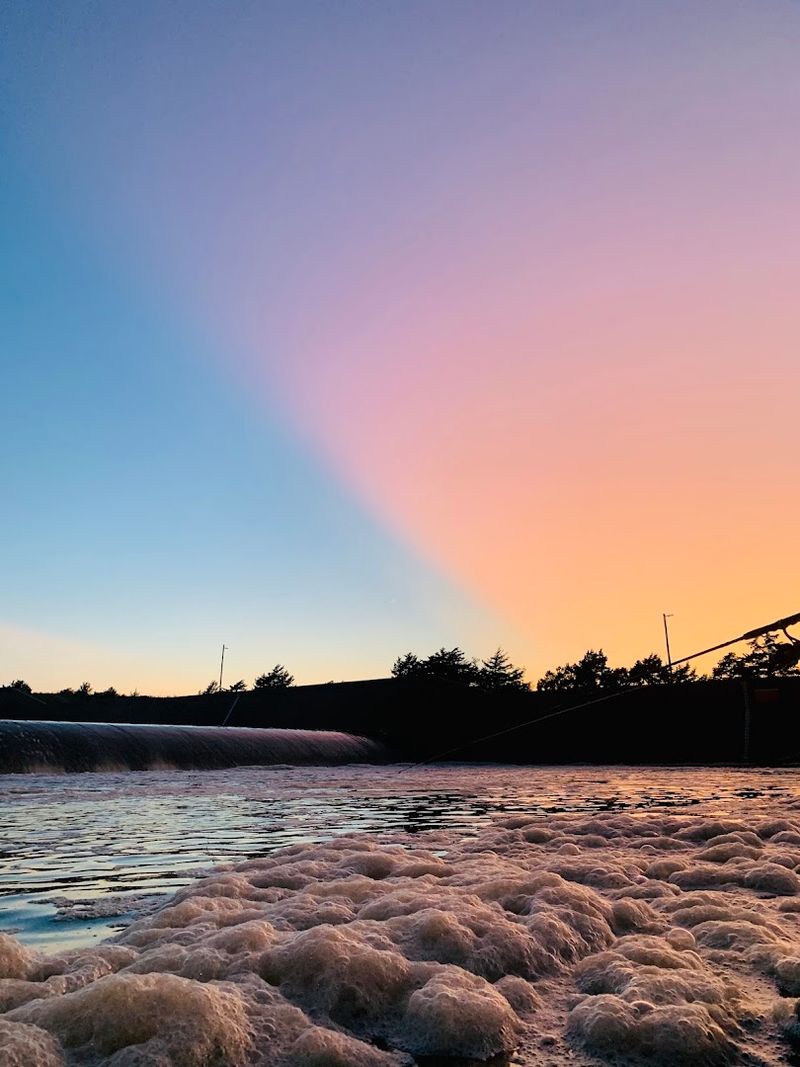
One of the less visible problems here is low oxygen, and honestly, it is one of the most important. When warm, shallow, salty water sticks around, oxygen levels can drop, especially as bacteria break down organic material and use up what fish need to survive.
You might not notice that process while standing on shore, but it can shape the lake just as much as anything obvious in the landscape.
That is what makes the issue feel so frustrating, because the lake can look calm while the water quality underneath is getting rough. Fish do not have much room to escape when conditions tighten across a broad, shallow basin, and that puts stress on the entire aquatic system.
The result is not just about one species having a bad stretch, because once oxygen crashes, the damage can move through the food web fast.
For visitors, this matters because Great Salt Plains Lake is not only a scenic stop in Oklahoma. It is a living place where chemistry and wildlife are constantly negotiating with weather, runoff, and depth.
When people say the lake may never be the same, this is part of what they mean, because some of the biggest changes happen in the water before they ever become visible to the rest of us.
The Complicated Ideas For A Fix
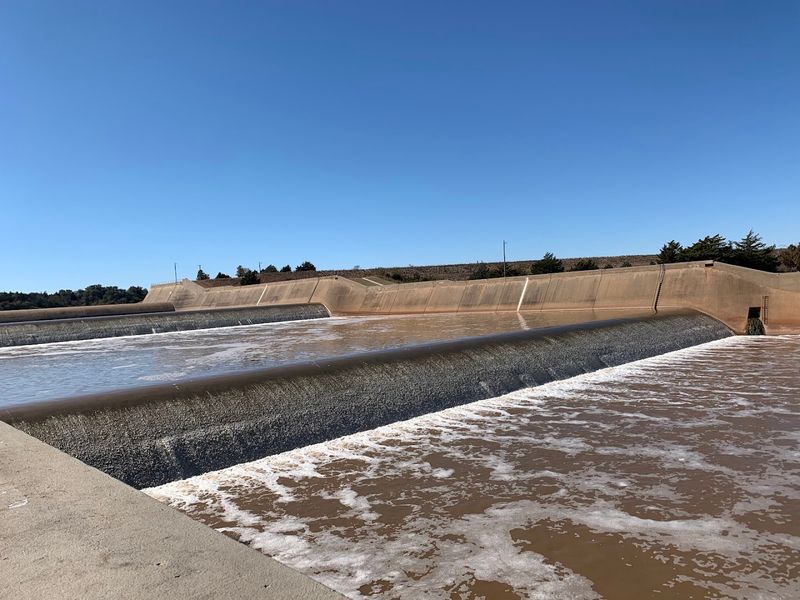
Once you start asking how to help the lake, the answers get complicated fast. People have discussed different management ideas, including dredging sediment, adjusting how water is handled, or changing parts of the dam system, but none of that is simple and none of it comes with an easy guarantee.
Great Salt Plains Lake is the kind of place where every fix touches something else, so the conversation is less about magic solutions and more about tradeoffs.
That might sound frustrating, and honestly, it is, because everyone wants the version of this story where one smart move restores everything. Real ecosystems do not usually cooperate that neatly, especially when the lake is tied to both natural salt processes and long-term buildup from surrounding runoff.
What helps one problem could complicate another, which is why managers and environmentalists keep circling back to careful study instead of rushing into something flashy.
Still, I would rather hear that people are wrestling seriously with hard options than pretending the lake will fix itself. In Oklahoma, practical conservation often looks less romantic than people expect, but it matters all the same.
Saving a place like this may come down to patient, unglamorous decisions that never make the scenery prettier, yet quietly give the lake a better chance to stay alive.
Walking Out On The Salt Flats
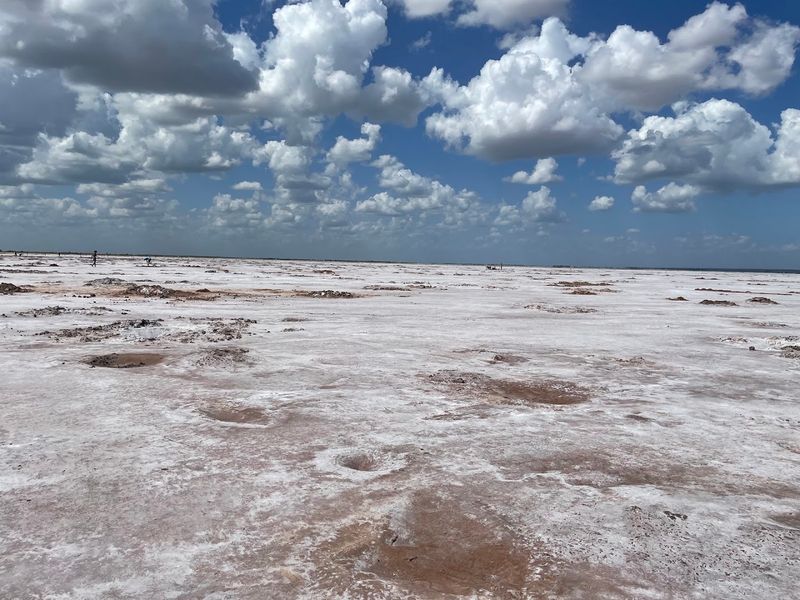
Let me just say this plainly, because photos never really get it right. Walking onto the salt flats feels like stepping into a place that forgot which region it belongs to, and that is half the magic.
The ground is bright, the horizon seems to pull away from you, and western Oklahoma suddenly feels more like a dreamscape than a prairie stop.
There is a hush out there that makes you slow down without meaning to. Wind skims across the surface, birds cut through the distance, and your shoes pick up the crust and dust of a landscape built by old water and older geology.
If you head to the observation areas nearby, you get that bigger view that helps everything click, because the flats, refuge, and lake all read as one connected system instead of separate attractions.
That experience is exactly why the environmental story lands so hard once you know it. You are not hearing about an abstract body of water on a map, because you have stood in a place that feels physically unlike almost anywhere else.
When people say Great Salt Plains may never be the same, the salt flats are part of what they are trying to protect, both for science and for the simple human shock of seeing Oklahoma look this strange.
