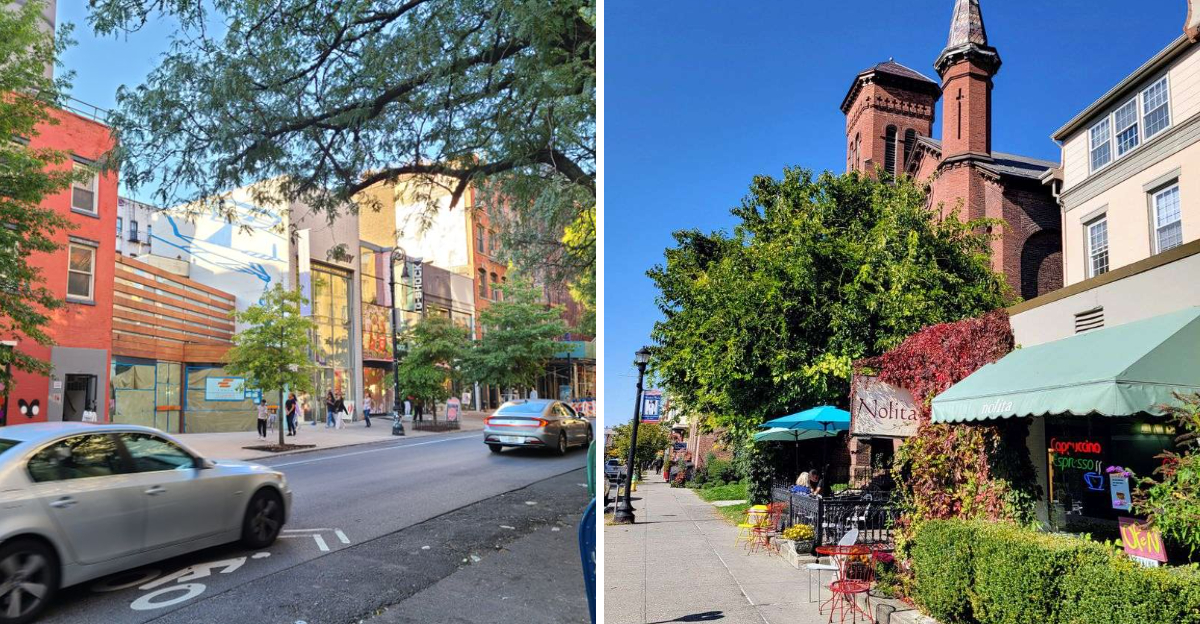
Walking through New York’s historic downtown districts feels like stepping into a time machine.
Cobblestone streets, cast-iron buildings, and centuries-old architecture tell stories that skyscrapers simply cannot.
From Manhattan’s bohemian corners to upstate treasures, these neighborhoods reward curious explorers with charm, culture, and unforgettable views.
Whether you’re a local looking for weekend adventures or a visitor seeking authentic experiences, these walkable districts offer something special.
Each area has its own personality, shaped by immigrants, artists, revolutionaries, and visionaries who called these streets home.
You’ll discover hidden courtyards, vintage storefronts, waterfront promenades, and architectural gems around every corner.
The best part is that everything is close together, making these districts perfect for leisurely strolls.
Comfortable shoes and a sense of curiosity are all you need to unlock the magic of New York State’s most enchanting old neighborhoods.
1. Greenwich Village
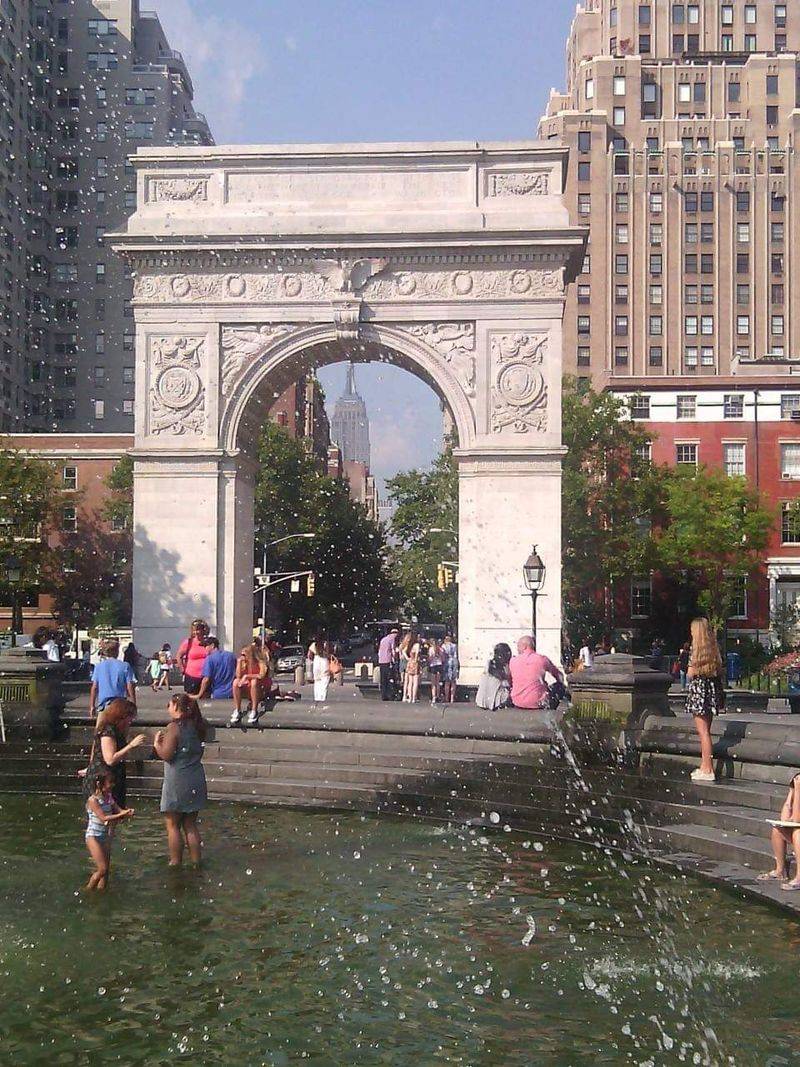
Wandering through Greenwich Village feels like discovering Manhattan’s secret garden.
The neighborhood’s winding, tree-shaded streets break from the city’s typical grid pattern, creating an intimate maze perfect for exploration.
Historic brownstones line the sidewalks, their stoops and iron railings whispering tales of poets, musicians, and rebels who shaped American counterculture.
Washington Square Park serves as the neighborhood’s beating heart, where street performers entertain crowds beneath the iconic marble arch.
Students, artists, and families gather here, creating an energy that’s both relaxed and electric.
Cafes tucked into ground-floor spaces invite you to linger over coffee while watching the world pass by.
Independent bookshops and vintage clothing stores occupy storefronts that have served the community for generations.
The bohemian spirit that once drew Beat poets and folk singers still permeates every corner.
Strolling here, you’ll notice architectural details that reward close attention, from ornate doorways to hidden garden gates.
Jazz clubs and small theaters continue the neighborhood’s artistic legacy, offering evening entertainment after your walking tour.
Greenwich Village remains one of Manhattan’s most walkable and photogenic districts, where every turn reveals something unexpected.
Location: Manhattan, New York City, NY 10012
2. SoHo
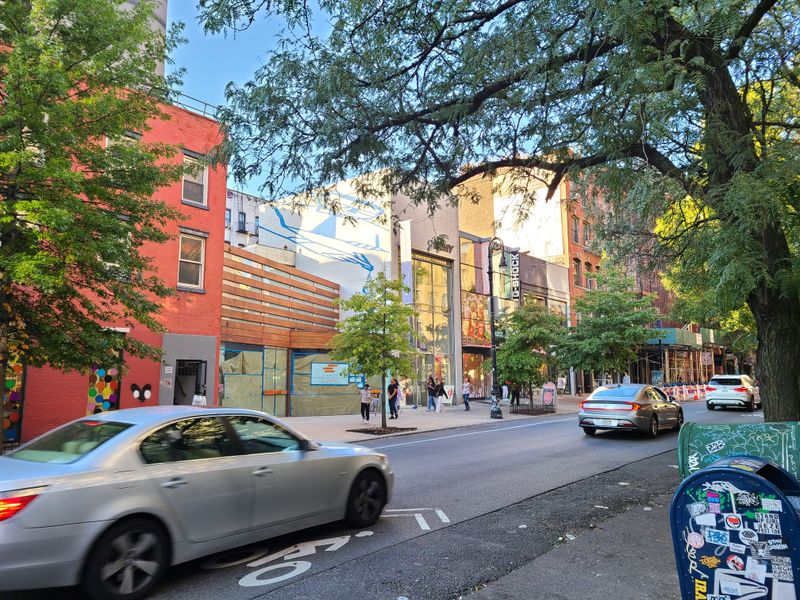
Cast-iron architecture defines SoHo like nowhere else in America.
Between Prince and Spring Streets, buildings showcase elaborate metalwork facades that revolutionized construction during the industrial age.
These structures, once factories and warehouses, now house galleries, boutiques, and creative spaces that honor the district’s artistic transformation.
Cobblestone streets add texture underfoot, slowing your pace and encouraging you to look upward at the ornate details above storefronts.
The neighborhood earned landmark status because of its unparalleled concentration of this architectural style.
Window shopping becomes an art form here, with displays curated as carefully as museum exhibitions.
High-end fashion shares sidewalk space with emerging designers, creating a retail landscape that spans every aesthetic.
Art galleries occupy former industrial lofts, their tall windows flooding spaces with natural light perfect for viewing contemporary works.
Weekend afternoons bring crowds of shoppers and sightseers, but early mornings offer quieter moments to appreciate the architecture.
SoHo’s transformation from manufacturing hub to cultural destination represents New York’s ability to reinvent itself while preserving history.
Every block reveals another stunning building, another intriguing storefront, another reason to keep exploring.
Location: Manhattan, New York City, NY 10012
3. Brooklyn Heights

Brooklyn Heights earned the title of America’s first suburb for good reason.
Its tree-canopied streets showcase residential architecture that spans multiple centuries, from Federal-style rowhouses to Victorian brownstones.
Walking these blocks feels like touring an outdoor museum of American home design.
Front gardens overflow with seasonal blooms, while original details like decorative cornices and wrought-iron fences remain beautifully preserved.
The neighborhood’s landmark designation protects this architectural heritage, ensuring future generations can enjoy these historic streetscapes.
Quiet residential lanes eventually lead you to the Brooklyn Heights Promenade, a pedestrian walkway offering breathtaking panoramas.
Manhattan’s skyline rises across the East River, creating postcard-perfect views that change with the light throughout the day.
New York Harbor stretches beyond, with ships and ferries creating constant movement against the urban backdrop.
Benches along the promenade invite contemplation, making this spot popular with locals seeking peaceful moments.
The contrast between intimate residential streets and expansive waterfront vistas gives Brooklyn Heights its unique character.
History buffs appreciate the neighborhood’s role in New York’s development, while architecture enthusiasts study the variety of building styles.
Location: Brooklyn, New York City, NY 11201
4. Financial District and The Seaport
Colonial history comes alive in Lower Manhattan’s oldest streets.
Wall Street takes its name from an actual wooden barrier that once protected the early settlement, and walking here connects you to New York’s origins.
Federal Hall’s grand columns mark the spot where George Washington took his presidential oath, anchoring the district in American history.
The New York Stock Exchange building represents centuries of financial evolution, its facade symbolizing economic power.
Narrow streets follow the irregular patterns of colonial pathways, creating unexpected angles and intimate urban spaces.
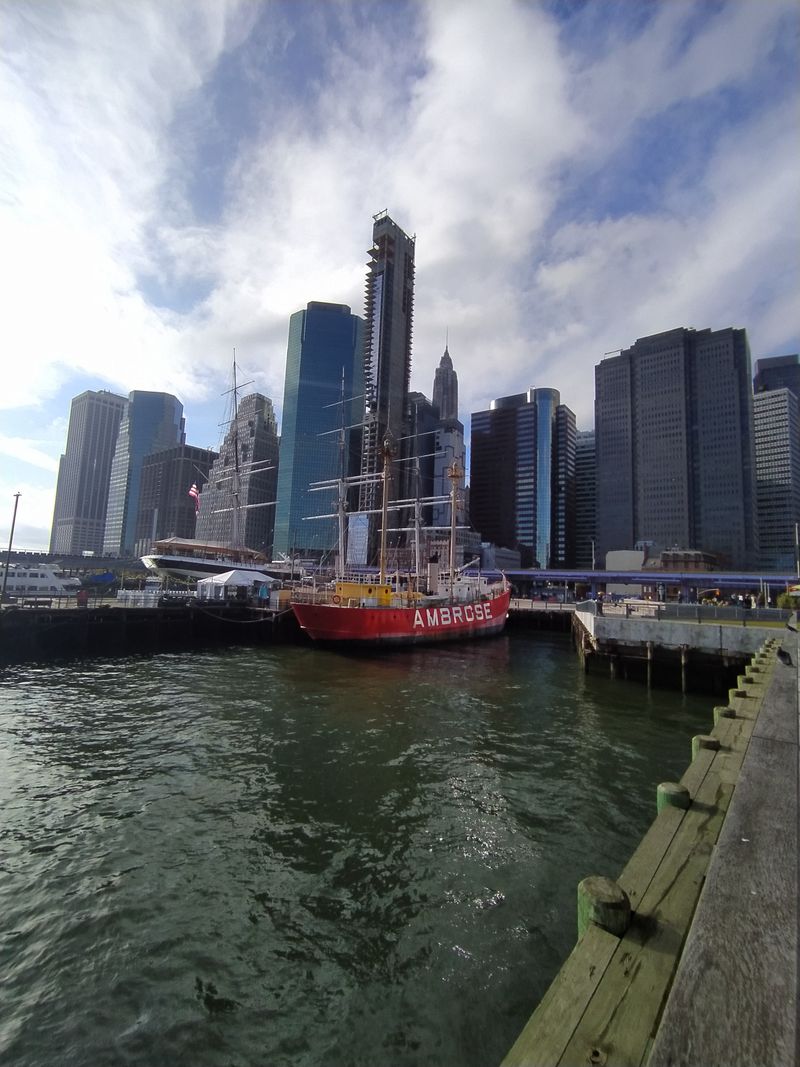
A short walk brings you to South Street Seaport, where cobblestones meet waterfront breezes.
Historic ships dock alongside modern developments, illustrating the area’s maritime heritage.
The seaport district blends preservation with contemporary life, offering spaces where history and present-day activity coexist comfortably.
Waterfront walkways provide relief from the Financial District’s canyon-like streets, opening up views of Brooklyn Bridge and the harbor.
This juxtaposition of colonial sites, financial landmarks, and maritime history creates a uniquely layered walking experience.
Every corner reveals another chapter in New York State’s remarkable story, from trading post to global metropolis.
Location: Lower Manhattan, New York City, NY 10005
5. Lower East Side
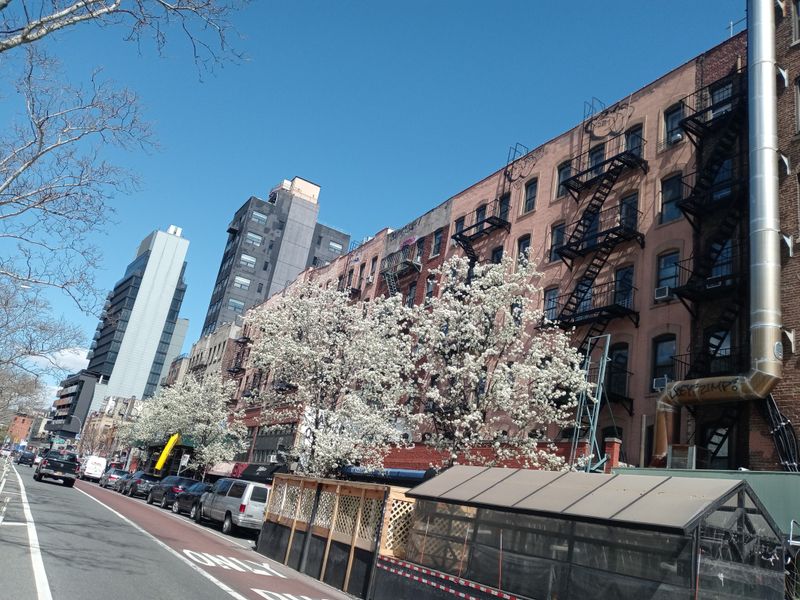
Immigrant stories echo through every block of the Lower East Side.
Generations of newcomers made their first American homes here, creating a cultural tapestry that still defines the neighborhood today.
The Tenement Museum preserves authentic apartments, showing how families lived in cramped quarters while building new lives.
Walking tours through these preserved spaces bring history into sharp, personal focus.
Doyers Street curves unexpectedly in Chinatown’s heart, earning its dramatic nickname from turbulent times when rival groups clashed in this narrow passage.
Today, the street’s sharp bend creates an atmospheric walkway lined with restaurants and shops.
Historic synagogues stand alongside newer establishments, reflecting the neighborhood’s evolving identity.
Street vendors and small businesses continue traditions of entrepreneurship that sustained immigrant communities.
The district’s food scene reflects its multicultural heritage, with culinary traditions from around the world represented in a compact area.
Markets and specialty shops offer ingredients and goods that connect current residents to their ancestral homelands.
Walking here means experiencing layers of history, from pushcart peddlers to contemporary artists who’ve claimed the neighborhood as their own.
The Lower East Side rewards explorers willing to wander beyond main thoroughfares into smaller streets where history hides in plain sight.
Location: Manhattan, New York City, NY 10002
6. Kingston Uptown and Rondout Districts

Serving as New York State’s first capital gives Kingston bragging rights few cities can match.
The Uptown Stockade District preserves this governmental heritage with remarkably intact stone buildings that date back centuries.
These structures, built from local bluestone, create a streetscape that feels transported from another era.
Walking through the Stockade area, you’ll notice how the stone construction differs from the wooden and brick buildings common in other historic districts.
This durability helped these structures survive while others disappeared, leaving an authentic colonial streetscape.
The Rondout waterfront district tells a different story, one of maritime commerce and Hudson River trade.
Warehouses and commercial buildings along the creek have found new life as antique shops, galleries, and dining establishments.
The waterfront location provides scenic walking paths where you can watch boats navigate the historic creek.
Culinary spots take advantage of the creekside setting, offering outdoor seating with water views.
Exploring both districts in one visit gives you a complete picture of Kingston’s layered history, from colonial government to industrial waterfront.
The contrast between the two areas makes Kingston especially interesting for walking tours.
Address: Kingston, NY 12401
7. Cold Spring
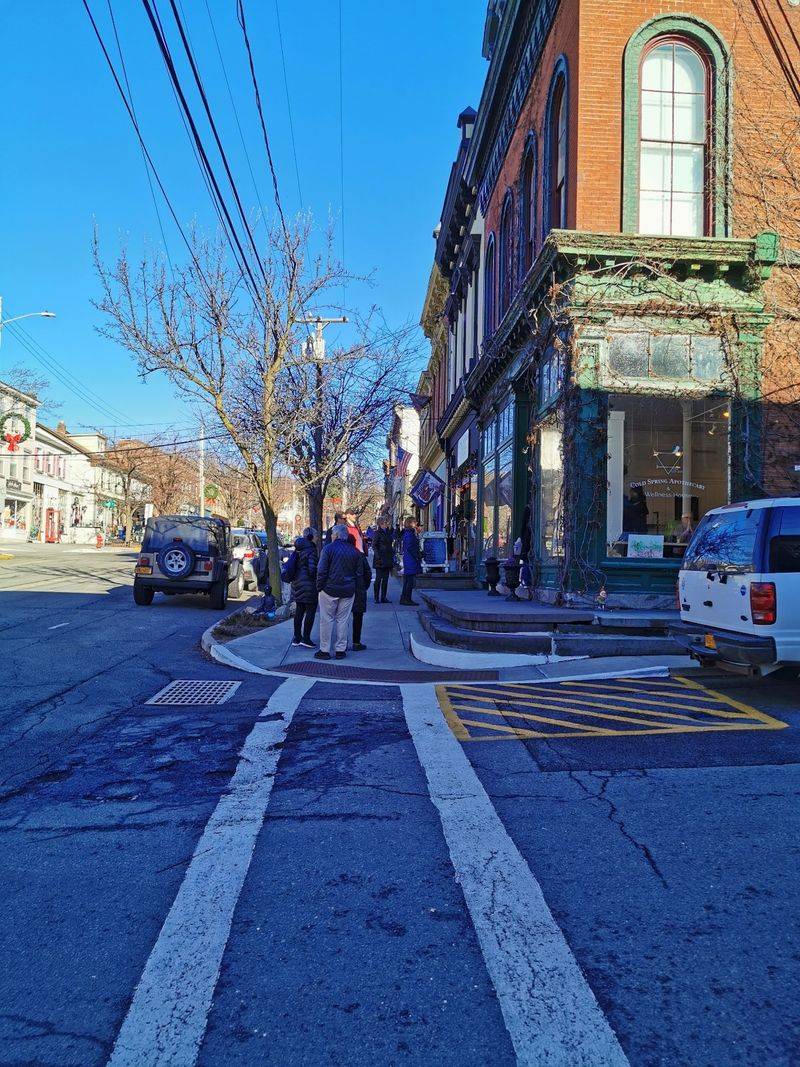
Nestled in the Hudson Valley, Cold Spring charms visitors with its compact, walkable downtown.
Main Street stretches just a few blocks, but those blocks pack in more character than many towns twice its size.
Storefronts retain their original facades, with large display windows and detailed trim that reflects Victorian-era craftsmanship.
Independent boutiques occupy these historic spaces, offering curated collections you won’t find in chain stores.
The town’s proximity to the Hudson River means scenic beauty is always just steps away from the commercial district.
After browsing shops, you can easily walk to waterfront areas where the river provides a stunning natural backdrop.
Mountains rise on the opposite shore, creating views that change with seasons and weather.
Cold Spring’s scale makes it perfect for a relaxed afternoon of window shopping and riverside wandering.
Cafes with outdoor seating invite you to slow down and soak in the small-town atmosphere.
The combination of historic architecture, independent businesses, and natural beauty creates an experience that feels both nostalgic and refreshing.
Day trippers from New York City discover that just a short train ride brings them to this Hudson Valley gem.
Address: Cold Spring, NY 10516
8. Hudson
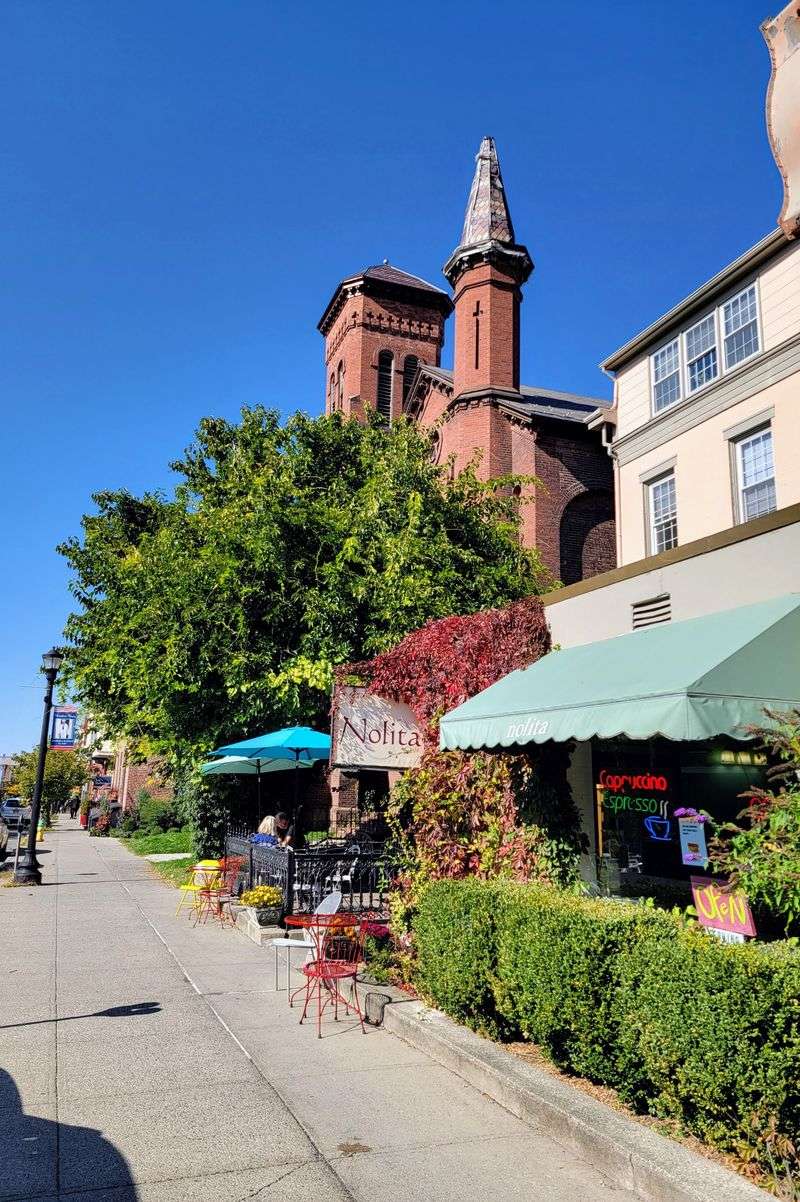
Warren Street runs through Hudson like a timeline of American small-town commerce.
This main thoroughfare showcases an extensive historic district where nearly every building contributes to the architectural narrative.
Antique dealers have made Hudson their headquarters, with shops offering everything from fine furniture to quirky collectibles.
Browsing these establishments becomes a treasure hunt, with each store presenting different specialties and eras.
Art galleries punctuate the antique shops, displaying contemporary works that create an interesting dialogue with the historic surroundings.
The town’s artistic community has grown steadily, attracted by the authentic architecture and creative energy.
Restaurants range from casual to sophisticated, reflecting Hudson’s evolution into a culinary destination.
The mix of high-end galleries, accessible antique shops, and varied dining creates a sophisticated yet approachable atmosphere.
Walking Warren Street from end to end takes less than half an hour, but you’ll want to allow much more time for exploring.
Building facades display architectural details worth studying, from ornate cornices to original signage.
Hudson proves that small towns can offer big-city culture when historic preservation meets creative vision.
The compact downtown makes it easy to explore thoroughly on foot.
Address: Warren Street, Hudson, NY 12534
9. Cooperstown

Baseball fame draws many visitors to Cooperstown, but the town’s historic charm deserves equal billing.
Main Street presents a picture-perfect lineup of historic buildings that could illustrate a guidebook on small-town America.
Shops occupy street-level spaces in structures that have served the community for generations.
The compact downtown creates an easy walking loop that lets you see everything without backtracking.
Cafes and ice cream shops provide rest stops where you can refuel between explorations.
Beyond the commercial district, tree-lined residential streets show off well-preserved homes from various architectural periods.
Otsego Lake sits just a short walk from downtown, offering a natural complement to the built environment.
Lakeside paths let you stretch your legs while enjoying water views and mountain backdrops.
This combination of cultural attractions, historic architecture, and natural beauty makes Cooperstown more than a single-interest destination.
The town’s manageable size means you can genuinely explore it thoroughly in an afternoon.
Whether you’re a sports enthusiast or simply appreciate charming historic towns, Cooperstown’s walkable streets deliver.
The lakeside setting adds an extra dimension to your walking experience.
Address: Cooperstown, NY 13326
10. Rhinebeck

Rhinebeck embodies the Hudson Valley’s genteel charm through its beautifully maintained historic center.
East Market Street and surrounding blocks showcase residential and commercial architecture that has been lovingly preserved.
Victorian homes display the decorative exuberance of their era, with elaborate trim and colorful paint schemes highlighting architectural details.
The town’s commitment to historic preservation shows in the careful maintenance of these properties.
Walking through residential neighborhoods feels like touring an outdoor architecture museum where people actually live.
Downtown shops occupy historic buildings, creating a retail experience that feels authentic rather than manufactured.
Unique boutiques offer goods you won’t find in typical shopping districts, from handcrafted items to carefully selected vintage pieces.
The relaxed atmosphere encourages leisurely browsing without the pressure of crowds or traffic.
Tree-shaded sidewalks make summer walks pleasant, while autumn brings spectacular foliage to frame the historic buildings.
Rhinebeck’s small-town scale means everything is walkable, yet the quality of shops and restaurants rivals larger destinations.
This balance of authentic historic character and contemporary amenities makes Rhinebeck a favorite among Hudson Valley explorers.
The scenic escape offers respite from urban intensity.
Address: East Market Street, Rhinebeck, NY 12572
Dear Reader: This page may contain affiliate links which may earn a commission if you click through and make a purchase. Our independent journalism is not influenced by any advertiser or commercial initiative unless it is clearly marked as sponsored content. As travel products change, please be sure to reconfirm all details and stay up to date with current events to ensure a safe and successful trip.
