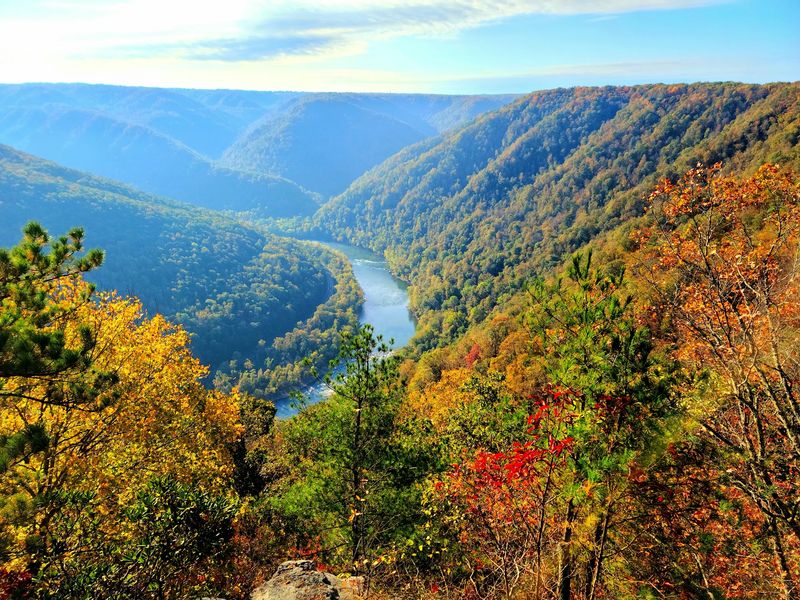
In parts of West Virginia, a toboggan was never a sled. It was the knit hat your grandmother tugged over your ears before you left the house.
That one word tells you a lot. The Mountain State built its own way of talking, and plenty of it came straight from farm chores, kitchens, and steep mountain roads.
A bag could be a poke. A creek could be a crick.
Cleaning your room might mean you had to red it up.
I love how much life is packed into these little phrases. Many of them are fading fast, and younger folks often stare blankly when they hear one.
Each one feels like a small time capsule from the hollows.
So how many of these did your own grandparents say? I’d bet at least a few will bring back a kitchen table, a porch swing, or a voice you haven’t heard in years.
1. Holler
Nobody in a holler was necessarily yelling. Out here, the word described a place, not a noise, and outsiders have been confused by it for generations.
A holler is a narrow valley tucked between steep ridges. The word grew out of the older English word hollow, shaped by the mountain accent until it sounded like something else entirely.
Your grandparents might have said a cousin lived way up the holler. That meant a long gravel road, a few houses strung along a creek, and neighbors who knew your truck by sound.
In West Virginia, the term often carried a sense of identity. People didn’t just live in a county or a town, they lived in a specific holler with its own name.
Those names could be wonderfully plain. Many hollows were simply named after a family who settled there, or a creek that ran through the bottom.
Today, younger folks may use the word with a wink, or not at all. Still, if someone asks which holler you grew up in, they’re really asking where your roots are planted.
That’s a pretty big question packed into one small word. Your answer probably says more about you than any street address could.
2. Crick
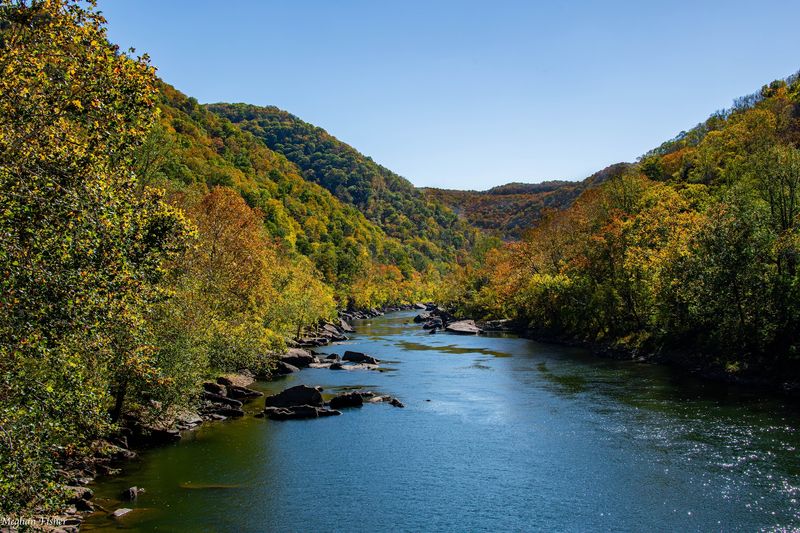
Got a crick in your neck? Your grandpa probably had a different kind in mind, the one with cold water, smooth rocks, and crawdads hiding under them.
In much of Appalachia, crick is simply how people say creek. Linguists note the pronunciation shows up across parts of the Midland and Mountain regions, so it isn’t unique to one town.
Even so, it fits West Virginia like a glove. The state is threaded with small streams, and kids once spent long summer days wading through them barefoot.
Grandma might have warned you not to come home soaked from the crick. Of course, you came home soaked anyway, usually with a coffee can full of minnows.
The word also lives on in place names. Plenty of local roads and communities carry Creek in their official names, even if neighbors still say it the old way out loud.
Spelling bees taught kids one version, and the porch taught them another. Most mountain families quietly kept both, using the proper one for school and the other for real life.
So which one do you say? If crick slips out before you can stop it, consider that a small inheritance from the folks who raised you.
3. Poke
Ask for a poke at a country store long ago, and nobody would have jabbed you with a finger. You’d have walked out carrying a paper sack instead.
Poke is an old word for a bag or small sack. It traces back centuries in English, and it hung on in the mountains long after much of the country dropped it.
That old phrase about buying a pig in a poke uses the same meaning. It warns you not to buy something sight unseen, tied up in a sack where you can’t check it.
Picture the general store days in West Virginia, when a child might get a poke of penny candy. The bag mattered almost as much as the treats inside it.
Grandparents also used pokes for practical jobs. Beans, apples, and leftover biscuits could all ride home from a neighbor’s kitchen tucked inside one.
Today the word may only surface when an older relative is unloading groceries. Hand them a plastic bag, and you might still hear them ask for another poke.
It’s a tiny word with a long memory. Next time you pack a lunch, try calling the sack a poke and see who smiles.
4. Sit a Spell
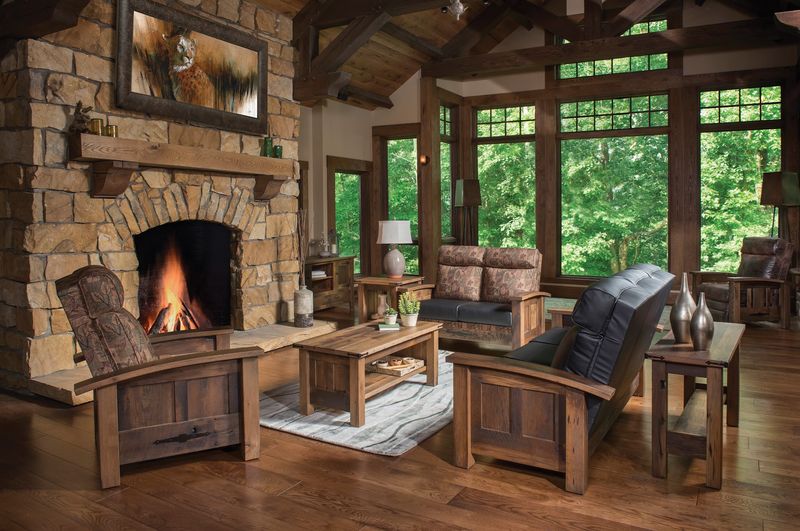
Here’s an invitation with no clock attached. When Grandma told you to sit a spell, she wasn’t casting anything except a little hospitality.
A spell simply means a stretch of time. It could last ten minutes or the better part of an afternoon, depending on how good the conversation turned out.
The phrase usually came with a porch, a rocking chair, and a glass of something cold. Visitors who claimed they couldn’t stay long often ended up staying through supper.
Spell had another handy meaning too. To spell someone meant taking over a chore so they could rest, like trading turns at the garden hoe.
Both uses point to the same idea. Folks looked out for each other, and they made time for company even when the work wasn’t finished.
That kind of pace feels rare now. Phones buzz, schedules fill up, and visits are often squeezed between errands.
Maybe that’s why the phrase still tugs at people. Saying it out loud feels like permission to slow down for a moment.
Try it on your next guest and see what happens. Odds are they’ll pull up a chair.
5. Red Up
No paint was ever involved. When an older relative told you to red up your room, the only color change was the floor showing again.
To red up means to tidy or clean a space. The phrase is strongly linked to western Pennsylvania and the Pittsburgh area, and it spread into nearby northern West Virginia communities.
Historians of language often connect it to Scots-Irish settlers. Older forms like redd, meaning to clear or set in order, appear in Scottish and northern English speech.
That history explains why it sounds odd to modern ears. The word isn’t about the color at all, which leaves plenty of grandkids scratching their heads.
Grandma might have said it right before company arrived. Shoes went in the closet, newspapers got stacked, and dishes vanished from the sink in record time.
Some families also said to red up the table after supper. That meant clearing plates and wiping crumbs before anyone could escape to the TV.
Do you still hear it at holidays? If so, someone in your family is carrying a phrase across oceans and centuries without even realizing it.
6. Right Smart

A right smart has nothing to do with brains. Your granddad wasn’t grading anybody’s intelligence when he used it.
The phrase means a good deal or a large amount. A right smart of rain meant a heavy downpour, and a right smart drive meant you’d better pack a snack.
That second use makes plenty of sense in West Virginia. Mountain roads twist and climb, so a trip that looks short on a map can stretch out a long while.
Older folks often measured distance by time and curves. Ten miles over a ridge could feel longer than thirty miles on flat highway elsewhere.
Right also worked as an intensifier in mountain speech. You might hear that someone was right tired, right proud, or right sorry about something.
Put the two together, and you get a phrase with real punch. It sounds polite and plainspoken at the same time.
You’ll still catch it in some small towns and family kitchens. Once you start listening for it, you may notice it pop up more than you expected.
That’s a right smart of history for two little words. Not bad for a phrase most people never think about.
7. Toboggan
Sledding fans, prepare to be confused. Around many Appalachian households, a toboggan sat on your head instead of under your backside.
The word meant a knit winter cap, often with a pom-pom on top. Across much of the South and Appalachia, people still use it that way today.
Why the mix-up? One common explanation points to the long knit caps worn by people riding toboggan sleds, and the name may have simply slid from the sled to the hat.
Either way, Grandma’s warning was clear. If it was frosty outside, you didn’t leave the house without your toboggan pulled down over your ears.
Visitors from other regions sometimes picture something hilarious. Imagine being told to grab your toboggan before heading to church on a cold Sunday morning.
Plenty of families still had a basket by the door stuffed with mismatched ones. Somebody’s aunt usually knitted at least a few of them every winter.
The word holds on better than many old sayings on this list. Even younger West Virginians may still reach for it without a second thought.
So what do you call yours? Beanie, stocking cap, or the old mountain favorite?
8. Mushmelon
Summer gardens once produced a fruit with a name that sounds like a kid made it up. Older relatives called it a mushmelon, and they said it with total confidence.
Yes, they meant cantaloupe. Mushmelon is a folk version of muskmelon, the broader name for that family of sweet, netted melons.
Muskmelon itself is a perfectly proper term. Somewhere along the way, mountain speech softened the k, and the result stuck around for generations.
It’s easy to picture a grandmother slicing one on the back porch. Juice ran down your chin, and the rinds went straight to the chickens or the compost pile.
Home gardens were a big deal in rural communities. Families grew much of what they ate, so melons, tomatoes, and beans were part of normal summer life.
Calling it a mushmelon also fits the fruit when it’s ripe. A soft, fragrant melon in late July is about as far from crunchy as food gets.
You won’t spot the word on many grocery store signs today. Still, say it at a family reunion, and somebody older will likely nod right away.
9. Sallet
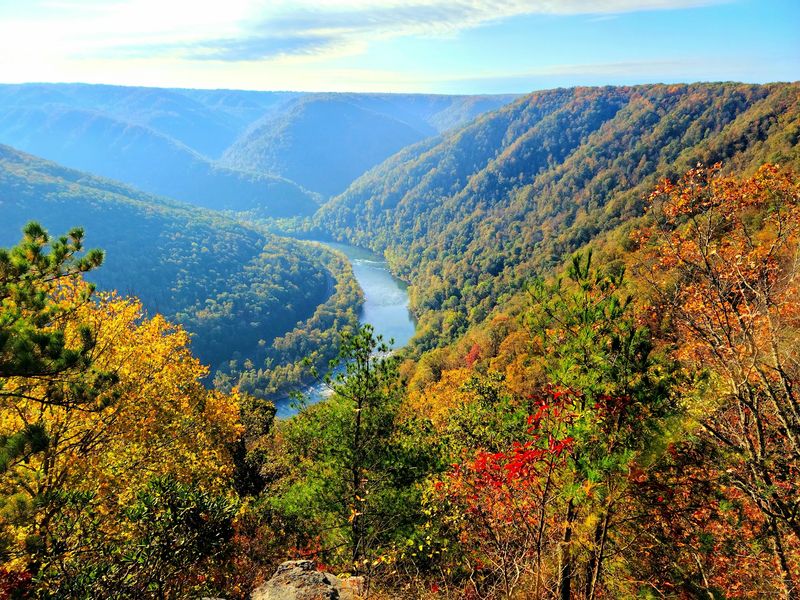
Order a sallet today, and you’d probably get a puzzled look. Your great-grandparents, though, knew exactly what was coming to the table.
Sallet is an old word for cooked greens. It comes from older English usage, and it survived in the mountains long after most Americans switched to salad.
The most famous version is poke sallet, made from young pokeweed shoots. Older cooks reportedly boiled the leaves in several changes of water, because the raw plant is considered unsafe to eat.
That step mattered, and experienced foragers took it seriously. If you’re curious, leave it to people who truly know the plant rather than experimenting on your own.
Spring greens meant something special after a long winter. Fresh food from the hillsides was a welcome change from canned goods and root cellar staples.
Families also gathered other wild greens, like dandelion and creasy greens. Many were fried in a skillet with a little bacon grease and served beside cornbread.
Foraging has made a comeback lately, which gives this word a fresh spark. Who knew your grandparents were ahead of a modern food trend?
10. Britches
Getting too big for your britches was never about a growth spurt. It was a polite but firm reminder that your attitude had outgrown your manners.
Britches is an old form of breeches, a word for pants or trousers. It lingered in country speech across the South and Appalachia long after town folks moved on.
The phrase about being too big for them dates back well over a century. It usually landed on a kid who got a little sassy after a small success.
Grandparents had other uses too. Pull up your britches could mean straighten out your pants, or it could mean toughen up and get the job done.
That second meaning carried real weight in hardworking mountain homes. Farm work and long days left little room for complaining.
Hearing the word today often brings a grin. It sounds old-fashioned, but it delivers advice that still makes plenty of sense.
You’ll find it in old stories, country songs, and the occasional family scolding. In West Virginia, it may outlast some newer slang that came and went.
So keep your britches on and your boots laced. Grandma would approve.
