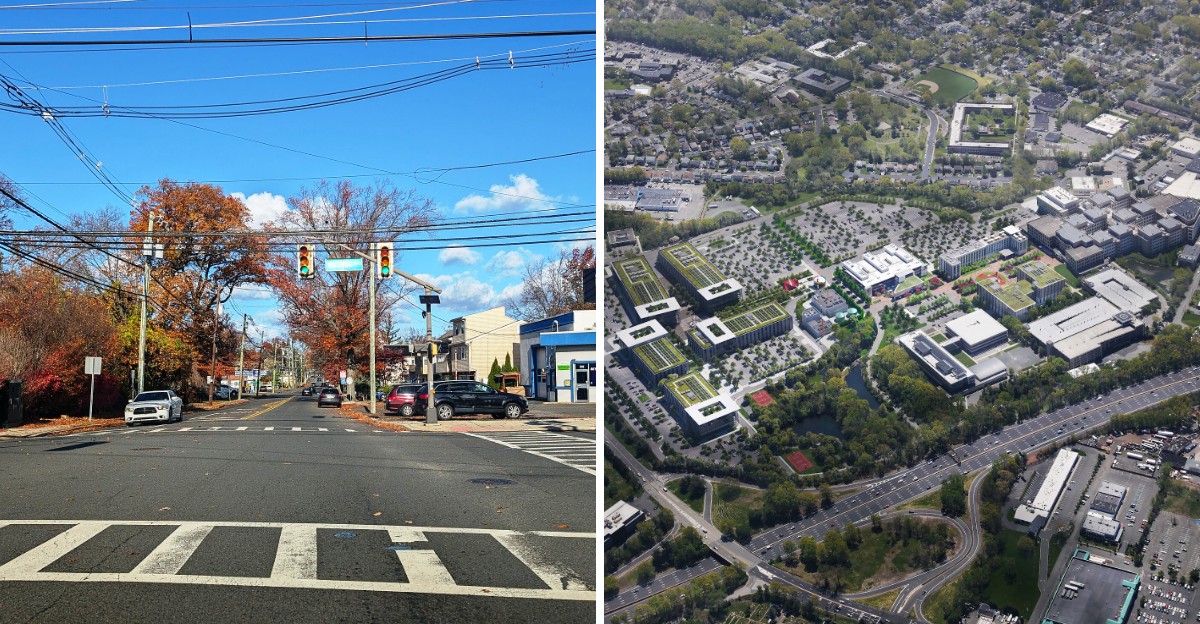
Thirty-one standby generators. That’s how many are planned for a single AI data center going up inside an old drug research building in one small borough.
The price tag is $1.8 billion. The full campus could someday need up to 250 megawatts of power.
Now that is a lot of electricity for a town with about 8,400 residents.
What gets me is the timing. The local planning board approved it 8-0 in 2025, and nobody from the public spoke against it.
Many neighbors say they only found out much later.
Now petitions, packed meetings, and nervous nearby towns have turned this New Jersey fight into a statewide conversation. I can see why people are paying attention.
An Empty Lab Is Becoming An AI Powerhouse
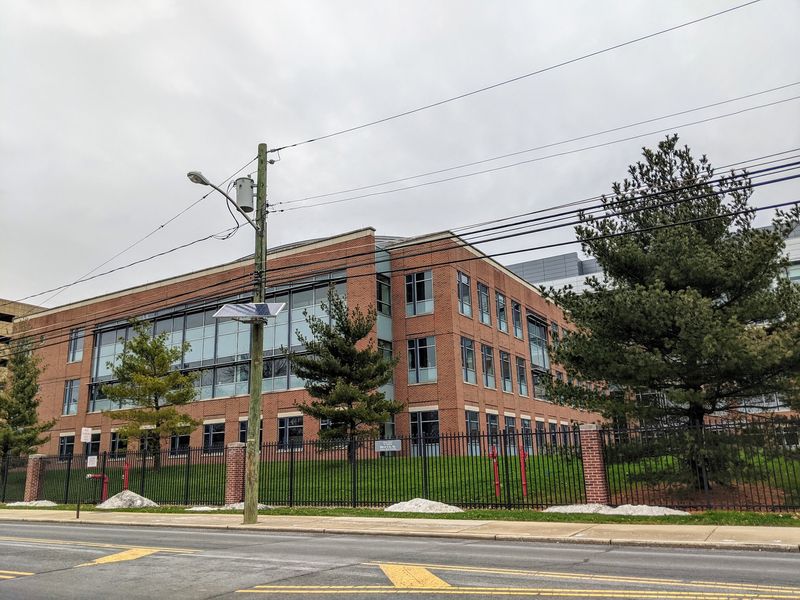
Kenilworth, New Jersey, has a giant empty building with a famous past. The site at the center of this fight once housed a major pharmaceutical research campus.
Schering-Plough ran it first, and later Merck took over. The building has sat empty since 2023, which left a big hole in this small Union County borough.
Enter CoreWeave, a cloud computing company that was founded right here in New Jersey. The company plans to turn the old lab into a data center called Kenilworth NEST 11.
NEST stands for Northeast Science and Technology Center. Fancy name, right?
It sounds like a science museum, but it’s really a home for powerful computers that run artificial intelligence.
The building dates back to 1982. So a structure that once helped develop medicines will soon help train and run AI tools.
That’s a pretty wild second act for an office building. The plan calls for one facility of roughly 392,600 square feet, which is massive for a town this size.
Construction started in September 2025. The company is aiming to have it running in early 2027, so the clock is already ticking.
The Price Tag Will Make Your Jaw Drop
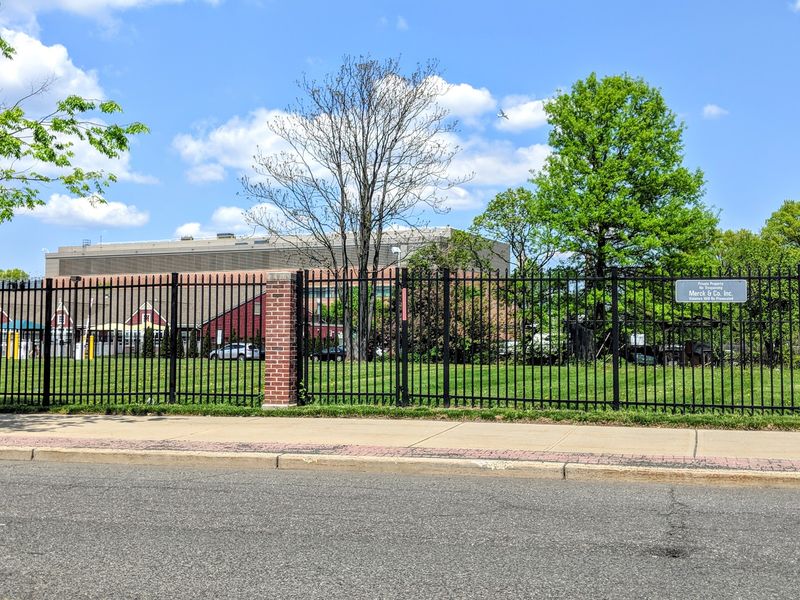
Let’s talk money for a second. CoreWeave is putting about $1.8 billion into this project, which is a staggering number for one borough.
On top of that, the state handed the company a big break. The New Jersey Economic Development Authority awarded CoreWeave a $250 million tax credit through its Next New Jersey, AI program.
That credit can pay out up to $50 million a year for five years. It’s tied to performance, so the company has to meet certain goals to get it.
Here’s a fun detail. CoreWeave’s award was the very first one under that program, so Kenilworth basically became the test case.
In August 2026, New Jersey reduced the program’s total tax-credit funding from $500 million to $250 million, leaving no funding available for additional awards. CoreWeave’s deal wasn’t affected, though, so its money stays in place.
The company also says it will spend roughly $150 million on new electrical equipment. That includes a new substation, and CoreWeave says local ratepayers won’t be charged for it.
Supporters see big investment flowing into a long-quiet property. Critics see a giant check that came without enough public conversation.
Both sides agree on one thing: this is a very expensive neighbor.
Neighbors Say They Never Got The Memo
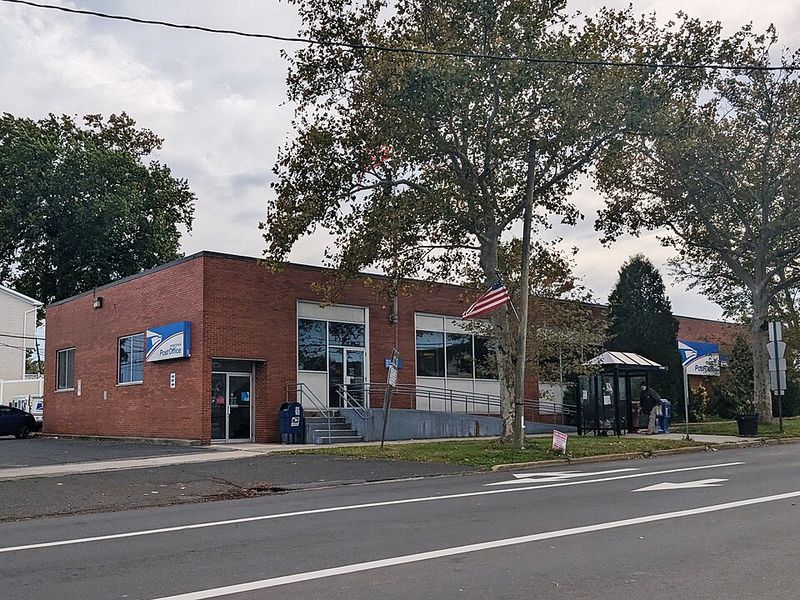
Timing is everything in this story. The Kenilworth Planning Board approved the project 8-0 on May 15, 2025.
At that meeting, no member of the public spoke against it. That sounds calm, but many residents say they simply didn’t know it was happening.
Some report learning about the data center almost a year after approval. Yeah, that’s a long time to miss news about a building this big.
The paper trail goes back further. In February 2024, Kenilworth named the former Merck campus an area in need of redevelopment.
That step let the borough write its own zoning rules for the site. Then in September 2024, Ordinance 2024-15 made a data center an allowed use there.
In plain words, the door was opened step by step. Borough officials point to this multi-year process as proof that everything was done properly.
Residents see it differently. They say notices were easy to miss and the public had little say.
A quick tip for any town watcher: zoning and redevelopment meetings can sound boring. Sometimes they decide the biggest things in your backyard, though.
Thirty-One Generators Is A Lot Of Backup
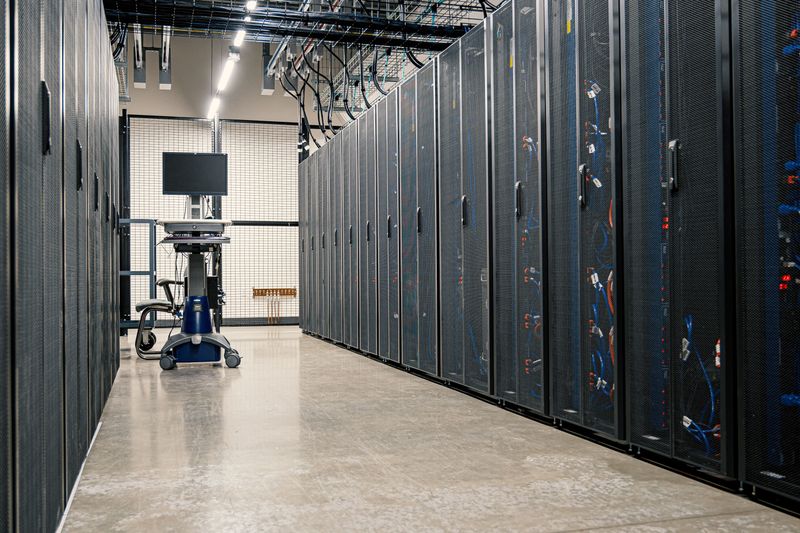
Data centers can’t afford to blink. If the power goes out, the computers still need to run, so backup systems are a big deal.
For NEST 11, the plan includes 31 standby generators sitting on concrete pads. Residents worry about the noise and the diesel exhaust they could produce.
Then there’s the cooling yard. It’s planned with 29 chiller units and four water tanks to keep the servers from overheating.
Computers that power AI get seriously hot. Think of a laptop warming your legs, then multiply that by a whole warehouse.
CoreWeave says its design uses a closed-loop cooling system. That means water circulates inside the system instead of constantly being drained and replaced.
The company also says the building will use 15 percent less energy than a similar modern facility. That’s a real selling point in a power-hungry industry.
Still, neighbors have raised concerns about air, light, and noise pollution. Cooling fans that hum day and night are tough to ignore when you live nearby.
Both the worries and the efficiency claims are part of the debate. Each side brings numbers to the table.
Your Electric Bill Has Entered The Chat
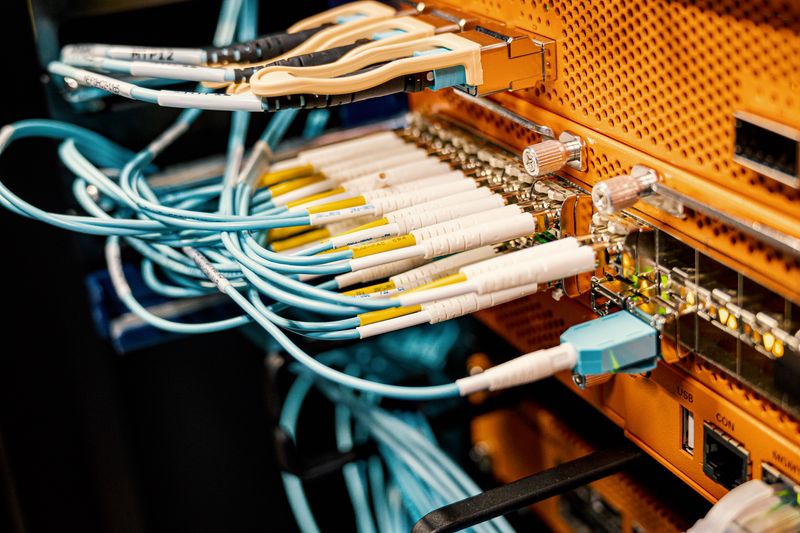
Power is the heart of this argument. The first building, NEST 11, is planned for a 40-megawatt load.
The full campus could eventually need up to 250 megawatts. If the campus used its full 250-megawatt capacity continuously for a year, it would consume roughly as much electricity as 211,000 average U.S. homes use annually.
Okay, that’s impressive and a little scary. Kenilworth only has around 8,400 people, so the math feels lopsided.
New Jersey residents have already seen steep jumps in their electric bills. Many fear that giant data centers will push prices even higher across the state.
CoreWeave points to its funding for a new substation as a helpful answer. The company says that equipment will serve the broader community too.
State leaders have noticed the tension. Governor Mikie Sherrill has signed legislation requiring large data centers to pay their fair share of energy costs and report their energy and water consumption.
Her administration has also issued guidance to help municipalities negotiate community benefits agreements and emphasized the importance of union construction jobs. It’s a sign the Kenilworth fight is shaping bigger rules.
A handy habit for anyone: read your utility bill each month. Knowing your usage helps you follow these debates with real numbers.
Meetings Got Loud And Petitions Got Long

Things heated up around April 2026. Public meetings in Kenilworth and nearby towns started drawing big, fired-up crowds.
A Change.org petition against the project has topped 12,000 signatures. That’s more than the entire population of Kenilworth.
Residents have shared strong feelings about health, noise, and water use. One said that any extra air pollution would leave them feeling desperate about their health, showing how personal this has become.
Meeting rules added fuel to the fire. Public comment has been capped at 45 minutes total, with three minutes per person.
Three minutes goes fast when you’re nervous and holding notes. Some residents felt that limit kept too many voices out.
The mayor has said Kenilworth has a weak mayor form of government. In that setup, the mayor has less solo power over decisions like this.
People also raised concerns about nondisclosure agreements hiding the project’s full scope. Transparency keeps coming up again and again.
Want to be heard at a local meeting? Write your main point first, practice it out loud, and keep it short.
Next Door Towns Are Slamming Their Doors
Roselle Park didn’t wait around. The neighboring borough moved to ban data centers from every zone within its borders.
Union Township took action too. It banned hyperscale data centers and approved money for legal and planning reviews.
Cranford officials said they were never told about the project. That stung, since the towns sit so close together in Union County.
Clark residents also showed up to meetings. The worry clearly spreads past Kenilworth’s borough line.
Farther away, Bridgewater voted to block data centers at one vacant property. That shows how this debate is rippling across New Jersey.
Why do neighbors care so much? Noise, air, and power demand don’t stop at a town border.
A generator’s hum or a new substation can affect streets in several communities. So nearby towns want a say, even if the land isn’t theirs.
It’s a good reminder that local choices often have regional effects. One borough’s zoning vote can shape life for thousands of people next door.
Expect more towns to review their own rules soon. Nobody wants to be caught by surprise.
Plenty Of Locals Actually Like The Plan
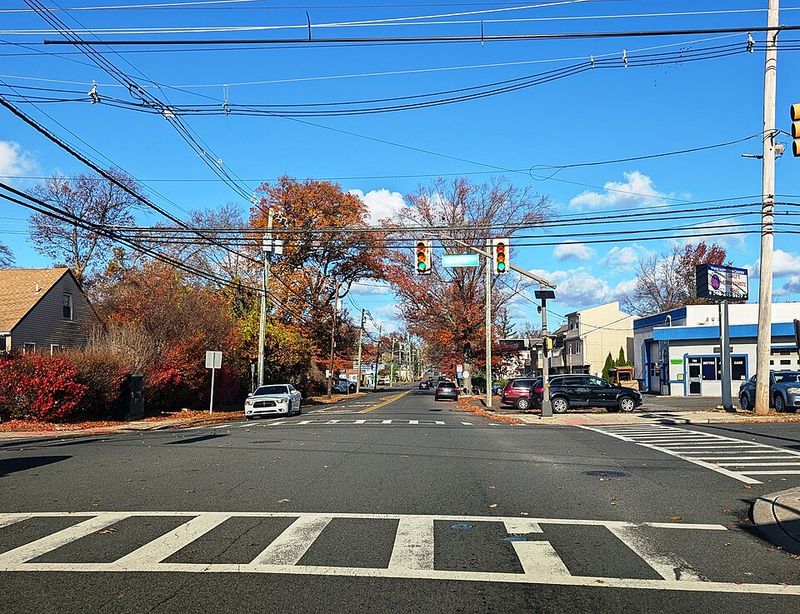
Not everyone in Kenilworth is waving protest signs. Some residents support the data center, and their reasons make sense.
The old Merck property has been empty for years. A busy building beats a vacant one for many people who want activity back on Galloping Hill Road.
The mayor reportedly backs the project to help fill the money gap Merck left behind. When a big employer leaves a small town, it hurts.
Jobs are part of the pitch. CoreWeave promises 143 permanent full-time New Jersey positions paying at least $79,000 each.
That’s solid pay for jobs in tech operations. It could mean careers for local workers who don’t want long commutes.
There’s also hometown pride. CoreWeave started in New Jersey, so this isn’t an outside giant swooping in from far away.
The company says it wants to be a responsible neighbor. It describes data centers as community investments and promises ongoing engagement.
CoreWeave also says local and state leaders encouraged the project. So supporters see this as a plan that followed the welcome mat, not one that broke the door.
Watch This Address Because More Could Be Coming
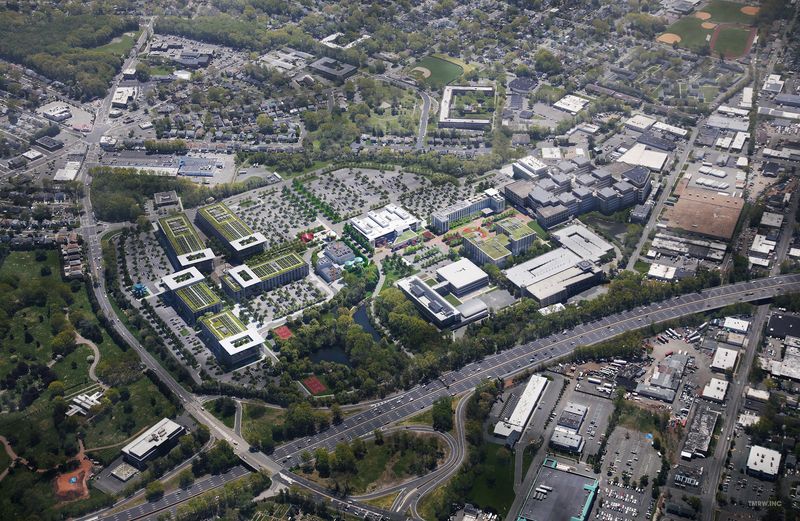
The address to remember is 2000 Galloping Hill Road, Kenilworth, NJ. That spot could stay in the headlines for years.
Right now, work focuses on redeveloping one building. Construction is underway, with an early 2027 target for opening.
Residents fear this is only the beginning. Public records requests suggest plans for two more data centers and a substation at the site.
Construction on those extra buildings hasn’t started yet. Still, that possibility explains why opponents are pushing so hard right now.
Statewide, the mood is shifting. A Rutgers-Eagleton Poll found 72 percent of New Jerseyans oppose data centers in their own communities.
That’s a huge number in a state known for arguing about almost everything. Pork roll versus Taylor ham, anyone?
So Kenilworth has become a kind of test lab again, just like in its pharmaceutical days. The questions this time are about power, privacy of plans, and public voice.
Want to stay informed? Follow borough meeting agendas and local news coverage.
Small towns move fast once a big project picks up steam.
