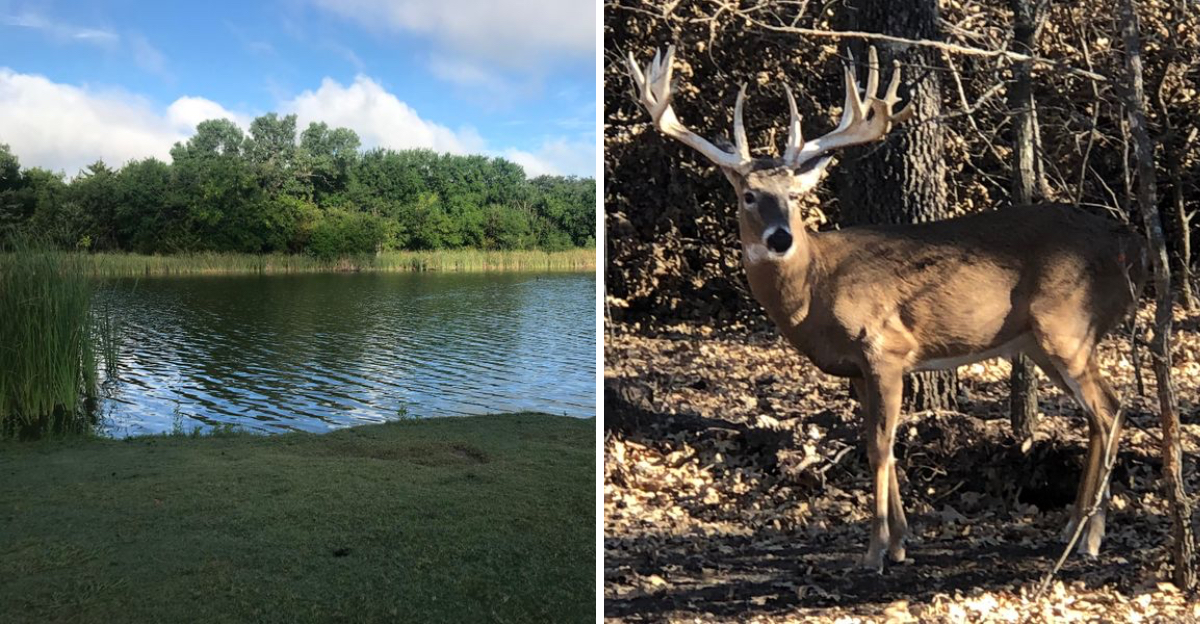
I first visited Skipout Lake back when you could count the number of campers on one hand. Secluded in the northwestern corner of Oklahoma near the Texas border, this small reservoir used to be one of those places locals whispered about but never advertised.
Fast forward to today, and the secret is definitely out. What was once a quiet fishing spot has transformed into a bustling outdoor destination that draws visitors from several states.
The transformation has been dramatic, and while the lake still offers plenty to love, the experience is markedly different than it was just a few years ago. I wanted to explore what made this place special in the first place and what the increased attention means for those of us who remember the quieter days.
The Lake That Time Almost Forgot
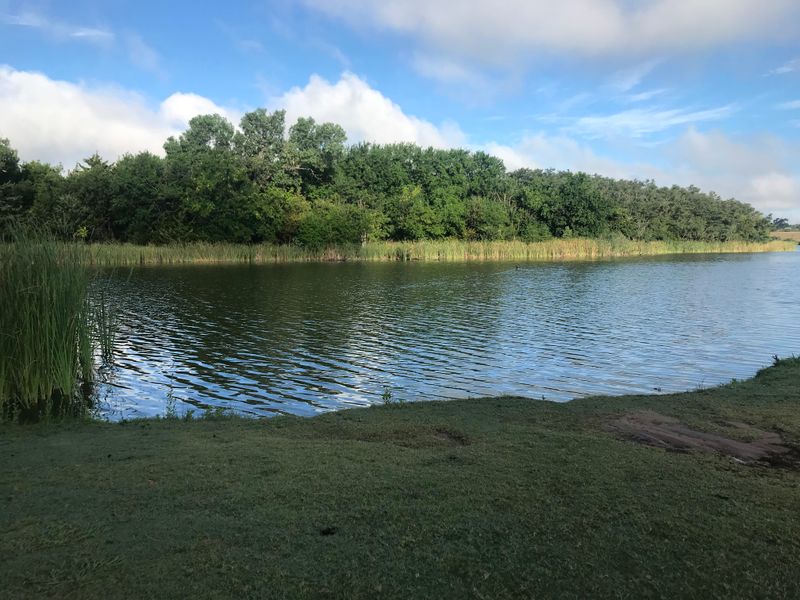
Skipout Lake sits in Roger Mills County, Oklahoma, near the small town of Cheyenne.
When I first stumbled upon this place, I honestly thought I had taken a wrong turn. The lake itself is modest in size, nothing like the sprawling reservoirs you find elsewhere in Oklahoma.
But that was part of its charm.
Built decades ago primarily for irrigation and local recreation, Skipout Lake served the surrounding farming community without much fanfare. Families from nearby towns would make the short drive for weekend picnics and fishing trips.
The facilities were basic but functional.
One visitor from Pampa, Texas, shared memories of spending two weeks every summer here during the 1960s and 70s. Those were the golden years when the lake belonged mostly to regulars who returned season after season.
The pace was slow, the crowds were nonexistent, and the focus was purely on enjoying nature.
Today, that same tranquility feels like a distant memory as out-of-state plates fill the parking areas throughout much of the year.
What Drew People Here in the First Place
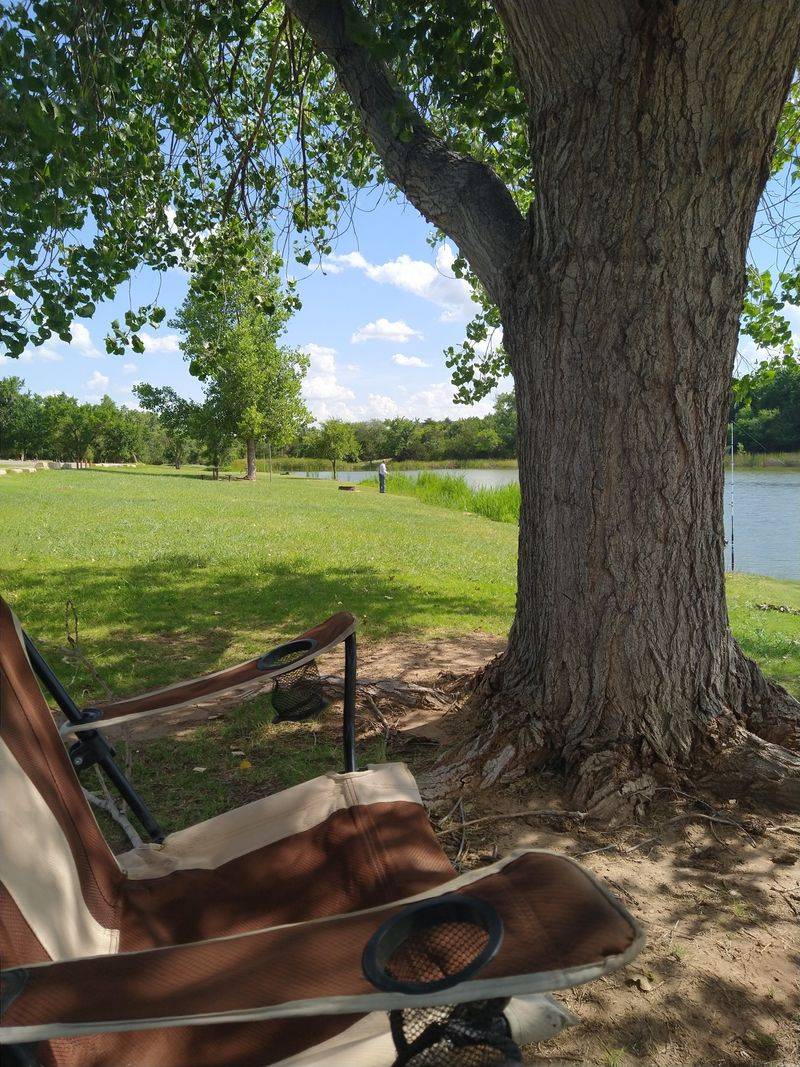
The original appeal of Skipout Lake was its simplicity. You could show up without a reservation, claim a spot near the water, and spend your days fishing without another soul bothering you.
The lake earned a solid 4.2-star rating on Google Maps, with many visitors praising its quiet atmosphere and excellent fishing opportunities. One reviewer called it a beautiful, quiet lake with lots of fish and very fun to explore.
That assessment captured what made the place special.
The surrounding Wildlife Management Area provided additional recreation for hunters, particularly during waterfowl and upland game seasons. The proximity to these hunting grounds made Skipout Lake an ideal base camp.
You could fish in the morning and hunt in the afternoon without driving more than a few minutes.
The lack of commercial development meant no marinas, no rental facilities, and no crowds competing for the best spots. You brought everything you needed and left with everything you came with.
This self-sufficient approach attracted people who valued solitude over convenience.
That authentic outdoor experience became increasingly rare across Oklahoma, which ultimately proved to be both a blessing and a curse for this hidden spot.
The Tipping Point That Changed Everything
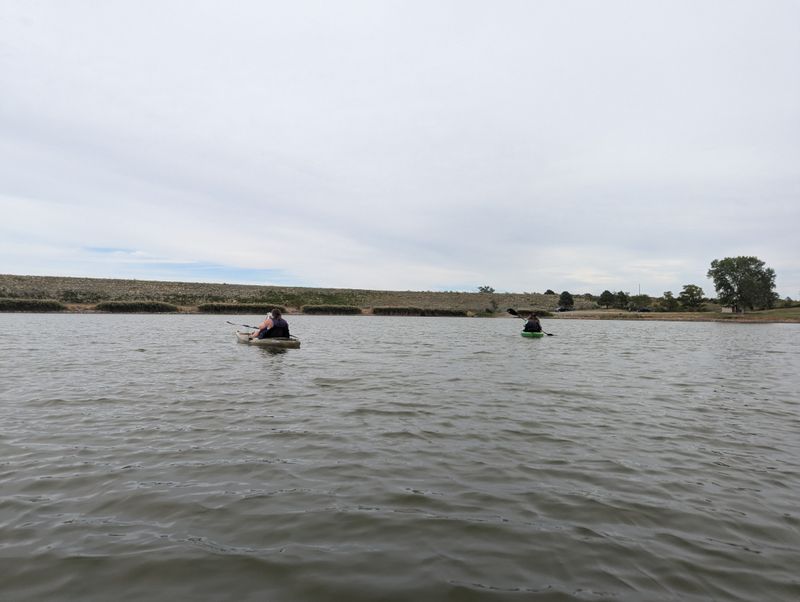
Pinpointing exactly when Skipout Lake went from secret to sensation is tricky, but several factors converged around the same time. Social media played an obvious role as outdoor enthusiasts began sharing photos and location tags.
The pandemic sparked a massive surge in outdoor recreation nationwide. People who had never considered camping suddenly bought gear and started searching for accessible natural areas.
Skipout Lake, with its free or low-cost camping and easy access, became an attractive option.
Out-of-state hunters discovered the lake through online forums and hunting websites. One local reviewer noted feeling frustrated by the influx of hunters from other states, saying it created issues similar to those back in their home state.
The competition for camping spots during hunting season intensified dramatically.
The lake’s proximity to the Texas border meant it was an easy drive for residents of the Texas Panhandle looking for a quick getaway. What used to be a destination known primarily to Oklahomans suddenly appeared on travel itineraries across the region.
The infrastructure, designed for modest use, struggled to accommodate the increased traffic, creating problems that persist today.
The Fishing That Built the Reputation
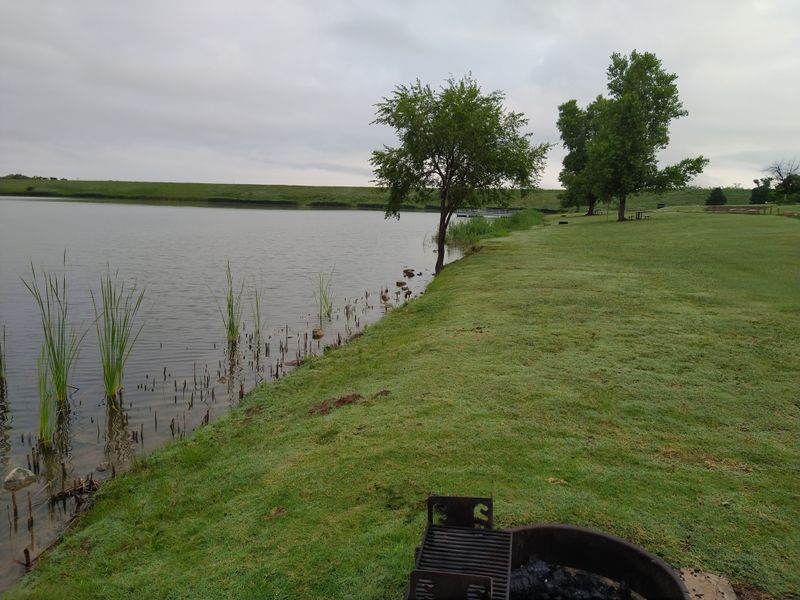
Ask anyone who visited Skipout Lake in the early days what they remember most, and fishing tops the list. The lake supports populations of bass, catfish, and various panfish species that kept anglers coming back.
I spent countless mornings casting from the shore, watching the sun rise over the water while waiting for that telltale tug on the line. The fishing was never world-class, but it was consistent and accessible.
You didn’t need a boat or expensive gear to catch dinner.
The relatively small size of the lake meant fish populations were easier to locate. Local knowledge passed down through families helped, but even newcomers could find success with basic techniques.
Catfish were particularly abundant, and I rarely left empty-handed when targeting them specifically.
As word spread about the fishing opportunities, more anglers arrived. The increased pressure on fish populations became noticeable.
While the lake still offers decent fishing, the ease of catching fish that characterized earlier years has diminished somewhat.
Wildlife officials continue to manage the fishery, but balancing conservation with increased recreational demand presents ongoing challenges for this small Oklahoma water body.
Camping Spots That Disappeared Overnight
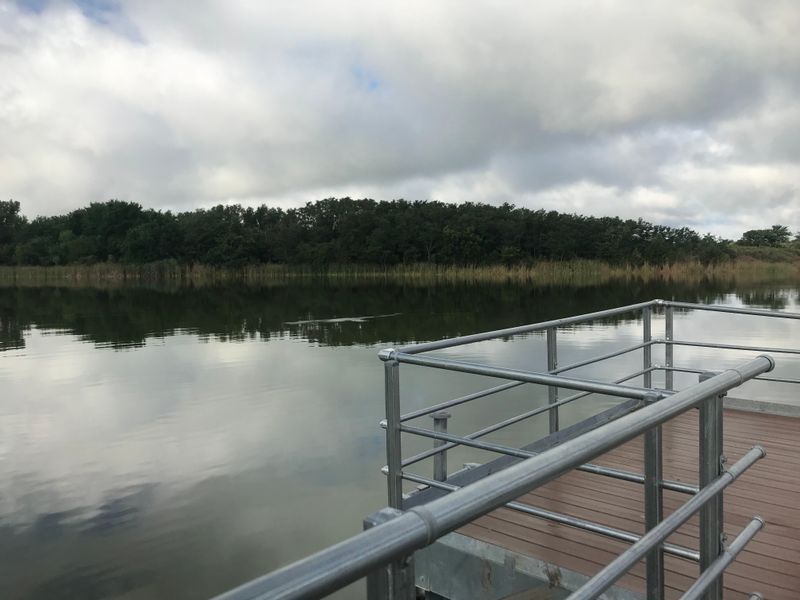
The camping situation at Skipout Lake represents the most visible change from past to present. The available sites were never numerous, but they used to be sufficient for the modest number of visitors.
One reviewer specifically mentioned that the lake could benefit from additional camping spots, noting they had plenty of room to expand. That comment highlights a fundamental issue: the infrastructure hasn’t grown to match the demand.
During peak seasons, particularly hunting season and holiday weekends, finding an open spot became nearly impossible. I watched the transformation happen gradually, then suddenly.
One year I could arrive on a Friday afternoon and have my pick of locations. The next year, spots were claimed by Thursday evening.
The camping areas themselves are basic. You won’t find electrical hookups, water connections, or dump stations.
Sites consist of cleared areas with fire rings and sometimes a picnic table. The primitive nature appealed to purists but limited the lake’s ability to accommodate RVs and larger camping setups.
Competition for these limited spots created tensions that never existed in the quieter days, fundamentally altering the atmosphere.
The Wildlife Management Area Connection
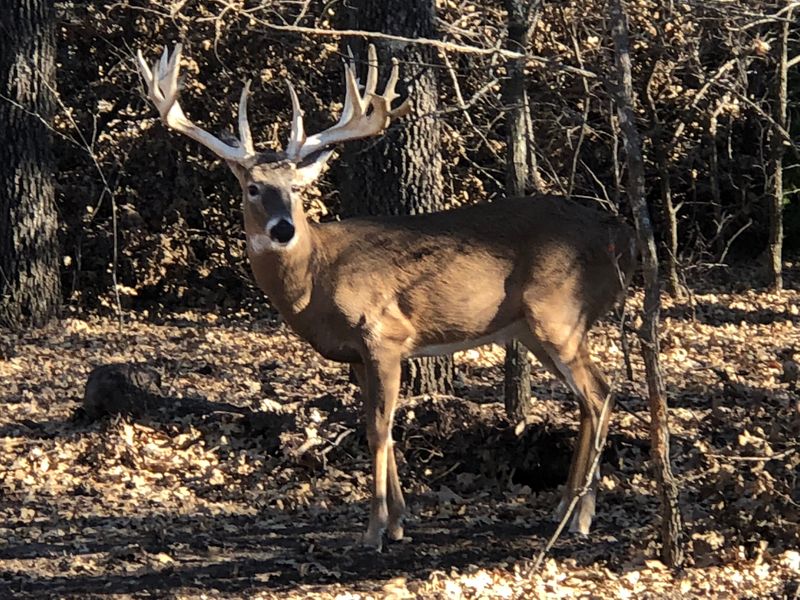
The surrounding Wildlife Management Area significantly influenced Skipout Lake’s popularity, particularly among hunters. These public lands offer opportunities for waterfowl, deer, turkey, and upland game hunting depending on the season.
I’ve walked these areas during the off-season and found them beautiful in their stark simplicity. The rolling grasslands and occasional tree lines create classic Oklahoma prairie scenery.
Wildlife is abundant even when you’re not hunting.
Hunters appreciate the easy access from the lake’s camping areas. You can set up a base camp and be in prime hunting territory within minutes.
This convenience made Skipout Lake an ideal headquarters for multi-day hunting trips.
The influx of out-of-state hunters, mentioned repeatedly in reviews, created friction with local sportsmen who felt crowded out of areas they had used for generations. This tension reflects broader debates about public land access and resident versus non-resident usage.
The Oklahoma Department of Wildlife Conservation manages both the lake and surrounding lands, attempting to balance conservation goals with recreational access. The increased pressure from tourism complicates these management decisions significantly.
The Trash Problem Nobody Wants to Discuss
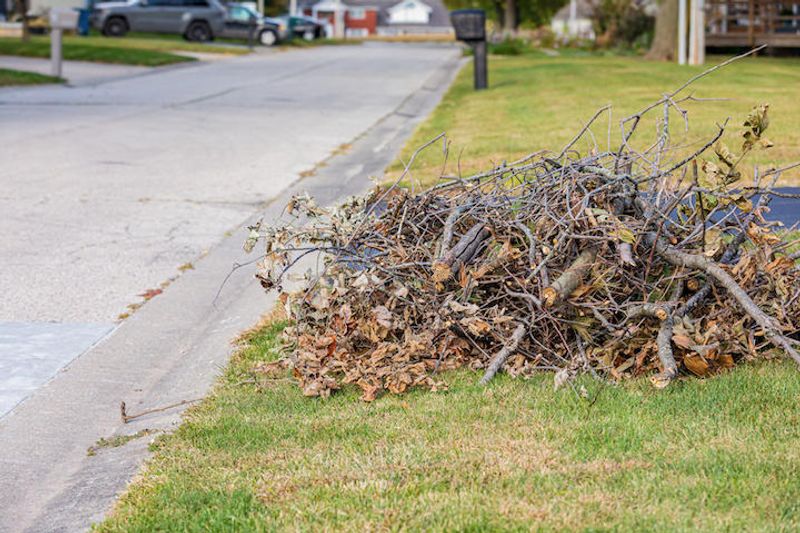
Multiple reviewers mentioned trash and broken glass scattered throughout the camping areas. One visitor spent their entire stay trying to clean up the mess, expressing frustration with the lack of respect shown by other users.
I witnessed this deterioration firsthand over multiple visits. Areas that were once pristine gradually accumulated debris.
The problem wasn’t just typical camping trash but also broken bottles, abandoned equipment, and general neglect.
The lack of regular maintenance and trash collection services contributed to the issue. With limited facilities and no on-site management, the responsibility fell entirely on users to pack out what they brought in.
As visitor numbers increased, compliance decreased.
Another reviewer specifically stated the place needs cleaning and urged people to throw away their trash and pick up after their stay. This plea highlights the disconnect between increased tourism and corresponding stewardship.
The trash problem represents more than just aesthetics. Broken glass poses safety hazards, particularly for children and pets.
Wildlife can be harmed by improperly disposed waste. The environmental impact extends beyond visual blight.
Addressing this issue requires either increased enforcement and maintenance funding or a cultural shift among visitors toward better outdoor ethics.
Perhaps the most disturbing review came from a visitor who experienced harassment from local youth during their stay. They described vehicles full of people repeatedly driving by their campsite, creating an intimidating atmosphere that forced them to leave early.
This account stands in stark contrast to the peaceful oasis the lake once represented. The visitor mentioned that even a person from the sheriff’s department appeared, ostensibly looking for a missing person, though the timing seemed suspicious given the ongoing harassment.
I’ve never personally experienced anything similar during my visits, but the review raises concerns about safety and the changing dynamics as the lake attracts more diverse groups of users. The tension between locals and outsiders, already evident in hunting season complaints, apparently extends to other interactions as well.
The isolation that made Skipout Lake appealing also means limited law enforcement presence. The nearest town is small, and response times for issues can be lengthy.
This reality creates vulnerability for campers, particularly those staying alone or in small groups.
Whether this incident represents an isolated problem or a growing trend remains unclear, but it certainly tarnishes the lake’s reputation as a safe, welcoming destination.
Seasonal Shifts and Timing Your Visit
Understanding when to visit Skipout Lake makes all the difference in your experience. The dramatic variation between peak and off-peak seasons affects everything from crowd levels to available camping spots.
Spring and fall bring the heaviest traffic, particularly during hunting seasons. Waterfowl hunters arrive in late fall and winter, while turkey and deer seasons draw crowds at other times.
Planning around these periods is essential if you’re seeking solitude.
Summer offers warmer weather for fishing and camping, though Oklahoma heat can be intense. I’ve found early summer, before schools let out, provides a sweet spot with decent weather and fewer visitors.
Late summer brings its own challenges with heat and occasional drought conditions affecting water levels.
Winter visits can be surprisingly pleasant if you dress appropriately. The cold deters many casual visitors, returning the lake to something closer to its former quiet state.
Fishing slows but doesn’t stop entirely, and the stark beauty of the winter landscape has its own appeal.
Weekdays always offer better chances of finding space and peace compared to weekends, regardless of season. The working week keeps most tourists away, leaving the lake to retirees, remote workers, and those lucky enough to have flexible schedules.
Despite the challenges and changes, Skipout Lake still offers experiences worth seeking. The fundamental natural beauty that attracted visitors initially hasn’t disappeared, even if the solitude has diminished.
The sunrises remain spectacular. I’ve watched the sun break over the eastern horizon countless times, painting the sky in colors that no camera adequately captures.
Those moments of natural beauty persist regardless of how many other people might be camping nearby.
The wildlife continues to thrive. Birds, both resident and migratory, use the lake and surrounding areas.
Watching waterfowl land on the water or spotting a hawk circling overhead connects you to the natural rhythms that have existed here far longer than any human visitor.
The fishing, while perhaps not as easy as it once was, still provides opportunities for success and the meditative peace that comes from time spent on the water. Teaching a child to fish or simply enjoying the process yourself remains worthwhile.
The night sky, far from city lights, displays stars in abundance. This aspect of the experience hasn’t changed, offering perspective and wonder that urban life rarely provides.
Dear Reader: This page may contain affiliate links which may earn a commission if you click through and make a purchase. Our independent journalism is not influenced by any advertiser or commercial initiative unless it is clearly marked as sponsored content. As travel products change, please be sure to reconfirm all details and stay up to date with current events to ensure a safe and successful trip.
