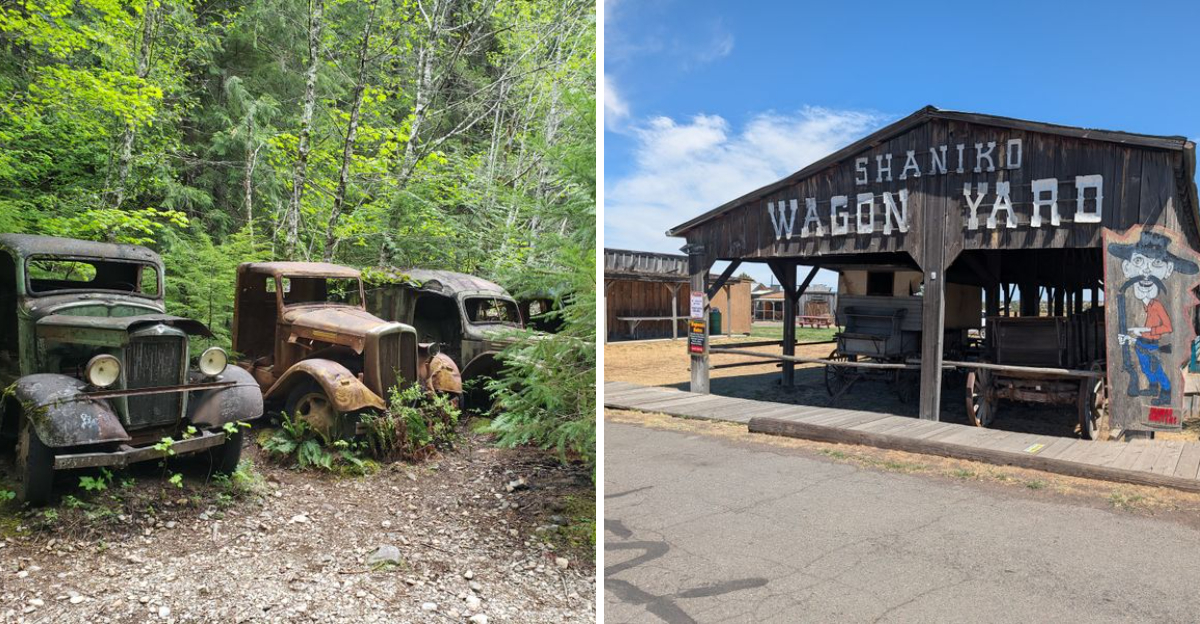
Oregon tells its stories in places time forgot, where wind moves through boardwalks and moss guards the last names on weathered signs.
You can step onto quiet streets, hear your footsteps, and imagine the bustle that once echoed here.
Every site on this list once drew crowds, paydays, and possibilities, only to be left as the state shifted routes and dreams.
These are not theme parks, they are real fragments of Oregon history that still breathe.
You will find creaking schoolrooms, shuttered resorts, and tunnels beneath a modern city.
Each stop rewards patience, respect, and a love for the past.
Let this guide help you see what remains, and why it still matters.
1. Shaniko
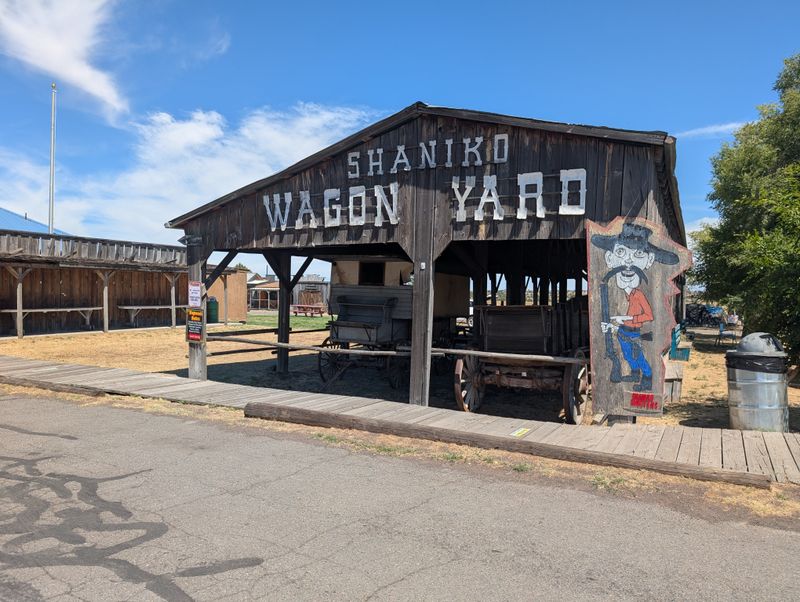
Shaniko was once a proud wool hub on the high desert, its streets lined with storefronts that promised a future as wide as the horizon.
When routes shifted, the lifeblood thinned, and the whistles stopped echoing across the sage.
Today you walk past the hotel, the old water tower, and a few steadfast facades that hold the town’s outline in place.
Stand in the quiet and you can picture wagons, busy hands, and ledgers filled with orders that kept Oregon’s interior humming.
The dry light makes every nail and plank look crisp, and the stillness turns each corner into a small museum.
Respect the buildings, keep to paths, and let the past do the talking without needing to push too hard.
The high desert sky changes the mood each hour, bright at midday, then soft with long shadows that define every angle.
Photographers love the texture, and history fans love the straightforward story written in wood and dust.
This is not a stage set, it is a survivor, and the road here reminds you how distance shaped the state.
Find it at 214 Main Street, Shaniko, Oregon, and give yourself time to listen for what once was.
Even a brief pause lets the wind carry fragments of imagined voices through open doorways.
The town rewards patience, revealing details only when you slow enough to notice grain, joints, and shadows.
What remains feels honest rather than staged, shaped by weather, distance, and time.
Leaving Shaniko, you carry a clearer sense of how Oregon’s interior towns rose, waited, and endured.
2. Buncom
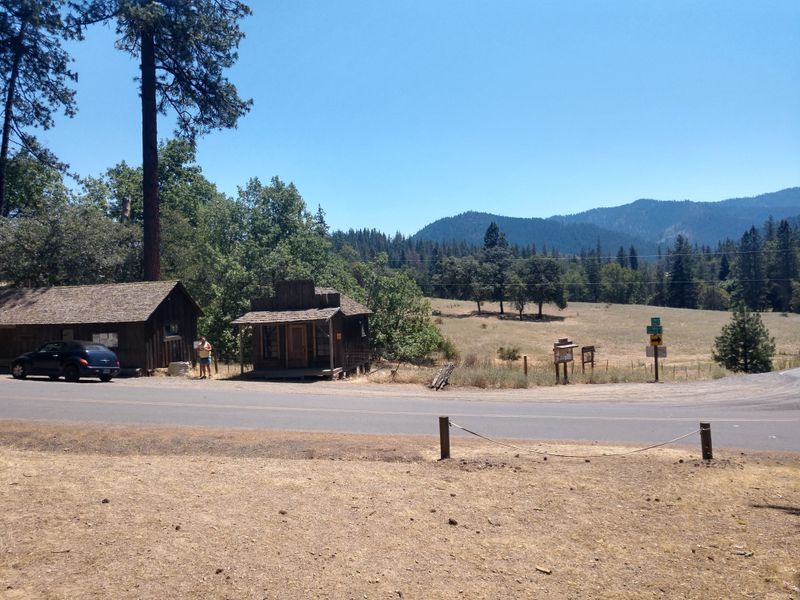
Buncom sits tucked in a quiet valley, where a post office, cookhouse, and bunkhouse remain like chapters left open.
Mining once pulled people here, then time loosened the grip, and the hills reclaimed the noise.
Walk the small cluster of buildings and you feel the rhythm of work days that once ran on hope and grit.
The structures are modest, beautifully so, and every window frame seems carved from persistence.
Volunteers helped stabilize what remains, which is why the place still stands ready for careful visitors.
Bring curiosity, tread lightly, and notice how silence can be generous when you let it guide the tour.
Oregon’s story often hides in small pockets like this, away from highways and headlines.
Look closely at the joinery, the patched corners, and the way the roofs meet the forgiving sky.
The creek sets a gentle soundtrack that makes the scene feel lived in, even as the years drift.
Find Buncom at 8300 Little Applegate Road, Jacksonville, Oregon, and let the past greet you at the bend.
Even a short visit invites reflection on how communities form around effort, then fade with equal quiet.
Light filtering through trees softens edges and highlights the careful balance between preservation and decay.
Photography here favors restraint, capturing texture and proportion rather than spectacle.
Walking back to the road, you carry a sense that Oregon’s past survives best where it is allowed to remain small and honest.
3. Jawbone Flats
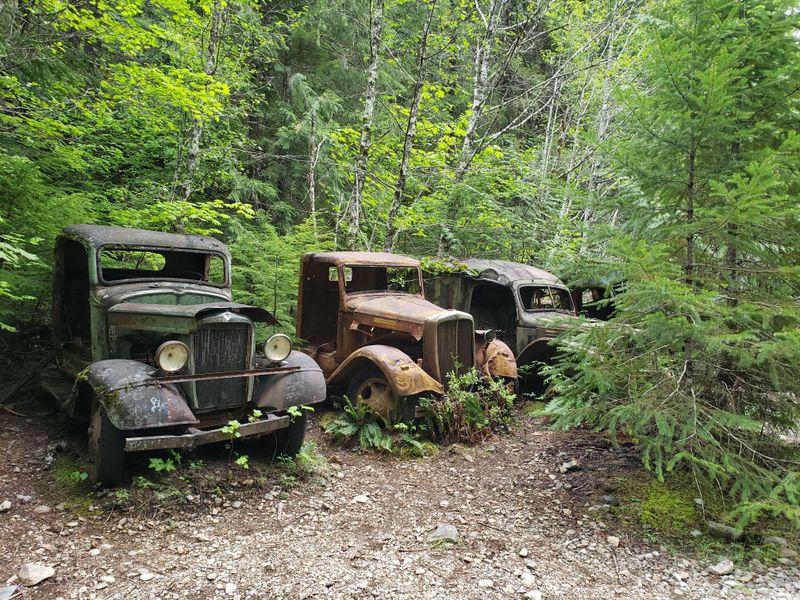
Jawbone Flats sits deep among tall firs, a former mining camp where cabins and equipment tell the story without fuss.
Trails lead through green light, then into a clearing where the buildings rest like tools set down for a long pause.
You notice pulleys, rails, and timbers, the working parts of a past that powered hopes for a steady strike.
The creek runs clear, and the air holds that cool scent you only find in Oregon forests after rain.
This was once a small community, and you can still sense the everyday routines in the spacing of doors and porches.
Respect closures and current restoration efforts, since safety and stewardship matter here more than any photo.
Listen for birds, watch for slick roots, and bring layers, because the shade settles early in the canyon.
The quiet makes every remaining artifact feel precise, like pages in a field notebook you turn with care.
It is a place to slow down, read the land, and let history meet the present without hurry.
Reach the site via Opal Creek Trailhead, 34500 North Fork Road SE, Lyons, Oregon, and walk the last stretch in.
Light drifts through the canopy in fragments, marking hours instead of minutes.
Rust and moss negotiate space on old metal, each season shifting the balance slightly.
You begin to understand the camp not as a ruin, but as a conversation paused mid sentence.
Footsteps feel deliberate here, as if the ground expects attention in return.
When you leave, the forest closes ranks quietly, keeping its stories until someone listens again.
4. Wilhoit Springs
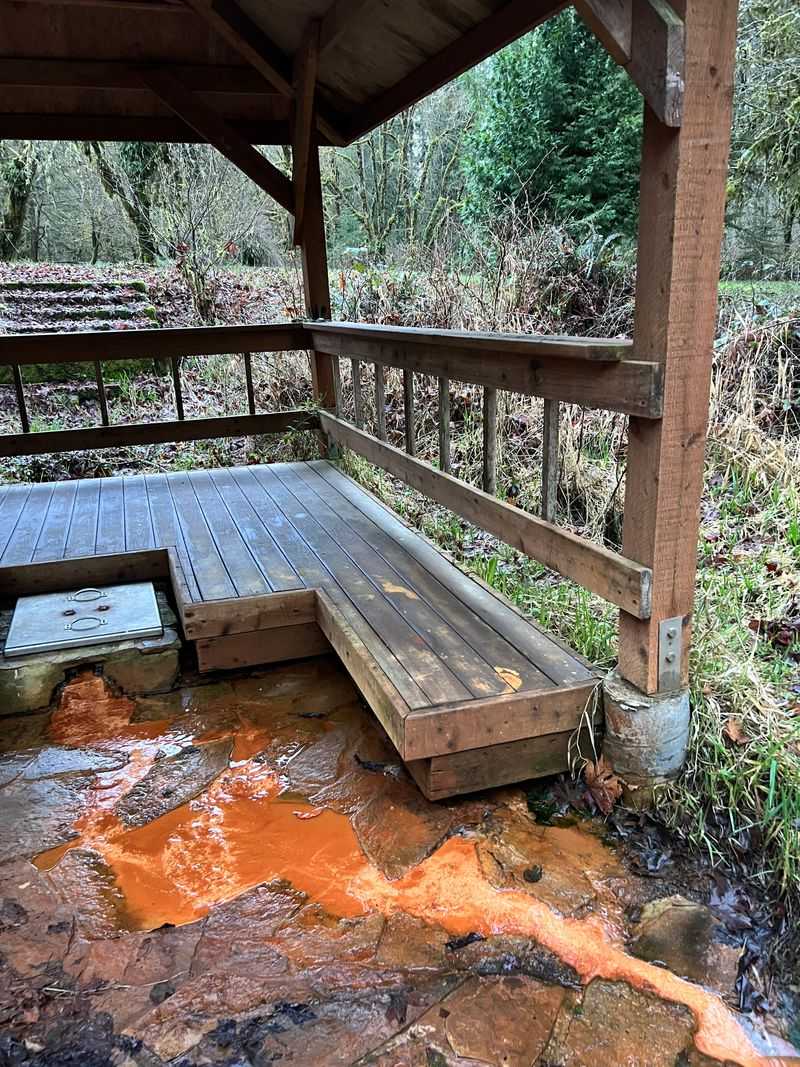
Wilhoit Springs once drew visitors for mineral waters, gardens, and fresh air, a resort tucked in the hills of the Willamette Valley.
Time transformed the grounds into a quiet park where foundations and remnants outline the old gathering spaces.
You can walk paths, hear leaves move, and picture porches where guests compared cures and gossip.
The spring still bubbles, and the setting feels gentle, shaded, and close to the soil.
Interpretive signs help you map the vanished halls, so the imagination does not need to carry the load alone.
Families now come for picnics, bird songs, and a slow hour near the water’s edge.
Oregon preserves memory in places like this, where leisure once defined a day’s purpose.
Keep your visit simple, take only photos, and give the remaining stonework the space it deserves.
The beauty is quiet, the kind that lingers after you drive away, like a tune you cannot place.
Find the park at 9300 S Wilhoit Road, Molalla, Oregon, and follow the loop to the old heart of the resort.
Moss creeps along edges where tile and timber once met, softening the geometry of leisure past.
The air feels rinsed here, carrying a faint mineral note that explains the spring’s early appeal.
Walking slowly, you sense how rest itself was once the main attraction.
Light through the trees marks the afternoon gently, without urging you onward.
Leaving the park, the calm travels with you, subtle and grounding, long after the road curves away.
5. Opal Creek Mining Area
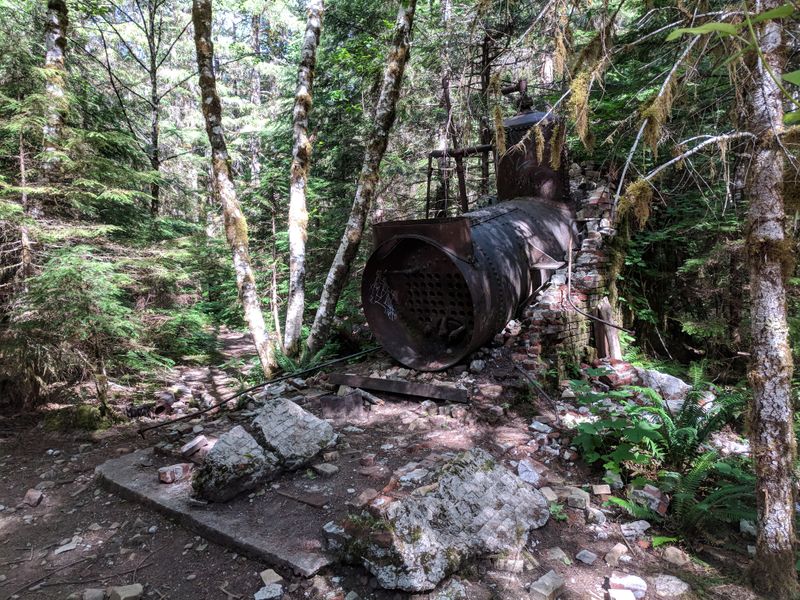
Opal Creek holds rugged peaks, deep pools, and remnants of an industrial past that once chased ore through the hills.
Cabins, tracks, and weathered equipment now sit against a lush backdrop where ferns claim every edge.
The forest speaks softly here, and the water keeps its own steady rhythm along the gorge.
Visitors come for the scenery, then end up lingering over the detail in each rusted panel and bolt.
Stewardship is essential, so stay on marked routes and honor any closures that protect restoration.
Fire and storms have altered access in recent years, which makes planning and current conditions more important.
When sun strikes the pools, green light fills the canyon and the past seems close enough to touch.
You will find the old industrial footprint humbling beside such resilient Oregon beauty.
It is a lesson in impermanence, written in cedar shade and iron.
Begin at Opal Creek Trailhead, 34500 North Fork Road SE, Lyons, Oregon, and check updates before heading out.
Each bend in the trail shifts perspective, trading wide views for intimate scenes of stone and water.
Quiet pools invite pauses that feel earned rather than planned.
Metal and moss coexist without conflict, showing how quickly usefulness turns into history.
The canyon encourages humility, reminding you that human effort is only one brief layer in a longer story.
You leave with muddy boots, sharper attention, and a renewed respect for places that demand care before admiration.
6. Kinton Schoolhouse
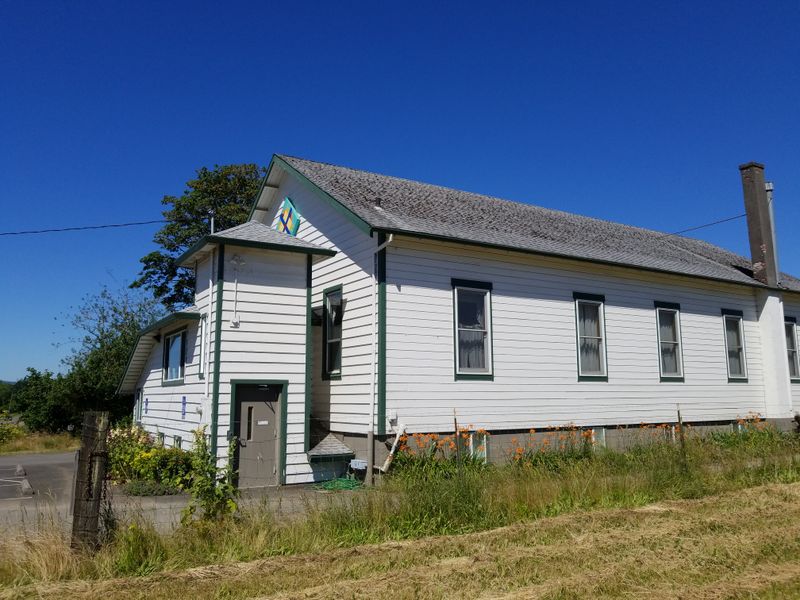
The Kinton Schoolhouse rests beside fields and orchards, a small brick and wood landmark that taught generations before buses rolled farther.
Standing outside, you can almost hear a bell that called lessons to order and marked the start of a day.
The roofline, windows, and entry steps frame a simple promise, learning close to home.
As districts consolidated, desks emptied and chalkboards fell quiet, leaving echoes on the walls.
The building’s lines remain handsome, and the setting keeps a rural calm that fits the story.
Photographers like the way afternoon light warms the facade and pulls detail from the trim.
Oregon’s growth changed where families gathered, and this corner shows that shift in one glance.
Look with care, keep to public viewpoints, and preserve the privacy that helps places like this endure.
The lesson now is about memory, community, and the spaces that shaped both.
Find it near 19000 SW Scholls Ferry Road, Beaverton, Oregon, where farm roads meet gentle hills.
A pause here invites reflection on how education once followed walking distance and seasons.
Wind through nearby fields replaces recess noise, yet the sense of routine still feels present.
Small details – brick joints, worn steps, proportioned windows – reward an unhurried look.
The site reads as a hinge point between local tradition and regional expansion.
Driving away, you carry a quieter understanding of how learning shaped – and was reshaped by – Oregon’s changing landscape.
7. Golden
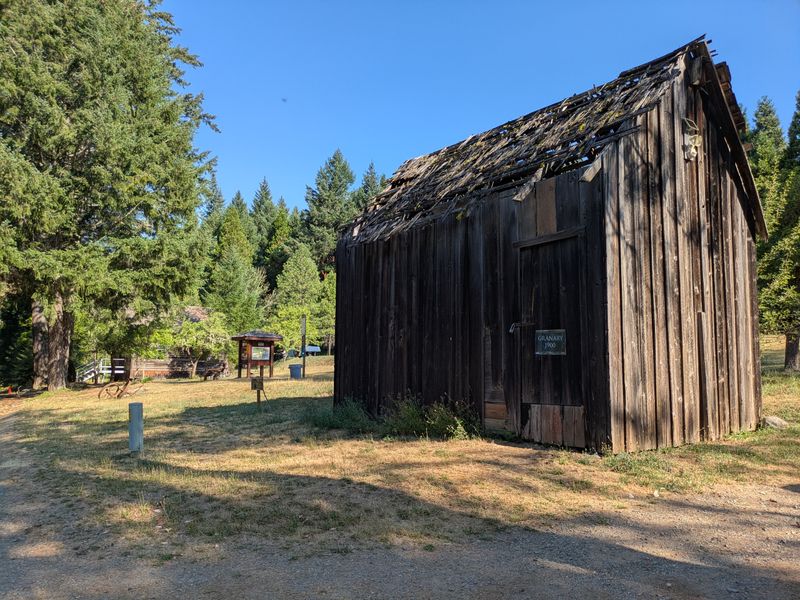
Golden lies along a quiet creek, its church and cabin outlines turning the clearing into a soft spoken stage.
Prospectors once filled these paths with plans, then left when the ground could not keep promises.
Now the buildings stand as careful restorations, solid enough to show the shape of daily life.
Walk slowly and notice how doorways frame the woods, and how the bell tower lifts the eye.
You can feel a measured calm here that contrasts with the fever that named the place.
Interpretive panels share context, so the details settle into a clear story.
Leave everything as you find it, and let quiet be the guide through the site.
Oregon preserves this chapter so visitors can understand work, faith, and community in a small radius.
Light changes the color of the boards, making each visit feel fresh and honest.
Find Golden at 125 Ward Creek Road, Wolf Creek, Oregon, and park at the signed entrance.
Birdsong and moving water become the main narration, replacing human voices without erasing them.
The spacing between structures tells as much as the buildings themselves about cooperation and shared routines.
Photography here favors patience, waiting for light to settle rather than forcing a frame.
The site feels complete without embellishment, trusting restraint to carry meaning.
When you leave, the creek keeps flowing as if nothing ever paused, reminding you how briefly people pass through places like this.
8. Shanghai Tunnels, Portland
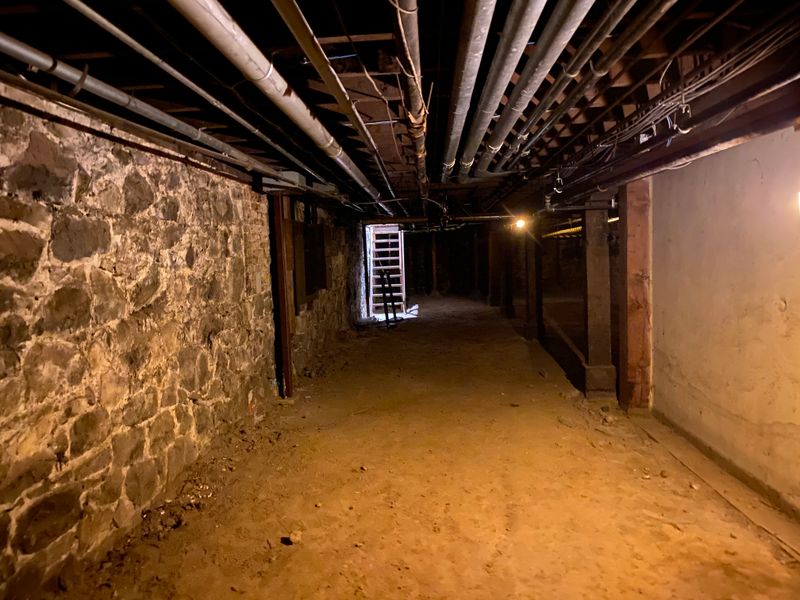
Beneath Old Town, a network of passages tells a complicated story of commerce, labor, and rumor that shaped early Portland.
Street level buzz fades as you imagine the hidden rooms where goods and people once moved under cover.
The tunnels connect basements, brick arches, and stairwells that trace the city’s first layers.
Guided access is the safest way to see parts of this world, since conditions vary and entries are controlled.
Even brief looks reveal masonry details and timberwork that outlived the businesses above.
The air feels cooler, the light sits low, and footsteps sound different on old bricks.
Oregon history is not only rural, and these corridors prove that cities keep secrets too.
Respect current operators, follow instructions, and avoid wandering without permission.
Above ground, the neighborhood’s cast iron fronts mirror the tunnels’ age in daylight.
Find the area around 120 NW 3rd Avenue, Portland, Oregon, and confirm tour availability before you go.
9. The Grotto Old Site Context
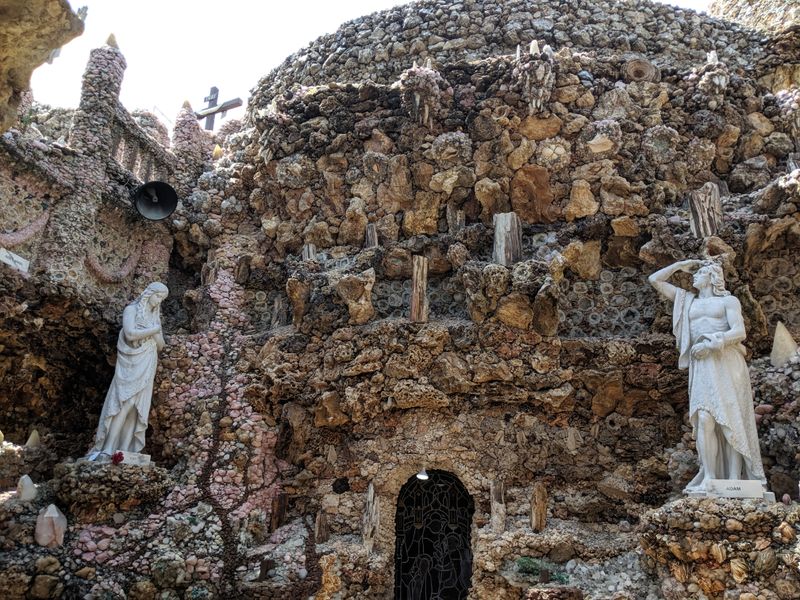
Early settlements across timber country built camps and company streets that faded when mills closed and rail lines shifted.
Some sites near the Columbia River Gorge now show only foundations, stairs to nowhere, and empty pads under bigleaf maples.
Walk the edges and you will see retaining walls that once held storefronts steady against winter storms.
The scale feels human, even with the forest working back through concrete seams.
Listen for wind on powerlines and for woodpeckers marking time on snag trunks.
Oregon’s boom and pivot cycle is written in these leftovers, plain and instructive.
Keep visits brief, stick to open public land, and treat every remnant as fragile.
It helps to carry a map and a sense of direction, since landmarks can blur in green light.
Take only photos of exteriors and settings, never disturbing what remains underfoot.
Use a known reference point like 1 Historic Columbia River Highway, Troutdale, Oregon, to orient your search responsibly.
10. Lone Rock
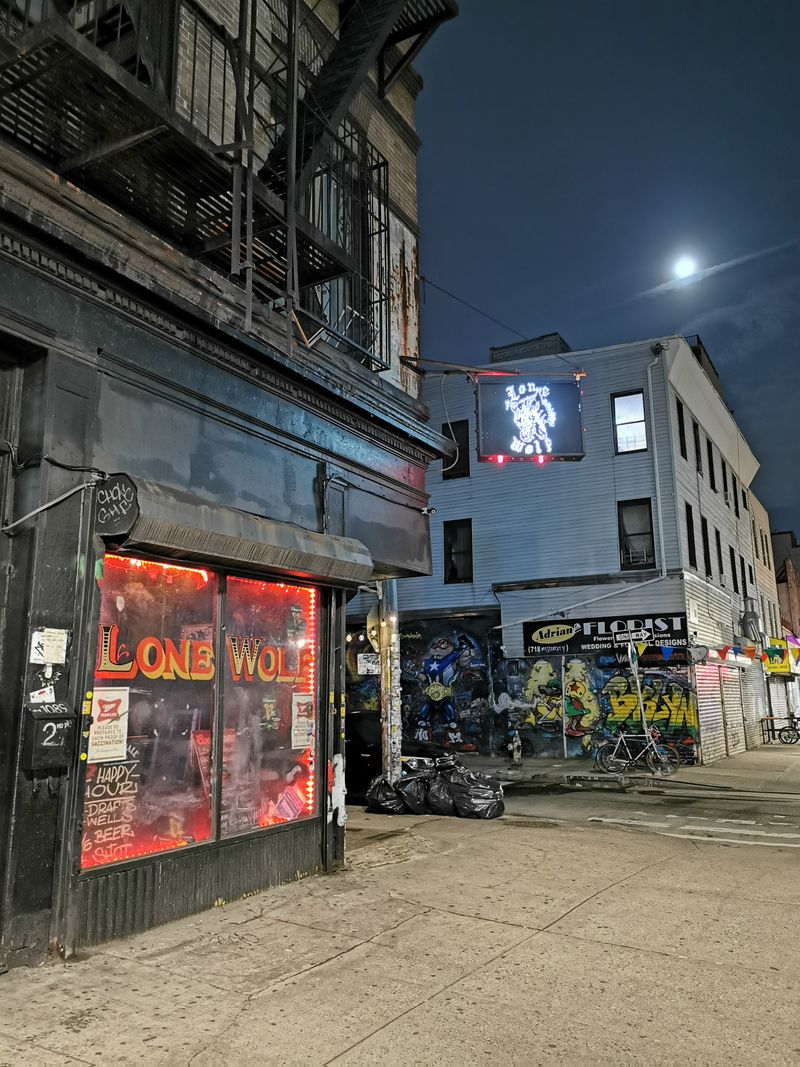
Lone Rock once supported a small rail side community on open prairie, with its namesake rock standing like a landmark on the skyline.
Tracks moved, freight patterns changed, and the storefronts thinned until the town quieted.
You can still find scattered structures and fences outlining where life gathered around the depot.
The road brings you through open country that turns gold, then gray, depending on the season.
Photographers like the long lines here, and the way empty space tells a full story.
This is Oregon stripped down to shape and light, with history riding the edge of the highway.
Arrive with respect, stay on public ways, and let the landscape set the pace.
The wind does most of the talking, and it carries well across the flats.
Even a brief stop can reveal how quickly a place can slip from busy to barely there.
Find Lone Rock near 60540 Highway 237, La Grande, Oregon, using turnouts for safe viewing.
Dear Reader: This page may contain affiliate links which may earn a commission if you click through and make a purchase. Our independent journalism is not influenced by any advertiser or commercial initiative unless it is clearly marked as sponsored content. As travel products change, please be sure to reconfirm all details and stay up to date with current events to ensure a safe and successful trip.
