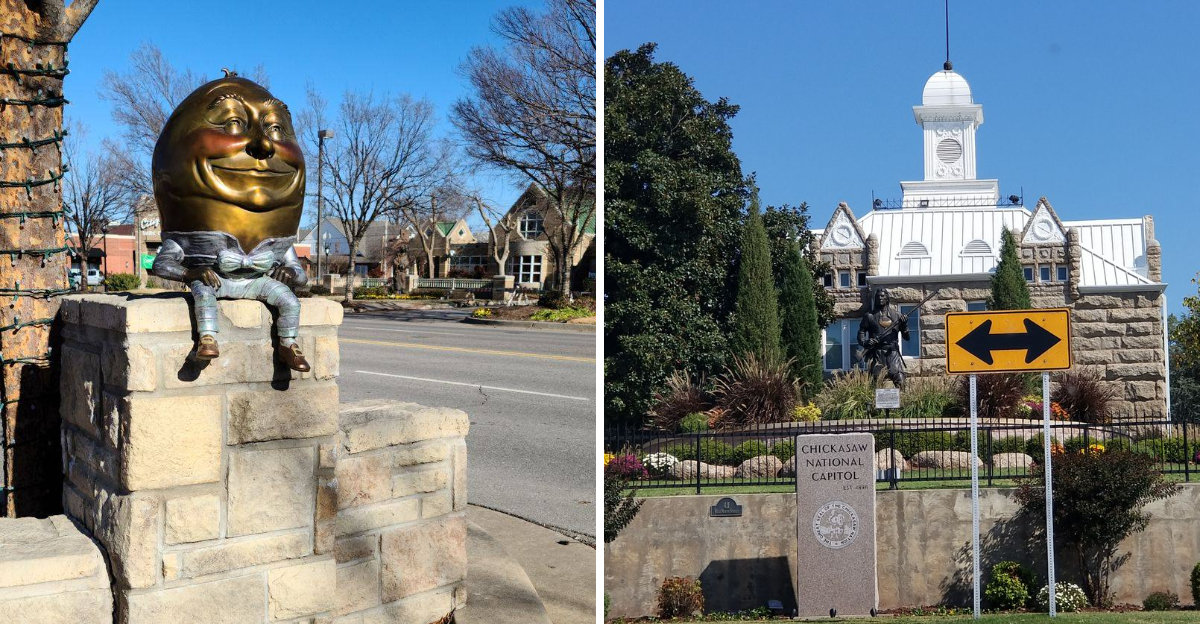
Oklahoma used to hide quiet corners where traffic slowed and time felt stretchy, but those pockets are harder to find now. Word spread, photos circulated, and weekend itineraries stacked up until calm streets turned into standstill queues. This guide walks you through beloved towns where crowds now shape the experience, with on the ground tips and exact addresses to orient your plans. Read closely, because a peaceful visit still exists if you choose the right hour, the right route, and the right mindset.
1. Guthrie
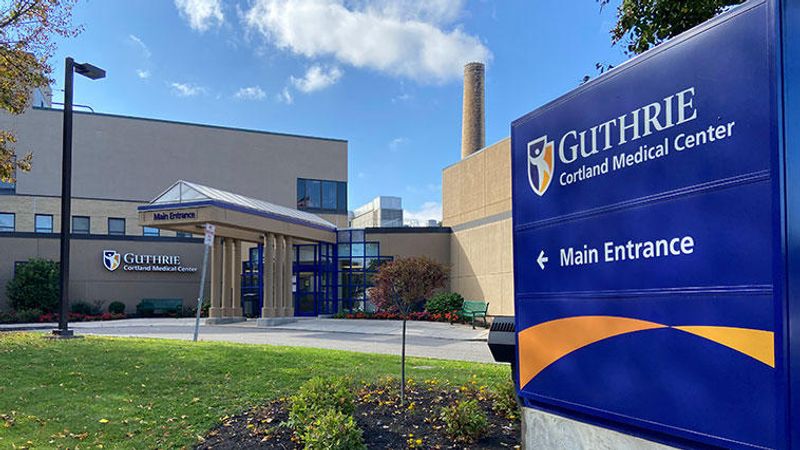
Guthrie draws you in with brick lined streets and tall Victorian facades that glow in soft morning light.
Arrive after sunrise and you can almost hear the clop of a long gone carriage, until tour vans roll in and the curb fills fast.
Weekends spike with festivals and parades that pack every corner, charming yet claustrophobic if you hoped for quiet.
The Oklahoma Territorial Museum at 406 E Oklahoma Ave anchors the historic core, and the Santa Fe Depot at 409 W Oklahoma Ave handles the telegraphed rhythm of events.
Parking along W Oklahoma Ave evaporates when vendor tents go up, so slip to side streets or use public lots near N 2nd St.
You will find antique shops with creaky floors and velvet lined theaters that make you whisper, even as lines coil to the sidewalk.
Step inside the Pollard Theatre at 120 W Harrison Ave to admire the interior details and the hush before a rehearsal.
Late afternoons can feel like a corridor of cameras, so angle for a weekday window when the red brick seems to breathe again.
Guthrie still rewards patience, especially if you plan a loop that skirts the busiest blocks without skipping the photogenic alleys.
The town’s story remains intact in this part of Oklahoma, but the setting now demands timing, water, and a flexible route.
2. Medicine Park
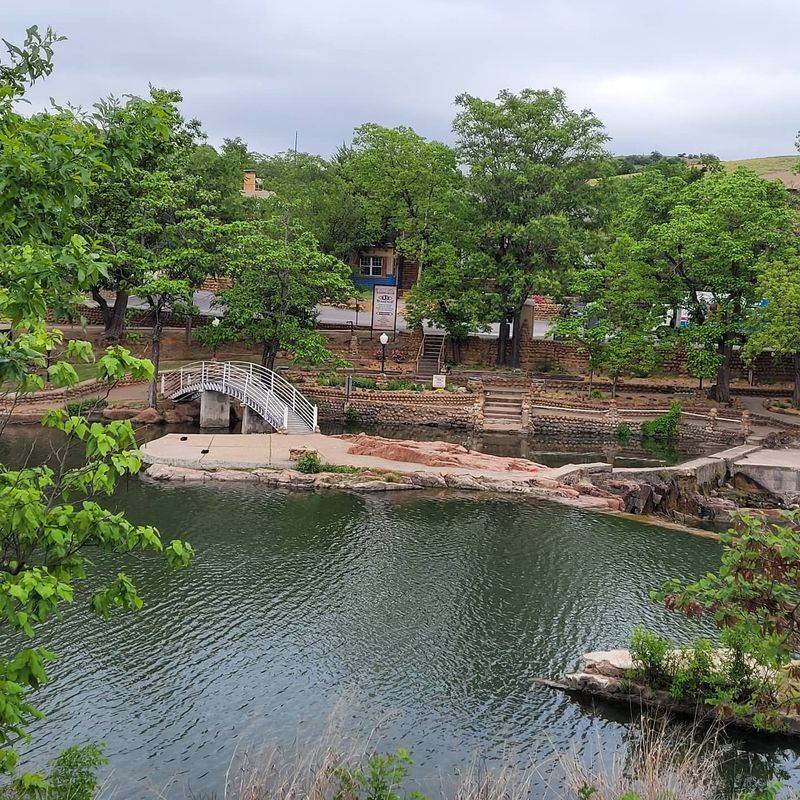
Medicine Park feels like a pocket of old world stone tucked beside cool water, until summer crowds surge and every boulder becomes a seat.
The cobblestone cottages and creek crossings photograph beautifully, which is exactly why tripods bloom along the paths before noon.
Weekends transform the quiet resort vibe into a parade of sandals and river floats, lively and loud.
Park near Town Hall at 154 East Lake Dr, then wander early to hear the creek before the shouts bounce off the canyon walls.
The Bath Lake area becomes a human mosaic by midday, and the footbridges can bottleneck with selfie stops.
Shade helps, yet the breeze vanishes when visitors pack the switchbacks that flank the water.
Slip up the hill for calmer viewpoints and watch golden light paint the cobblestones without the press of elbows.
Winter weekdays restore the whisper of the stones, and you might catch reflections that feel like a private showing.
This corner of Oklahoma rewards those who trade convenience for quiet, choosing dawn over midday and shoulder seasons over breaks.
Stay nimble, step lightly, and remember the cottages are lived in, not museum props, worthy of space and care.
3. Broken Arrow
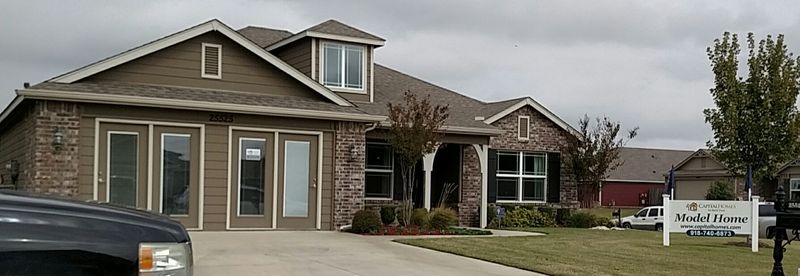
Broken Arrow grew from a sleepy suburb into a destination corridor where evening strolls now merge into a steady stream.
The Rose District lights up with murals and tidy sidewalks, which means the word is out and parking rotates constantly.
Quiet has been traded for energy, and that exchange is evident at almost every corner.
Center your bearings on the Rose District Plaza at 418 S Main St, a reliable landmark with benches and public art.
Main Street storefronts shine with fresh paint, though the best photos come early, before foot traffic clutters the sightlines.
Events amplify the buzz, and side streets become relief valves when the plaza fills.
Cross at calm intervals and duck into courtyards that still carry a small town pace in bursts.
This is Oklahoma’s suburban evolution, layered and polished, and travelers either embrace the pulse or flee to neighboring trails.
For interiors, scan lobby spaces that showcase local craftsmanship without adding more lines to your day.
Map smart, keep pockets of time unbooked, and the district reveals a livable rhythm behind the crowd pleasing surface.
4. Edmond
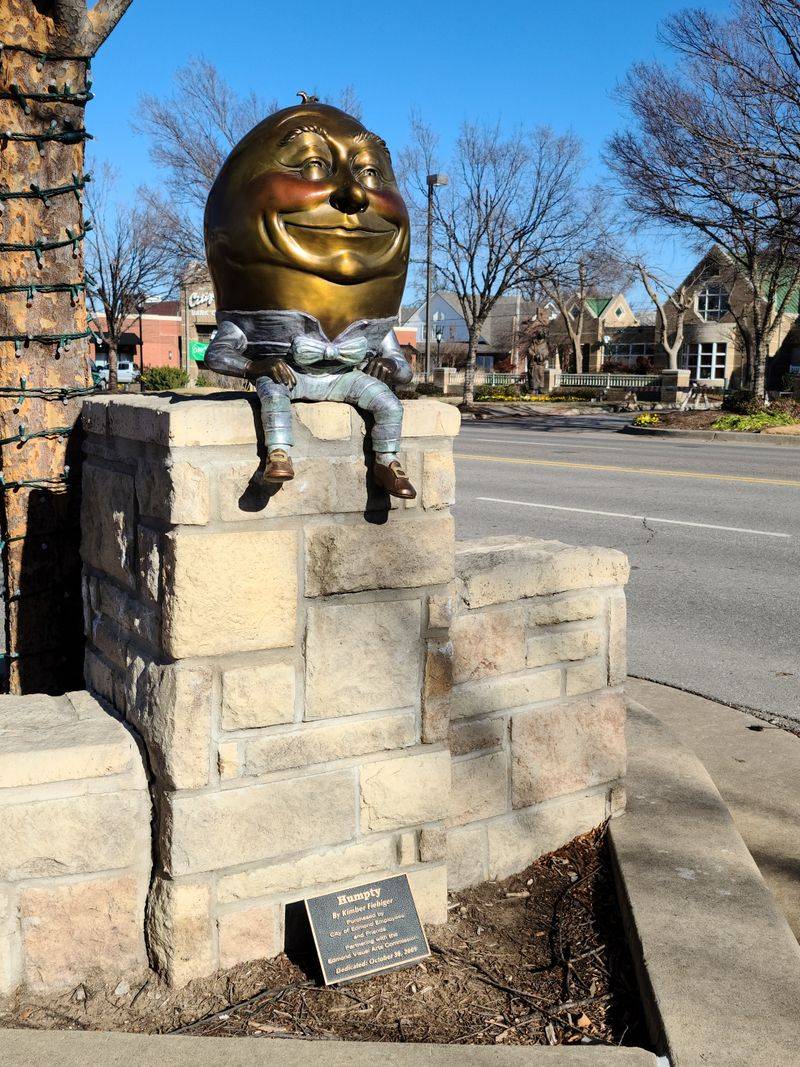
Edmond carries a collegiate shine and an artsy spine, which together draw a steady flow of weekend explorers.
Public sculptures dot the sidewalks like breadcrumbs, guiding you into pockets of charm that fill fast.
Quiet mornings give way to stroller traffic and photography groups working the same angles.
Start downtown near Festival Market Place at 30 W 1st St, a central spot with shade, seating, and seasonal activity.
Galleries add interior refuge, though popular openings turn into shoulder to shoulder circuits.
Parks around the core hum with joggers and families, especially when the sky is gentle and the light is soft.
Edges of campus blend into town, nudging drivers to slow and pedestrians to thread carefully.
If you want stillness, choose a weekday sunrise walk and loop back before the brunch rush lands.
This part of Oklahoma thrives on tidy streets and curated culture, a draw that naturally multiplies footsteps.
Plan for spillover, savor the art, and keep an alternate route in your back pocket.
5. Norman
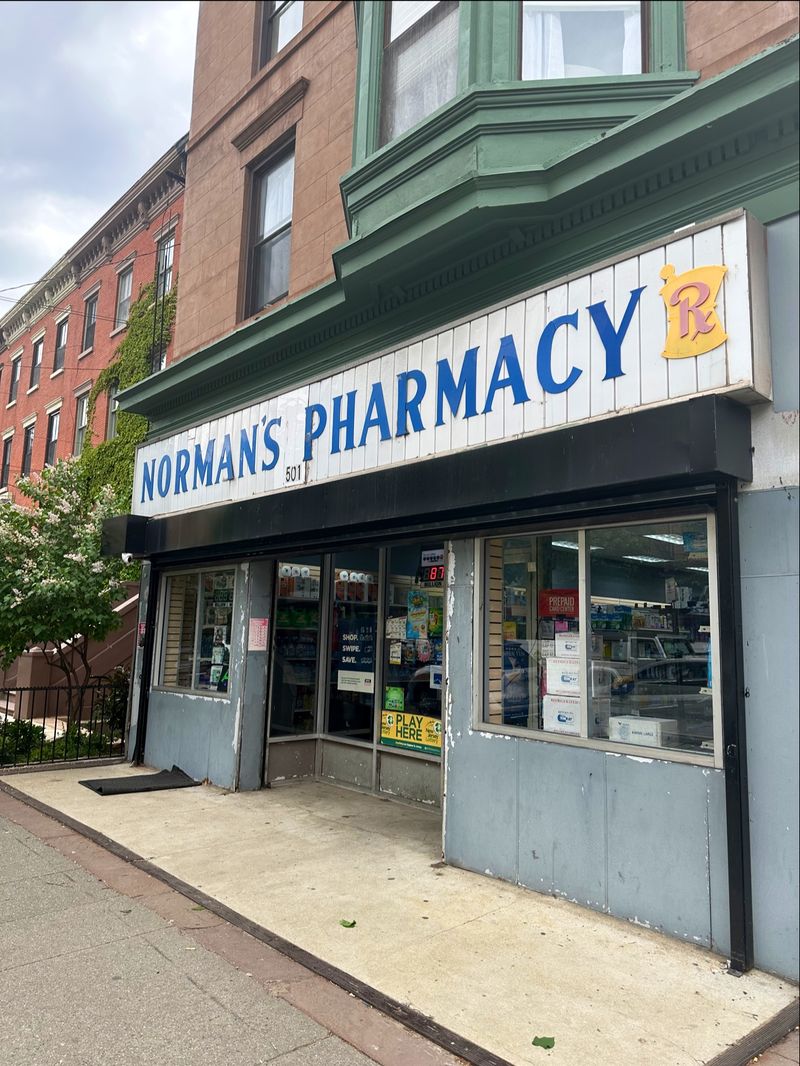
Norman hums even on quiet days, and game weekends turn that hum into a roar that swallows the corners of town.
Tree lined blocks near campus look serene until waves of visitors shift the tempo.
Small galleries and book filled lobbies make calm shelters when the sidewalks thicken.
Orient yourself at Andrews Park, 201 W Daws St, which anchors downtown with lawns, shade, and a relaxed frame.
Historic buildings along Main St invite slow viewing, but crosswalks start to queue as kickoff approaches.
You can feel the pace rise by the hour, a tide of orange cones, tailgates, and marching bands nearby.
Off season weekdays restore gentler rhythms, and the town’s murals shine without moving bodies in the frame.
Interior nooks, from civic spaces to quiet foyers, give you room to breathe and reset plans.
Oklahoma pride runs deep here, and it shows in tidy gardens and brickwork that wears the years well.
Visit with intention, book early, and leave buffer time for every crossing.
6. Beavers Bend Area, Broken Bow
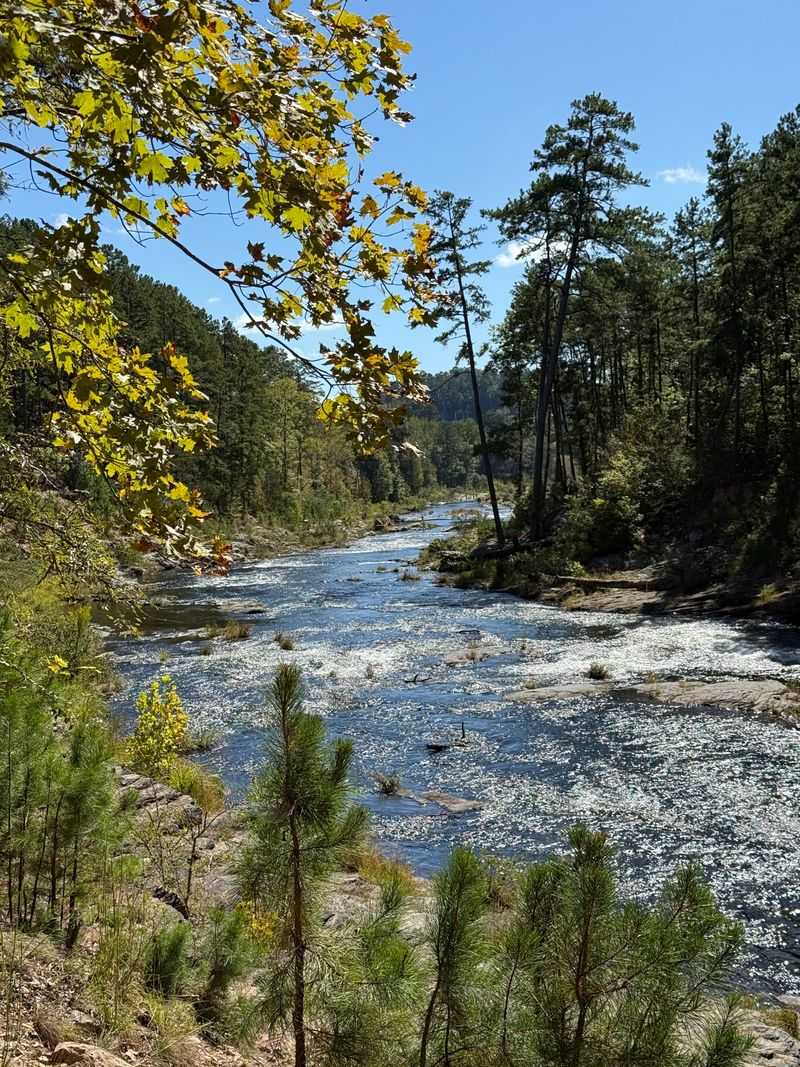
Beavers Bend State Park and the Broken Bow area once promised near solitude, yet now the forest hums with cabin check ins and trail chatter.
Parking lots at scenic pullouts fill early, and late arrivals circle like hawks searching for a gap among trucks.
Riverside overlooks feel busy enough to mimic a city park during peak season.
Use the Forest Heritage Center Museum at 4350 S State Hwy 259A as a waypoint and a quiet indoor pause.
Cabin clusters spill along wooded roads, so choose trailheads farther from the main loops for a breath of space.
Early fog can be magical and empty, but the spell breaks when convoys arrive with rental keys in hand.
Evenings gather around fire pits, and the soft thrum of conversation travels through the trees.
Oklahoma’s southeastern hills remain beautiful, yet patience is now part of the packing list.
Hike at first light, keep a backup trail, and park with room to spare for tight exits.
Respect quiet hours, wave often, and let the woods feel like a shared home rather than a theme park.
7. Grand Lake of the Cherokees
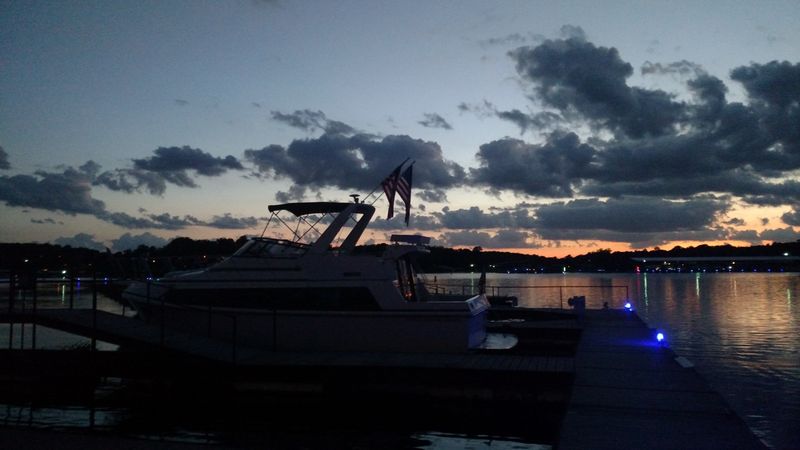
Grand Lake of the Cherokees spreads wide, and so does the influx of visitors who line docks and shoreline parks on bright days.
Marinas buzz with slip traffic, turning quiet mornings into a choreography of arrivals and radio calls.
Lakefront roads slow to a crawl when viewpoints clog with sunset watchers.
Use Wolf Creek Park, 963 N 16th St in Grove, as a dependable access point with parking and a clean sightline.
Benches along the water provide breezy pauses when the boardwalk feels too crowded.
Interior clubhouses and public pavilions offer shade and a place to study maps without jostling.
Weekdays run smoother, and shoulders of the season widen your personal space along the railings.
This is Oklahoma leisure territory, stitched together by gentle coves and bridges that frame the horizon.
Keep the camera ready yet step aside quickly so others can pass, a small courtesy that keeps tempers cool.
Sunset stays worth the wait, as long as you planned your exit before brake lights stack.
8. Tishomingo
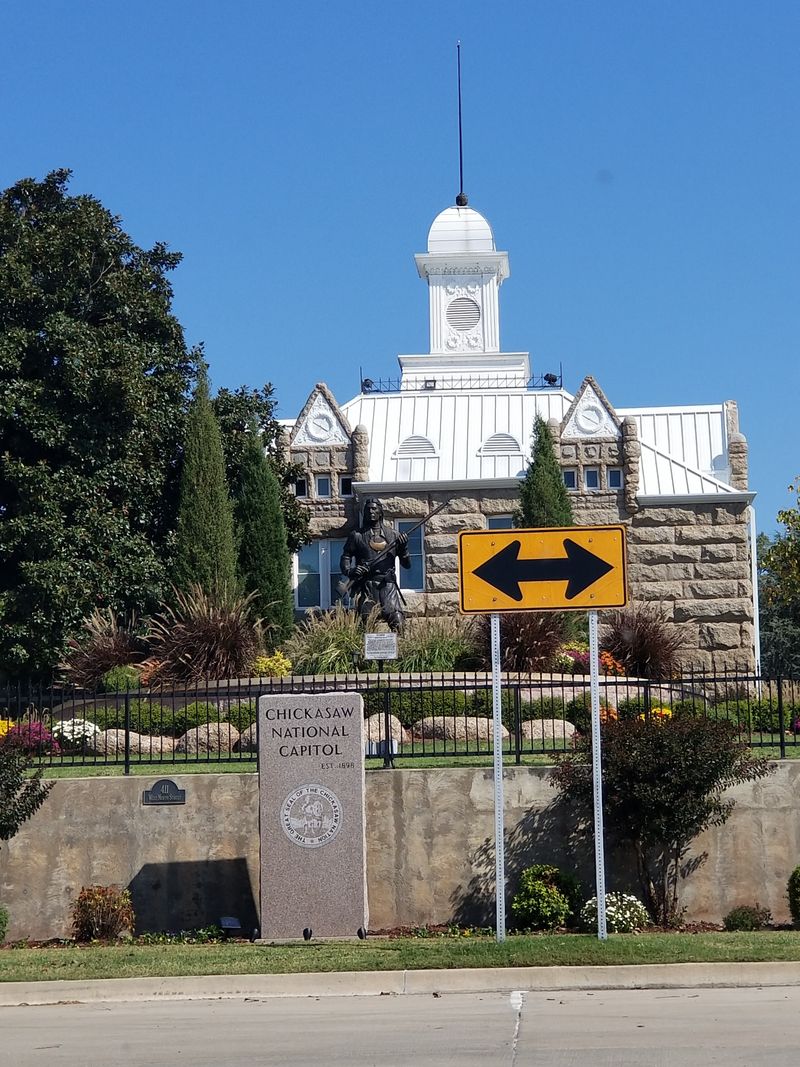
Tishomingo holds layers of Indigenous history and civic pride that draw steady pilgrimage rather than a rush.
The Chickasaw National Capitol Building sits like a red stone anchor that grounds the day.
Traffic increases when heritage events unfold, and the central blocks grow busier than you might expect.
Plot your visit around the Capitol at 411 W 9th St, then branch out to shaded sidewalks and small greens.
Interiors with exhibits provide quiet study time when the sun sharpens and the streets heat up.
Parking is usually manageable, though parallel spots near the square vanish during ceremonies.
Walk slowly, read every plaque, and you will feel the story breathe through brick and limestone.
Oklahoma’s past is tangible here, balanced with living community rhythms and school days.
Respectful pacing matters, especially in spaces that serve both visitors and residents.
Leave with notes, not just photos, and the memory will last longer than a quick snapshot.
9. Wichita Mountains Wildlife Refuge
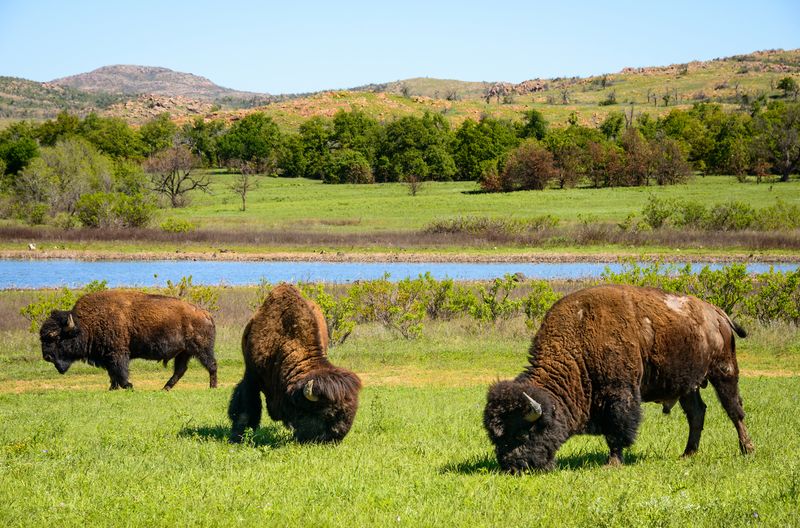
The Wichita Mountains Wildlife Refuge trades silence for wonder, and the trade becomes obvious when cars stack at trailheads by midmorning.
Pronghorn, bison, and long views lure everyone at once, so the single lane roads slow to sightseeing speed.
Sunrise still belongs to early risers who move like shadows across the granite.
Use the Visitor Center at 32 Refuge Headquarters Rd, Indiahoma, as your bearings and a climate controlled pause.
Mount Scott’s summit parking turns over constantly, and pullouts fill whenever clouds break into dramatic shapes.
Choose secondary trails to hear wind through grass instead of chatter from outlooks.
Pack patience for bison jams and give wildlife more room than any lens suggests.
Oklahoma’s wild heart beats here, but it now beats to a chorus of shutters and car doors.
Late day light restores a hush if you drift away from the main loop roads.
Leave no trace, double check gates, and keep the refuge feeling like sanctuary for the next set of boots.
10. Stillwater
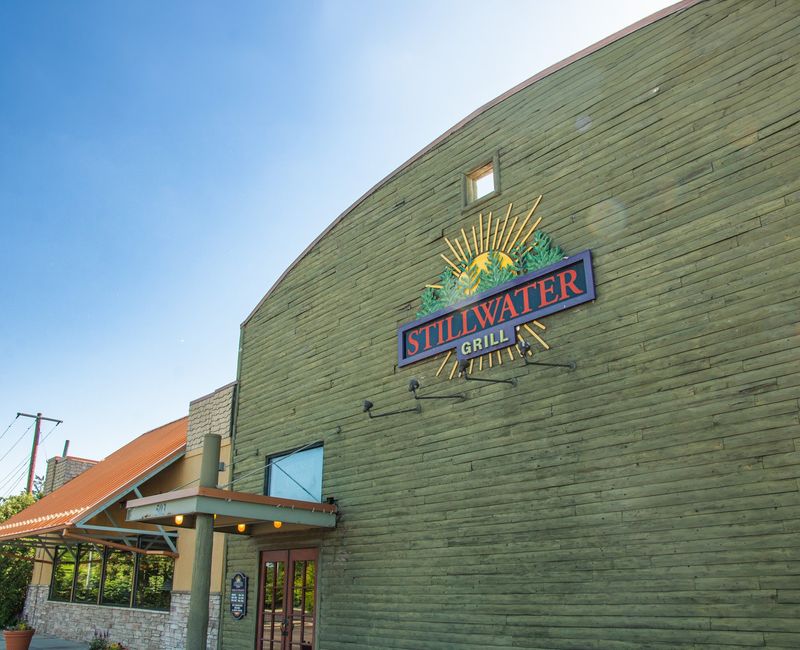
Stillwater wakes slowly, then surges as campus schedules ripple through coffee lines and crosswalks.
Game days rewire every route and turn easy errands into detours that last the afternoon.
The result is lively, but it reshapes any plan for quiet wandering.
Start at Stillwater Public Library, 1107 S Duck St, where calm interiors and shade outside provide a steady base.
Downtown blocks carry banners and brick, which photograph well when sidewalks are clear early.
Campus landmarks pull a river of visitors, then spill them back into town when events end.
Slip down side streets for murals and porches that slow the pace.
Oklahoma hospitality runs through casual greetings and tidy lawns that soften the bustle.
Pack patience with your map, especially when the calendar stacks concerts and sports in the same window.
Leave time to breathe, because the best moments often arrive after the crowds exhale.
11. Hugo
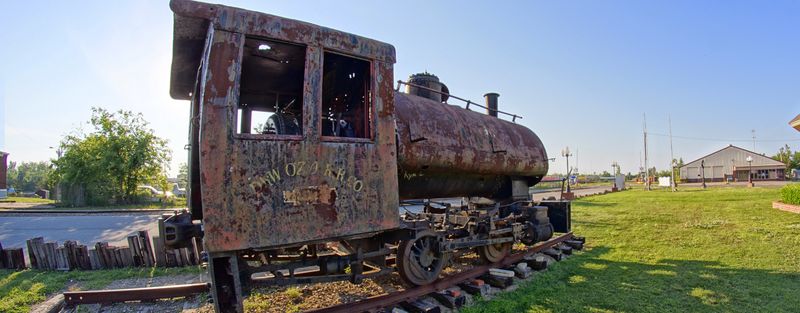
Hugo holds a railroad past and a circus heritage that make the town both niche and memorable.
When travelers chase novelty, traffic concentrates near the depots and heritage displays.
Quiet remains, but only if you step a block away from the main draw.
Set your compass by the Frisco Depot Museum at 206 S 5th St, a modest anchor with shaded edges.
Murals and brick storefronts shape gentle frames for photos when the streets thin.
On busy afternoons, benches become prized and crosswalks linger on red.
Interiors provide relief, and the slower rhythm invites longer reading of placards and timelines.
Oklahoma history feels tactile here, carried in rust, timber, and glass.
Mind the pace of locals who keep daily life moving while visitors pause for pictures.
Choose mornings or shoulder days, and you will find the version of Hugo you hoped for.
12. Picher (Ghost Town)
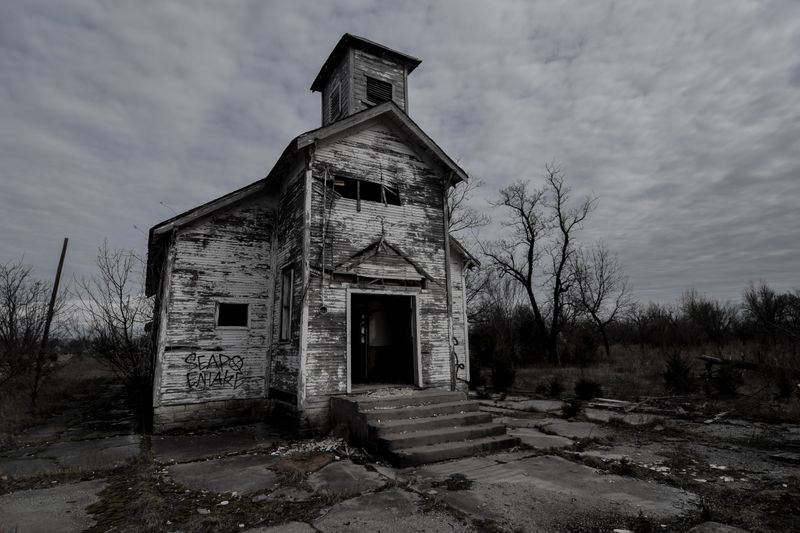
Picher is a ghost town scarred by environmental collapse, not a lively stop, and the quiet here only amplifies the caution.
Most structures stand gutted or gone, and warning signs remind you why the area emptied.
This is not a place to linger for leisure or to chase moody photos at close range.
If you pass near the former center at S Connell Ave and E 2nd St, which approximates the old grid, stay on public roads.
Obey posted closures, because safety matters more than curiosity in this corner of the state.
The wind moves dust across lots where houses once stood, and the silence feels heavy rather than peaceful.
There is history here, but it belongs in archives and museums that explain the mining legacy with context.
Oklahoma carries the lesson forward, showing how extraction without care can hollow a community.
Keep the engine running, respect barriers, and avoid trespassing for any angle or shot.
Leave Picher in the rearview and support safer towns nearby that still open their doors.
Dear Reader: This page may contain affiliate links which may earn a commission if you click through and make a purchase. Our independent journalism is not influenced by any advertiser or commercial initiative unless it is clearly marked as sponsored content. As travel products change, please be sure to reconfirm all details and stay up to date with current events to ensure a safe and successful trip.
