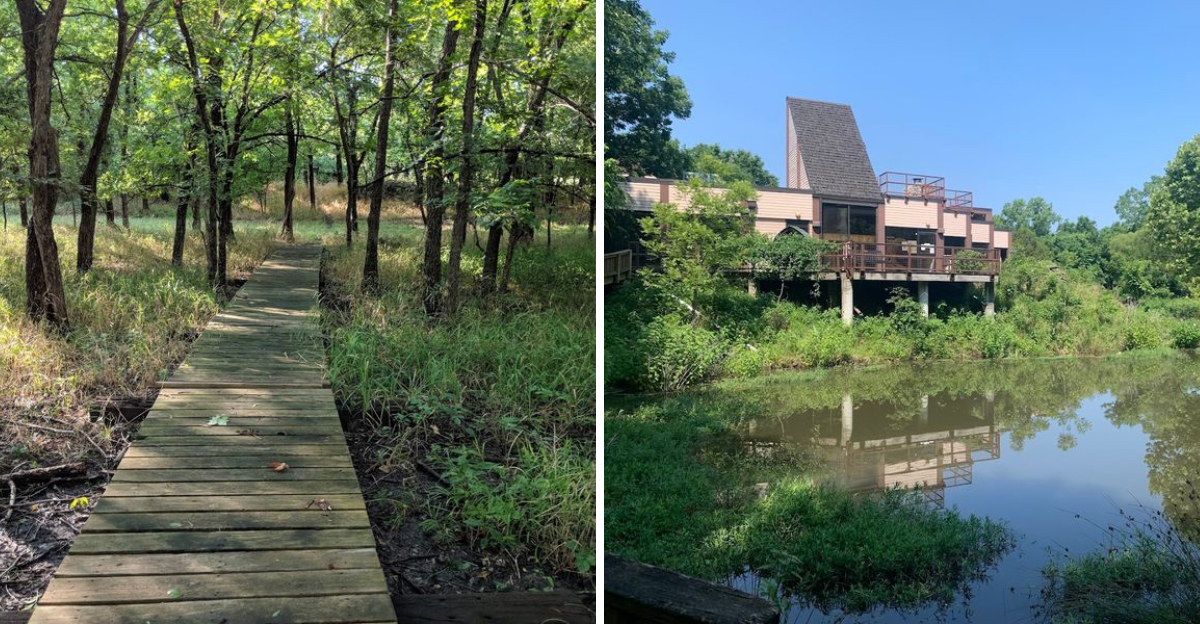
Something is shifting in the woods outside Tulsa, and not everyone is happy about it. Oxley Nature Center, an 800-acre preserve tucked inside Mohawk Park, used to be the kind of place only locals whispered about.
Now the parking lot fills up fast, the trails buzz with footsteps, and the deer are starting to look a little less surprised to see us. So what happens when a beloved wild place gets too popular for its own good?
Let’s find out.
When the Parking Lot Tells the Whole Story
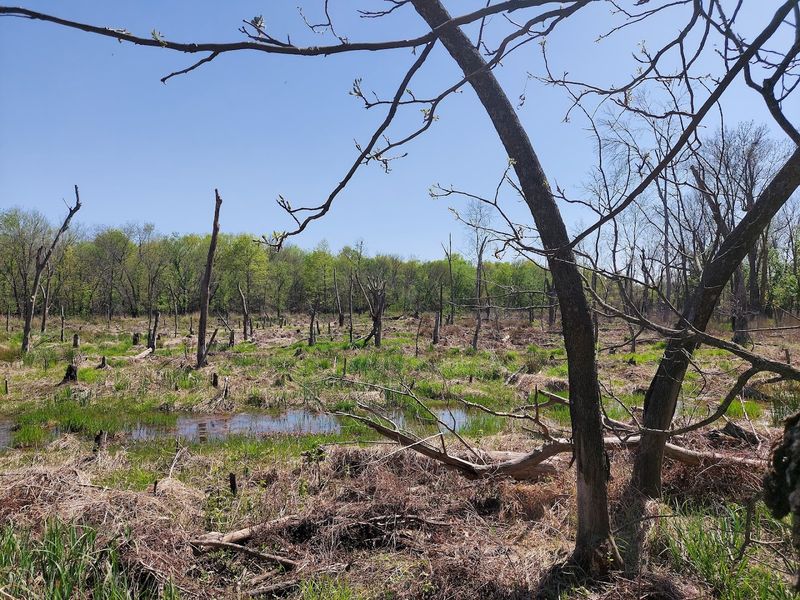
One visitor put it simply: when they pulled up, the parking lot was already full. That single sentence says everything about what has changed at Oxley Nature Center in recent years.
A place that once felt like a well-kept secret is now drawing crowds that no quiet woodland was really designed to handle.
Situated inside Mohawk Park at 6700 Mohawk Blvd in Tulsa, Oklahoma, this 800-acre preserve has earned a near-perfect 4.8-star rating from hundreds of visitors. Word travels fast, especially when a place is free, beautiful, and genuinely good for the soul.
On busy days, the entrance area feels less like a nature escape and more like a popular trailhead in a national park. Families with strollers, birders with binoculars, school groups, and solo hikers all arrive at once, sometimes competing for the same stretch of trail.
The preserve was built to educate and connect people with nature, and it is doing exactly that. The question now is whether the land itself can keep up with the love being poured into it.
Popularity is a strange kind of pressure, and these Oklahoma woods are starting to feel every bit of it.
A Prairie, a Wetland, and a Forest Walk Into a Park
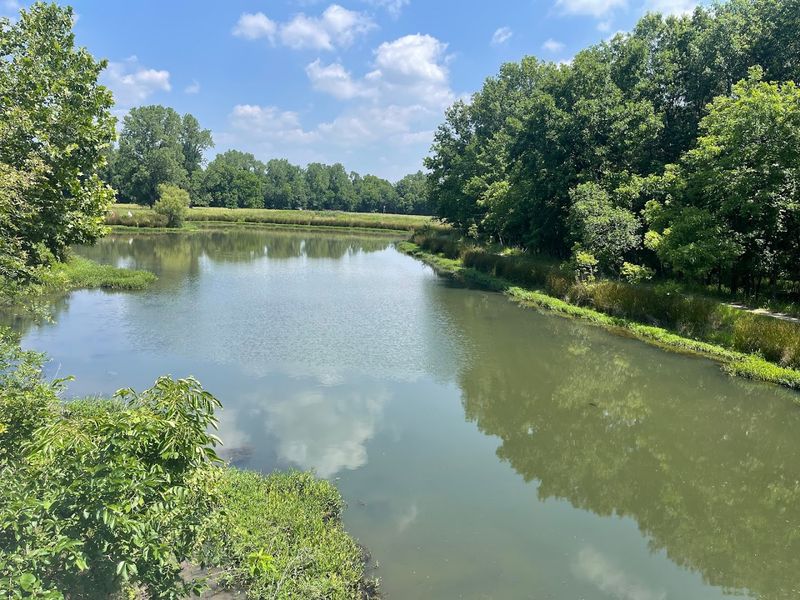
Not many places within city limits can offer you a prairie, a wetland, and a forest all on the same afternoon walk. Oxley Nature Center manages exactly that, and it is a big reason why so many people keep coming back.
The diversity of ecosystems here is genuinely rare for an urban setting.
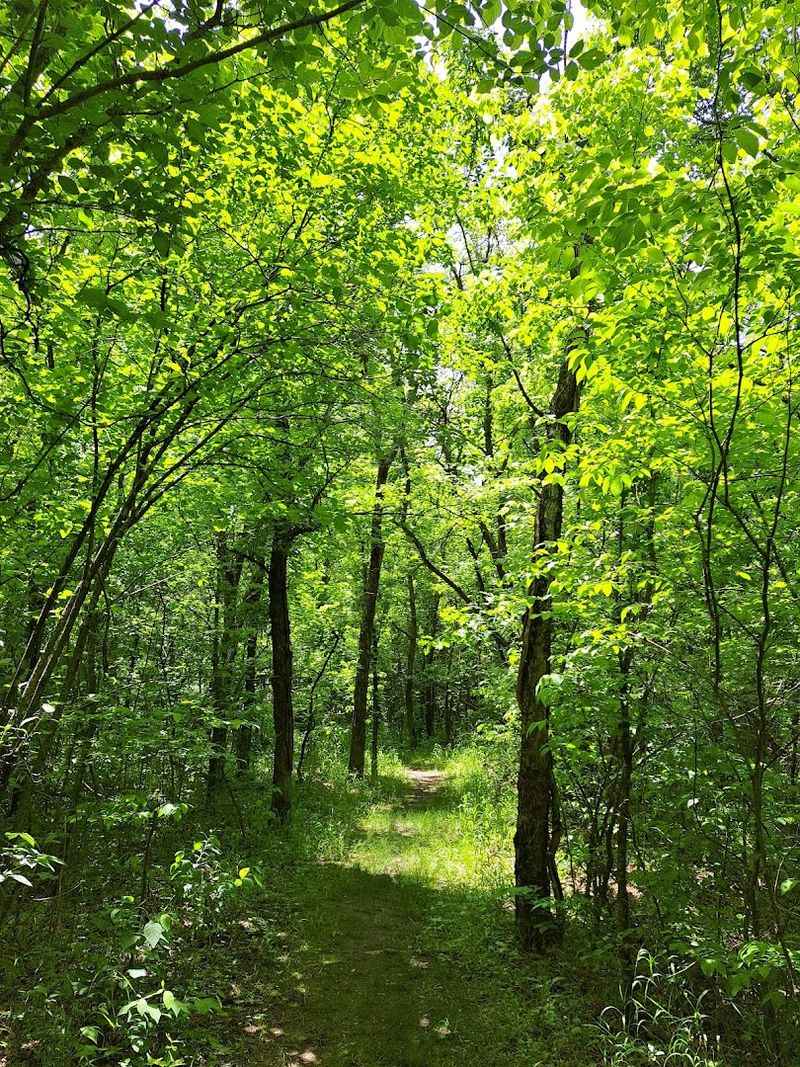
Visitors have raved about the way the trails interconnect, allowing you to move from open grassland into shaded woodland and then out along a pond edge without ever retracing your steps.
Interpretive signs along the way explain what you are seeing, from native plants to bird behavior, making every step feel educational without feeling like homework.
The prairie section especially catches people off guard. Most folks expect trees and maybe a creek, but the open grassland stretches feel almost cinematic, particularly in the golden light of late afternoon.
The wetland areas draw incredible birdlife, and the forest pockets offer that deep, cool quiet that city dwellers genuinely crave. Each habitat has its own personality, its own sounds, its own pace.
The trouble is, when hundreds of people cycle through these sensitive zones every weekend, the edges of trails widen, the soil compacts, and the wildlife retreats a little further each time. Beauty and foot traffic are not always the best of friends.
The Birds Know Something We Are Still Learning
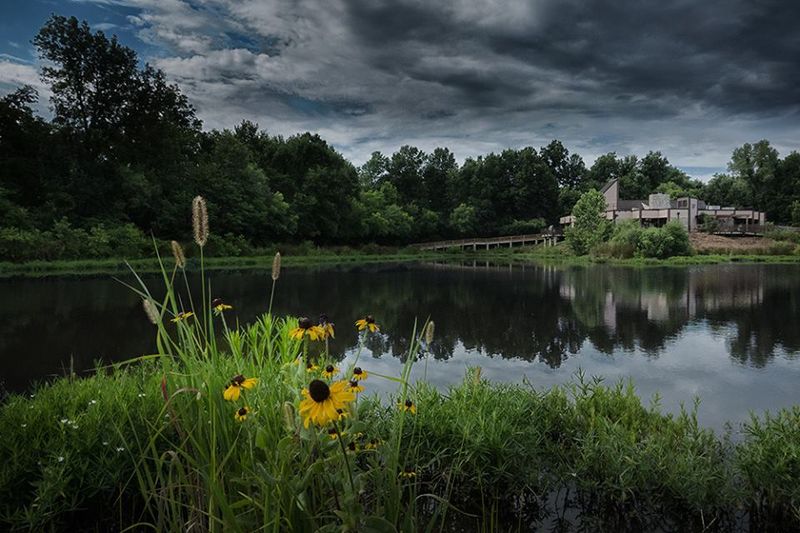
Ask any regular visitor what keeps them returning to Oxley Nature Center, and most will mention the birds before anything else. Robins, cedar waxwings, cardinals, woodpeckers, raptors, water fowl, chickadees, tufted titmice, and owls have all been spotted here, sometimes on the same walk.
For birders, this place is basically a gift that keeps giving.
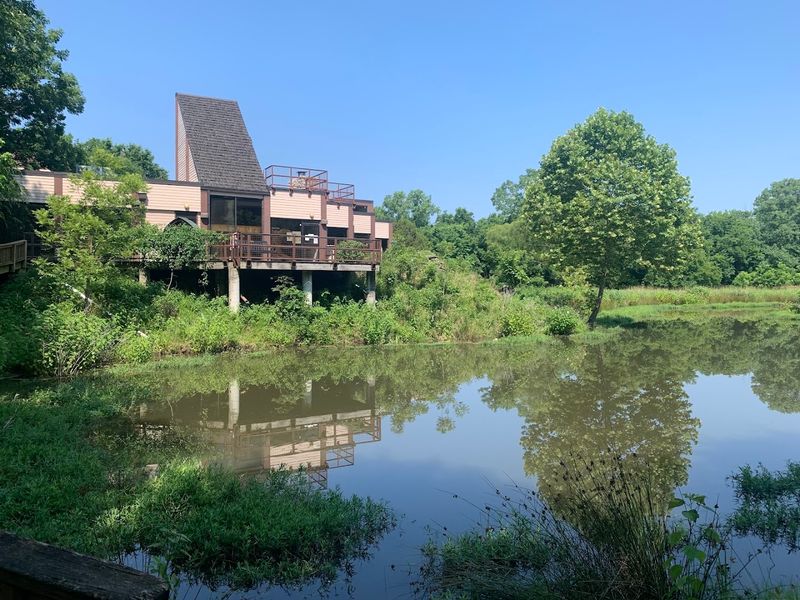
The nature center even has a dedicated bird watch station inside the visitor building, positioned to give you a clear view of the surrounding habitat. It is the kind of thoughtful design detail that shows the staff here actually cares about the experience they are creating.
Free discovery walks, offered on select days during summer, often focus on birdlife and are led by knowledgeable volunteers who can spot a cedar waxwing from an impressive distance.
But here is the thing about birds: they are sensitive. Increased foot traffic, noise from large groups, and trail congestion near nesting areas can disrupt feeding and breeding behavior in ways that are hard to reverse quickly.
Some visitors have noted that the plane noise from the nearby airport already chips away at the tranquility. Add a crowd of enthusiastic hikers to that equation, and the birds start making themselves scarce.
The woods may still be full of song, but paying attention to how we move through them matters more than most people realize.
What the Trails Are Actually Telling You
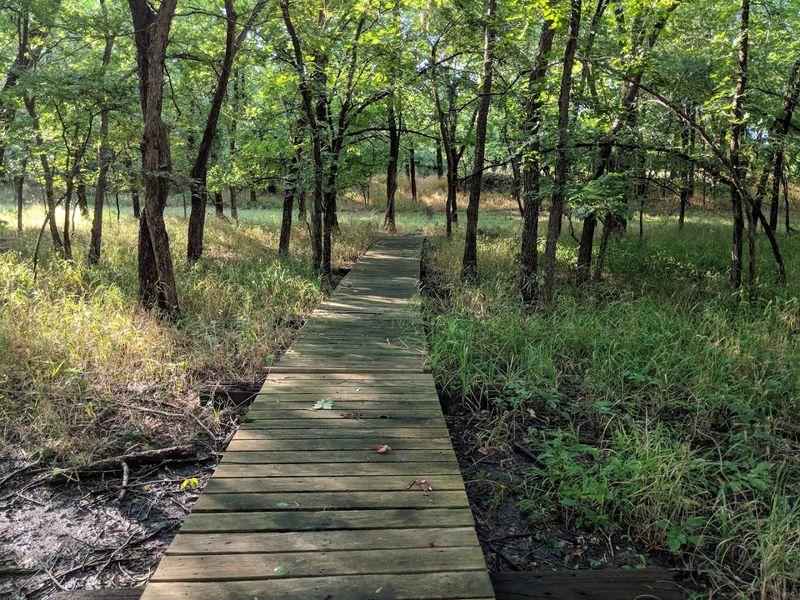
The trail system at Oxley Nature Center is genuinely well thought out. Each trail has its own name, its own personality, and its own wooden sign at the start to welcome you in.
The Bird Creek Trail is a crowd favorite, offering views of the creek and a wooden bridge that feels almost storybook. Coal Creek Trail is another popular choice, and most paths are wide enough to walk comfortably without brushing against the grass on both sides.
That said, some trails are narrower, and after rainfall, the wooded ones can turn into a swamp faster than you might expect. One visitor described certain paths as a complete swamp after a wet stretch, noting they still managed about three miles before calling it.
The preserve also includes a section of closed Mohawk Blvd within its boundaries, which makes for a pleasant hard-surface walking option when the dirt trails are waterlogged.
The interpretive signs and poem markers along some paths add a layer of charm that you do not find on most urban trails. Grabbing a trail map from the visitor center is strongly recommended, because the network is more extensive than it looks from the entrance.
First-time visitors have reported getting pleasantly lost, which sounds fun until the sun starts dropping. Know your route, respect the marked boundaries, and the trails will reward you generously.
Inside the Visitor Center, Something Quietly Brilliant Is Happening
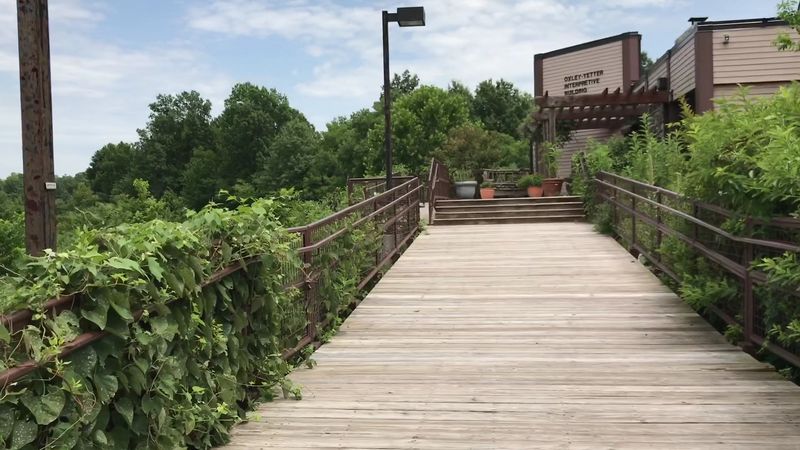
The visitor center at Oxley Nature Center is the kind of place that sneaks up on you. From the outside, it looks modest.
Step inside and you find yourself surrounded by animal pelts, insect displays, hands-on exhibits, a working beehive, and drawers stuffed with natural curiosities that reward the patient explorer. It is genuinely cool in a way that no brochure quite captures.
Staff and volunteers here are consistently described by visitors as knowledgeable, warm, and genuinely passionate about what they do. One reviewer called an employee there a wealth of knowledge and kindness, which tracks with the overall feel of the place.
The center also loans out walking sticks, first aid backpacks, and kids scavenger hunt sheets for free, which is the kind of generosity that makes a place feel like it actually wants you to have a good time.
The building also has public restrooms and water fountains, practical details that matter enormously on a long trail day. One honest note: some of the interactive buttons have been reported as not working, which can be frustrating especially for younger visitors who came expecting the full sensory experience.
It is a small thing, but in a place this well-loved, keeping the interactive elements functional would go a long way toward making every visit land the way it should.
Wildlife Sightings That Make You Stop Mid-Stride
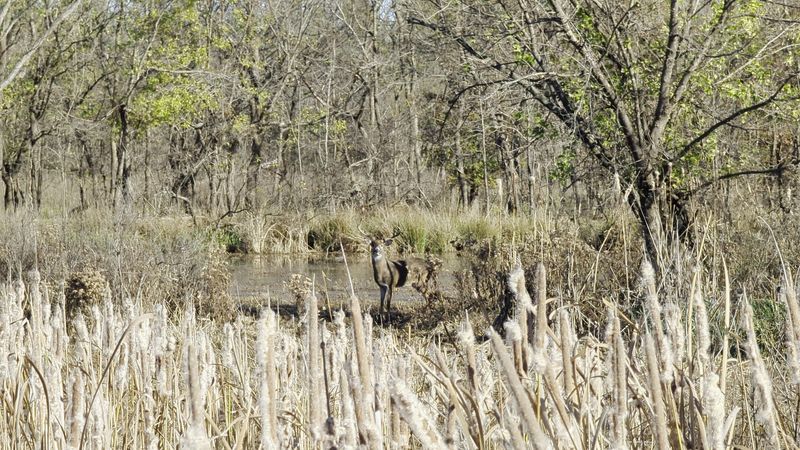
Deer, foxes, badgers, snapping turtles, catfish, salamanders, armadillos, possums, red-tailed hawks, and even a great horned owl heard calling from the tree line at dusk.
The wildlife list at Oxley Nature Center reads like something out of an Oklahoma field guide, and visitors have actually seen all of these animals here, not just hoped to.
The key, as most regulars will tell you, is timing and patience. Early morning visits dramatically increase your chances of meaningful wildlife encounters.
The deer tend to come out near closing time, moving quietly through the edges of the meadow as the light fades. The ponds are almost always productive, with pond sliders sunning themselves on logs and great blue herons standing statue-still in the shallows.
Increased visitor numbers are starting to push some of this wildlife further from the main trails. Animals are adaptable, but they have limits, and a busy Saturday afternoon with groups of children and barking dogs is not exactly ideal nesting or feeding conditions.
The staff here are genuinely protective of the habitat, as evidenced by how carefully they manage which water bodies allow fishing and which are strictly off-limits. That kind of stewardship is exactly what keeps a place like this alive and worth visiting.
Respect the rules, move quietly, and the wildlife will almost certainly show up for you.
Free Does Not Mean Without Cost to the Land
Here is something worth sitting with: Oxley Nature Center is completely free to visit. No entry fee, no reservation system, no timed tickets.
That open-door policy is one of its greatest strengths and, increasingly, one of its biggest challenges. When something this good costs nothing, everyone shows up, and they bring their whole family.
Free access has made this preserve a beloved community resource for Tulsa residents across all income levels, which is genuinely important and worth protecting.
School field trips, daycare outings, family weekend walks, solo birders, photographers, and fitness hikers all share the same trails without any system in place to manage the flow.
On peak days, that mix can feel chaotic.
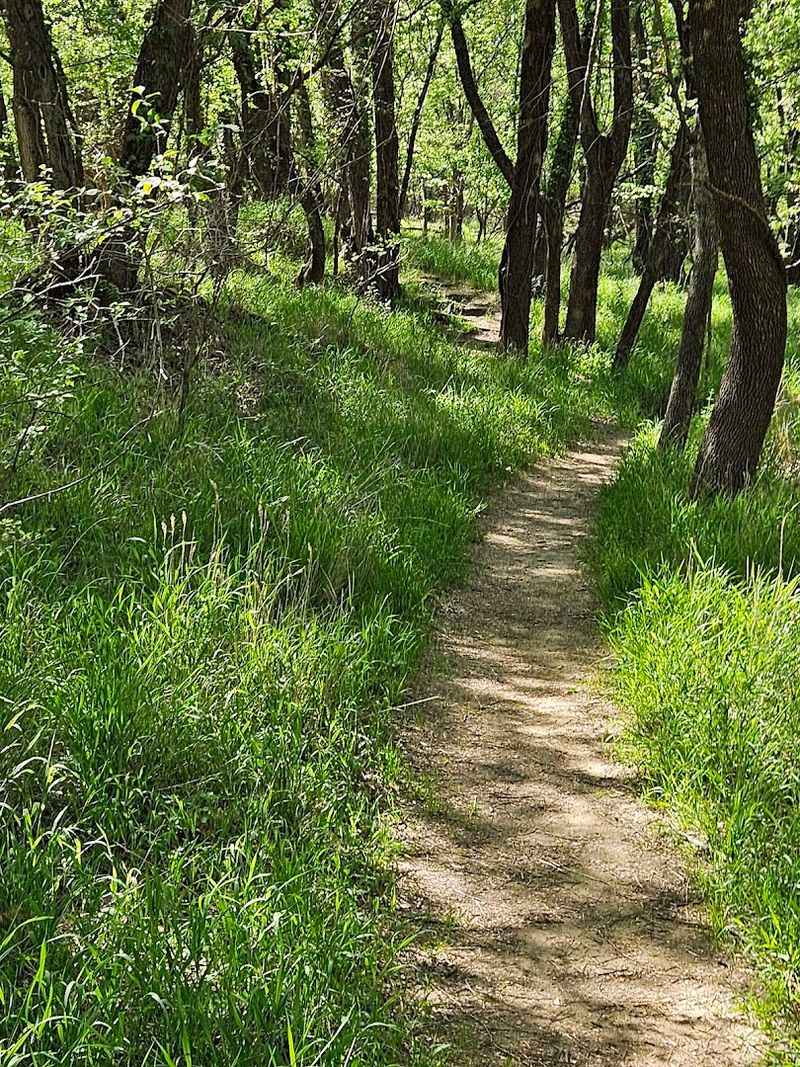
The land absorbs all of this quietly, but not invisibly. Trail edges widen as people step around muddy patches.
Vegetation gets trampled near popular viewpoints. The cumulative effect of thousands of footsteps per week on 800 acres of mixed habitat is not nothing.
Other beloved natural spaces around the country have had to introduce visitor caps or permit systems once the damage became too visible to ignore.
Oxley is not there yet, but the conversation is worth starting now, before the trails look like highways and the wildlife decides the city was always a better bet anyway.
Practical Things Nobody Warned You About Before You Went
Bug spray is non-negotiable here from late spring through early fall. Multiple visitors have mentioned mosquitoes in the kind of enthusiastic terms usually reserved for natural disasters.
One reviewer joked about getting bitten by at least five million of them, which is probably not an exaggeration by much. Come prepared or come in cooler months when the insects are less motivated.
Ticks are also a real consideration, especially if you brush against grass or wander even slightly off the marked trails. Checking yourself thoroughly after any visit is just smart practice in Oklahoma.
The trails are generally flat and accessible, which makes them great for all fitness levels, but flat does not mean dry. After rain, some wooded sections become genuinely muddy, so footwear choices matter more than you might expect.
Planes from a nearby airport fly overhead periodically, which does break the spell of wilderness slightly. It is not constant, but if you are the kind of person who needs total silence to feel like you are in nature, you will notice it.
The visitor center is open Wednesday through Saturday from 10 AM to 4:30 PM and Sunday from 12 to 4:30 PM, closed Monday. Arriving early on weekdays gives you the best combination of quiet trails, wildlife activity, and enough time to actually explore the visitor center before it closes.
Why This Place Still Deserves Every Bit of Your Attention
For all the pressure that growing popularity brings, Oxley Nature Center remains one of the most genuinely special places in northeastern Oklahoma.
The combination of diverse ecosystems, free access, thoughtful programming, and passionate staff creates something that most cities would envy deeply.
It is an urban oasis in the truest sense, not as a marketing phrase, but as a lived reality for thousands of Tulsa residents.
The discovery walks, scavenger hunts, moonlight group walks, and bird tours offered here throughout the year show a team that is actively working to deepen the connection between visitors and the natural world.
That kind of programming takes real commitment, and it shows in the way people talk about this place with genuine affection rather than casual recommendation.
The woods here are starting to feel the weight of our attention, and the honest response to that is not to stop coming but to come more carefully. Stay on the trails, carry your trash out, keep noise levels reasonable, and let the wildlife have the space it needs to do its thing.
Oxley Nature Center is located at 6700 Mohawk Blvd, Tulsa, Oklahoma 74115, inside Mohawk Park near the Tulsa Zoo. It is a place worth protecting, and the best way to protect it is to love it with a little more thoughtfulness than enthusiasm alone can manage.
Dear Reader: This page may contain affiliate links which may earn a commission if you click through and make a purchase. Our independent journalism is not influenced by any advertiser or commercial initiative unless it is clearly marked as sponsored content. As travel products change, please be sure to reconfirm all details and stay up to date with current events to ensure a safe and successful trip.
