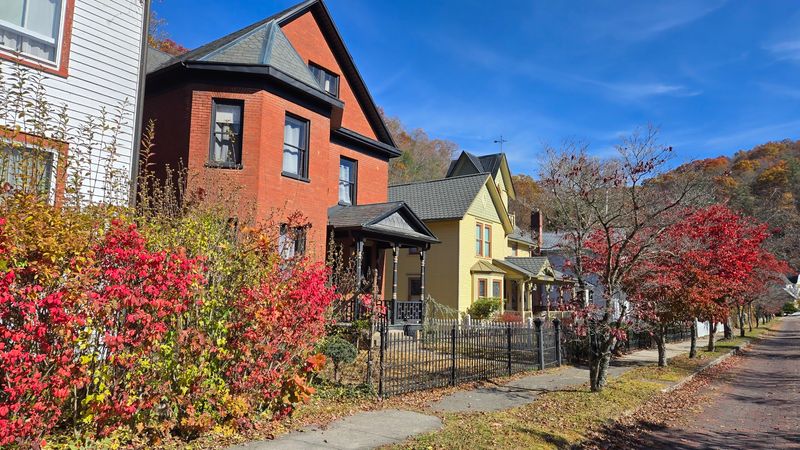
Sometimes the smallest dots on a West Virginia map hold the biggest surprises. Pull off the highway with a hungry stomach and a wandering mind, and you might stumble onto a quiet Main Street that once held more fortunes than almost anywhere in the country.
The brick streets and grand old homes still whisper stories of a time when coal turned ordinary folks into millionaires. It is the kind of place that catches you off guard and stays in your memory long after you leave.
Where Black Gold Paved the Way for Grandeur
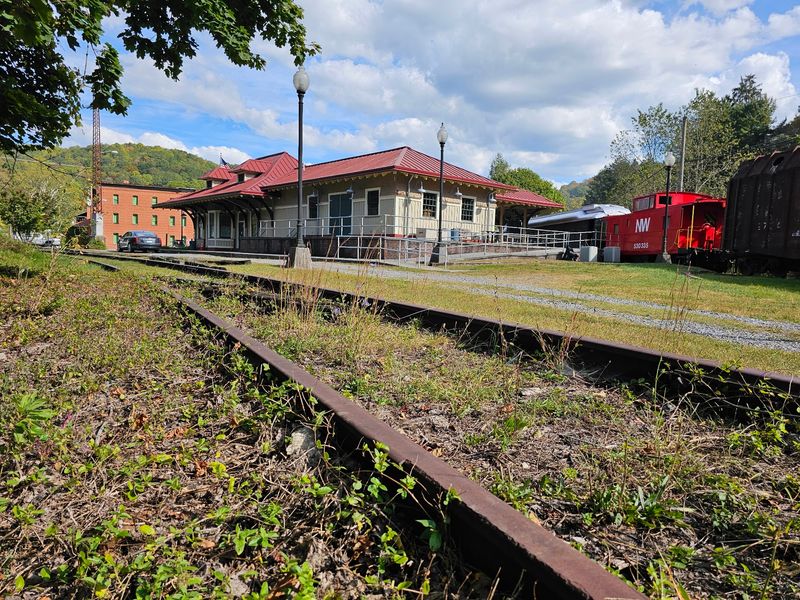
Coal built this town, plain and simple. Beginning in the late 1870s, the enormous Pocahontas coalfields turned a quiet bend along the Bluestone River into one of the most prosperous corners of southern West Virginia.
Picture the rhythm of the Norfolk and Western Railroad setting the pace of daily life, with as many as 14 trains a day reportedly stopping here to haul away the high-quality, smokeless coal that fueled a growing nation. That steady chug was the sound of money moving.
The demand for Pocahontas coal drew speculators, developers, and ambitious entrepreneurs who saw a chance to build something big. Fortunes were made at a startling pace, and the area quickly grew into an economic powerhouse.
Established in 1888, the community soon earned a reputation as a crucial financial and business center for the booming coal industry. Locals who remember the old stories can tell you that everything here traces back to what came out of the ground.
It is a genuine slice of Appalachian boom-and-bust history, still standing for anyone curious enough to look.
A Stroll Down Millionaire’s Row: Echoes of Elegance
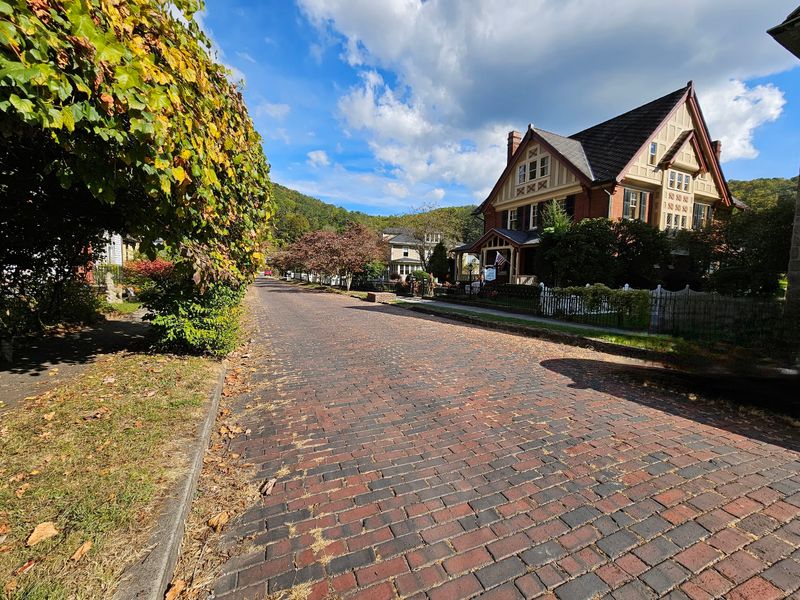
Walk the brick-paved streets today and it is easy to imagine the hum of a bustling Gilded Age. At the turn of the 20th century, this small community reportedly boasted more millionaires per capita than anywhere else in the entire United States, with some accounts pointing to as many as 17 coal barons living within its limits.
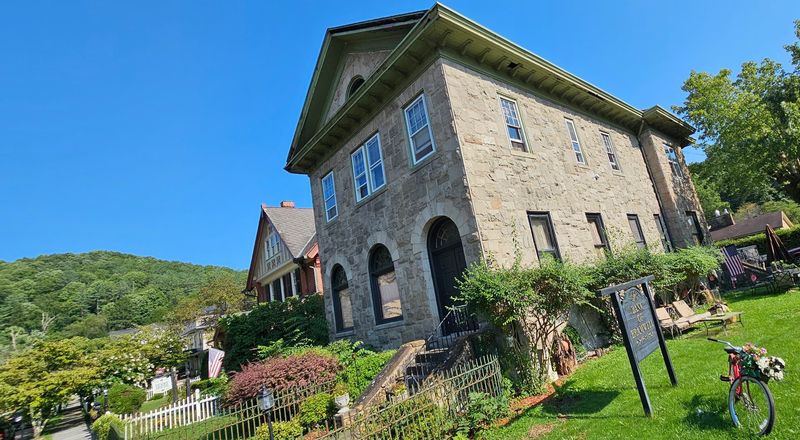
These titans of industry poured their riches into magnificent Victorian and Tudor Revival mansions, each one a personal statement of taste and prosperity. Stroll past them and the details start to reveal themselves.
Leaded and stained-glass windows catch the light, wide porches invite you to imagine lazy afternoons, and intricate turrets, gables, and roofs of copper, slate, or tile crown the homes. Inside, many featured ornate woodwork, elaborate chandeliers, and once-modern touches like dumbwaiters and central vacuum systems.
Visitors often describe the whole area as full of history and amazement, and it is easy to see why. These grand homes stand as enduring monuments to an era of remarkable wealth, quietly holding their gilded bones together.
The Heartbeat of Commerce: From Banks to Boutiques
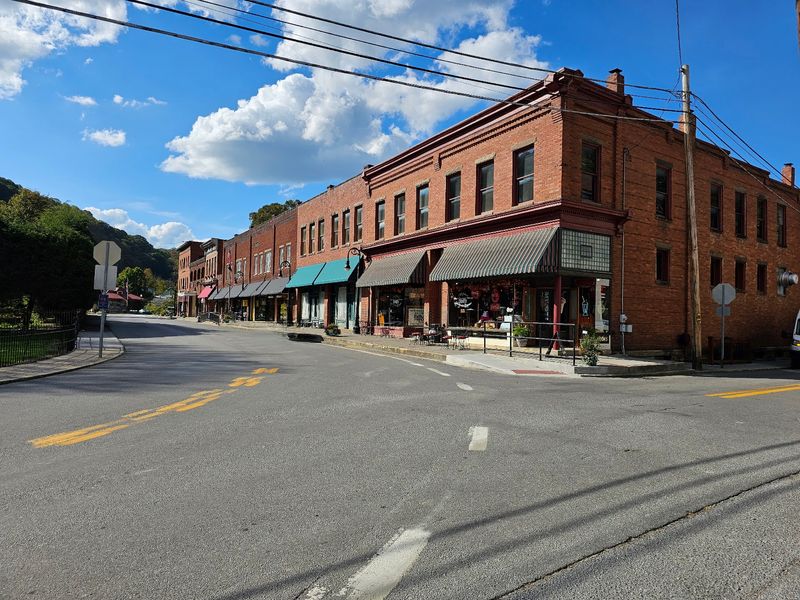
Money didn’t just live in the mansions here. The commercial spine of town tells its own story, starting with a local bank once considered among the richest of its size in the nation.
The wealth flowing through was so substantial that, as the tale goes, a janitor would wheel leather money bags to the train depot in a wheelbarrow. Try picturing that scene on a quiet morning and the scale of it all sinks in.
A little further down the street sat a pharmacy with a surprising claim to fame. It was reportedly one of only three drugstores in the whole country to carry the famous Chanel No. 5 perfume.
That same historic pharmacy still serves the community today as The Corner Shop, keeping a bit of nostalgia alive with its working soda fountain. Stop in for a classic burger and a hand-spun milkshake, and you are tasting a small link to those luxurious days.
These businesses were more than storefronts. They were pillars of a community where even ordinary errands carried a hint of extraordinary fortune.
A Community Forged in Coal: Life Beyond the Mansions
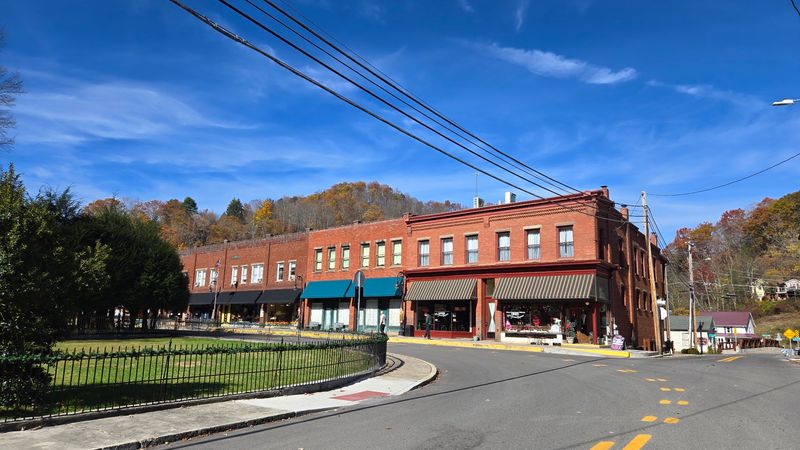
Behind the glamour of the coal barons was a whole community that made the town tick. When the Pocahontas coalfields expanded in the 1870s, thousands of laborers moved in seeking work in the mines, changing the social fabric almost overnight.
The wealthy operators lived near their mining operations but in a far more refined setting than the rough mining camps. Coal land investors and operators thoughtfully planned the town as a residential haven for the region’s affluent families.
Support services and businesses filled in around them, creating a largely self-sufficient hub where daily life carried on. It was a place where industry, wealth, and neighborly community wove together.
The Bramwell Presbyterian Church shows just how deep those cultural ambitions ran. Reportedly modeled after a Welsh cathedral and built from local bluestone, it reflects the resources and pride present during the town’s heyday.
Folks who wander through today often mention how much history is packed into such a small footprint. Every building and street corner seems to hold a piece of the story of the people who built their lives around the mines.
Preserving the Past: Tours and Timeless Charm
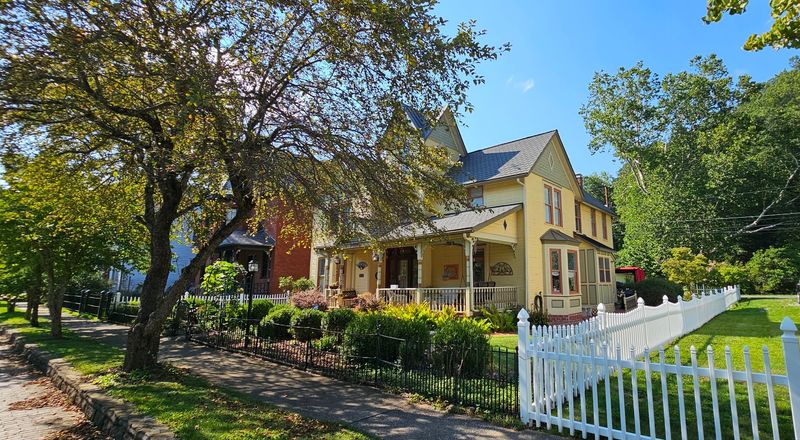
History lovers keep finding their way here, and the town rewards their curiosity. A genuine commitment to preservation lets visitors step back into the Gilded Age and touch its story firsthand.
One of the best ways to experience it comes through the annual Spring and Christmas Tours of Homes, when a handful of the grand Victorian and Tudor Revival mansions open their doors. Imagine walking through a den lined in studded leather, or discovering an elegant ballroom with its very own elevator, features found in the Cooper House and Goodwill House.
For the fuller picture, the local interpretive center sits inside a replica train depot and houses a museum packed with exhibits, relics, and photographs of West Virginia’s coal history. Visitors mention how much interesting memorabilia fills the space.
A self-guided walking tour is also available from the information center, letting you set your own pace along the historic streets. Designated a National Register of Historic Places site in 1984, the town feels less like a museum you observe and more like one you walk through, a living record of American industrial heritage.
The Town of Millionaires: A Lasting Legacy
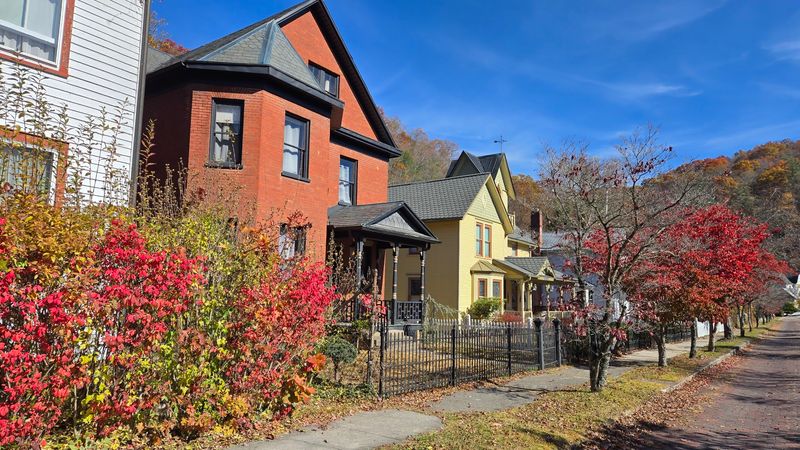
Calling this place the Town of Millionaires isn’t a marketing gimmick. It’s an accurate nod to an exceptional chapter in West Virginia’s past, fueled directly by the enormous output of the Pocahontas coalfields.
By 1910, those fields were reportedly shipping millions of tons of coal and generating hefty freight revenues. The town became the residential and business heart for powerful coalfield owners and operators.
Names like J.H. Bramwell, I.T.
Mann, Edward Cooper, Philip Goodwill, John Hewitt, and William Thomas shaped the community’s fortunes. Isaac T.
Mann in particular was noted as the richest man in town, with a reported worth of over $86 million, a staggering sum for the era.
Look at the architecture along Main Street and the surrounding blocks, and that wealth is still written into the brick and stone. Each building hints at the lavish lifestyles enjoyed by those who capitalized on the region’s natural riches.
The legacy, rooted so deeply in coal, still shapes how the town sees itself. It’s a proud reminder of a time when this tiny community stood at the center of enormous fortunes.
A Snapshot of Enduring Beauty and Affordability
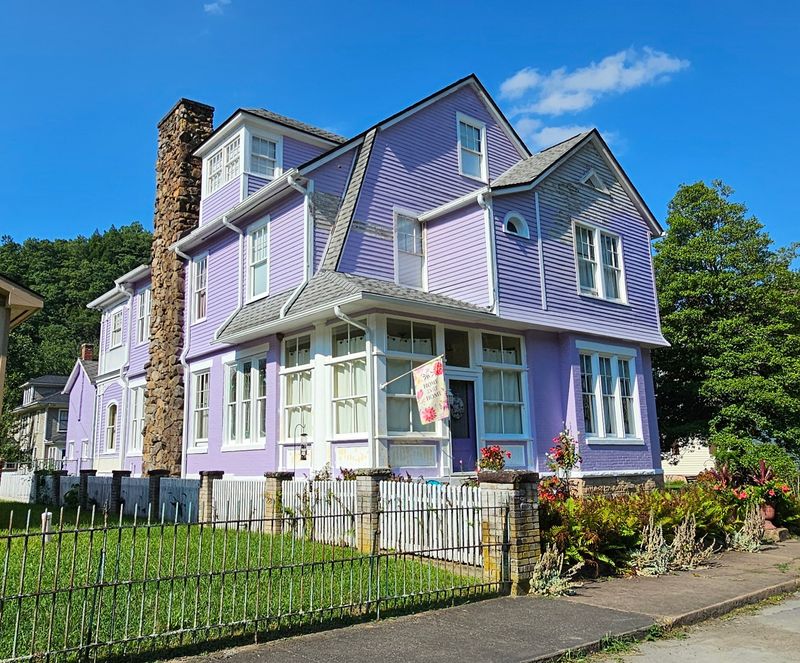
The frantic pace of the coal boom has long since faded, but the town has settled into something gentler and just as appealing. It has grown into a peaceful retreat that still holds tight to its historic charm.
Those Gilded Age structures remain remarkably well preserved, offering a scene that history buffs and lovers of small-town character can appreciate. Wander the quiet streets and the beauty speaks for itself.
For anyone dreaming of a more lasting connection, the appeal often stretches beyond the scenery. Living in a small West Virginia town like this can mean affordability and comfort, a draw that resonates strongly with folks on a fixed income or looking to stretch retirement dollars.
The tranquil atmosphere and genuine sense of community found across so many of the state’s small towns feel present here too. That combination hints at a lifestyle where you can enjoy real history without the sky-high costs of bigger cities.
Blend the historical significance, the enduring beauty, and the easy comfort of Appalachian life, and you get a portrait of a town that feels both memorable and welcoming.
Looking to the Future Through the Lens of the Past
What makes this town linger in the mind is that its story keeps going. The dramatic days of the coal boom may be behind it, but the foundations laid back then still shape its character and draw fresh curiosity.
Beautiful mansions, historic commercial buildings, and brick-paved streets all serve as tangible links to a pivotal moment in American industrial history. Stand among them and it’s easy to imagine the barons and the everyday bustle of a century ago.
The tours and preserved sites make sure those stories keep passing to new generations. Visitors say it makes for an interesting side trip, full of history and amazement, and a genuinely rewarding stop for sightseeing.
Open around the clock and free to wander, Historic Bramwell sits at 209 Main St, Bramwell, WV 24715. Start at the information center to grab your self-guided walking tour map and let the streets do the storytelling.
Between the dedication to preservation and the warmth of a true West Virginia community, the gilded bones of this little town will keep fascinating curious travelers for years to come.
