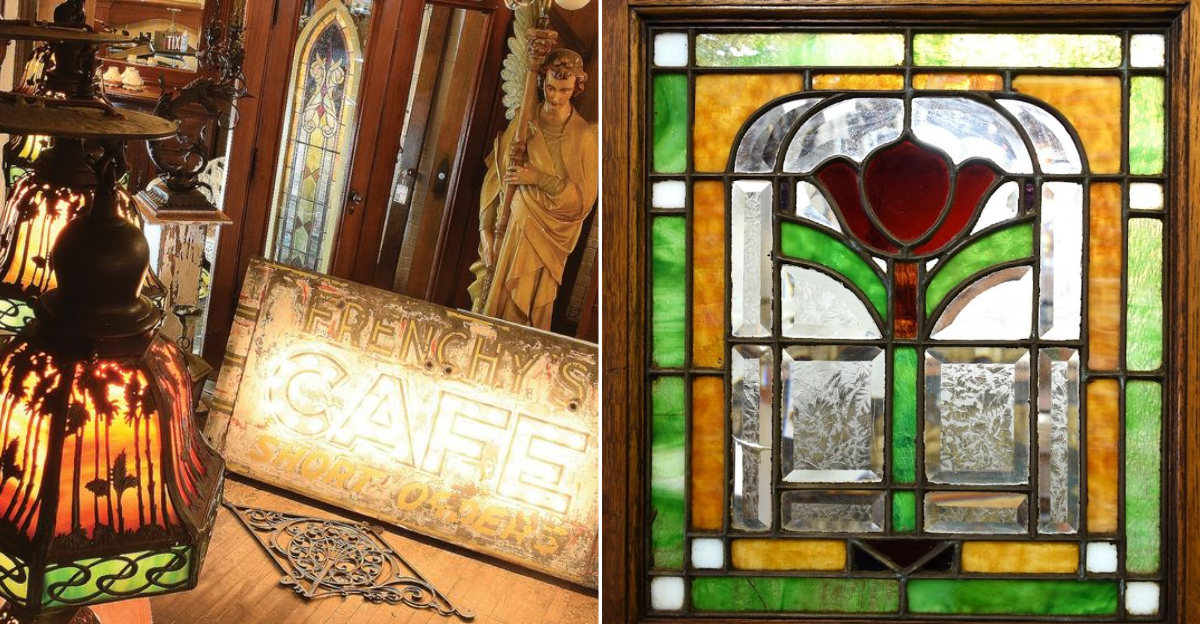
You’ve probably driven right past it. Tucked behind a quiet stretch of pavement, a four-story brick fortress hides something most people will never see: a 40,000-square-foot wonderland packed with the best stuff from other people’s old houses.
Ever wonder what happens to the hand-carved mantels, stained-glass windows, and vintage tin ceilings from buildings that are torn down? This is where they come to live a second life.
Originally a coffee factory, the building was later filled by a family business that has spent over 45 years salvaging and archiving the city’s forgotten treasures.
Want a clawfoot tub? They’ve got dozens. Looking for a door from a 1920s mansion? It’s leaning against the wall in aisle three.
A complete bar from a Prohibition-era hotel? You’ll find it in the back, waiting for its next chapter.
So, how many cities have a secret warehouse where you can walk through 40,000 square feet of other people’s amazing taste?
Keep reading to discover the Minnesota address that will change how you look at old things forever.
The First Look Around
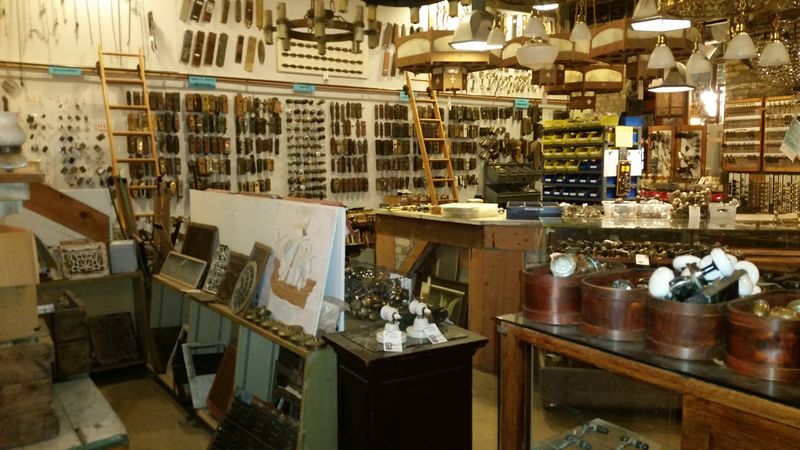
The first thing that gets you is the feeling that somebody saved all the best parts of a hundred old buildings and stacked them in one place just to mess with your sense of time. You walk in, and your brain immediately starts bouncing between admiration and curiosity, because everything looks like it came from somewhere with a story.
It feels less like a store and more like being turned loose inside a very organized memory.
What I liked right away was how the space in Minneapolis lets you roam without pushing you. You can drift toward a row of doors, stop at a cluster of lighting, then get distracted by carved woodwork that makes you wonder who lived with it first.
That kind of wandering is the whole point here, because the fun is in noticing what pulls you in before you even know why.
There is also something deeply satisfying about being around objects that were built to last and clearly did. In Minnesota, places like this remind you that taste is not always loud, and sometimes it lives in a hinge, a mantel, or a pane of colored glass.
By the time you settle into the rhythm of the aisles, you are already hooked.
Where The Treasure Hunt Starts
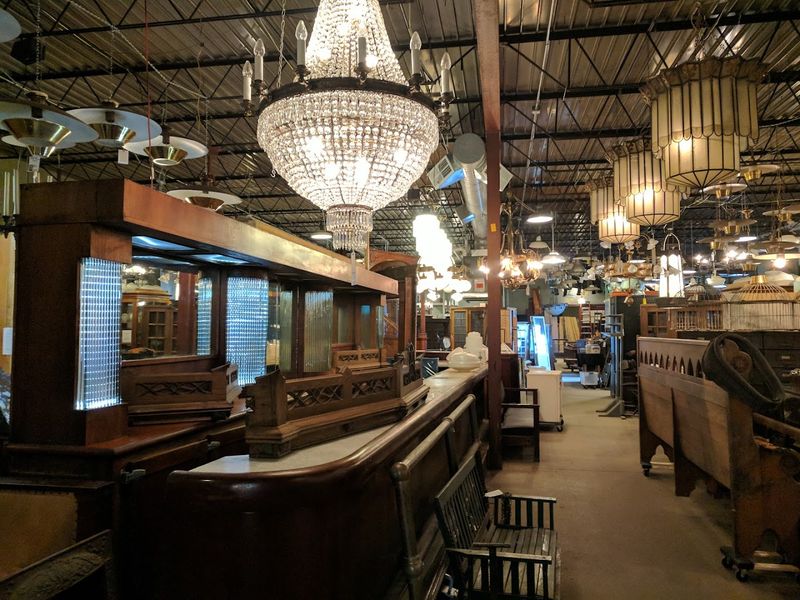
I always think a place like this should have a dramatic entrance, and honestly, it kind of does once you know what waits inside. Architectural Antiques is at 1330 Quincy Street NE, Minneapolis, MN, and the building itself already sets the mood before you even touch the door.
That old brick warehouse look tells you right away that polished and predictable are not really the assignment here.
Once you step in, the experience starts to feel wonderfully loose, like your best afternoon plans just got better. You are not being rushed past displays or nudged toward one obvious path, and that makes the whole visit feel personal in a very natural way.
I found myself doubling back constantly, because every pass through the room turned up something I somehow missed the first time.
That is what makes this spot in Minnesota so easy to talk about. It respects your curiosity, and it gives you enough visual texture that even the air feels interesting.
If you like places that let you discover them at your own pace, this one starts earning your affection almost immediately.
Doors With More Personality Than People
You know those doors that make you stop mid-sentence because they somehow have posture? This place has plenty of them, and each one feels like it came from a house with strong opinions and very good trim.
Some are plain in the nicest way, while others are carved, paneled, or fitted with glass that catches light like it still expects guests.
I kept imagining what it would be like to bring one home and let it become the most interesting thing in the room without even trying. A good old door has that rare talent for making new spaces feel settled, as if the room has always known itself.
Even if you are not renovating anything, they are fascinating to look at because they show how much care used to go into everyday pieces.
That is part of the charm of Architectural Antiques in Minneapolis. You are surrounded by useful objects that also happen to carry mood, weight, and history, which is a hard combination to fake.
By the time you have admired a whole run of doors, you start wondering why modern ones seem so shy.
The Stained Glass Stops You Cold
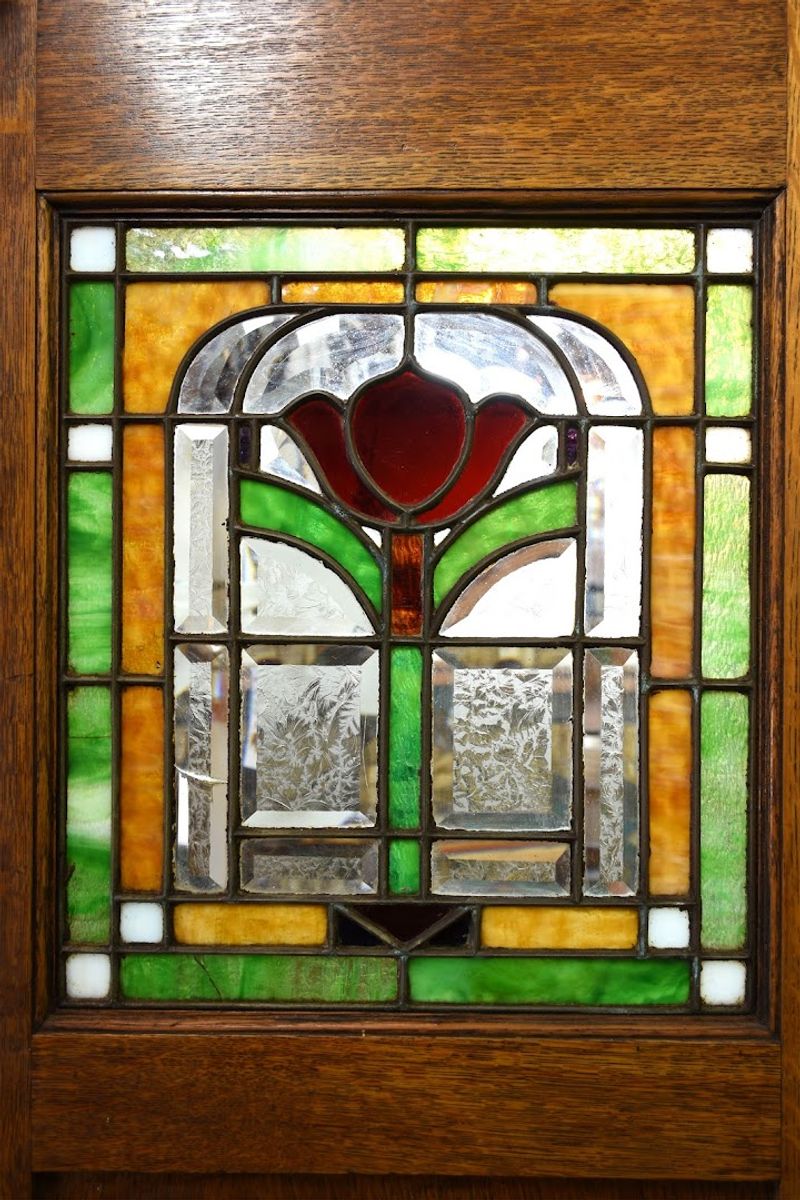
There is a point in the visit when the stained glass grabs you, and after that your plans are basically over. Color starts glowing from one side of the room, and suddenly you are standing there like you have all the time in the world, staring at old glass doing what old glass does best.
It softens the industrial feel of the warehouse without taking away any of its grit.
What I loved was how each piece felt expressive without being fussy. Some panels are delicate and church-like, while others feel more domestic, like they once lived above a front door or in a stair landing where afternoon light mattered.
You do not need to know anything technical to appreciate them, because your eyes understand the appeal before your brain catches up.
In Minnesota, where long winters make light feel especially precious, stained glass has an extra kind of magic. Here, it is not just decoration sitting around waiting to be admired from a distance.
It feels alive, useful, and oddly emotional, like these pieces still know how to change a room the second sunlight finds them.
Lighting That Knows How To Enter A Room
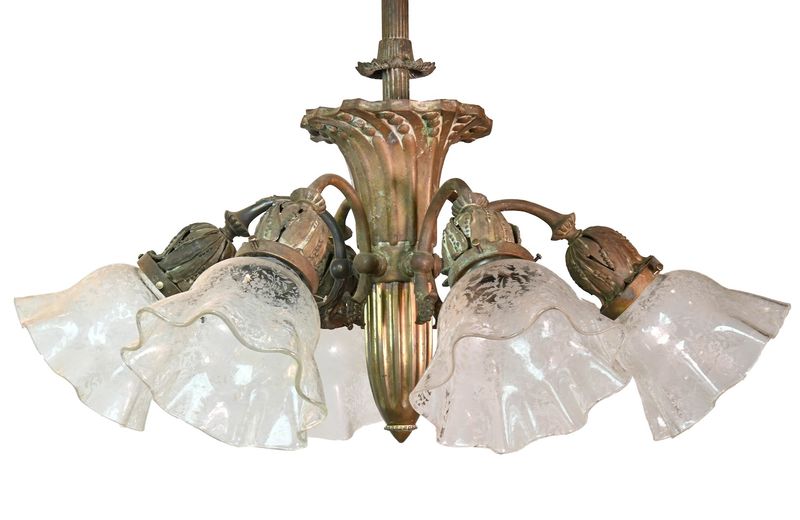
I am telling you, the lighting section has the kind of drama that makes you slow down whether you meant to or not. Fixtures hang overhead like they are still waiting for someone to restore a ballroom, a porch, or a grand old hallway with creaky floors.
Even the simpler pieces have presence, which is probably why people end up circling back to them more than once.
There is something very satisfying about seeing old lights displayed together, because you start noticing the details that new fixtures often skip. The metalwork has texture, the shapes feel deliberate, and the glass shades carry that slightly imperfect beauty that reads as human instead of factory-flat.
Looking at them, you can almost picture the kind of glow they would cast on plaster walls at the end of the day.
Architectural Antiques has a strong reputation for restored and ready pieces, and it shows in how inviting this part of the warehouse feels. You are not just looking at objects under bright store lights.
You are imagining atmosphere, and that is why this room gets under your skin so quickly.
Hardware For People Who Notice Everything
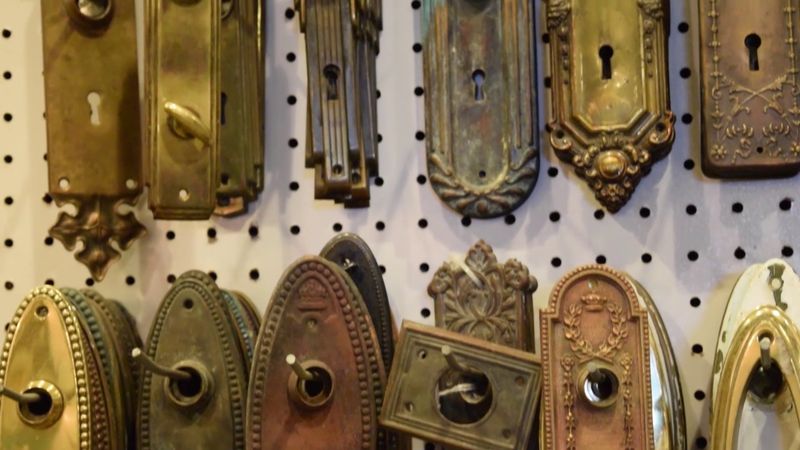
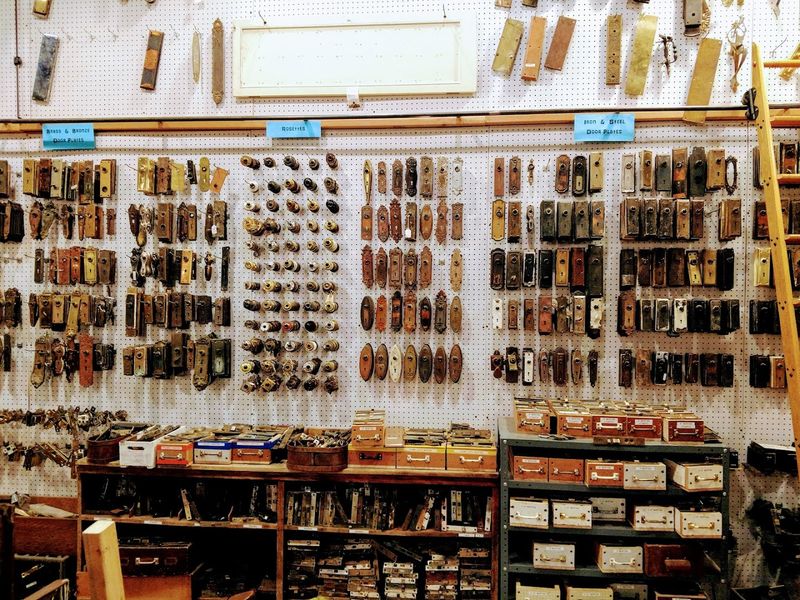
This is where you realize taste can live in very small places. A wall or bin of old hardware may not sound thrilling when you say it out loud, but then you see the knobs, latches, hinges, pulls, and plates, and suddenly you are fully invested.
The details are so good that even people who claim they are just browsing start leaning in.
I loved how this part of the warehouse rewards patience. You look once and see a nice collection, then you look again and start noticing shapes, finishes, weight, and the little marks of use that make each piece feel touched by real life.
It has that quietly addictive quality where one drawer leads to another, and then another, until you have lost all sense of time in the best way.
In Minneapolis, Architectural Antiques understands that not every treasure has to be huge to matter. Sometimes the piece that changes a room is the thing your hand actually touches every day, and old hardware is very good at making that point.
It is practical, yes, but it is also weirdly intimate, which I did not expect to feel so strongly.
Mantels, Millwork, And The Good Kind Of Excess
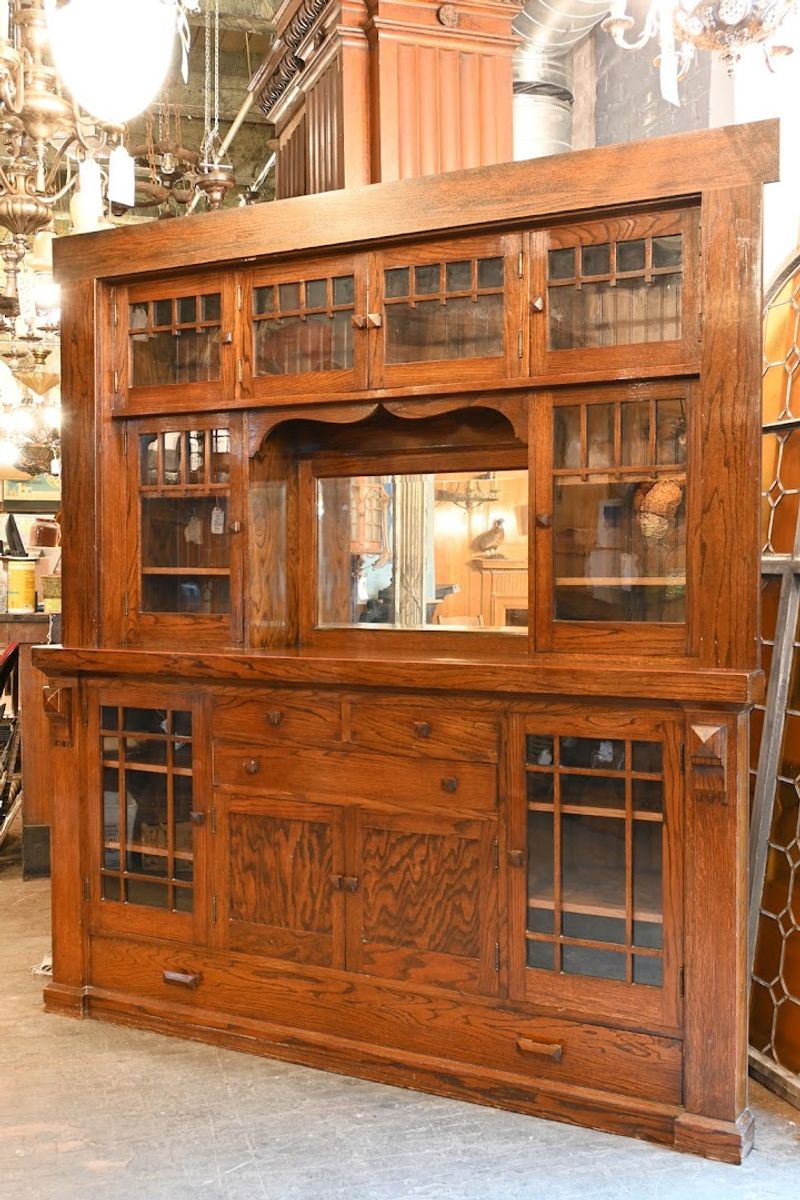
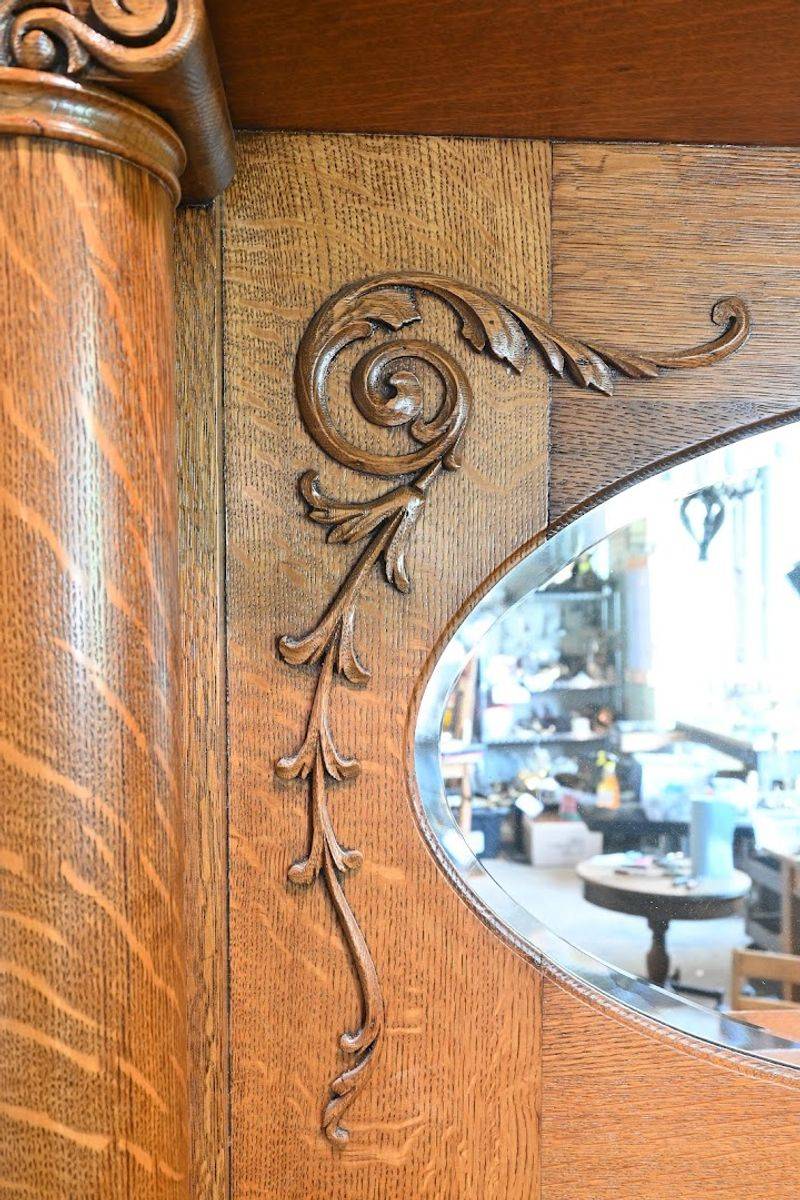
Some sections make you appreciate restraint, and then there is the mantel and millwork area, which makes a very persuasive case for a little extravagance. You see carved surrounds, trim pieces, and decorative elements that were clearly made by people who believed a room should have a proper frame.
It is impossible not to imagine them back in place, giving a space instant confidence.
What gets me is how these pieces still feel bold without feeling showy. The craftsmanship has enough depth and texture that even an untrained eye can tell when something special is sitting in front of it.
You do not have to be restoring a Victorian house to enjoy this part either, because half the pleasure comes from seeing how much visual richness people once built into everyday interiors.
Minnesota has plenty of buildings with layers of history, and places like this let some of that material life continue instead of disappearing. Standing among all that woodwork, you start to understand why salvaged architectural pieces have such loyal fans.
They bring shape, memory, and a little glorious extra-ness into a room without needing to announce themselves.
You Start Imagining Other People’s Houses
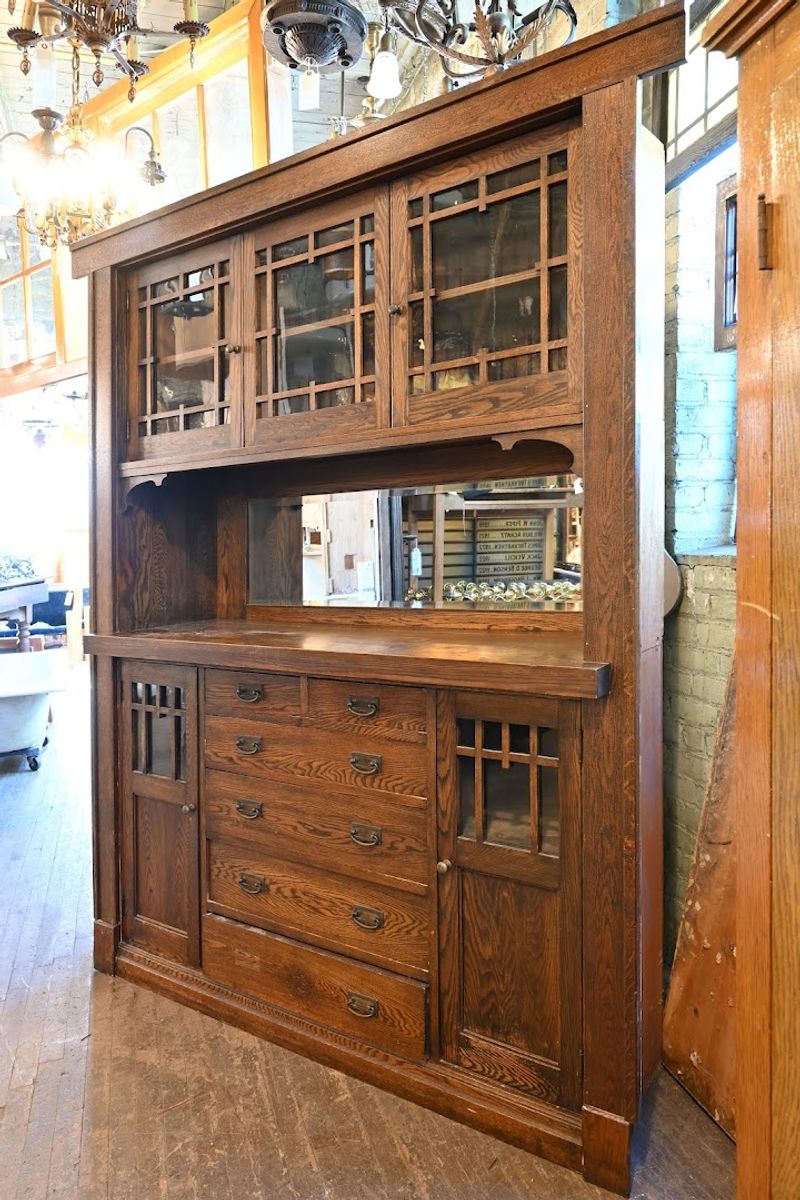
One of my favorite parts of walking through a place like this is how quickly your imagination starts wandering into strangers’ homes. You see a sink, a cabinet front, a set of windows, and suddenly you are building entire rooms in your head for people you will never meet.
It is a little nosy, sure, but in a harmless and very enjoyable way.
The inventory encourages that kind of daydreaming because everything feels connected to real life instead of detached from it. These are not abstract design ideas pinned to a board somewhere.
They are actual pieces that once belonged to kitchens, entryways, bedrooms, churches, storefronts, and old apartment buildings, and you can feel that lived-in history when you stand near them.
That is why the place feels so much bigger than a normal browse through decor. In Minnesota, Architectural Antiques gives you a chance to think about design as something accumulated over time rather than bought all at once from one matching set.
You leave with the sense that good spaces happen through curiosity, patience, and a willingness to fall in love with things that already proved they could last.
Why You Need Time Here
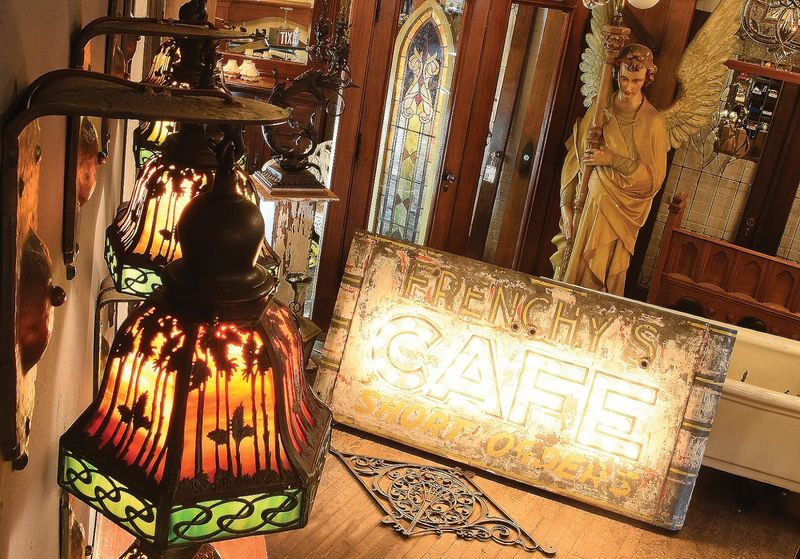
If you are the kind of person who likes to move quickly and check places off a list, this warehouse may gently ruin your plan. It is the sort of environment that rewards lingering, because your best finds are usually the ones you notice after you have already looked once.
The scale of it encourages a slower pace, and honestly, that feels like a gift.
I found that each pass through the aisles revealed a different mood. One stretch felt all about utility, with pieces that could slip right into a working home, while another corner felt almost theatrical, full of objects that carried more flair and ornament.
That variety keeps the experience from flattening out, and it makes the visit feel conversational, like the place is showing you different sides of itself as you go.
This is one of those Minnesota spots where curiosity is the best strategy. You do not need a strict mission to enjoy yourself, and you definitely do not need expertise.
You just need enough time to look closely, change direction, and let the warehouse surprise you, because it absolutely will if you give it the chance.
The Reason It Stays With You
What stays with me about Architectural Antiques is not one specific object, even though there are plenty worth remembering. It is the feeling that good taste leaves traces, and that this whole warehouse has become a gathering place for them.
You walk through and keep meeting evidence that beauty was once built into ordinary life with a lot more care than we usually expect now.
That sounds lofty when I say it like that, but the experience is actually very warm and grounded. You are still just wandering around Minneapolis looking at doors, lights, glass, wood, and hardware, except it never feels like just that.
It feels like a conversation with the past that stays practical, tactile, and very easy to enjoy, even if you are not a design obsessive.
By the end, I think that is why this Minnesota place is so easy to recommend. It gives you the thrill of discovery without any need to pretend you are on some grand cultural mission.
You simply show up, look around, and let a warehouse full of other people’s excellent choices remind you that character is worth saving.
