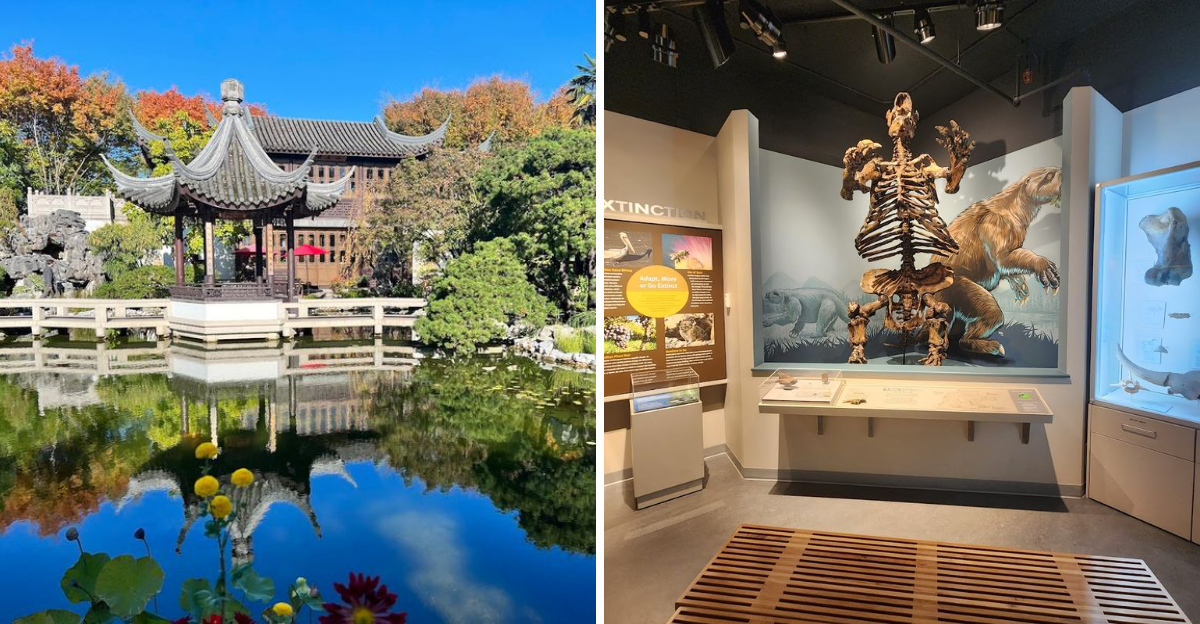
A museum dedicated to barber poles and another one filled with life sized concrete dinosaurs hiding in the trees. I have visited quirky collections all over the country but Oregon seems to have cornered the market on the truly strange.
Oregon has one of a kind museums that you simply will not find anywhere else in America no matter how hard you search. The Peculiarium has a giant furry monster eating ice cream and an alien autopsy scene that makes you look twice.
I spent an afternoon at a place where old pinball machines still flash and beep and accept your quarters like it is 1985 all over again. Oregon really celebrates the weird and the wonderful in ways that make traditional art museums feel a little boring by comparison.
The telephone museum has switchboards and rotary phones that kids try to figure out with confused looks on their faces. I watched a grown man tear up at a collection of vintage arcade games that reminded him of his childhood summers.
The sign museum has old neon signs that light up the night like a colorful history lesson about American advertising. You leave with a head full of strange facts and a new appreciation for the people who decided to share their obsessions with the world.
1. The Vacuum Cleaner Museum, Portland, Oregon
Most people walk past a vacuum cleaner without giving it a second thought. Not Doug Jones.
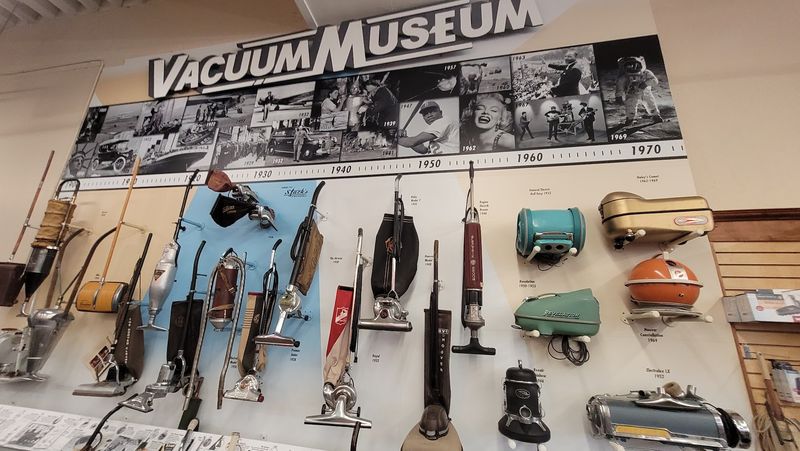
His Portland shop, The Stark’s Vacuum Museum, houses over 300 vacuum cleaners dating back more than a century.
Located in Portland, Oregon, this free museum sits inside a working vacuum repair shop on Southeast Stark Street. The collection spans everything from hand-pump carpet sweepers used in the 1800s to sleek modern machines.
What makes this place genuinely fascinating is how each machine tells a story about home life in its era. You can trace the evolution of American housekeeping through these machines.
Some models look more like science experiments than appliances. Others are so beautifully designed they could hang in an art gallery.
Doug and his staff are passionate about sharing the history behind each piece. They will happily walk you through the timeline if you ask.
Admission is completely free, making this one of the easiest museum visits in the state. It is open during regular shop hours, so calling ahead is a smart move.
Portland is already known for embracing the weird and wonderful. This museum fits right into that spirit without trying too hard.
No other state has a museum quite like this one. If you appreciate craftsmanship, history, or just enjoy a good conversation about unexpected topics, Stark’s Vacuum Museum is absolutely worth your afternoon.
2. The World’s Smallest Park, Portland, Oregon
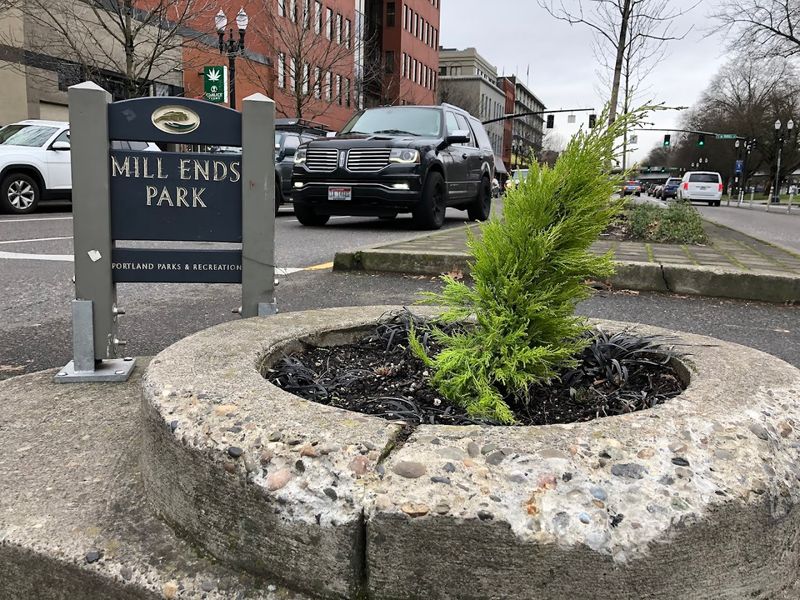
Measuring just two feet in diameter, Mill Ends Park in Portland, Oregon holds the Guinness World Record for the smallest park on the planet. That is not a joke.
Created in 1948 by journalist Dick Fagan, the park sits in the median of Naito Parkway in downtown Portland. Fagan originally planted it as a bit of fun after noticing a forgotten hole in the street below his office window.
Over the years, the park has had a swimming pool the size of a shot glass, a miniature Ferris wheel, and even a tiny statue. Locals treat it with surprising affection and creativity.
The park has its own official designation from the city of Portland. It has been replanted, redesigned, and celebrated for over 75 years.
Visiting is free, obviously, since the park is essentially a circle in a road divider. But standing next to it and reading its history makes the stop genuinely memorable.
Portland has no shortage of quirky landmarks, but this one earns its place near the top. There is something charming about a city that takes its tiniest park seriously.
The nearby Tom McCall Waterfront Park makes for a great pairing on the same walk. Spend a morning exploring both without spending a single dollar.
Mill Ends proves that size means nothing when the story behind something is big enough to carry the weight.
3. The Oregon Vortex and House of Mystery, Gold Hill, Oregon
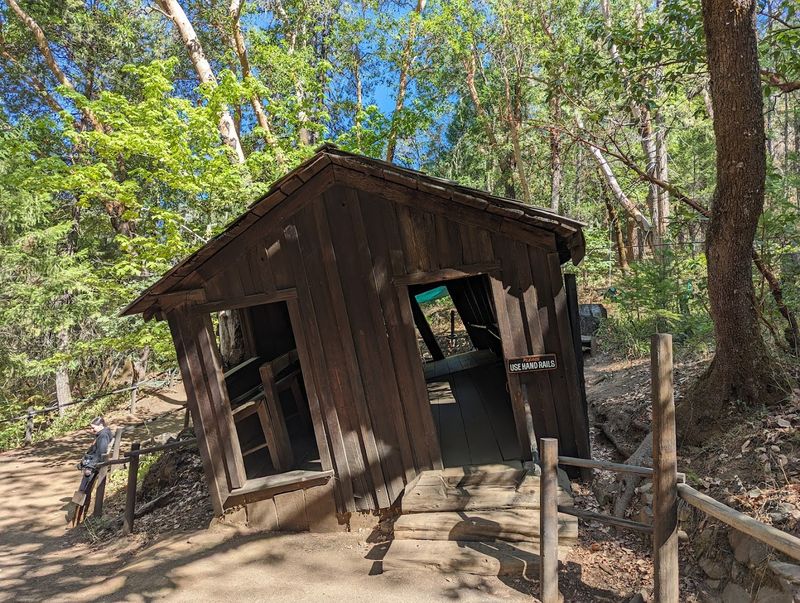
Balls roll uphill. People appear to shrink or grow depending on where they stand.
The Oregon Vortex in Gold Hill, Oregon has been baffling visitors since it opened to the public in 1930.
Located in the Rogue River Valley in southern Oregon, this is one of the oldest tourist attractions in the state. The main feature is a tilted wooden structure called the House of Mystery, where optical illusions and physical oddities seem to defy normal logic.
Scientists and skeptics have visited for decades trying to explain the phenomena. Most leave with more questions than answers, which is part of the fun.
The site was originally used by the Takelma people, who reportedly avoided the area due to its unusual energy. That history adds a layer of cultural depth to what might otherwise feel like a roadside gimmick.
Guided tours are available daily and run about 45 minutes. The guides are knowledgeable and keep the experience lively with demonstrations and explanations.
Gold Hill is a small town in Jackson County, roughly 12 miles north of Medford. It is easy to reach from Interstate 5, making it a solid stop on a southern Oregon road trip.
There is a modest admission fee, and the property is well maintained. Bring a camera because the visual tricks here photograph brilliantly.
The Oregon Vortex is the kind of place that makes you question what you think you know about the physical world.
4. The Enchanted Forest, Turner, Oregon
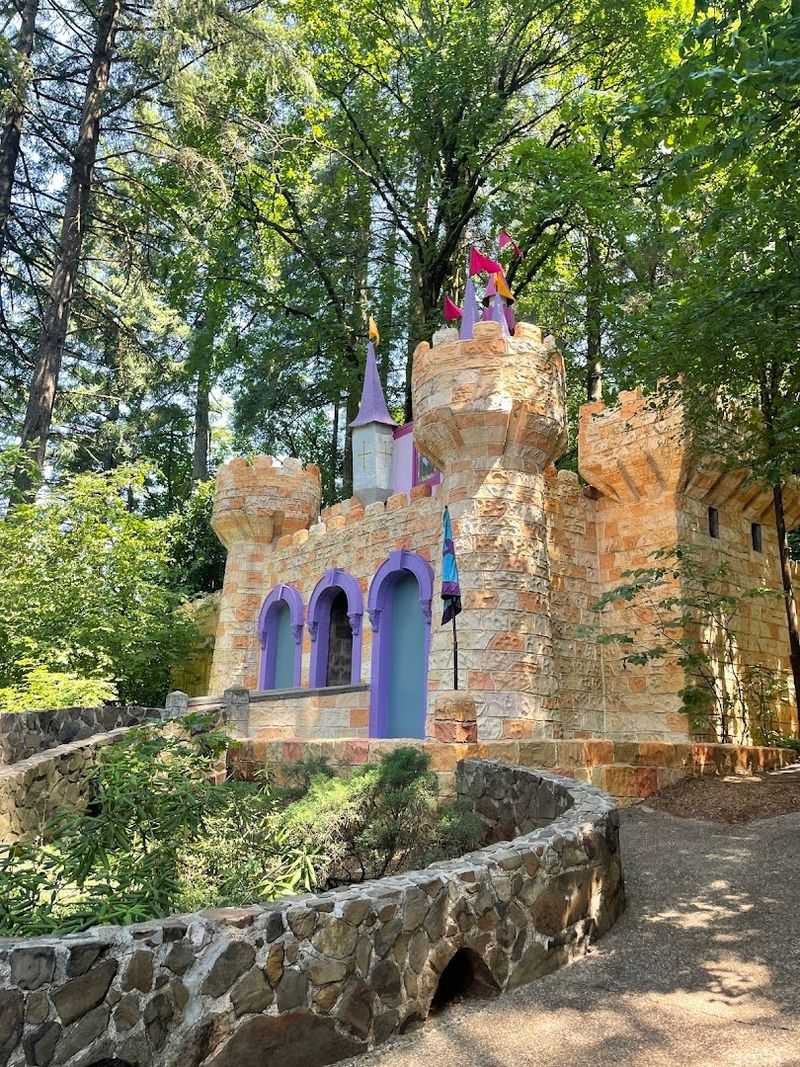
Roger Tofte spent seven years carving this place out of the Oregon wilderness by hand. The Enchanted Forest in Turner, Oregon is one of the most personal and peculiar attractions in the entire Pacific Northwest.
Located just south of Salem in Marion County, this family-owned theme park opened in 1971. It features hand-built storybook scenes, a haunted house, a comedy theater, and rides tucked among towering Douglas firs.
What separates this place from any other theme park is the human story behind it. Tofte built it almost entirely himself, working evenings and weekends while holding a day job to support his family.
The park has been passed down through generations and still feels deeply personal. You can sense the care and creativity in every carved figure and painted detail.
Admission is affordable compared to large commercial parks. The experience leans nostalgic and old-fashioned in the best possible way.
Kids love the rides and storybook characters. Adults tend to feel a quiet sense of wonder at what one determined person can build with enough patience.
Turner is a small town located about 10 miles south of Salem on Highway 99E. The drive through the Willamette Valley is pleasant and easy.
The Enchanted Forest operates seasonally, so checking the schedule before visiting is important. This is a one-of-a-kind Oregon institution that rewards anyone willing to step away from the obvious tourist trail.
5. The National Historic Oregon Trail Interpretive Center, Baker City, Oregon
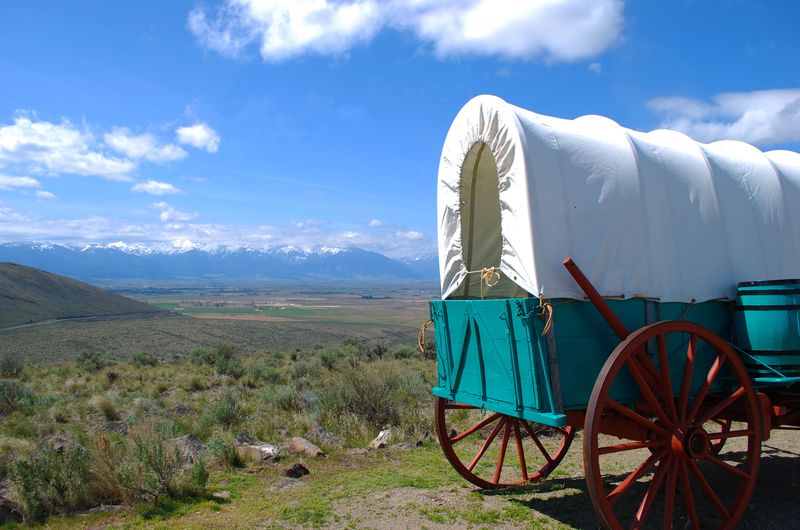
Few places in America put you this close to a defining chapter of national history. The National Historic Oregon Trail Interpretive Center in Baker City, Oregon sits on a hill above actual wagon ruts carved into the earth by pioneer travelers over 170 years ago.
Operated by the Bureau of Land Management, this museum in eastern Oregon offers life-size exhibits, dramatic dioramas, and first-person accounts of what the trail journey truly involved. It is sobering and deeply impressive.
The center opened in 1992 and has welcomed millions of visitors since. It sits on Flagstaff Hill, which offers sweeping views of the Powder River Valley below.
Outside, you can walk interpretive trails and stand directly beside the original trail ruts still visible in the ground. That physical connection to history is something no digital exhibit can replicate.
Baker City is located in Baker County in northeastern Oregon, roughly two hours west of Boise, Idaho via Interstate 84. The surrounding high desert landscape adds to the sense of isolation the pioneers must have felt.
Admission is free, which feels almost too generous given the quality of the experience. Plan to spend at least two to three hours here.
The gift shop carries thoughtful books and regional items worth browsing. Rangers are available for questions and are genuinely enthusiastic about sharing the trail’s complex history.
This museum earns its place as one of the most emotionally resonant stops in all of Oregon.
6. The Lan Su Chinese Garden, Portland, Oregon
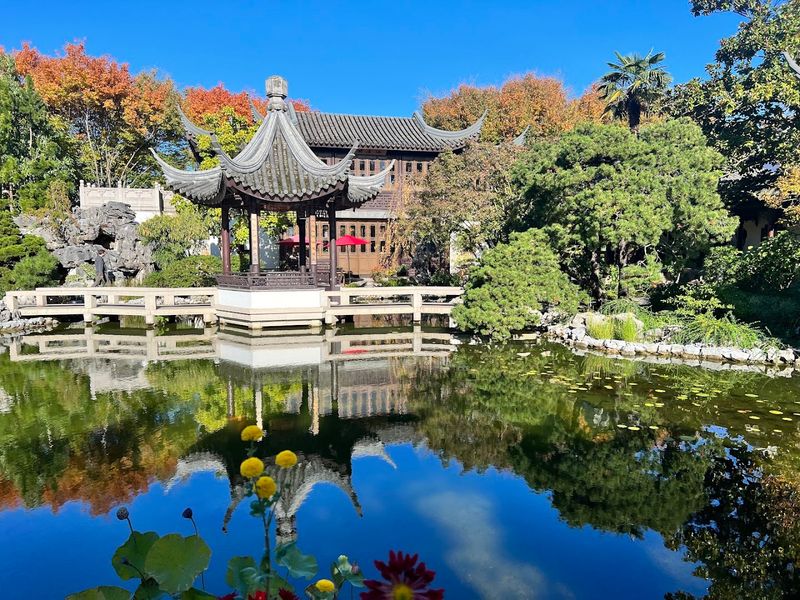
Built by 65 artisans brought over from Suzhou, China, the Lan Su Chinese Garden in Portland, Oregon is the most authentic Ming Dynasty-style garden outside of China. That is not a marketing claim.
That is the result of a formal sister-city partnership and years of meticulous construction.
Located in Portland’s Old Town Chinatown neighborhood, the garden covers a full city block. Every stone, tile, and carved wooden beam was imported from Suzhou and assembled on-site by the Chinese craftspeople who made the trip specifically for this project.
The garden opened in 2000 and has since become one of Portland’s most beloved cultural landmarks. It features a central lake, covered walkways, pavilions, and over 500 plant species carefully arranged according to classical Chinese garden principles.
Visiting feels genuinely transportive. The city noise fades the moment you step through the entrance gate.
Seasonal programming includes tea ceremonies, cultural performances, and guided tours. The on-site teahouse offers traditional teas and light refreshments in a setting that feels worlds away from the street outside.
Admission is modest and well worth it. The garden is open year-round, though spring and fall offer particularly stunning visual rewards.
Portland’s Old Town neighborhood surrounds the garden with interesting shops and restaurants worth exploring before or after your visit.
Lan Su is proof that Portland’s cultural ambitions go far beyond the expected, and this garden stands as one of the city’s most quietly extraordinary achievements.
7. The Tillamook Creamery Visitor Center, Tillamook, Oregon
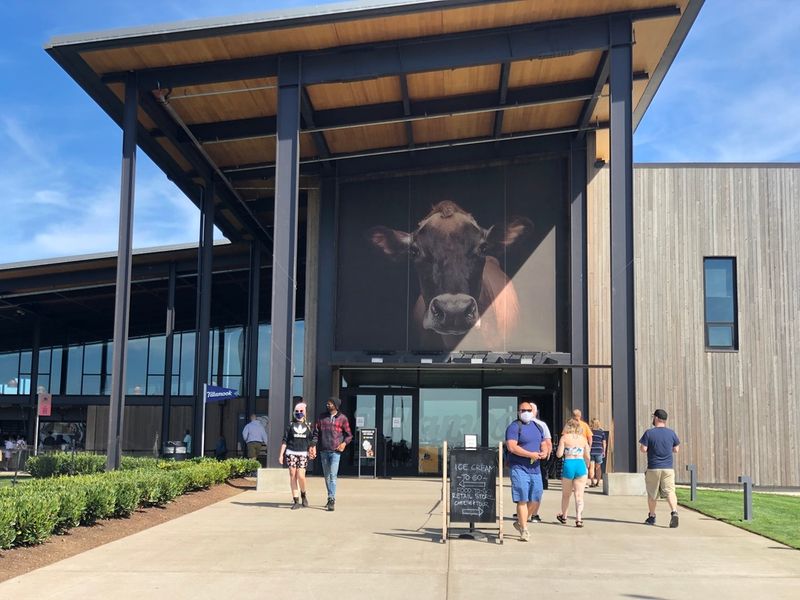
Cheese has never been this entertaining. The Tillamook Creamery Visitor Center in Tillamook, Oregon lets you watch real cheese being made through massive glass windows while eating some of the best ice cream on the West Coast.
Located in Tillamook County on the northern Oregon Coast, the creamery has been producing dairy products since 1909. The visitor center underwent a major renovation in 2018 and now offers a world-class interactive experience that goes far beyond a simple factory tour.
You can follow the cheese-making process from milk intake to packaging through a self-guided walking route. Informational panels explain each step in clear, accessible language suitable for all ages.
The retail area sells every Tillamook product imaginable, from aged cheddars to squeaky fresh cheese curds. The ice cream counter draws lines that move surprisingly fast and reward patience generously.
Tillamook is located about 75 miles west of Portland via Highway 6. The drive through the Coast Range is scenic and pleasant, especially in clear weather.
Admission to the visitor center is free. You will almost certainly spend money in the shop, but that feels less like a complaint and more like a prediction.
The surrounding Tillamook Bay area offers excellent birding, clamming, and coastal hiking for those who want to extend the trip.
The Tillamook Creamery is one of those rare places where the product, the process, and the setting all deliver equally well.
8. The Hallie Ford Museum of Art, Salem, Oregon
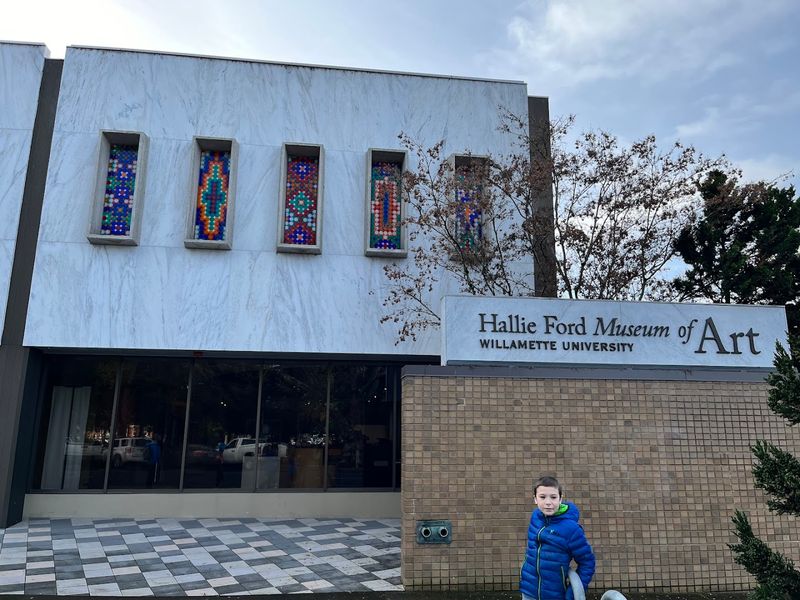
Salem does not always get the attention it deserves as an arts destination, but the Hallie Ford Museum of Art changes that conversation quickly. Located on the campus of Willamette University in Salem, Oregon, it is the second-largest art museum in the state.
The museum holds an impressive permanent collection focused on Pacific Northwest art, Native American art, and Asian works. The Native American collection alone is worth the trip, featuring pieces that rarely appear in mainstream museum circuits.
Founded in 1998 with a major gift from philanthropist Hallie Ford, the museum has grown steadily in both collection size and regional reputation. It hosts rotating exhibitions that bring national and international work to the Willamette Valley.
Salem is the state capital, located in the heart of the Willamette Valley about 50 miles south of Portland. The Willamette University campus provides a pleasant setting for a full afternoon of exploration.
Admission is affordable, and the museum offers free entry on certain days throughout the year. The staff is knowledgeable and approachable, which makes the experience feel personal rather than institutional.
The museum’s architecture is clean and functional, allowing the art to take center stage without distraction.
Pairing a visit here with a walk through downtown Salem or a stop at a nearby winery makes for a well-rounded day trip from Portland.
The Hallie Ford Museum quietly punches well above its weight and deserves far more recognition than it typically receives.
9. The Museum of Natural and Cultural History, Eugene, Oregon
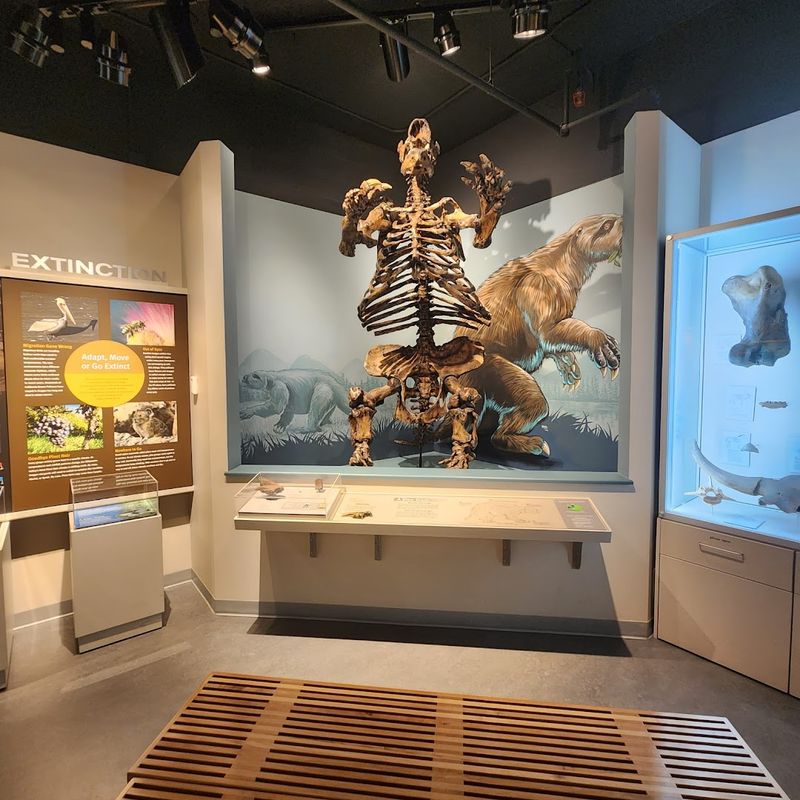
Oregon has a fossil record that most people never hear about, and the Museum of Natural and Cultural History at the University of Oregon in Eugene is the best place to start learning about it. The exhibits here cover 300 million years of Oregon history in a building that manages to feel both scholarly and welcoming.
Located on the University of Oregon campus in Eugene, Lane County, the museum focuses on the natural history and indigenous cultures of the Pacific Northwest. The collections include ancient fossils, volcanic geology, and detailed cultural artifacts from Oregon’s Native communities.
One of the standout exhibits features the Thomas Condon Paleontology Center collection, which includes fossils from the John Day Fossil Beds. These specimens represent some of the most significant paleontological finds in North America.
The cultural history wing presents Oregon’s indigenous heritage with sensitivity and depth. The exhibits were developed in collaboration with tribal communities, which gives them an authenticity that is rare and meaningful.
Eugene is located in the southern Willamette Valley, about 110 miles south of Portland via Interstate 5. The university campus is walkable and filled with interesting architecture and green spaces.
Admission is free, which makes this one of the best-value museum experiences in Oregon. Allow at least two hours to move through the exhibits comfortably.
The surrounding campus offers additional exploration options, including the Jordan Schnitzer Museum of Art just a short walk away.
