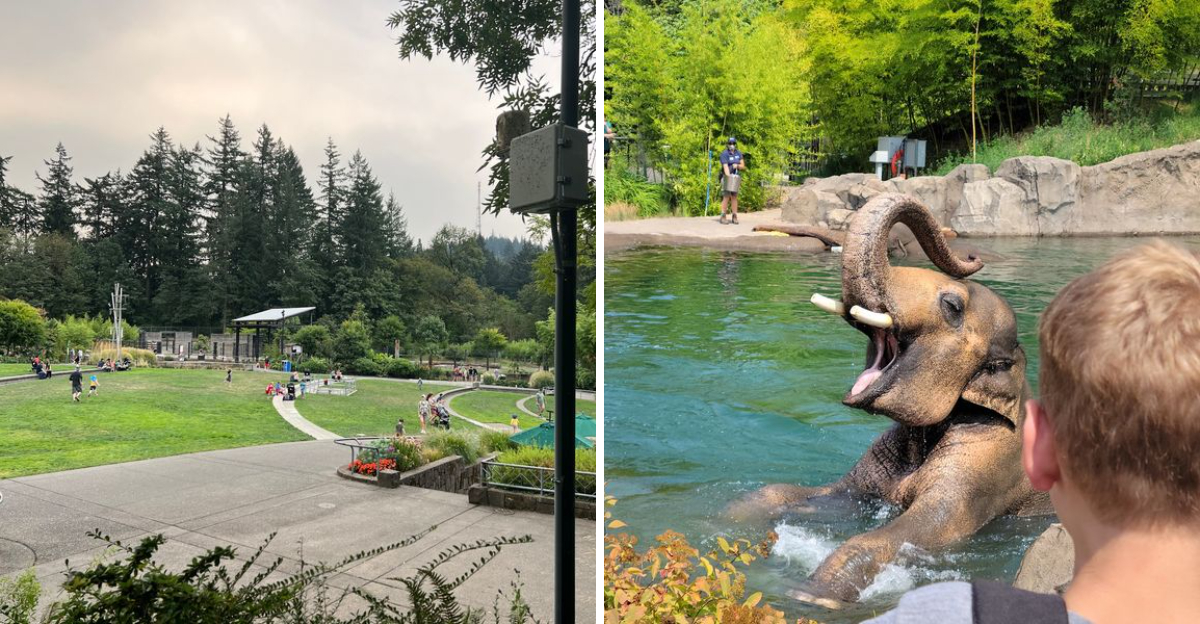
Some attractions are famous for a reason. With nearly 3,000 animals across 64 acres, this Oregon zoo offers one of the most immersive wildlife experiences in the country.
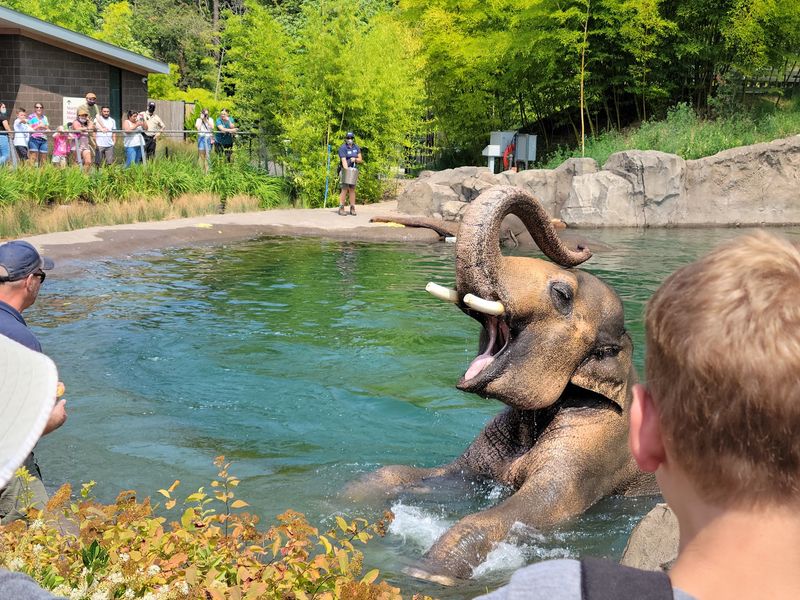
The elephant habitat alone is worth the trip – a six-acre space that’s been called one of the best zoo exhibits in the nation. Beyond the animals, the zoo sits nestled in a lush park setting, with educational gardens and exhibits designed to inspire conservation efforts.
Founded in 1888, it’s also one of the oldest zoos west of the Mississippi, and it continues to evolve with every passing year while staying true to its mission.
Take a full day, wander through the themed areas, and discover why Oregon’s zoo is absolutely magical from start to finish.
Elephant Lands And The Herd That Runs The Place
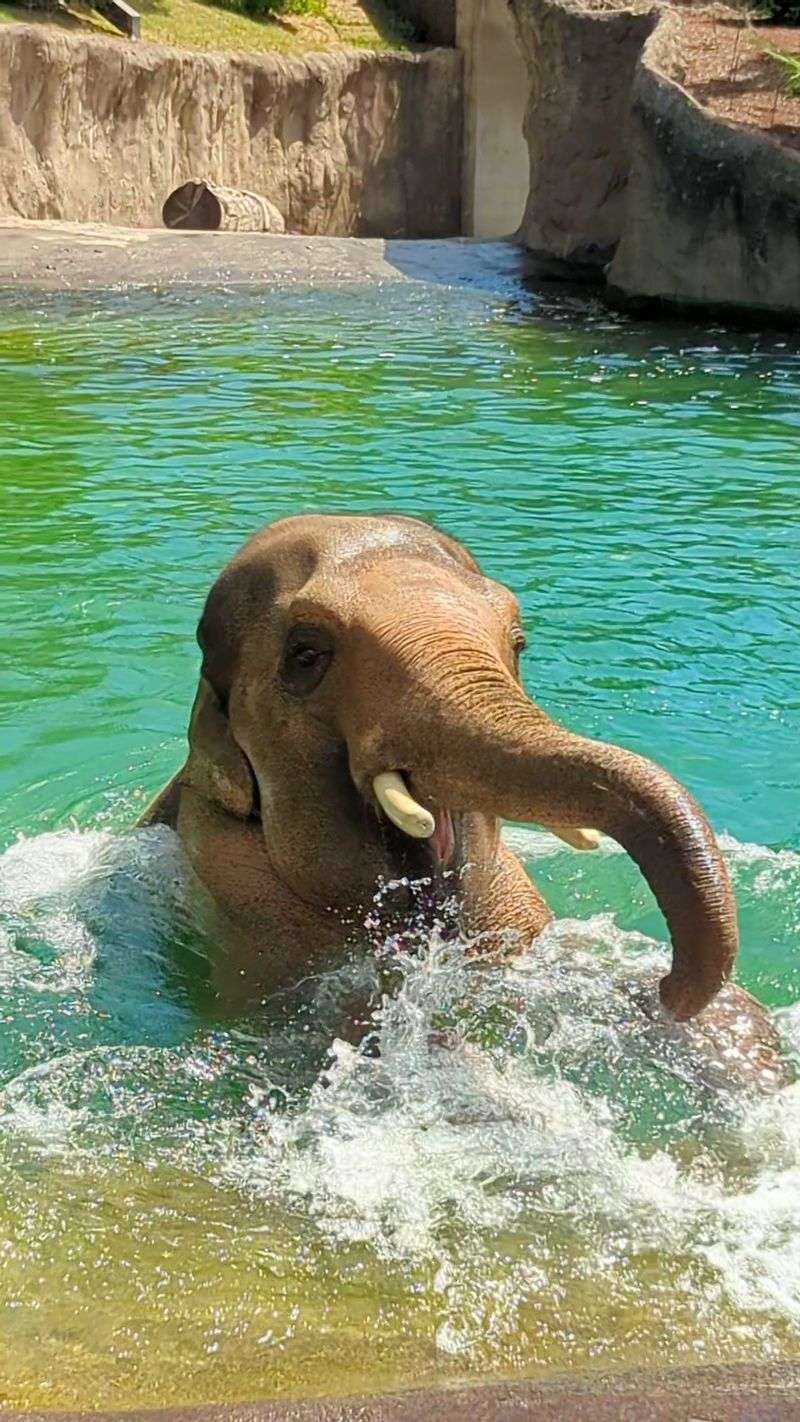
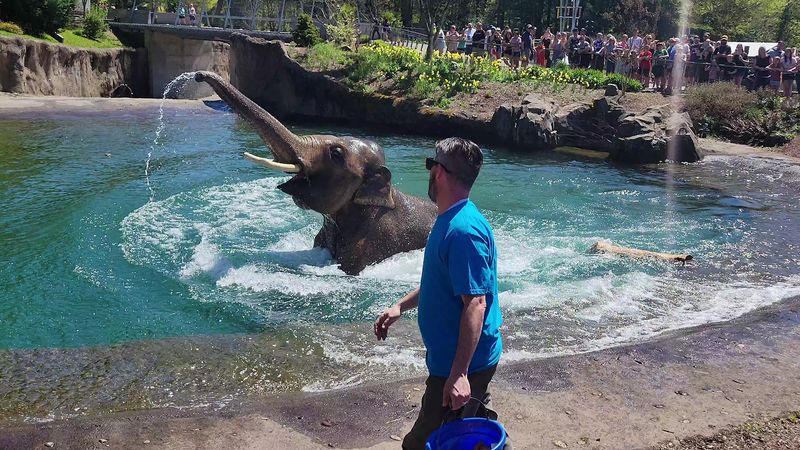
Elephants stole the show within minutes, and I stopped pretending otherwise. Asian elephants roam a sprawling habitat with deep pools, sandy mounds, and shaded shelters spread over several acres. Watching one toss a trunkful of dust across its back is oddly hypnotic.
The layout lets the herd choose where to wander through the day, so the scene shifts depending on arrival time. Mornings often bring bathing and breakfast, while afternoons lean toward slow strolling and shade hunting. Indoor viewing means a drizzly Portland day still works here.
Glass panels sit low enough for toddlers to press their faces against, and grown-ups tend to linger just as long. Nearby signs explain how family bonds shape herd behavior, which gives real meaning to what looks like simple lounging.
Budget extra time for this section. A rushed loop misses the best moments, since elephants operate on their own schedule and often drift out of view before circling back. Patience pays off, especially near the water. Elephant Lands is the heart of the zoo, and it earns that title honestly.
Polar Bears Behind Glass, Closer Than Expected
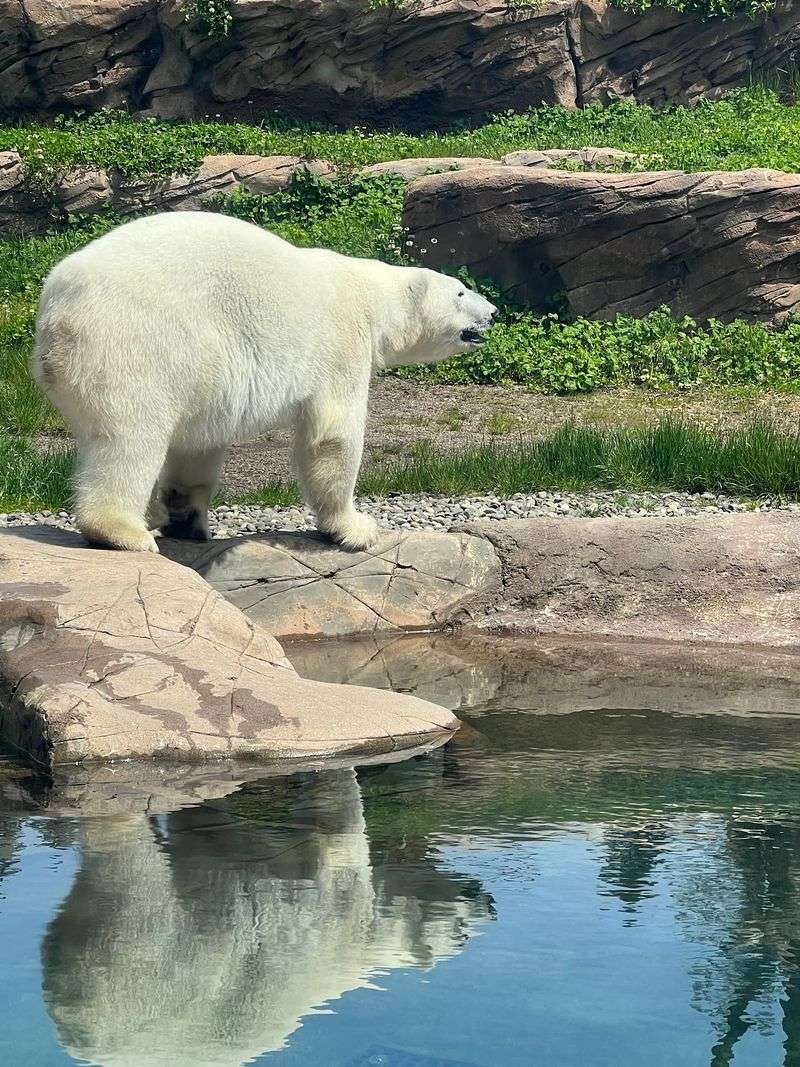
Few things prepare a person for a polar bear paddling past at eye level. The underwater viewing windows turn a big white blur into something startlingly graceful, all paws and lazy momentum. Kids press against the glass. Adults quietly do the same.
Above water, the habitat mixes rocky ledges, chilled resting spots, and pools deep enough for real swimming, which encourages the kind of behavior visitors rarely get to see. Keepers hide food and scatter enrichment items, so bears often show up sniffing and digging instead of sleeping in a corner.
Timing helps a lot here. Cooler, cloudier days tend to bring more activity, and Portland delivers plenty of those.
Interpretive displays explain how melting sea ice affects wild populations, framed in language that children can actually follow without feeling lectured. That mix of wonder and honesty stuck with me longer than the photos did.
Plan a second pass later in the visit if the bears are resting. Behavior changes fast, and a repeat stop often rewards the effort.
Riding The Little Railway Through The Woods
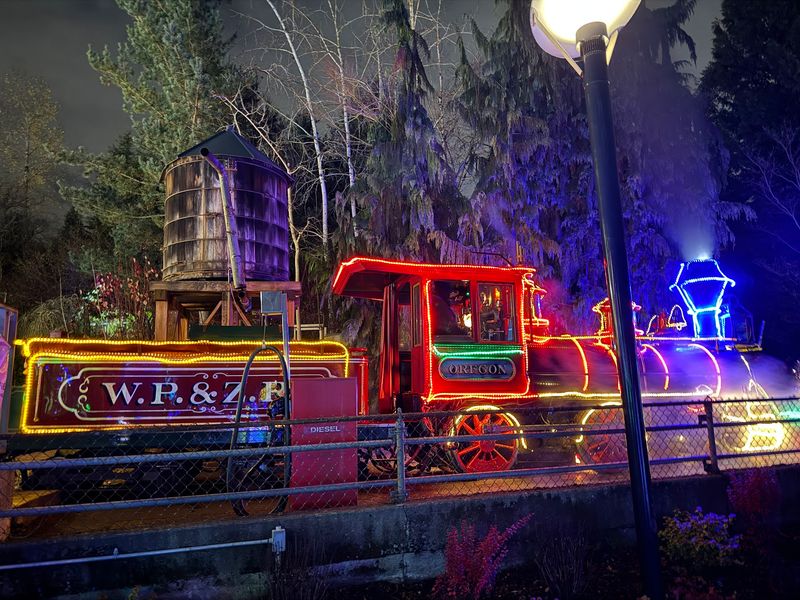
There is something wonderfully old-fashioned about the zoo railway, and I say that as someone who normally skips add-on rides. The narrow gauge train rumbles through wooded stretches of the grounds, offering shady glimpses of habitats from a different angle.
Little ones love the whistle. Grandparents love the nostalgia.
Worth knowing before boarding: the route is shorter than it once was and no longer travels out into Washington Park, so expect a gentle loop rather than a grand tour. Some families find it charming, others feel it is optional, and both reactions are fair.
Lines build up midday, especially when school groups arrive.
Riding early or late in the afternoon usually means a shorter wait and better seats near the open sides. The breeze through the firs feels great after hours of walking uphill.
Treat it as a rest stop with a view rather than a headline attraction. Tired legs appreciate the break, and the forest scenery is a reminder of how unusual this zoo’s setting really is.
Lions, Rhinos And The Savanna Side Of The Park
Predators of the Serengeti hits differently when a lion decides to yawn six feet from the glass. The habitat leans into open, grassy terrain with rocky perches, and the big cats often claim the highest sunny spot available. Cheetahs pace. Lions nap shamelessly.
Rhinos live nearby, and visitors quickly learn that a rhino’s presence announces itself before it becomes visible. My honest reaction involved laughter and a slight step backward, which felt like the correct response.
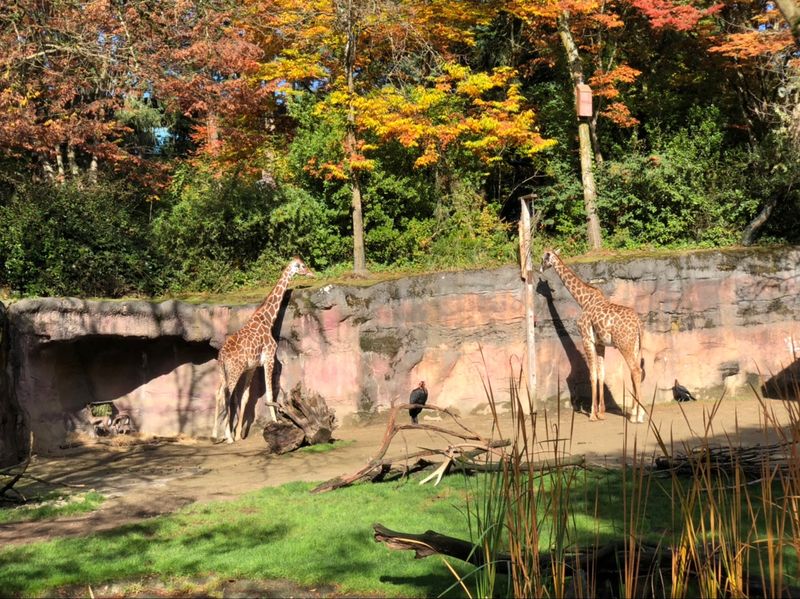
Giraffes bring the comedy in the African savanna area, sometimes nudging hanging enrichment toys with their heads like oversized athletes. Feeding demonstrations occasionally happen here, drawing animals closer to viewing rails.
Shade is limited in a few spots, so hats help during warm stretches.
Signage explains poaching pressures and habitat loss without turning grim, and children seem to absorb it well. Standing between a lion and a rhino in Oregon is strange in the best way. Allow twenty minutes minimum. Animals often shift positions, rewarding anyone who waits a little.
The Great Northwest, Where Local Wildlife Shines
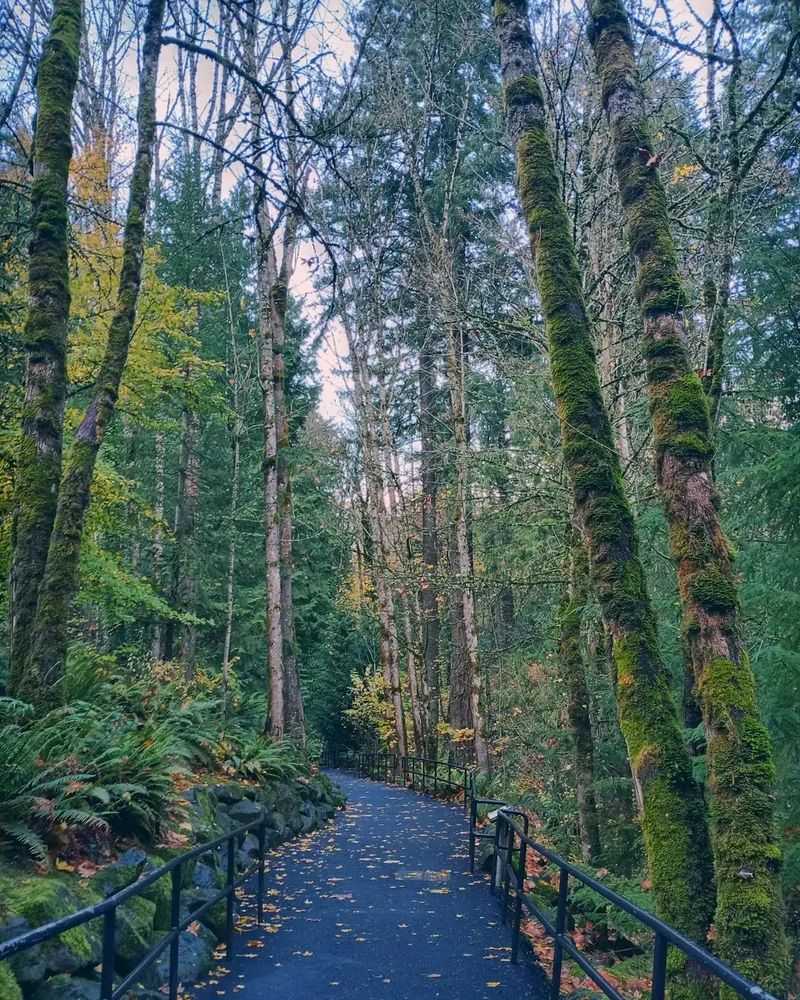
My favorite surprise was not the exotic stuff. The Great Northwest section celebrates animals that actually live in Oregon, and it feels like a walk through a coastal forest that happens to have residents. Otters own this area completely.
They corkscrew through the water, bounce off rocks, and generally behave like they know an audience is watching. Nearby, black bears sometimes climb and chase each other through their habitat, which draws instant crowds and plenty of gasps.
Bald eagles perch in a large enclosure, many of them birds that could not survive in the wild after injuries. A staff member near that habitat once explained rehabilitation work to a family beside me, and the conversation clearly landed with the kids.
Beavers, cougars, and seasonal streams round out the area.
Ferns and mossy logs blur the line between exhibit and actual forest, which makes photos here look wonderfully wild. Anyone curious about Pacific Northwest ecosystems should slow down and read the panels. Local wildlife rarely gets this kind of spotlight, and it deserves it.
Condors And The Conservation Work Behind Them
Did you know the California condor came within a few dozen birds of disappearing forever? Seeing one up close explains why people fought so hard, since the wingspan alone reshapes a person’s sense of scale. They are odd looking. They are also unforgettable.
The zoo participates in recovery programs for condors, and breeding efforts here have helped return birds to wild landscapes. Displays explain lead poisoning risks and the slow, patient work involved, using words a curious ten-year-old can follow.
Condors are not the only story. Oregon silverspot butterflies and western pond turtles also benefit from behind-the-scenes conservation programs connected to the zoo. Those species will never draw the crowds elephants do, which makes the effort feel more sincere.
I stood at the condor enclosure longer than expected, mostly because the birds kept shifting their heads in that deliberate, ancient way. Visitors who care about wildlife recovery should make this a deliberate stop rather than a passing glance.
Small signs here carry big weight, and admission helps fund the work.
Primates With Personality And Excellent Timing
Comedy happens in the primate areas, whether anyone plans for it or not. Orangutans climb, sprawl, and drape fabric over themselves with the confidence of someone who has never been embarrassed. Chimpanzees turn snack time into theater.
Viewing windows sit close enough for eye contact, and that moment tends to quiet even the loudest group of school kids. There is something humbling about a long, unhurried stare from an ape who clearly finds visitors mildly interesting at best.
Climbing structures, ropes, and platforms encourage constant movement, so the habitats rarely look static. Keepers rotate enrichment puzzles, which means repeat visitors often catch entirely different behavior. Smaller primates nearby add chatter and quick bursts of motion.
Photos through glass work better without flash, and stepping slightly to one side cuts reflections. Anyone traveling with restless children will find this section holds attention longer than most.
My advice is simple. Stay for at least one full interaction between individuals, because primate social life is where the real fascination lives.
Keeper Talks Turn A Good Day Into A Great One
Ask a keeper one question and the whole visit changes. Scheduled talks pop up throughout the grounds, and the staff clearly enjoy sharing details that never fit on a sign. Names, quirks, medical histories, favorite foods.
I listened to one presentation about training sessions and walked away understanding why animals voluntarily participate in their own health checks. Kids ask blunt questions, and the answers stay honest without getting heavy.
Talk times are posted near the entrance and online, so a quick photo of the daily schedule helps with planning. Feeding demonstrations often coincide with these chats, which means animals drift closer to viewing areas right when visitors are watching.
Volunteers stationed along paths carry biofacts like feathers, skulls, and shed skins.
Those short encounters are easy to walk past and genuinely worth stopping for. Anyone hoping to learn something rather than just look at animals should build the route around talk times instead of geography.
It costs nothing extra. It also transforms a pleasant stroll into something that sticks in memory.
Practical Comforts That Make A Long Visit Easy
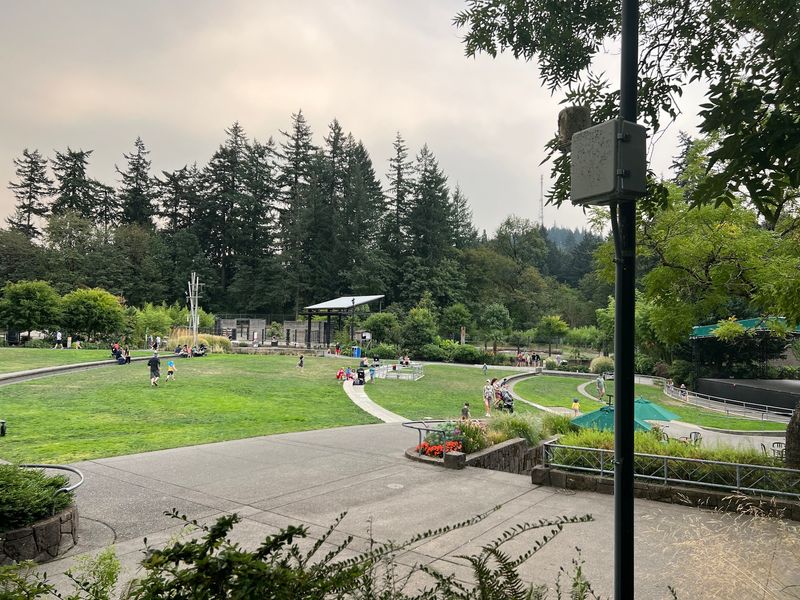
Comfort matters after four hours of walking, and this place handles it well. Paths are wide and paved, wheelchairs and strollers roll easily, and mobility scooters can be rented near the entrance. Restrooms stay clean. Changing stations are available.
Fabric shade canopies were added over several stretches, which helps on bright afternoons and during the occasional downpour. Benches and grassy resting spots appear often enough that nobody has to power through exhaustion.
Food kiosks are scattered around, with a decent range of options, though gluten-free choices are limited.
A giant sand play area gives younger children a place to burn off energy, and it buys parents a well-earned sit. Timed entry tickets purchased in advance mean walking straight past the kiosk line, which is the single best time-saving trick here.
Parking is metered, payable by app or kiosk, and lots fill early on sunny weekends. Arriving near opening at nine solves several problems at once. Animals eat breakfast, crowds stay thin, and shady spots are still free.
Every Season Brings A Different Kind Of Magic
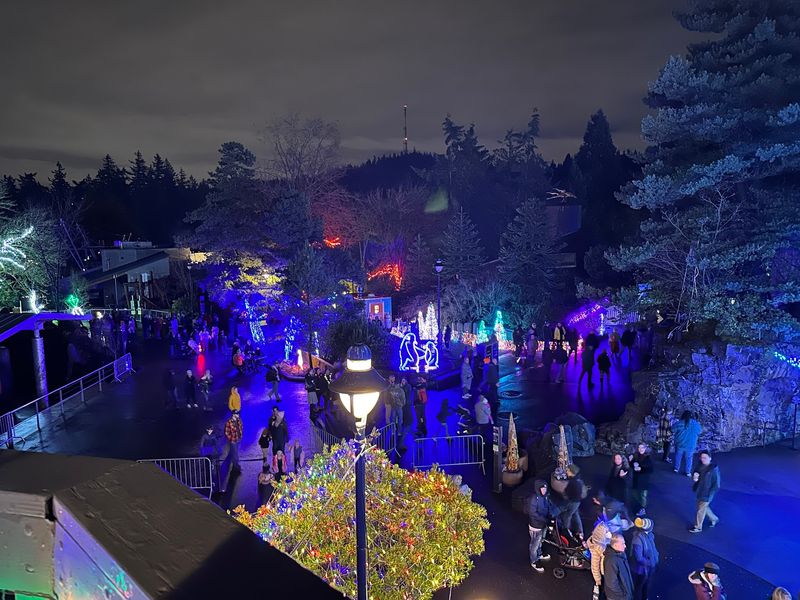
Winter might be the sneakiest reason to visit. ZooLights fills the grounds with millions of twinkling bulbs shaped like animals, and walking those glowing paths after dark feels like a completely different destination. Bundle up. Bring a thermos.
Summer evenings bring outdoor concerts on the lawn, where music mixes with the occasional distant animal call. Spring tends to be the sweet spot for active animals, since Portland’s mild, cloudy weather keeps everyone moving rather than napping in the shade.
June brings school field trips in waves, so weekday mornings that month get busy.
Hot August afternoons slow things down for the animals, which is understandable and worth planning around. Autumn offers thin crowds, golden light through the firs, and comfortable temperatures for a full loop.
Locals often hold memberships and drop in weekly, treating it like a neighborhood park with lions.
Visitors get one shot, so choosing the right season stacks the odds toward a magical day. Whichever month works, the forest setting keeps it beautiful.
Address: 4001 SW Canyon Rd, Portland, Oregon
