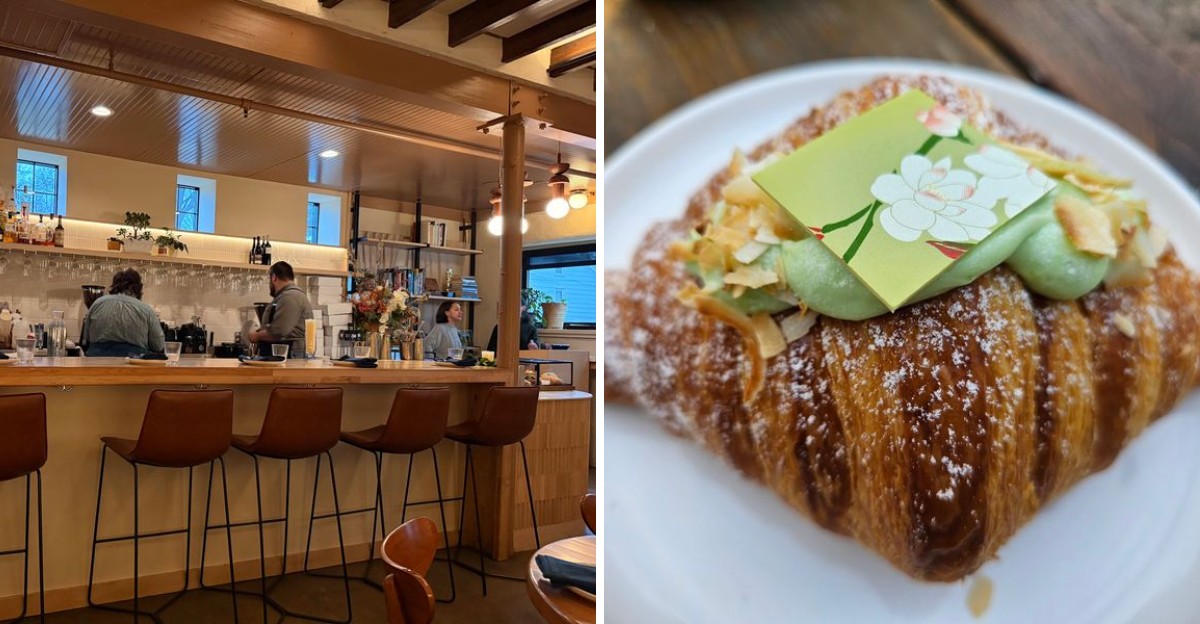
You’ve probably had a good croissant before. But have you had one that makes you close your eyes after the first bite? At this Minnesota bakery, that’s the standard.
The chef behind the counter has been nominated for multiple national awards throughout her career and was even a finalist several times for Outstanding Pastry Chef. She spent years running the pastry programs at some of the most celebrated restaurants in the region before opening her own spot.
The result is a menu that blends those pastry chops with the flavors of her heritage, creating dishes you simply won’t find anywhere else.
The space is warm and unassuming, the kind of place that feels like home from the moment you walk in. And the pastries are the kind you think about long after you’ve finished them.
A quiet Northeast block that hides something special
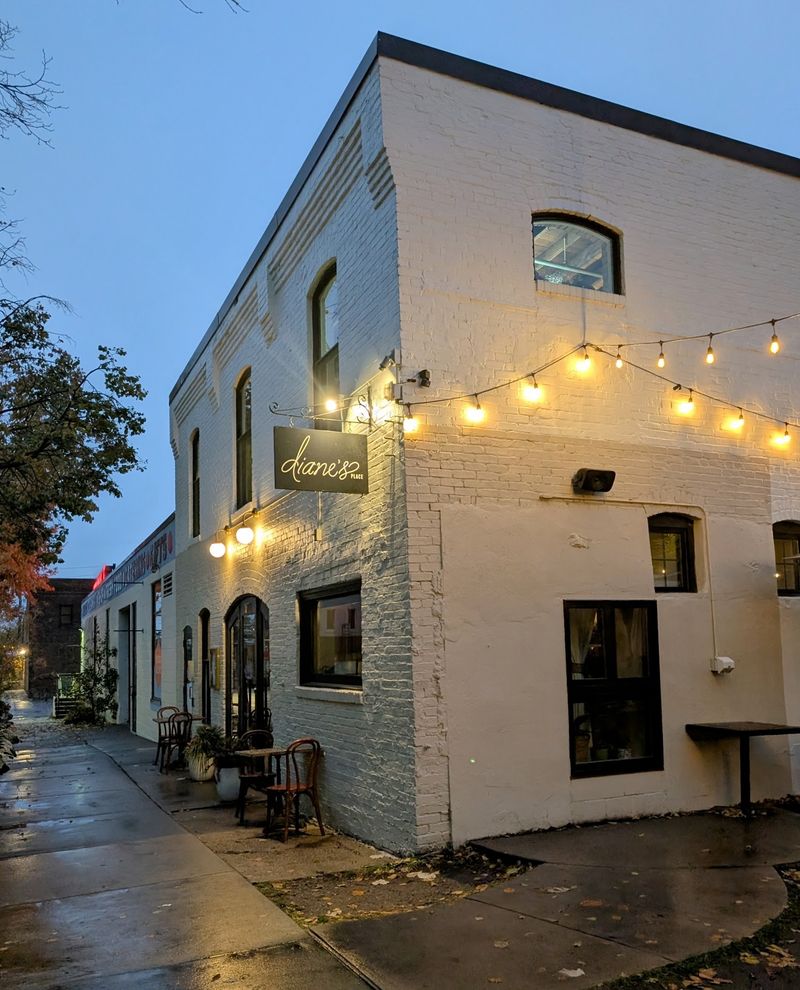
The block feels residential, almost sleepy, with brick buildings and short trees lining the sidewalk. Nothing about the exterior shouts award winner. That is part of the charm.
Northeast Minneapolis has long been an arts district, and the bakery restaurant slides into that mix without any fuss. There is no giant sign, no velvet rope, just a door that opens into warm light and the smell of butter.
Inside, the space stays intimate, with a small bar area and tables close enough that conversations blur together pleasantly. The building itself gets compliments from guests, and it deserves them.
Anyone expecting a flashy destination restaurant may be surprised by how ordinary the approach looks from the street. Then the first plate lands and the surprise flips completely.
Plan to arrive a few minutes early so there is time to look around the neighborhood, peek at the pastry case, and settle in before ordering. Small details like Hmong embroidery on the check booklet show how much thought went into the room. Street parking usually opens up within a block or two.
Thai tea French toast, the dish that ruins other brunches
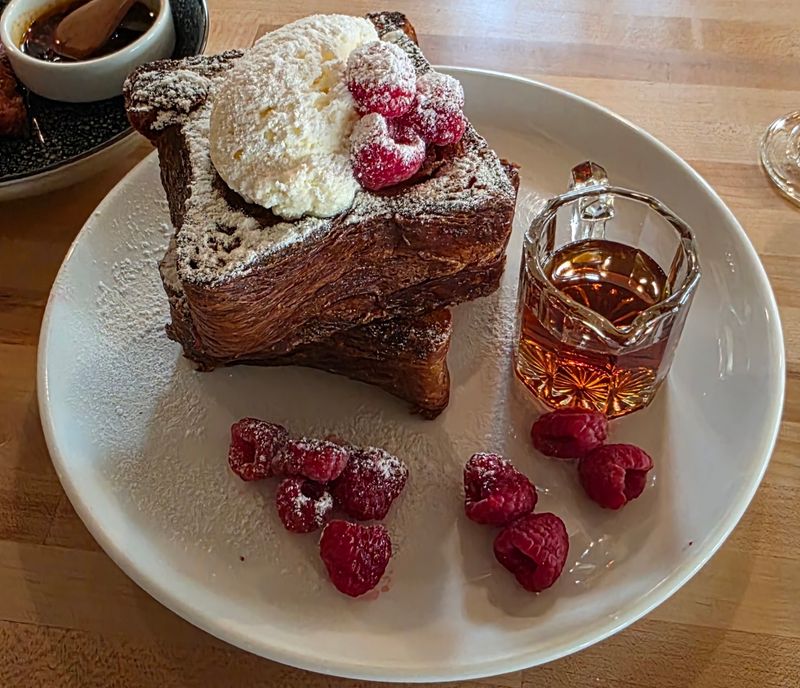
Few brunch dishes earn the kind of loyalty this one does. Croissant bread replaces the usual thick slice, so the outside crisps while the inside stays custardy and soft.
Thai tea flavor runs through it, spiced and faintly floral, with a filling tucked inside that guests often describe as fruity. Portions arrive large enough to share, which surprises people who order it as a solo plate.
Pairing it with something savory keeps the meal balanced. A side of sausage or a rice dish cuts through the richness nicely.
Popularity has a downside worth knowing about. The kitchen can sell out of it, especially later in the brunch window on weekends, so earlier reservations improve the odds.
Anyone who loves classic French toast should still try it, because the texture contrast is the whole point. Flaky edges, tender center, and a tea scented aroma that lingers over the table.
My honest take is that ordering one for the table and a second plate of something spicy makes for a nearly ideal brunch combination. Sharing also leaves room for a pastry or two.
Hmong sausage and sticky rice done right
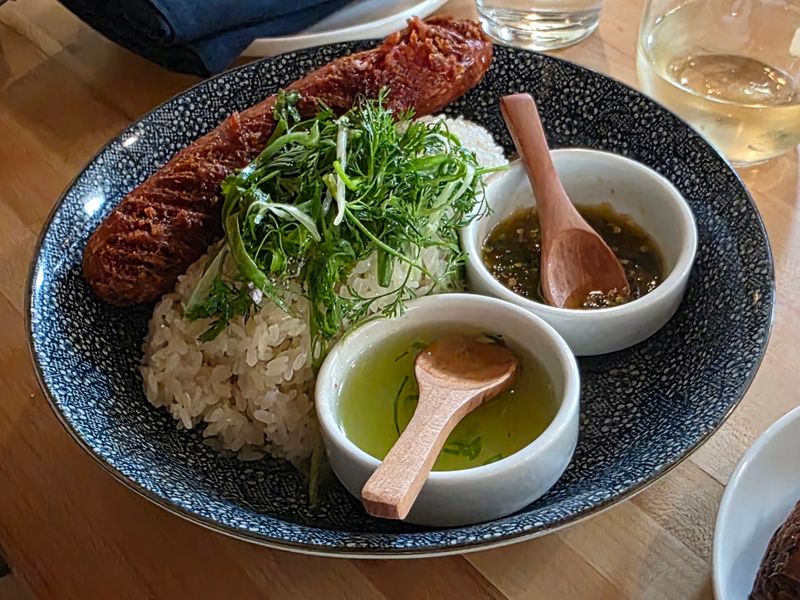
Sausage rarely gets described as memorable, yet this one keeps showing up in conversations weeks after a visit. Ginger, herbs, and a low hum of heat come through in every bite.
Sticky rice arrives alongside, which is the correct move, because the rice soaks up all that seasoned fat. Two sauces usually accompany the plate, and ordering both is the smarter choice.
Sweet and sour brings brightness while a peanut option adds body and a little richness. Mixing them is allowed, and honestly encouraged by the way the flavors stack. Spice levels sit in a comfortable middle range. It has warmth without wrecking anyone’s palate for the pastries that follow.
The dish also works as a breakfast anchor if sweets are not the goal. Pickled or fermented vegetables often appear nearby on the menu, and their sourness cuts straight through anything oily.
Groups tend to order one plate, taste it, then immediately request a second. Consider skipping the middle step and getting two upfront. Leftovers reheat surprisingly well, though the rice is best eaten warm at the table.
Croissants with a Southeast Asian accent
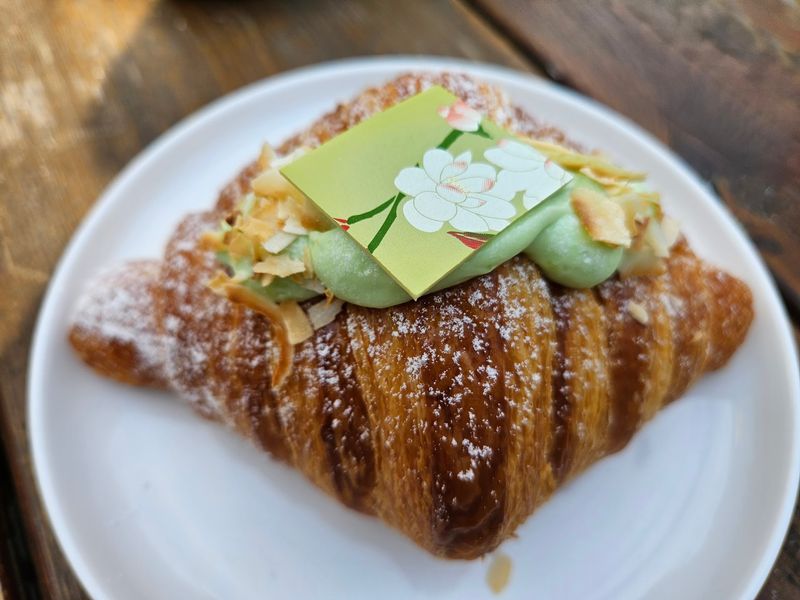
Pastry chefs get famous for precision, and the croissant case here shows it off. Layers shatter when pressed. Butter shows up in the aroma before the first bite.
Flavors lean toward Southeast Asian pantry staples, which is where things get fun. Coconut pandan is a regular favorite, and the mango passionfruit lychee version tastes bright rather than sugary.
Chocolate almond stays on the classic side for anyone who wants comfort instead of adventure. Seasonal specials rotate through, including a spring White Rabbit croissant that nods to a candy many guests grew up with.
Sizes run generous, so two pastries can easily feed three people who also plan to order savory dishes. Ordering a couple to share at the start of a meal has become something of a house tradition among regulars.
Savory options exist too, like scallion croissants sized for a few bites and a crab Rangoon danish that sounds odd and works anyway. Sweetness stays restrained across the board, which makes it easier to keep eating. Ask what came out of the oven most recently, since flavors shift often.
Sour pork short ribs and the dinner side of the menu
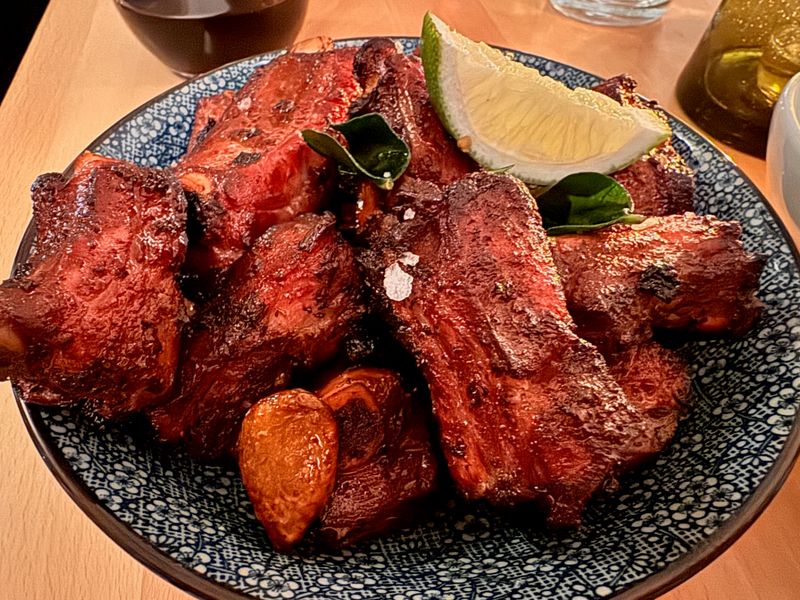
Dinner service shifts the mood. Lights drop lower, the room hums, and the menu moves toward larger plates meant for sharing. Sour pork short ribs get a lot of attention, and the balance is the reason. Salt from the marinade, fat from the pork, and a tart edge that keeps everything from feeling heavy.
Meat pulls away from the bone easily, which makes passing the plate around simple. One order stretches across a table of three or four when paired with rice and vegetables.
Family style ordering is the way to go here, so bring people who like to taste everything. Solo diners can still eat well, though the menu rewards a group.
Steamed pork rolls are another dish worth adding, especially with the house hot sauce for a proper kick. Pan fried bean thread noodles round out a table nicely.
Evening hours run Thursday through Sunday, which is worth checking before planning a trip. Wednesdays the doors stay closed entirely. Reservations for dinner tend to disappear fastest, so book as far ahead as possible.
Duck stew that tastes like someone’s kitchen at home
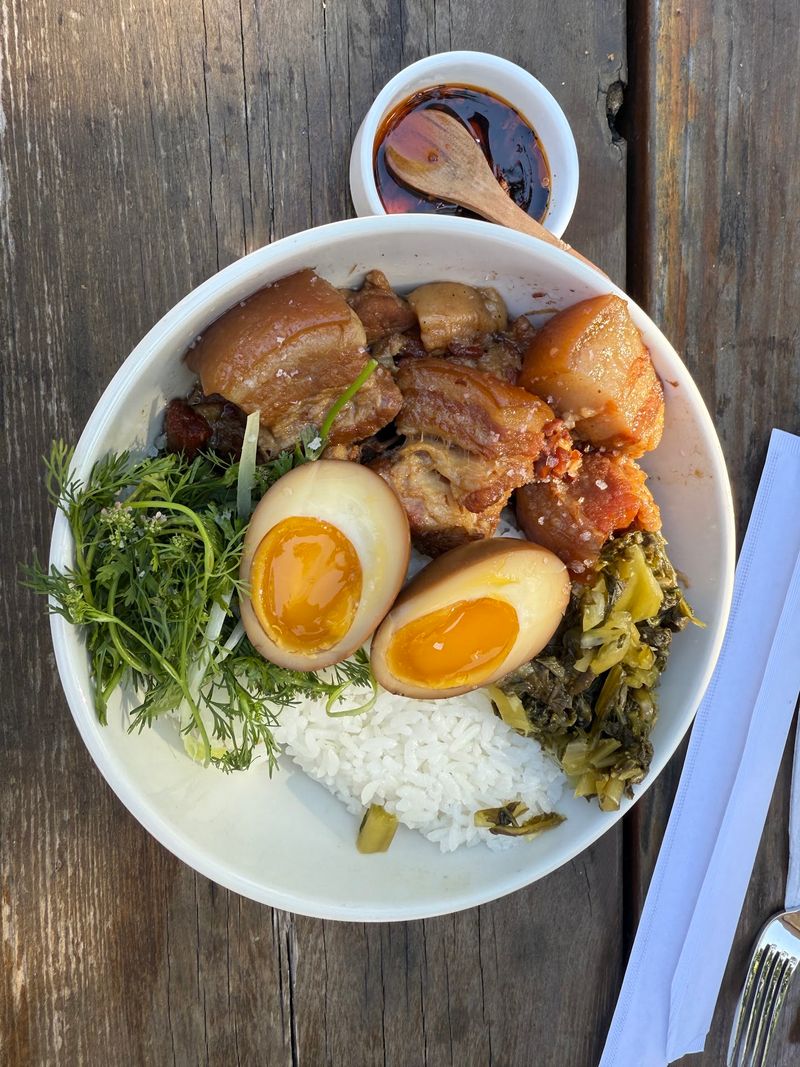
Some dishes do not photograph well and taste incredible anyway. Duck stew falls squarely into that category, arriving in a bowl that looks humble and drinks like something deeply savory.
Fresh herbs float on top and lift the whole thing, so it never turns muddy or one note. Duck gives the broth depth without any gaminess, which surprises first timers.
Traditional Hmong cooking often used whatever protein was available, and the stew carries that practical history with it. Bones show up in the bowl, so eat slowly and expect to work a little.
Comparisons to home cooking come up often, and that feels like the highest compliment a restaurant can earn. Nothing about it is fussy.
A duck rice bowl also appears on the menu for anyone who prefers a plated version with clearer edges. Flavors there lean gentler, closer to a quiet weekday dinner than a showpiece.
Order the stew if curiosity wins over caution. Ask the server which version suits the table best before committing to either one.
Papaya noodle salad and the fresher corners of the menu
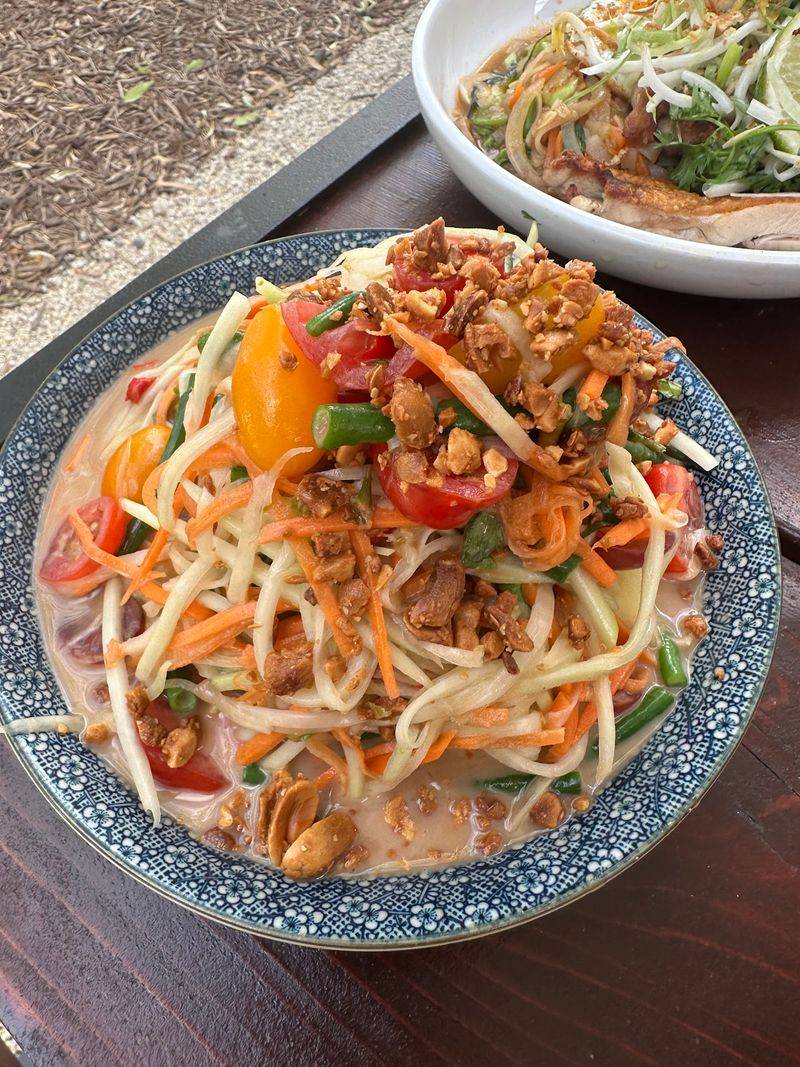
Heat, butter, and pork can pile up quickly at a table like this. That is exactly when the papaya noodle salad earns its keep. Crunch, tang, and chile heat arrive together, and the noodles keep it from feeling like a side dish afterthought. It resets the palate between richer bites.
Vegetable egg rolls are another bright spot, packed with glass noodles, shiitake, and yu choy instead of mostly wrapper. Portions run big, so one order goes a long way.
There is also a green salad that reimagines laab with more greens than meat, kept light with beef slices and herbs. Fermented mustard greens show up as a crunchy, sour counterpoint on other plates.
Vegetarian guests will find real options rather than token substitutions, which is not always the case at brunch spots. Ordering egg rolls before ten in the morning is completely acceptable behavior.
Balance really is the trick to eating well here. Pick one rich plate, one fresh plate, and share both. Papaya salad also travels well as a leftover, staying crisp for hours.
Where to sit, from the busy room to the quiet annex
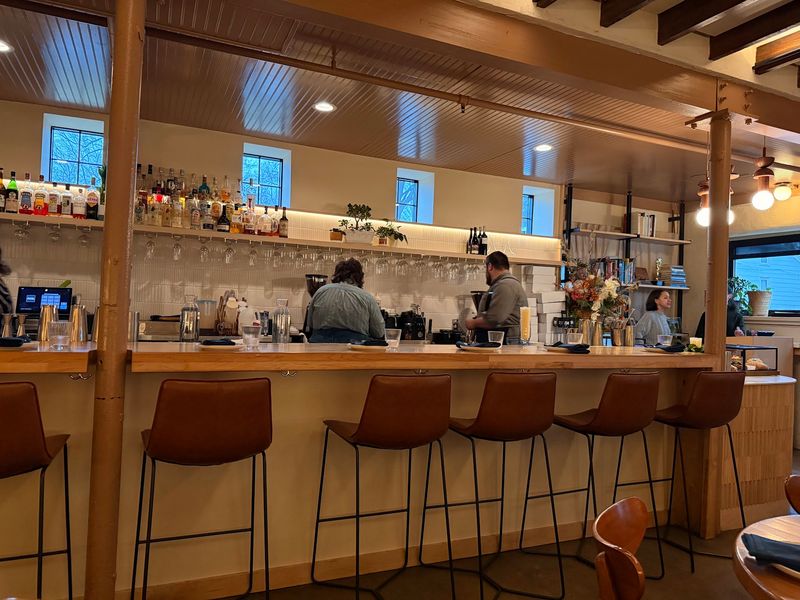
Seating choices change the experience more than expected. The main dining room runs lively and close, with energy bouncing off the walls during peak brunch.
Toward the back sits a brighter annex that stays noticeably quieter, and conversation gets much easier there. Guests with hearing sensitivities or long catch ups often prefer it.
Outdoor seating opens up when the weather cooperates, and it operates first come, first served rather than by reservation. On a mild weekday morning, walking straight onto the patio is genuinely possible.
Bar seating exists for smaller parties and solo visits, which is handy when the dining room is fully booked. Watching plates come out from that vantage point has its own appeal.
Cozy is the word most guests reach for, and it fits without feeling precious or stiff. Clean lines, warm materials, and small cultural touches make the room feel cared for.
If a specific area matters, mention the preference when booking. Requests are not guaranteed, though asking never hurts. Either way, the food arrives the same, so no seat disappoints.
Reservations, parking, and other useful details
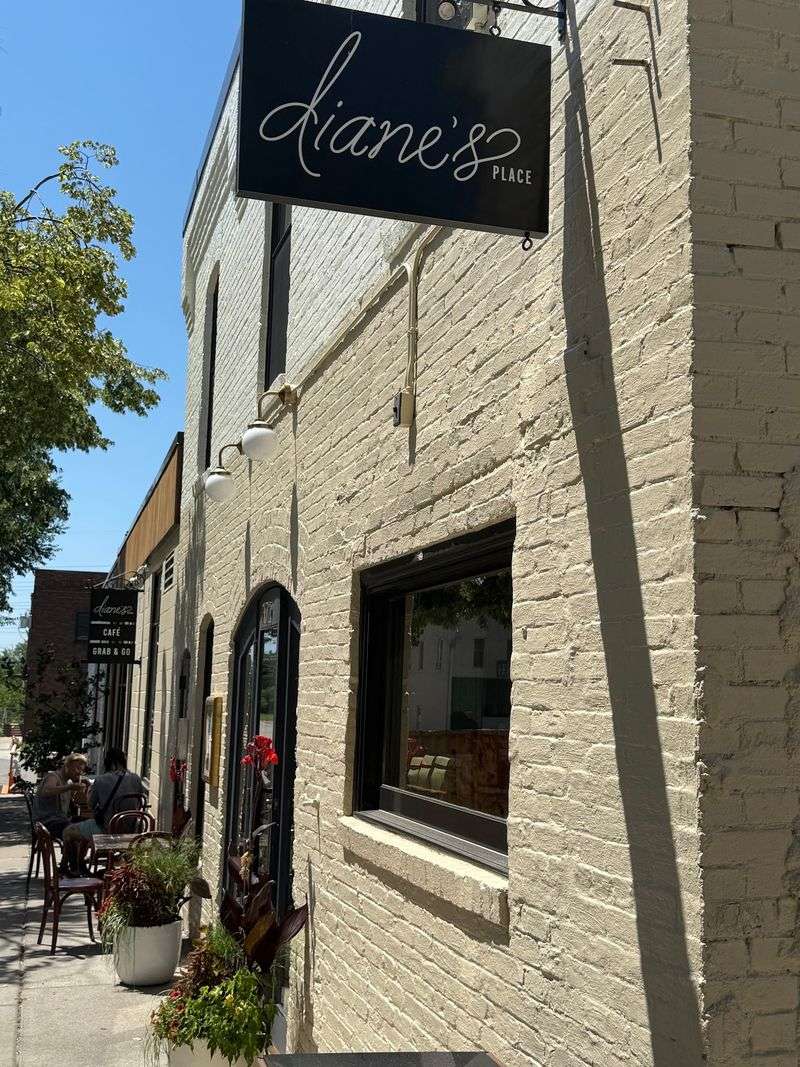
Logistics matter at a place this popular, and a little planning saves a lot of frustration. Reservations book out ahead, especially for weekend brunch and dinner. Weekday mornings offer the easiest entry. Arriving mid morning on a Monday or Thursday often means a short wait or none at all.
Doors open at 8 AM most days, with brunch running until early afternoon and a break before evening service. Wednesday is the weekly closure, so double check the calendar before making the drive.
Free street parking sits nearby, though spots fill during busy stretches and may require a short walk. Northeast blocks are pleasant enough that the walk hardly registers.
Cancellation policies apply to reserved tables, so update the booking if plans change. Being on time also keeps the tightly scheduled dining room running smoothly. Larger groups can be accommodated, but calling ahead helps the host team prepare.
Chef, dessert, and the reason people keep coming back
Recognition has followed this kitchen well beyond Minnesota, with national attention landing on both the pastry work and the Hmong menu. Awards aside, the personal touch is what guests mention most.
Chef often steps out of the kitchen to greet tables, ask how the meal is going, and talk about the dishes. Those conversations turn a good meal into a memory.
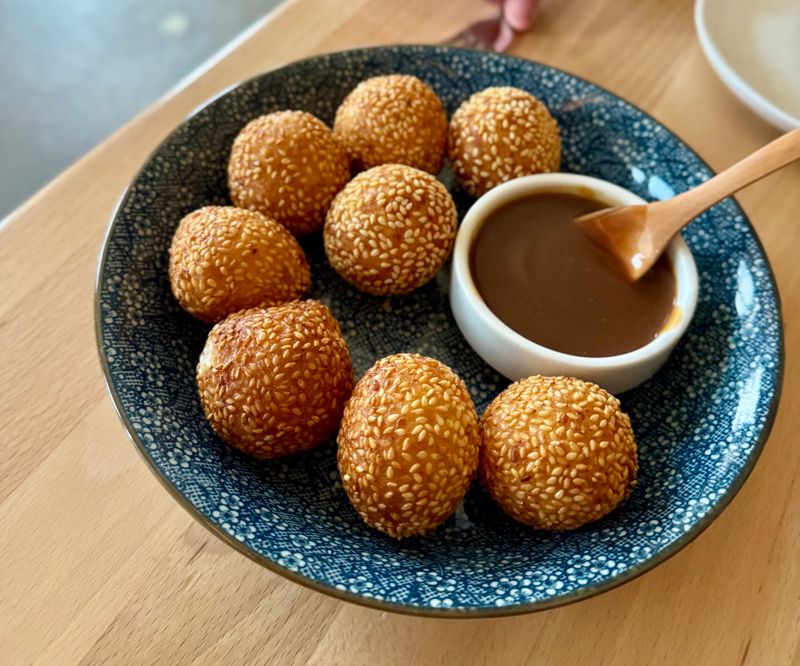
Her background is in pastry first, which explains why dessert deserves real attention rather than a token order. Sesame balls with red bean caramel are a favorite, crisp outside and soft within.
Servers have been known to send out a small scoop of ice cream for birthdays or other occasions. Ube shows up as a flavor sometimes, and it is a lovely surprise. Saving room is the only real strategy. Plan the visit around dessert and the rest of the meal falls into place.
Find it at 117 14th Ave NE, Minneapolis, MN 55413, United States, tucked into a Northeast block that gives away almost nothing from the sidewalk.
