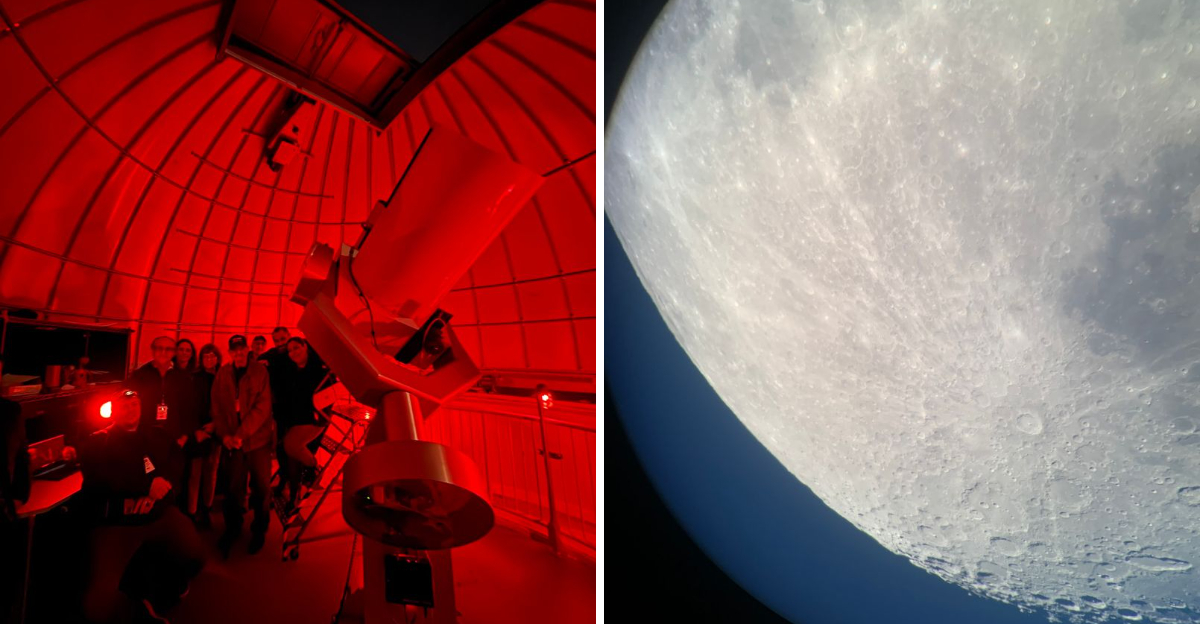
Did you know New Jersey has a free research-grade telescope open to the public on Wednesday nights? Neither did I until recently.
It is hidden in the Meadowlands with a 20-inch mirror that lets you see Saturn’s rings from half a billion miles away.
The facility has been open for years, and visitors can climb a spiral staircase into the dome for an up-close look at the universe.
Volunteers and staff teach astronomy while you wait, making it feel like a mini field trip for curious minds of all ages.
A telescope like this could cost thousands of dollars, but here it is completely free.
Just show up, look up, and let the stars do the rest. It really is that simple.
The 20-Inch Telescope That Anchors The Whole Place
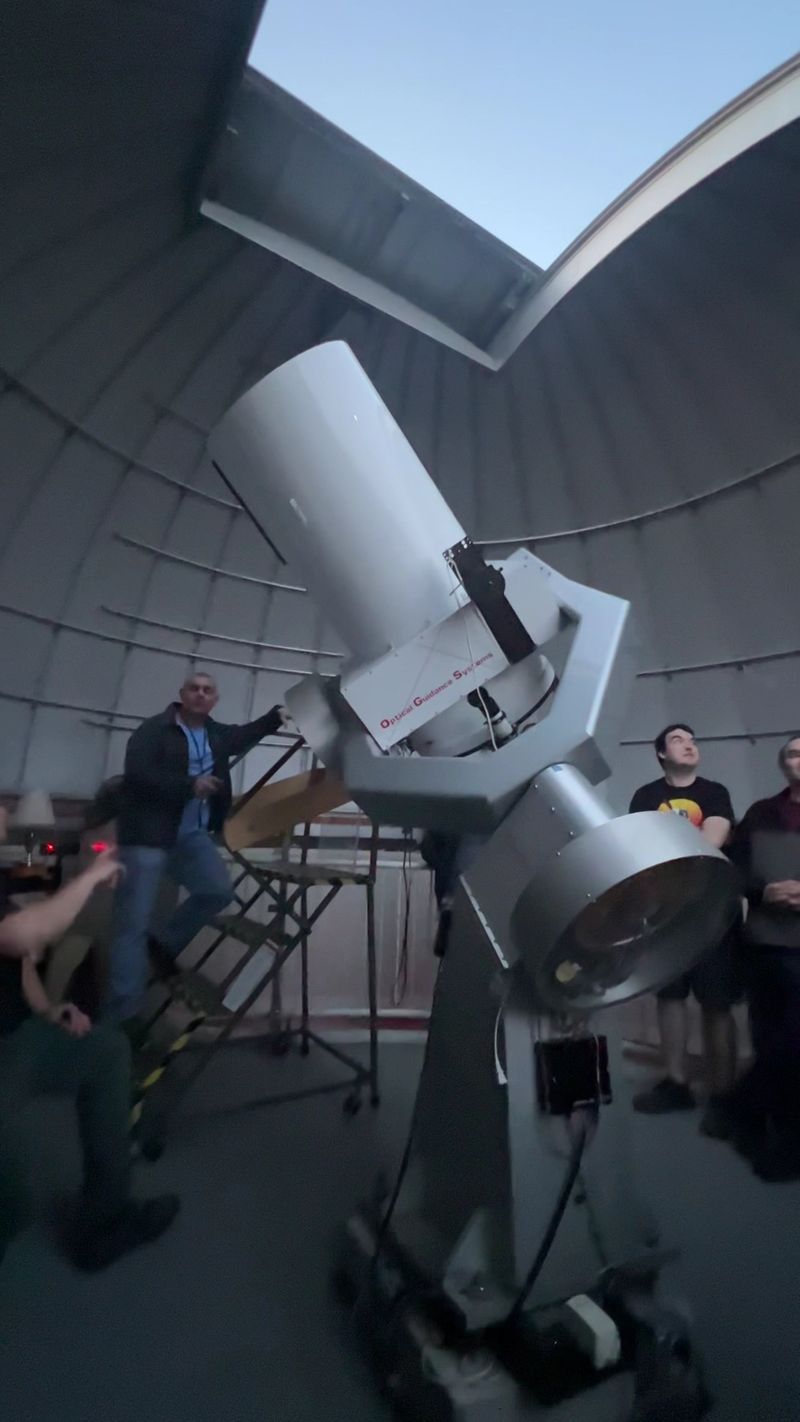
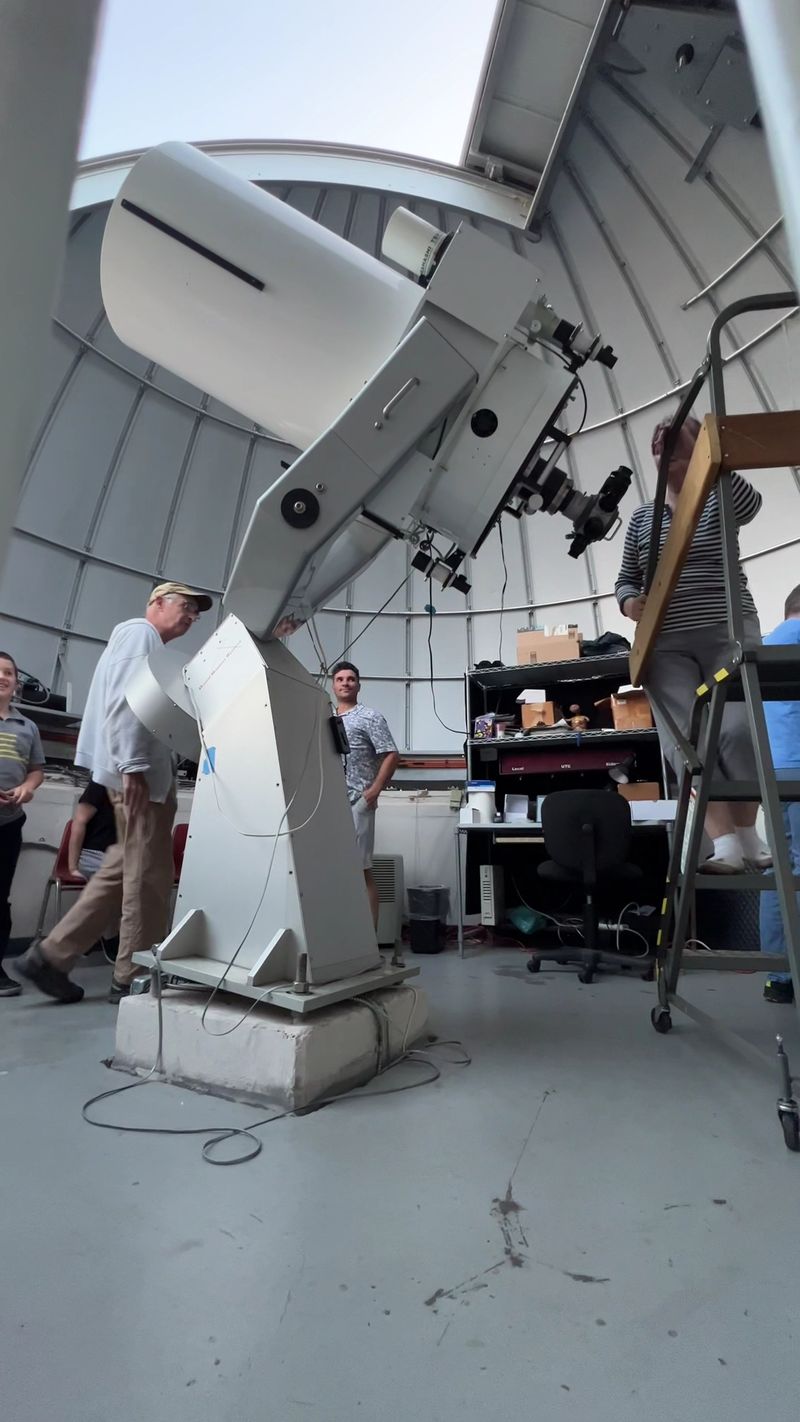
Big telescopes usually live behind locked doors at universities, which is exactly why this one feels so unexpected. The centerpiece here is a research-grade 20-inch Classical-Cassegrain instrument, and it is genuinely large in person.
Housed under a six-meter retractable dome, it can pull in light from objects millions of light years away. That means galaxies, not just neighborhood planets.
What struck me most was how casually it all works. The dome opens, the telescope swings around with a low mechanical hum, and suddenly you are looking at something that took ages to reach your eye.
Views shift depending on the season and the sky, so no two nights line up perfectly. One evening might feature Jupiter and a few of its moons, another might land on a nebula or a tight cluster of stars.
The optics do the heavy lifting, but the setting helps too. Sitting inside a quiet marsh preserve, the dome feels far removed from the highways humming nearby.
Wednesday Nights Are The Main Event
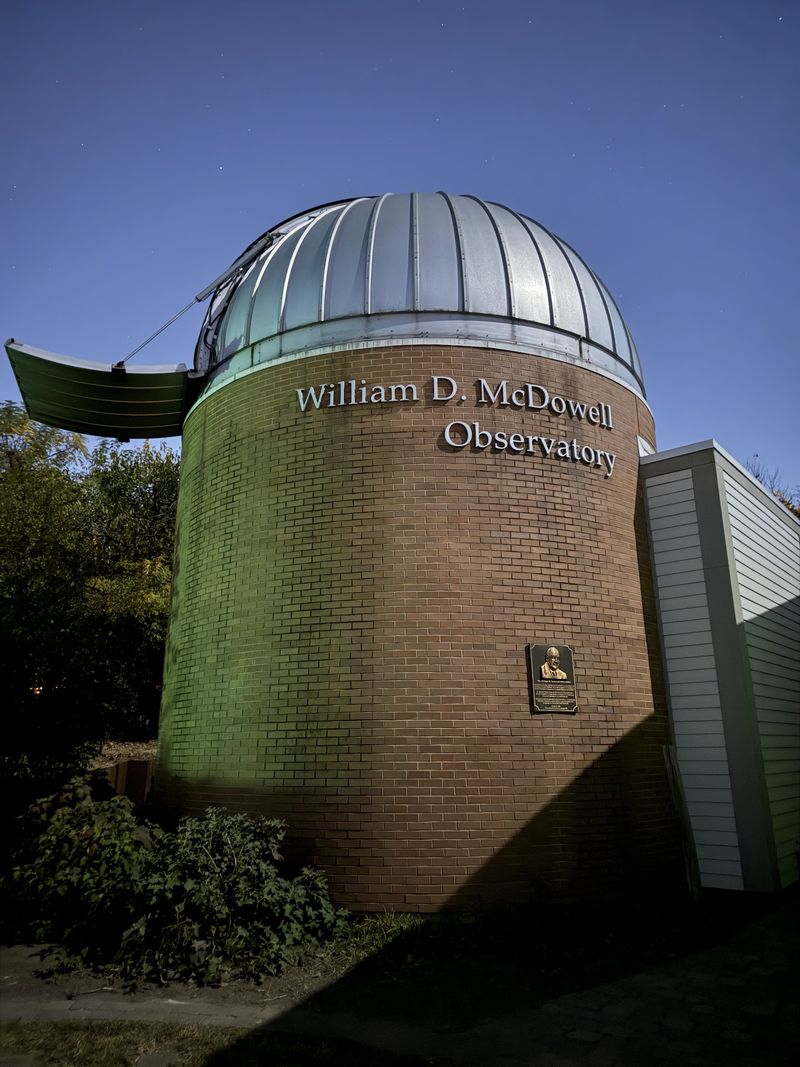
Plan around midweek and you are in good shape. Public viewing sessions are typically held on Wednesday evenings, and they run year-round rather than just during warm months.
Hours shift with the seasons because darkness arrives at different times. Late summer into September often means roughly 8 p.m. to 10 p.m., while the long nights of November, December, and January can start closer to 7:30 p.m.
I like that the schedule follows the sky instead of a rigid calendar. It makes the whole thing feel honest.
Winter sessions have a certain appeal too, since crisp air often means steadier, clearer views. Bundling up is part of the deal.
Sessions generally last about two hours from start to finish, though nobody keeps track of when you arrive or leave. If you get your look at Saturn and want to head home, that is completely fine.
Arriving earlier in the window usually means shorter waits at the eyepiece.
Free Admission, No Reservations, No Fuss
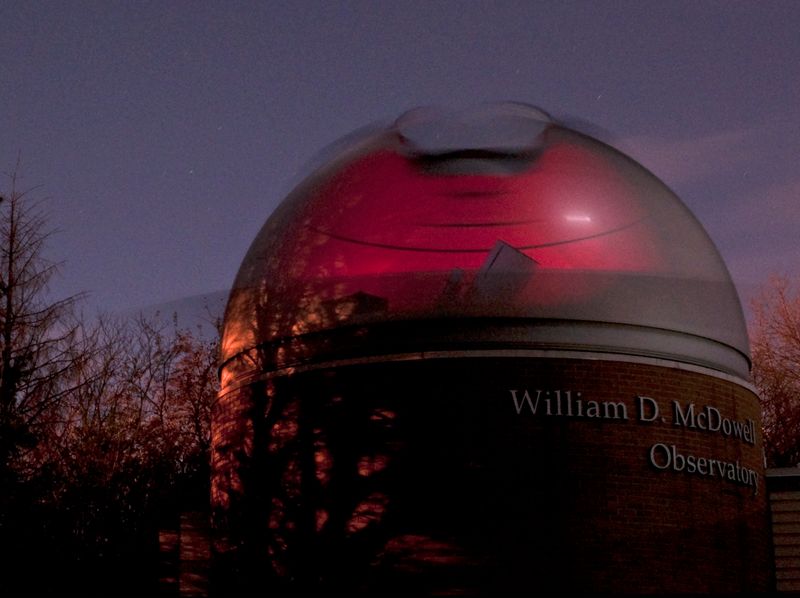
Here is the part that surprises almost everyone: there is no admission charge and no sign-up sheet. You do not book a slot, print a ticket, or join a waitlist.
You drive over, park, walk in, and take your turn.
For families, that removes a lot of pressure. If a kid melts down at bedtime, nothing was wasted.
If the evening goes beautifully, you can come back next week and try again.
Because entry is open, group sizes vary from night to night without much warning. Some evenings feel roomy, others fill up quickly, and that unpredictability is simply part of the experience.
Free access also changes the mood inside the dome. Nobody is rushing to get their money’s worth, so conversations stretch out and questions get answered properly.
Operated through a partnership between the New Jersey Sports and Exposition Authority and Bergen Community College, the facility exists to share the sky rather than sell it. That mission comes through clearly.
Planets, Rings, And Craters Up Close
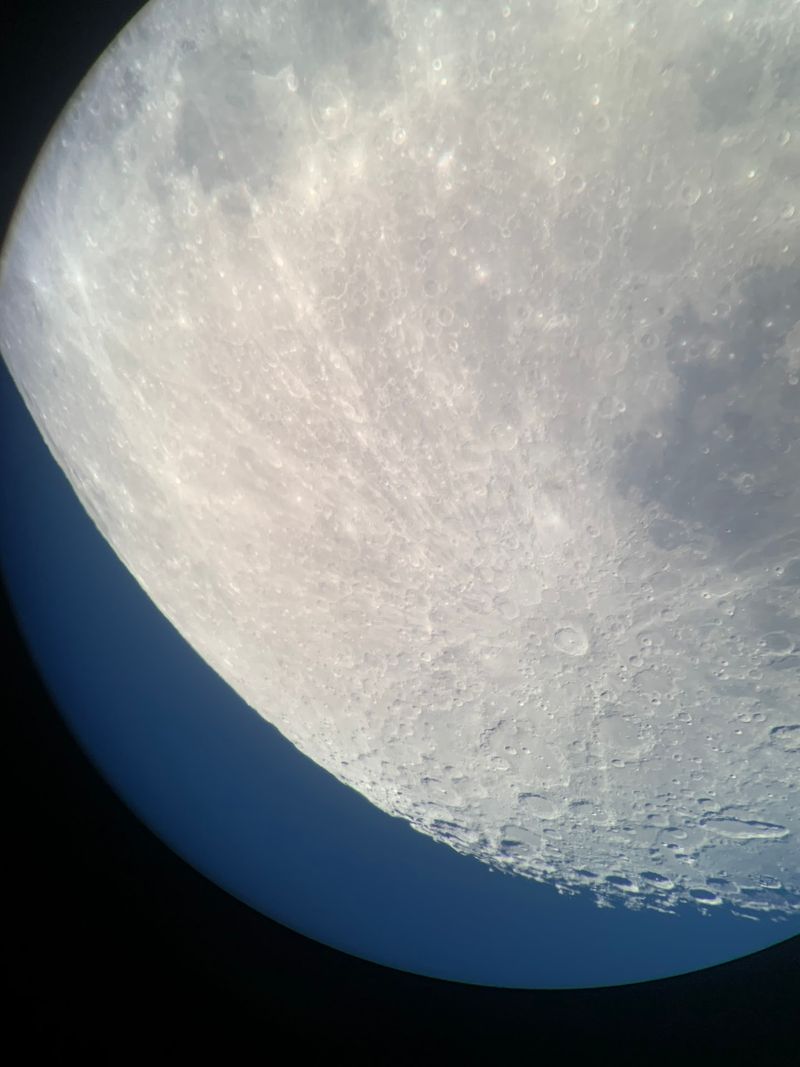
Saturn tends to steal the show, and honestly, it earns that. Seeing the rings as a distinct shape rather than a photograph does something to your brain.
Jupiter runs a close second, especially when a few of its moons line up like tiny beads beside it.
The moon is another crowd favorite, with craters and ridges standing out along the shadow line. Detail there can be startling on a good night.
Mars, Neptune, and Uranus also make appearances depending on where they sit in the sky. Fair warning, the distant ones can look like small colored dots, which is its own kind of humbling.
Beyond the solar system, the telescope reaches nebulas, star clusters, individual stars, and galaxies including Andromeda. Light pollution can wash out the faintest targets, so galaxies sometimes read as soft smudges rather than spirals.
Even then, knowing you are looking across unimaginable distance changes how the smudge feels. Perspective is the real souvenir.
Volunteers And Staff Who Actually Love This Stuff
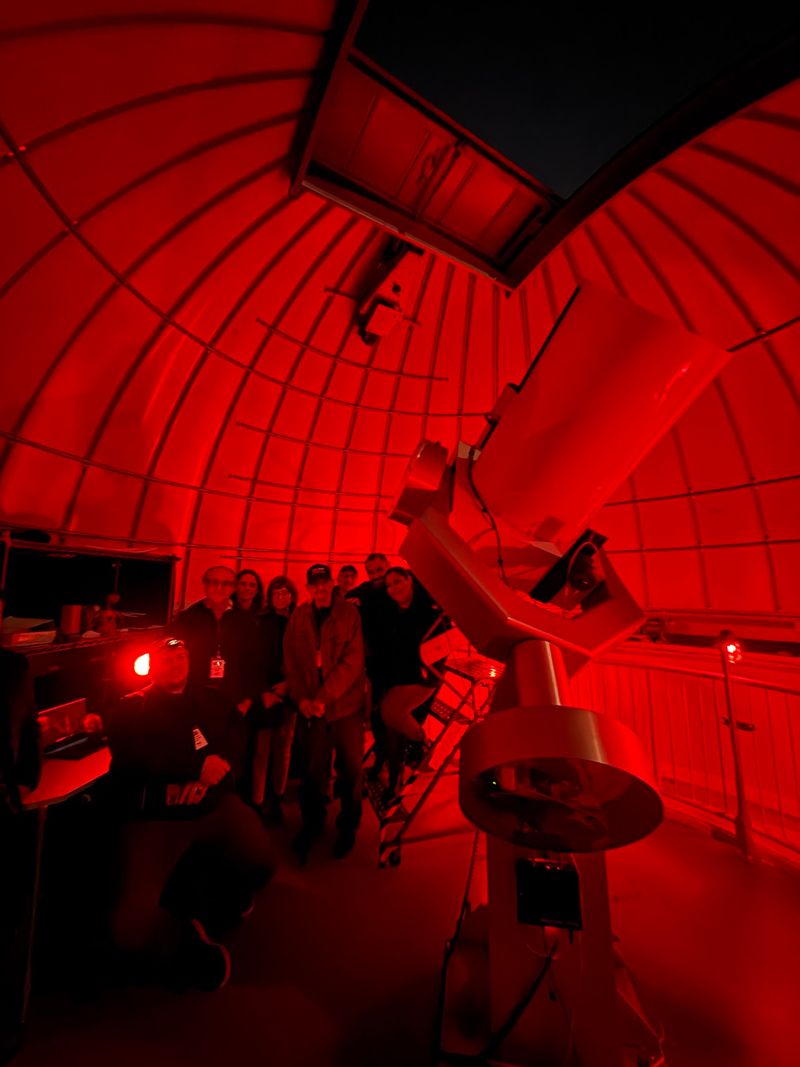
Enthusiasm is contagious, and there is plenty of it inside the dome. Staff and volunteers are usually on hand to talk through how the telescope works, what is visible that evening, and why certain objects look the way they do.
Questions are welcome, even the very basic ones.
Someone will often explain what you are about to see before you climb up, which makes the view land better. Knowing that a faint dot is an ice giant billions of miles out reframes the whole thing.
Conversation tends to wander into orbits, distances, and how telescopes gather light. Nobody talks down to you.
Because these are people who choose to spend Wednesday evenings sharing the sky, the energy stays warm rather than rehearsed. You can tell they enjoy the reactions.
Kids especially benefit from that patience, since a good explanation turns a blurry dot into something memorable. Adults quietly learn just as much.
Bring curiosity and you will get plenty back.
Twenty-Five Spiral Steps And A Ground Floor Option
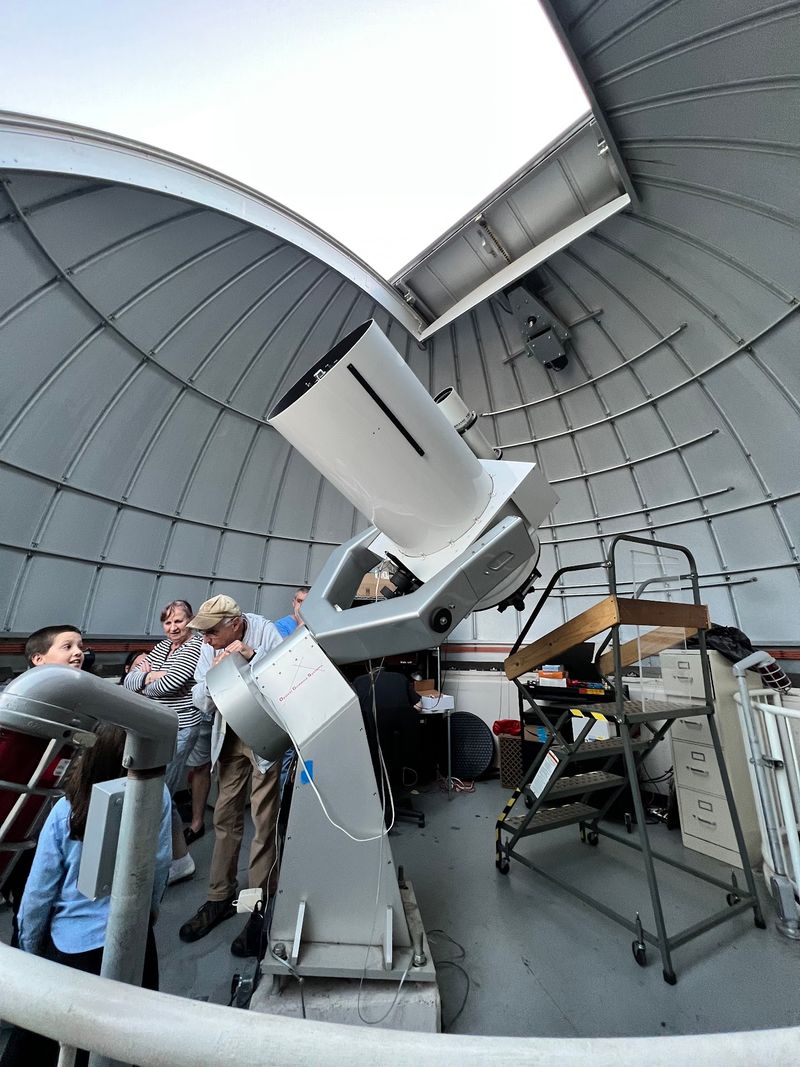
Reaching the eyepiece means climbing a spiral staircase of about 25 steps. Railings run along the way, so it is manageable, just narrow and a little steep in the dark.
Sturdy shoes help more than you would expect.
Sessions are generally recommended for ages 10 and up, largely because of that climb and the reach to the eyepiece. Younger children are still welcome to come along and learn, they just may need help or a lift.
Anyone with mobility challenges has a solid alternative. Views from the telescope can be projected onto a screen on the ground floor, which means no one gets left out of the experience.
The dome up top holds roughly 15 people at a time, so groups rotate through in batches. A short wait is normal, and it gives you time to look up with your own eyes.
Take the stairs slowly. There is no prize for rushing, and the sky is not going anywhere.
Dress For The Weather, Because The Dome Does Not Cheat
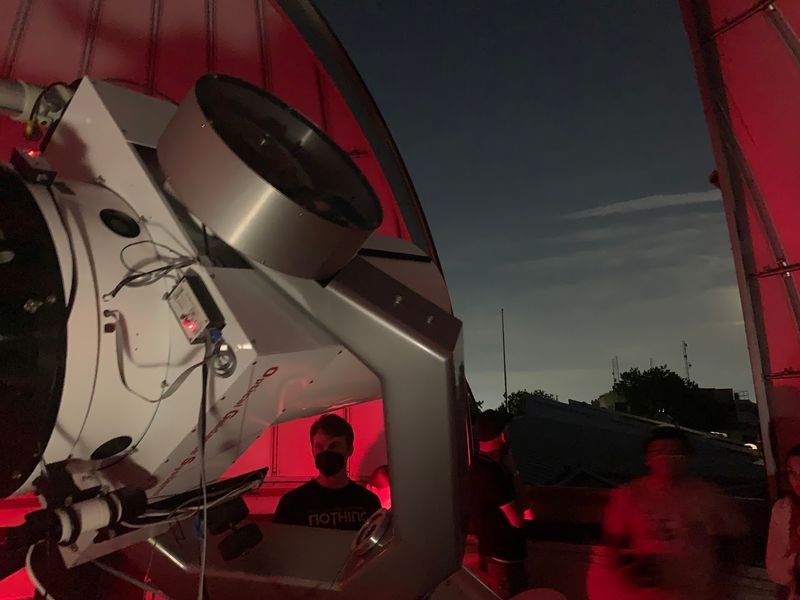
One detail catches first-timers off guard. The observatory is not heated or air-conditioned, and for good reason, since temperature swings and moving air would ruin the view through the telescope.
Whatever the night feels like outside, that is roughly what you get inside.
In January, that means a real coat, a hat, gloves, and warm socks. Standing still in a dome with an open roof gets chilly faster than walking around does.
Late summer sessions run the other direction, so light layers and mosquito awareness make sense near the marshes. A thin jacket for after dark still helps.
I would skip anything you have to hold, since you will want free hands on the staircase. Pockets beat bags here.
Little touches make a difference, like a thermos of something warm left in the car for the ride home. Comfort keeps you looking longer.
Nobody enjoys a great view while shivering through it. Plan for the temperature and the sky becomes the only thing on your mind.
Bring A Flashlight, But Know The Rules
Darkness here is deliberate. The parking lot and surrounding paths are kept dim on purpose to cut down light pollution, which is great for the telescope and slightly disorienting for your feet.
A flashlight for the walk in is a genuinely good idea.
Once inside the dome, though, white light is off limits. Bright beams wreck night vision, and it takes a while for eyes to adjust again.
Red light is the standard for a reason, so a red-filtered flashlight or a red setting on a headlamp keeps you popular with everyone around you. Phone screens count too.
Dimming your phone before walking in saves you from that awkward moment when the whole room turns. Turning off the camera flash entirely is even better.
Watch your step on the way to the entrance, especially if the ground is damp. Uneven pavement plus total darkness is a combination worth respecting.
Small courtesies like these are what keep the views sharp for the next person in line.
A Marsh Setting With A Skyline On The Horizon
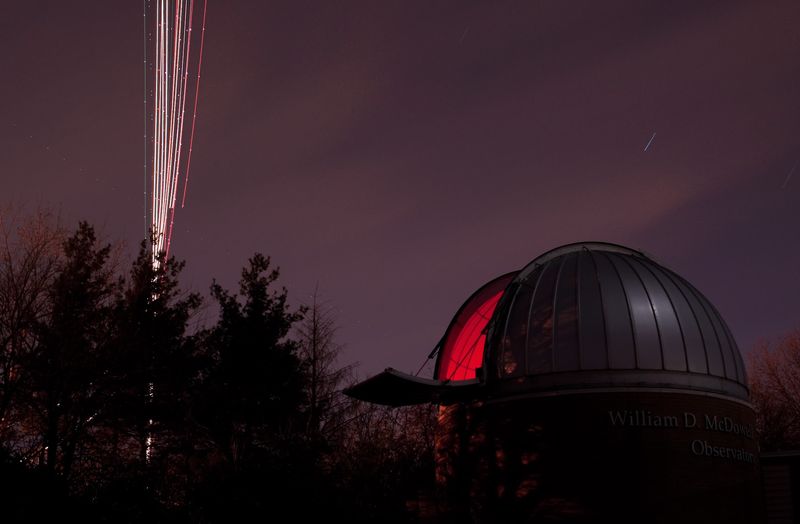
Location is half the charm. Tucked inside DeKorte Park, the observatory sits among tidal marshes, boardwalk trails, and a surprising amount of birdlife.
Arrive before sunset and the wetlands put on their own quiet show.
Off in the distance, the Manhattan skyline glows along the horizon, which creates a strange and lovely contrast. City lights on one side, deep space overhead.
That skyline does introduce light pollution, along with the nearby Meadowlands Sports Complex, yet the telescope still pulls in remarkable detail. Bright planets and the moon shrug it off entirely.
The mix of marsh quiet and urban shimmer is what makes the spot feel so specific to this corner of New Jersey. Nowhere else quite balances those two things.
Photographers sometimes bring a tripod for the skyline views before the dome opens. Just remember to pack the flash away.
If you want to see it for yourself, the William D. McDowell Observatory sits at 2 De Korte Park Plaza, Lyndhurst, NJ 07071.
