There is a very simple way to start a morning badly. Arrive after the glazed doughnuts are gone.
That possibility seems to keep this Indiana bakery’s regulars moving with purpose. The cases fill early, the popular doughnuts disappear quickly, and somewhere behind the counter, dough is still being worked by hand on wooden tables that have been part of the process for about 80 years.
The price makes the whole thing even stranger. A fresh glazed doughnut is just $1.
No elaborate toppings are needed. No complicated presentation.
Just dough, heat, glaze, and a bakery that has kept the same basic rhythm for generations. Some places sell breakfast.
This one has turned it into a local competitive sport.
Glazed Doughnuts That Built The Reputation
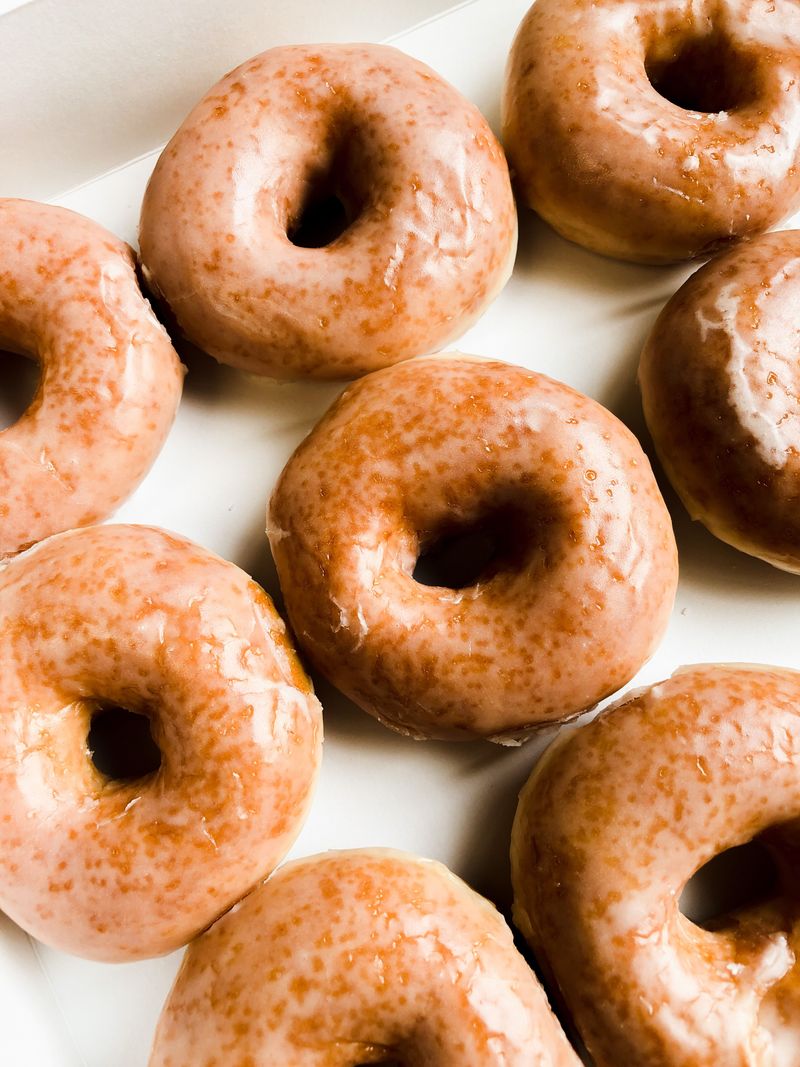
Ask around Shelby County about the best doughnut in Indiana and one name keeps surfacing. Linne’s glazed yeast doughnuts have earned that kind of word-of-mouth fame, the sort that travels from coworker to coworker and eventually pulls in visitors from Indianapolis and beyond.
What makes them memorable is texture. The dough rises slowly, fries light, and comes out with an airy interior that almost collapses when pressed.
The glaze sets into a thin shell that cracks a little at first bite.
Timing matters here more than at most bakeries. Doughnuts that come out of the fryer in the early hours taste noticeably different from ones sitting at midday, and regulars plan their mornings around that window.
Arrive early and the glaze may still be slightly tacky, which is exactly the point.
Cake doughnuts share the case too, denser and more crumbly, with a sturdier bite that holds up well to coffee dunking. Both styles sell steadily, though the yeast version tends to disappear first on weekends.
Nothing about the operation feels engineered for social media. There are no neon signs or elaborate toppings competing for attention, just rows of simple, well-made doughnuts stacked on trays.
Simplicity done right is harder than it looks. That is the quiet argument Linne’s, located at 115 S Harrison St, Shelbyville, IN 46176, makes every single morning without saying a word.
A Family Baking Story That Crossed An Ocean
Long before the ovens in Shelbyville were lit, the Linne baking story began in Norway. John J.
Linn was born there in 1871 and immigrated to the United States in 1893, taking work as a baker in Pullman, Illinois.
That trade passed down through the family. In the 1930s, one of his sons brought the craft to Shelbyville and opened a store, planting roots in a small Indiana town that would keep the name alive for decades.
The current shop has operated continuously for around 55 years, carried forward by owners who kept the recipes and routines intact rather than reinventing them. Longevity like that in the bakery business is genuinely uncommon.
History here is not displayed behind glass or explained on placards. It lives in the muscle memory of the work, the shape of the counter, and the steady rhythm of early mornings that have barely changed.
Small towns lose businesses like this all the time. Chain shops move in, older buildings empty out, and downtown blocks go quiet.
Shelbyville held onto something that many communities gave up.
Visiting feels less like touring a landmark and more like stepping into an ordinary weekday that happens to be a century in the making. That casual, unpolished continuity is exactly what makes the place worth the trip.
Danish Pastries Folded The Long Way
Laminated dough is a test of patience, and Linne’s does not skip the steps. Danish pastries here are made from scratch through repeated folding and rolling, a process that builds dozens of paper-thin layers separated by butter.
Each fold gets a rest. Each rest gets a chill.
Rushing the sequence collapses the structure, which is why so many bakeries buy their laminated dough already made.
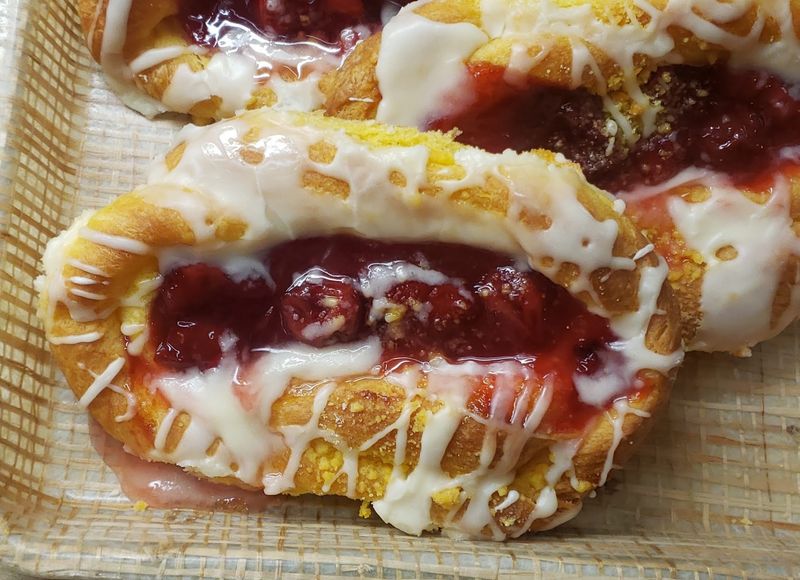
The payoff shows up in the bake. Layers puff apart in the oven, creating that shattered, flaky top that leaves crumbs everywhere and makes eating one over a napkin a good idea.
Fillings rotate depending on the day, and the shapes vary from twists to pinwheels to filled squares. Fruit versions bring a bit of tartness that cuts through the richness of the pastry itself.
Watching the process is not part of the customer experience, since the real work happens hours before the doors open. Still, the evidence sits right there in the case.
Cronuts also make appearances, borrowing laminated technique and pushing it into fryer territory. Apple fritters offer a completely different personality, craggy and dense with fruit rather than delicate.
Anyone who appreciates baking as a craft will find plenty to study in that display. The pastries reward slow eating and closer attention.
Wooden Work Tables Worn Smooth By Decades
Bakers develop odd attachments to their equipment, and work surfaces top the list. Old wooden tables in long-running bakeries take on a character that stainless steel never quite matches, polished down by years of flour, dough, and the steady pressure of rolling pins.
Wood holds temperature differently. Dough behaves more predictably on a surface that does not pull heat away as aggressively, which matters when working with butter-heavy pastry.
Tables that have been in service for generations also carry small dents and grooves that bakers learn to work around instinctively. Replace the table and the whole rhythm shifts.
Hand-rolling is the other half of that equation. Machines can portion dough quickly and consistently, but hands adjust to how the dough feels on a humid August morning versus a dry January one.
Weather genuinely changes yeast behavior. Experienced bakers compensate without thinking about it, adding a few extra minutes here or shaving a bit of flour there.
That kind of judgment cannot be programmed. It gets built over thousands of early mornings and passed along by working beside someone who already knows.
Customers never see any of it happen. The results just show up in the case, looking simple, tasting like the work that went into them.
Focaccia And The Savory Side Of The Counter
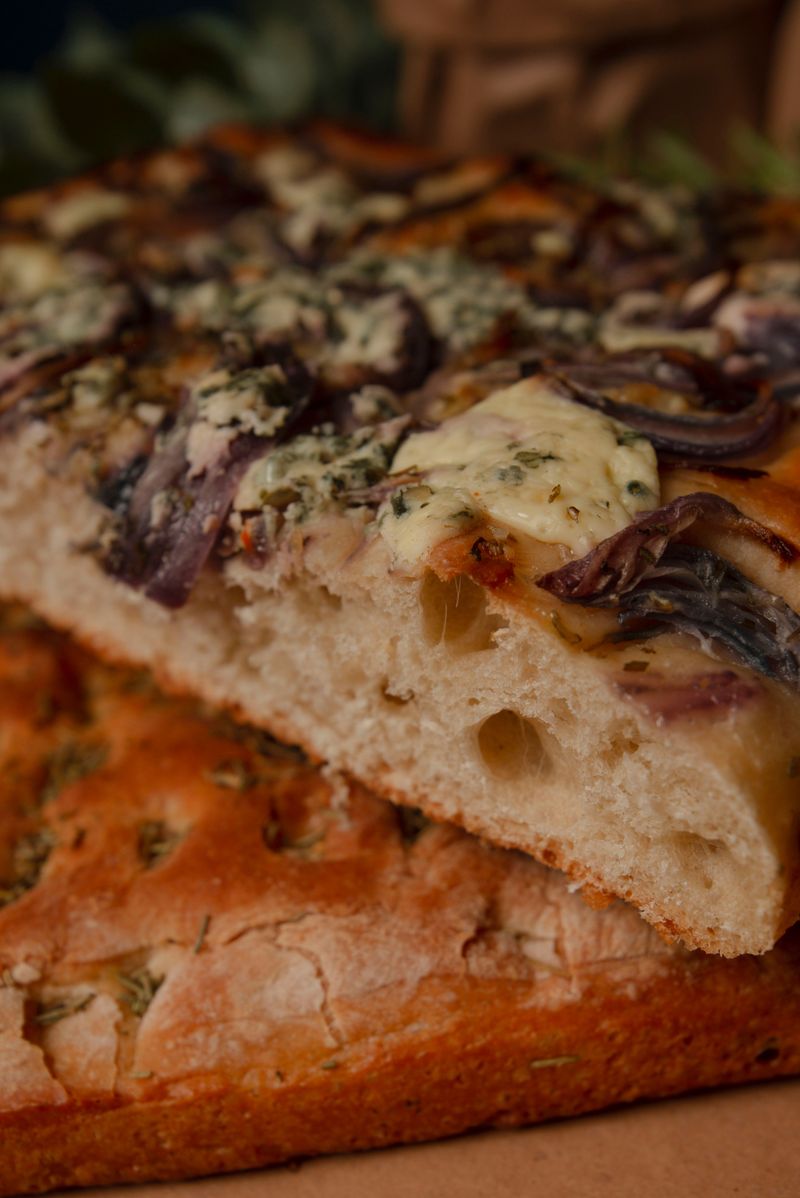
Sweet gets the spotlight, but the savory offerings deserve a look. Focaccia bread turns up at Linne’s, thick and dimpled with a crisp bottom crust and a chewy, open interior.
It is a bit of a surprise find in a small Indiana bakery known primarily for doughnuts. That unexpectedness is part of the appeal.
Focaccia works well as the base for a sandwich, but it also holds its own torn straight from the slab. A slice tucked in a bag makes an easy addition to a picnic or a road trip cooler.
The cafe side of the business opens up other options for anyone wanting something beyond pastry. Sitting down with a proper plate changes the visit from a quick grab-and-go stop into a slower morning.
Balance matters when a bakery visit involves multiple people with different appetites. One person wants a fritter, another wants actual breakfast, and having both under one roof solves that debate quickly.
Bread baking also signals something about the kitchen. Shops that produce good bread tend to understand fermentation, timing, and oven management at a level that carries over into everything else they make.
Grab a doughnut and something savory. The contrast makes both taste better.
Downtown Shelbyville Wakes Up Around It
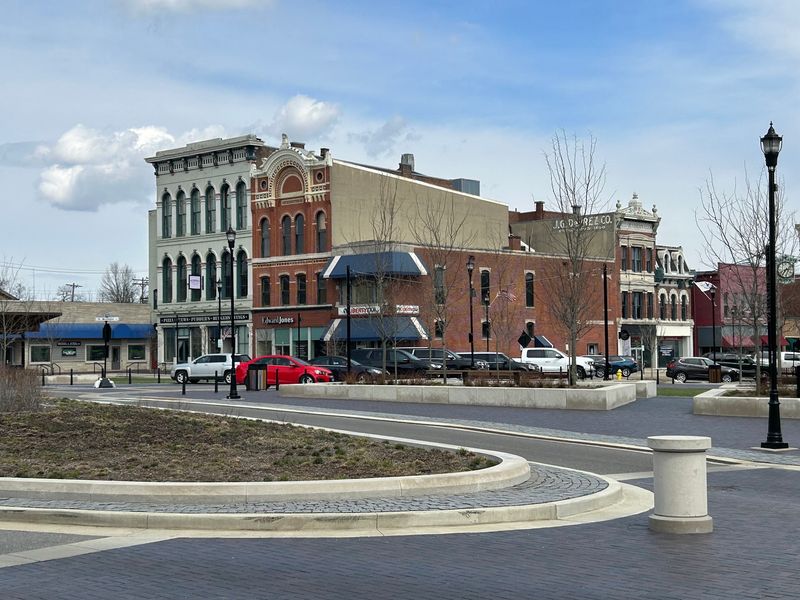
Harrison Street in the early hours has a particular energy. Delivery trucks idle, shop owners unlock doors, and a small stream of people cut across to the bakery before heading to work.
Shelbyville sits roughly thirty minutes southeast of Indianapolis, close enough for a spontaneous morning drive yet far enough to feel like a genuine change of scenery. The county seat architecture gives downtown a solid, old-fashioned look.
Parking rarely turns into a headache. Street spots open up regularly, which is a small mercy for anyone used to circling city blocks.
Walking the surrounding streets after a bakery stop makes sense. Antique shops, local storefronts, and the courthouse square give the area enough to fill an easy hour of wandering.
The bakery anchors that stretch in a practical way. It draws people downtown at an hour when nothing else is open, and those visitors often stick around once other doors unlock.
Weekend mornings bring the biggest crowds, with families and out-of-towners mixing in with the usual regulars. Weekdays feel calmer and more local.
Either version offers something worthwhile. Choose based on whether the goal is people-watching or a quiet coffee with something warm from the case.
The Kind Of Welcome Small Towns Still Do Best
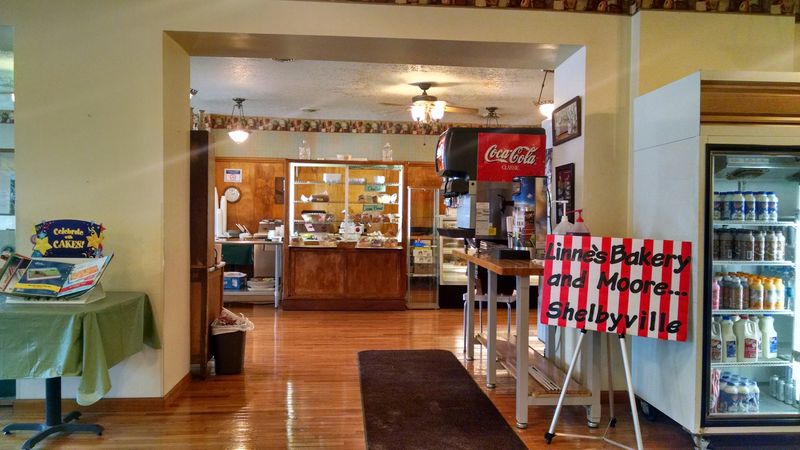
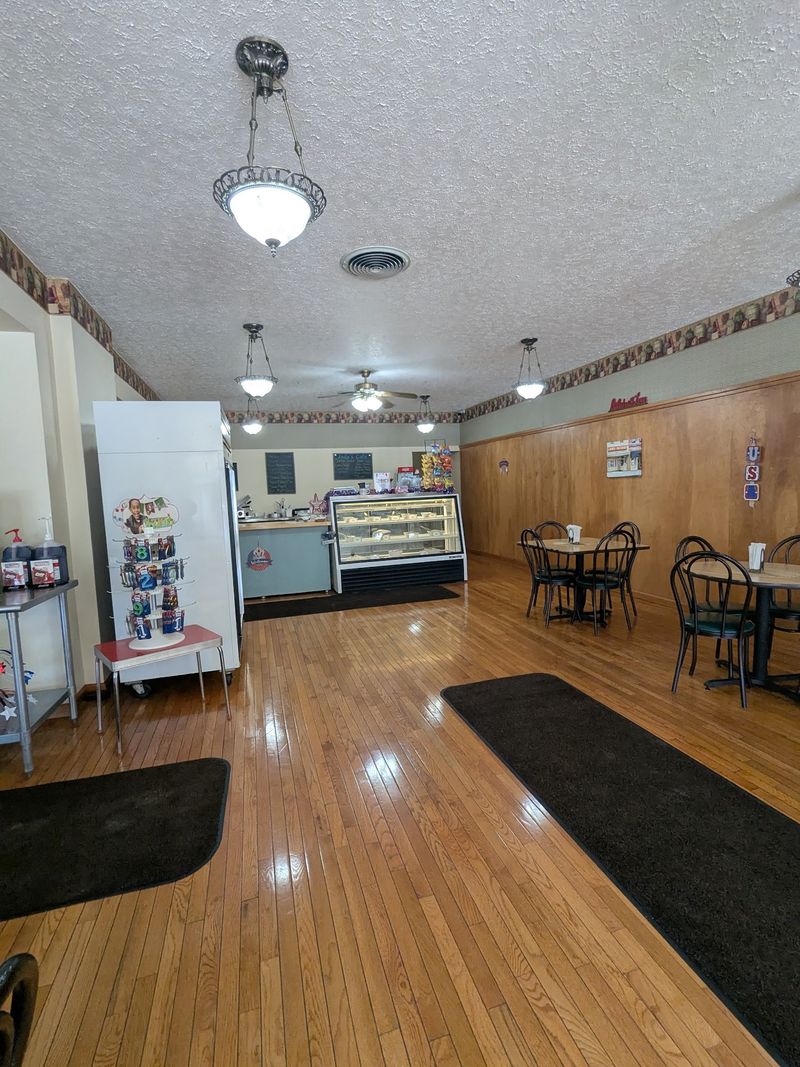
Nobody hands out scripted greetings here. The atmosphere reads as casual and comfortable, the sort of room where first-time visitors get treated about the same as someone who has been coming in for twenty years.
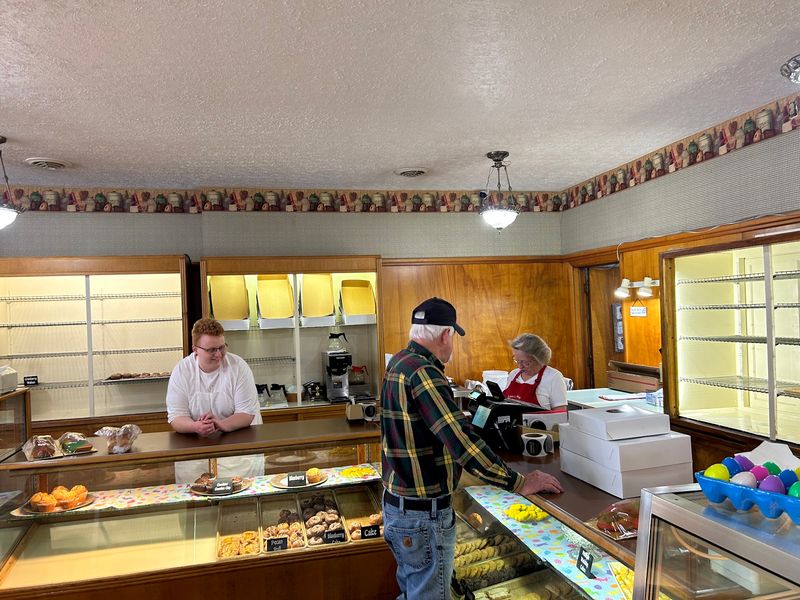
Staff move quickly during the morning rush but still answer questions about what is in the case. That combination of efficiency and friendliness is harder to find than it should be.
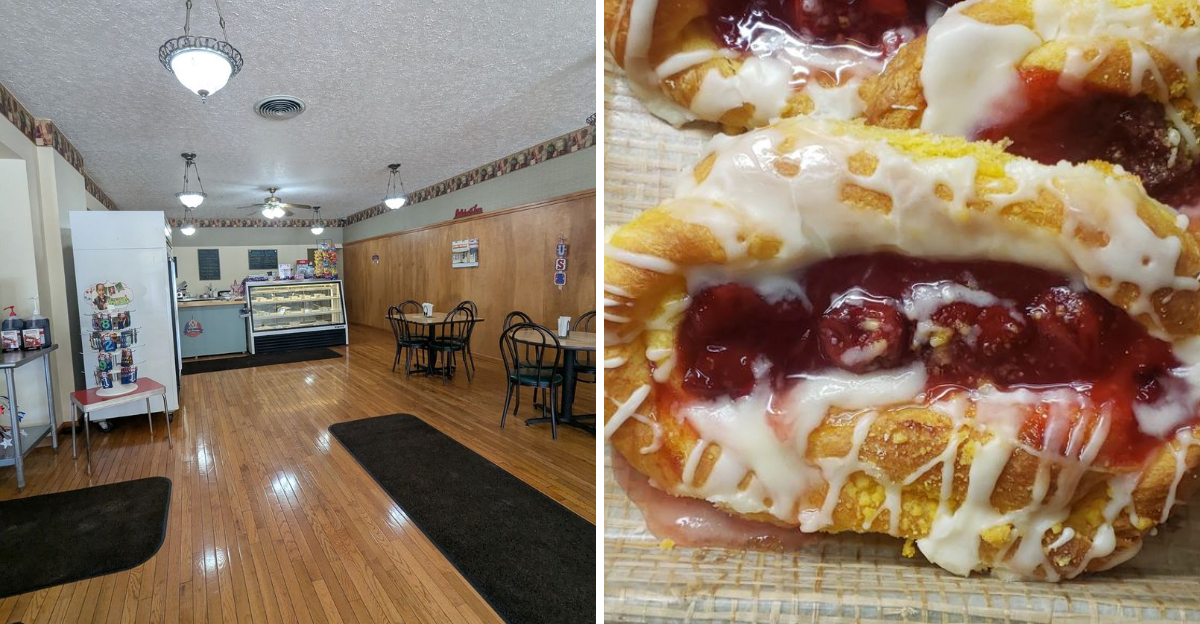
Seating keeps things simple. Tables, chairs, and enough space to sit with a coffee without feeling rushed out the door.
Conversations carry across the room. Farm talk, basketball talk, weather talk, all of it overlapping in a way that gives visitors an unfiltered sense of the town.
Bringing children works fine, largely because the display case does most of the entertaining. Pointing at frosted rows through glass keeps small hands busy while orders get placed.
Going early remains the best strategy for selection, since popular items thin out as the morning progresses. Later arrivals still find plenty, just fewer of the headline doughnuts.
What lingers after a visit is not any single pastry. It is the feeling that a place like this still exists, still opens before dawn, and still makes everything by hand because that is simply how it has always been done.
