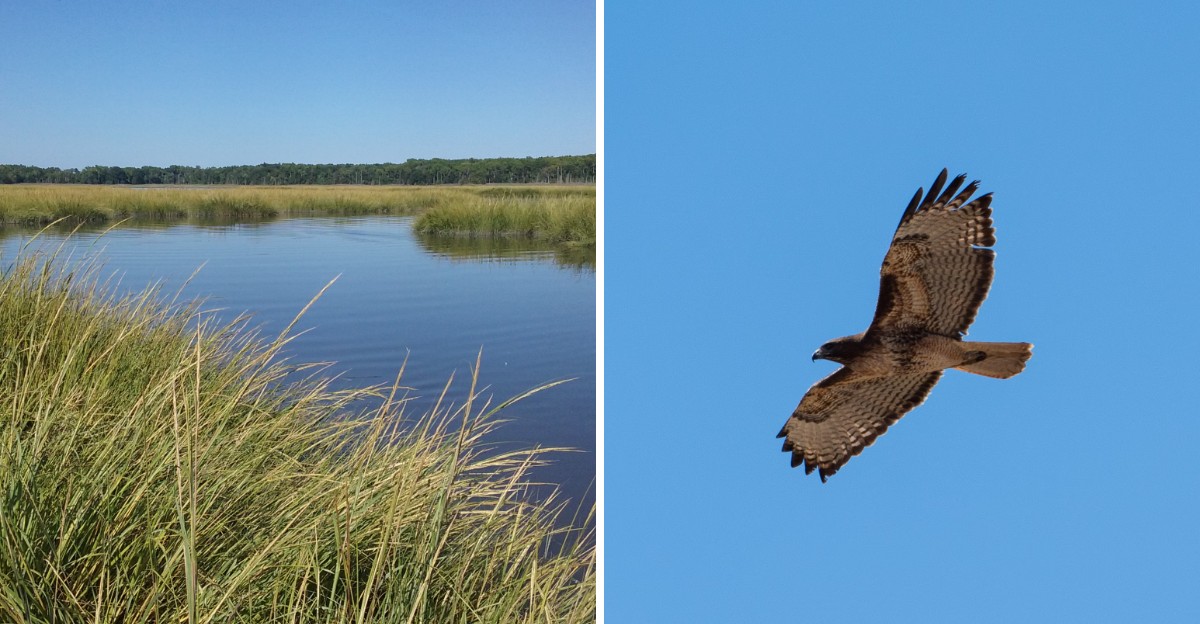
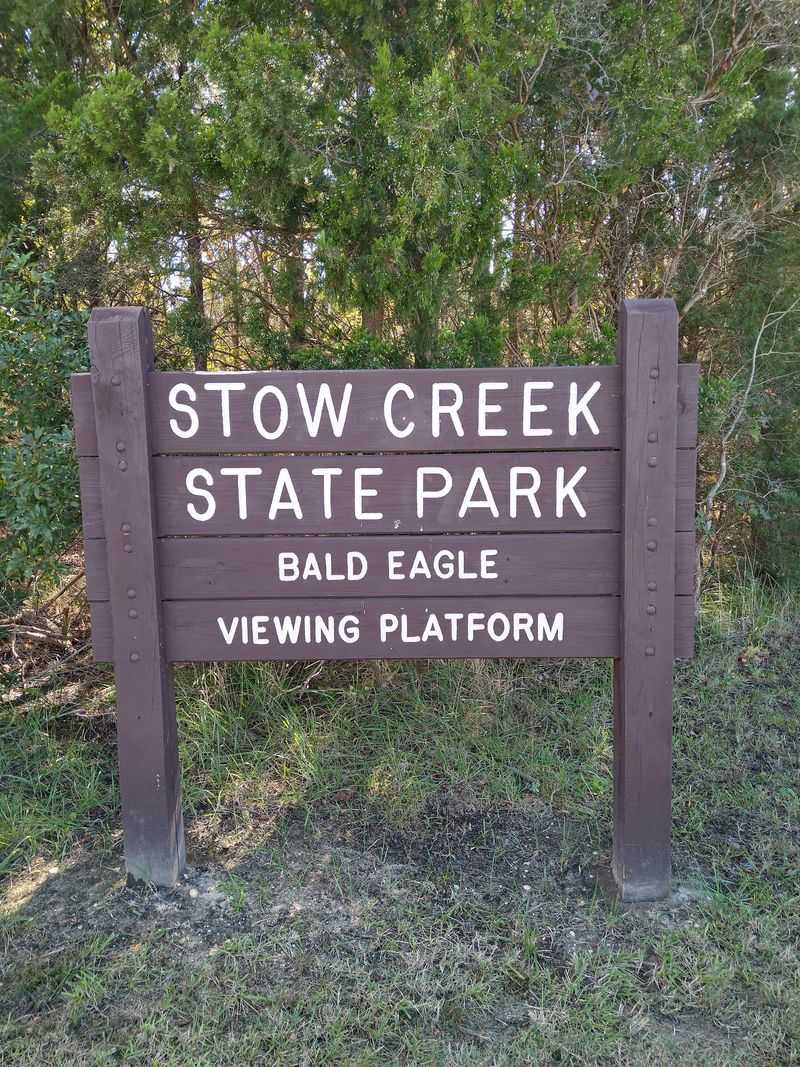
A viewing platform here looks straight toward an active bald eagle nest. Yep, a real one, with real eagles.
And getting in costs nothing at all.
The park sits beside a tidal creek that winds about five miles before it reaches the Delaware Bay. Great Horned Owls start nesting in January.
The eagles follow in February.
I have to admit, that schedule sounds better than most concert lineups. Add marsh grass, quiet woods, and a free boat ramp, and the picture gets even better.
What gets me is how few people in New Jersey seem to know this place exists. Sure, it’s simple and a little rough around the edges.
Still, the wildlife clearly didn’t get the memo that it’s supposed to be overlooked.
An Eagle Nest With Its Own Front-Row Seat
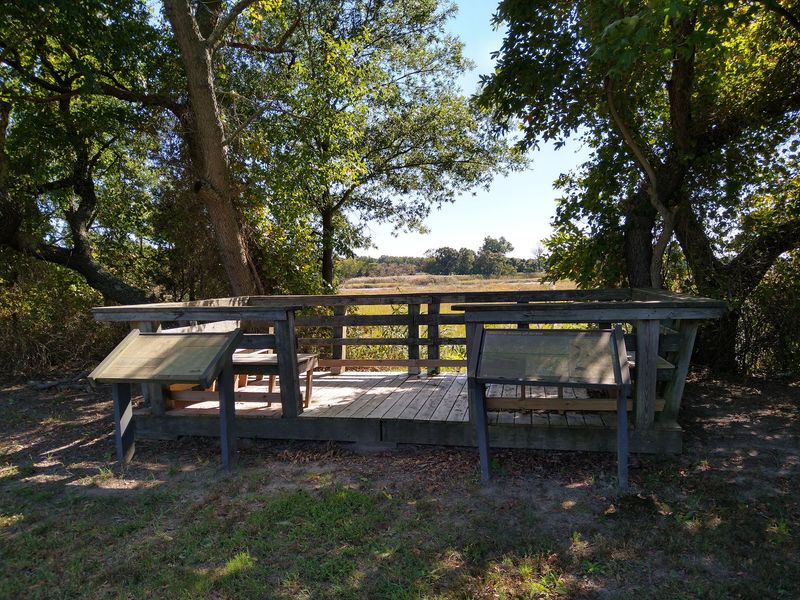
Most parks brag about a view. Stow Creek State Park goes further, with a dedicated platform overlooking an active bald eagle nest.
Yeah, I’m definitely looking twice at that. Bald eagles live here year-round, and wintering eagles join them when the weather turns cold.
Timing matters if you want the best show. Eagles settle onto their nests around February, so late winter is a smart window.
Early morning is considered the best time for wildlife viewing here. That means an alarm clock, a thermos, and maybe a heavy jacket.
Bring binoculars or a camera with a decent zoom lens. The platform helps you watch without bothering the birds, which keeps everyone happy.
Patience pays off, too. Eagles can sit still for a long stretch, then suddenly lift off over the marsh.
Fair warning, this isn’t a zoo with a guaranteed appearance. Nature runs on its own clock, and nobody hands out schedules.
Still, few places in New Jersey make eagle watching this easy. Standing there, waiting for that white head to turn, feels like a small private event you somehow snagged tickets to for free.
A Tidal Creek That Takes Its Sweet Time Reaching The Bay
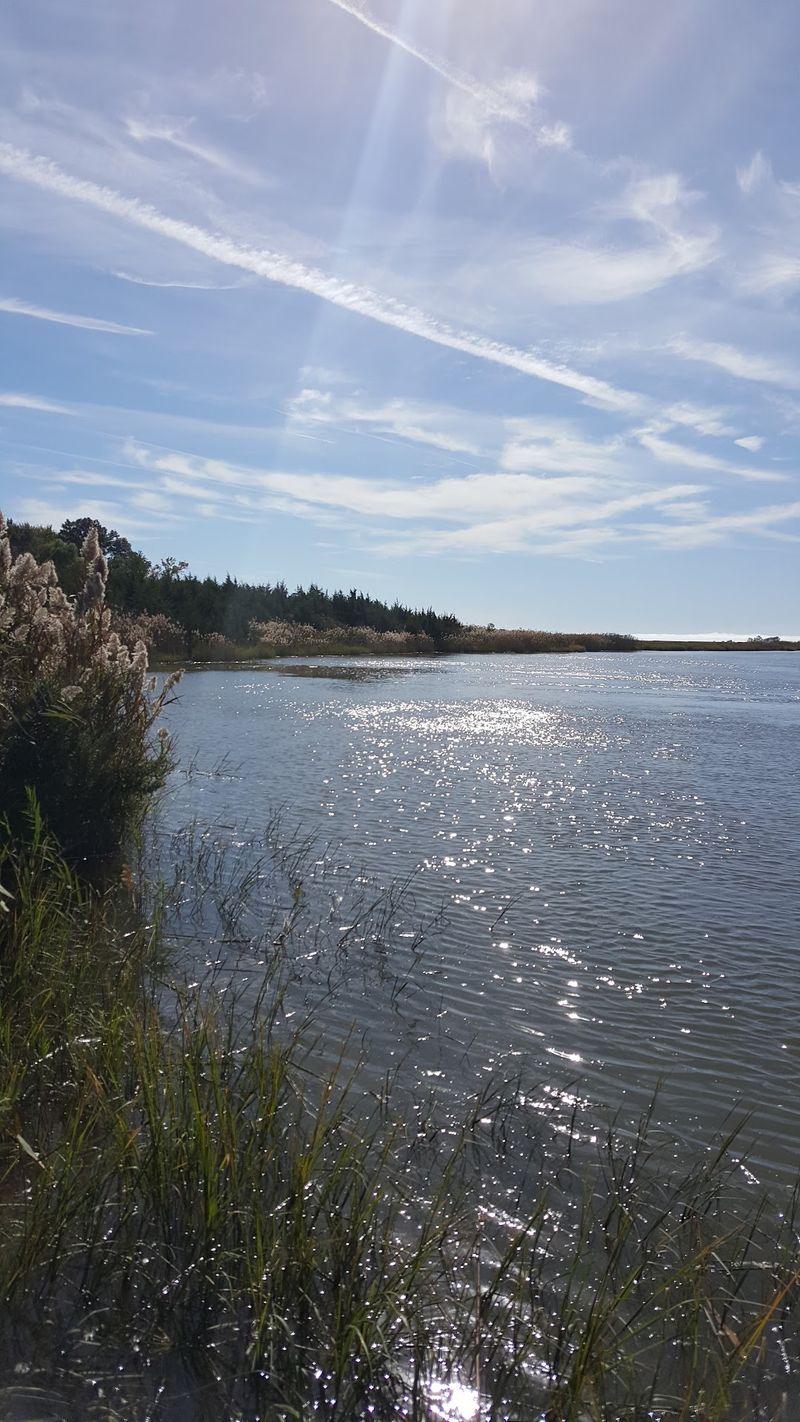
Five miles of curves, bends, and switchbacks. Stow Creek wanders that far before finally meeting the Delaware Bay.
The creek is tidal, so the water rises and falls through the day. That rhythm shapes everything you see along its banks.
Low tide can show off muddy edges where wading birds hunt. High tide fills the marsh channels and changes the whole scene.
The water here is brackish, a mix of fresh and salty. That blend supports a wide range of plants, fish, and birds.
Stow Creek State Park sits right along this waterway in Cumberland County. Some sources also place part of the area near Salem County.
Checking a tide chart before you go is a simple, useful habit. It helps whether you’re paddling, fishing, or just watching birds.
The creek belongs to the Delaware Bay Watershed, known for its wide wetlands. In other words, this little stream is part of something much bigger.
I can see why people stop just to stare at it. Water that moves this slowly practically invites you to slow down, too.
Launch A Kayak Without Paying A Cent
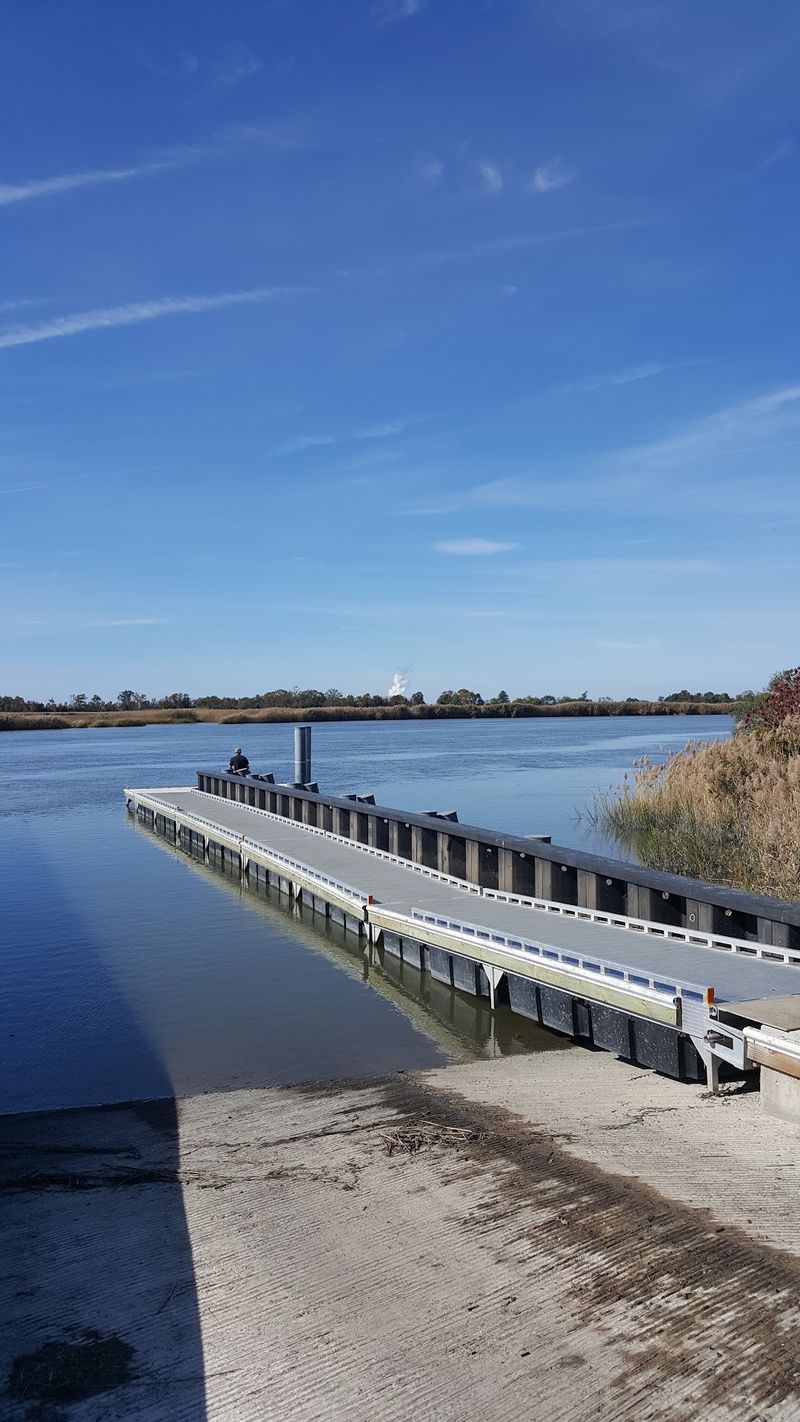
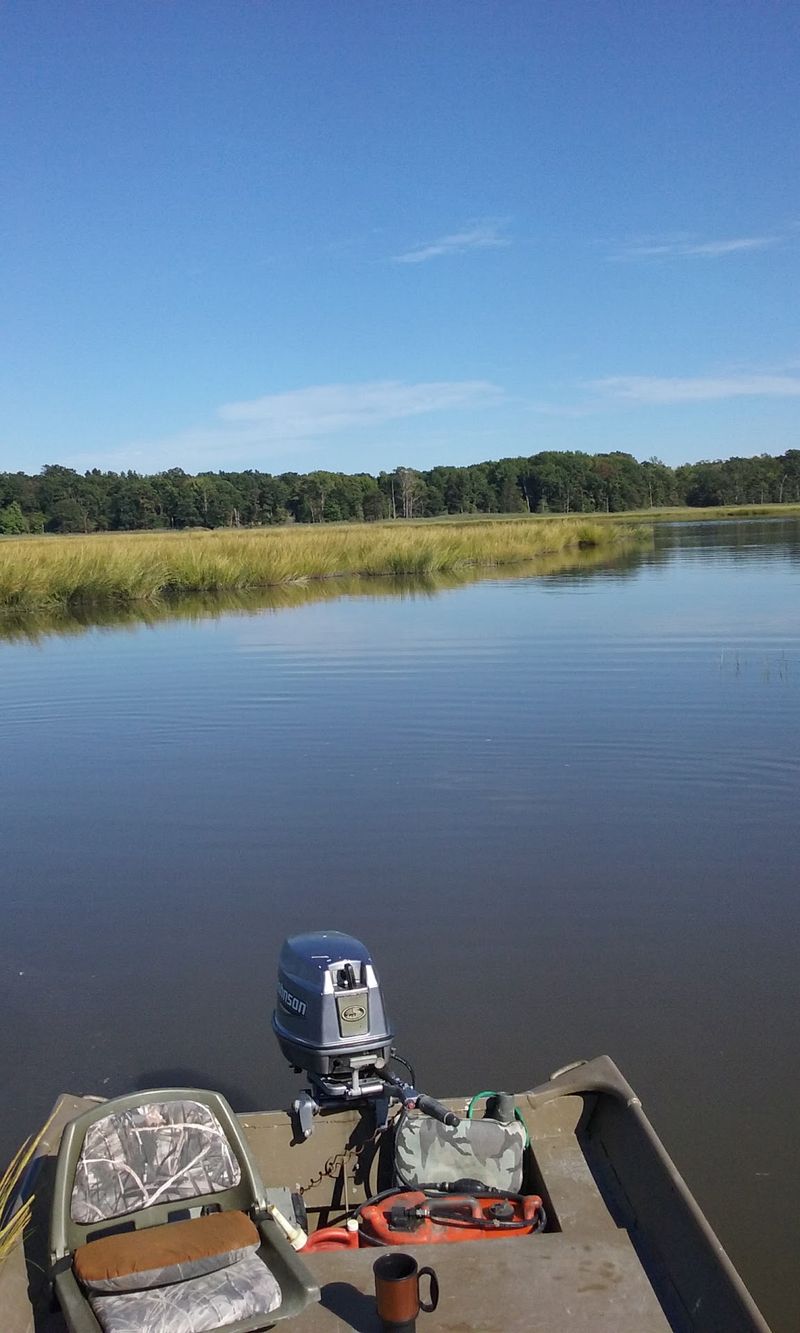
Free stuff rarely gets this useful. The park offers a concrete boat ramp and a floating dock, open for public use at no charge.
Boaters, canoeists, and kayakers can all put in here. The ramp is easily the park’s best-known feature, and honestly, it earns that spot.
Paddling Stow Creek gives you a low, close view of the marsh. You glide past tall grasses where birds hide and hunt.
Tides affect paddling, so plan your route with the water in mind. Check local tide and current predictions before paddling, because tidal currents change direction and can make the return journey more difficult.
Pack water, sun protection, and a dry bag for your phone. Marsh paddling looks calm, but wind across open grass can surprise you.
You’ll find the launch area off Landing Road, Bridgeton, NJ 08302. The roads leading in can be a bit rutted, so drive slowly.
Fishing is also allowed in Stow Creek. Plenty of folks pair a quiet paddle with a line in the water.
And that might be my favorite detail. A simple ramp opens up miles of wild creek for anyone willing to bring a boat.
Marsh Grass That Quietly Does The Heavy Lifting
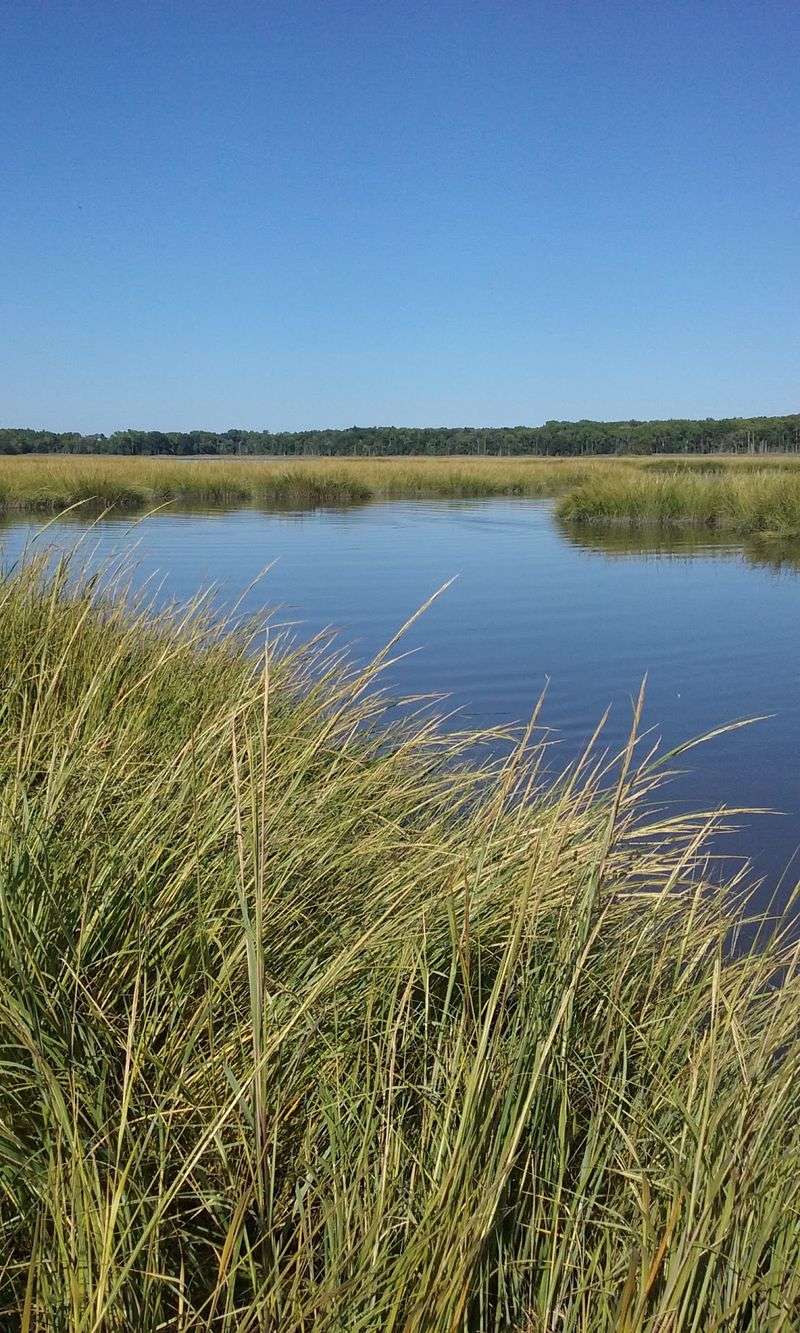
Smooth cordgrass doesn’t sound glamorous. Yet this native plant, called spartina alterniflora, anchors the huge tidal marshes inside Stow Creek State Park.
Cordgrass handles salty water and shifting tides like a champ. Its roots help hold the marsh together.
You’ll also spot phragmites, a tall reed that isn’t native here. It often forms dense, feathery walls along the wetland edges.
Telling them apart is a fun little game. Cordgrass stays lower and greener, while phragmites towers with fluffy tops.
Along the forest edges, thick brush takes over. That messy border zone gives small birds and mammals plenty of cover.
These layers, from open marsh to brush to woods, create many homes in one place. That variety explains why so much wildlife shows up.
Insects love the marsh, which sounds like bad news at first. Swallows and Purple Martins sure don’t complain, though, since they hunt those bugs in the air.
Bug spray is a smart packing choice in warm months. Then you can enjoy the swooping birds without becoming part of the menu yourself.
The Bird List Here Reads Like A Field Guide
Owls in January. Eagles in February.
Geese pouring through in fall.
The calendar at this park basically runs on birds. Northern Harriers glide low over the marsh, scanning for a meal.
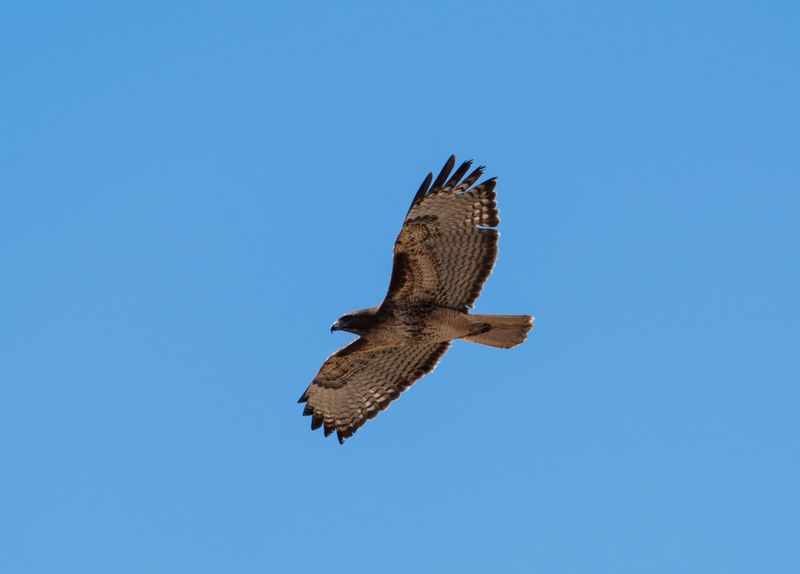
Red-tailed Hawks perch along the edges and watch the fields. Great Blue Herons stand still in shallow water like patient statues.
Egrets forage there, too, flashing bright white against the grass. Marsh wrens, goldfinches, sparrows, and orioles fill out the cast.
Autumn brings big numbers of Canada and snow geese. Raptors and kestrels pass through on their travels, adding extra action overhead.
A basic bird guide or a phone app makes the trip more fun. Naming what you see turns a walk into a treasure hunt.
Stow Creek State Park doesn’t need fancy exhibits to impress birders. The marsh itself handles the entertainment.
Go early, move quietly, and scan both the water and the sky. Some of the best sightings happen when you stop walking and just look around for a few minutes.
Furry Locals Who Prefer To Stay Low-Key
Birds get most of the attention here, but mammals are around, too. Muskrats, deer, and red foxes all live in the area.
Muskrats hang out near the water and marsh channels. Watch for small ripples or a brown head cutting across the surface.
Deer often move along the edges between fields and woods. Dawn and dusk are good times to catch them stepping into the open.
A red fox sighting feels like winning a tiny lottery. They’re quick, careful, and gone before you can say anything.
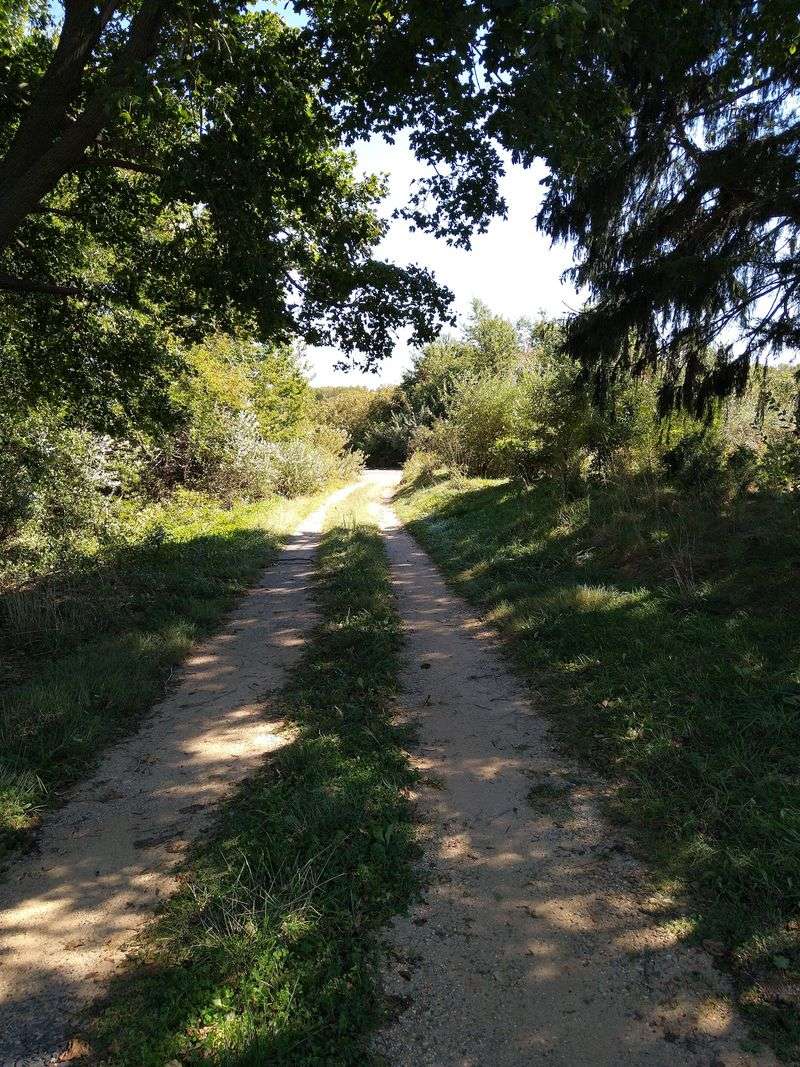
The park includes a mix of wooded lots and farm fields. That patchwork gives these animals food, shelter, and room to roam.
Keeping quiet improves your chances a lot. So does staying still and letting your eyes adjust to the landscape.
Pets are welcome on a leash no longer than six feet. That rule helps protect wildlife and keeps curious dogs out of trouble.
Bring a camera, but keep your distance from any animal. Watching from afar lets the locals go about their business, which is kind of the whole point.
Old Stories Run Deeper Than The Creek
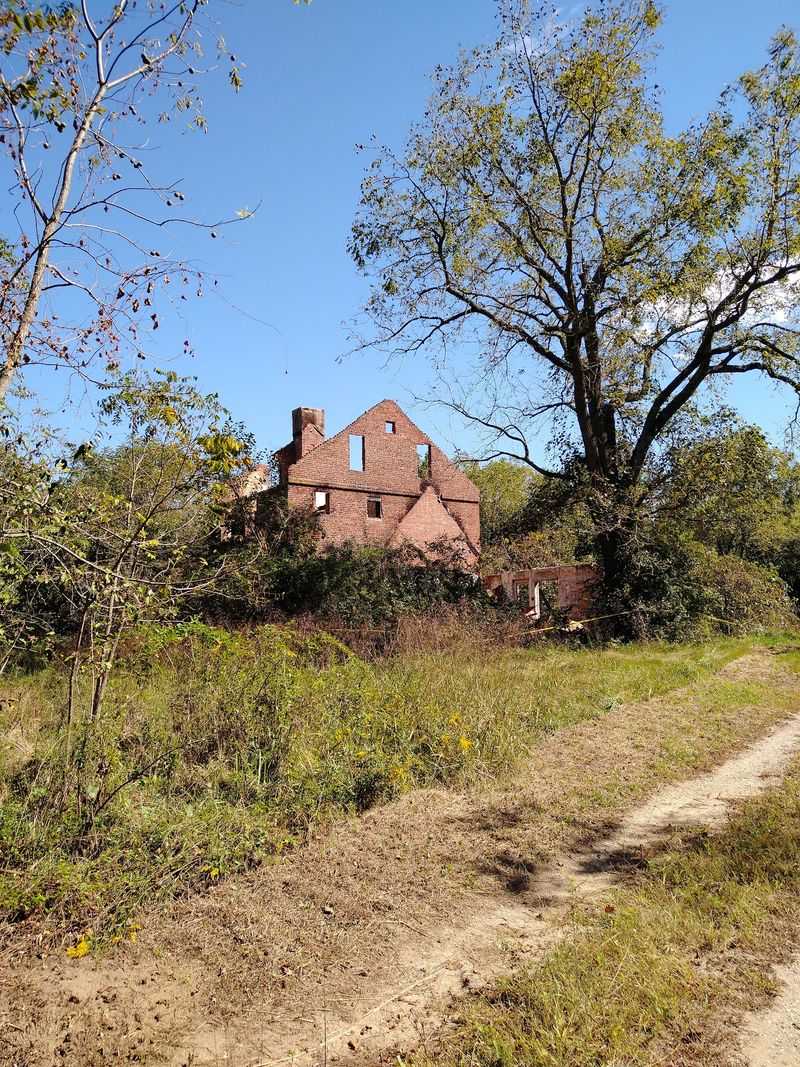
Pirates, supposedly. Stow Creek Landing has a reported link to the days of Blackbeard and Captain Kidd, who allegedly used it as a hideout.
Nobody can hand you a treasure map, sadly. Still, it’s a fun legend for a quiet landing on a twisting creek.
Long before any pirate tales, the Lenape people lived on this land. Native American artifacts have been found along the brackish creek.
Stow Creek Township also carries plenty of history. It dates back to 1748 and was formally incorporated in 1798.
That makes this corner of New Jersey older than the United States itself. The fields and marshes have watched centuries go by.
“Today, Stow Creek Township has approximately 1,350 residents, according to the latest U.S. Census Bureau population estimates.
That small number helps explain why everything feels so calm.
History here isn’t fenced off behind glass. It’s part of the land, the water, and the stories people still tell.
Standing near the landing, it’s easy to wonder what boats slipped through long ago. The funny part is that the quiet probably looks pretty similar now.
Plan Smart Because Frills Are Few
Honesty first: this park is simple. Don’t expect a visitor center, snack stand, or fancy trail network.
Stow Creek State Park is open daily from sunrise to sunset. There’s no entrance fee, which helps balance out the bare-bones setup.
Parvin State Park handles administration for Stow Creek. That’s useful to know if you have questions before your trip.
Facilities are partially accessible for people with disabilities. Checking ahead can help you plan the smoothest visit.
Roads in can be rutted, so take it slow. A car with decent clearance won’t hurt, either.
Pack everything you need, including water, snacks, and a bag for trash. Leaving the place cleaner than you found it is always a win.
Hunting is allowed on about 1,000 acres during regulated seasons. Wearing bright colors in fall and winter is a wise move.
Treat the trip as a nature outing, not an amusement park day. Go in with that mindset, and the quiet becomes the main attraction rather than a missing feature.
Why This Quiet Corner Is Worth Protecting
Development pressure is real along the Delaware Bayshore. That’s exactly why open land like this matters so much.
Nearby conservation work, including efforts in Burden Hill Forest, has expanded the Stow Creek Wildlife Management Area. Together, these lands form a bigger safety net for wildlife.
Wetlands filter water, slow floods, and feed countless creatures. Losing them would ripple through the whole bay.
Stow Creek State Park plays a part in that bigger picture. Its forest, fields, and marsh stay wild instead of becoming parking lots.
One camping description calls this area a forgotten part of New Jersey. I’d say forgotten isn’t always a bad thing for eagles and herons.
Fewer crowds can mean less disturbance for nesting birds. It also means more peace for anyone who visits.
Sunsets over the marsh are a real bonus. The open sky stretches wide, with nothing tall blocking the view.
Visiting respectfully is a simple way to show support. Stay on paths, follow the rules, and maybe tell a friend who loves nature as much as you do.
