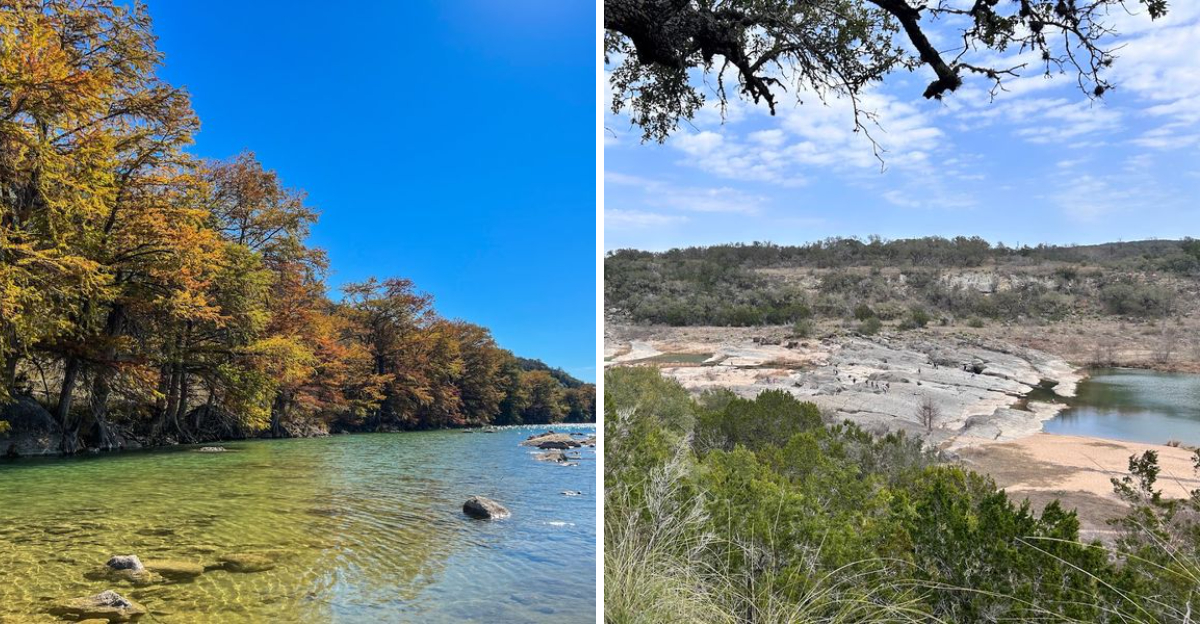
Some of Texas’s best views require a long hike, a map, and a lot of determination. This one does not.
The falls are stunning, the river views are postcard-perfect, and the trail to get there is short enough that you could do it in flip-flops. (Not that I recommend that, but it is that easy.)
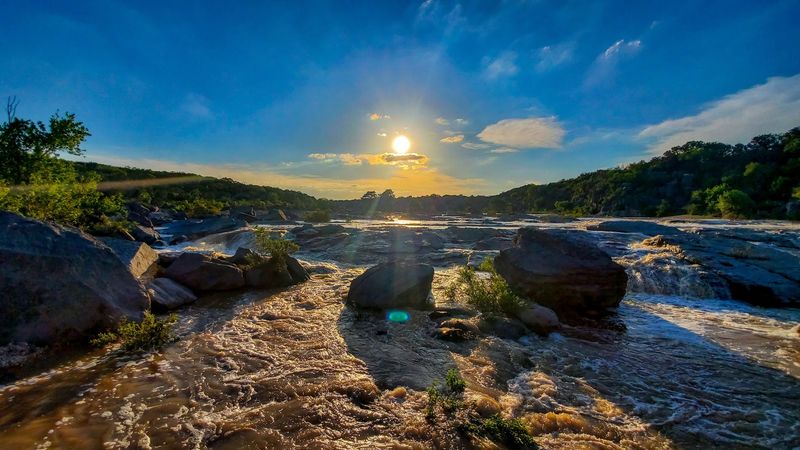
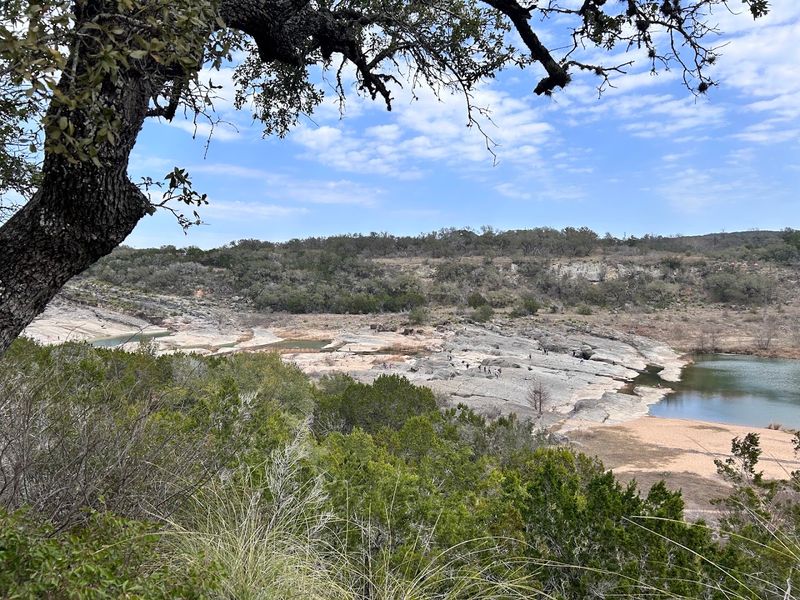
The water cascades over ancient rock formations, creating a scene that looks like it belongs on a calendar. You could sit on the rocks, dip your feet in the water, and lose an entire afternoon just watching the flow.
It is the kind of spot that feels like a reward without the effort. Perfect for a family outing, a solo escape, or a date that will make someone look like a genius planner.
Texas beauty without the sweat.
The Pedernales Falls Themselves, A Geological Marvel
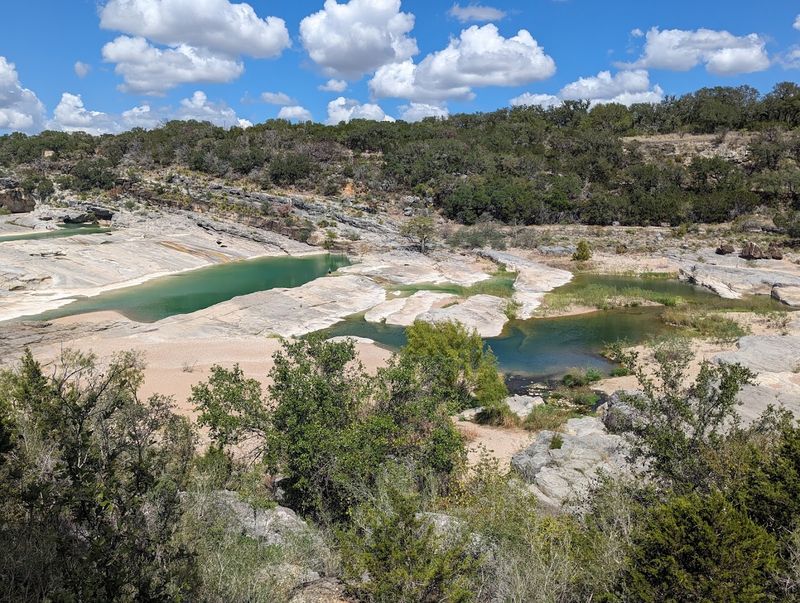
Hundreds of millions of years of patience carved what you see at the falls. The Pedernales River rolls over tilted slabs of Marble Falls Limestone, rock that dates back roughly 300 million years, shaped during the formation of the supercontinent Pangea.
That backstory alone makes standing at the edge of those formations feel oddly humbling.
The river drops about 50 feet across a stretch of 3,000 feet, creating a sequence of steps, chutes, and swirling pools that change character completely depending on water levels. During a strong flow, the sound is almost roaring.
After a dry spell, the river narrows into quieter channels that reveal even more of the sculpted rock beneath.
Water erosion has left behind flutes, potholes, and deep fissures in the limestone surface, each one shaped over centuries of seasonal flooding. Spanish settlers named the river “Pedernales” after the flint rocks lining its bed, and you can still spot those characteristic stones scattered throughout.
The overlook trail gives you a broad view of the whole scene, but getting closer to the rock surface is where the real details emerge.
Younger Cretaceous sediments, including layers known as Sycamore Sand, drape over the older limestone in places, adding another visible chapter to the park’s geological story.
It reads almost like a textbook, except no textbook ever smelled like cedar and river water at the same time.
Hiking Trails for Every Pace and Skill Level
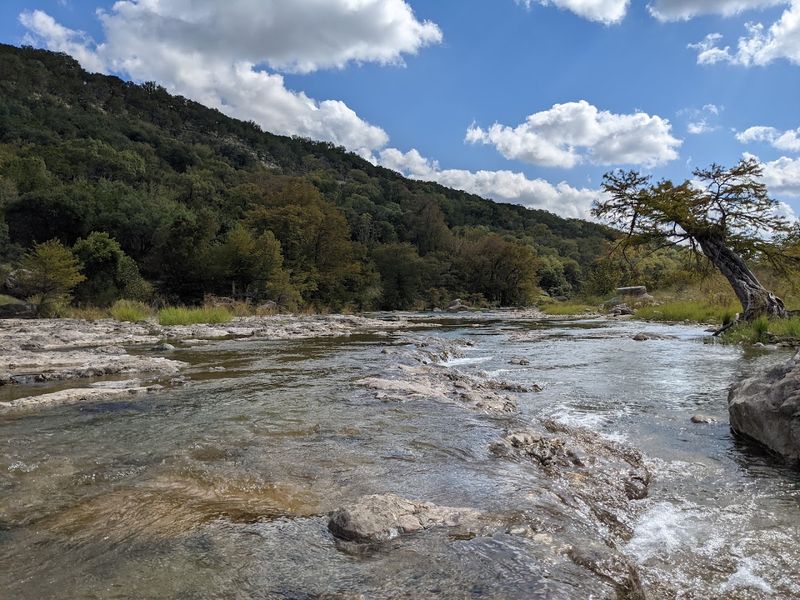
One of the first things you notice when you pick up a trail map at the entrance is just how many options there are.
With over 40 miles of trails threading through the park, there is genuinely something for everyone, from the first-time hiker to the person who considers a 10-mile loop a light morning.
The Twin Falls Nature Trail is a half-mile route that feels almost like a warm-up, but do not let its size fool you. It leads to a scenic overlook of the main falls and a smaller secondary waterfall that catches the light beautifully in the late afternoon.
For anyone wanting more of a challenge, the Wolf Mountain Trail covers 5.8 miles and rewards the effort with wide open vistas and access to cool, shaded springs along the route.
Mountain bikers tend to gravitate toward the Juniper Ridge Trail, a roughly 10-mile loop that also welcomes hikers who enjoy a bit more elevation change. The Hackenburg Loop Trail, at 1.4 miles, connects to downstream river areas and works well as a relaxed end-of-day stroll.
Trammell’s Crossing Trail opens up the park’s largely undeveloped north side for those who prefer solitude over scenery crowds. One practical note worth mentioning: closed-toe shoes with real grip are non-negotiable here.
Wet limestone is deceptively slick, and a good pair of trail shoes makes the difference between a great hike and an unexpected slide.
Swimming and Wading Downstream, the Right Way
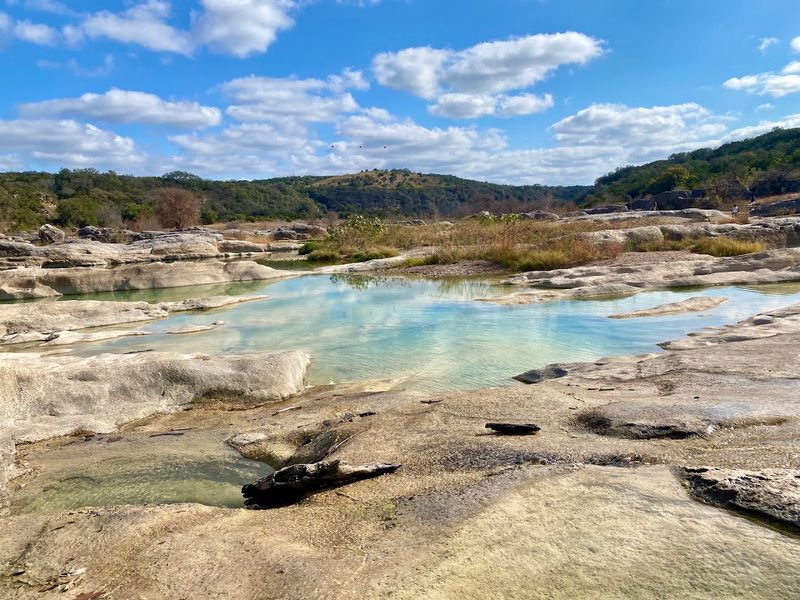
The falls look incredibly tempting on a hot Texas afternoon, but swimming directly in the falls area is strictly off-limits. The currents there can be powerful and unpredictable, and the park takes flash flood risk seriously enough to have a siren warning system in place.
The good news is that the designated swimming stretch downstream is genuinely lovely in its own right.
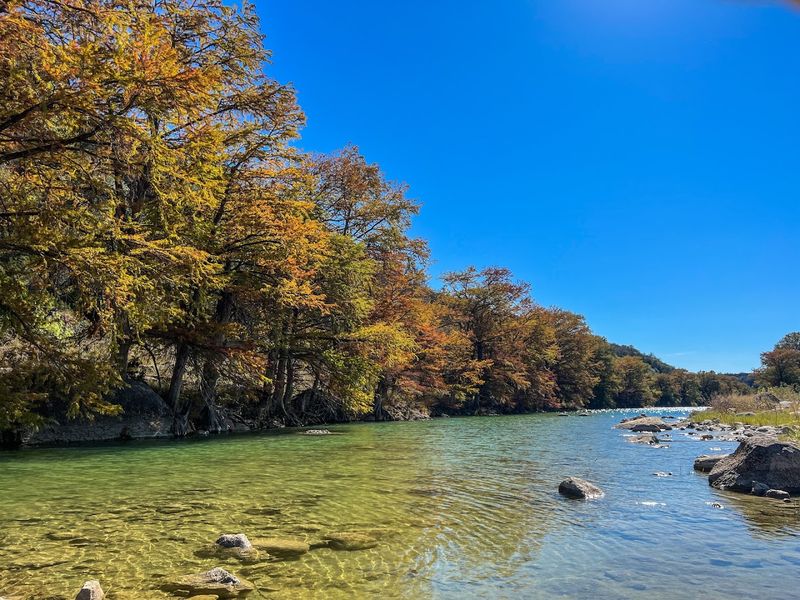
Between Trammell’s Crossing and the youth camping area, the river widens and calms into something much more approachable. Entry points along this section tend to be gentler, making it suitable for wading, casual swimming, and tubing on slower days.
I found myself sitting on a flat limestone shelf with my feet in the water for longer than I planned, which is honestly the best kind of unplanned detour.
There are no lifeguards anywhere in the park, so personal awareness matters here more than anywhere else. Flash floods in the Texas Hill Country are no exaggeration.
The limestone terrain sheds rainwater fast, meaning a storm upstream can turn a calm river into a dangerous surge with almost no warning. Checking river conditions before you head in and keeping an eye on the water color and speed are basic habits that keep the day fun.
Canoeing and kayaking are also permitted in the river, with put-in and take-out points at the swimming area and Trammell’s Crossing Trail, offering a slower, quieter way to experience the river’s personality.
Wildlife Watching in the Texas Hill Country
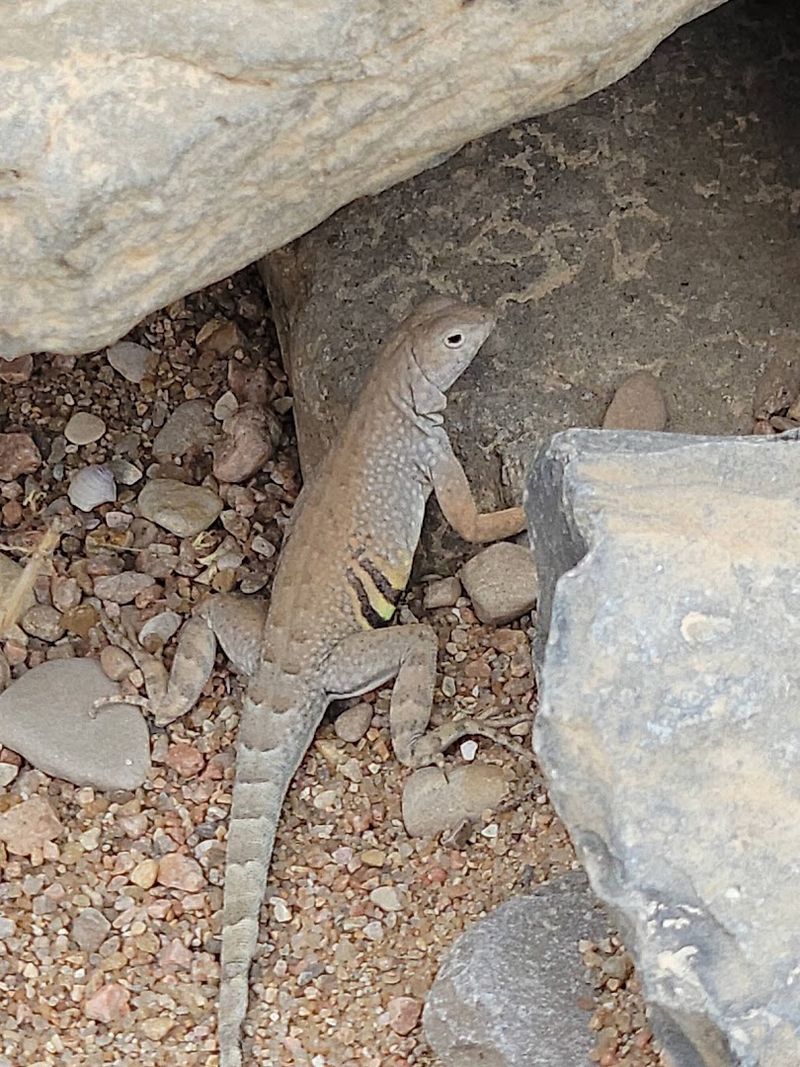
The park does not advertise itself as a wildlife destination the way some places do, but it probably should. White-tailed deer appear with almost casual regularity, especially in the early morning and around dusk when the light turns golden and everything feels a little slower.
Coyotes, armadillos, raccoons, and the occasional skunk round out the mammal roster, and spotting an armadillo rooting around near the trail edge never really gets old.
Bird watching here is a serious pursuit for a reason. More than 150 species have been identified in the park, ranging from permanent residents like great blue herons, black vultures, and wild turkeys to seasonal visitors that make the Hill Country a critical migration corridor.
The endangered golden-cheeked warbler nests in the park’s oak and juniper woodlands during spring, which draws birders from across the state.
There is a wheelchair-accessible bird blind near the park facilities that deserves a mention on its own. The 35-foot glass viewing wall and surrounding feeders create a front-row seat to the park’s birdlife without requiring any trail navigation at all.
It is one of those quiet spots where you can sit for twenty minutes and leave feeling genuinely refreshed.
The plant life adds another layer to the experience, with pecan, elm, sycamore, and walnut trees clustering along drainages, and rare madrone trees appearing along select trail sections in a way that feels almost like a small surprise reward.
Camping Under Some of Texas’ Darkest Skies
Spending a night at the park shifts the whole experience in a direction that a day visit simply cannot match. When the day hikers leave and the trails go quiet, the park takes on a completely different personality, and the sky above the limestone bluffs becomes the main attraction.
Primitive backcountry sites require a hike of at least two miles to reach, which keeps them genuinely remote. Positioned on high bluffs with minimal light pollution from nearby towns, these sites offer some of the better stargazing you can find within a reasonable drive of any Texas city.
Electric sites with water hookups are also available for those who prefer a more comfortable setup without sacrificing the outdoor atmosphere entirely.
Picnic areas are scattered throughout the park for visitors who want a middle ground between a full camping trip and a simple day outing. One practical consideration worth planning for is cell service, which tends to be unreliable inside the park boundaries.
Downloading your reservation confirmation, trail maps, and any other necessary information before you arrive saves a lot of frustration later. The park can reach capacity quickly during spring and fall weekends, so reservations for both campsites and day passes are strongly recommended.
Waking up to the sound of birds and river noise rather than traffic is the kind of reset that makes the drive back feel like a small disappointment, which is probably the best review a campsite can get.
Flash Flood Safety, What Every Visitor Should Know
Flash floods are one of those topics that can feel abstract until you understand how quickly conditions change in the Texas Hill Country. The limestone terrain throughout this region is dense and non-absorbent, which means rainfall does not soak into the ground the way it does in other landscapes.
Instead, water sheets off the rock almost immediately and funnels directly into the river system.
The Pedernales River can go from a calm, ankle-deep stream to a fast-moving, debris-filled torrent in under an hour, even when there is no rain visible overhead. The storm causing the surge could be happening miles upstream and completely out of sight.
This is not a hypothetical situation; it happens at this park with enough regularity that the staff installed a siren system specifically for flood warnings.
If you hear the siren, or if you notice the water starting to rise or turn muddy, the instruction is simple: get out of the river immediately and move to higher ground.
Keeping an eye on weather forecasts for the broader Hill Country region, not just the immediate park area, is a smart habit before any river activity.
The park’s visitor center staff are a reliable source of current conditions, and checking in with them before heading to the water costs nothing but a few minutes.
Understanding this one safety dynamic genuinely changes how you experience the park, because it encourages you to pay attention to the environment around you rather than just moving through it.
Accessibility and Practical Tips for Planning Your Visit
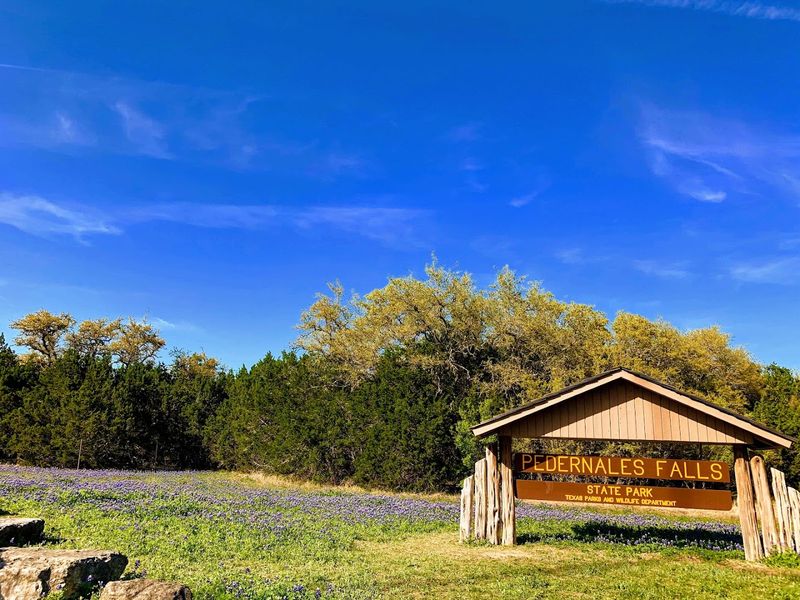
Getting to Pedernales Falls State Park from Austin takes roughly an hour, and the drive through the Hill Country is pleasant enough that it starts feeling like part of the trip rather than just the commute.
The address is 2585 Park Rd 6026, Johnson City, TX 78636, and most navigation apps handle it without issues, though the final stretch of road is narrow in places.
The park has made genuine efforts toward accessibility. Restrooms, picnic areas, and the scenic overlook parking area are all accessible, and the bird blind with the glass viewing wall is one of the more thoughtfully designed accessible features I have seen at any Texas state park.
The trails leading directly to the river are rough and uneven, so visitors with mobility considerations should contact the park in advance to ask about specific accessible campsite options and current trail conditions.
Dogs are welcome throughout the park and on the trails, but they must stay on a leash at all times. They are not permitted in the river or designated swimming areas, which is worth knowing before you load up the car.
Spring, from March through May, and fall, from September through November, offer the most comfortable hiking and camping temperatures. Summer visits are popular for the swimming areas but come with intense heat that demands extra water and sun protection.
Reservations for day passes and campsites book up fast during peak seasons, so planning ahead by at least a week or two is a habit that pays off here.
Why Pedernales Falls Deserves a Spot on Your Texas Bucket List
Some parks feel like obligations, places you visit because they are famous or because someone told you that you should. Pedernales Falls State Park does not feel that way at all.
It feels like a discovery, even if you have read about it a dozen times before arriving.
The combination of geological history, trail variety, river access, wildlife, and dark-sky camping in a single location less than two hours from one of the largest cities in Texas is genuinely hard to beat. Each section of the park has its own mood.
The falls area is dramatic and almost cinematic. The downstream swimming stretch is relaxed and social.
The backcountry trails are quiet in a way that feels earned rather than empty.
What makes this park stick in the memory is not any single feature but the way all of those elements layer on top of each other over the course of a visit.
You can spend a full weekend here and still feel like you missed something worth returning for, which is exactly the kind of place a bucket list is built around.
The park opened in 1971, and more than five decades later it still holds its own against anything the Hill Country has to offer. Whether you are making a day trip or packing for a few nights under the stars, the park rewards whatever time you give it.
