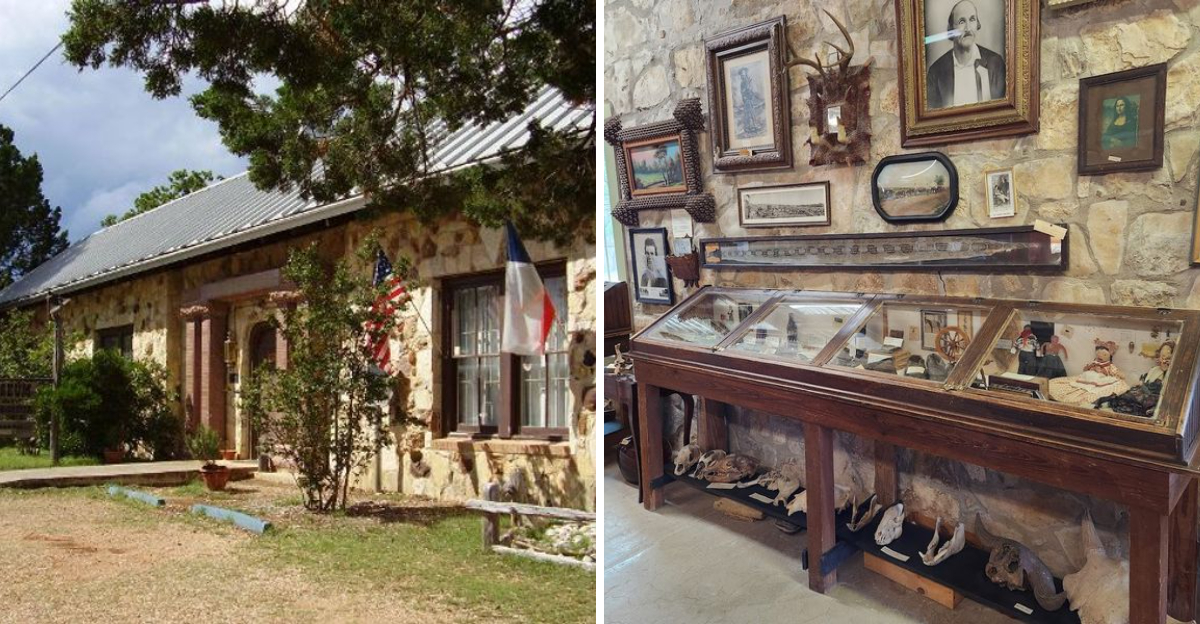
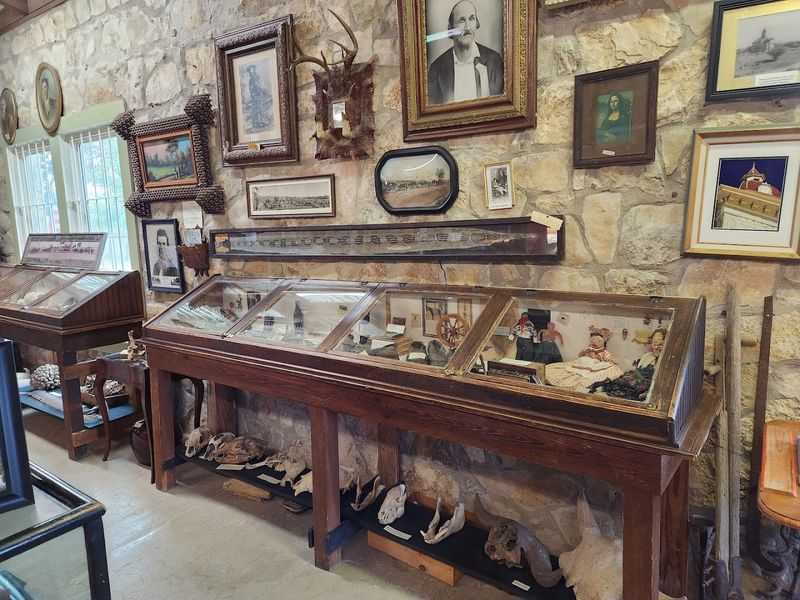
A shrunken head sits in a glass case. A two headed calf stares from across the room.
Native American artifacts share space with cowboy gear and vintage toys. This place is not your average museum.
Founded way back in 1933, it has been packing in over 40,000 artifacts from every corner of the globe, and the collection feels less like a curated exhibit and more like someone’s wildly interesting attic. Every corner holds something unexpected.
A person could wander for hours and still miss half of it. The building itself has history, creaky floors and old glass cases that add to the charm.
No slick modern galleries or touch screens here, just dusty treasures and stories waiting to be noticed. Texas has plenty of big city museums with massive budgets, but this one feels personal, weird, and completely unforgettable.
Bring curiosity and a willingness to stare at things that cannot be easily explained.
The Man Behind the Museum, J. Marvin Hunter Sr.
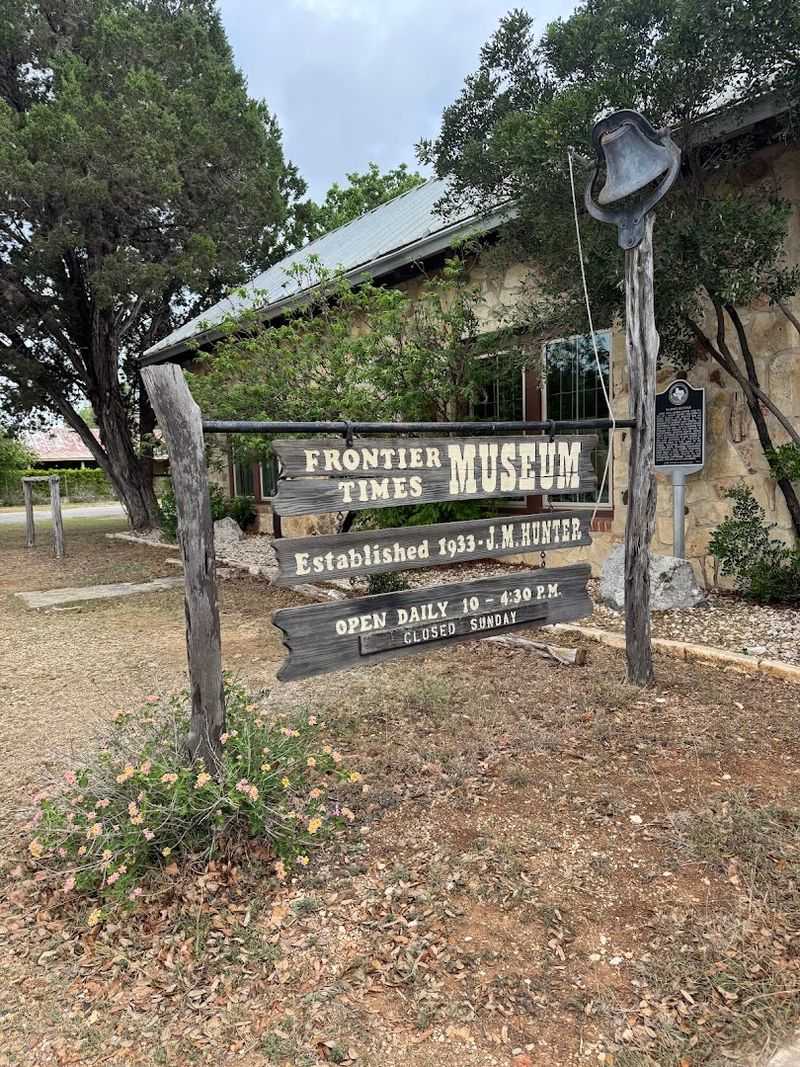
Not every museum starts with a magazine, but this one did. J.
Marvin Hunter, Sr. was a Texas newspaperman who ran a publication called Frontier Times, and readers from all over the country began mailing him curious objects they thought he might appreciate. What started as a quirky side collection grew into something far bigger than anyone expected.
Hunter had a genuine passion for preserving history, especially the kind that did not always make it into official textbooks. He was drawn to oddities, frontier relics, and stories from the edges of civilization.
By the time he formalized his collection, it had already taken on a life of its own.
The museum officially opened on May 20, 1933, and Hunter spent years organizing, cataloging, and expanding what he had gathered. His approach was personal and hands-on, shaped by curiosity rather than academic structure.
That spirit still lives in every corner of the building today.
After Hunter passed away, the museum changed hands a few times before eventually being gifted to the residents of Bandera County in 1972. It is now fully community-owned, which gives it a sense of local pride that you can genuinely feel when you visit.
The people who run it care deeply about keeping Hunter’s legacy alive, and that dedication shows in how thoughtfully everything is presented. He was not a trained curator, just a man who loved stories, and that is exactly what makes this place so special.
The Limestone Building That Is an Artifact Itself
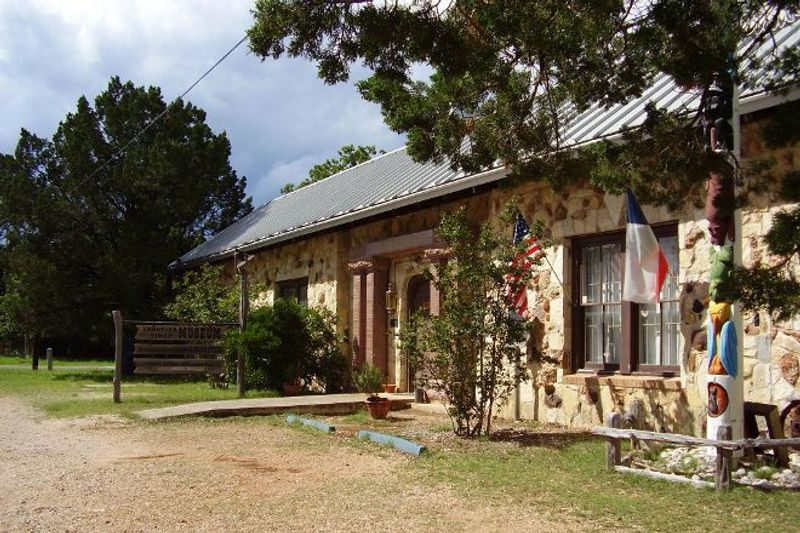
Most museum buildings are just containers for the things inside them. The Frontier Times Museum is different, because the building itself is part of the collection.
Constructed in 1933 from native Texas limestone, the walls are embedded with fossils, petrified wood, agates, and crystals that were gathered from across the region.
Running your eyes along the exterior, you start noticing shapes and textures that do not belong to ordinary stone. There are fragments of ancient sea creatures, glittering mineral deposits, and chunks of wood turned to rock over millions of years.
It is the kind of detail that makes you slow down before you even step inside.
The building was designed to reflect the land it sits on, and that connection to place feels intentional and meaningful. Bandera sits in the Texas Hill Country, a region rich with geological history, and the museum’s construction honors that in a very literal way.
Every piece of stone was chosen with purpose.
Inside, the architecture continues to feel organic and lived-in rather than sterile or modern. The rooms have that warm, slightly uneven quality of older buildings, where the floors creak just a little and the light falls in unexpected ways.
It adds to the atmosphere rather than distracting from it. For anyone who appreciates architecture with character, this building alone is worth the visit, long before you start looking at what is displayed on the shelves and in the cases inside.
World Artifacts That Will Genuinely Surprise You
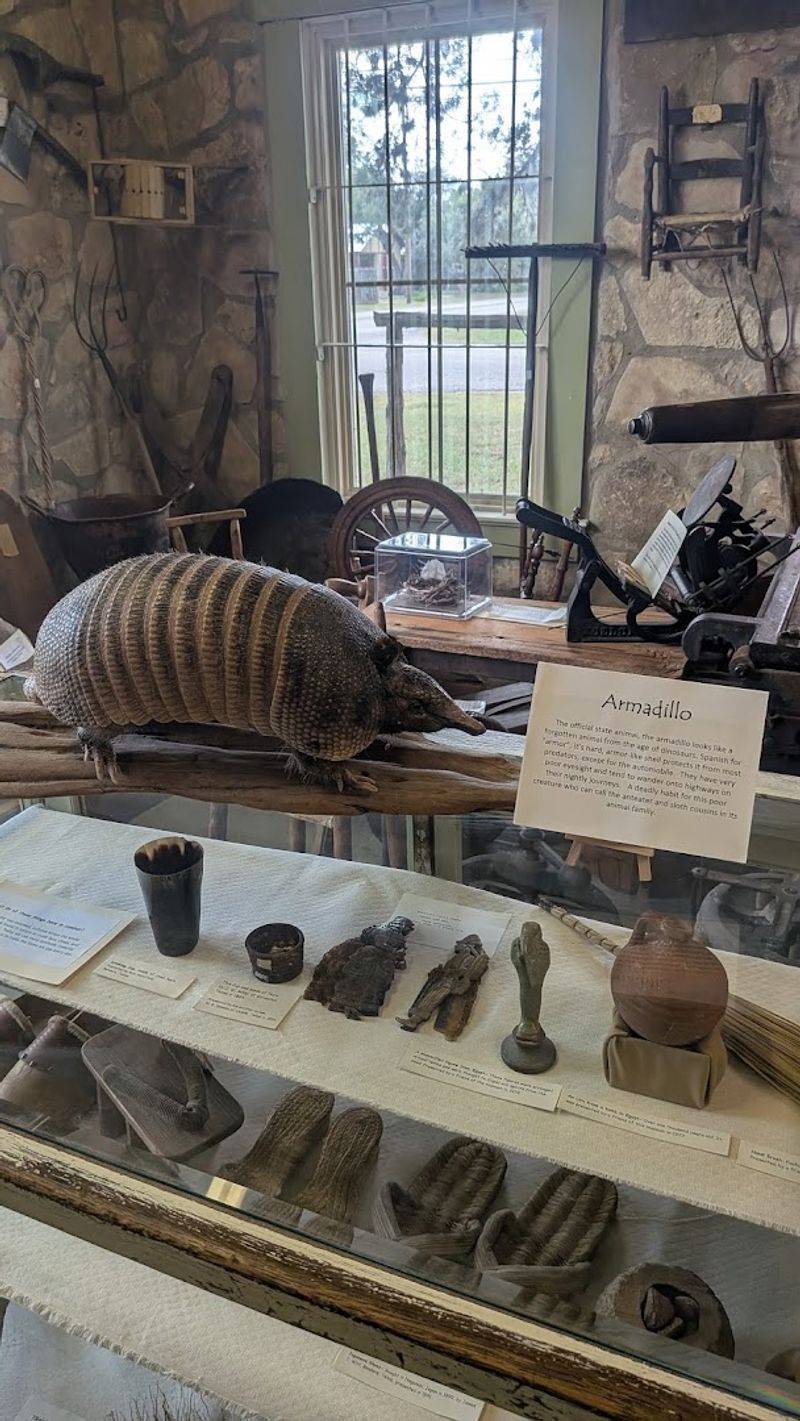
The range of objects in this museum is almost hard to believe until you see them in person. A shrunken head from South America sits in a case nearby a wooden idol from Easter Island.
A Ming Dynasty Chinese gong rests not far from a Venetian birthing chair that dates back to the Middle Ages. These are not reproductions.
What makes this collection so fascinating is the story behind how it arrived here at all. Hunter’s Frontier Times magazine had readers across the country and beyond, and many of them sent him objects from their travels or family histories.
The result is a cabinet of curiosities that spans continents and centuries in a way no single collector could have planned.
Some of the international pieces carry a weight to them that stops you mid-step. The shrunken head, in particular, draws a long pause from almost every visitor.
It is not displayed for shock value but rather as a genuine artifact of a cultural practice that most people have only ever read about in books.
There is also a collection of over 400 bells gathered from around the world, each one different in size, material, and origin. The variety is staggering, and it speaks to how broad Hunter’s curiosity really was.
He was not focused on one region or one era. He wanted everything, and somehow he got a remarkable amount of it.
For a small-town Texas museum, the global reach of this collection is genuinely extraordinary and endlessly surprising.
Texas Frontier Relics That Tell Real Stories
Texas history has no shortage of dramatic moments, and the Frontier Times Museum holds some of the most tangible pieces of that drama you will find anywhere.
One of the standout items is a Bandera bank safe that was damaged during an outlaw raid, its battered exterior telling the story more vividly than any written account could.
There is also the first piano ever brought to Bandera, which is a remarkable object when you think about the effort it must have taken to transport it across rough Hill Country terrain in the 1800s.
It sits in the museum like a quiet witness to an era when bringing culture to the frontier was a serious act of determination.
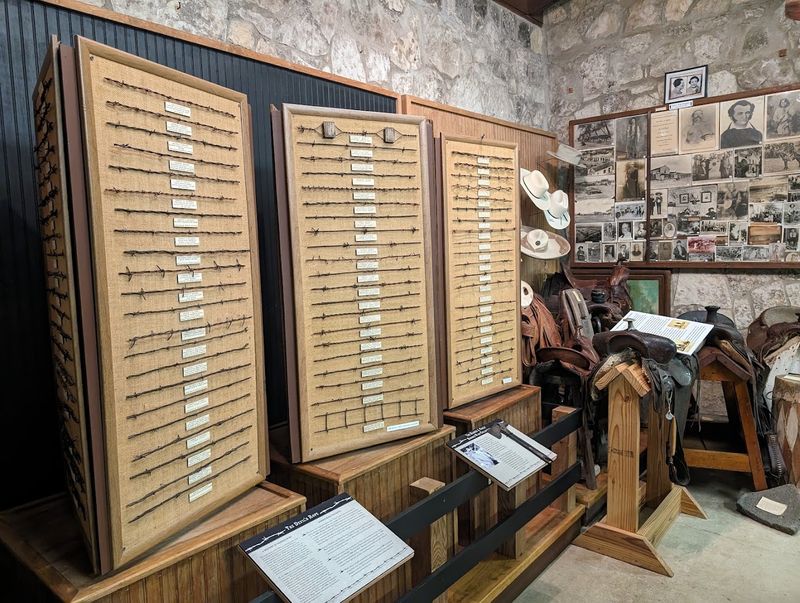
The Harvey Chelf Barbed Wire Collection is another highlight that surprises most visitors. Barbed wire might not sound thrilling, but in Texas history it was genuinely revolutionary.
The invention and spread of barbed wire fencing changed land ownership, ranching, and conflict across the entire West, and seeing the variety of designs in one place gives you a real sense of that history.
The Debbie Henderson Western Hat Collection adds a different kind of flavor, showcasing the artistry and regional identity tied up in cowboy culture. Each hat has its own character, and together they represent a living tradition that still shapes Bandera’s identity today.
The town calls itself the Cowboy Capital of the World, and pieces like these make that title feel earned rather than just a marketing slogan.
Native American and Pioneer Collections Worth Seeing
One of the most thoughtful sections of the museum focuses on the people who lived across this land long before Texas was Texas. The Native American collection includes arrowheads, beaded items, pottery, and tools that represent cultures with deep roots in the Hill Country region.
These pieces are displayed with a quiet respect that feels appropriate given their significance.
Alongside these are pioneer artifacts that document the lives of the settlers who came into this territory during the 1800s.
Tools, clothing, household items, and personal objects fill the cases, painting a picture of daily life that was demanding, resourceful, and often surprisingly creative given the limited supplies available at the time.
What strikes me about this part of the museum is how the two histories sit side by side without one overshadowing the other.
Both the Native American presence and the pioneer experience shaped what the Texas Hill Country became, and the museum presents them as parallel stories rather than opposing ones.
That balance feels honest.
For younger visitors, these exhibits tend to be particularly engaging because the objects are so tangible and relatable. A child can look at a hand-carved tool or a beaded necklace and immediately understand that a real person made it and used it.
That connection across time is one of the most powerful things a museum can offer, and the Frontier Times Museum delivers it consistently throughout this section. It is history you can almost reach out and touch.
Military Firearms and Unusual Animal Artifacts
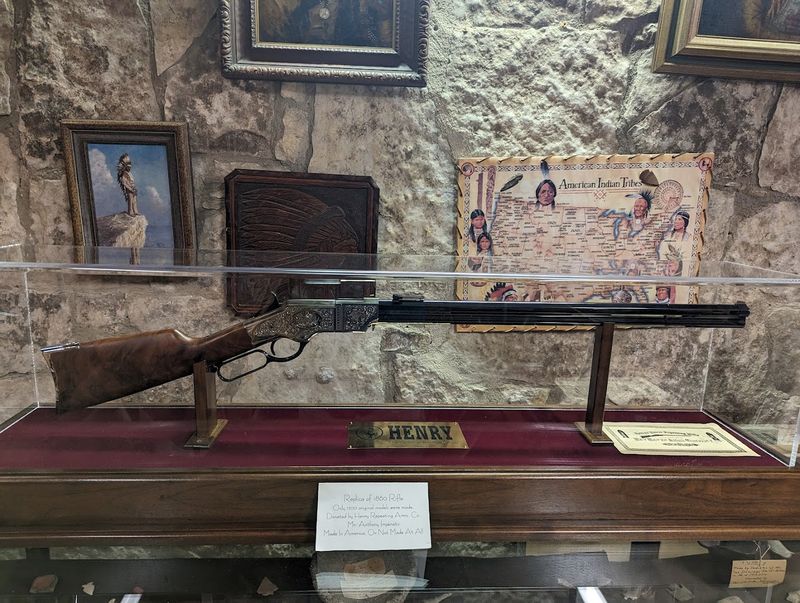
Military history takes up a compelling corner of the Frontier Times Museum, with a selection of firearms that spans different conflicts and eras. Muzzle-loading rifles line the walls alongside German bayonets, each piece representing a chapter of history that touched Texas in ways both direct and indirect.
The craftsmanship on some of these weapons is remarkable even from a purely mechanical standpoint.
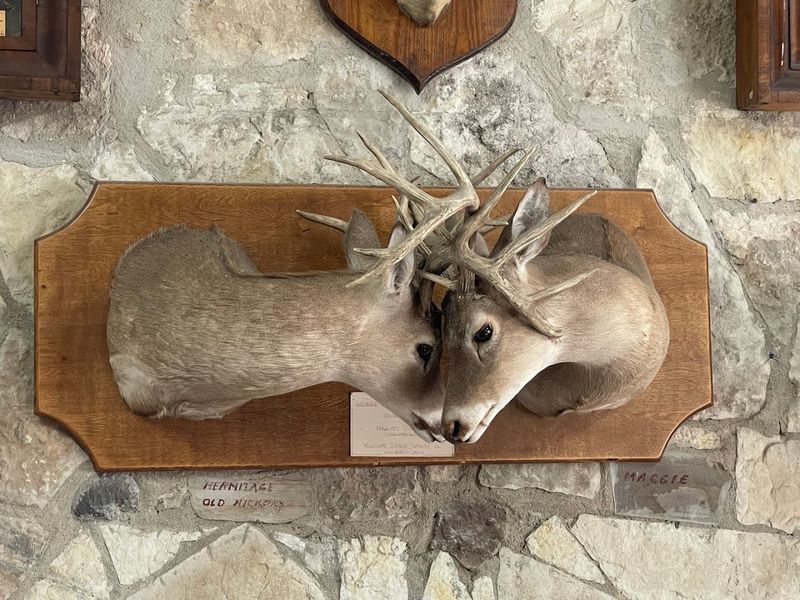
Then there is the two-headed goat. It sounds like the kind of thing you might find at a roadside attraction, but here it is presented as a genuine biological curiosity, a real animal that was preserved and donated to the museum.
It is one of those objects that makes you do a double-take and then stand there longer than you planned.
A preserved tarantula is also part of the collection, and while it might not be everyone’s favorite exhibit, it fits perfectly with the museum’s spirit of collecting the unexpected.
Hunter seemed to believe that anything worth noticing was worth preserving, and the animal artifacts in the collection reflect that philosophy without apology.
The mix of military history and natural curiosities in the same space might seem odd at first, but it actually works beautifully within the context of this museum. It keeps you on your toes, never quite sure what the next case will hold.
That unpredictability is part of what earned the Frontier Times Museum its reputation as one of the best small-town museums in the country, a title backed up by a number six ranking from USA Today readers.
The Texas Heroes Hall of Honor and Doane Western Art Gallery
Art and honor share the same roof at the Frontier Times Museum, and both are presented in a way that feels genuine rather than ceremonial.
The Texas Heroes Hall of Honor celebrates individuals who shaped the state’s history in meaningful ways, from frontier figures to community leaders whose contributions might otherwise be forgotten over time.
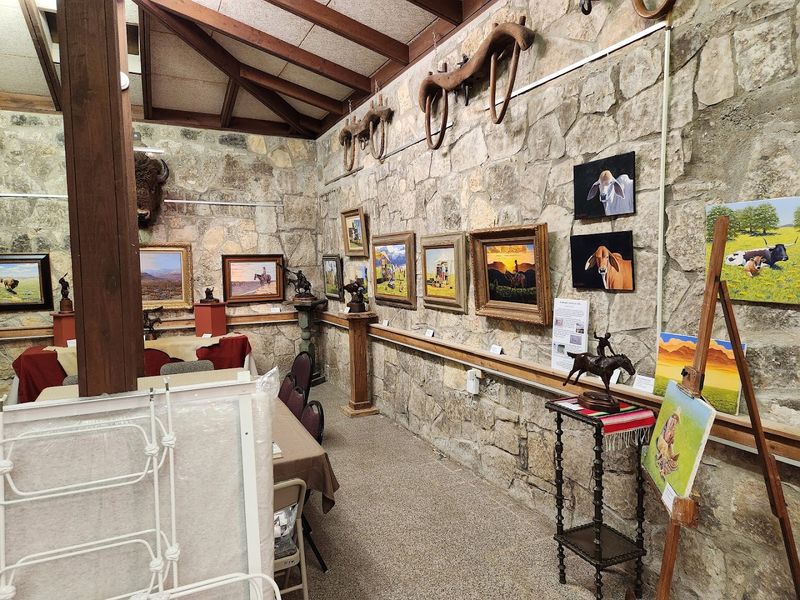
The Doane Western Art Gallery adds a creative dimension to the museum that balances out the historical artifacts beautifully. Featuring works by Texas artists, including paintings by former museum owner F.B.
Doane, the gallery showcases a visual tradition rooted in the landscapes and characters of the American West. The paintings have a warmth and specificity to them that sets them apart from generic Western imagery.
Doane’s own work is particularly interesting given his personal connection to the museum. He was not just an artist passing through but someone who owned and cared for this institution during a key period of its history.
Seeing his paintings in this context adds a layer of meaning that a gallery setting alone could not provide.
Together, the Hall of Honor and the art gallery remind visitors that history is not only made up of objects and events but also of people and their creative responses to the world around them. This section of the museum tends to slow visitors down in a good way, encouraging a longer look and a deeper reflection.
It is a quieter part of the experience, but no less rewarding for it.
Educational Programs and the Museum’s Growing Future
The Frontier Times Museum is not resting on its history. It is actively building toward a bigger future, with a capital campaign underway to add a new wing that will help accommodate the collection’s continued growth.
For a museum that already holds more than 40,000 items, that kind of forward momentum says a lot about the community’s investment in keeping it alive.
Educational programming is a strong part of what the museum offers beyond its exhibits. Field trip programs bring local and visiting school groups through the collection, giving students a hands-on encounter with history that no textbook can fully replicate.
The Traveling Texas History Trunk program takes things a step further by bringing artifacts directly into classrooms across the region.
That outreach model is genuinely smart because it meets students where they are rather than waiting for them to show up at the door. Teachers who have used the program tend to find that physical objects spark a different kind of curiosity in students than photographs or written descriptions.
There is something about holding or examining a real historical item that makes the past feel immediate and real.
Thursday visits are particularly appealing since the museum extends its hours and offers free admission that evening, making it accessible for families and locals who might not be able to visit during regular daytime hours.
The museum is open Monday through Saturday, and the staff are known for being welcoming and genuinely enthusiastic about sharing what they know.
Address: 510 13th St, Bandera, TX 78003.
