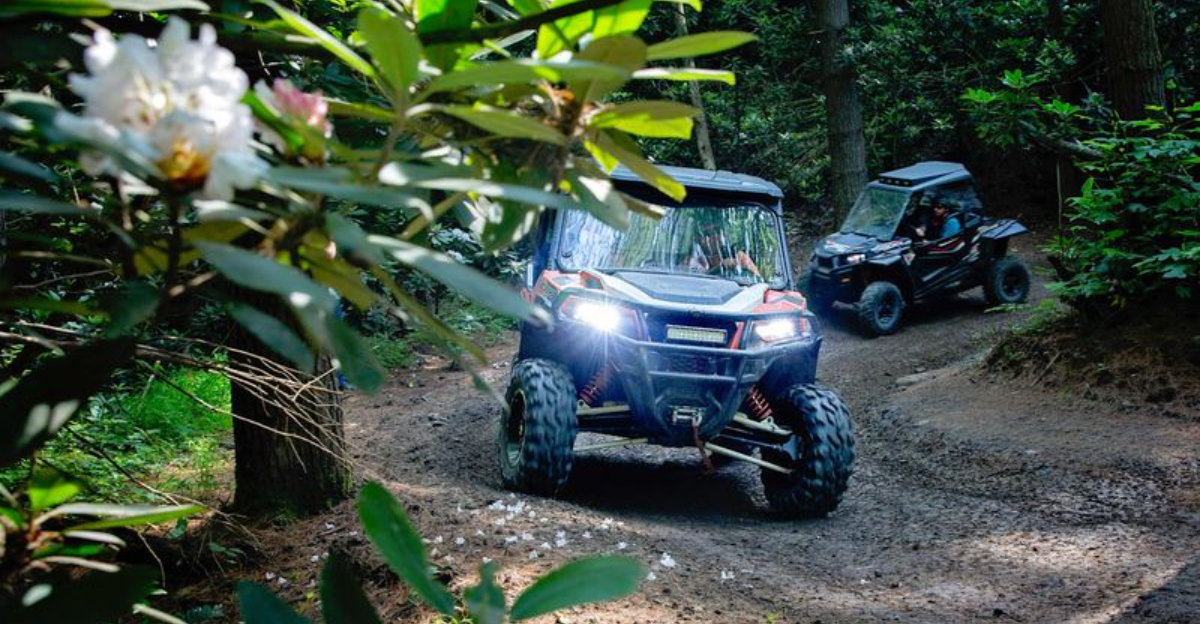
You have heard of the feud. But the mountains that once divided two families now unite off road riders from everywhere.
This West Virginia trail network hides deep in the hills. It is one of the largest in the world.
A beginner can cruise along scenic ridgelines with the wind in their face. An expert can attack tough climbs that test every skill they have.
The trails link right to small towns. You ride in, grab a burger, and gas up without ever leaving your machine.
Mud splashes your boots. The forest flies past you.
Have you ever spent a whole day on trails that never seem to end?
West Virginia built a playground that keeps you smiling from morning until sunset.
Grab your handlebars and go find out.
A Trail Network That Feels Almost Too Big To Be Real
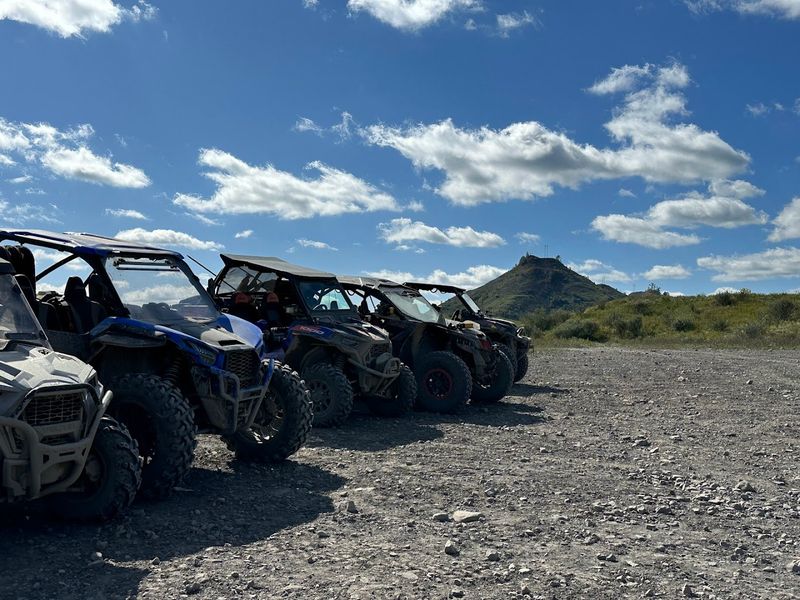
Over 1,000 miles of professionally managed trails spread across more than a million acres in southern West Virginia. That number takes a moment to actually sink in.
The Hatfield-McCoy Trails system spans multiple counties including Boone, Logan, Mingo, and McDowell, making it one of the most expansive regulated off-road networks anywhere on the planet.
The main hub sits at 180 Appalachian Outpost Trl in Man, WV, and serves as the starting point for an adventure that could honestly last weeks without repeating the same path twice.
With 10 to 13 distinct trail systems all connected under one network, the sheer variety is staggering.
Riders who come back year after year still find new corners to explore.
What makes this place stand out is not just the size but the organization behind it. Every trail is maintained, mapped, and clearly signed.
You can grab free maps at every trailhead, and the OnX Maps app works well throughout the system. Big adventures do not have to mean getting lost.
Color-Coded Trails That Actually Make Sense For Every Rider
Not everyone arrives at Hatfield-McCoy with years of riding experience, and the trail system was clearly built with that reality in mind. Green trails are marked as easiest, blue as more difficult, black as most difficult, and a black-red combination marks extreme terrain.
It is a system that feels intuitive the moment you start riding.
First-timers tend to stick to the green and blue trails, which are genuinely fun without demanding technical skill. Families with kids riding along can spend full days on green routes and never feel bored.
The scenery keeps things interesting no matter which color you are following.
Experienced riders who crave something gnarlier will find black and extreme trails that live up to every bit of their reputation. Single-track trails add another layer of challenge for those who want a more intense experience.
The beauty of this system is that two riders with completely different skill levels can visit together and both leave completely satisfied. That kind of range is rare.
ATVs, UTVs, and Dirt Bikes All Welcome Here
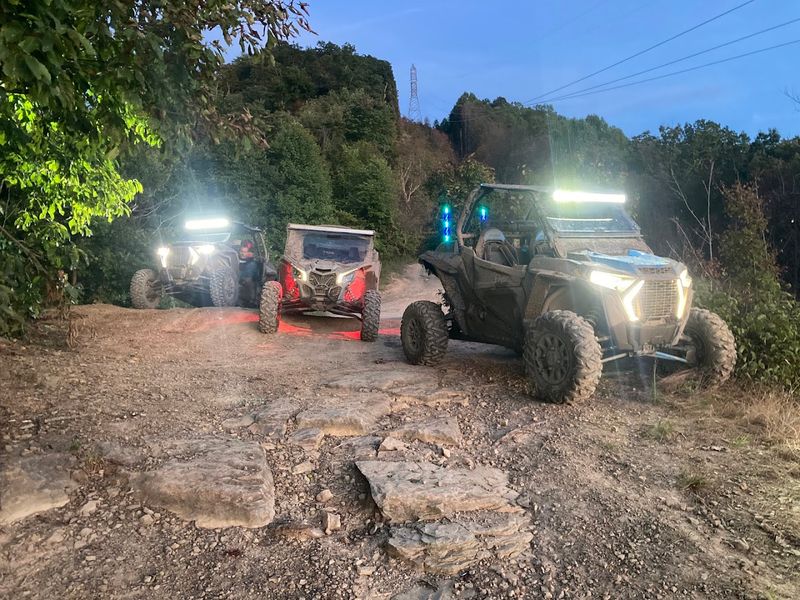
Pulling up to the trailhead with a side-by-side feels just as natural here as arriving on a quad or a dirt bike.
The Hatfield-McCoy Trails system is built to accommodate a wide range of off-highway vehicles, which means groups with mixed equipment can ride together without anyone feeling left out.
ATVs and UTVs handle the majority of the trail network comfortably. Dirt bikes are welcome throughout as well, though some riders note that heavily rutted sections can be more challenging on two wheels.
Certain trail systems like Bearwallow and Cabwaylingo also open their gates to full-size off-road vehicles like Jeeps, which broadens the appeal even further.
Riding a Honda Pioneer 700-4 through mountain terrain here and conquering every obstacle without needing four-wheel drive more than a handful of times is the kind of story riders love to bring home.
Whatever machine you show up with, the trails have something waiting for you.
Just make sure your vehicle is properly equipped and your safety gear is on before you head out.
The Individual Trail Systems Each Have Their Own Personality
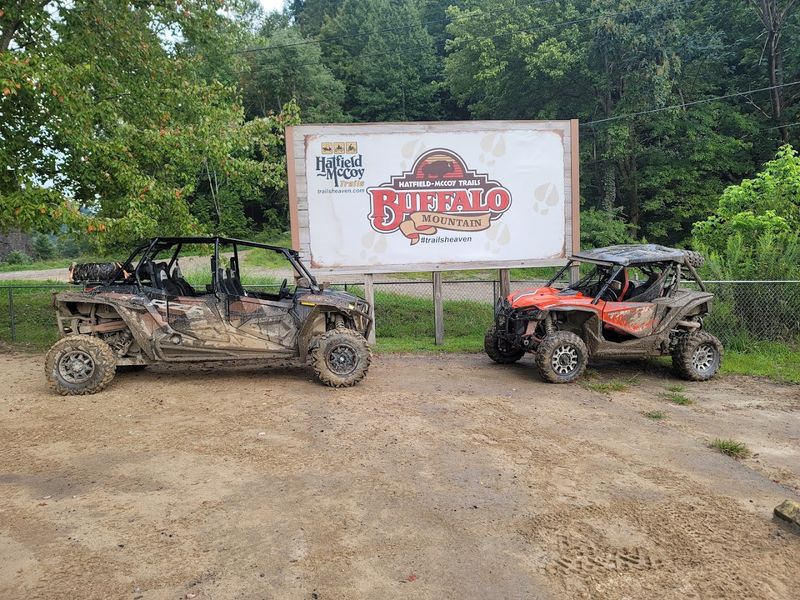
Buffalo Mountain is the go-to spot for single-track lovers, and it connects directly to the Devil Anse and Rockhouse systems for those who want to chain together a massive multi-day ride.
Combine those three systems alone and you are looking at over 300 miles of connected trails.
That is a weekend that turns into a full week without blinking.
Pinnacle Creek, Warrior, Indian Ridge, and Pocahontas link up for over 400 continuous miles, which is the kind of number that makes seasoned riders lean forward in their seats.
Each system has its own landscape character, from dense forested ridgelines to open mountain meadows with views that make you want to stop and just sit for a while.
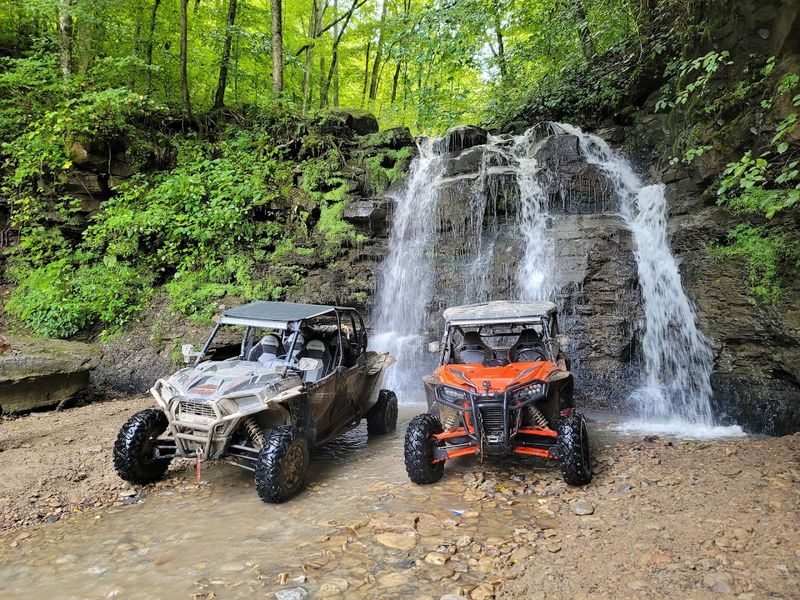
Bearwallow and Cabwaylingo bring their own charm, especially for full-size vehicle owners who want a slice of the action. Rockhouse is beloved for its waterfall stops and scenic green and blue trails that reward a relaxed pace.
Pocahontas offers some of the most accessible riding for newer riders looking to build confidence on real terrain.
The Local Food Scene Fuels The Adventure From Town To Town
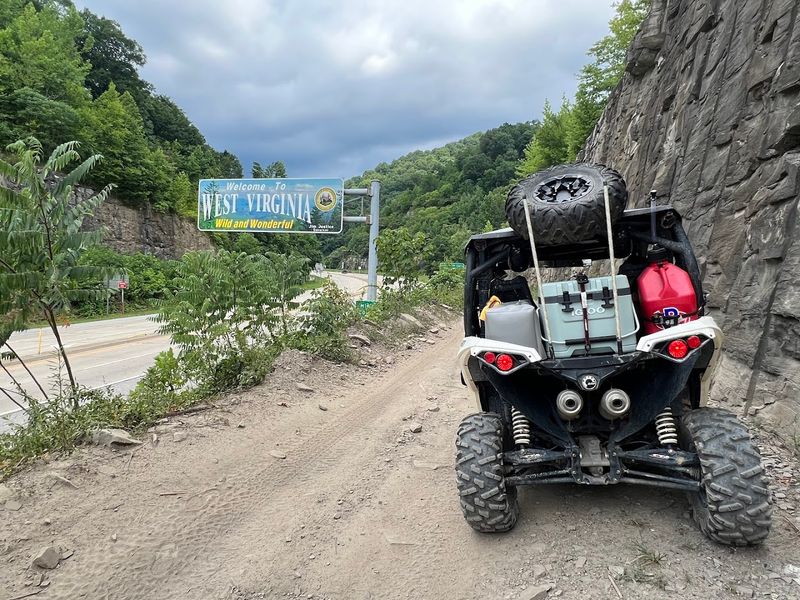
Riding all day through mountain terrain builds the kind of hunger that a granola bar simply cannot fix. Fortunately, the towns surrounding the Hatfield-McCoy Trails take their role as fuel stops seriously.
Many of these small communities have embraced their identity as ATV-friendly towns, meaning riders can pull right up on their machines and walk in for a hot meal.
The food in this region carries that honest, no-frills mountain cooking character that feels deeply satisfying after hours on the trail. Local spots serve up hearty plates that hit exactly the right notes after a long ride.
Pizza places, diners, and small-town eateries dot the route, and stopping in one feels like part of the experience rather than a detour from it.
Some lodging areas sit close enough to food stops that a short UTV ride gets you there without needing to trailer anything. Grabbing lunch at a trailside town and heading back out is a rhythm that riders quickly settle into.
The food connects to the place in a way that keeps the whole trip feeling grounded and real.
Year-Round Access Means No Waiting For The Right Season
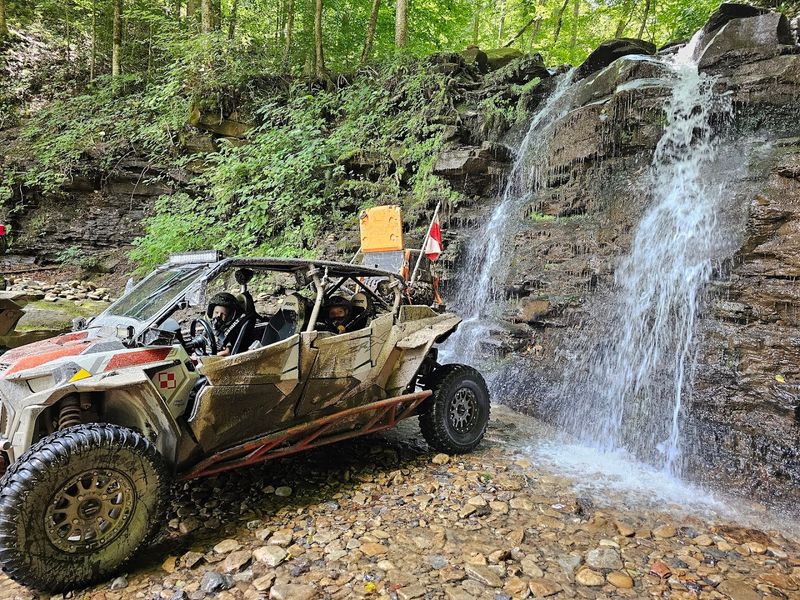
Some of the best trail systems in the country shut down for months at a time, leaving riders counting days on a calendar. Hatfield-McCoy runs 365 days a year, from half an hour before sunrise to half an hour after sunset.
That kind of access changes how you plan a trip entirely.
Spring brings fresh greenery and cooler temperatures that make long rides genuinely comfortable. Fall turns the Appalachian canopy into something out of a painting, with orange and red leaves framing every trail.
Winter riders who come prepared for cold weather often find the trails quieter and the experience surprisingly peaceful.
Summer is peak season, and for good reason. The trails are in full swing, the towns are buzzing, and the energy around the whole system feels electric.
One thing worth knowing is that the mountain roads leading into the region can get tricky in rain and fog, especially at night. Arriving during daylight hours on a clear day makes the drive in as enjoyable as the ride itself.
Plan accordingly and the whole trip flows smoothly.
Lodging Options That Put You Right At The Trailhead
Waking up and being seconds away from the trailhead is a completely different experience than hauling your machine an hour to the start.
The area around Hatfield-McCoy has developed a strong network of cabins, camping spots, and lodging options that cater specifically to off-road visitors.
Some properties sit literally steps from the trail entrance.
Cozy cabins with full kitchens, comfortable beds, and outdoor fire pits give riders a proper home base after a long day on the mountain.
Some spots even include buggy wash stations and covered parking for your vehicle, which feels like a luxury after coming back covered in trail mud.
A good night of rest makes the next day of riding that much better.
When booking, the most important step is verifying the exact distance from your lodging to the nearest trailhead. Getting that detail right means you can ride out directly rather than trailering your machine every morning.
Cell service can be limited in some of the hollows, so downloading offline maps and confirming Wi-Fi availability before arrival saves a lot of headaches during the trip.
Safety Features And Trail Management That Riders Actually Appreciate
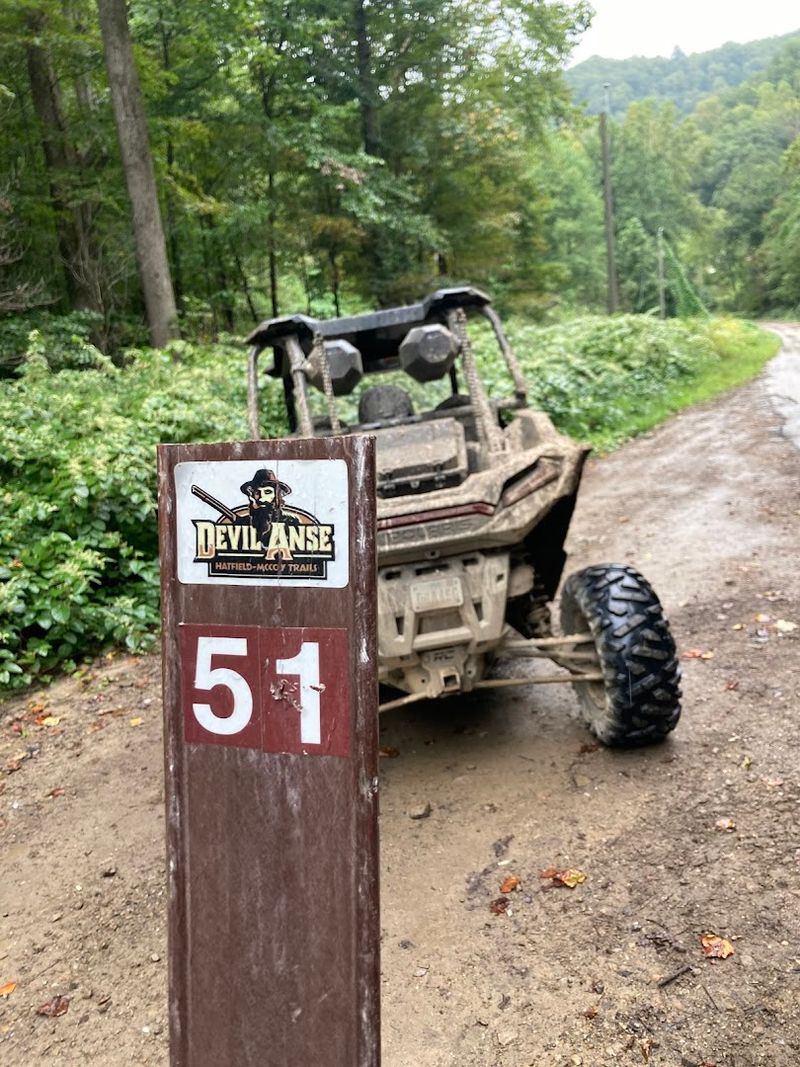
The trail signage throughout the Hatfield-McCoy system is genuinely excellent. Every intersection is clearly marked, difficulty ratings are posted consistently, and the free maps available at each trailhead match what you actually encounter on the ground.
For a network this large, that level of consistency is impressive and makes a real difference in rider confidence.
Emergency support teams are accessible throughout the system, which provides peace of mind especially for groups venturing into more remote trail sections.
Trail patrols are active, and the management takes safety standards seriously without turning the experience into something overly controlled or stiff.
It feels cared for rather than policed.
Helmets and seat belts are non-negotiable here, and the culture among riders reflects that. The trails are maintained without being over-groomed, which preserves the natural challenge while keeping conditions manageable.
Wearing the right gear, carrying a map, and understanding your skill level before picking a trail color are the three things that keep any ride here going smoothly from start to finish.
The Deep History Of The Region Adds A Layer Most Trail Systems Lack
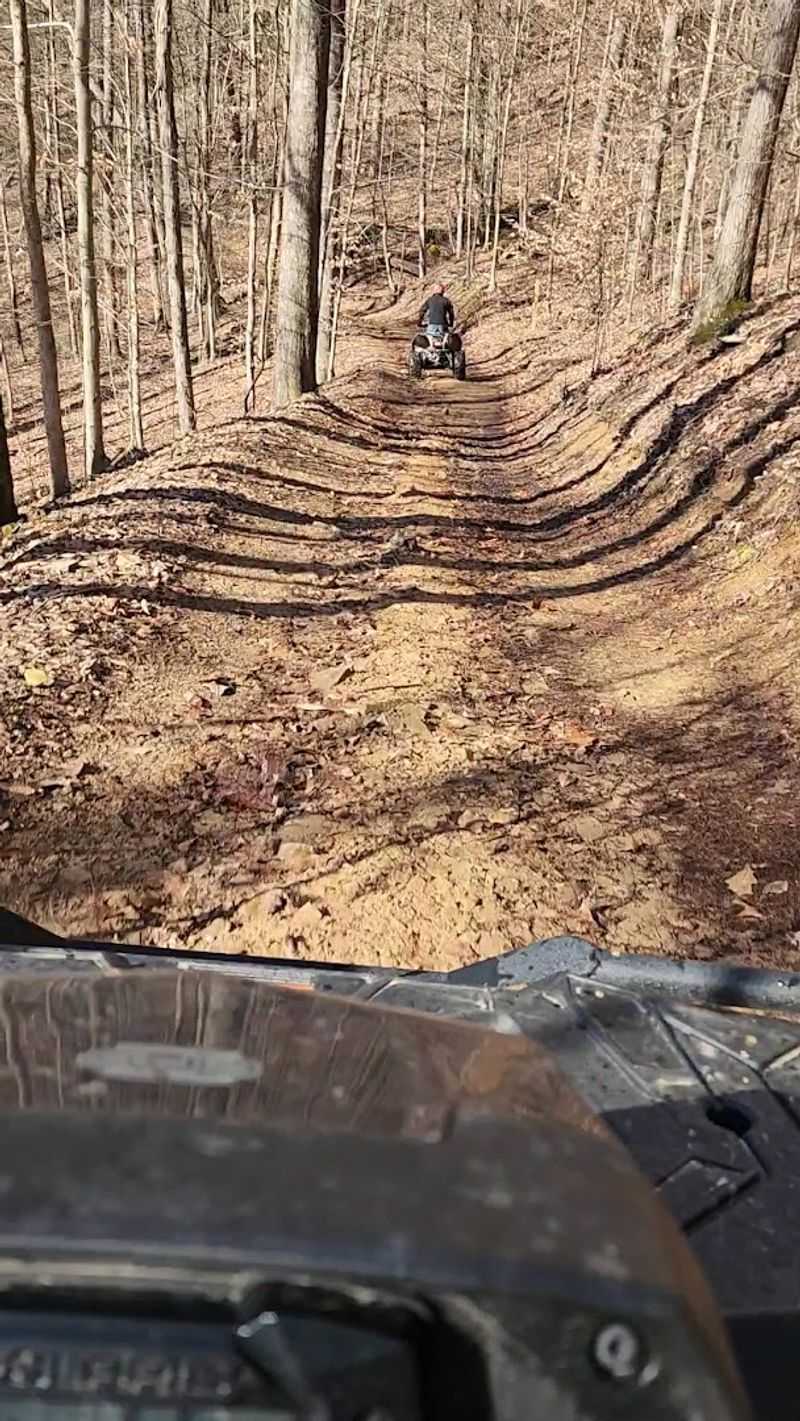
Riding through these mountains carries a weight that most off-road trail systems simply do not have.
This is Hatfield and McCoy territory, the very land where one of American history’s most legendary family feuds played out across the rugged hollows and ridgelines of southern West Virginia.
The history is not just a marketing angle. It is literally under your wheels.
Small towns along the trail routes hold onto that heritage in quiet, genuine ways. Local landmarks, family names on storefronts, and the deep Appalachian character of the communities give every stop a sense of place that feels earned rather than manufactured.
Stopping for food in one of these towns feels like stepping into a living piece of American folklore.
The combination of outdoor adventure and regional history makes Hatfield-McCoy appealing to a broader audience than pure trail enthusiasts. History lovers, culture seekers, and outdoor adventurers all find something meaningful here.
It is the kind of place where the ride itself is only part of what you take home with you when the trip is over.
An Economic Engine For Southern West Virginia That Keeps Growing
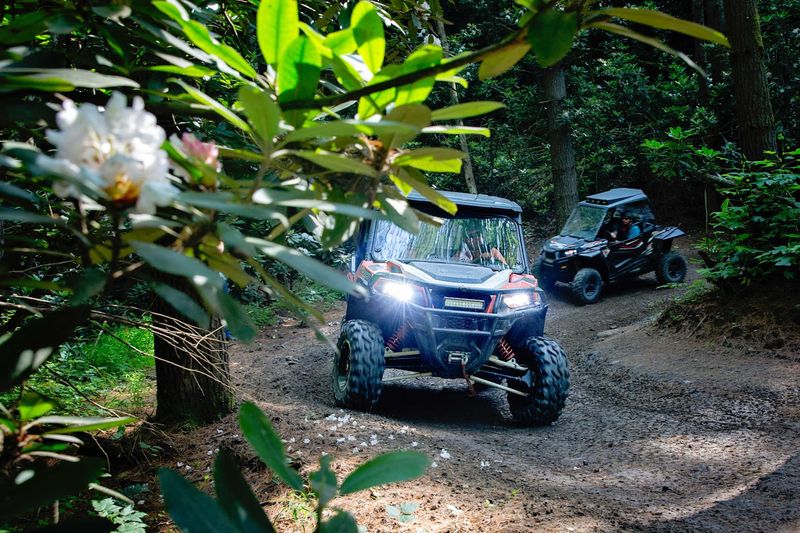
Before the trail system opened, many of the small communities in southern West Virginia were searching for a new economic identity after decades of industrial change.
The Hatfield-McCoy Trails project changed that conversation in a meaningful way.
Tourism built around outdoor recreation brought a steady flow of visitors and spending into towns that needed it.
Local businesses adapted quickly. Shops, restaurants, gear outfitters, and lodging operations grew up around the trail network in a way that feels organic rather than forced.
The towns have built up to meet the needs of visitors without losing their authentic Appalachian character, which is a balance that is genuinely hard to strike.
Riders who visit twice a year, staying in different areas each time and exploring new trail systems, are exactly the kind of repeat visitors that sustain a regional economy.
The Hatfield-McCoy system has proven that thoughtful outdoor recreation development can revitalize a community without erasing what made it special in the first place.
That story is as compelling as the trails themselves.
Address: 180 Appalachian Outpost Trl, Man, WV
