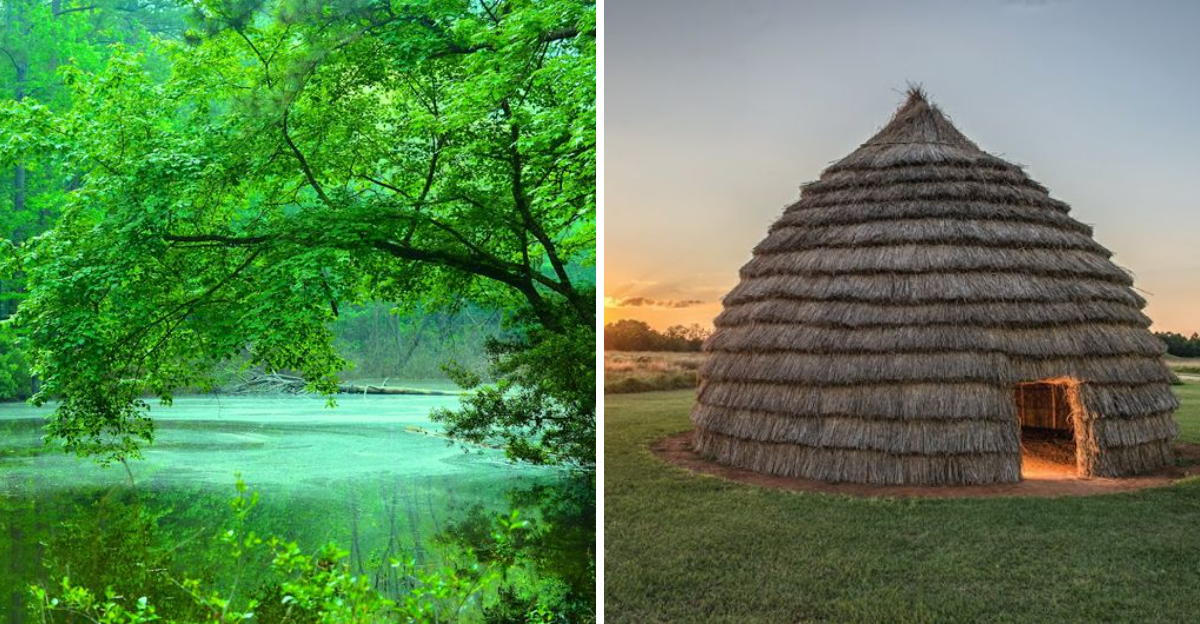
Tall pines close in around the road long before you reach the entrance, and by the time I stepped into Mission Tejas State Park, the noise of everything else had faded out. The stillness alone makes you slow your pace.
Spread across 600 acres, the park blends forest, quiet fishing ponds, and winding trails with layers of Texas history. Stories of the Caddo people, Spanish missionaries, and Depression-era builders are woven into the landscape, giving the place a depth you can feel as you walk.
It is rare to find a spot that offers this much space and this much history without the crowds. Between the towering trees and the echoes of the past, it feels like stepping into a chapter of Texas that many people overlook.
The Story Behind the Mission That Started It All
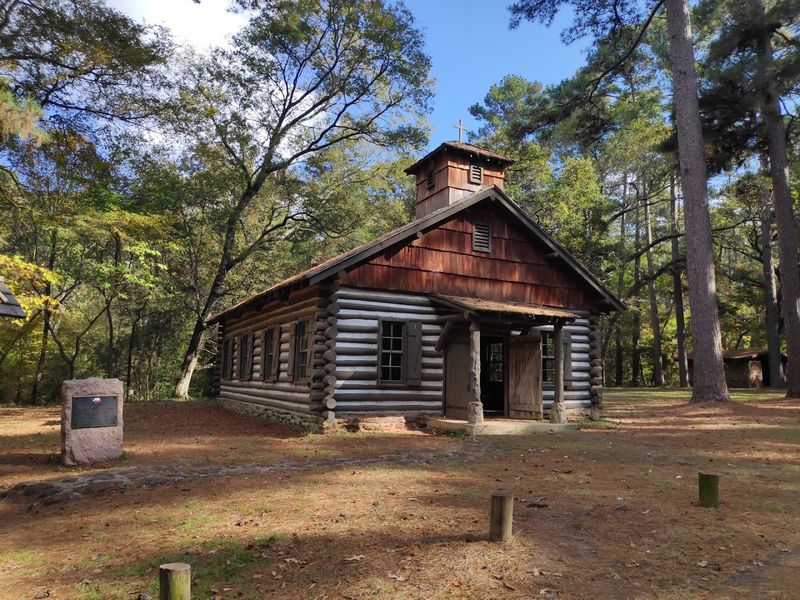
Long before Texas was Texas, Spanish missionaries made their way into the Piney Woods to establish one of the first missions in the region. The San Francisco de los Tejas Mission was founded in 1690, making it a landmark moment in the history of what would eventually become the Lone Star State.
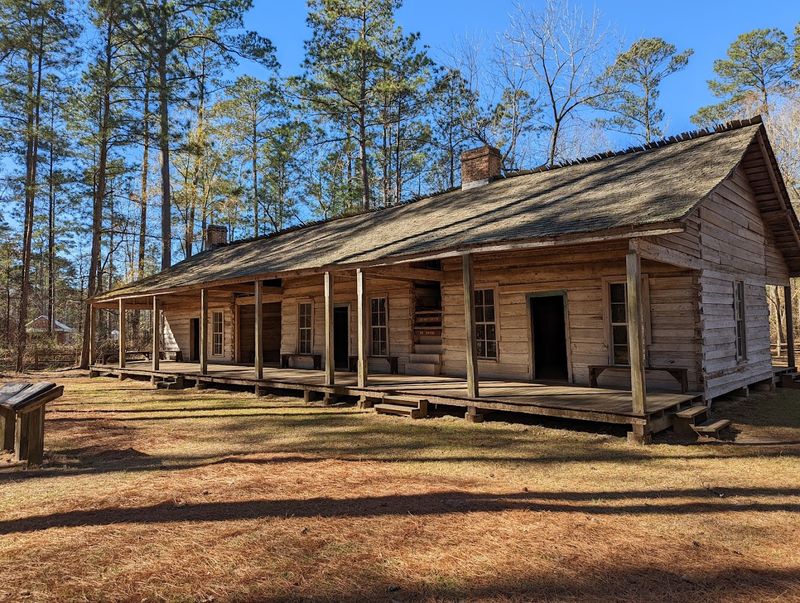
Standing near the reconstructed mission building inside the park, you can feel the weight of that history pressing in around you.
The reconstruction itself was built in the 1930s and gives you a tangible sense of what colonial life looked like in this remote corner of the continent. It is not a polished museum replica.
It feels rough, real, and quietly powerful.
Reading the interpretive signs around the mission, I kept thinking about how different this land must have looked three centuries ago. The Caddo people had already called this forest home for generations before any mission walls went up.
That layered history, two cultures meeting in the middle of a pine forest, makes this spot unlike anything else in Texas. It is a place that rewards curiosity and patience in equal measure.
Walking El Camino Real, One of North America’s Oldest Roads
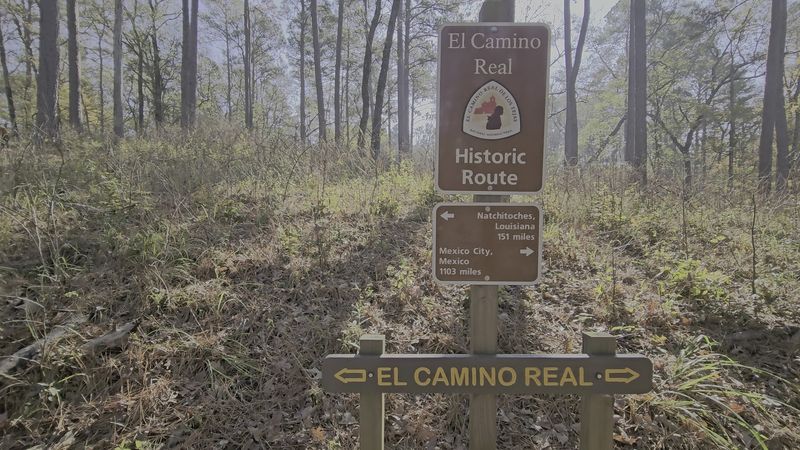
Few things hit quite like the realization that you are walking on the same road that Spanish explorers, missionaries, and traders traveled hundreds of years ago. El Camino Real de los Tejas, or the Royal Road, passed directly through what is now Mission Tejas State Park.
Parts of the original route are still traceable within the park, and the feeling is genuinely surreal.
Historical markers along the trail explain the road’s role in connecting Spanish settlements across Texas and Louisiana. It was a lifeline for colonial communication, trade, and movement for well over a century.
Knowing that gives even a short walk here an unexpected sense of depth.
The trail itself is shaded by a thick canopy of loblolly pines, which keeps things cool even on warm days. The ground is soft underfoot, and the sounds of the forest fill in all the quiet gaps.
I found myself walking slower than usual, not because the terrain was difficult, but because I kept stopping to look around and think about who else had stood in that exact spot. That is the kind of moment this park specializes in delivering, without any fanfare or fuss.
The CCC Legacy Hidden Inside the Forest
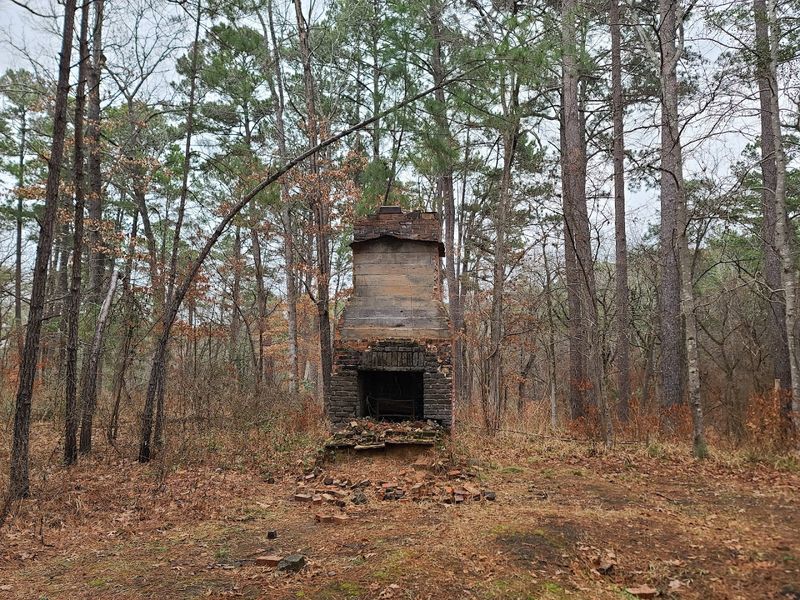
During the Great Depression, the Civilian Conservation Corps, commonly called the CCC, sent young men across the country to build and restore public lands. Mission Tejas was one of their projects, and their craftsmanship is still standing today.
The park carries visible reminders of that era in its stonework, log structures, and even a curious relic called the CCC Bathtub, which hikers can find along one of the trails.
The CCC Bathtub is exactly what it sounds like: a stone bathing basin built by workers who lived in the forest while developing the park. Finding it tucked off the trail feels like stumbling onto a small piece of living history.
It is one of those unexpected discoveries that makes hiking here feel like more than just exercise.
The broader legacy of the CCC at this park is worth pausing over. These were young men, many of them teenagers, who built lasting infrastructure during one of the hardest economic periods in American history.
Their work gave future generations a place to camp, hike, and connect with the land. Walking past their handiwork, I felt a quiet kind of gratitude for what they left behind in these woods.
Trails That Surprise You Around Every Bend
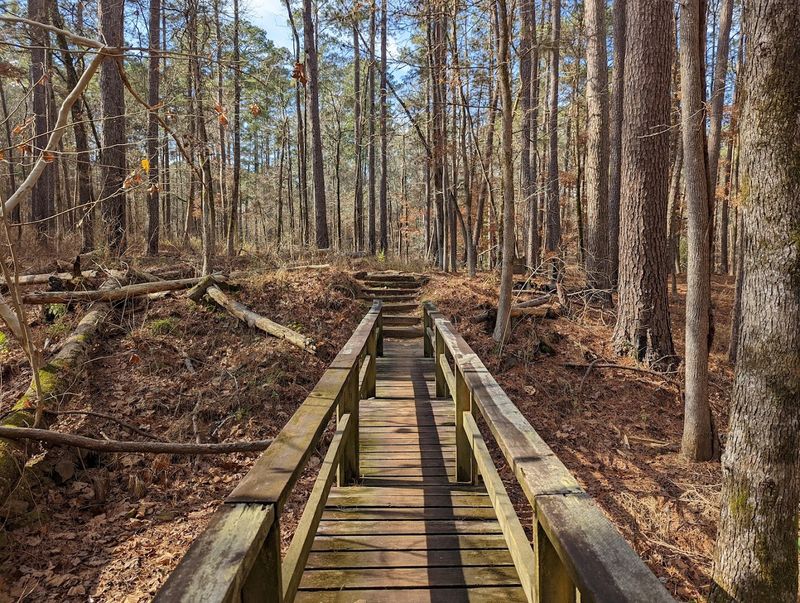
With over 8.5 miles of trails spread across a dozen routes, Mission Tejas offers far more hiking than its modest size would suggest. Some paths are gentle and flat, perfect for families with younger kids or anyone just looking for a peaceful forest walk.
Others have enough elevation change and root-laced terrain to give your legs a real workout.
The Matchett Trail is a favorite among visitors who want a bit of everything. It winds through dense pines, crosses open patches of forest floor, and connects to other routes that let you build a longer loop if you are feeling ambitious.
Trail markers are well placed, and park maps are posted at key intersections, which is reassuring since cell service out here is nearly nonexistent.
What makes the trails feel special is not just the scenery, though the scenery is genuinely beautiful. It is the quiet.
The only sounds most of the time are birds, wind through the pine tops, and the occasional crunch of your own footsteps. After a few minutes on any of these paths, the outside world starts to feel very far away.
That kind of reset is exactly what a lot of people are looking for when they head into the woods.
Camping Under a Sky Full of Stars
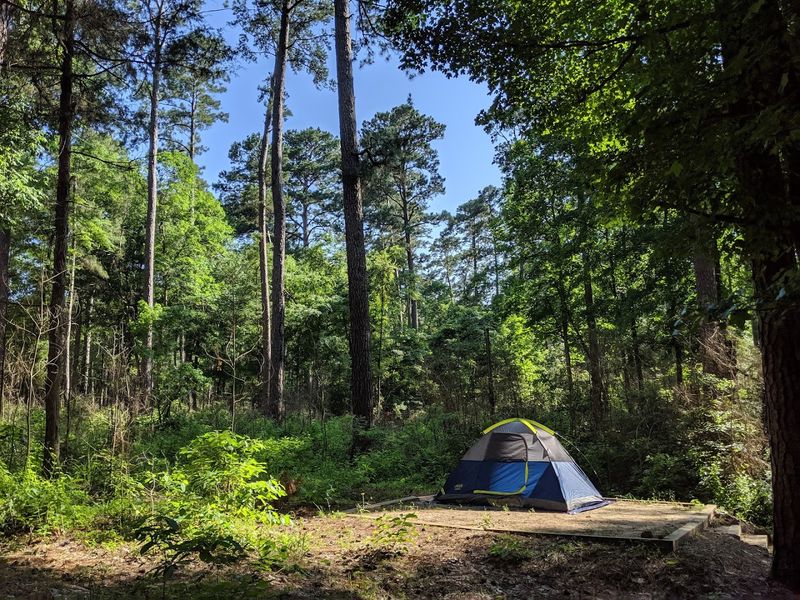
Camping at Mission Tejas is the kind of experience that reminds you why people started doing this in the first place. The campground is small, which means it never feels crowded, and the surrounding forest absorbs sound in a way that makes the whole place feel genuinely hushed after sundown.
Road noise is almost completely absent, and the darkness at night is deep enough to see real stars.
The park recently went through a significant renovation, and the upgrades show. Roads have been repaved, trailer pads were concreted, and electrical hookups were upgraded to include 50-amp service for RVs and EVs.
The bathrooms are clean, well-supplied, and even have a free shower available, which is a welcome detail after a long day on the trails.
One thing visitors rave about is the campfire experience. There is a dedicated campfire circle, and finding wood and kindling around the campground is reportedly easy.
Sitting around a fire in the middle of a pine forest, with no traffic noise and no light pollution overhead, is a simple pleasure that never gets old. If you have been putting off a camping trip, this park makes a genuinely compelling case for finally booking one.
The Sentry Pine, a Living Landmark
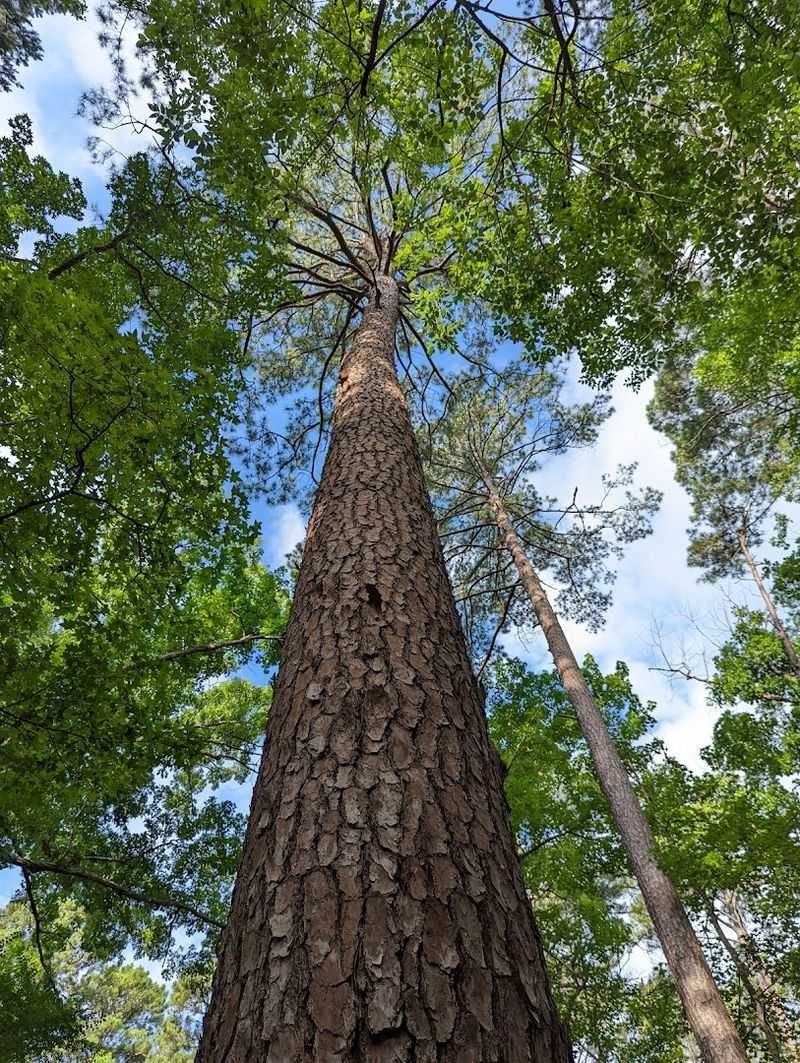
Somewhere along the trails at Mission Tejas, you will come across the Sentry Pine, a tree so large and so old that it stops hikers cold. It has stood in this forest far longer than any of the park’s man-made structures, and being near it carries a strange, quiet weight.
Trees like this one have a way of making human timelines feel very short.
The Sentry Pine is one of those landmarks that photos do not quite capture. You need to stand next to it, look up through its branches, and feel the scale of it to really understand why people make a point of seeking it out.
It is the kind of thing that turns a hike into a memory.
East Texas pine forests are known for their tall, straight loblolly pines, but a tree that has been growing long enough to earn a name is something else entirely. Park visitors consistently mention the Sentry Pine as one of their favorite finds.
It is not dramatic or flashy. It is just old, and big, and quietly magnificent in a way that rewards the walk it takes to reach it.
Bring your camera, but also give yourself a moment to simply stand there and take it in.
A Fishing Pond Hidden in the Pines
Not everything at Mission Tejas demands a history lesson or a long hike. Sometimes the most memorable part of a park visit is something as simple as sitting beside a quiet pond with a fishing line in the water.
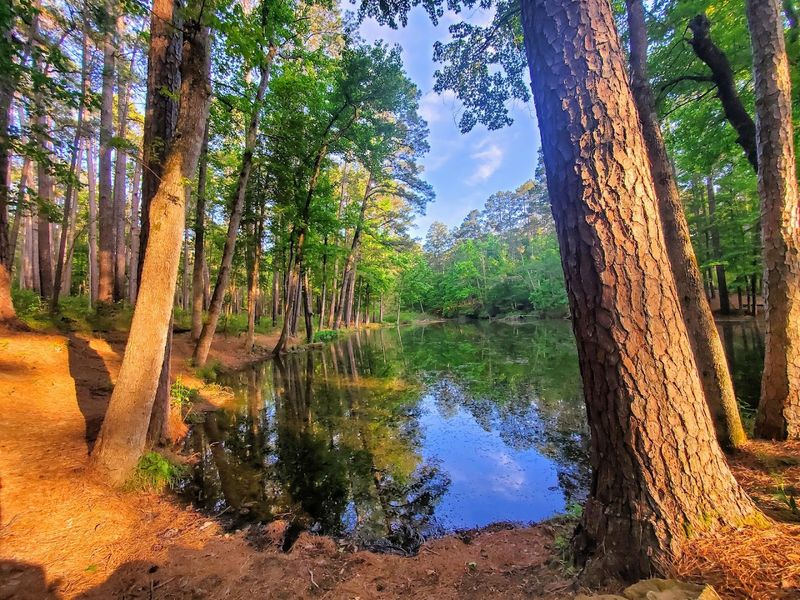
The park has a small fishing pond that fits that description perfectly, and it is the kind of spot where time slows down in the best possible way.
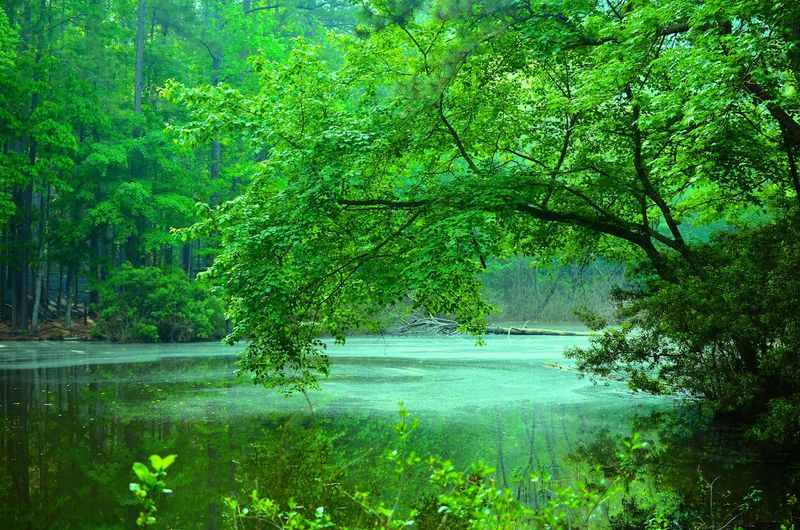
The pond sits within the forest, framed by pines and dappled light. It is compact enough to feel intimate rather than vast, and the surrounding trees give it a sheltered, tucked-away quality that makes it feel like a personal discovery even if other visitors are nearby.
Families with kids especially seem to love it.
Even if you do not fish, walking around the pond is a pleasant way to spend part of your visit. The trail around it is easy and short, and the water reflects the surrounding trees in a way that makes for genuinely beautiful scenery.
I spent more time there than I expected to, mostly just watching the light change on the surface. Sometimes the simplest parts of a park end up being the ones you think about most on the drive home.
The Visitor Center and Gift Shop Worth Browsing
Walking into the visitor center at Mission Tejas feels like a good introduction to everything the park has to offer.
The building itself is well-designed and welcoming, with interpretive displays that cover the park’s layered history, from the Caddo people and Spanish missionaries to the CCC workers who shaped the land in the 1930s.
It is the kind of place where you can spend twenty minutes just reading and looking around before you ever set foot on a trail.
The gift shop attached to the visitor center is small but thoughtfully stocked. You will find books, maps, and park-related items that make for good souvenirs or useful trail companions.
It is the kind of gift shop that feels curated rather than generic.
The rangers here are worth mentioning too. Multiple visitors have noted how friendly and helpful the staff are, which makes a real difference when you are trying to figure out which trails to prioritize or where to find specific landmarks.
A good ranger recommendation can completely change how a park visit unfolds. Stopping at the visitor center first, before heading out on the trails, is genuinely the best way to orient yourself and make the most of your time inside this remarkable little park.
A Great Pairing with Caddo Mounds State Historic Site
Mission Tejas does not exist in isolation, and one of the smartest ways to experience it is as part of a larger day trip through early Texas history.
Just a short drive down State Highway 21, Caddo Mounds State Historic Site offers a completely different but deeply complementary perspective on the same region.
Together, the two sites form one of the most compelling history itineraries in East Texas.
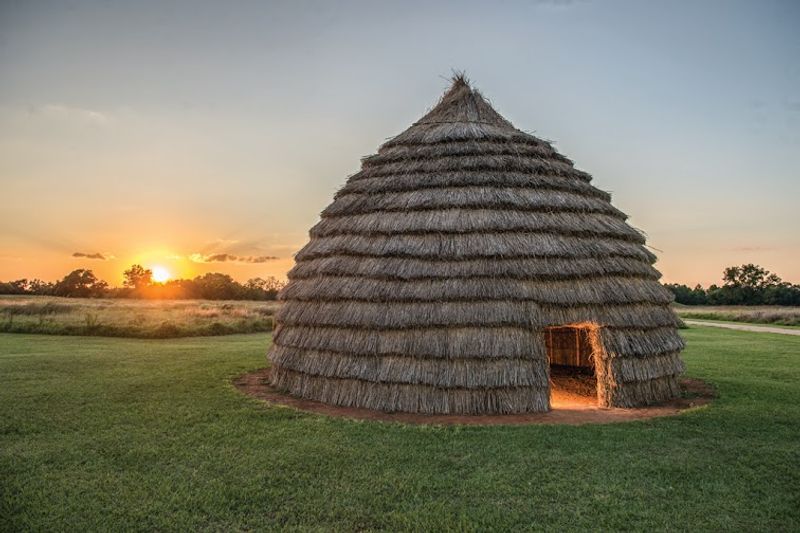
Caddo Mounds preserves the remains of a Caddo village that dates back more than a thousand years. The earthen mounds are striking in person, and the interpretive center there does an excellent job of explaining the culture and daily life of the Caddo people who built them.
Visiting that site before or after Mission Tejas gives you a much richer picture of the full sweep of human history in this part of the state.
Several reviewers have called the combination of these two parks a perfect introduction to early Texas history, and it is hard to argue with that assessment. Both sites are accessible, well-maintained, and genuinely moving in different ways.
Planning a trip that includes both gives you a full day of meaningful exploration without ever feeling rushed or overloaded. The drive between them along Highway 21 is pleasant and scenic, which is a bonus worth noting.
Why This Park Deserves a Spot on Your Texas Bucket List
There is a particular kind of satisfaction that comes from discovering a place that most people have walked right past. Mission Tejas State Park delivers that feeling in full.
It is not the biggest park in Texas. It is not the most famous, and it certainly does not get the attention it deserves given everything it holds within its 600 acres.
What it offers is something harder to find than size or fame: genuine depth. The history here stretches back centuries.
The forest feels ancient and alive at the same time. The trails are well-kept, the campground is peaceful, and the whole experience has a quiet authenticity that bigger, busier parks sometimes struggle to maintain.
Recent renovations have brought the facilities up to a high standard without stripping away any of the park’s rustic character.
Visitors consistently rate it at 4.7 stars, and reading through the reviews, the enthusiasm feels real rather than rehearsed. People come back here.
They bring their kids, their friends, and their camping gear, and they leave talking about it. That kind of loyalty says something.
If your Texas travel list does not already include Mission Tejas, now is a good time to add it.
Address: 19343 State Hwy 21 E, Grapeland, TX 75844.
Dear Reader: This page may contain affiliate links which may earn a commission if you click through and make a purchase. Our independent journalism is not influenced by any advertiser or commercial initiative unless it is clearly marked as sponsored content. As travel products change, please be sure to reconfirm all details and stay up to date with current events to ensure a safe and successful trip.
