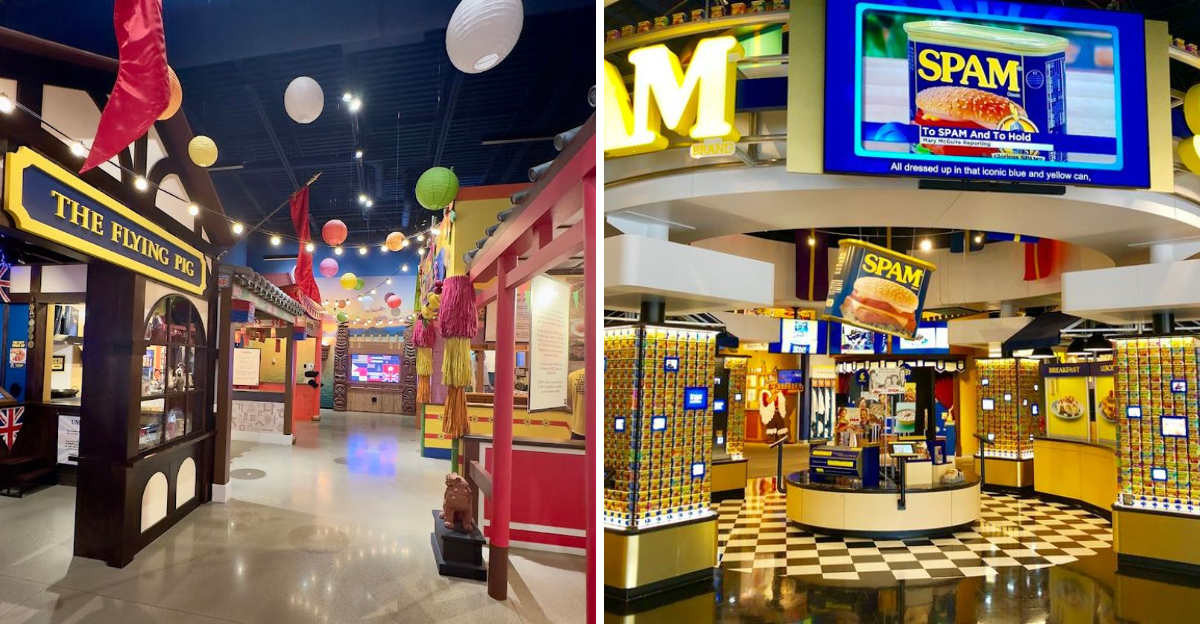
A museum dedicated to canned meat sounds like a joke until you walk through the doors and realize it is completely serious and wonderful. I spent an hour learning about SPAM and left with a new appreciation for the humble blue can.
Minnesota has a free museum that ranks as one of the most unique in the whole country according to travel experts. The exhibits are colorful and interactive with giant cans you can pose next to for silly photos.
I watched a family laugh together while trying on SPAM themed hats and sunglasses at the photo station. Minnesota really turned a simple product into a celebration of history and creativity without charging a single dollar for admission.
The wall of SPAM varieties from around the world shows how this humble meat traveled far beyond its Minnesota roots. I learned about World War II and Hawaiian cuisine and how a simple product brought comfort to millions of people.
The gift shop sells SPAM themed merchandise that makes perfect quirky souvenirs for friends back home. You leave with a smile and a free SPAM whistle and a whole lot of random facts to share at dinner.
The Free Admission That Makes It Even Better
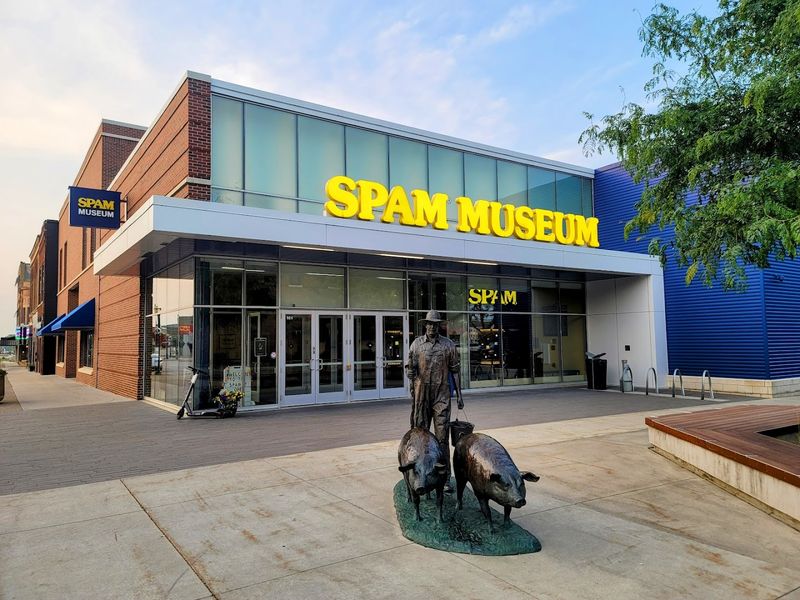
Walking up to the SPAM Museum, I honestly expected a ticket booth. There was none.
The whole museum is completely free to enter, every single day it is open.
That fact alone sets this place apart from most attractions in the country. You get full access to every exhibit, interactive display, and sampling station without spending a dime at the door.
It opens at 10 AM daily and closes at 4 PM. Planning a visit is simple and stress-free.
No need to budget for admission or book tickets in advance.
Families traveling on a tight budget will love this. Road trippers passing through southern Minnesota have a reason to make a real stop.
The free admission removes every barrier between you and a genuinely fun experience.
The museum is located right in downtown Austin at 101 3rd Ave NE. Parking nearby is easy to find and free as well.
It is one of those rare gems that costs nothing but leaves you with memories worth talking about for years.
The Colorful, Vibrant Interior That Pulls You In
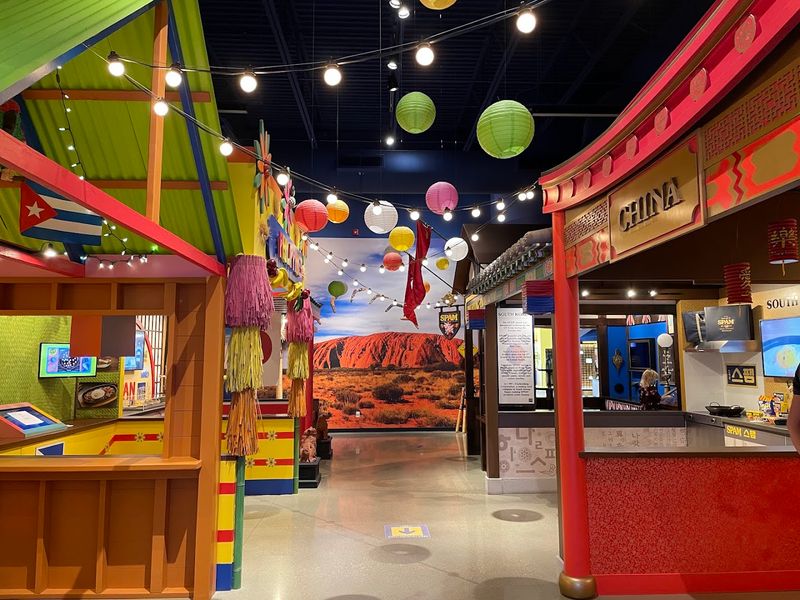
Stepping inside the SPAM Museum feels like walking into a giant, cheerful pop-art installation. Everything is bold, bright, and carefully designed to keep your eyes moving from one display to the next.
The layout is spacious and easy to navigate. Wide aisles guide you naturally through the exhibits.
There are no confusing turns or cramped corners.
Colorful graphics line the walls. Giant SPAM can displays tower overhead.
A model conveyor belt of miniature SPAM cans winds its way through the entire museum, which is one of the first things that made me stop and smile.
The visual energy of the space is genuinely impressive. Hormel clearly put serious thought into how the museum looks and feels.
It does not feel like a dusty, forgotten exhibit hall at all.
Every corner has something new to catch your eye. The design keeps both kids and adults engaged without feeling overwhelming.
It is the kind of place where you keep walking just to see what comes next.
The Fascinating History of SPAM and Hormel
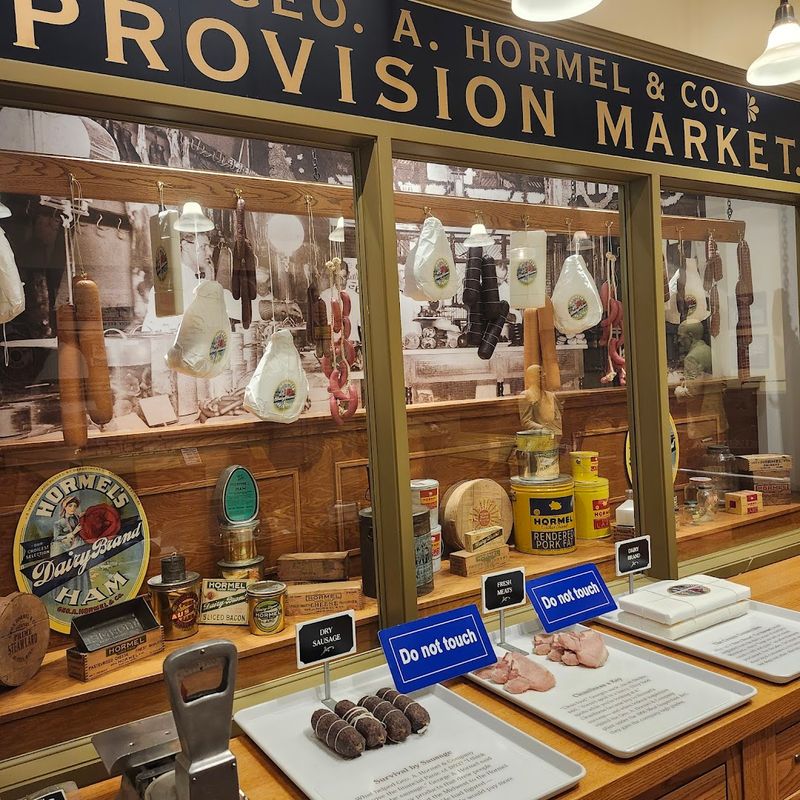
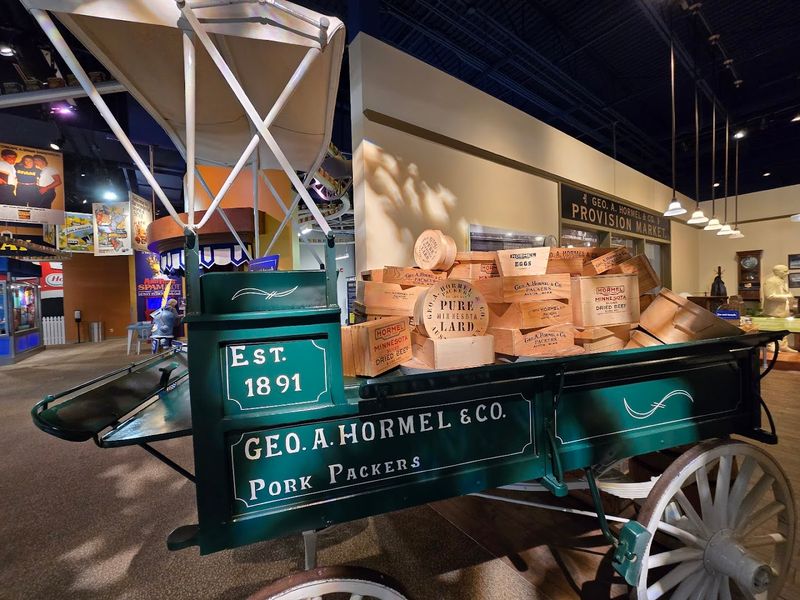
The history section of the museum is where things get surprisingly deep. SPAM was introduced by Hormel Foods in 1937, and the story behind it is far more interesting than most people expect.
Jay Hormel developed the product as an affordable, shelf-stable meat option. It quickly became a household name across America.
The exhibits here trace that entire journey with photographs, packaging samples, and detailed timelines.
Learning about the Hormel family and their deep roots in Austin adds a personal layer to the story. The company has remained in this small town for generations.
That kind of loyalty to a community is rare and worth knowing about.
Vintage advertisements line the walls in certain sections. Old grocery store reconstructions bring the mid-century era back to life.
You almost feel like you have stepped into a different decade.
The museum does not just celebrate a product. It celebrates a company, a community, and a piece of genuine American food history.
That context makes the whole visit feel more meaningful and worth your time.
The World War II Connection That Will Surprise You
One of the most eye-opening sections of the museum is the World War II exhibit. SPAM played a massive role in feeding Allied troops during the war, and this part of the museum tells that story with real detail.
Soldiers stationed across the Pacific relied heavily on SPAM as a protein source. It was easy to ship, required no refrigeration, and had a long shelf life.
Those qualities made it invaluable during wartime food supply challenges.
The exhibit follows the movement of forces across the Pacific and shows how SPAM traveled with them. Maps, military photographs, and wartime packaging bring the era into sharp focus.
It is genuinely moving to see how a canned food became part of history.
SPAM also spread into local food cultures in countries like Japan and the Philippines as a direct result of wartime presence. That global reach started right here in Austin, Minnesota.
Knowing that made the whole exhibit feel much bigger than I expected.
The Free Samples That Keep Coming Around
Nobody warned me about the samples, and honestly, that made the surprise even better. Staff members walk through the museum carrying trays of freshly prepared SPAM bites served on pretzel sticks.
The pretzel stick doubles as a handle and a snack. It is a clever, fun little touch.
Each time a tray comes around, there is a different flavor to try.
Smoked SPAM, maple SPAM, and other varieties rotate throughout the day. Some flavors you may have never seen on a grocery store shelf.
Tasting them in a museum setting makes the whole thing feel like a food adventure.
Kids especially love this part. Adults who have never been big SPAM fans sometimes walk away genuinely impressed.
The samples have a way of changing minds in the best possible way.
There is no pressure to try anything, but most visitors end up going back for seconds. The kitchen staff handles everything with warmth and enthusiasm.
The Interactive Exhibits Made for All Ages
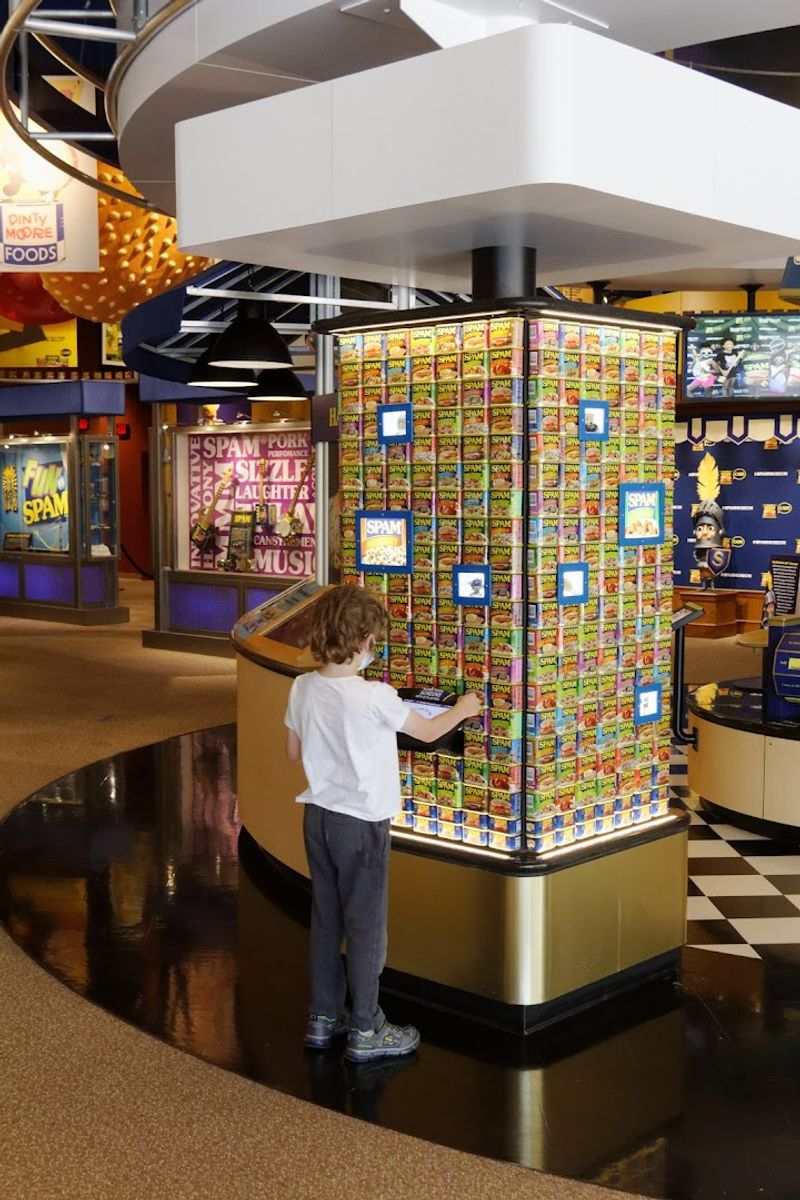
The SPAM Museum is not a place where you just read labels and move on. Interactive screens are placed throughout the exhibits at low, accessible heights.
Kids and adults both get pulled into quizzes, trivia games, and digital stories.
There is a play kitchen area designed specifically for younger visitors. Children can assemble tiny SPAM cans and pretend to cook.
Watching kids fully absorbed in that space was one of the most charming moments of my visit.
The touchscreen stations cover everything from SPAM flavor history to global reach. They are easy to use and genuinely fun.
You do not need any background knowledge to enjoy them.
Older visitors appreciate the more detailed historical panels. There is enough depth here to keep curious minds busy for well over an hour.
The museum does a great job of layering information so everyone finds their level.
Hands-on elements make the difference between a forgettable stop and a memorable one. This museum clearly understands that.
SPAM Around the World: The Global Exhibit
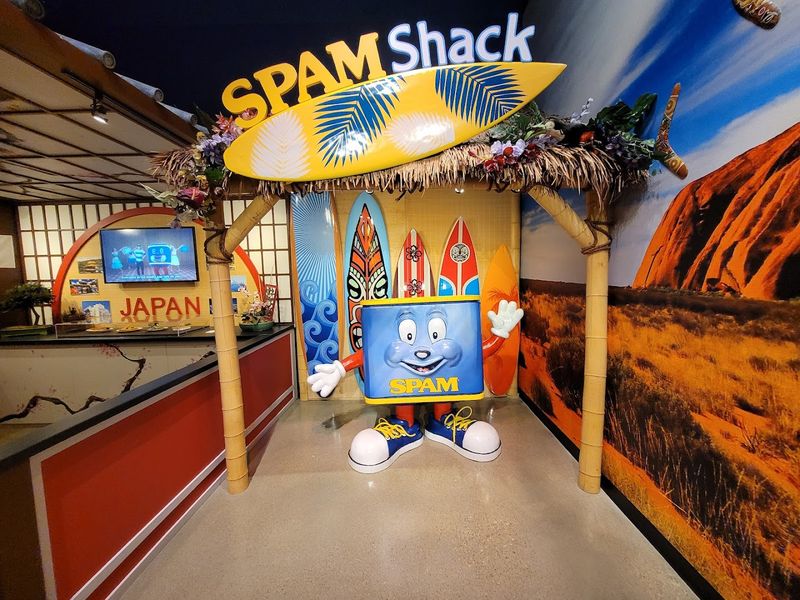
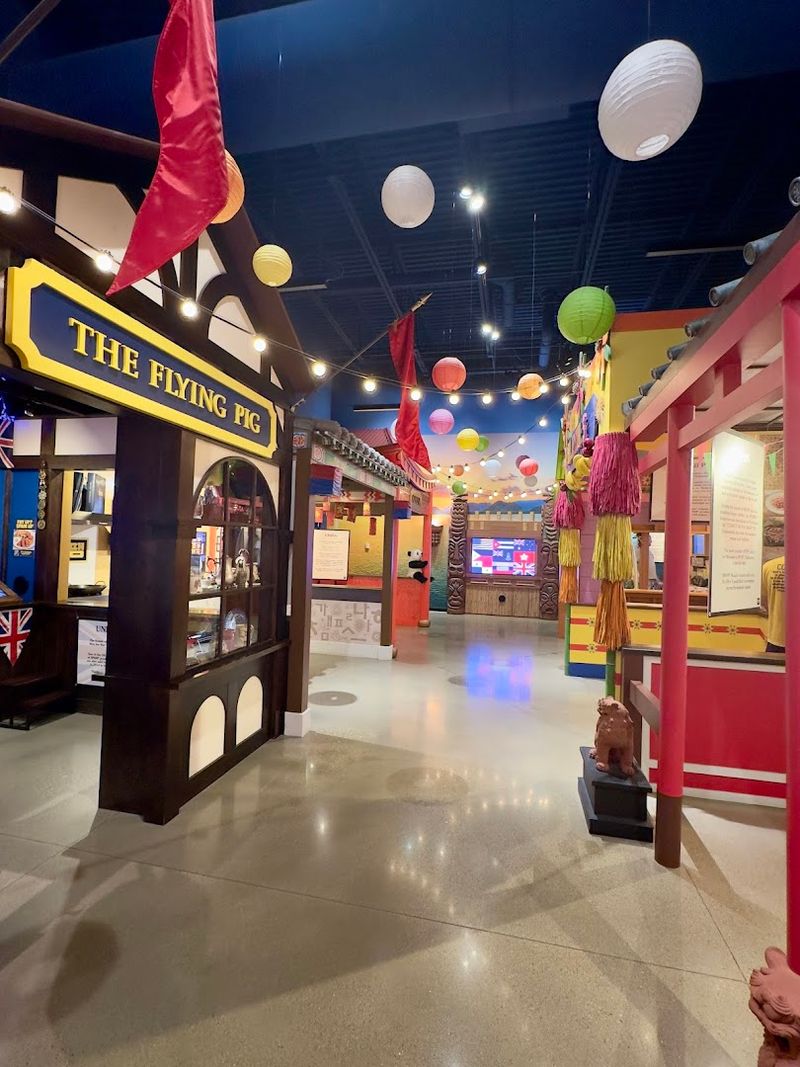
One of the most creative sections in the museum looks like a miniature international food market. Each booth represents a different country where SPAM has become a beloved part of local cuisine.
Japan, South Korea, Hawaii, the Philippines, and the United Kingdom all have dedicated displays. You learn how each culture adapted SPAM into its own food traditions.
It is genuinely surprising how deeply this product has woven itself into global cooking.
In Hawaii, SPAM musubi is practically a staple food. In South Korea, SPAM gift sets are considered a thoughtful present during holidays.
These cultural details are shared in a fun, digestible way throughout the exhibit.
Reading about how a product born in Austin, Minnesota ended up influencing cuisines across the world is a humbling reminder of how food connects people. The exhibit handles this story with respect and curiosity.
It never feels like a corporate brag.
Walking through this section felt like a mini world tour. Each booth had its own personality.
The Overhead SPAM Train That Steals the Show
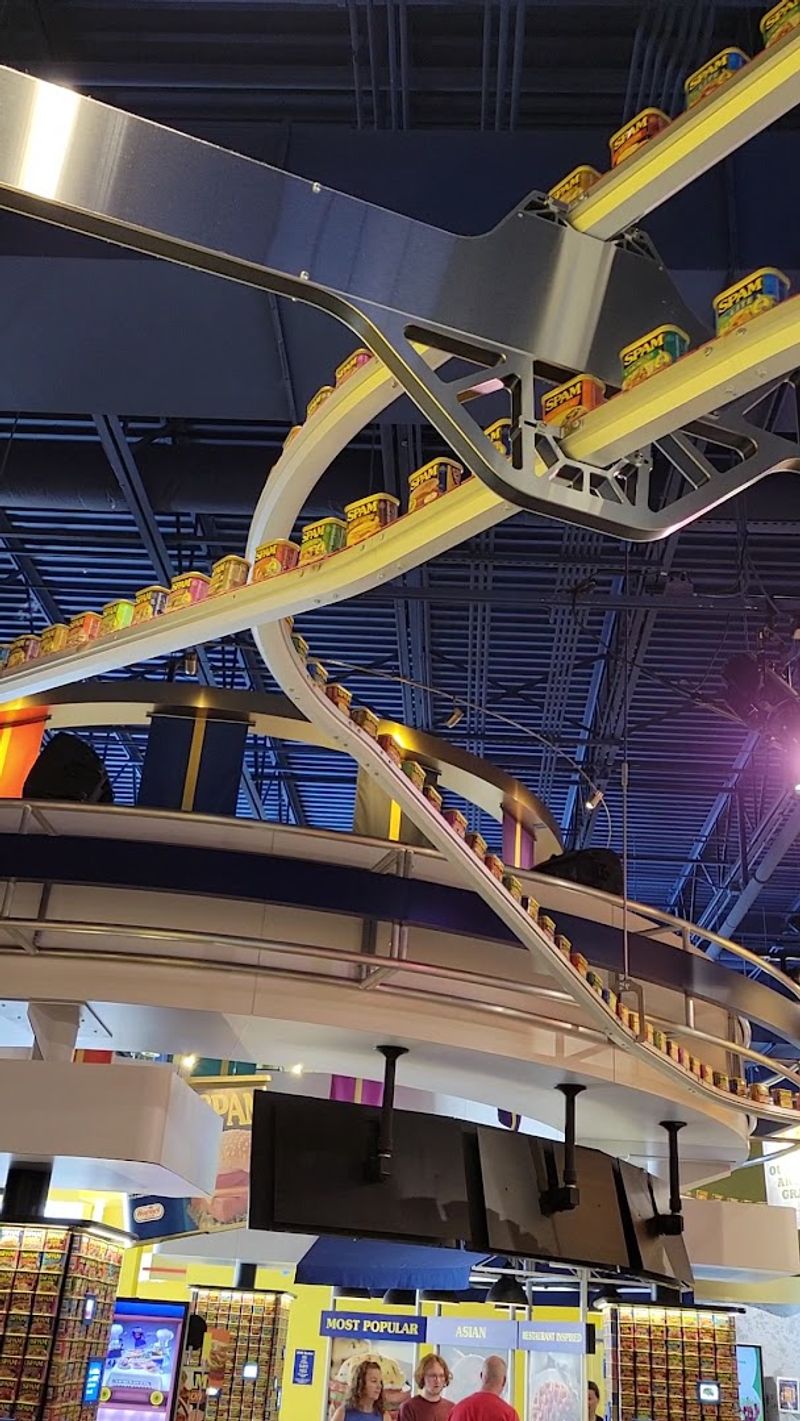
Look up when you walk into the SPAM Museum. There is a model train-style conveyor belt running overhead, carrying tiny SPAM cans through the air above the entire exhibit floor.
It sounds simple, but it is one of those details that makes the whole space feel alive and playful. Kids track it with wide eyes.
Adults stop mid-sentence just to watch it loop around.
The overhead display reinforces the factory production theme without feeling heavy or industrial. It adds motion and whimsy to a space that already has plenty of personality.
The design team clearly had fun with this one.
Spotting the conveyor belt from different angles throughout the museum became a small game during my visit. It is the kind of visual anchor that keeps the space feeling cohesive.
Every time you catch a glimpse of it, you remember where you are.
Small creative choices like this one are what separate a great museum from a forgettable one.
The Gift Shop That Is Impossible to Leave Empty-Handed
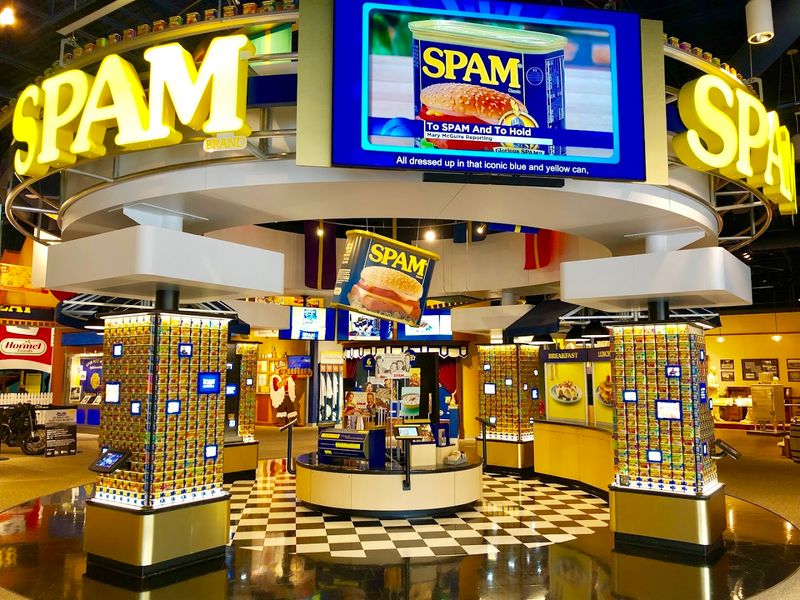
The gift shop at the SPAM Museum is the last stop on the tour, and it is dangerously fun to browse. Branded merchandise covers every shelf, from t-shirts and hoodies to mugs, tote bags, and novelty items.
There are SPAM-themed items I had never imagined existed before walking in. Socks, magnets, plush toys, and even smashed pennies for collectors.
The variety is genuinely impressive and a little overwhelming in the best way.
Visitors looking for a unique road trip souvenir will not struggle to find one here. The shop also stocks SPAM flavors that are hard to find in regular grocery stores.
Picking up a few cans to bring home became an easy decision.
The staff in the gift shop are just as friendly as the rest of the team. They offer local restaurant recommendations and are happy to help you find what you are looking for.
Shopping here feels relaxed and unhurried.
Why Austin, Minnesota Deserves a Spot on Your Road Trip Map
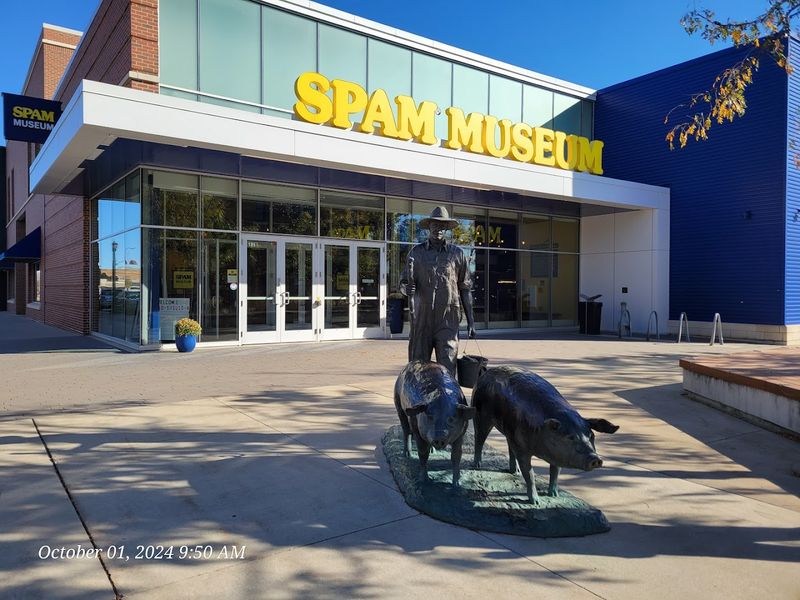
Austin, Minnesota is a small town with a big identity. The SPAM Museum sits right in the heart of downtown, and the surrounding area has its own quiet charm worth exploring on foot.
The museum even offers free bike rentals for visitors who want to explore the town after their visit. That detail says a lot about how welcoming the community is.
Austin takes pride in having people stick around a little longer.
Local restaurants near the museum serve SPAM-inspired menu items alongside their regular offerings. Staff members inside the museum are happy to point you in the right direction for a meal.
The connection between the town and its most famous product runs deep.
Hormel Foods remains one of the largest employers in Austin. The company has maintained a long-standing commitment to supporting employees and the broader community.
That history gives the town a sense of purpose and pride that you can feel just by being there.
Address: SPAM Museum, 101 3rd Ave NE, Austin, MN 55912
