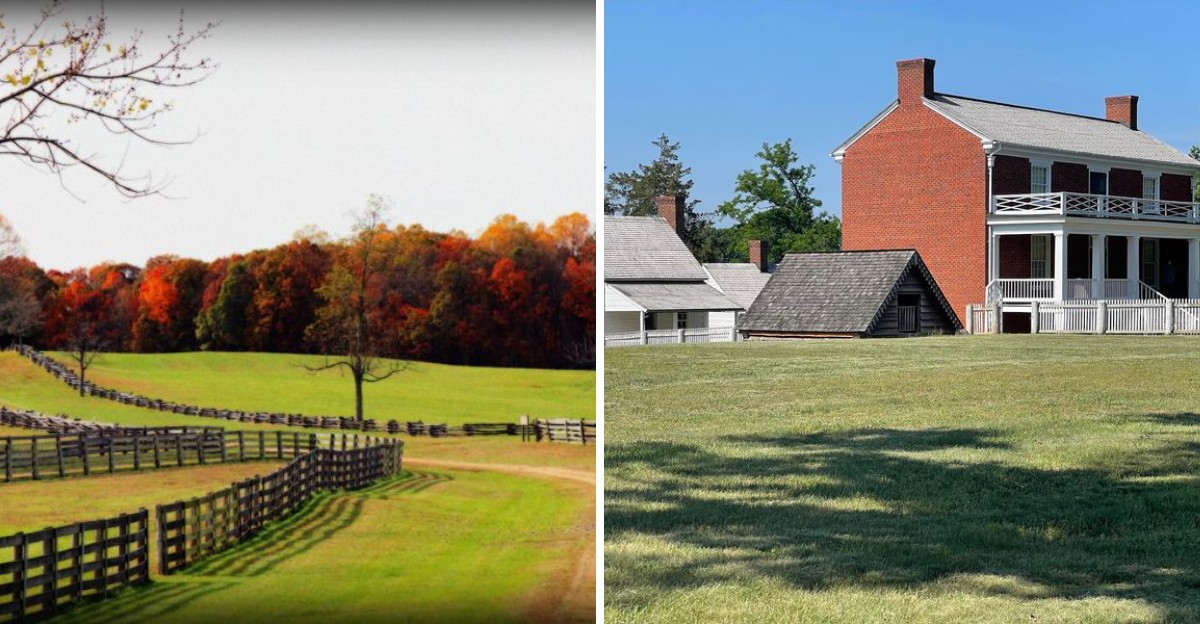
History and nature meet at this Virginia destination. One of the finest free historic escapes in the state, it offers hundreds of acres of meadows, shaded trails, and preserved buildings that tell the story of a pivotal moment in American history.
You can walk the grounds, explore the restored structures, and learn about the events that unfolded here. The trails wind through fields and forest, offering a peaceful counterpoint to the weight of the history.
It is the kind of place where you can spend hours without spending a dime. Bring a picnic and comfortable shoes, and plan to stay awhile.
Virginia has plenty of historic sites, but this one combines education and outdoor beauty in a way that few others can match.
The Village That Time Politely Left Alone
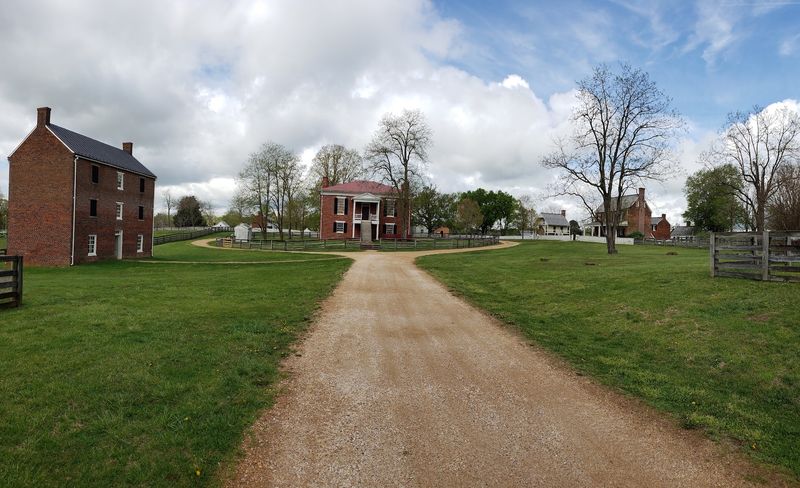
Walking into this restored village feels like stepping through a doorway into another century, minus the mud and the musket smoke.
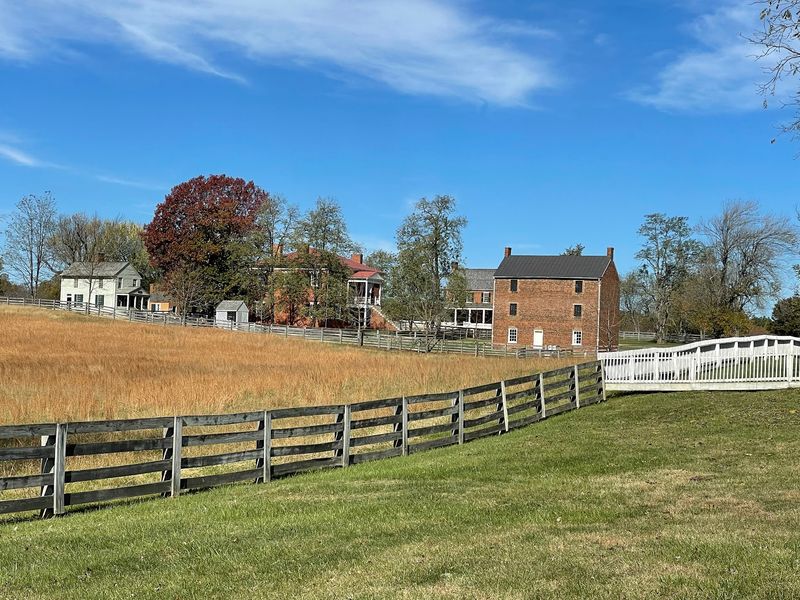
Clapboard homes, a tavern, a law office, and a county jail line the old Richmond-Lynchburg Stage Road, which is still packed dirt rather than asphalt. Split-rail fences wobble along the edges of pastures, and the whole place carries a hush that modern towns simply cannot manufacture.
Appomattox Court House National Historical Park protects roughly a dozen restored or reconstructed structures, several of which you can step inside during operating hours. Wayside signs stand outside nearly every building, explaining who lived there and what happened in April of 1865.
Give yourself permission to wander slowly. The layout is compact enough to cover on foot, yet detailed enough that rushing turns a remarkable morning into a forgettable one.
Photographers, take note. Early light hits the brick courthouse beautifully, and the fences make natural leading lines across the meadow.
Best of all, the grounds cost nothing to enter, which is a rare sentence to write about a site this significant anywhere in Virginia.
McLean House And The Parlor Where Everything Shifted
One parlor. Two generals.
A moment that rewrote the future of an entire nation.
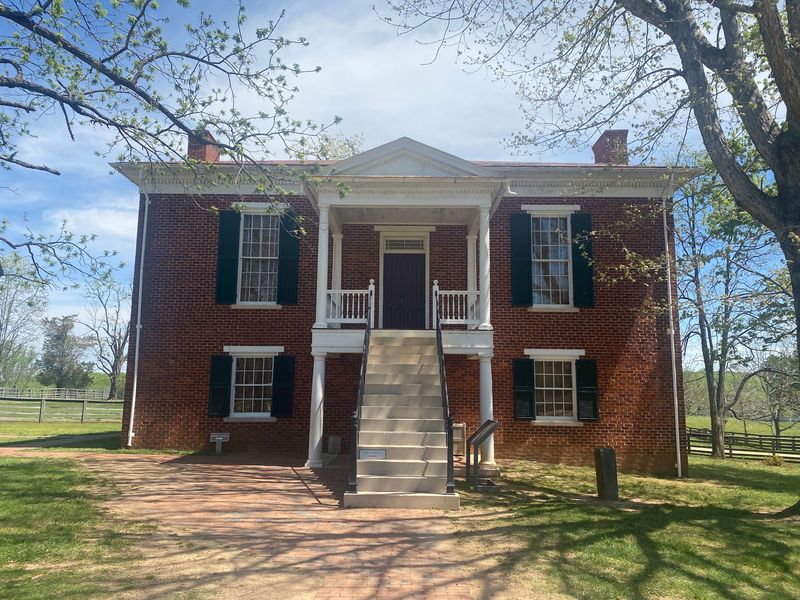
Wilmer McLean’s brick house is the emotional center of the whole property, and stepping into that front room is genuinely quieting. Robert E.
Lee and Ulysses S. Grant met there to arrange the surrender of the Army of Northern Virginia, and the furnishings on display reflect how the space looked that afternoon.
The original house was dismantled after the war by speculators hoping to cash in, then painstakingly reconstructed on its exact foundation. Knowing that backstory makes the reconstruction feel less like a replica and more like a resurrection.
Rangers frequently station themselves inside to answer questions, and asking a few is strongly encouraged. Their knowledge goes far deeper than the wayside panels.
Head upstairs if access is open, since the bedrooms and hallways round out the picture of a family home briefly turned into a negotiating table.
Plan to linger here longer than anywhere else in the park. The weight of the room deserves more than a quick lap and a photo.
Start Your Visit Inside The Reconstructed Courthouse
Skipping the visitor center here would be like opening a novel at chapter nine.
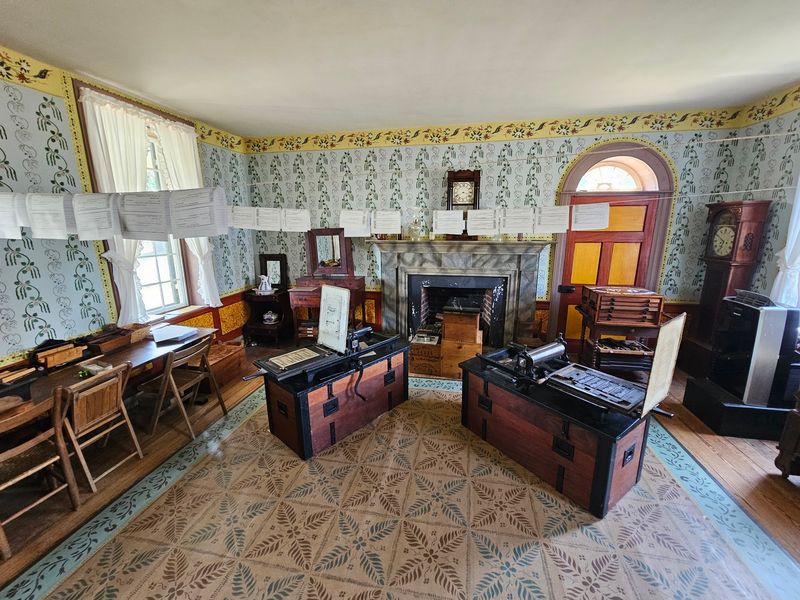
The reconstructed courthouse building anchors the village and doubles as the park’s information hub. Inside you will find museum exhibits, artifacts tied directly to the surrender, and a short orientation film that sets up everything you are about to walk through.
Watch the film first. Twenty minutes of context transforms the buildings outside from pretty old structures into places where real decisions landed.
Exhibit cases hold items connected to the closing days of the war, including a towel used as a flag of truce. Displays are modest in number, which actually works in their favor since nothing competes for attention.
Ask at the desk about ranger-led programs scheduled for the day, and grab a Junior Ranger booklet if younger explorers are along for the ride. Completing it gives kids a mission rather than a march.
A gift shop sits nearby with books covering the surrender and the wider conflict across Virginia, useful if a particular story grabs you and refuses to let go.
Meadows, Fence Lines, And Big Open Sky
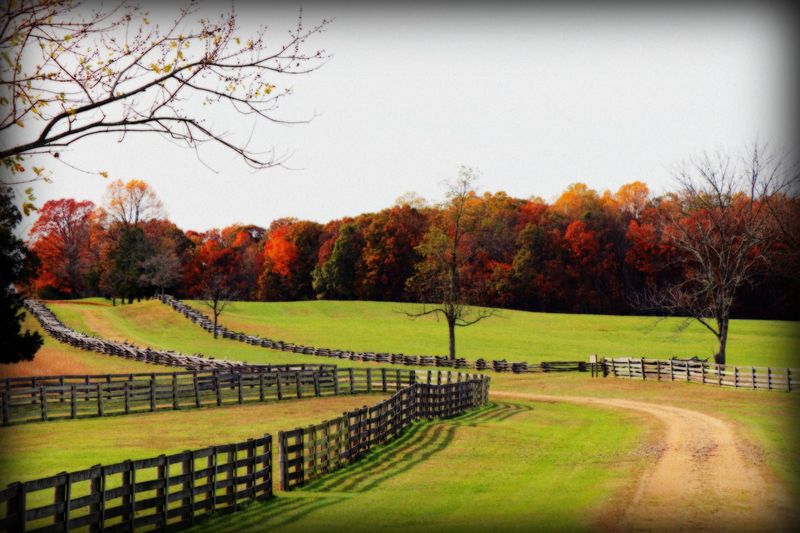
Grass, sky, and silence. That is the surprise package waiting beyond the village lanes.
Hundreds of acres of protected fields spread out around the historic core, kept in a rural condition that mirrors how the countryside looked during the 1860s. Hay meadows ripple in the wind, hedgerows mark old property lines, and the horizon stays refreshingly free of billboards.
Bring a camera with a wide lens. Morning fog settling in the low spots creates the kind of scene that needs no filter whatsoever.
Benches and shaded spots appear at intervals, so pausing to simply sit and look around is entirely doable. Nobody rushes you along.
Shade is limited in the middle of the open ground, and central Virginia summers do not mess around. A hat, sunscreen, and a full water bottle turn a sweaty slog into a pleasant ramble.
Wildlife shows up regularly across these fields, from hawks circling overhead to deer slipping along the tree line at dusk, especially since the grounds themselves stay open into the evening even after the buildings lock up.
Shaded Trails Worth Lacing Up Your Boots For
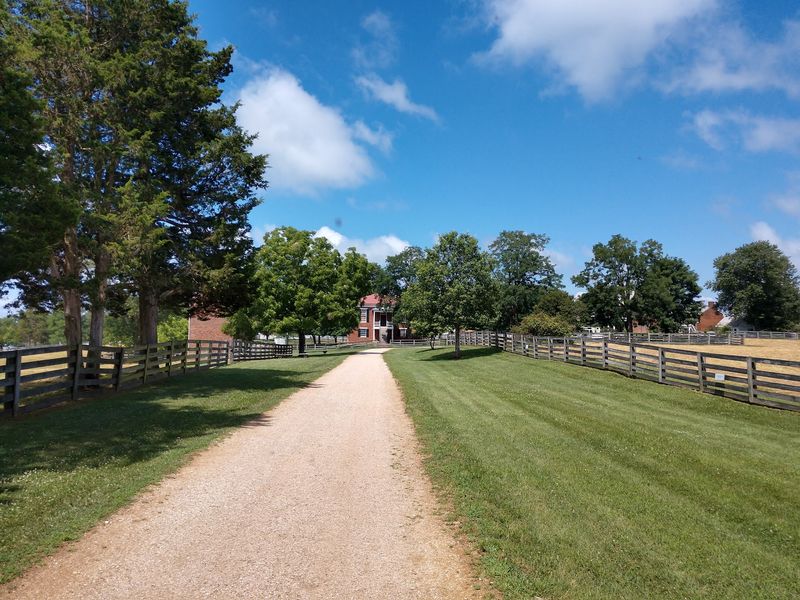
Most people underestimate how much hiking hides inside this property.
Several miles of trails branch off from the village, threading through hardwood forest, along creek bottoms, and out to quieter corners of the battlefield. Tree cover keeps large stretches cool even when the meadows are baking.
Routes vary in length, so you can pick a short loop before lunch or commit to something longer that eats up a solid chunk of the afternoon. Terrain stays gentle overall, with a few modest rises to keep your legs honest.
Footpaths trace ground where troops maneuvered during the final engagements, and interpretive markers pop up in places you would never expect a fight to have happened.
Wear real shoes. Dirt paths turn slick after rain, and dress sandals will betray you within the first quarter mile.
Leashed dogs are welcome across the grounds, which makes Appomattox Court House National Historical Park one of the more flexible outdoor stops in this part of the state. Pack waste bags, since supplies are not provided along the routes.
Rangers Who Turn Dates Into Drama
Textbooks flatten history. The staff here inflate it right back to full size.
Rangers and historical interpreters lead talks and walking tours throughout the day, weaving personalities, arguments, and small human details into events that can otherwise feel like a list of dates. Their command of the material is genuinely impressive.
Questions are welcome and actively encouraged. Asking about a soldier’s daily rations, or what happened to local families after the armies left, tends to unlock stories that never appear on a sign.
Program schedules shift with the season, so checking at the desk on arrival is the smart move. Special living history presentations occasionally bring period-dressed interpreters into the village.
Should a costumed presentation be running during your visit, rearrange your plans and go. Watching a demonstration inside the actual setting where the events unfolded lands differently than any lecture hall.
Self-guided touring works well too, particularly if you prefer setting your own pace. Blending both approaches, a ranger talk plus a solo wander, usually delivers the richest day across this corner of Virginia.
Seasons Change Everything Here
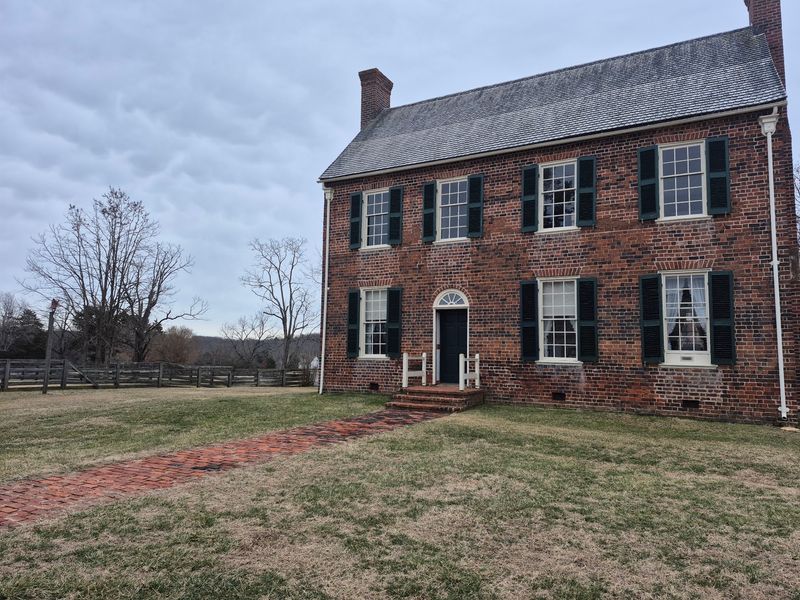
Show up in April and again in October, and you will swear you visited two different parks.
Spring dresses the meadows in fresh green, dogwoods bloom along the wood lines, and temperatures sit in that ideal range for hours of walking. May in particular treats the grounds kindly.
Autumn is the showstopper. Maples and oaks along the trails ignite into orange and gold, framing the white clapboard buildings like a painting nobody had to arrange.
Summer brings heat and humidity that settle heavily over the open fields, so early mornings beat midday by a wide margin. Shade along the forested paths becomes your best friend.
Winter strips the landscape bare and quiet, which suits the site’s somber history remarkably well. Fewer people wander the lanes, and sightlines across the fields open up dramatically.
Rainy days hold their own appeal, since crowds thin out and the indoor exhibits stay just as engaging. Whatever the forecast, Appomattox Court House National Historical Park rarely disappoints anyone willing to dress for the weather.
A Genuinely Great Day Out With Kids
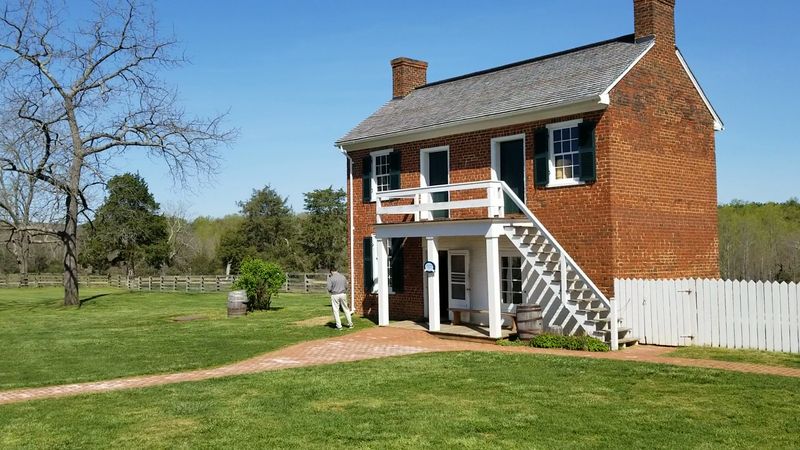
History lessons hit harder when children can actually stand inside them.
The Junior Ranger program gives younger explorers a booklet full of activities that send them hunting for details across the village. Completing it earns a badge, and the sense of accomplishment tends to outlast the drive home.
Distances between buildings are manageable for short legs, and the flat dirt roads make strollers workable in most areas. No steep climbs stand between you and the main sights.
Open meadows give restless kids room to move once the indoor exhibits wrap up. Running across a field beats fidgeting in a museum every single time.
Restroom facilities are available on site, along with a handwashing station, which any parent will recognize as a meaningful detail.
Students studying Virginia history will connect classroom material to real rooms and real roads here. Seeing the actual parlor where the surrender was signed makes an abstract chapter suddenly concrete, and that is the sort of memory that sticks around long past the next exam.
Free Admission Without The Budget Version Experience
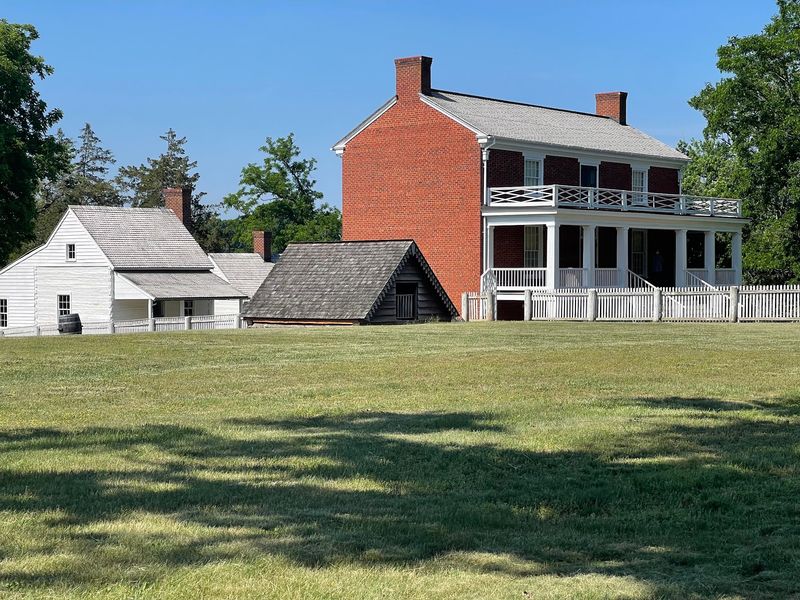
Nothing about this place feels like a compromise, and yet the entrance gate never asks for a dollar.
Grounds are immaculately maintained, buildings are carefully restored, and the interpretive staff rank among the best in the National Park Service system. That combination usually comes with a ticket booth attached.
Parking is plentiful and also free, with space that accommodates larger vehicles including RVs. Arriving without a reservation or timed entry ticket keeps the whole outing wonderfully low stress.
Budget-conscious road trippers should note how easily this fits into a larger Virginia itinerary without adding a line to the expense sheet.
Buildings close in the late afternoon, though the outdoor grounds remain accessible into the evening, so an after-hours stroll across the fields is entirely possible.
Consider supporting the site through the bookstore if you want to give something back. Picking up a title on the surrender or the region’s broader past sends value toward preservation while giving you something to read on the drive to your next stop.
Planning Your Trip And Finding The Place
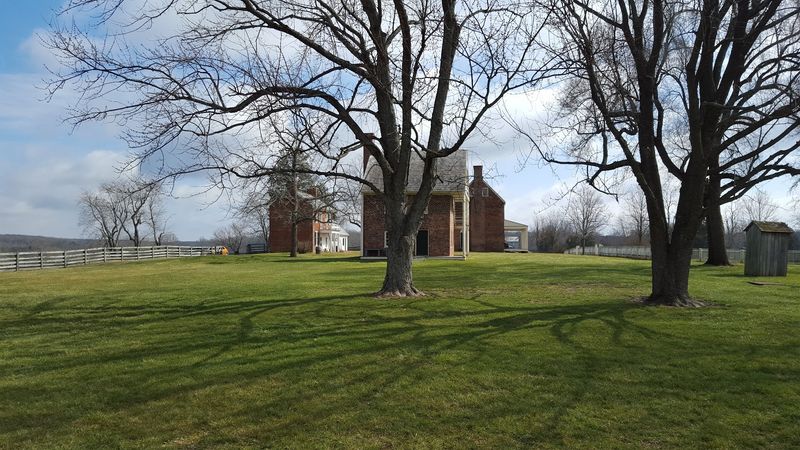
Timing separates a decent visit from a genuinely memorable one.
Aim for at least three hours on site, and a full day if you intend to hike the trails and catch a ranger program. The park is open daily from morning until late afternoon, with the usual holiday closures.
Arrive early to beat both the heat and the busier midday stretch. Mornings deliver softer light, cooler air, and easier access inside the smaller structures.
Comfortable walking shoes, water, and sun protection cover the essentials. Cell service in this rural stretch can be spotty, so downloading directions beforehand saves frustration.
You will find Appomattox Court House National Historical Park at 111 National Park Dr, Appomattox, VA 24522, tucked into the rolling countryside east of Lynchburg and easy to reach by car.
So go ahead, point the wheels toward central Virginia, pack a hat and a curious mind, and stand in the spot where a nation decided to start mending itself. The meadows are waiting, the trails are shaded, and the price of admission is exactly zero.
