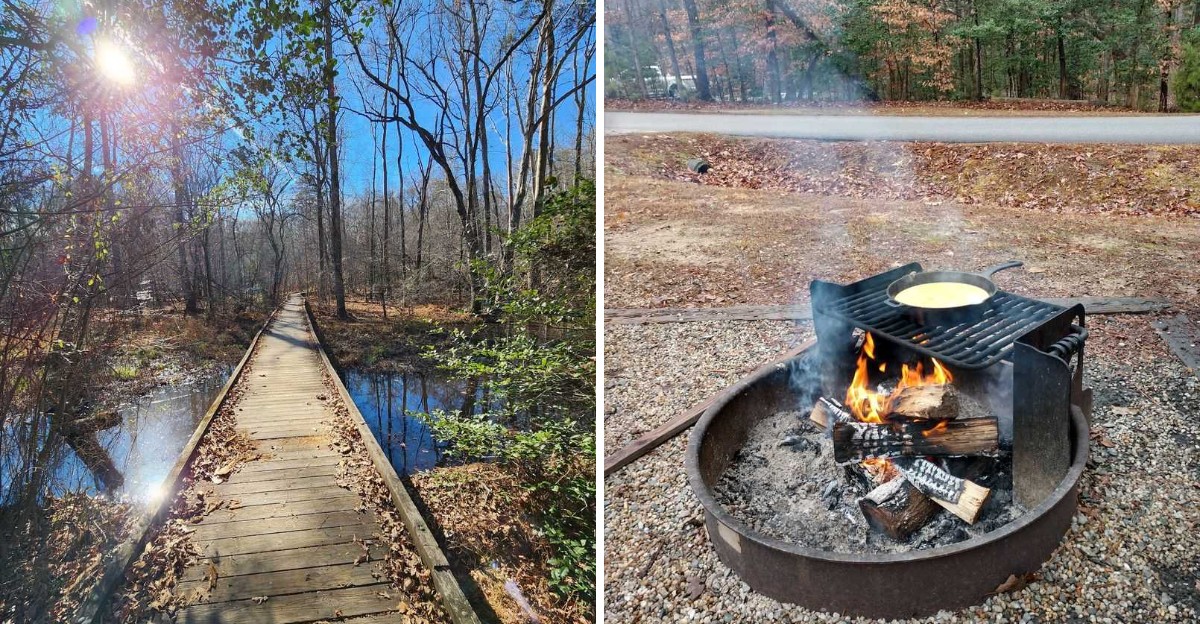
Hiking here means sharing the trails with wildlife. This massive Virginia state park has a native copperhead population, and locals know to watch their step.
The snakes are not aggressive, but they blend in well with fallen leaves and rocky ground, which means it is easy to accidentally get too close. The park is still a beautiful place to visit, with miles of trails, a lake, and plenty of picnic areas.
The key is to stay aware of your surroundings and to wear sturdy boots. Most encounters are harmless, and the snakes would rather avoid you than bite.
If you are planning a visit, take a few minutes to learn how to identify a copperhead and what to do if you see one. Virginia has plenty of state parks, but this one requires a little extra caution.
Eight Thousand Acres of Elbow Room
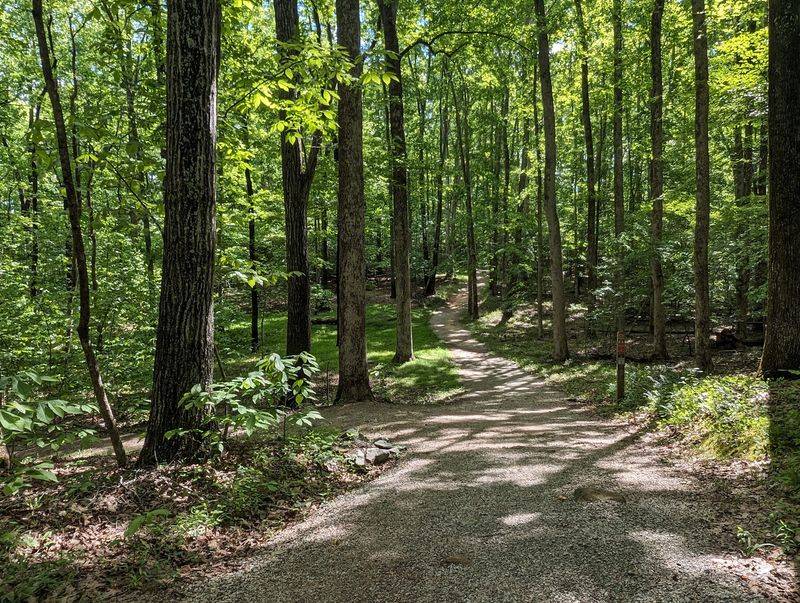
Scale is the first thing that hits you. Roughly eight thousand acres of forest roll out across Chesterfield County, making Pocahontas State Park one of the biggest parks in the Commonwealth and one of the easiest to get lost in, happily.
Two fishing lakes anchor the property. Trails thread between them like loose shoelaces, some paved and stroller friendly, others rooty and wild enough to make your calves file a complaint.
That size matters when it comes to wildlife. Copperheads need undisturbed leaf litter, rock piles, and quiet edges, and a park this large hands them plenty of real estate far from the busy loops.
You will notice the sound changes as you walk deeper. Traffic noise fades, woodpeckers take over, and the forest floor starts crunching under your shoes in a way that keeps you alert.
Plan your route before you set off. Trail maps are posted at the main lots, and the park has enough mileage that a casual stroll can quietly turn into a five mile commitment.
Bring water. Virginia summers do not negotiate, and shade only helps so much when the humidity settles in.
Meet the Copperhead, Your Shy Forest Neighbor
Copper penny head, hourglass bands, zero interest in you. The eastern copperhead is native across Virginia, and Chesterfield County woods suit it perfectly.
Camouflage is its superpower. Against a carpet of fallen oak and beech leaves, a coiled copperhead practically vanishes, which is exactly why locals scan the ground instead of their phones.
Bites almost always happen when someone steps on one or tries to handle it. Give a snake space and it will happily pretend you do not exist.
Warm months bring them out most, especially at dusk and after rain when the forest floor cools and prey gets moving. Rock walls, brush piles, and fallen logs are prime real estate.
What should you actually do? Stop, look, back away slowly, and let it slide off.
No sticks, no selfies, no heroics.
State park staff ask that wildlife be left alone entirely, and that includes the snakes you would rather not meet.
Honestly, the odds are you will finish a whole weekend without seeing one. The copperheads at this park are far more interested in mice than in your hiking boots.
Footwear and Trail Habits That Keep You Safe
Sandals are a rookie move in snake country. Closed shoes with decent ankle coverage turn a worrying situation into a non event, and they handle the roots and gravel far better anyway.
Stay on marked paths. Cutting through brush or hopping off trail to grab a photo is how people stumble into the exact habitat copperheads prefer.
Look before you sit. Logs, stone edges, and shaded ledges make excellent snake lounges, so give them a glance before you drop your backpack.
Hands matter too. Reaching blindly into a woodpile, a rock crevice, or tall grass is the classic mistake.
Evening walkers should carry a light. Copperheads become more active after sundown in hot weather, and a small flashlight solves the problem instantly.
Bug spray deserves a mention while you are packing. Ticks and chiggers are far more likely to bother you here than any snake, and repellent plus a post hike check saves a lot of itching.
Keep dogs leashed on the trails. Curious noses find trouble faster than careful feet, and leash rules apply throughout this Virginia park anyway.
Mountain Biking That Earned a Serious Reputation
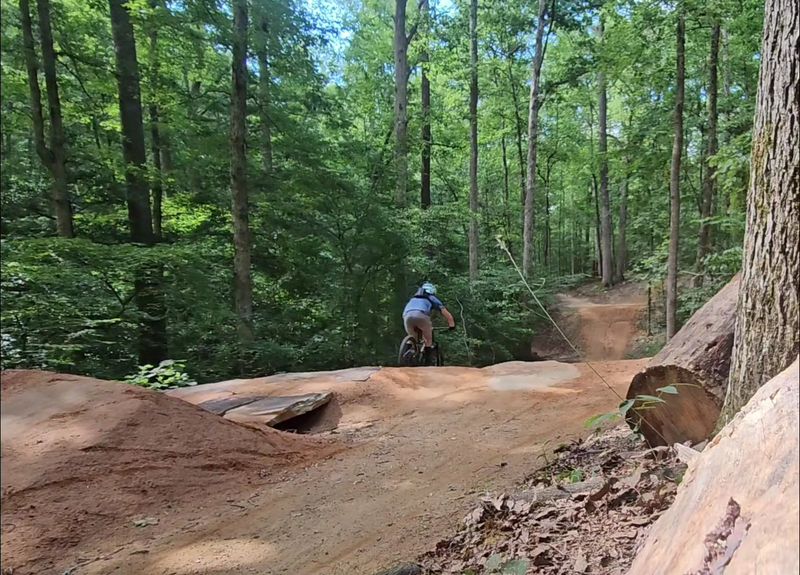
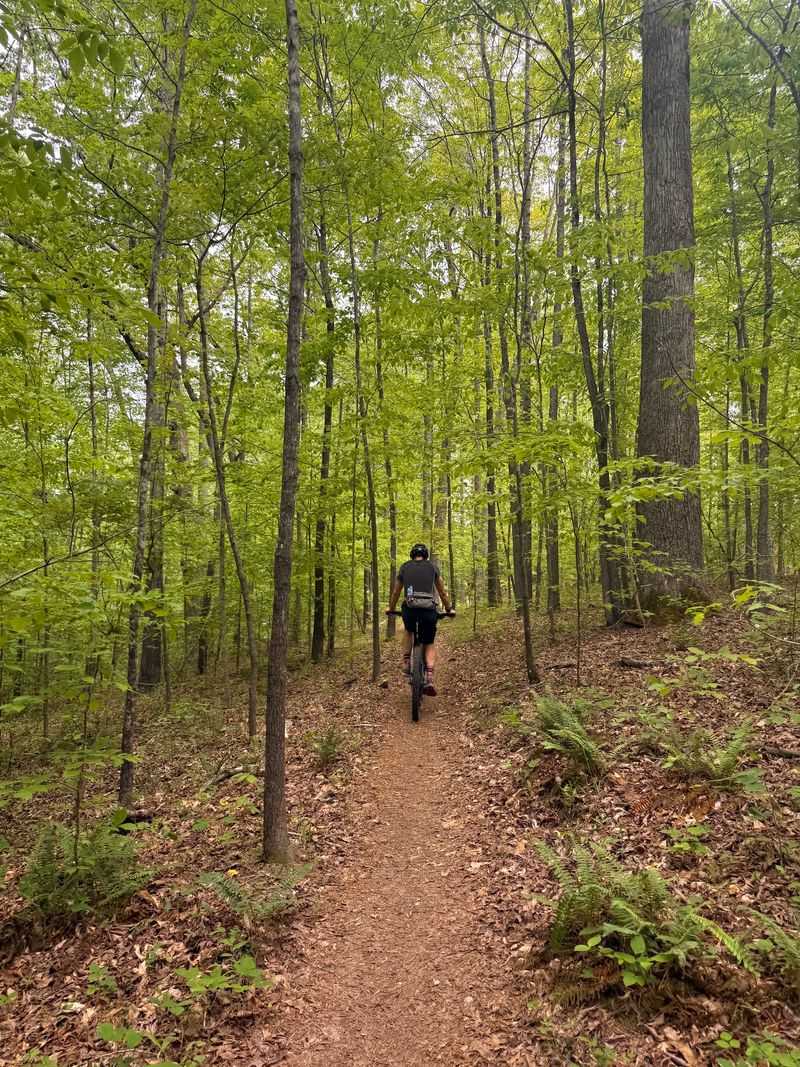
Riders talk about this place across the whole mid Atlantic, and for good reason. The singletrack network here is extensive, well built, and varied enough that beginners and speed demons both leave grinning.
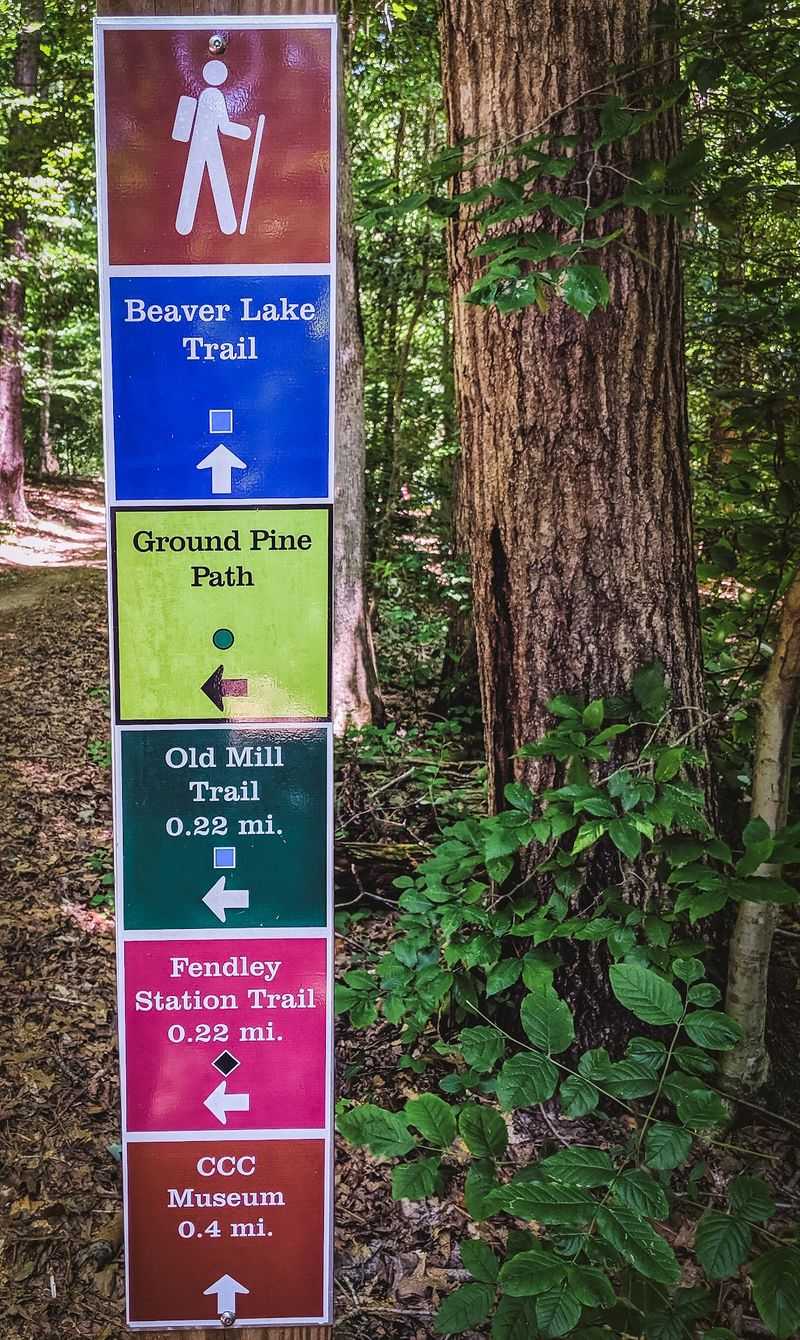
Flowy sections wind through pine stands. Punchier climbs and technical bits appear when you push farther out, and the trail signage keeps you from guessing.
Volunteer trail crews and the park have shaped these routes over years, which shows in the drainage and the way the dirt holds up after rain.
Give the trail a look before riding after storms. Wet clay churns into a mess, and riding it chews up the surface for everyone behind you.
Snakes and bikes rarely mix, mostly because vibration sends wildlife off the path long before you arrive. Still, slow down through leaf covered corners.
Helmets are non negotiable, and gloves save skin when a root catches you off guard.
Parking near the trailheads fills on bright weekend mornings. Early starts get you quiet woods, cooler air, and the smug satisfaction of finishing before the crowds even lace up.
Paddling Swift Creek Lake and Beaver Lake
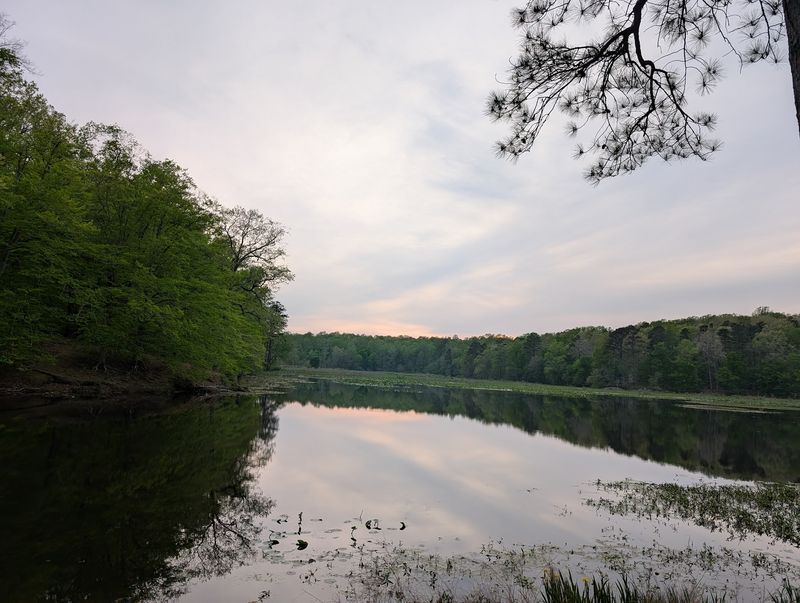
Glassy water at sunrise is the reward for anyone willing to set an alarm. Both lakes here sit low and quiet, ringed by trees that double themselves in the reflection.
Kayaks, canoes, paddleboards, and paddle boats are available for rent in season, with life jackets included, so you can show up empty handed and still get on the water.
Turtles line the fallen logs like spectators. Great blue herons stalk the shallows, and ospreys sometimes crash the party overhead.
Guided paddle programs run during the warmer months, led by park staff who know where the wildlife hides.
Fishing pulls a steady crowd too. A valid Virginia freshwater license is required for adults, and the lakes hold the usual warmwater suspects.
Watch the shoreline brush when you launch or land. Snakes sun themselves near water edges, and most of what you will spot are harmless water snakes rather than copperheads.
Wind stays minimal thanks to the tree cover, which makes these lakes forgiving for anyone whose paddling technique is more enthusiasm than skill.
Camping Under Pines With Actual Privacy
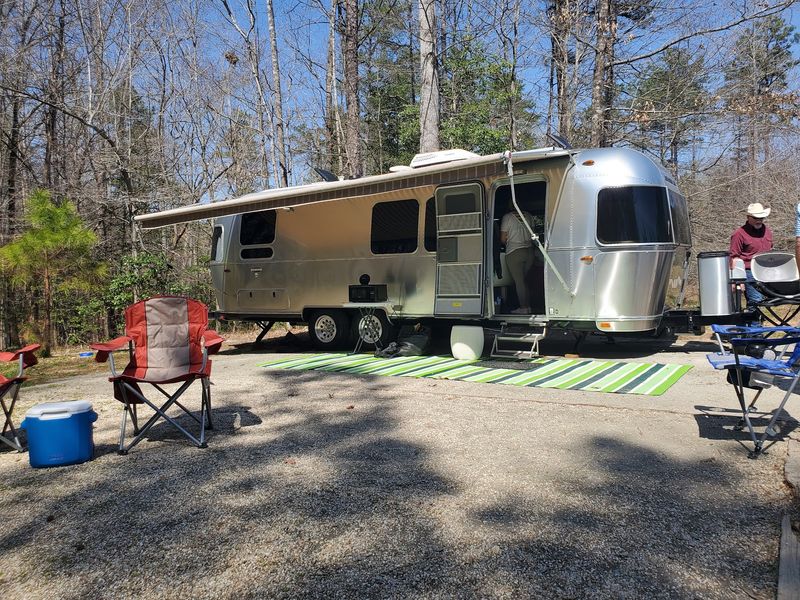
Cramped campgrounds are a special kind of misery, and this one avoids the problem entirely. Sites sit generously spaced with trees filling the gaps, so your neighbors stay pleasantly theoretical.
Shade is abundant. Water and electric hookups serve many sites, and a dump station sits near the entrance for RV folks.
Tent campers should know the ground tends toward gravel in places. Sturdy stakes and a small mallet make the difference between setting up in minutes and muttering for an hour.
Bathhouses stay clean and there are enough of them that lines rarely form. Individual shower rooms add a bit of welcome privacy.
Camp hosts patrol each loop, selling firewood and ice and generally keeping things running smoothly.
Check your site perimeter when you arrive. Clearing brush, closing tent zippers, and keeping shoes inside overnight are simple habits that keep crawling visitors out.
Book early for summer weekends. Reservations for this corner of Virginia disappear fast, especially the level sites that make backing in a trailer painless rather than character building.
Yurts and Cabins for the Snake Averse
Not everyone wants a thin nylon wall between themselves and the forest floor. Good news arrives in the form of yurts and cabins scattered through the woods.
Yurts are roomy, raised, and canvas walled, giving you the camping atmosphere without the ground level anxiety.
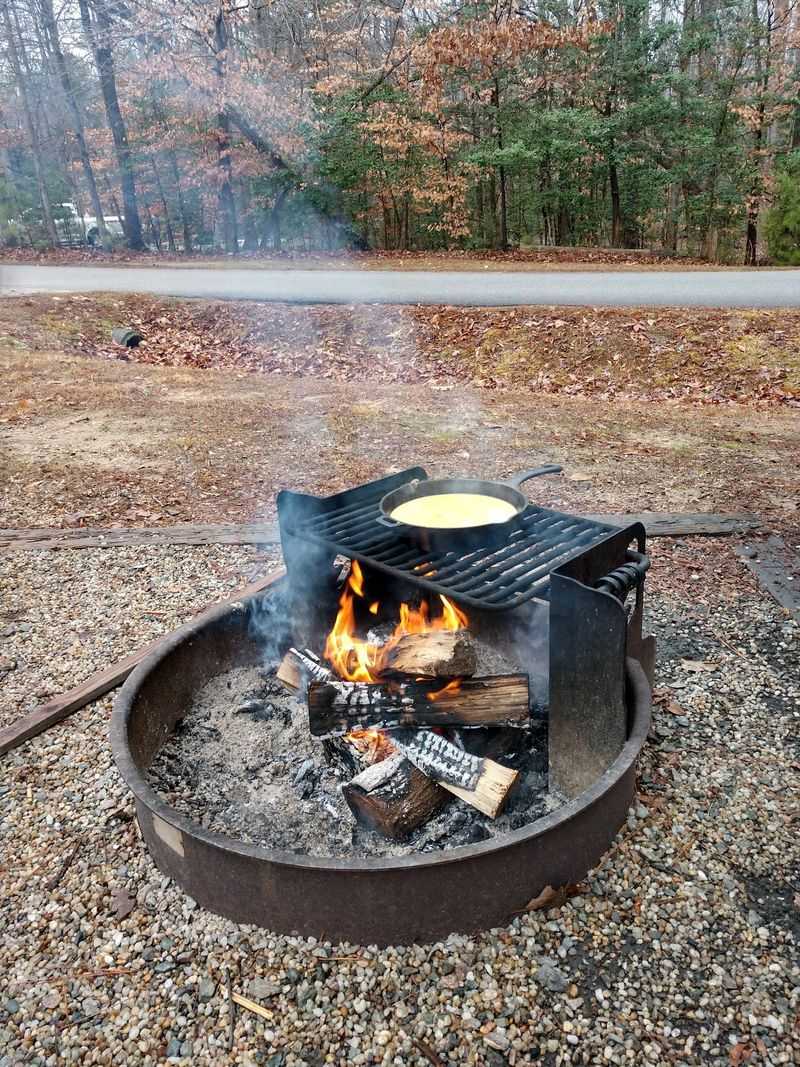
Cabin options split into two styles. Rustic versions keep things simple with beds, electricity, and a fire pit outside, while the larger lakeside cabins bring full kitchens, multiple bedrooms, and wraparound decks with water views.
Pets are welcome in designated units, which makes weekend planning far easier for dog owners.
Cleanliness is consistently strong across the rentals, and the furnishings hold up well despite heavy seasonal use.
Elevated floors and solid doors mean copperheads stay firmly outside where they belong. Just keep the screen door closed and shake out shoes left on the porch.
Fall bookings are worth chasing. Cooler nights, brilliant hardwood color, and fewer insects turn a cabin stay at Pocahontas State Park into something close to perfect.
Reserve well ahead through the Virginia State Parks system, because these units vanish quickly.
The Aquatic Center Kids Refuse to Leave
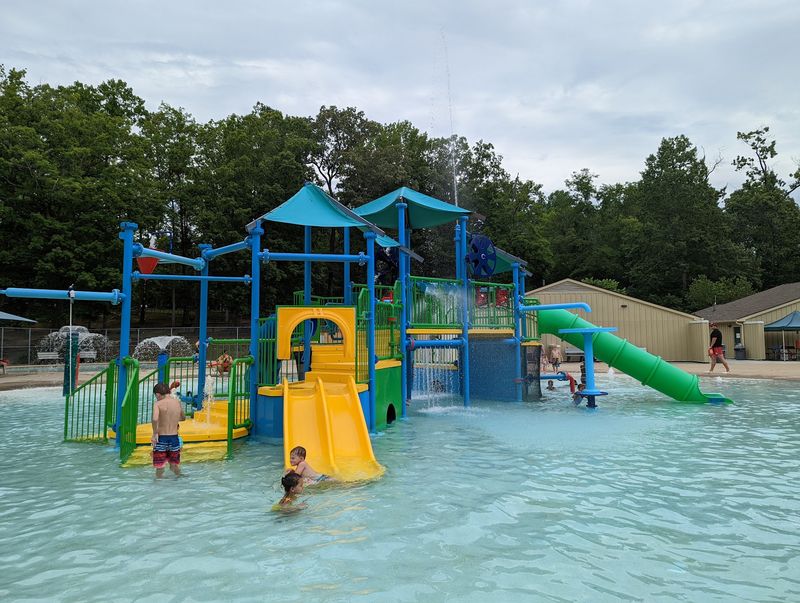
Screaming children, in the best possible way. The aquatic center here runs multiple pools plus a water slide, and it becomes the gravitational center of the park once temperatures climb.
Lifeguards are plentiful and attentive. Shallow zones suit toddlers while older kids charge the slide repeatedly until someone forces a snack break.
A concession stand handles snacks and ice cream, which solves roughly ninety percent of parenting emergencies.
Distance is the one catch worth planning around. The pools sit well over a mile from some campground loops, so a bike, a wagon, or a short drive beats marching small legs through Virginia heat.
Shade around the deck is limited compared to the forest, so hats and sunscreen earn their keep.
Paved walkways and a maintained lawn area mean this is the one corner of the park where snake worries basically evaporate.
Weekday afternoons run noticeably calmer than weekends. Arrive when gates open if you want a lounge chair rather than a patch of concrete.
Seasonal operation applies, so check the park website before building your whole trip around it.
The CCC Museum and a Forgotten Chapter
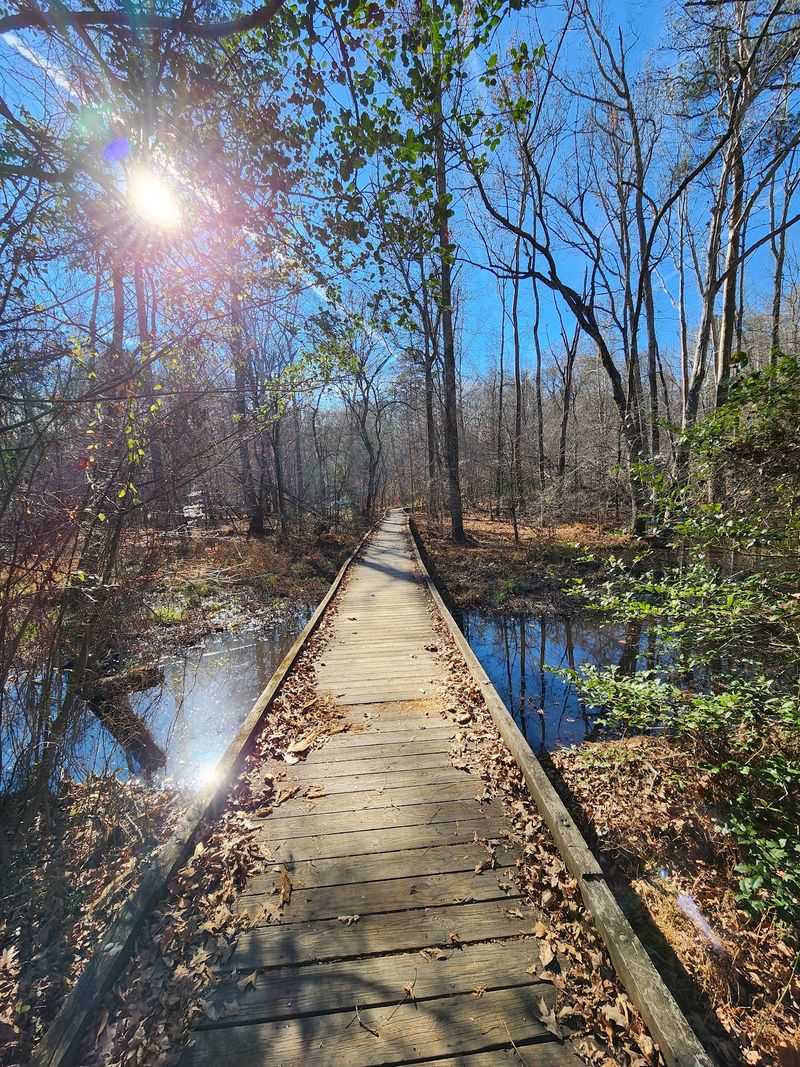
History hides in plain sight here. The Civilian Conservation Corps built much of this park during the Great Depression, and a dedicated museum on the grounds tells that story properly.
Hand tools, photographs, and reconstructed camp scenes fill the space. Rangers often walk you through it personally, adding details you would never pull from a plaque.
Those young CCC workers cleared land, dammed creeks, and raised structures that still stand, which explains why so many trails and shelters feel unusually well made.
Admission is free, and the building offers blessed air conditioning in July.
Wooden shelters and stone work from that era pop up throughout the property once you know what to look for.
Swift Creek Banquet Hall, another handsome building on site, hosts weddings and events against a backdrop of trees and water.
Give yourself an unhurried half hour inside the museum. Pairing it with a short walk afterward turns a hot afternoon into something memorable, and it puts the whole Commonwealth conservation story into sharper focus.
Check seasonal opening days before you count on it.
Planning Your Visit and Finding the Gate
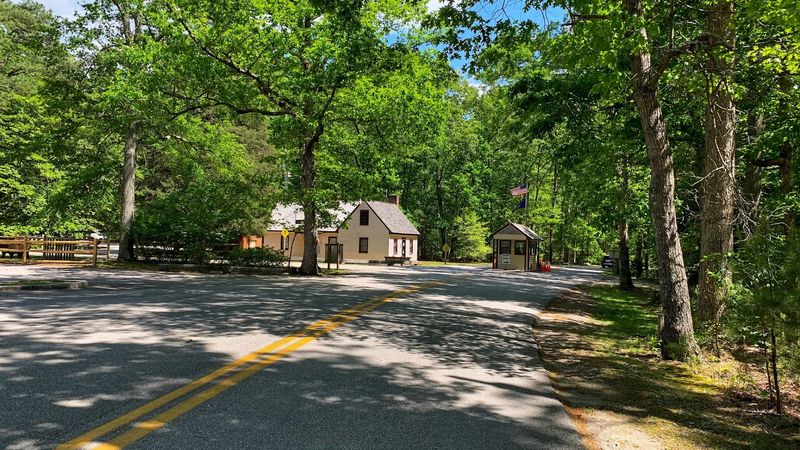
Getting here is refreshingly simple. Pocahontas State Park sits at 10301 E State Park Road, Chesterfield, VA 23832, a short drive south of Richmond and easy to reach from Interstate 95.
A per vehicle parking fee applies, higher on weekends and holidays, and the line at the gate moves quickly even on busy mornings.
Horse trailers have their own access and trail system, and equestrians report quiet, well kept paths.
One honest heads up. A nearby law enforcement shooting range means you may hear gunfire during your hike, which the park does not control.
Spring and fall deliver the finest conditions. Wildflowers, migrating birds, and comfortable temperatures make the trails genuinely lovely, and snake encounters drop once nights turn cold.
Pack repellent, water, closed shoes, and a trail map. Cell service can get patchy deep in the woods.
Leave the wildlife alone, carry out your trash, and the forest stays exactly as good as you found it.
Go on, claim a weekend, lace the boots, and let one of Virginia’s biggest parks show you what watching your step really earns you.
