Museums usually display art, history, or science. This one displays something different.
Rare Bibles and sacred texts, some of them centuries old, housed in a collection that is valued at over a million dollars. What makes it unusual is not just the dollar figure.
It is the access. You can stand close enough to see the paper, the binding, and the printing details that tell you how old these books really are.
There is a first edition Geneva Bible, a Tyndale Bible, and other volumes that played a role in shaping religious history across the English-speaking world. There is also a life-size replica of a Gutenberg press, which gives context to how these texts were produced before modern printing.
The museum is quiet, the lighting is careful, and the whole experience feels like stepping into a different century. Virginia has plenty of historic sites, but this one focuses on the books that shaped history rather than the battles or buildings.
It is a niche collection, and that is exactly what makes it worth visiting.
A Treasure Room That Smells Like History
Picture a vault where the treasure is made of paper and ink. That is the big idea behind the Rawlings Scriptorium Museum, Lynchburg, a small but mighty space devoted to rare Bibles and sacred writings.
Forget dusty shelves and sleepy corners. Glass cases glow under gentle light, and every page inside them has a story that stretches across centuries.
Some books were copied by hand, letter by careful letter. Others came off early printing presses that changed the world forever.
The collection carries a value well over a million dollars. Still, money is not really the point here.
What grabs you is the feeling that these pages were held, read, hidden, and protected by people who believed every word mattered.
Walk in slowly. Lean close to the glass, and notice the tiny details, like faded margins, cracked leather, and colors that refuse to fade.
A quick tip before you go. Plan for a focused, unhurried look rather than a speedy sprint.
The space is compact, so it rewards patience more than stamina.
Bring curiosity, leave your rush at the door, and let the quiet do some of the talking. Old paper has a funny way of making the present feel loud.
Scrolls That Unroll Ancient Traditions
Long before books had covers, sacred words lived on scrolls. Spotting one in person feels a bit like meeting a celebrity from a history textbook.
Torah scrolls are written by trained scribes who follow strict rules. Every letter must be perfect.
A single mistake can mean starting a section over, so the patience involved is honestly mind-blowing.
Look closely at the parchment. Made from animal skin, it was stretched, scraped, and smoothed until it could hold ink for generations.
The columns of Hebrew text march across the surface in neat, steady rows.
Here is a fun fact to share at dinner. Scribes traditionally use a quill and special ink, and the work on a single full scroll can take many months.
Seeing these pieces helps you understand how carefully faith communities protected their texts. Copies were not just reading material.
They were treasures passed from one generation to the next.
So slow down at this stop. Try following one line of letters with your eyes, even if you cannot read Hebrew.
You will start to notice the rhythm and balance of the lettering, almost like music written in ink.
Hand-Copied Pages With Golden Sparkle
Monks did not have printers, but they sure had style. Medieval manuscripts prove it with painted borders, swirling letters, and real gold that still catches the light.
These books are called illuminated manuscripts. The name comes from the way gold and bright colors seem to light up the page.
Some decorated capital letters are so detailed that tiny animals and vines hide inside them.
Making just one book could take a team of workers a very long time. Someone prepared the parchment.
Another person copied the text, while an artist added the dazzling pictures.
Up close, you can spot little imperfections. A slightly uneven line here, a faded blue there.
Those quirks are proof that real human hands made every inch.
Want a challenge? Pick one decorated letter and hunt for hidden details.
Count the colors, find the gold, and look for faces or creatures tucked inside the design.
Kids especially love this game, and grown-ups secretly do too. It turns a quiet museum moment into a treasure hunt, and it trains your eyes to notice craftsmanship that modern books simply skip.
The Printing Press Changed Everything
Imagine the internet arriving overnight, but in the fifteenth century. That is roughly what happened when the printing press showed up in Europe.
Suddenly, books did not need to be copied by hand. Metal letters could be arranged, inked, and pressed onto paper again and again.
Bibles became the star product of this new invention.
Early printed pages still look a lot like manuscripts. Printers copied the heavy Gothic lettering that readers already knew, and some even left space for artists to paint decorations later by hand.
Examples of early printed Scripture and printing history help tell this story at the Rawlings Scriptorium Museum, Lynchburg. You get to see how the jump from quill to press made sacred texts easier to share.
Notice the neat double columns and the dark, chunky type. Compare it in your mind with the hand-copied pages nearby.
Which one feels more personal? Which one feels more powerful?
There is no wrong answer. Both changed how people read, learned, and believed.
Standing between them, you are basically looking at a before and after photo of world history, printed in ink instead of pixels.
English Bibles With Rebel Spirit
Reading the Bible in English was once a risky business. Some translators were hunted, and a few paid with their lives just for putting Scripture into everyday words.
The story of the English Bible is packed with drama worthy of a movie. Bold scholars translated texts, printers smuggled copies across borders, and readers hid books under floorboards.
Over time, translations grew more accepted. The famous King James Version eventually became one of the most widely read books in the English-speaking world, and its phrases still pop up in everyday speech.
Ever said someone was at their wit’s end? Or called something a labor of love?
Plenty of familiar sayings trace back to old English Bible translations.
Looking at historic English editions gives you a real sense of how hard people fought for the right to read in their own language. That freedom is easy to take for granted today.
Here is a tip. Try reading a short line aloud, quietly, if the page is legible.
Old spelling looks strange at first, yet the words often sound surprisingly close to modern English once you hear them.
Campus Life Meets Ancient Pages
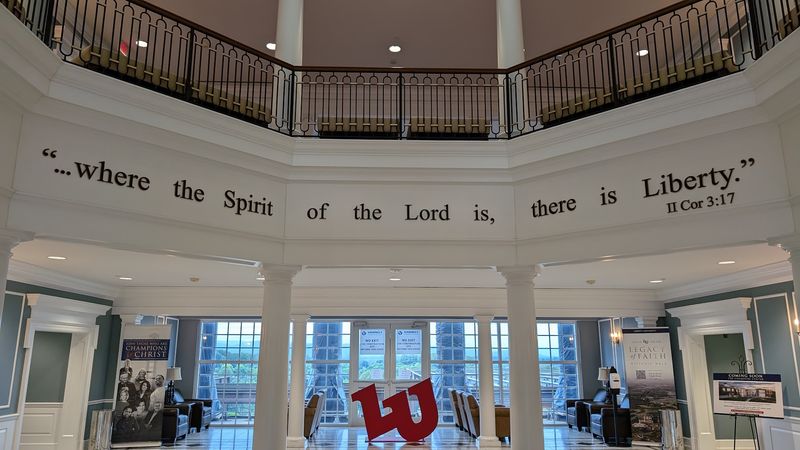
College campuses usually buzz with backpacks, coffee runs, and late-night study sessions. Liberty University adds something unexpected to the mix, a museum full of sacred history.
The setting is part of the fun. Modern buildings and wide walkways surround you, then you step inside and suddenly travel back hundreds of years.
The contrast feels a little like time travel with free parking nearby.
Students use collections like this for research, class projects, and plain curiosity. You get to share that academic energy, even if your last exam was decades ago.
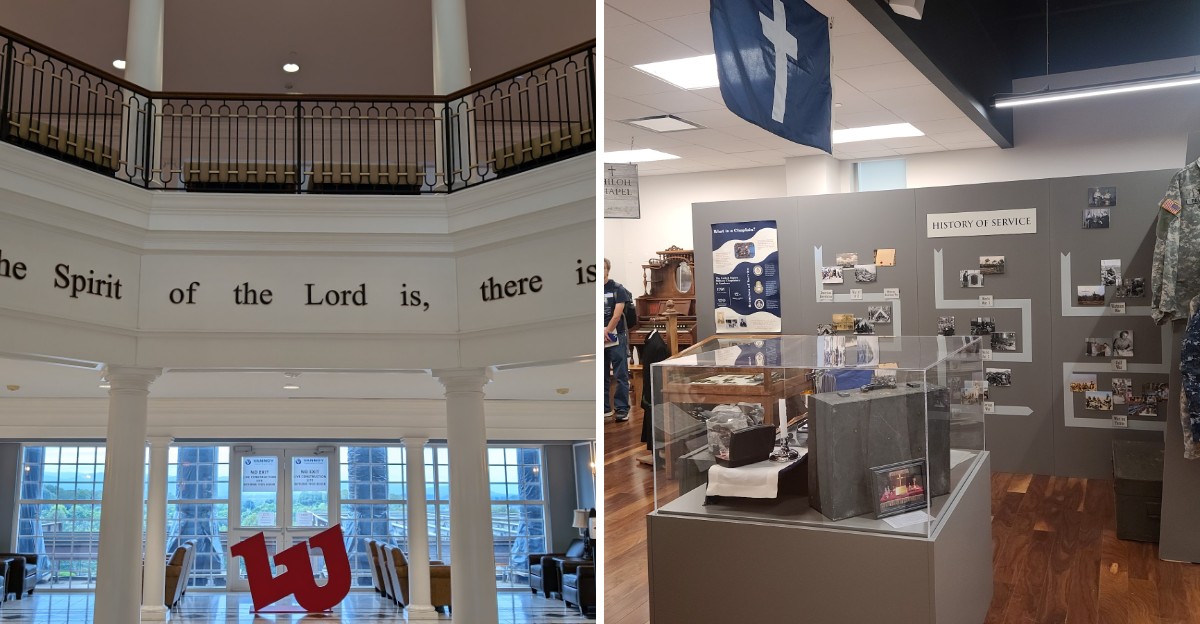
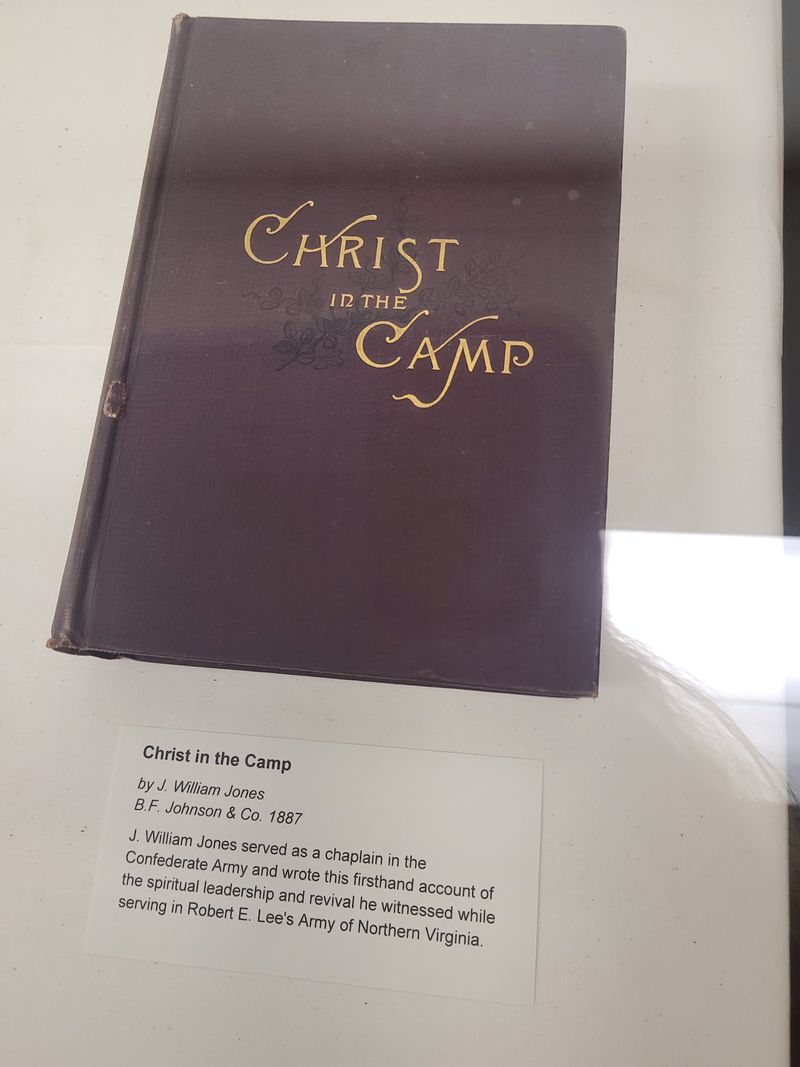
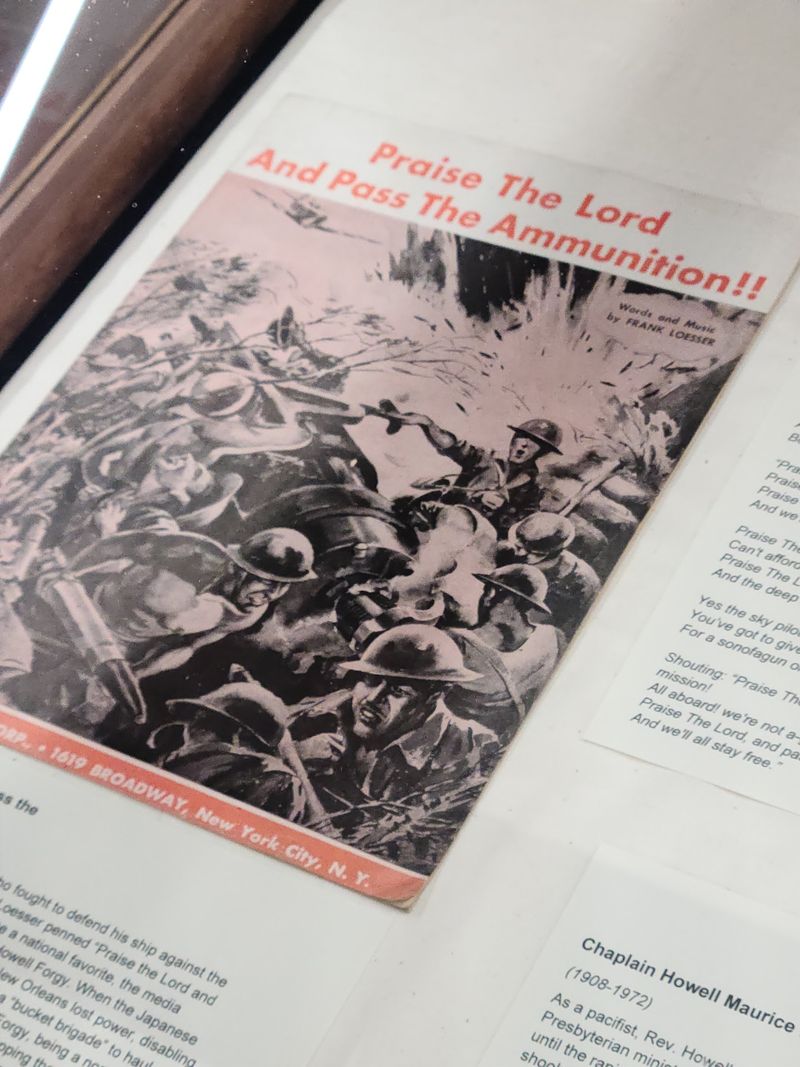
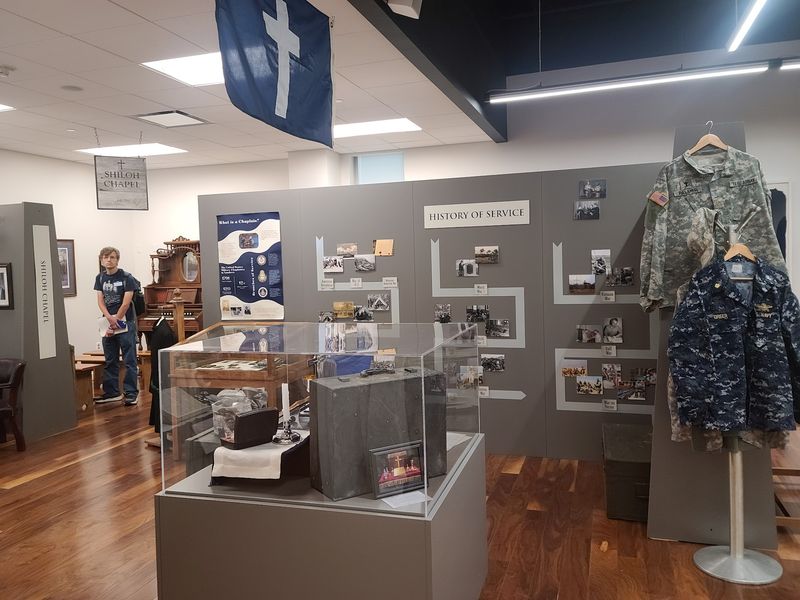
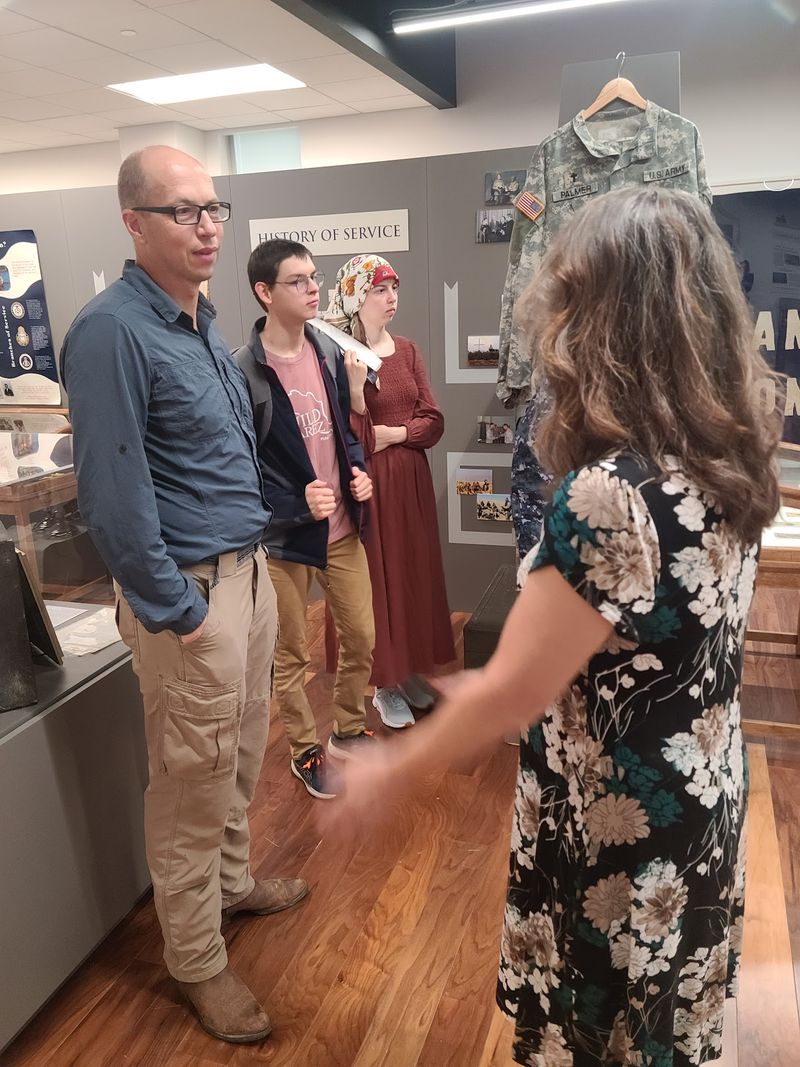
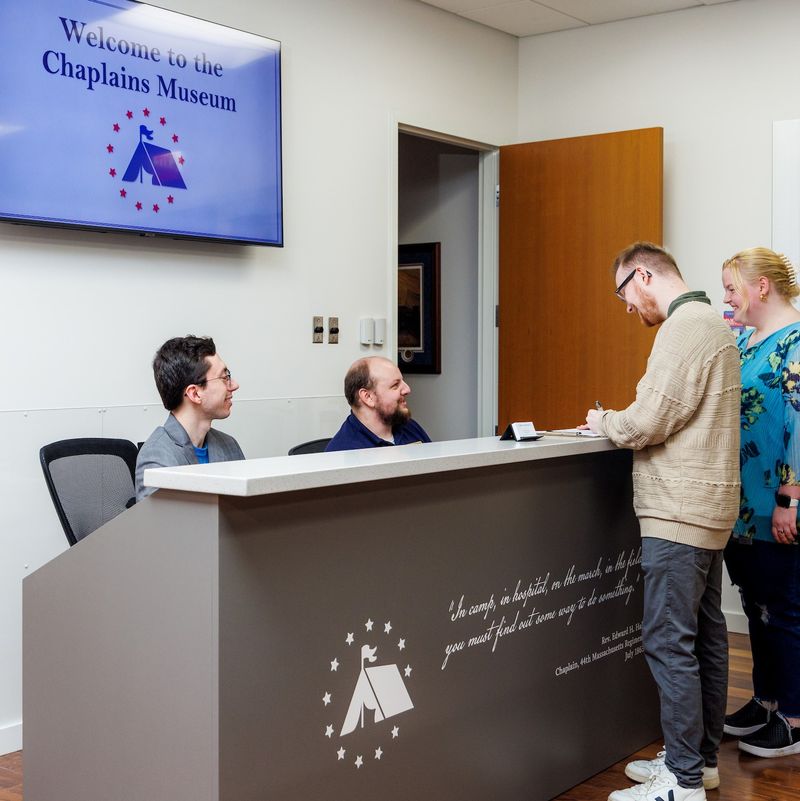
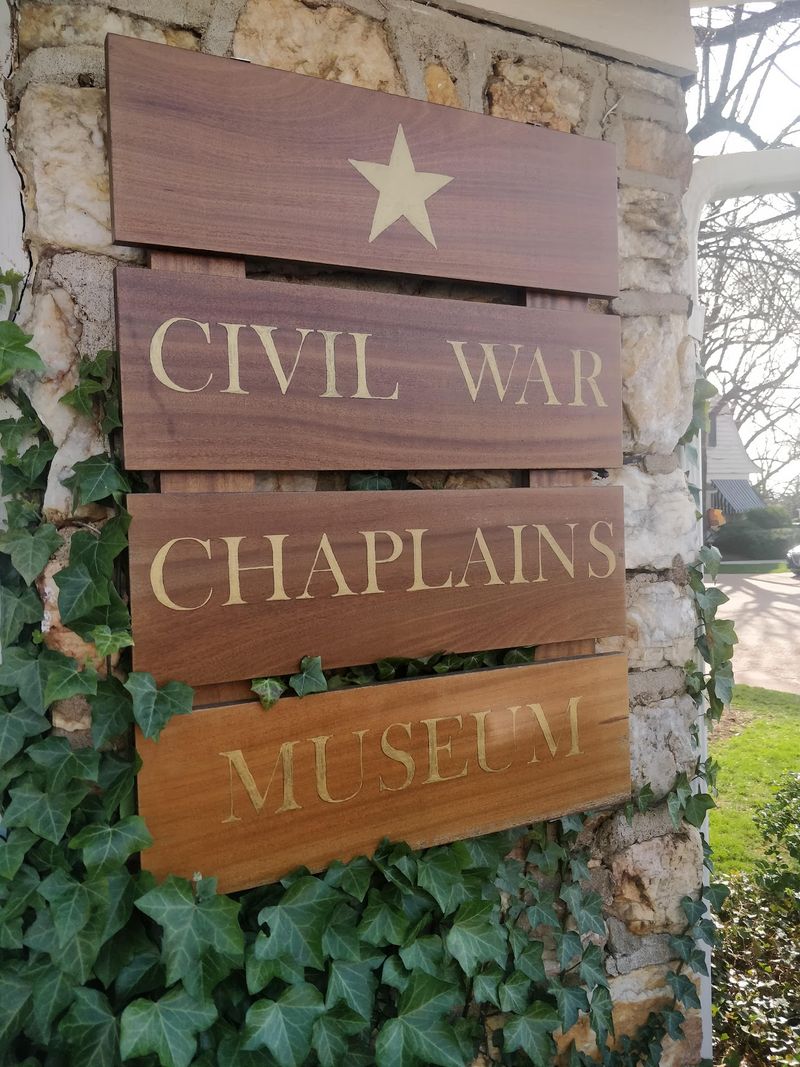
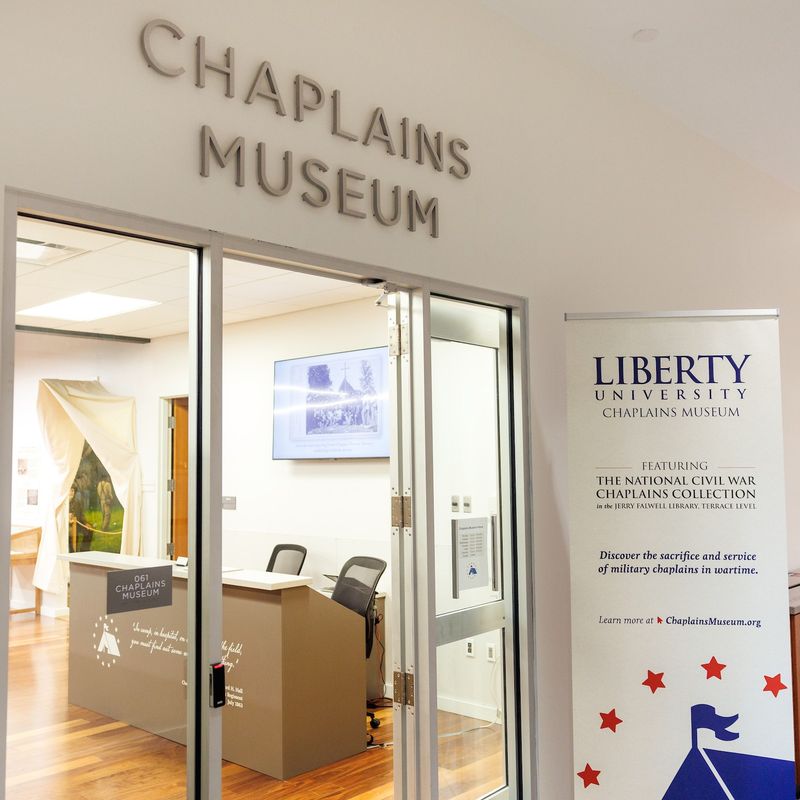
Liberty University also hosts other small museums on campus, including a museum honoring military chaplains. Pairing nearby exhibits can turn a quick stop into a fuller afternoon of history.
A smart move is to check the museum website before heading out. Campus events, graduation weekends, and big games can change parking and traffic patterns fast.
Wear comfortable shoes, since campus is large and hilly. Then, after soaking up the exhibits, take a stroll outside and enjoy the views of the Blue Ridge Mountains rising in the distance.
Fresh air and old books make a surprisingly good team.
Why Ink And Parchment Still Matter
Screens glow, phones buzz, and files vanish with one wrong click. Meanwhile, some of these old pages have survived for centuries without a single software update.
That staying power is worth thinking about. Parchment and quality rag paper are tough materials.
Stored carefully, they can outlast buildings, kingdoms, and entire languages.
Museums protect these pieces by controlling light, temperature, and humidity. You might notice dimmer lighting near certain cases.
It is not there for spooky vibes. Strong light can fade ink and weaken fibers over time.
Here is a cool bit of science. Many old inks were made from oak galls, those little bumps found on oak trees, mixed with iron salts.
Over centuries, that ink can turn brown and even eat into the page.
Knowing this helps you appreciate the hard work behind every display. Experts spend years learning how to clean, repair, and safely show fragile texts.
So when you lean toward the glass, give a small nod to the people behind the scenes. Without them, these treasures would crumble into dust long before anyone in Virginia could admire them.
Perfect Pick For Families And Book Lovers
Got a kid who thinks history is boring? Challenge accepted.
A short visit here can flip that opinion faster than a page in the wind.
Small museums work wonders for young attention spans. You can explore every corner without tired legs or meltdowns, and there is still plenty to talk about afterward.
Try turning the trip into a game. Ask children to find the oldest looking page, the shiniest gold, or the strangest letter shape.
Little missions keep eyes busy and brains engaged.
Book lovers of every age will feel right at home too. There is something magical about seeing the ancestors of the paperback sitting on your nightstand.
A friendly reminder for families is to set ground rules before entering. No tapping on glass, indoor voices, and hands to yourself.
Kids usually respect fragile treasures when they understand why the rules exist.
Afterward, grab a notebook and let everyone sketch a favorite design. It is a simple, screen-free way to make the memory stick.
Who knows, you might just raise the next great scribe, scholar, or museum curator right there on the drive home.
Make A Day Of Lynchburg
Lynchburg is a city built on seven hills, and it loves to show them off. After your museum stop, there is plenty more to explore around town.
Head downtown for brick streets, local shops, and a lively riverfront along the James River. The Bluffwalk and Riverside paths are lovely for a stroll when the weather cooperates.
History fans can swing by Point of Honor, a historic mansion with sweeping views, or the Old City Cemetery, which feels more like a peaceful garden than a spooky graveyard.
Craving nature? Peaks of Otter and the Blue Ridge Parkway sit within a scenic drive.
Fall leaves turn the region into a giant painting, and spring brings fresh green everywhere.
Thomas Jefferson’s Poplar Forest, his private retreat, is also close by in Bedford County. It pairs nicely with a day spent thinking about books, faith, and big ideas.
The trick is pacing. Pick one indoor stop, one outdoor stroll, and one relaxed meal somewhere downtown.
That simple formula keeps the day full without feeling rushed, and leaves room for an unplanned discovery or two.
Find It And Go Turn Some Pages
Alright, history hunter, time to make it official. The Rawlings Scriptorium Museum, Lynchburg sits on the Liberty University campus at 1971 University Blvd, Lynchburg, VA 24515.
Plug that into your map app and follow the signs onto campus. The grounds are big, so give yourself extra minutes to find parking and stretch your legs.
Before heading out, peek at the museum website for current details and any special exhibits. Small museums sometimes shift schedules around school breaks and campus events.
Honestly, my favorite thing about a place like this is how it surprises people. You expect old books.
You leave thinking about courage, craftsmanship, and how fragile ideas survive against all odds.
Pair the visit with a chaplains exhibit nearby, a riverfront walk, or a scenic mountain drive. Central Virginia makes it ridiculously easy to stack great experiences into one day.
So here is the deal. Pack comfy shoes, charge your phone for photos where allowed, and bring a sense of wonder.
Those priceless pages have waited centuries for an audience. The least you can do is show up, lean in, and say hello.
