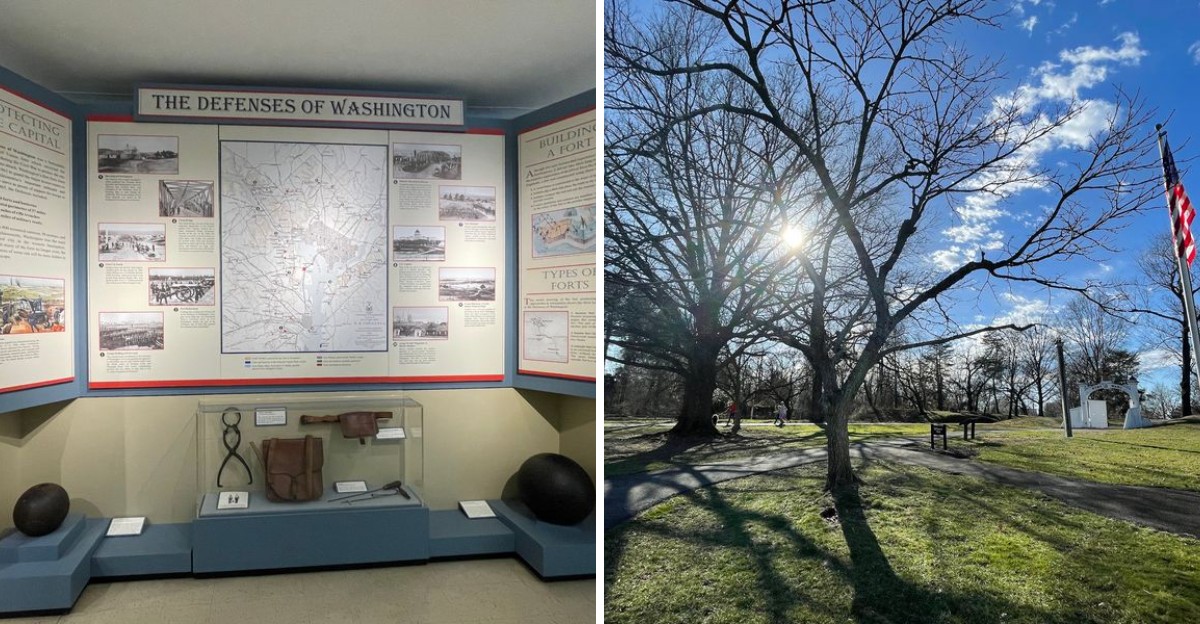
Free admission is rare, especially when the museum is worth paying for. This Virginia museum charges nothing, and it sits inside a 45-acre historic park that adds another layer to the visit.
The exhibits focus on local history, with artifacts, photographs, and interpretive displays that tell the story of the area. The park itself is part of the experience, with earthworks, trails, and open green space that make it easy to spend an entire afternoon.
You can walk the grounds, read the markers, and then step inside to see the collection. It is not a large museum, but it is well-curated and thoughtfully presented.
The staff is knowledgeable and happy to answer questions. It is the kind of place that works for families, history buffs, or anyone looking for something to do that does not cost anything.
Bring a picnic and comfortable shoes. The park is worth exploring beyond the museum walls.
This Virginia spot proves that the best experiences are not always the most expensive ones.
A Fort That Refused to Crumble
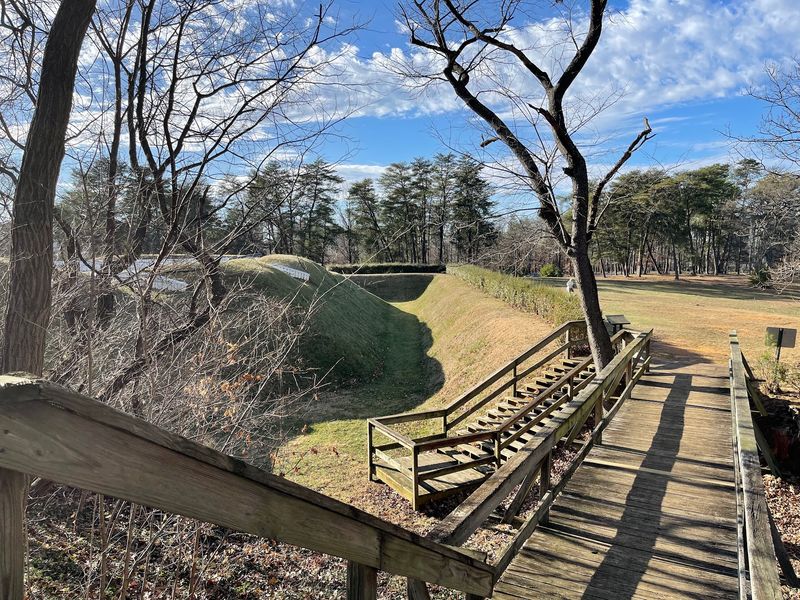
Dirt walls are not supposed to last this long. Yet the earthworks at Fort Ward Museum & Historic Site have held their shape remarkably well, and they rank among the best preserved of the many forts that once ringed Washington during the Civil War.
Picture a giant ring of defenses built to keep the capital safe. This spot was one link in that chain, sitting on high ground in Alexandria where soldiers could watch roads leading toward the city.
Most of the original walls survive today, covered in soft green grass. Walking beside them, you can trace the zigzag shape that let defenders cover every angle.
Here is the cool part. The northwest bastion has been carefully restored to match the original design, so you see the fort the way troops actually knew it.
Wear comfy shoes, because the ground rises and dips in surprising ways. Kids love scrambling along the edges, though staying on paths keeps these old mounds healthy for future explorers.
Take a slow lap and imagine the noise, the shovels, and the lookout duty. Few places in Virginia let you touch history so directly, and the walls are honestly the main character here.
Cannons Pointing at Nothing but Squirrels
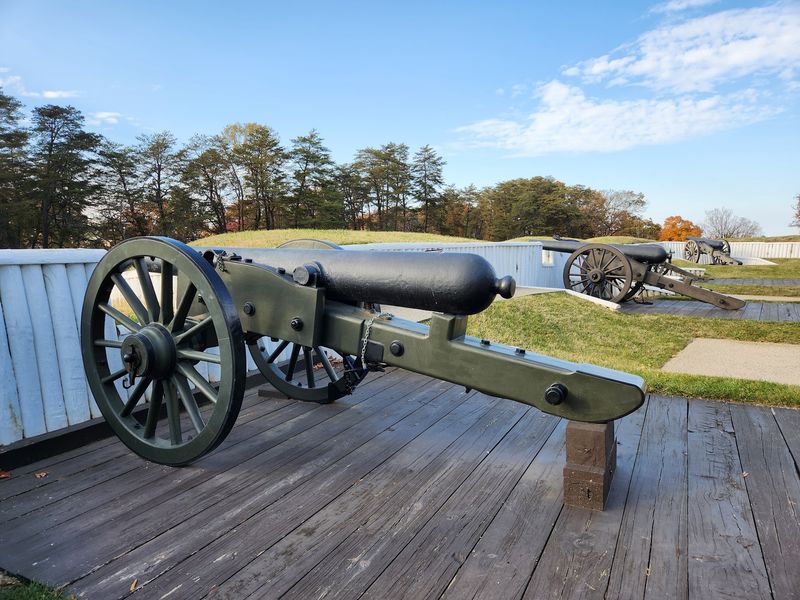
Big guns, zero drama. The replica cannons sitting inside the restored bastion now aim at quiet trees and the occasional nosy squirrel.
Those heavy barrels are period-style reproductions, placed to show how the fort was armed when danger felt very real. Standing behind them gives you a gunner’s view of the slopes below.
Look closely at the wooden carriages and big wheels. Moving one of these beasts took serious teamwork, muscle, and probably a lot of grumbling.
Photographers, this is your stage. Early morning or late afternoon light makes the dark metal glow against the grass, and the angles practically frame themselves.
Little history fans tend to get extra excited here. Pointing out how far a shot might travel turns a simple stop into a mini science lesson about angles and force.
Do resist the urge to climb on the cannons. They are part of the exhibit, and keeping hands gentle helps them stay sharp for the next curious crowd.
Nearby trenches and gun platforms add even more context. Walk the artillery area slowly, and the layout starts to make sense, almost like reading a map built from earth and iron.
Small Museum, Mighty Stories
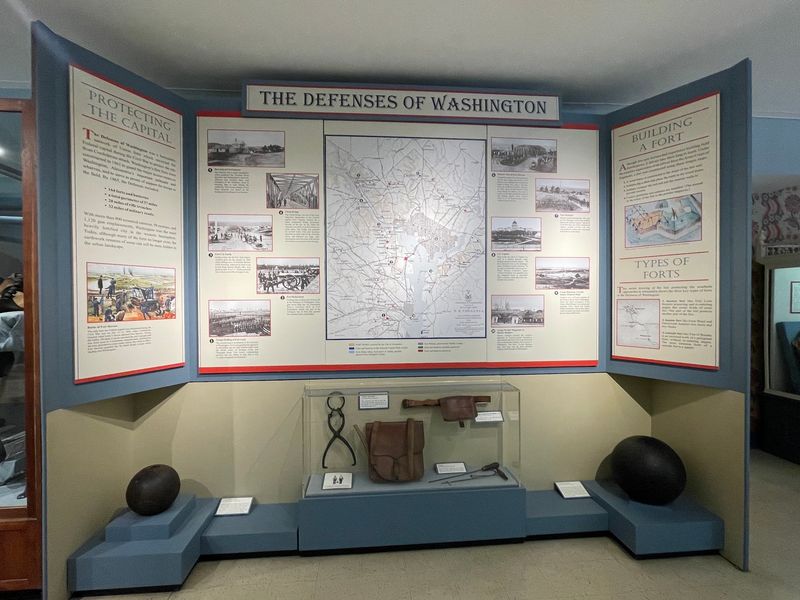
Size can be sneaky. The museum building looks modest from outside, modeled after a Civil War era headquarters, but inside it packs more stories than a rainy afternoon at grandma’s house.
Exhibits focus on the war years, everyday soldier life, and the network of forts that guarded Washington. Glass cases hold uniforms, weapons, tools, and personal items that make faraway history feel close.
One standout is the big display showing the defenses around the capital. Seeing all those forts laid out helps you understand why this hilltop mattered so much.
Give yourself more time than you think you need. Plenty of small details reward patient eyes, like handwritten notes and worn gear that clearly saw hard use.
Staff and volunteer docents are known for being friendly and knowledgeable. Asking a question here often unlocks a story you would never find on a label.
Photos are generally allowed, which is great for school projects. Just keep flash off and voices low so everyone can enjoy the calm.
A small gift shop sits inside too. Books and souvenirs make solid reminders of a day spent learning in Virginia without spending a dime on admission.
Free Means Actually Free
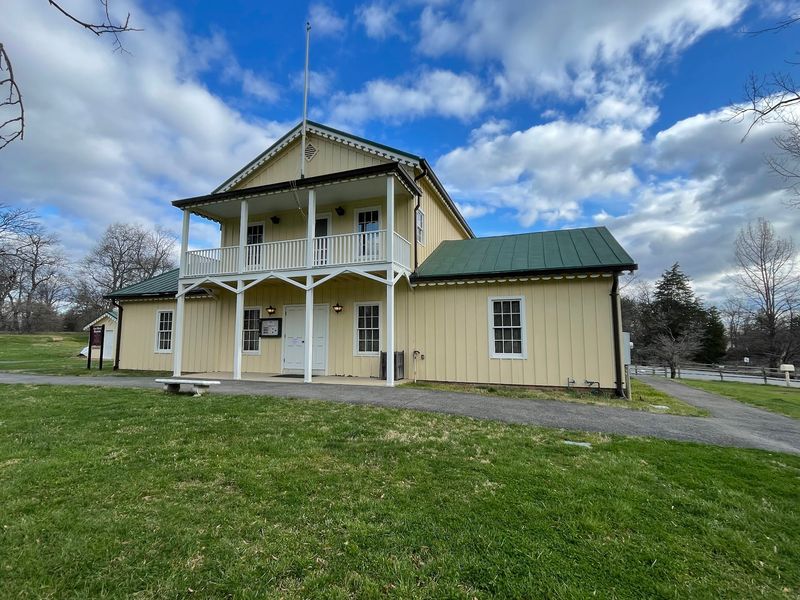
No ticket booth. No surprise fees.
No awkward moment at the register.
Admission to the museum and the historic grounds costs nothing, and parking is free as well. In a region where a single outing can drain a wallet fast, that feels like finding money in an old jacket.
Families on a budget can plan a whole day around this place. Pack sandwiches, bring a ball, and let history fill the gaps between snacks.
Free also means you can pop in for a quick visit without guilt. Twenty minutes of exhibits one week, a long walk the next, and suddenly you know the site like a local.
The City of Alexandria operates the museum and park, which explains the open-door spirit. Your tax dollars at work never looked this pleasant.
Keep in mind that museum days are limited, so checking the official city website before heading out saves disappointment. The grounds stay inviting even when the building is closed.
Want to give back? Buying a book in the gift shop or joining a program supports the site.
Zero cost, plenty of value, and nothing to argue about there.
A Loop Made for Wandering Feet
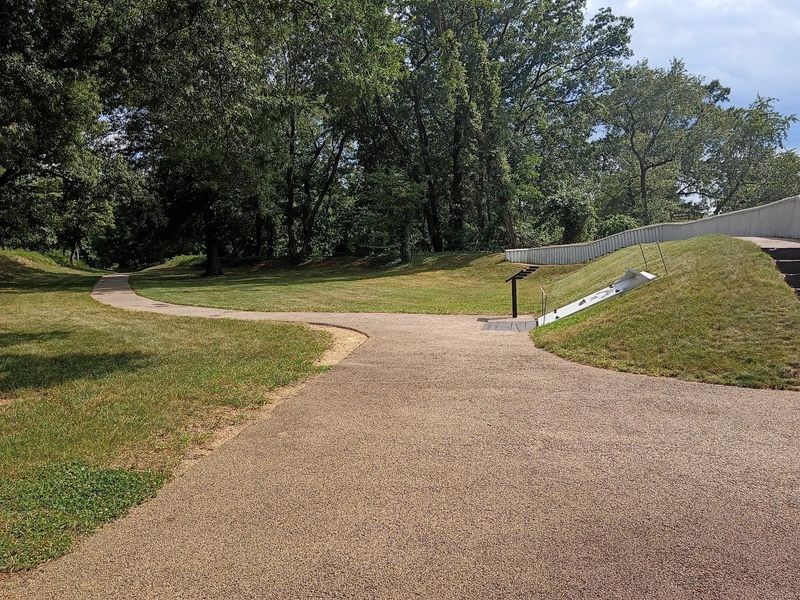
Sneakers on? Good.
The paved loop winding through the park is the kind of path that makes you forget you are exercising.
Shady trees line much of the route, so summer walks stay surprisingly comfortable. The road doubles as a quiet one-lane drive, letting you cruise around the park if walking is tough.
Runners love it for an easy, safe workout. Strollers glide along nicely, and dog walkers will spot water spigots and bowls for thirsty pups along the way.
Historical signs pop up as you go, turning a simple stroll into a self-guided tour. Read one, walk a bit, read another, and you will finish smarter than you started.
Spring is especially pretty, with blooming trees and fresh green grass everywhere. Fall swaps that for crunchy leaves and crisp air that begs for a hoodie.
Bring a leash, since pets are welcome but should stay close. Cleaning up after them keeps the trail nice for the next walker.
For locals, this loop becomes a weekly habit fast. For first timers in Virginia, it is a relaxing way to soak in the setting before or after the museum.
Lunch With a Side of History
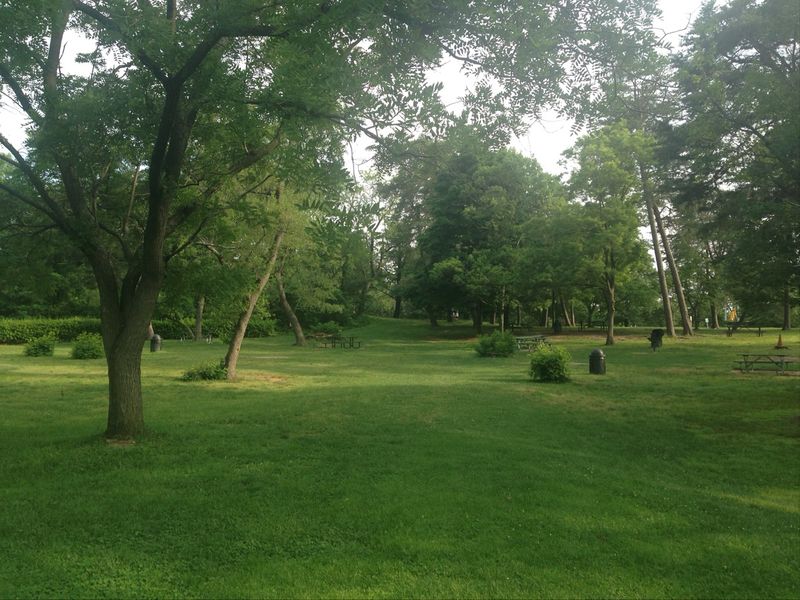
Hungry historians, rejoice. Picnic tables and benches are scattered across the grounds, so finding a shady seat rarely takes long.
Covered shelters can be reserved ahead of time through the city, which makes them handy for birthdays, reunions, or a big family hangout. Some areas include grills for cookout fans.
Nothing beats a sandwich eaten near old fort walls. It feels a little like a field trip where you finally get to choose the snacks.
Plan ahead on sunny weekends, because popular spots fill up. Arriving earlier usually means more choices and fewer people.
Restrooms are available in the park, which parents will appreciate. Trash cans keep things tidy, so carry out anything that does not fit.
Picnics here have a slower rhythm than city restaurants. Kids run around, adults chat, and birds handle the background music.
One easy plan is museum first, lunch second, walk third. That order gives tired legs a break right when they need it most.
Of all the free picnic spots in Northern Virginia, this one wins for scenery plus stories. You get fresh air, shade, and a backdrop with real character.
Where the Stage Meets the Trees
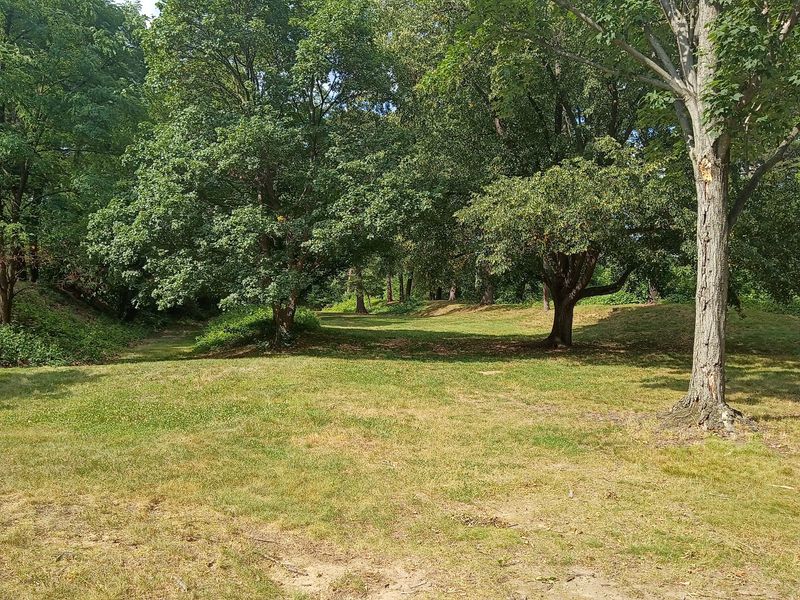
Surprise! A full outdoor amphitheater hides inside this historic park, ready for music, performances, and community events.
The setting feels magical when warm evenings roll in. Trees frame the stage, crickets add their own soundtrack, and the whole space feels relaxed and welcoming.
Event schedules change by season, so peek at the City of Alexandria calendar before visiting. Summer often brings the liveliest lineup.
Bring a blanket or folding chairs for comfort. A small cushion can make a big difference by the second hour.
Even with no show happening, the amphitheater makes a peaceful pause point. Sit for a moment, sip some water, and enjoy the quiet.
Young performers sometimes treat the empty stage like their personal theater. Honestly, a quick improvised dance there might be the highlight of their day.
The space also includes power outlets, which helps groups planning gatherings. Reservations go through the city, so ask early if you have something special in mind.
History by day and culture by night is a pretty great combo. Few parks offer cannons and concerts within a short stroll of each other.
Honoring the Fort Community
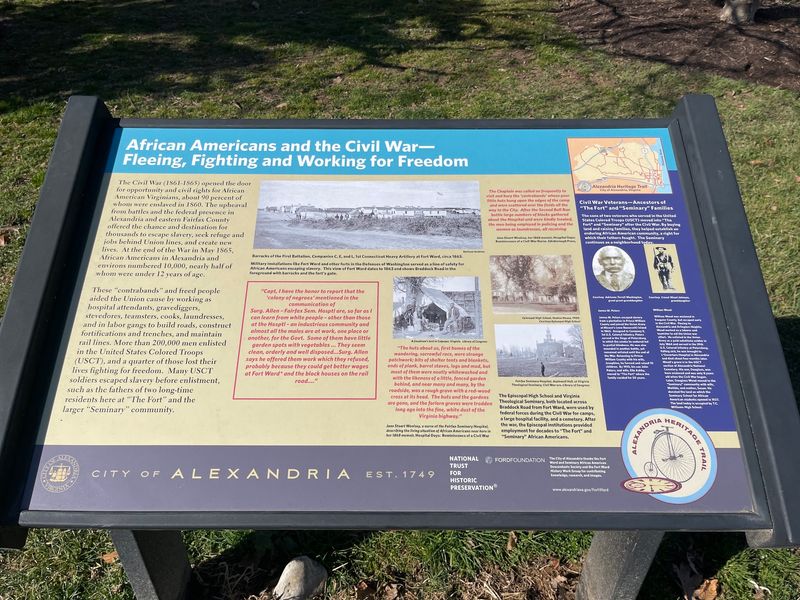
Some of the most powerful stories here begin after the war ended. Following the fighting, African American families built a neighborhood on and around the fort grounds, often called the Fort community.
Many residents had escaped slavery and came to the area seeking freedom and a fresh start. They created homes, a school, a church, and lasting family ties on this land.
Interpretive markers across the park now share their history. Reading them adds a deeper layer to the site that many people never expect.
A small historic cemetery remains on the grounds. Please walk quietly and respectfully, since these are real resting places tied to living descendants.
Alexandria has worked with descendants to research and honor this chapter. That effort turned the park into a place of remembrance as well as recreation.
Take a few minutes to slow down here. Thinking about the people who lived on this hill changes how the whole park feels.
For teachers and parents, this is a meaningful talking point. Conversations about freedom, community, and resilience fit naturally into a visit to this corner of Virginia.
Playtime Between the Ramparts
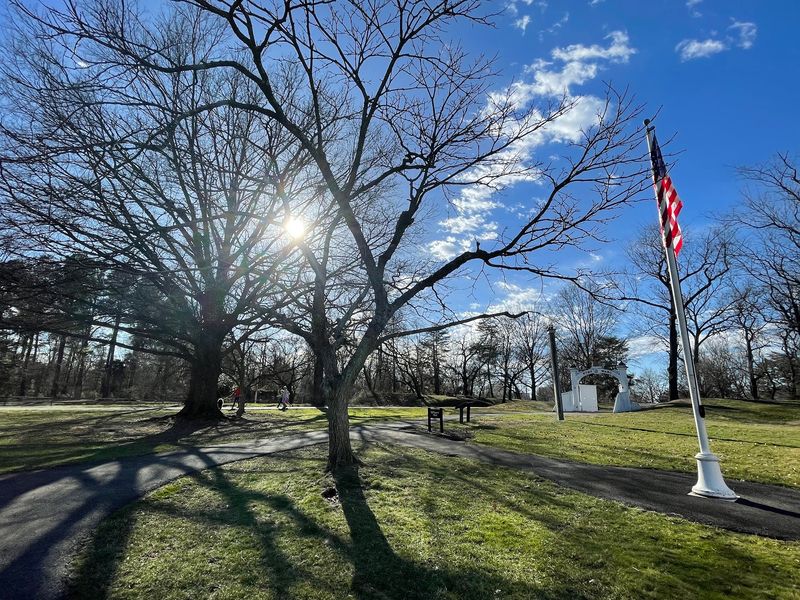
Little legs need a break from learning, and the playground delivers exactly that. Slides, climbing spots, and open space give kids a chance to burn energy fast.
Nearby trees offer helpful shade on hot days. Parents can grab a bench and watch while still feeling part of the park’s calm atmosphere.
The play area has seen recent updates, along with a newer water fountain nearby. Improvements like these show the city keeps investing in the space.
Here is a smart strategy. Promise playground time after the museum, and suddenly young visitors become remarkably patient around the glass cases.
Open lawns around the park work well for tag, frisbee, or simply rolling down gentle slopes. Just keep play away from the fort walls to protect them.
Birthday parties sometimes happen nearby, especially on weekends. Arriving on a weekday morning usually means more elbow room.
My honest take is that this mix of play and history is the secret sauce. Kids remember fun days, and fun days make history stick.
Bring sunscreen, water, and a change of socks. Muddy adventures are always possible after a rainy night.
Plot Your March to Braddock Road
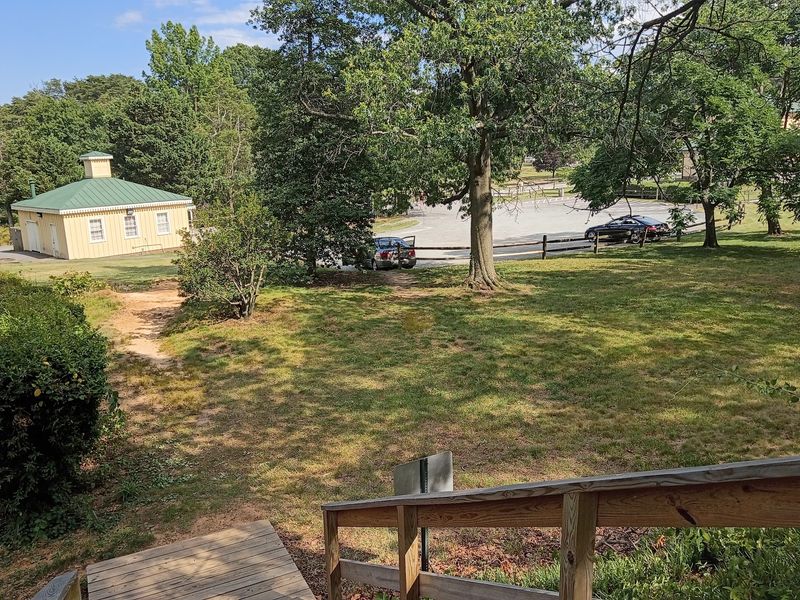
Time to make it official. Fort Ward Museum & Historic Site waits at 4301 W Braddock Rd, Alexandria, VA 22304, just minutes from busy highways yet worlds away in mood.
Driving is the easiest way to arrive, with free parking lots near the museum and along the park road. A second lot sits behind the museum, connected by a small bridge.
Accessibility keeps improving, though stairs lead to some fort features. Checking the official city website before a visit helps you plan around any updates or closures.
Pair the trip with Old Town Alexandria for a full day out. Historic streets, waterfront views, and fun shops are just a short drive away.
Seasons all bring their own charm. I would pick a crisp autumn afternoon, when the trees glow and the cannons look straight out of a painting.
So, are free spots underrated in Virginia? This one makes a pretty convincing case.
Grab your walking shoes, pack a picnic, and round up your favorite history nerds. The fort has stood guard long enough, and it is about time you showed up for duty.
