Botanical gardens are usually crowded. You pay for parking, wait in line, and shuffle through with hundreds of other visitors.
But this Virginia garden is different. It is one of the most beautiful in the state, and hardly anyone knows it exists.
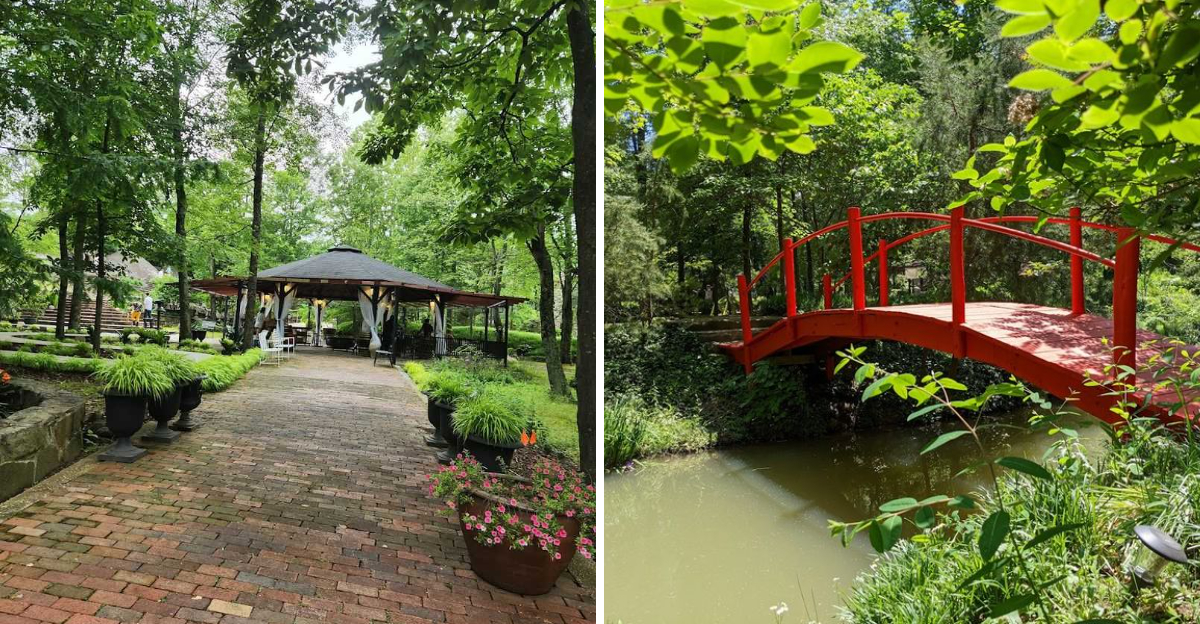
The paths are quiet, the benches are empty, and the only sounds are birds and the wind in the trees. I spent an afternoon here, wandering through themed sections that showcase plants from around the world.
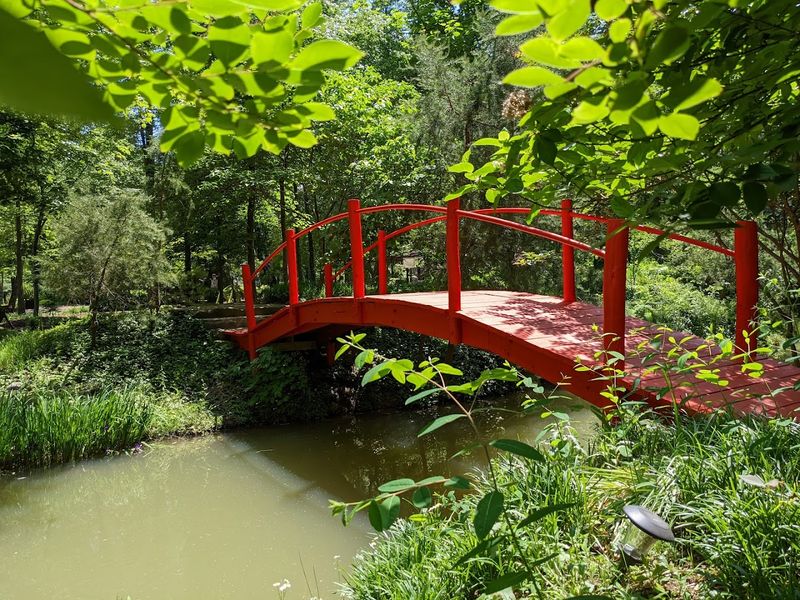
There is a Japanese garden, a rose garden, and a woodland trail that feels like a secret. The garden is free to visit, which makes the lack of crowds even more surprising.
Virginia has plenty of famous gardens. This one is a hidden treasure.
Go before the secret gets out.
The 550-Foot Man-Made Mountain That Changes Everything
Most gardens offer flat paths and flower beds. The National Botanic Garden in Chantilly offers a mountain.
Not a hill, not a gentle slope, but a proper 550-foot man-made peak that became accessible to the public in 2024.
Standing at the top, you can see four states stretching out before you. It holds the title of the highest point between the Atlantic Ocean and the Blue Ridge Mountains, which is a genuinely staggering fact for something that was built by human hands on a family farm.
The hike to the summit is a moderate one-mile trek, so wear good shoes and bring water. The trail rewards you with construction details that are fascinating in their own right, massive stone walls and engineered pathways carved into the mountain’s face.
On a clear day, Sugarloaf Mountain in Maryland is visible from the top. The views alone justify the separate ticket fee for the mountain hike.
It is the kind of moment that makes you stop mid-step and just breathe it all in.
Hobbit Town and the Magic of Repurposed Materials
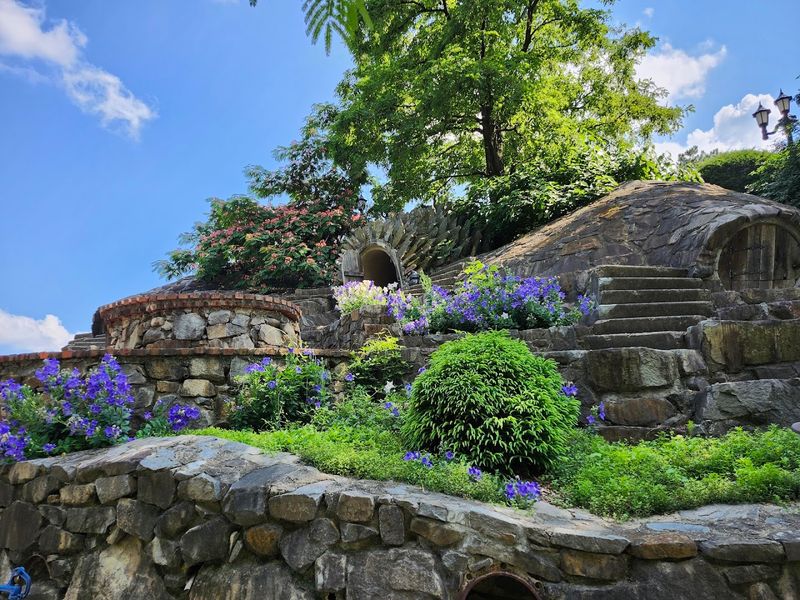
Hobbit Town is the section of the National Botanic Garden in Chantilly that makes adults feel like wide-eyed kids again.
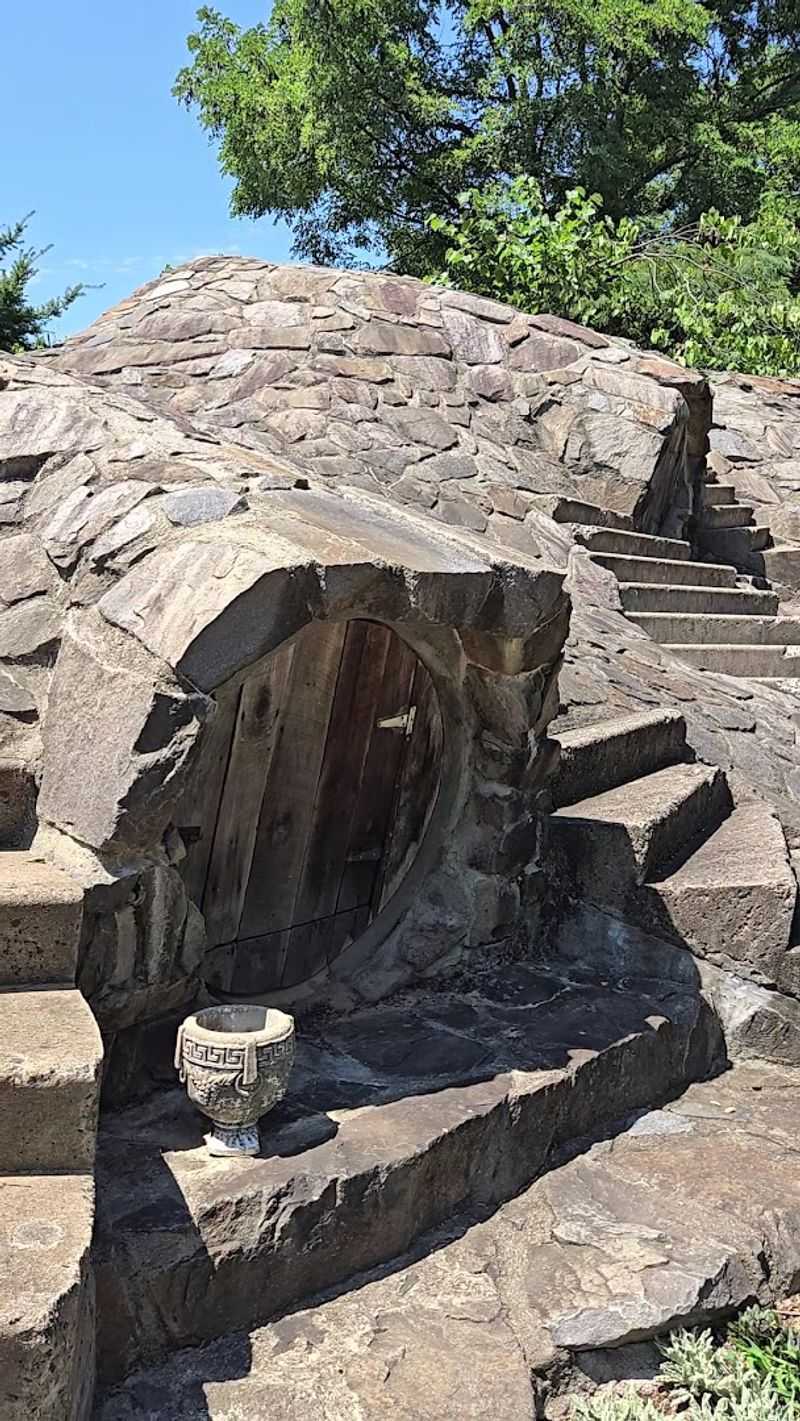
Stone steps wind between small homes featuring round wooden doors. The whole place has this enchanting, fairy-tale quality that is genuinely hard to describe without sounding over the top.
What makes it even more impressive is the backstory. Every structure here was built using repurposed railroad ties, salvaged concrete pipes, and reclaimed wood.
Nothing was wasted, and everything was reimagined into something magical.
The craftsmanship is intricate. Look closely at the stonework and you will notice the kind of detail that takes years of dedication to achieve.
Each mound and doorway feels deliberate, like the builder had a very specific vision of a world slightly apart from our own.
Kids absolutely love climbing around the rock formations, though the uneven terrain means you should keep a close eye on little ones.
Adults tend to linger here longer than anywhere else, pulling out their cameras and forgetting entirely that there is still so much more garden left to explore.
America’s Largest Bamboo Garden Is Right Here in Virginia
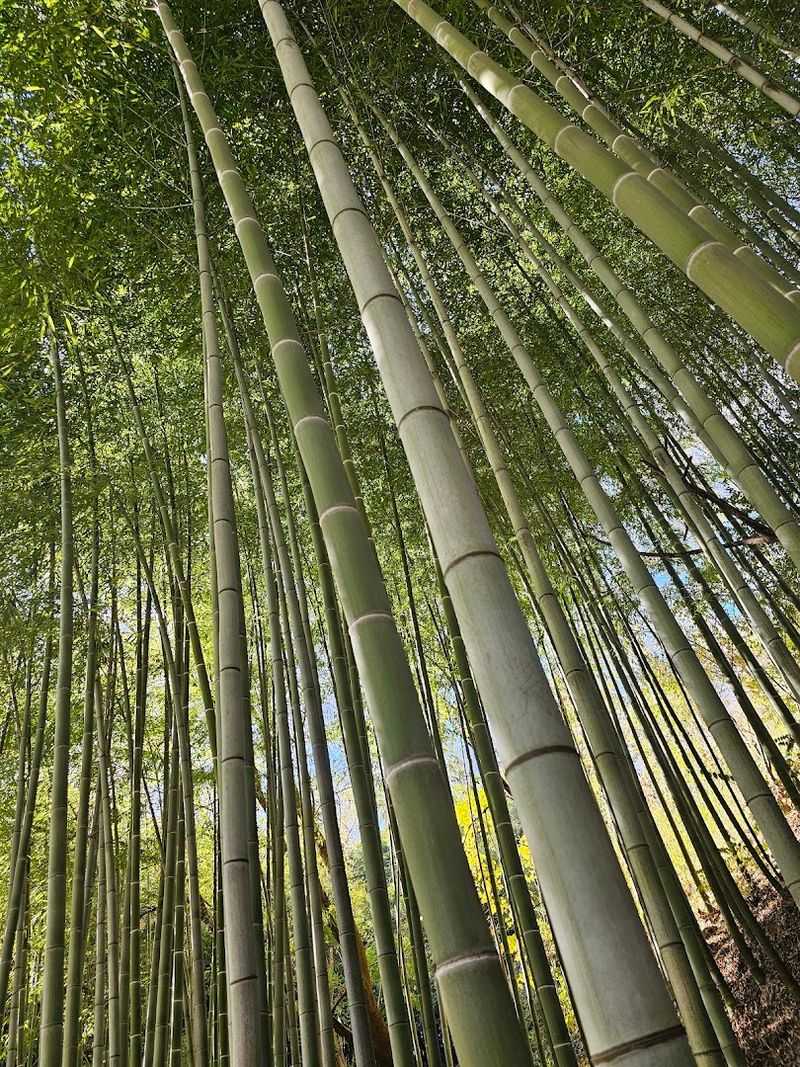
Few people associate Virginia with world-record bamboo gardens, but the National Botanic Garden in Chantilly is home to what is recognized as the largest bamboo garden in America. Walking into it feels like stepping into a completely different country.
The towering green stalks create a natural canopy overhead, filtering sunlight into soft, dappled patterns on the ground below. The sound changes too, that soft rustling of bamboo in the breeze is one of the most calming sounds in nature, and it wraps around you the moment you step inside.
This bamboo has a genuinely impressive pedigree. The garden has supplied bamboo to the National Zoo, where it has been used to feed both pandas and elephants.
Knowing that adds a whole new layer of appreciation when you are standing among those enormous stalks.
The bamboo section connects naturally into the Kyoto-inspired garden area, where man-made waterfalls and sculptures create a meditative atmosphere. Spend time here without rushing.
It is the kind of place where sitting quietly for ten minutes feels more restorative than an entire afternoon anywhere else in Northern Virginia.
The Medieval Castle That Looks Like It Belongs in Another Era
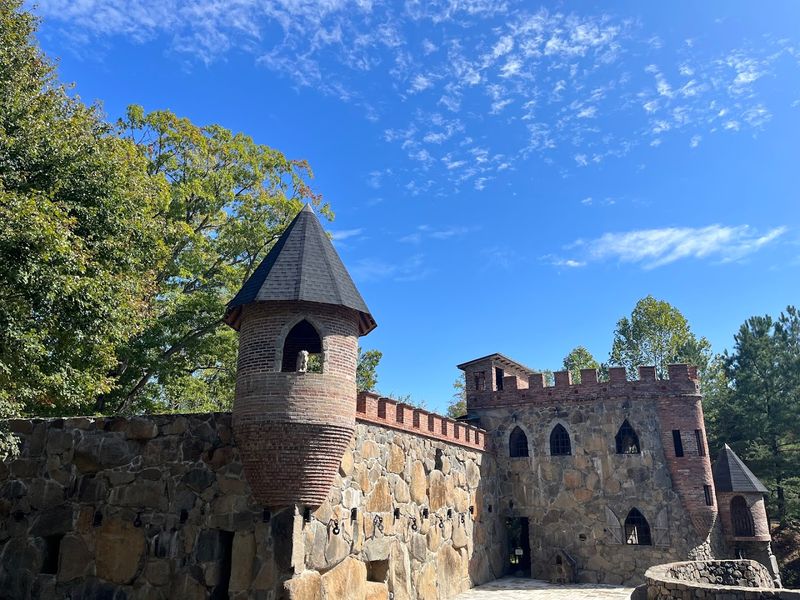
Rounding a bend in the garden path and suddenly spotting a medieval castle is not something most people expect from a day trip in Northern Virginia. Yet there it stands at the National Botanic Garden in Chantilly, constructed from stone and full of architectural ambition.
The castle is still evolving, and that ongoing development is part of its charm. You can walk around the exterior and take in the scale of what is being built here, towers, arched stonework, and walls that look like they were pulled directly from a European countryside.
Peter Knop’s vision for this structure is ambitious by any standard. He is not building a replica or a themed attraction.
He is constructing something that feels genuinely historic, a folly in the grandest tradition of landscape architecture, meant to inspire and astonish in equal measure.
Once completed, the castle is expected to become one of the most photographed landmarks in the entire state. For now, walking around it while it is still taking shape gives you a rare behind-the-scenes feeling, like watching something legendary come to life one stone at a time.
The 827-Foot Dragon Sculpture That Greets You at the Gate
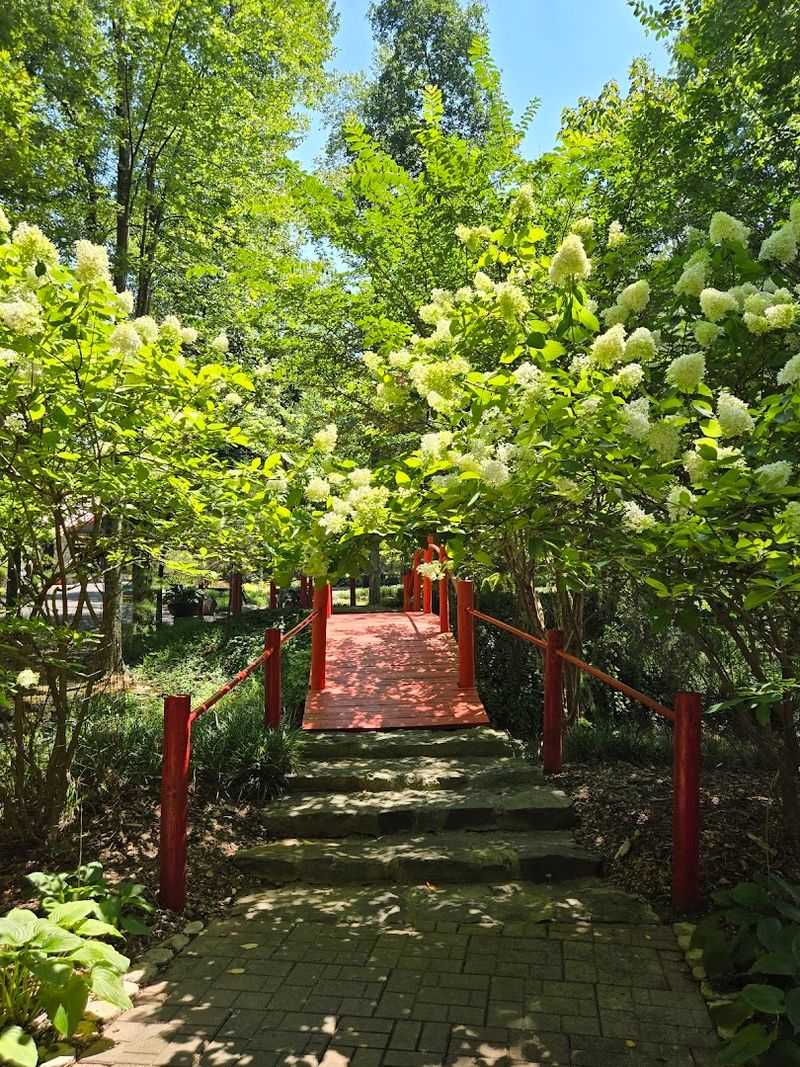
First impressions matter, and the National Botanic Garden in Chantilly makes absolutely certain you will never forget yours. An 827-foot dragon sculpture winds along the entrance, created by artist and co-founder Beata Knop, and it sets the tone for everything that follows.
The scale of this piece is hard to fully comprehend until you are standing next to it. This is not a garden ornament.
It is a statement, a bold declaration that what lies beyond the gate operates by entirely different rules than your average botanical garden.
Beata Knop’s artistic fingerprints are visible throughout the entire property. Her sculptures range from the grand and theatrical to the quietly contemplative, and each one feels like it was placed with careful intention.
The dragon, though, is her showstopper, the piece that makes people stop their cars and reach for their phones before they have even parked.
Art and nature are genuinely inseparable here, and the dragon embodies that philosophy perfectly. It does not sit in the garden so much as grow out of it, like some ancient creature that was always part of this Virginia landscape and is only now being revealed.
The Kyoto Garden Where Waterfalls and Sculptures Share the Stage
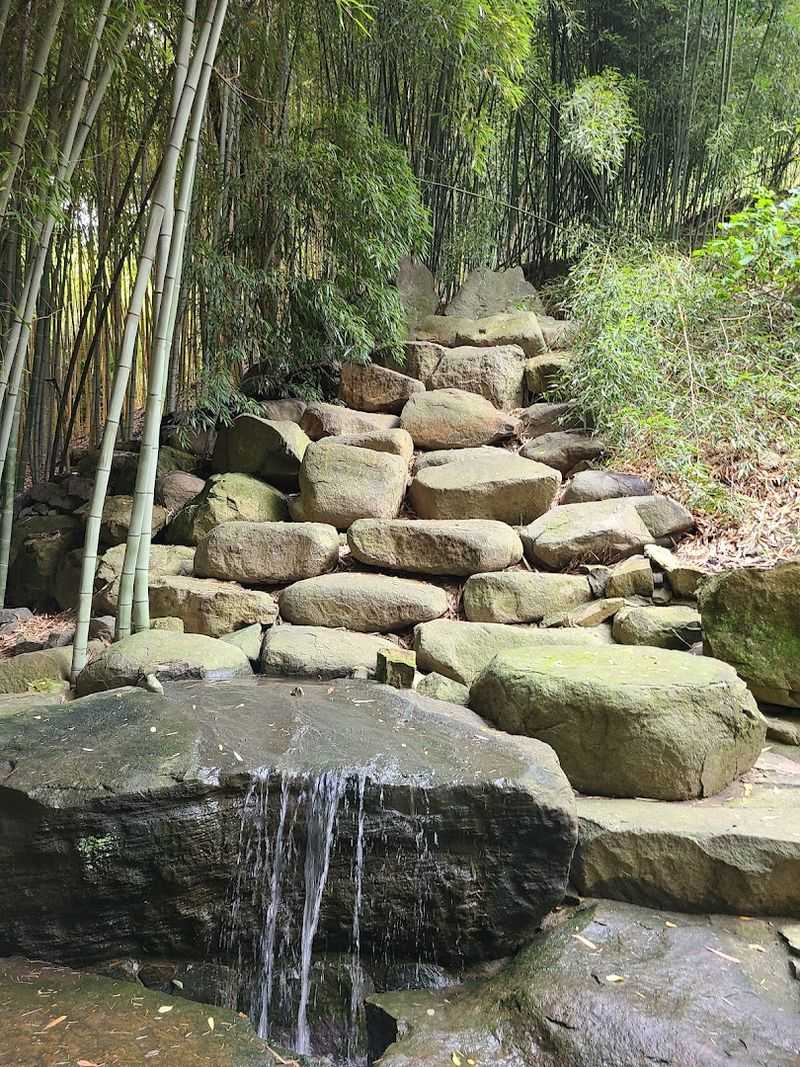
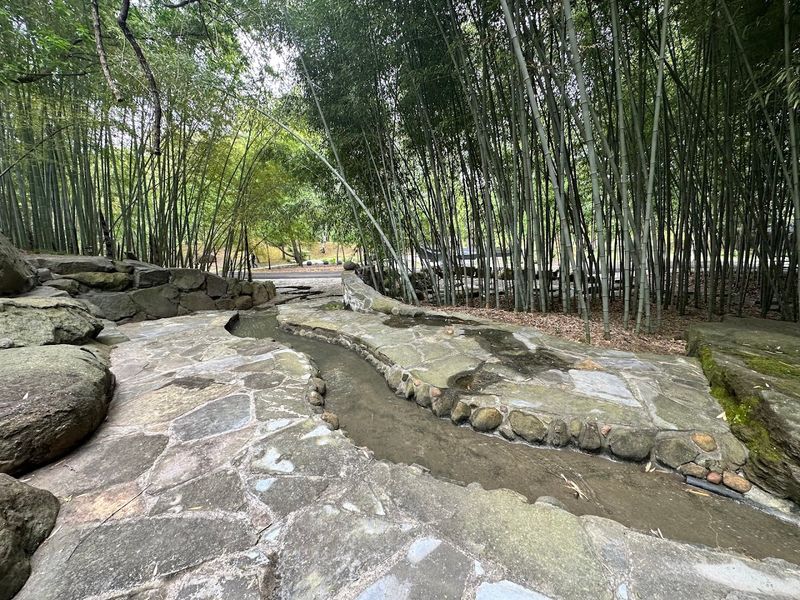
Somewhere between the bamboo groves and the open meadows of the National Botanic Garden in Chantilly, a Kyoto-inspired garden appears like a quiet reward for curious explorers. Man-made waterfalls tumble over carefully placed stones, and sculptures emerge from the foliage at unexpected angles.
The design philosophy here borrows from traditional Japanese garden principles, where every element serves both an aesthetic and a spiritual purpose. Water, stone, plant, and sculpture work together to create a space that feels intentional rather than decorative.
Sitting near one of the waterfalls and simply listening is an experience worth the entire trip on its own. The sound of moving water combined with the rustling bamboo overhead creates a natural sound environment that feels almost engineered for relaxation, though it is entirely organic in its effect.
Virginia is full of beautiful outdoor spaces, but very few manage to evoke the atmosphere of a specific place halfway around the world this convincingly. The Kyoto garden achieves that rare quality, transporting you without a single flight booking required.
It is meditative, beautiful, and genuinely unlike anything else you will find in Northern Virginia.
The Xeric Garden Where Desert Meets the Mid-Atlantic
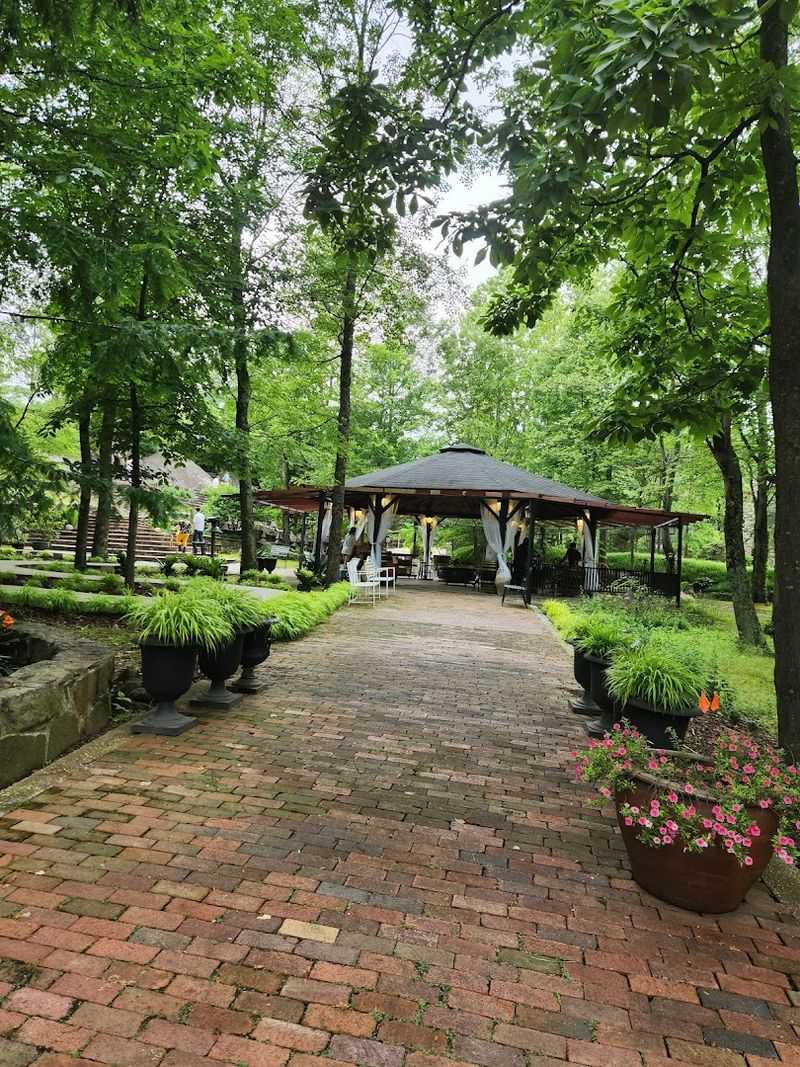
Cacti in Virginia. It sounds like a punchline, but the Xeric Garden at the National Botanic Garden in Chantilly makes it work beautifully.
This section showcases drought-tolerant plants including cacti, yucca, and lavender, creating a landscape that feels like it wandered in from the American Southwest.
The educational value here is real. Xeric gardening is increasingly relevant as climate patterns shift, and this garden demonstrates how to create a stunning outdoor space using plants that thrive with minimal water.
It is practical inspiration wrapped in a genuinely striking visual package.
Lavender rows add unexpected softness to the spiky drama of the cacti, and the contrast between textures is visually arresting. Photographers particularly love this section because the light plays differently here than in the shadier bamboo and forest areas of the property.
For gardeners looking to rethink their own outdoor spaces, the Xeric Garden offers real takeaways. The plant combinations are creative, the layout is thoughtful, and the whole section proves that drought-tolerant does not mean dull.
It is one of the more quietly surprising corners of a garden that is full of surprises from start to finish.
A Lake With a Maze of Islands and Pure Picnic Perfection
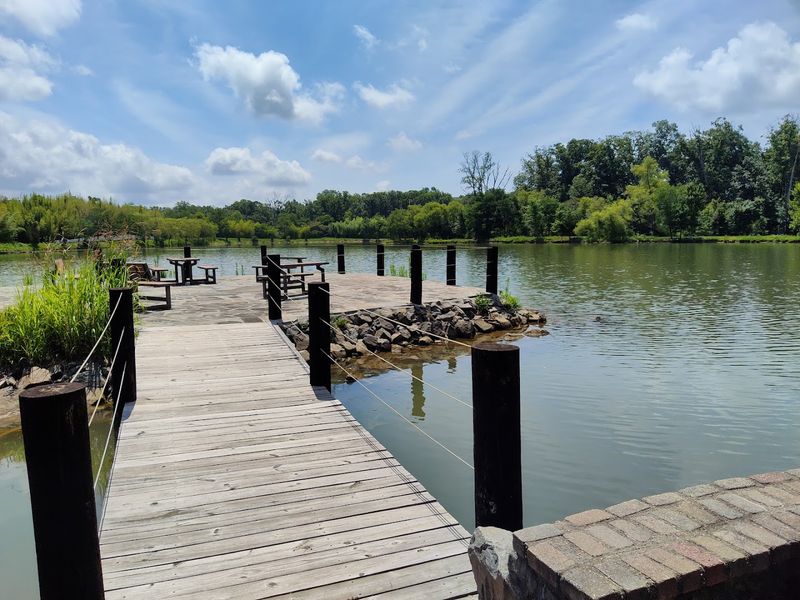
At the heart of the National Botanic Garden in Chantilly, a man-made lake stretches out with a maze of small islands creating an almost painterly scene. Picnic tables are scattered around the shoreline, and on open event days, families spread out blankets and settle in for long, unhurried afternoons.
The lake is one of the most photographed spots in the garden, and it is easy to understand why. The reflections of the surrounding trees and sculptures on the water create compositions that feel almost too good to be real.
Early morning light on the lake is especially dramatic.
Bring your own food and water, since on-site options can be limited depending on the event. A picnic by this lake is genuinely one of the most pleasant ways to spend a few hours in all of Virginia.
The setting is peaceful without being sleepy, and there is always something new to notice.
The islands within the lake are not just decorative. They add a sense of exploration and mystery to the water feature, making you wonder what is growing on each one and how they connect to the larger ecological design of the garden overall.
The Mondrian-Inspired Installation Made From Dulles Airport Salvage
One of the most unexpected art pieces in the entire garden is an installation directly inspired by the geometric grid paintings of Piet Mondrian. What makes it extraordinary is the material: salvaged concrete from Dulles Airport, repurposed and transformed into something vibrant and thought-provoking.
This is sustainability as art, and art as a statement about the potential of discarded materials. The Knops built their entire garden around this philosophy, and the Mondrian installation is perhaps its most intellectually striking expression.
Old infrastructure becomes new beauty.
Standing in front of it, you find yourself thinking about transformation. Concrete that once formed part of an airport terminal now sits in a garden in Northern Virginia, reborn as a colorful geometric grid that makes you think of a Dutch master.
The conceptual leap is genuinely impressive.
For art lovers, this piece alone justifies a visit. It sparks conversation, raises questions about material culture and sustainability, and looks stunning in photographs.
The National Botanic Garden in Chantilly is full of moments like this, where art and nature and recycled history all collide in the most unexpected and rewarding ways.
Planning Your Visit to This One-of-a-Kind Virginia Destination
Getting to the National Botanic Garden in Chantilly is straightforward. Located at 26320 Ticonderoga Road, Chantilly, VA 20152, it sits roughly 30 miles west of Washington D.C. and just 12 miles from Washington Dulles Airport.
The location makes it a genuinely easy day trip from most of Northern Virginia.
The most important thing to know before planning your visit is that this garden operates on a limited schedule. It opens to the public on select days throughout the year, typically once a month, and tickets must be purchased in advance through the official website at nationalbotanicgarden.org.
Showing up without a ticket is not an option.
Pets are not permitted on the grounds, and the terrain varies considerably across the property. Some areas are flat and accessible, while others involve uneven stone paths, steps without railings, and the moderate mountain hike.
Wear sturdy, comfortable shoes no matter what.
Pack your own food and water for the best experience. The garden spans roughly 60 accessible acres, and spending a full afternoon here is entirely realistic.
Virginia has no shortage of beautiful places, but the National Botanic Garden in Chantilly is genuinely in a category of its own. Book early, go curious, and leave amazed.
