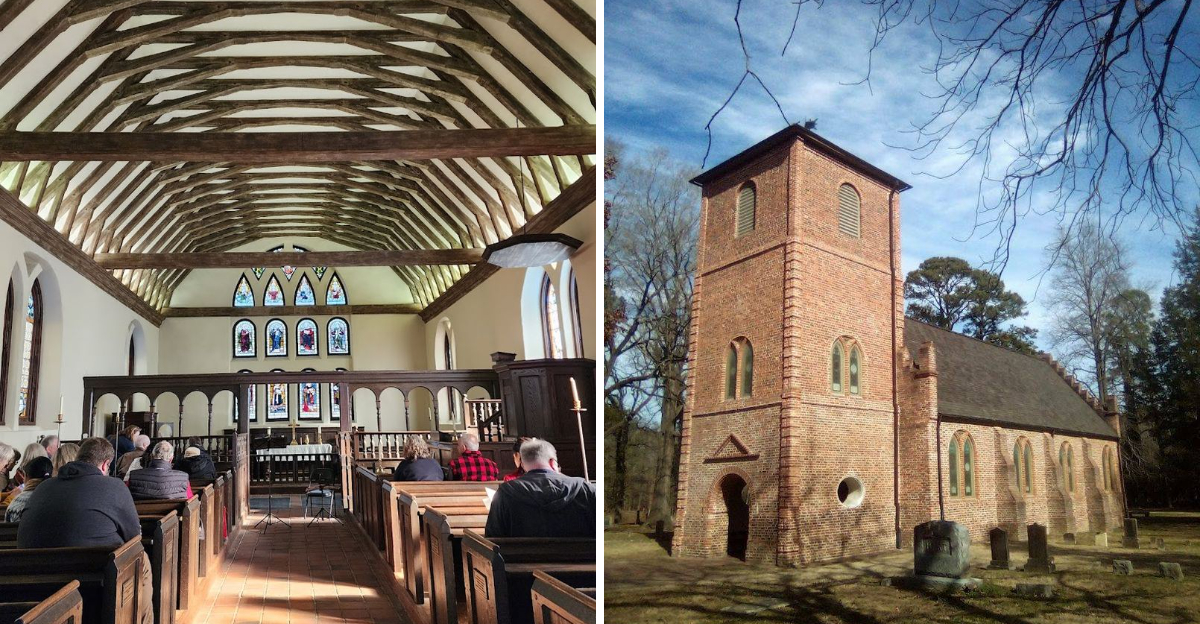
Most drivers pass it without a second glance, and that might be the wildest part. In Virginia, a centuries-old brick church stands quietly, holding layers of history that reach far beyond what most people expect.
It does not demand attention, yet it carries a presence that feels undeniable once you notice it. I found it by accident, and it shifted my entire perspective on early American history in an instant.
What seems simple at first reveals a deeper story with every step closer. For anyone convinced historic churches blend together, this one proves how much character, meaning, and surprise can be packed into a single place.
The Oldest Brick Church in British North America
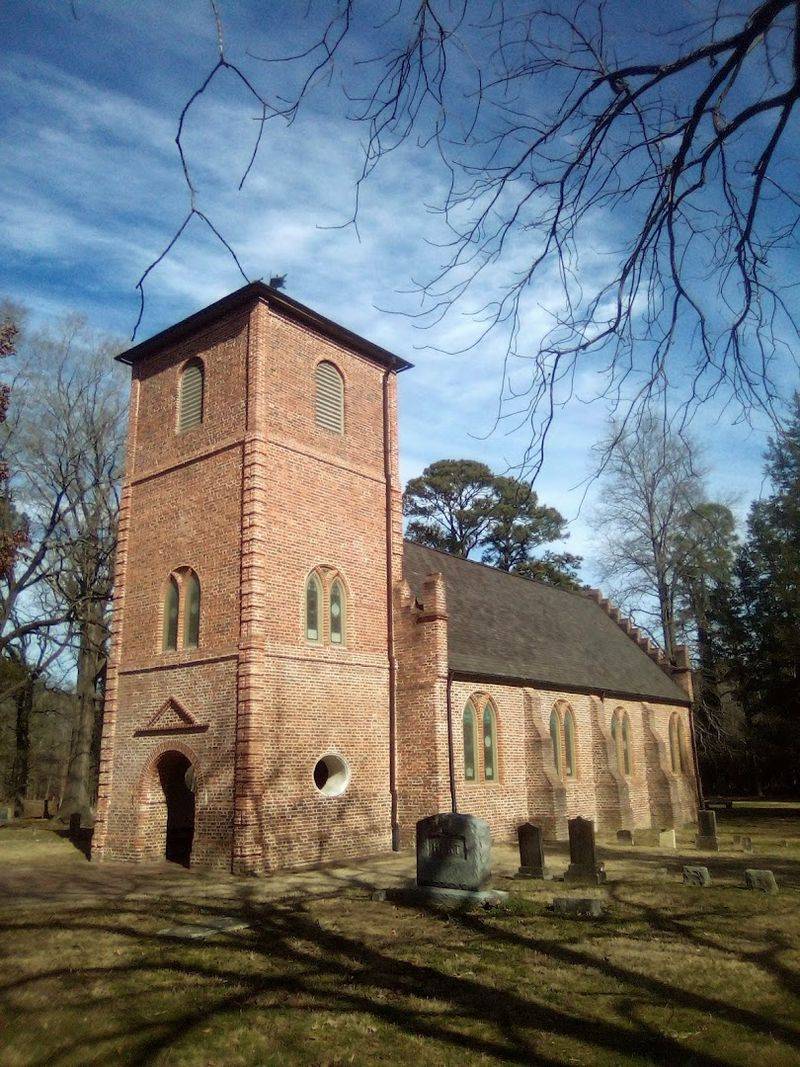
Some buildings just carry weight. The moment you lay eyes on St. Luke’s Historic Church and Museum, you feel it in your chest, that unmistakable sense that something ancient and significant is standing right in front of you.
Built between 1685 and 1687, this remarkable structure holds the title of the oldest surviving brick church in what was once British North America. That is not a small claim.
Across the entire eastern seaboard, no other brick church from that colonial era has endured the way this one has.
Virginia has no shortage of historical landmarks, but this one occupies a category all its own. The sheer fact that these walls have outlasted wars, storms, and centuries of change is almost hard to process.
Standing on the grounds, I kept thinking about all the hands that laid each brick, all the lives that passed through those heavy wooden doors. The church does not just represent old architecture.
It represents the very roots of organized religious life in early America, preserved in remarkable form right here in the heart of Virginia.
Gothic Architecture That Defies Its American Setting
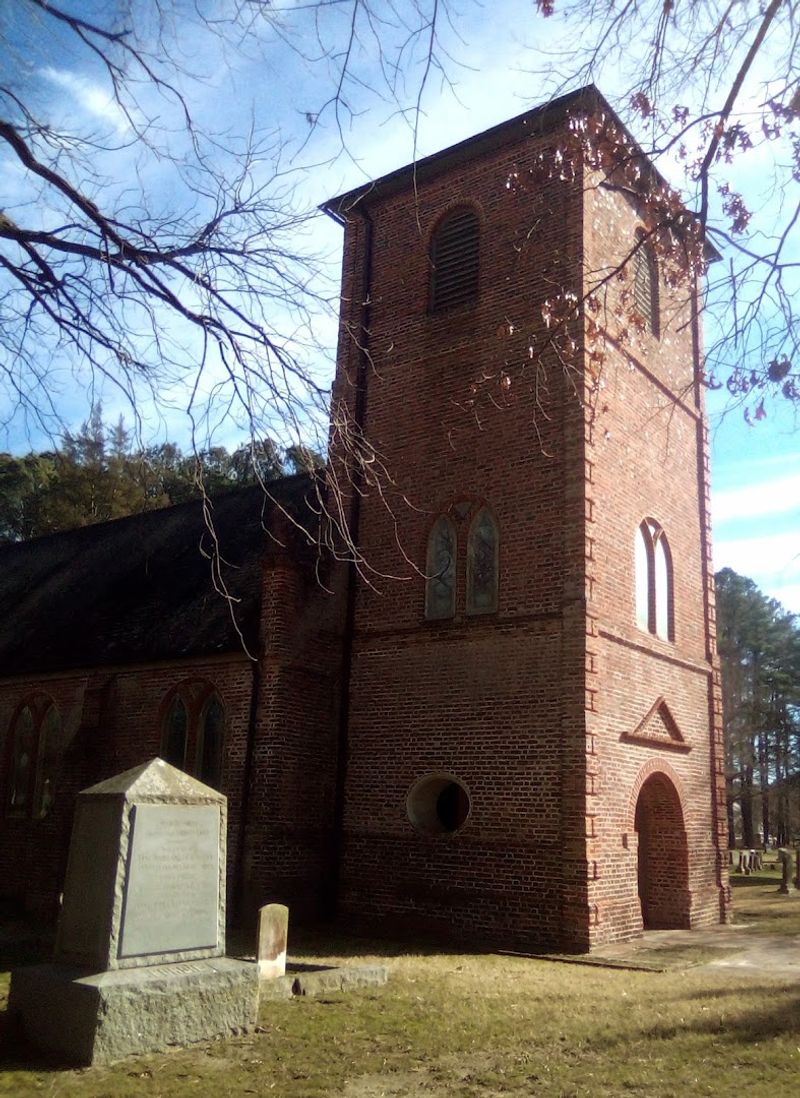
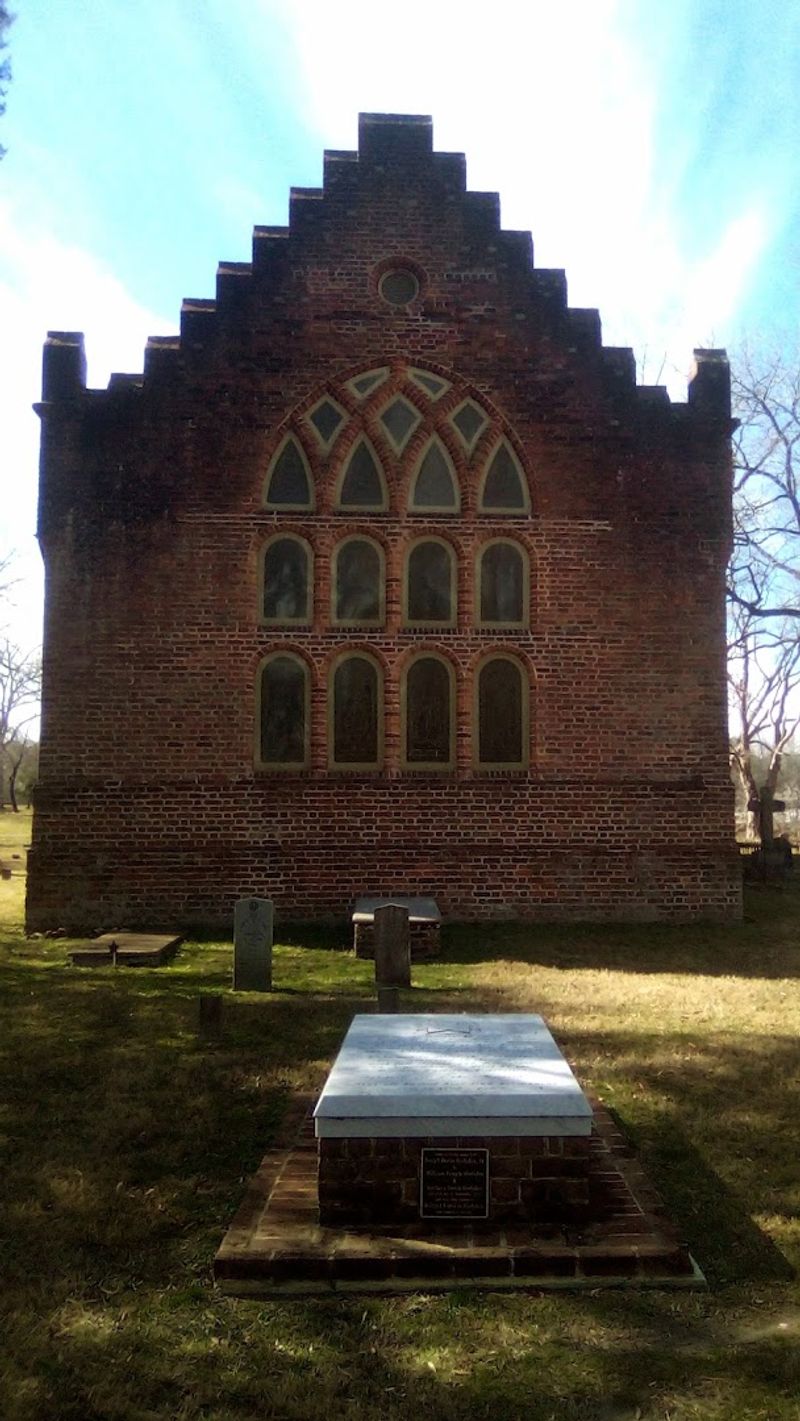
You would not expect to find genuine Gothic architecture in rural coastal Virginia, yet here it stands, completely unapologetic and absolutely stunning. St. Luke’s Historic Church and Museum is considered one of America’s purest surviving expressions of Gothic design, and once you see those lancet windows and buttressed walls up close, that description makes total sense.
The traceried east windows are particularly striking. Delicate stone patterns frame the glass in a way that feels more at home in medieval England than in the American South.
Architectural historians consistently point to this church as a rare and precious example of Old World craftsmanship transplanted directly onto New World soil.
The buttresses along the exterior walls do more than just structural work. They give the building a dramatic, almost cathedral-like silhouette that photographs beautifully from every angle.
I spent a solid twenty minutes just circling the exterior before even stepping inside.
Virginia tends to get credit for its plantation architecture and colonial brick homes, but this church proves the state’s architectural legacy runs even deeper and stranger than most people realize. Gothic in America, centuries before Gothic was fashionable here.
Wild.
A National Historic Landmark With Presidential Recognition
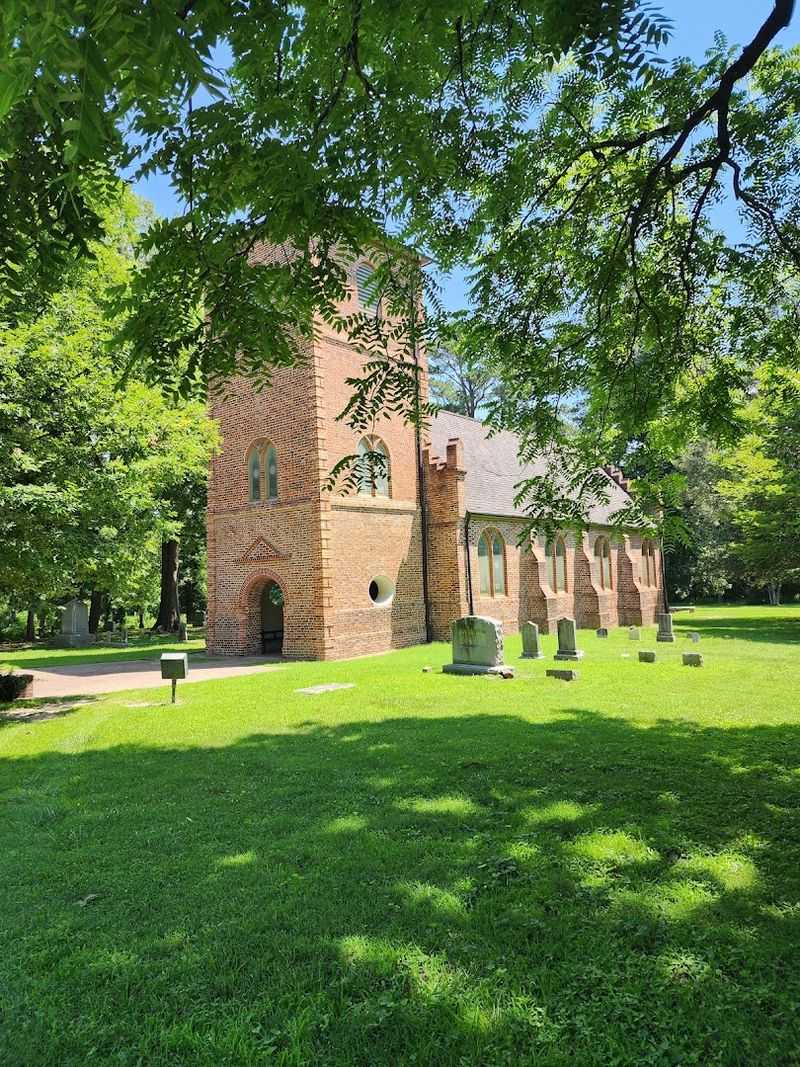
Not every old building earns a presidential nod, but St. Luke’s Historic Church and Museum managed exactly that. President Dwight D.
Eisenhower declared it a National Shrine, a designation that speaks volumes about just how seriously the federal government took its historical importance.
Then, in 1966, the church received designation as a National Historic Landmark, cementing its place among America’s most treasured preserved sites. These are not honorary titles handed out casually.
The process for earning landmark status involves rigorous historical and architectural evaluation, and St. Luke’s cleared every bar with room to spare.
Walking through a site with that kind of official recognition feels different. There is a gravity to it, a sense that the entire country has collectively agreed this place matters and must be protected.
I found myself reading the landmark signage more carefully than I usually would at other sites.
Virginia is home to many nationally recognized landmarks, but few carry the combination of architectural rarity and religious historical significance that this church holds. The presidential shrine designation in particular adds a layer of distinction that makes the visit feel genuinely special, not just locally important but nationally essential.
The Guided Tours That Bring History Alive
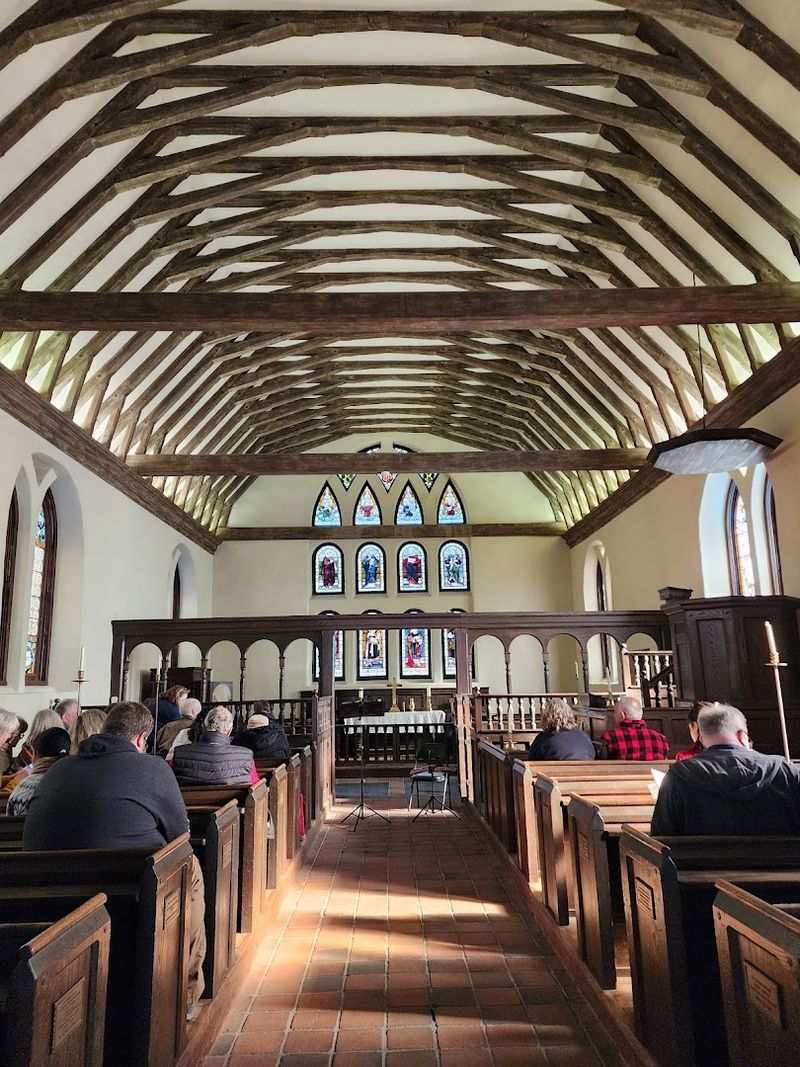
Guided tours at St. Luke’s Historic Church and Museum are genuinely something else. The museum interpreters who lead these tours bring an infectious enthusiasm for the subject that makes even the most architecture-skeptical person lean in and start asking questions.
Tours run seven days a week during open season, and the site also offers self-guided audio options for those who prefer to set their own pace. Both formats deliver serious depth, covering everything from the church’s construction history to its role in shaping early American religious freedom.
What impressed me most was how the guides connect specific architectural details to broader historical narratives. A particular window style suddenly becomes a story about English religious politics.
A worn stone floor becomes a conversation about who actually worshipped here and what their daily lives looked like.
The tour does not feel like a lecture. It feels like a conversation with someone who genuinely loves what they do and wants you to love it too.
For families, history buffs, or anyone curious about Virginia’s colonial past, this is the kind of guided experience that sticks with you long after you have driven home. Absolutely worth every minute.
The Sprawling Grounds and Historic Cemetery
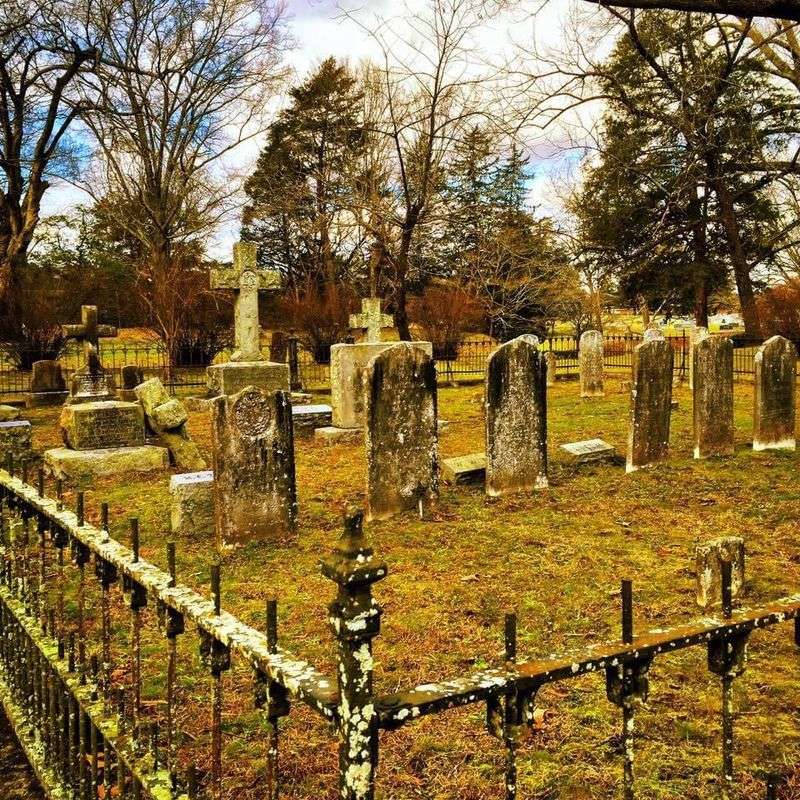
The church building itself is magnificent, but the surrounding grounds deserve their own conversation entirely. Spread across a generous stretch of land, the property includes historic cemeteries that predate even the church construction, making the grounds as historically layered as the building itself.
Walking among the grave markers is a genuinely moving experience. Many of the stones are weathered to the point where the inscriptions are barely legible, yet that worn quality makes them feel even more powerful.
These are real people from the earliest chapters of American colonial life, buried right here in coastal Virginia.
The cemetery paths are clear and easy to navigate, which matters when you want to spend real time exploring rather than watching your footing. Tall trees provide shade and a kind of natural cathedral effect that feels entirely appropriate given the setting.
St. Luke’s Historic Church and Museum maintains the grounds with obvious care and attention. The grass is well-kept, the pathways are accessible, and the overall atmosphere manages to feel both peaceful and historically charged at the same time.
Bring comfortable shoes, slow your pace down, and let the place do its thing. The grounds alone justify the trip.
Religious Freedom and Colonial Virginia’s Complex Story
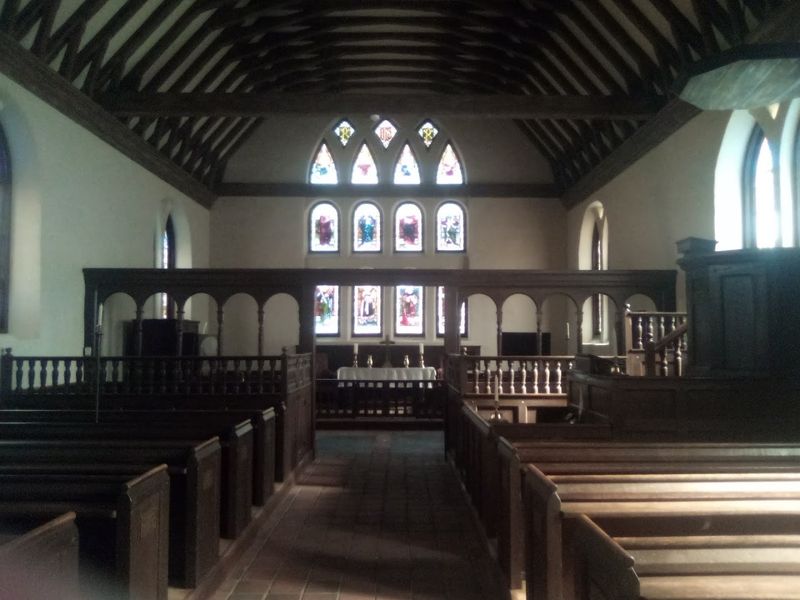
Most people associate the story of American religious freedom with New England, but St. Luke’s Historic Church and Museum makes a compelling case that Virginia’s role in that history is just as significant and considerably more complicated.
The Anglican Church dominated colonial Virginia in a way that blurred the lines between religious institution and local government. Anglican vestries functioned as administrative bodies, overseeing everything from parish records to local welfare.
Understanding this context completely reframes how you think about the separation of church and state as an American ideal.
The church’s history is not just about faith. It is about power, community structure, and the gradual evolution of ideas about individual religious liberty.
The museum’s interpretation of this history is nuanced and honest, which makes the experience feel intellectually satisfying rather than simply reverential.
Virginia produced some of the most influential thinkers on religious freedom in American history, and standing inside this church, you can feel why that conversation mattered so deeply here. The physical space becomes a kind of argument, a reminder that these debates about faith and governance happened in real places, among real people, centuries before they were settled in any official document.
The Gift Shop and Museum Experience
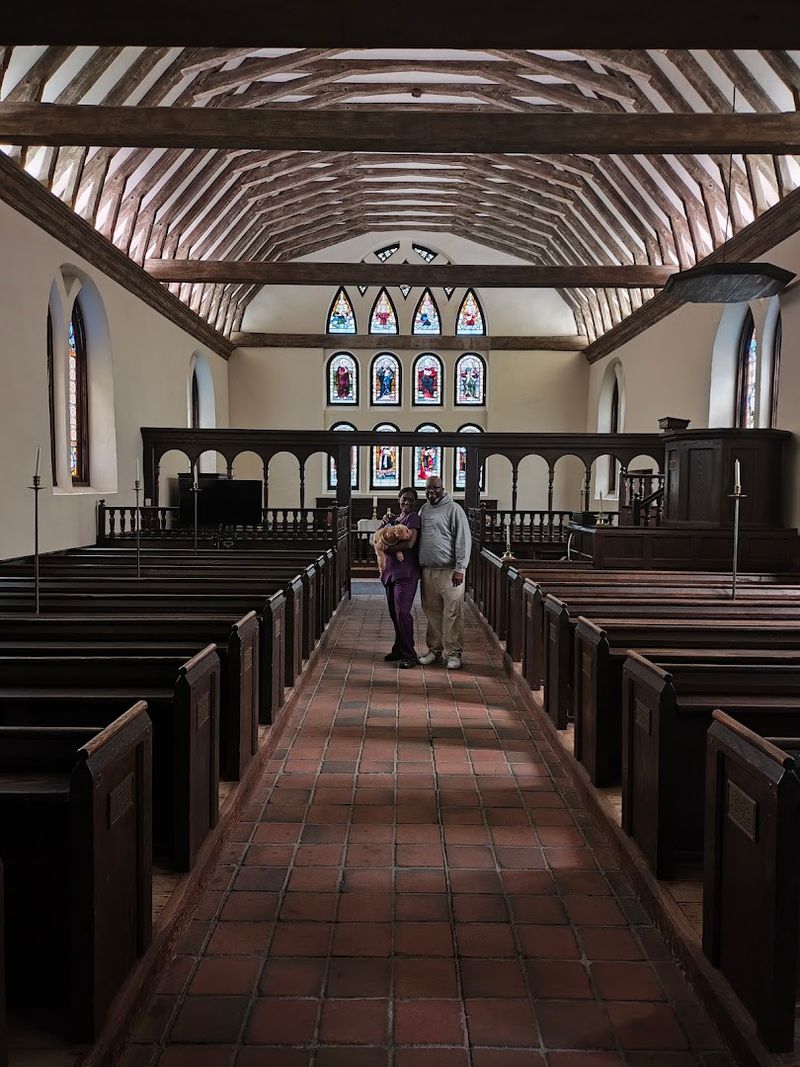
Right at the entrance to the property, the gift shop sets a welcoming tone before the tour even begins. It is the kind of small museum shop that actually has things worth buying, not just generic magnets, but thoughtfully curated items connected to the church’s history and colonial Virginia more broadly.
Books on early American architecture, religious history, and Virginia’s colonial past line the shelves alongside more casual souvenirs. I ended up spending more time browsing than I planned, which is always a good sign.
The selection feels personal and intentional rather than mass-produced.
St. Luke’s Historic Church and Museum participates in the Museums for All program, which reflects a genuine commitment to making this history accessible to as wide an audience as possible. That kind of institutional thoughtfulness comes through in everything from the gift shop curation to the tour format options available on-site.
Picking up something from the shop feels like a small act of support for the nonprofit organization that keeps this landmark alive without any federal, state, or municipal funding. Every purchase directly contributes to preservation efforts, which gives even a simple bookmark a satisfying sense of purpose.
Shop with intention here.
Special Events and Twilight Cemetery Tours
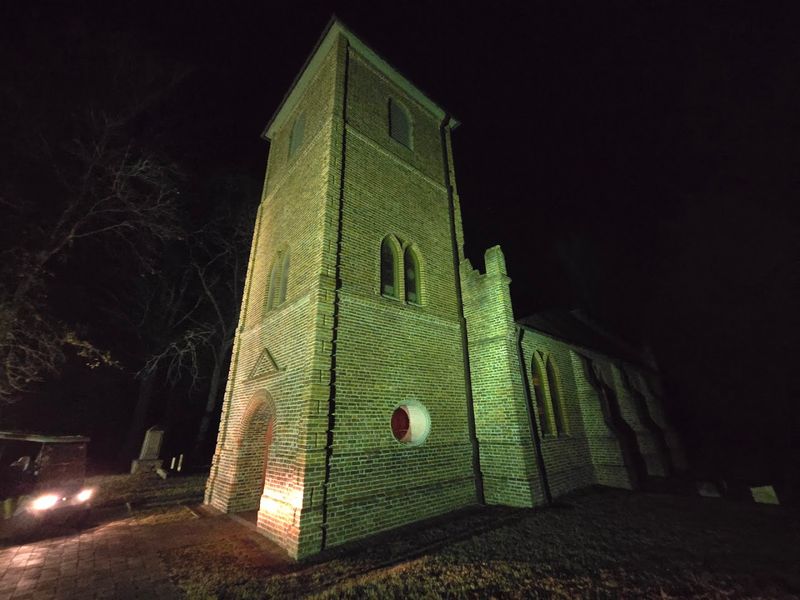
Beyond the standard guided tours, St. Luke’s Historic Church and Museum hosts a rotating calendar of special events that make return visits genuinely worthwhile. The Twilight Cemetery Tours in October are particularly legendary among local history enthusiasts, offering an atmospheric evening experience that is equal parts spooky and genuinely educational.
Academic lectures on topics like the witches of colonial Virginia draw a surprisingly diverse crowd, from serious historians to casually curious locals who just want an interesting evening out. The programming reflects a real commitment to keeping colonial history relevant and engaging for modern audiences.
Cemetery preservation workshops add another dimension entirely, inviting participants to learn hands-on skills for maintaining historic grave markers. It is the kind of programming you rarely see at smaller historic sites, and it signals that this organization takes its stewardship role seriously.
Virginia has plenty of historic sites that stick to a single format and never evolve their programming. St. Luke’s Historic Church and Museum takes the opposite approach, constantly finding new ways to connect a centuries-old story to present-day curiosity.
Check the official website before visiting to see what events are scheduled during your trip. You might end up staying longer than you planned.
The Nonprofit Mission Behind the Preservation
Keeping a 17th-century brick church standing through the 21st century requires more than good intentions. Historic St. Luke’s Restoration, the nonprofit organization that operates St. Luke’s Historic Church and Museum, does this work entirely without federal, state, or municipal funding.
That detail stopped me cold when I first learned it.
Every tour ticket, every gift shop purchase, and every donation goes directly toward maintaining and preserving one of the most historically significant structures in the entire country. The organization operates as a 501(c)(3), meaning it relies entirely on public support and private contributions to keep the doors open.
This funding reality makes the quality of the experience all the more impressive. The grounds are immaculate, the tours are expertly led, and the overall operation feels professional and well-resourced despite the financial constraints.
That speaks to serious organizational dedication at every level.
Supporting a place like this feels different from buying a ticket at a state-funded museum. There is a directness to it, a sense that your visit genuinely matters to the survival of the site.
Virginia is full of history worth preserving, and St. Luke’s Historic Church and Museum stands as proof that passionate people with a clear mission can protect that history without waiting for government help.
Plan Your Visit to 14477 Benns Church Blvd, Smithfield, VA
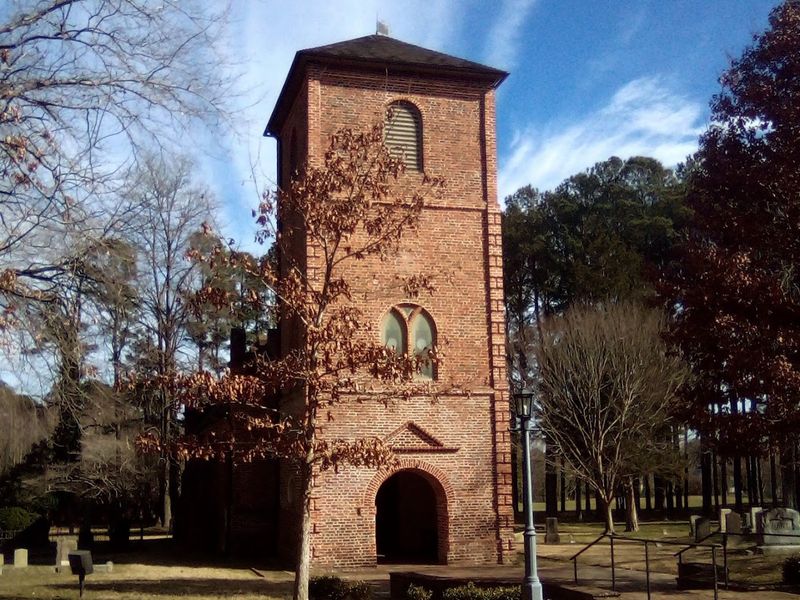
Getting to St. Luke’s Historic Church and Museum is straightforward, and the setting along Benns Church Boulevard feels perfectly suited to a site of this age and character. The address is 14477 Benns Church Blvd, Smithfield, VA 23430, and the drive through this part of coastal Virginia is genuinely pleasant in its own right.
The site is open Thursday through Saturday from 9:30 AM to 5:00 PM, so plan your visit accordingly and check the official website at stlukesmuseum.org for the most current schedule and any upcoming special events. Arriving early gives you the best chance of a relaxed, unhurried experience on the grounds.
Downtown Smithfield is only about ten minutes away, making it easy to combine this visit with an afternoon exploring the town’s shops and historic district. The combination makes for a full and satisfying day out in this corner of Virginia.
Pack comfortable walking shoes, bring a camera, and give yourself more time than you think you need. The grounds reward slow exploration, and the tours tend to spark the kind of curiosity that keeps you asking questions long after the formal part ends.
This is one of those rare places that earns every minute you give it.
Dear Reader: This page may contain affiliate links which may earn a commission if you click through and make a purchase. Our independent journalism is not influenced by any advertiser or commercial initiative unless it is clearly marked as sponsored content. As travel products change, please be sure to reconfirm all details and stay up to date with current events to ensure a safe and successful trip.
