Every beach town has a tipping point. You know the moment: the parking disappears, the coffee line hits fifteen minutes, and a family of six blocks the entire sidewalk.
Locals stop making eye contact. They start using a whispered shorthand just to navigate their own streets.
This particular town has crossed that line so badly that residents have a secret code. It’s not a dramatic code.
Think more like inside jokes and strategic exit routes. They text each other single words to mean “turn around now.” The souvenir shops are happy.
The rental companies are thrilled. The people who actually live there?
They’re hiding in the hills until November. Here is how to spot the signs before you become part of the problem.
The Crowd Problem Is Real and Locals Know It Well
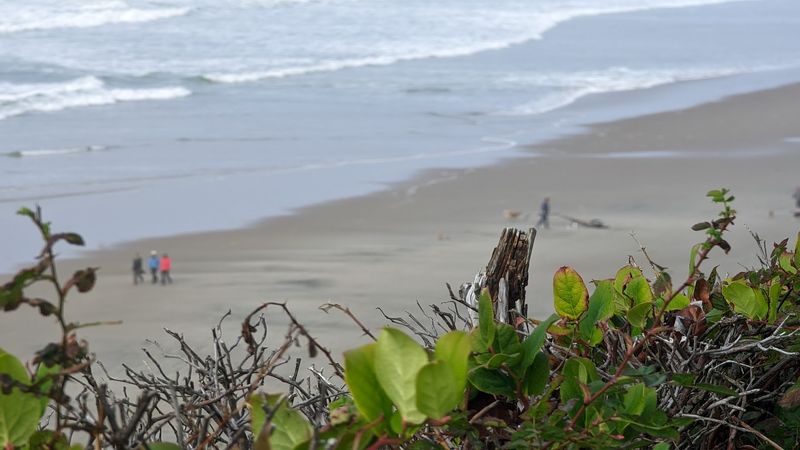
Parking lots fill up fast in Lincoln City. On summer weekends, Highway 101 becomes a slow crawl of out-of-state plates and loaded minivans.
Locals have quietly built a mental map of when to go and when to stay home. Some avoid the beach entirely on holiday weekends.
Others head out before 8 a.m. or after 6 p.m., when the crowds thin out fast.
The unspoken code is simple: know the clock. Tuesdays and Wednesdays are the sweet spot.
Midweek visits feel like a completely different town, calm, open, and easy to enjoy.
Visitors who arrive Friday afternoon often spend more time in traffic than on the sand. Arriving Sunday evening instead of Saturday morning changes everything.
Lincoln City rewards the flexible traveler more than almost any beach town on the Oregon coast.
D River State Recreation Site Is Tiny But Mighty
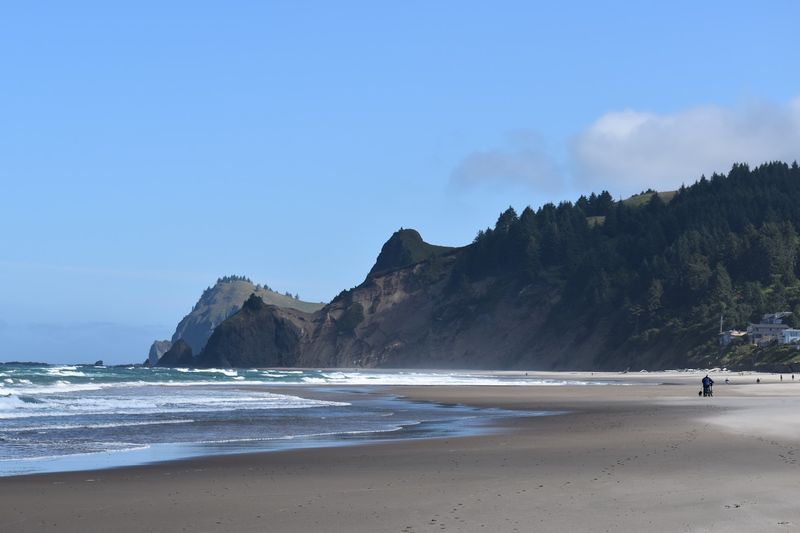
The D River holds a quirky claim to fame. It is officially one of the shortest rivers in the world, stretching just a few hundred feet from Devils Lake to the Pacific.
D River State Recreation Site sits right where that little waterway meets the sand. It is a surprisingly popular spot for kite flying, thanks to reliable coastal winds that keep kites airborne with almost no effort.
Families with kids love it here. The wide beach feels open and relaxed compared to more crowded sections of town.
You can wade in the shallow river mouth or just sit and watch the surf roll in.
Parking here fills up fast on weekends. Locals often time their visits for early morning, when the light is golden and the beach is nearly empty.
It is one of those spots that looks ordinary on a map but feels magical in person.
Devils Lake Is the Inland Secret Most Tourists Skip
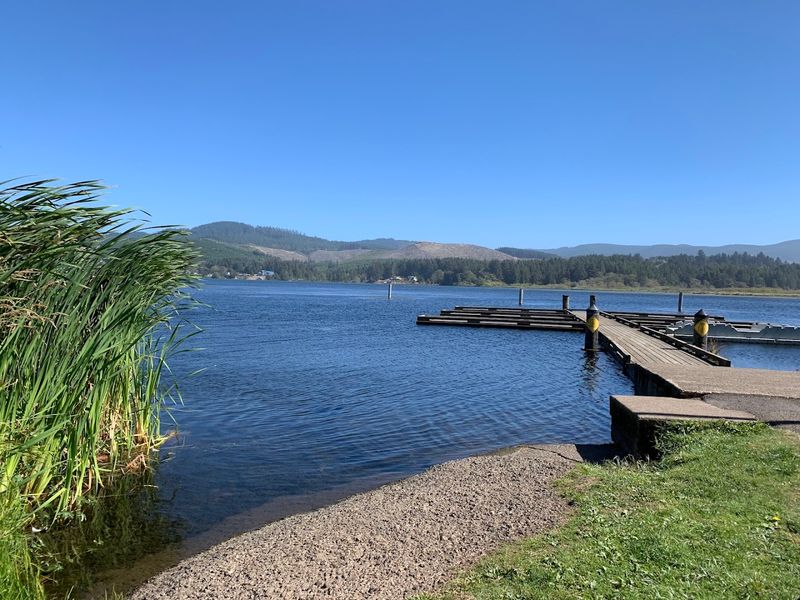
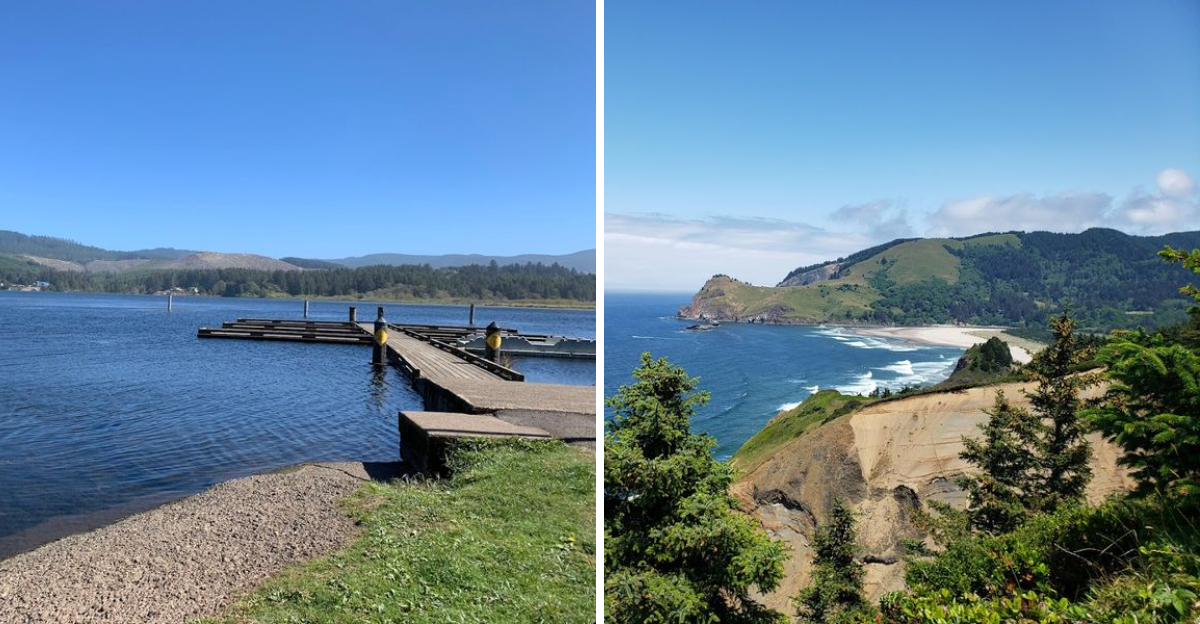
Most visitors head straight for the ocean and never look back. That means Devils Lake stays quieter than you might expect for such a beautiful spot.
The lake sits just inland from the beach, connected to the Pacific by the tiny D River. Devils Lake State Recreation Area wraps around its shores with campgrounds, kayak launches, and easy walking trails through coastal forest.
Renting a kayak here on a weekday morning is a completely different experience than fighting for beach space. The water is calm and dark, surrounded by trees that block the wind.
Herons stand motionless along the banks like they own the place.
Campers who book sites here get the best of both worlds. Ocean access is just minutes away, but the campground itself feels tucked away and peaceful.
It is a smart base for exploring Lincoln City without paying resort prices or dealing with peak beach congestion.
The Glass Float Hunt Has Become a Beloved Local Tradition
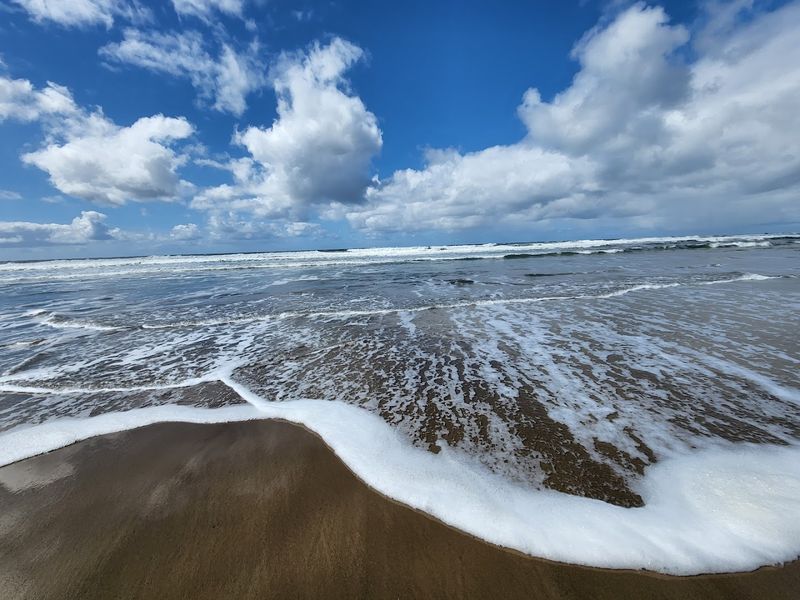
Somewhere along Lincoln City’s seven miles of beach, a glass float is waiting to be found. The city’s Finders Keepers program hides thousands of handblown glass floats on the beach each year.
Local artists create every single one. Each float is unique, signed, and numbered.
Finding one feels genuinely exciting, even for adults who thought they were too old for treasure hunts.
The floats are hidden year-round, but fall and winter drops draw the most dedicated hunters. Early morning walks along the waterline become a ritual for regulars.
Some visitors have found multiple floats across several trips.
The North Lincoln County Historical Museum on SW Highway 101 keeps a collection of historic Japanese glass fishing floats that washed ashore decades ago. Seeing those originals adds real context to the modern program.
It turns a beach walk into something with history and heart behind it.
Roads End State Recreation Site Is the Locals’ Escape Hatch
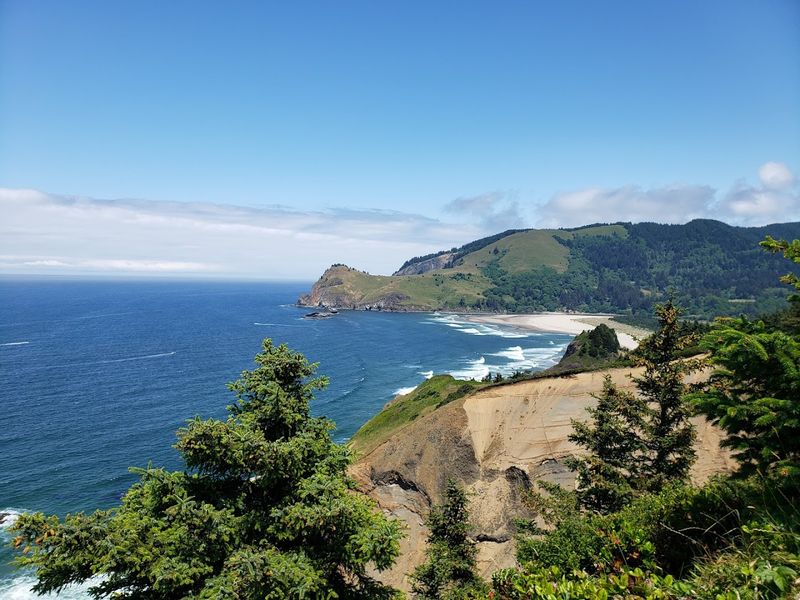
Ask a Lincoln City local where they actually go on a busy weekend and many will quietly mention Roads End. It sits at the northern edge of town, past the resort strips and the souvenir shops.
The site features tide pools, small rocky islands just offshore, and a hidden cove that only reveals itself at low tide. Getting there requires a short walk down a sandy path.
That small effort keeps the casual crowd away.
Tide pooling here is genuinely rewarding. Sea stars, anemones, and tiny crabs tuck into every crack and crevice.
Kids crouch down and stay for hours without anyone asking to leave.
The cove itself feels almost secretive. High rock walls block the wind and muffle the sound of the highway.
It is one of those rare coastal spots where you can actually hear yourself think. Checking tide charts before visiting makes the whole experience significantly better.
The Outlet Mall Factor Drives a Surprising Amount of Traffic
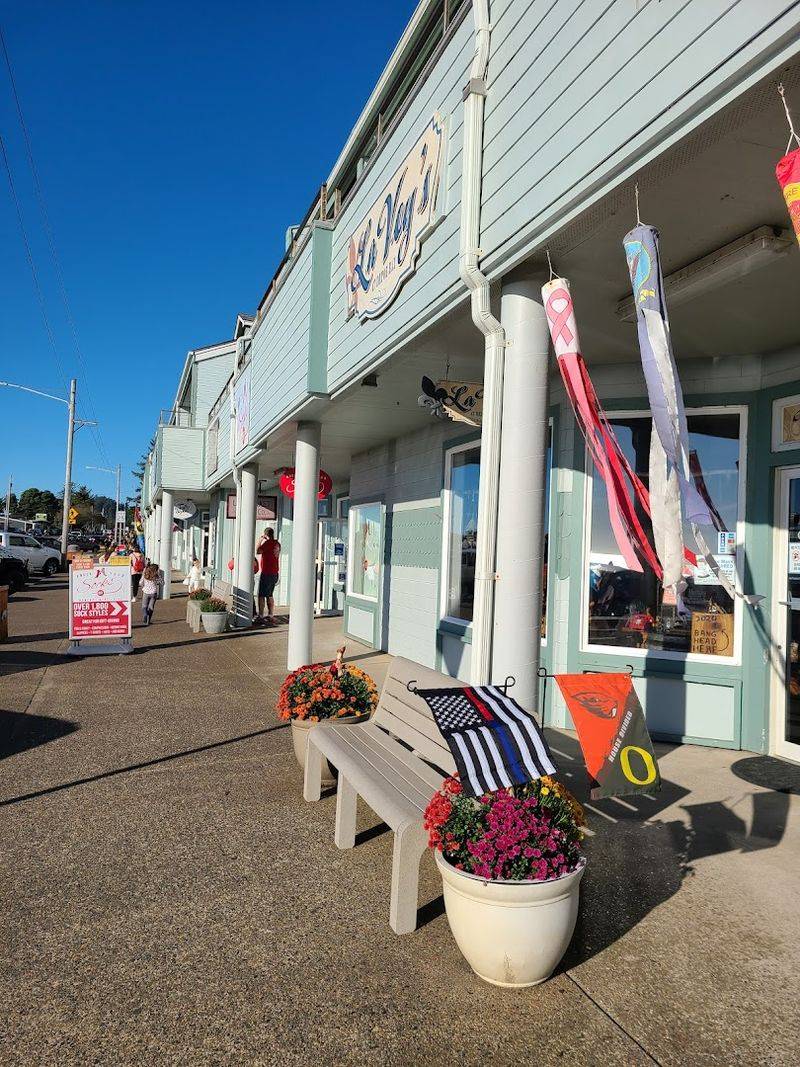
Lincoln City is not just a beach destination. The Tanger Outlets at 1500 SE East Devils Lake Road draw shoppers from across the Pacific Northwest, adding a whole extra layer of traffic to the town.
On long weekends, the outlet mall and the beach create a double magnet effect. Families split their time between the sand and the shops, which means the whole town stays congested longer than a typical coastal stop.
Locals have learned to avoid the main commercial corridor on Saturday afternoons entirely. The stretch near the outlets backs up badly.
Taking back roads through residential areas saves real time.
For visitors, the outlets can actually be a smart move on a rainy morning. Oregon weather is famously unpredictable.
When the fog rolls in thick and the beach loses its appeal, having an indoor option nearby keeps the trip from feeling like a washout. Timing a shopping stop for a drizzly Tuesday morning is practically genius.
Kite Flying Culture Here Goes Deeper Than You Think
Lincoln City takes kite flying seriously. The town hosts two major kite festivals each year, drawing competitors and enthusiasts from all over the country.
The beach geography makes it ideal. Wide open sands, reliable Pacific winds, and long stretches of unobstructed sky create nearly perfect conditions.
You will see everything from simple diamond kites to enormous stunt kites performing aerial loops.
Shops along the main strip stock a serious selection of kites for every skill level. Buying a kite and heading straight to the beach is a perfectly valid Lincoln City afternoon plan.
The learning curve is gentle and the reward is immediate.
Local flyers often gather near the D River mouth, where the wind is especially consistent. Watching an experienced kite handler work a dual-line stunt kite is genuinely impressive.
It looks effortless, but the control involved is remarkable. Kite flying here is not a tourist gimmick.
It is a real part of the town’s coastal identity.
The North Lincoln County Historical Museum Deserves More Attention
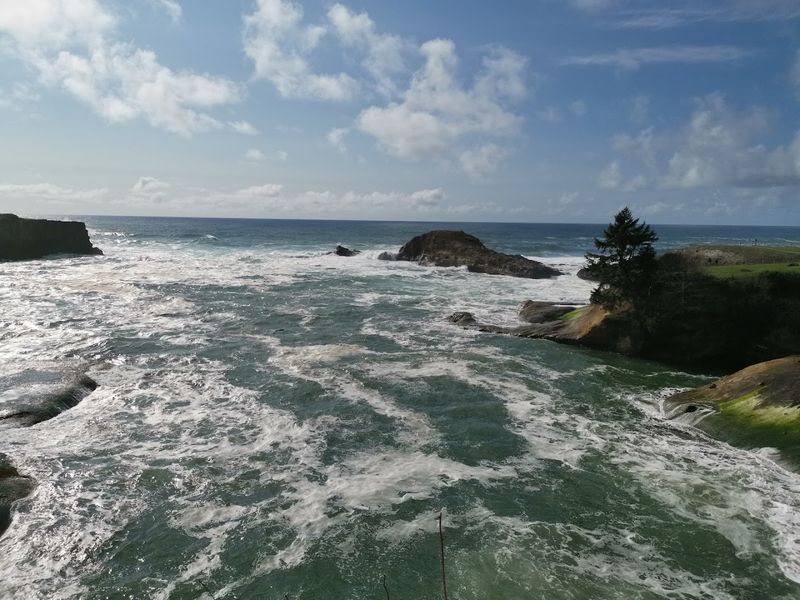
Most people drive past the North Lincoln County Historical Museum without a second glance. That is a genuine shame, because the collection inside is surprisingly compelling.
The museum holds an impressive display of Japanese glass fishing floats that drifted across the Pacific and washed ashore on Oregon beaches over many decades. Each one is a small, colorful artifact of a journey that spanned thousands of ocean miles.
Exhibits cover the full history of the central Oregon coast, from Native American heritage to the logging and fishing industries that shaped the region. The displays are well organized and easy to follow.
Nothing feels dusty or forgotten.
Visiting on a weekday afternoon, when the beach crowd is at its loudest, turns the museum into a genuine retreat. It is quiet, cool, and full of things worth knowing.
The staff are knowledgeable and happy to talk. It is the kind of local gem that rewards curious travelers who look past the obvious attractions.
Local Timing Tricks That Actually Work in Lincoln City
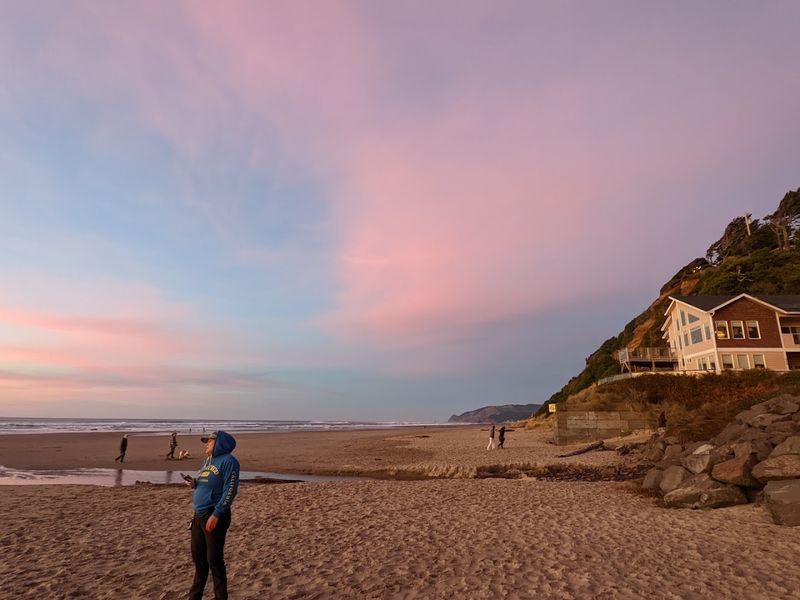
Sunrise visits are the single best-kept secret in Lincoln City. The beach at 6:30 a.m. on a weekend looks nothing like the packed scene that arrives two hours later.
Fog is common in the mornings, especially in summer. That keeps some visitors inside.
But experienced beachgoers know that coastal fog often burns off by midday, leaving clear skies and a much emptier beach than the afternoon crowd will find.
Shoulder season timing matters just as much as daily timing. September and October bring some of the most beautiful weather on the Oregon coast.
Crowds drop noticeably after Labor Day. Hotels become easier to book and prices soften.
Storm watching in winter is a legitimate draw. Powerful Pacific swells roll in from November through February, creating dramatic wave action that draws a different kind of visitor entirely.
The beach is nearly empty on cold weekday mornings, and the raw energy of a stormy Oregon coast is something that stays with you for a long time.
Why Lincoln City Keeps Drawing People Back Despite the Crowds
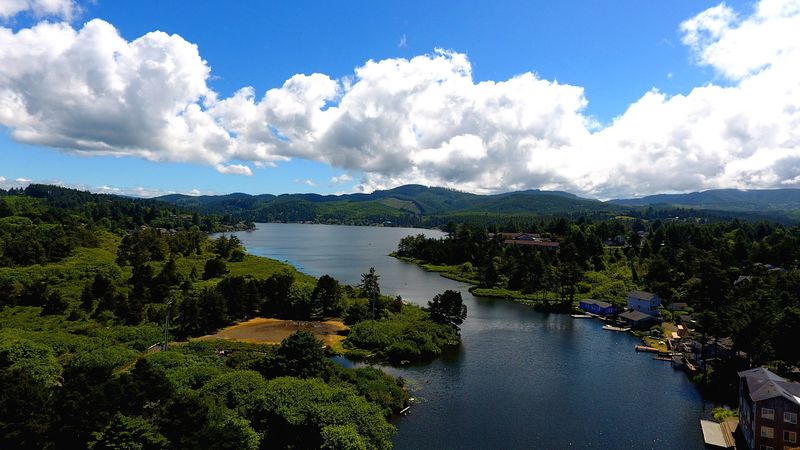
Seven miles of continuous beach is not something most coastal towns can offer. Lincoln City’s long, unbroken shoreline gives it a scale that absorbs crowds better than smaller beach towns.
The variety is part of the pull. Tide pools at Roads End, kite flying near D River, kayaking on Devils Lake, history at the museum, and shopping at the outlets all live within a few miles of each other.
A single trip can hold a dozen different experiences.
The town also sits at a genuinely beautiful point on the Oregon coast. Headlands frame the bay on both ends.
Sunsets here are the kind that make people stop mid-sentence and just look.
Locals who share their timing secrets are not trying to keep the place to themselves. They just want visitors to experience Lincoln City at its best.
The town rewards patience and curiosity. Showing up with both of those things, plus a good tide chart, makes all the difference in the world.
