Foraged ingredients rarely make it onto fine dining menus without losing something in translation. This Oregon restaurant somehow keeps that wild character intact, plating mushrooms pulled straight from nearby forests.
Flavors come out earthy, complex, nothing like the mild versions found in a regular grocery store. Menus shift with the seasons too, following whatever’s actually growing rather than sticking to predictable, year round options most restaurants default to.
Few chefs commit this seriously to foraged ingredients as the centerpiece rather than a garnish or afterthought. Diners here often admit they’d never tasted mushrooms prepared quite this thoughtfully before, surprised by how much range a single ingredient can carry across an entire meal.
Oregon’s forests apparently hide more culinary potential than most people realize. Some ingredients just needed the right kitchen to prove it.
An 1859 Farmhouse With Real History Behind It
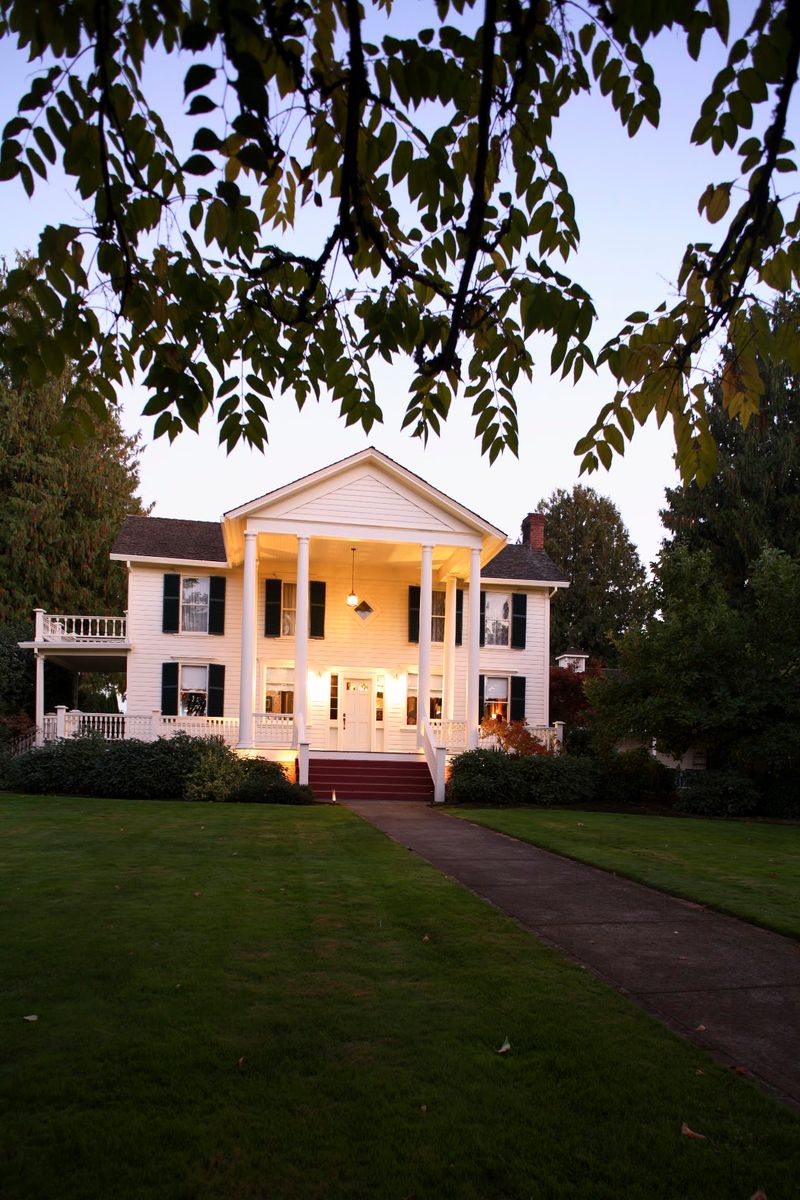
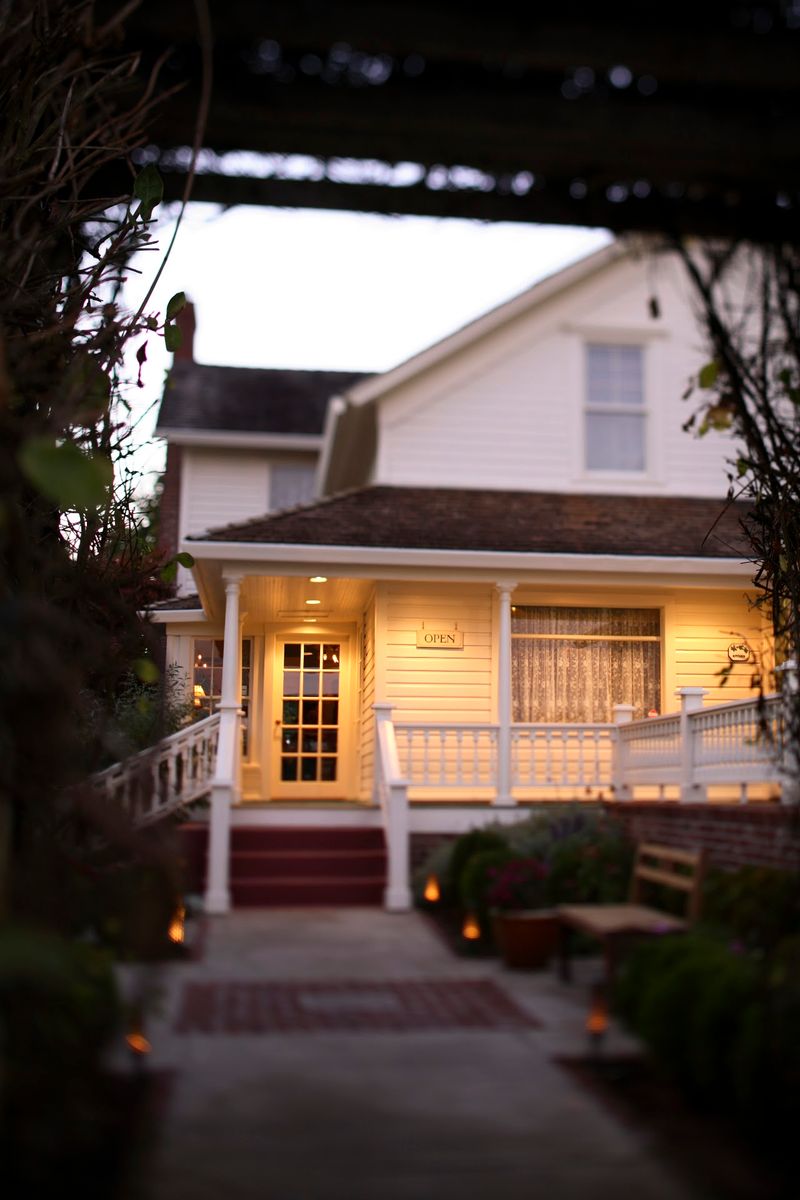
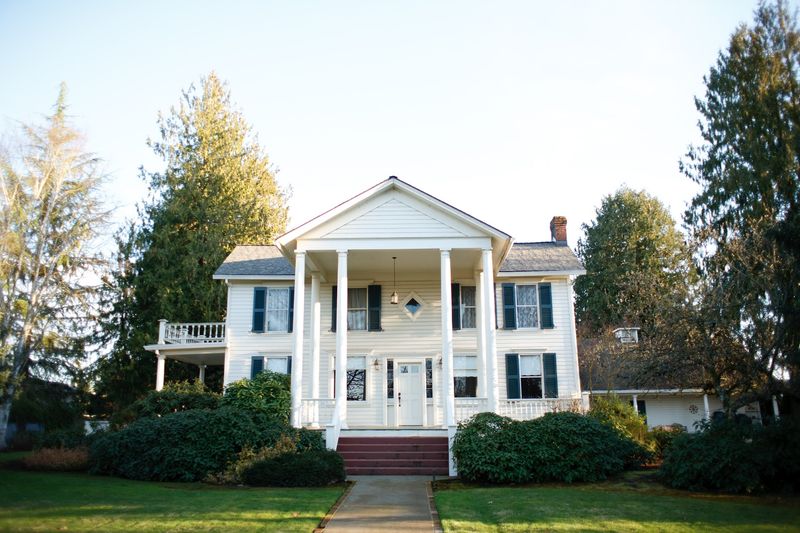
Old houses have a way of slowing people down, and this one does it immediately. Built in 1859, the building carries the name of Joel Palmer, an early Oregon pioneer, and the structure still looks like a proper farmhouse rather than a converted showroom.
White siding, tall windows, a porch, and trees that clearly predate everyone eating inside. It sits on a residential street in Dayton, which makes finding it feel a bit like a treasure hunt.
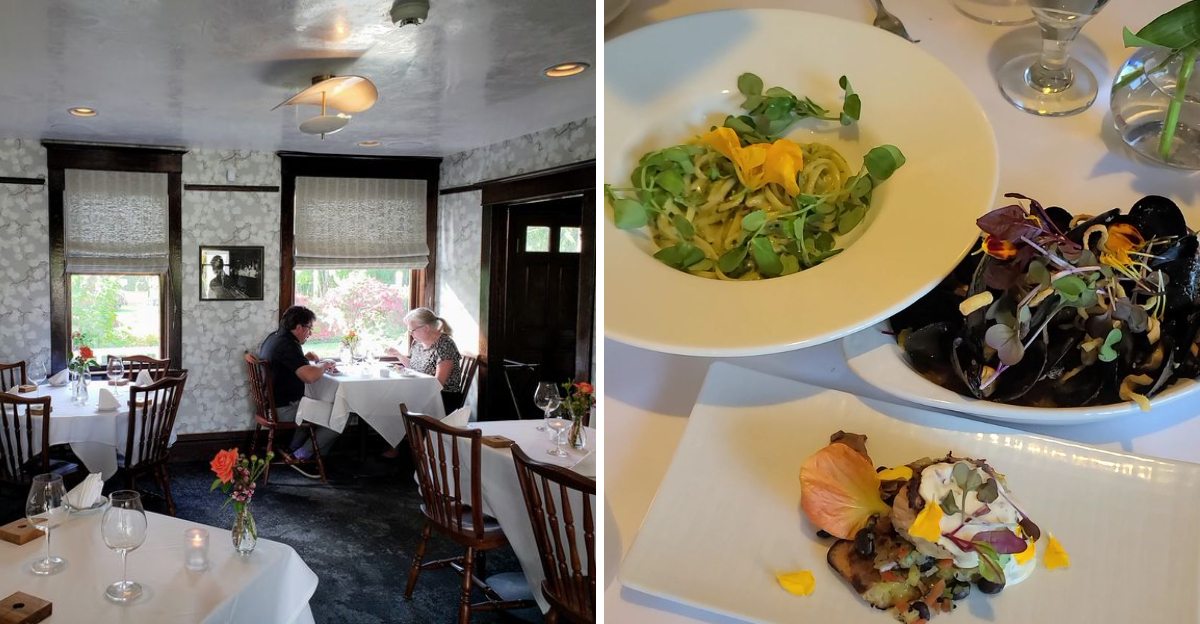
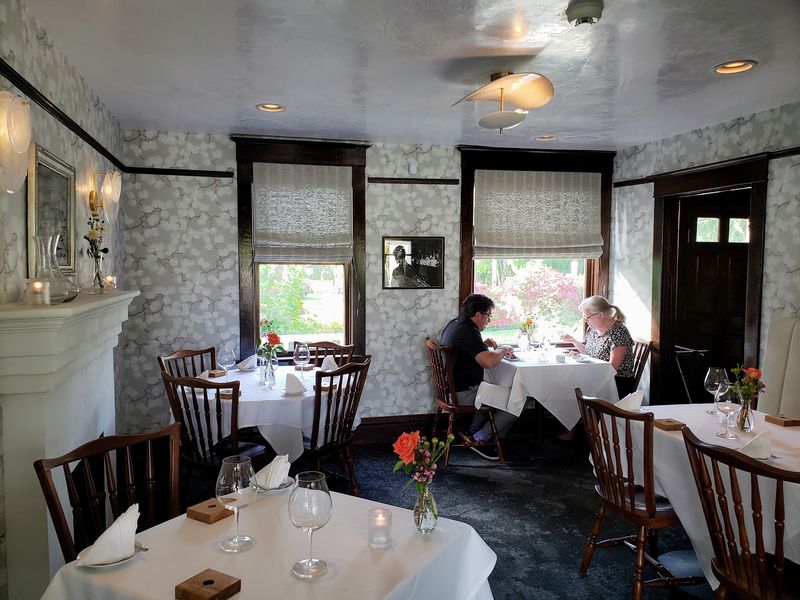
Inside, the rooms stay small and separated the way farmhouse rooms do. Instead of one big dining hall, guests are spread across several cozy spaces, and that keeps conversation soft and comfortable.
The historic bones are respected rather than hidden. Nothing has been stripped down to trendy concrete and steel, which honestly feels rare these days. Eating in a building this old adds something you cannot fake with decor alone.
Foraged Mushrooms As The Heart Of The Kitchen
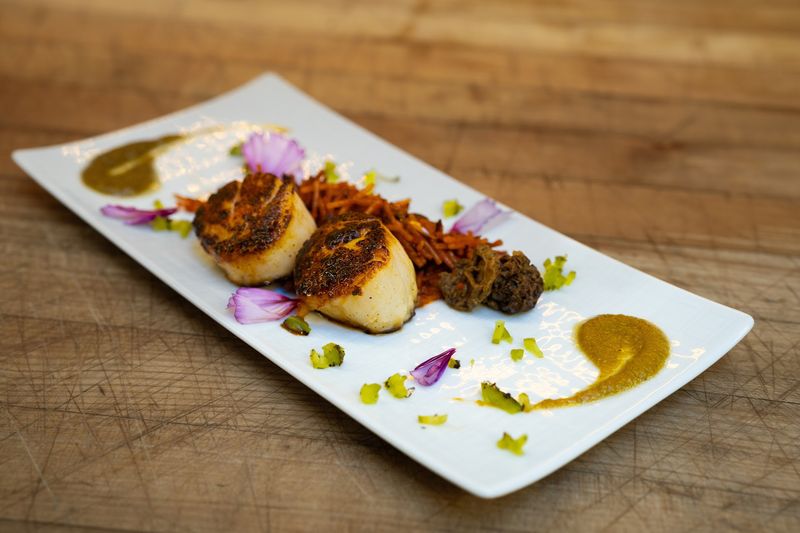
Most restaurants treat mushrooms as a side note. Here they are the main storyline, and the kitchen builds nearly every course around fungi gathered from Oregon forests. Chanterelles, morels, truffles, and whatever the season offers all show up in different roles.
What impressed me was how varied it all tasted. One course might be earthy and rich, the next bright and delicate, and somehow nothing repeated itself or turned heavy.
Oregon happens to be one of the best mushroom-growing regions in the country, thanks to wet winters and thick evergreen forests. The kitchen leans hard into that natural advantage. Guests who think they dislike mushrooms often change their minds by the third plate.
Come curious rather than cautious. The whole point of eating here is tasting how far one humble ingredient can travel when someone really knows what to do with it.
A Tasting Menu Built Course By Course
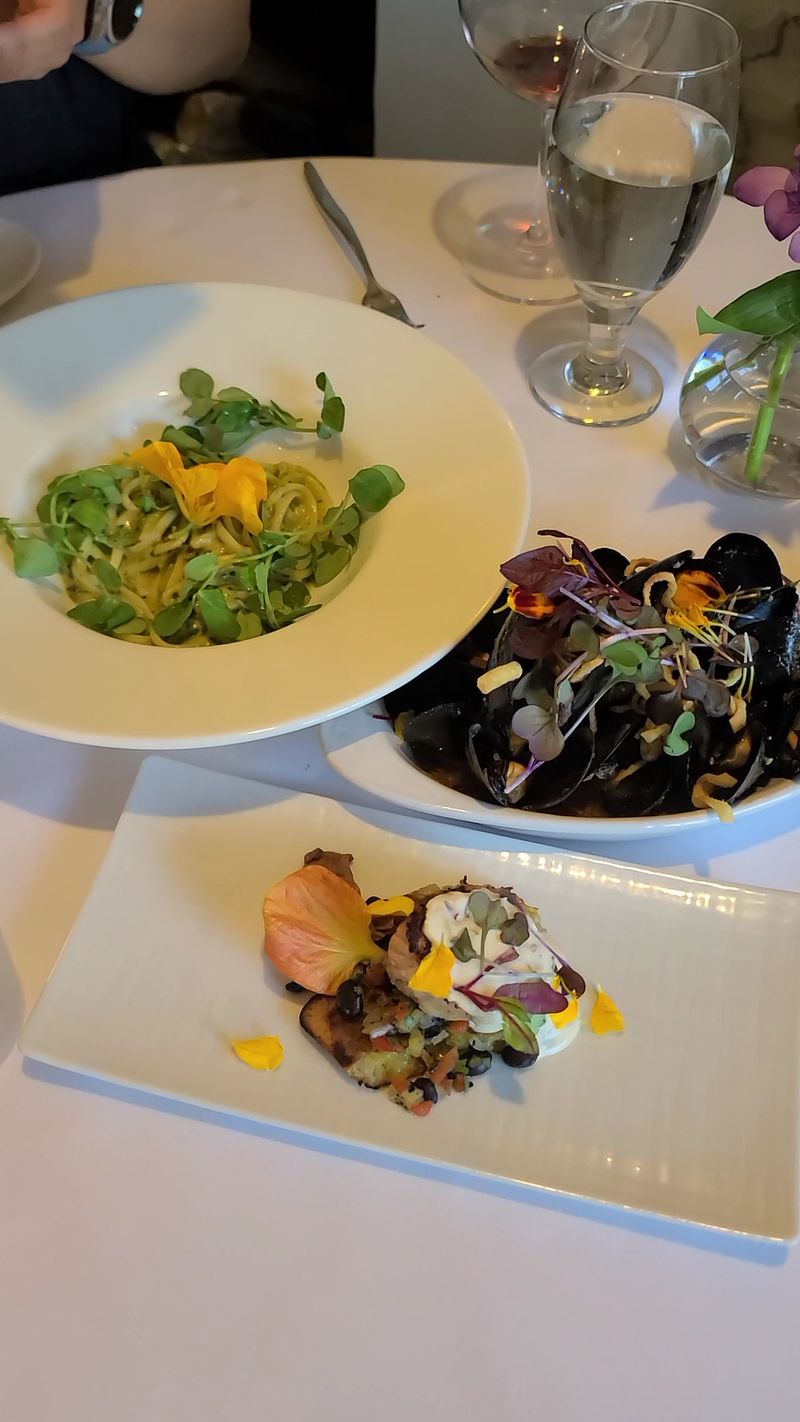
Dinner here is structured, not rushed. Guests choose a base experience, usually a set multi-course menu or the longer omakase style progression, then add extras if they want. Courses arrive as carefully sized portions with small surprise bites tucked between them.
Plan on two to three hours at the table. That pacing sounds long until you are actually sitting there, and then it feels exactly right.
Mushroom soup and the mushroom tart come up again and again in conversation, along with beef stroganoff and duck. Dietary restrictions get handled thoughtfully, and substitutions are common rather than awkward.
My advice is simple. Skip a heavy lunch, wear something comfortable, and let the kitchen decide the direction of the evening. Prices sit firmly in special occasion territory, so treat it as an event rather than a casual weeknight stop. Anniversaries and celebrations suit this place perfectly.
Dayton, A Tiny Town That Hides A Big Reputation
Dayton is the kind of town you could drive through in ninety seconds. There is a small square, a few older buildings, and then farmland stretching out toward the hills. Nothing about it announces that one of Oregon’s most talked-about restaurants sits a couple of blocks away.
That contrast is part of the charm for me. Willamette Valley wine country brings visitors from all over, yet the address here feels genuinely rural, surrounded by houses and gardens instead of tourist traffic.
Parking is easy, the streets are quiet, and the drive in from Newberg or McMinnville takes only a few minutes. Fun bit of trivia: Joel Palmer himself helped found Dayton back in the 1800s, so the restaurant and the town share the same roots.
Arrive early and take a short walk before dinner. The countryside light around here is worth the extra ten minutes.
Service That Starts Before You Reach The Door
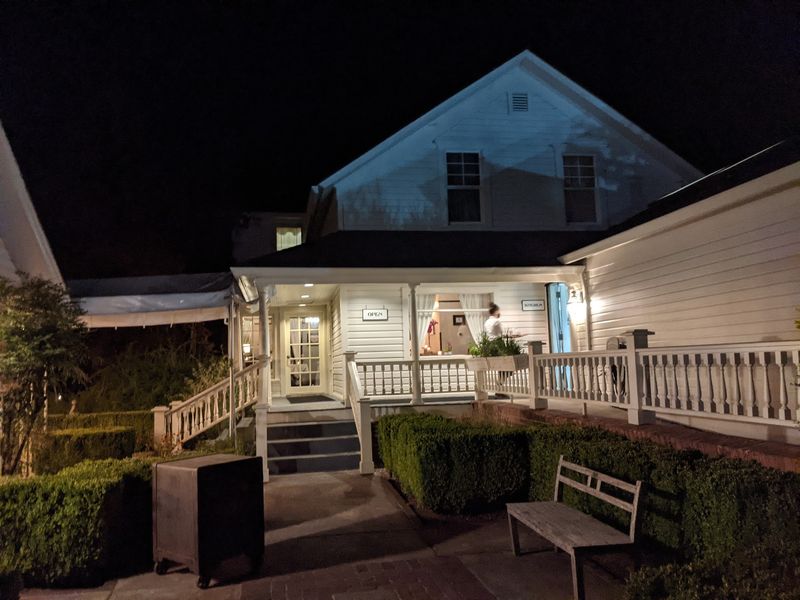
Being greeted outside the building was not something I expected. Staff meet arriving guests near the entrance, welcome them in, and walk them personally to the table. Small ritual, big effect on how the evening starts.
Throughout dinner, the rhythm stays smooth. Plates land at the right moment, each course gets a short explanation, and nobody hovers over the table waiting for compliments. The team explains options clearly for first-time guests, which helps a lot when the menu structure is unfamiliar.
Warm napkins, careful timing, and a relaxed tone keep the mood friendly rather than stiff. Fine dining sometimes feels like a test you might fail, and that never happens here. Guests celebrating birthdays or anniversaries often mention how personal the whole night felt.
Book ahead, mention any restrictions when you reserve, and let the staff guide the pace from there.
The Cellar And Its Famous Pinot Noir Collection
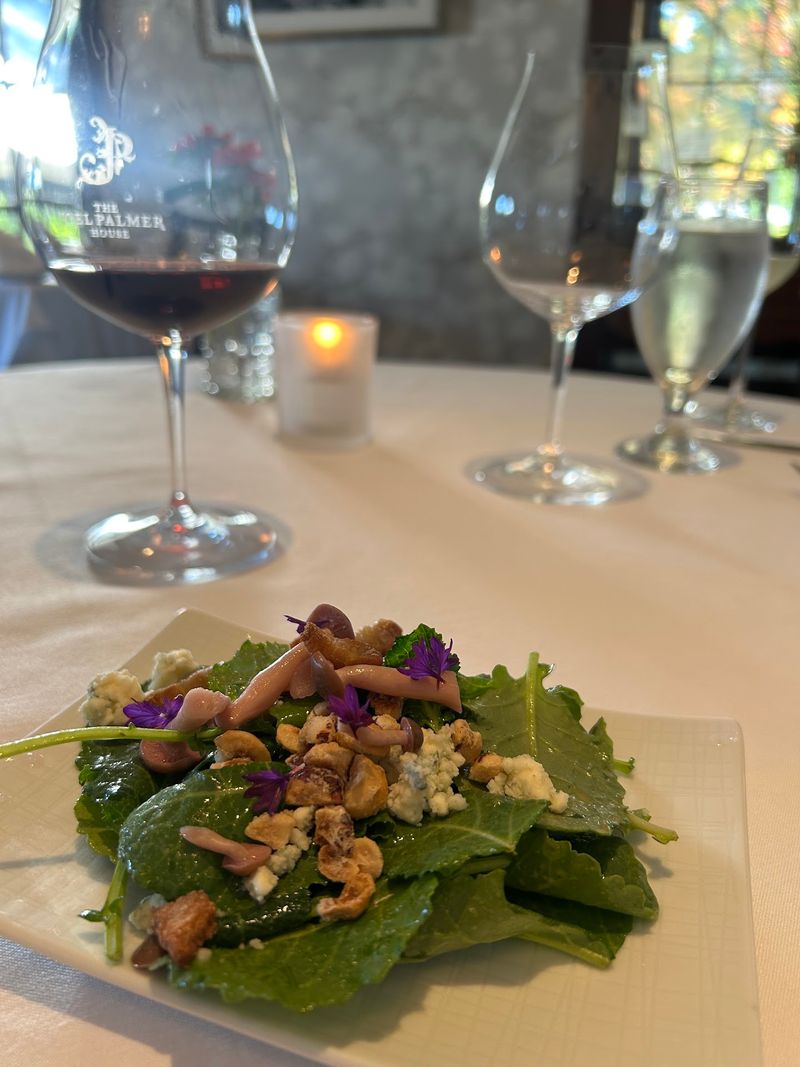
Willamette Valley is Pinot Noir country, and the cellar here reflects that with real depth. The list is long, thoughtfully organized, and clearly shaped over many years rather than assembled quickly. Two sommeliers work the floor, and both explain choices in plain, friendly language.
Guests who prefer not to drink still get plenty of attention. Custom non-alcoholic mixed drinks are made to taste, and the bar team enjoys building something around whatever flavors you like.
The cellar itself is worth a look if you get the chance. Rows of bottles under low light, tucked into the old house, feel like part of the building’s history. Pairings can be arranged with the courses, or you can simply ask for one recommendation and leave it there.
Either way, nobody pressures you into spending more than you planned.
Dining Rooms That Feel Like Someone’s Home
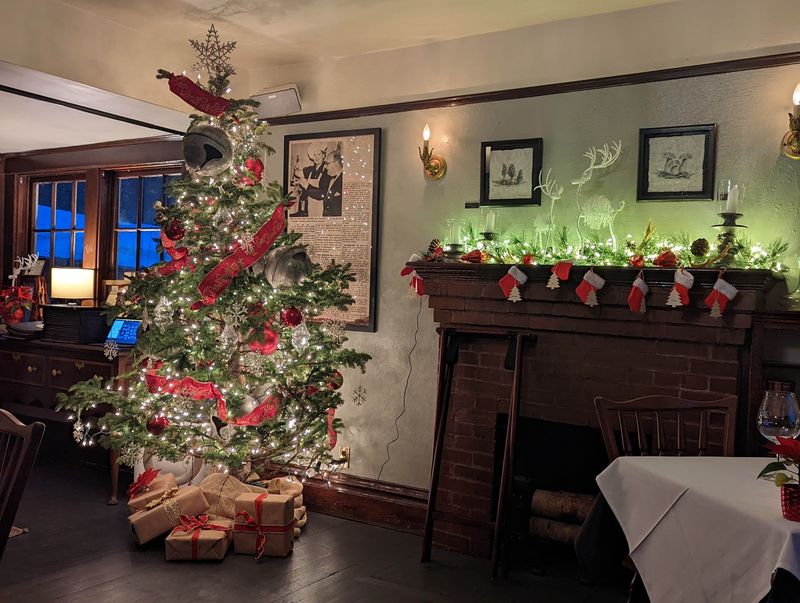
Farmhouse layouts create something modern restaurants struggle to copy. Rooms are small, ceilings are original height, and tables are spread across several separate spaces instead of one open floor. Conversations stay private without anyone whispering.
Decor leans classic rather than flashy. Wooden floors, soft lighting, framed art, and linens that look pressed but not fussy. During the holidays the house gets decorated properly, and the festive version of these rooms is a favorite among returning guests.
There is also outdoor seating under a tent during warmer months, which gives the evening a relaxed garden-party feeling. Dressing up a little fits the mood, though nobody is checking outfits at the door. Most guests land somewhere between smart casual and genuinely dressed up.
My favorite detail is how quiet it stays. Even a full house never turns into a roar, which makes the food easier to focus on.
A Family Legacy Of Foraging And Cooking
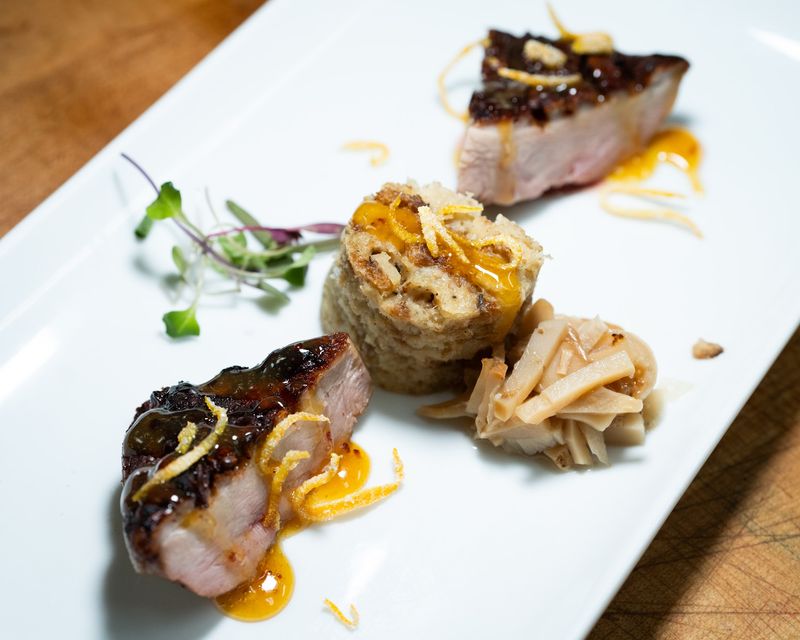
Cooking here runs in the family. Christopher Czarnecki serves as chef owner, continuing a mushroom-focused approach that has defined the restaurant for decades. Foraging is not a marketing angle. It is genuinely how ingredients arrive.
Chefs have been known to step into the garden mid-service to grab fresh herbs, and the chef sometimes visits tables to introduce himself or ask about dietary needs. That kind of contact makes an expensive dinner feel personal instead of transactional.
Feedback gets taken seriously too, with the owner responding directly to guests and passing notes along to the kitchen. Not every restaurant at this level bothers. Kitchen tours occasionally happen at the end of the night, which is a fun bonus for anyone who loves watching professionals work.
The whole operation feels like a family project that simply happens to be very, very good at what it does.
Timing Your Visit Around The Seasons
Season changes everything at a restaurant built on foraging. Autumn brings chanterelles and truffle season excitement, spring leans toward morels, and summer adds garden produce and outdoor seating. Ask what is coming in fresh when you reserve.
Doors open at 5 PM Tuesday through Saturday, with the kitchen running until 10 PM. Sunday and Monday are closed, so weekend trip planners should keep that in mind. Autumn is my personal pick. Wine country looks its best when the vines turn gold, and mushroom season is in full swing.
Reservations fill quickly during harvest months, so book well ahead if you are visiting in September or October. Pairing dinner with a nearby overnight stay makes the whole trip easier, and plenty of guests do exactly that.
Why The Evening Sticks With You Afterward
Some meals blur together. This one stayed sharp in my memory for weeks, mostly because of how thoroughly one ingredient was explored without ever feeling repetitive. Mushrooms carried every course, yet each plate tasted like a different idea.
The combination matters more than any single dish. An old farmhouse, a quiet town, forest ingredients, and a team that clearly enjoys the work all add up to something bigger than dinner. Guests routinely describe it as understated rather than showy, and that description fits.
Bring an appetite, leave your schedule loose, and allow three hours minimum. Anyone touring Willamette Valley should build a night around it, ideally near the end of a trip when your palate is warmed up.
You will find Joel Palmer House Restaurant at 600 Ferry St, Dayton, OR 97114, United States, tucked into a quiet residential street that gives no hint of what waits inside.
