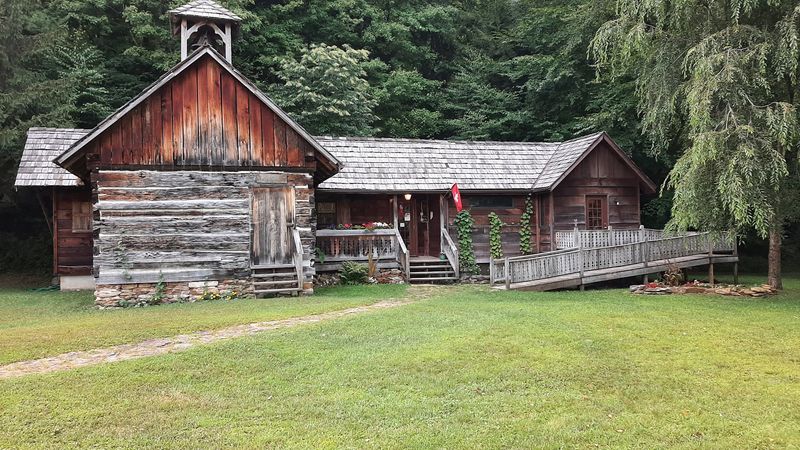
Every winter, a crowd in homemade masks burns a giant figure of Old Man Winter in a tiny mountain village. The whole thing happens to the sound of a band, after a costume ball, in the middle of the woods.
The village has fewer than 40 residents. Yet it keeps Swiss yodel songs, Swiss-style cheese, and a festival calendar that would tire out a town ten times its size.
It sits deep in the hills of West Virginia, far from cell service and close to cornbread. I like how stubbornly it holds onto its roots.
I can’t imagine many places pulling that off for over 150 years.
So how does a sliver of the Alps end up hiding in Appalachia? And why do people keep winding down those back roads to find it?
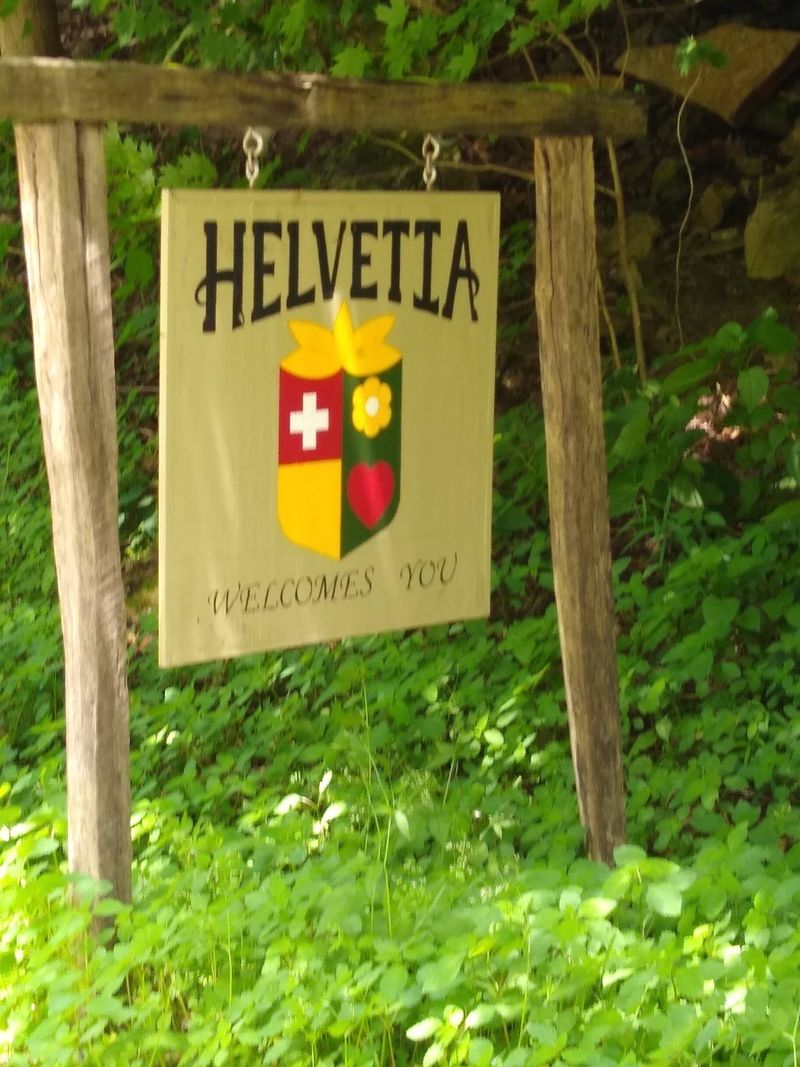
A Little Piece Of Switzerland Hiding In Randolph County
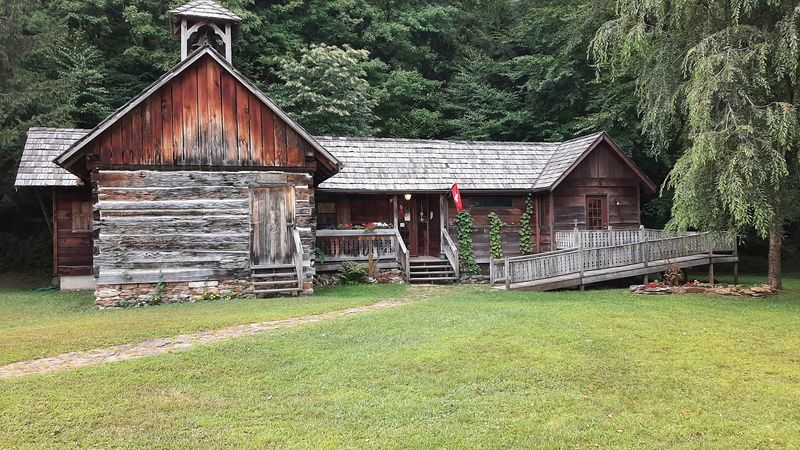
Helvetia is a census-designated place in the southwestern corner of Randolph County. Swiss settlers arrived starting in 1869, and their traditions, food, and folkways still shape daily life here.
The 2020 census counted just 38 residents. That’s down from 59 in 2010, so you’ll likely meet more cows than neighbors on some stretches.
Don’t let the small number fool your expectations, though. The village punches far above its weight in culture, food, and celebration.
Helvetia keeps Swiss customs alive in a corner of West Virginia most travelers never reach. You’ll find a historic district, a chalet-style restaurant, yodelers, square dances, and a festival calendar that runs from February to September.
For parents who crave a trip with real discovery, this is a strong pick. It’s the kind of place that makes adults just as curious as kids.
Think of it less as a stop and more as a pocket of living history. Folks here didn’t preserve their heritage behind museum glass.
They kept it in their kitchens, music halls, and calendars.
The best part? Nobody built it as an attraction.
The traditions survived because generations simply kept doing them.
Why Swiss Settlers Fell For These Rugged Hills
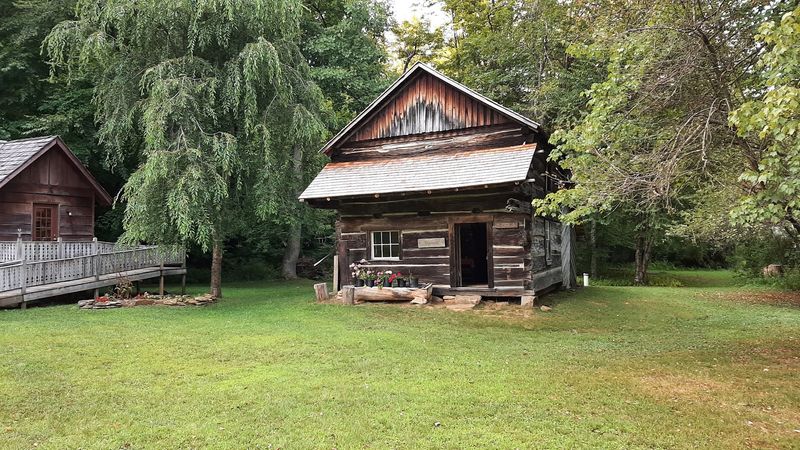
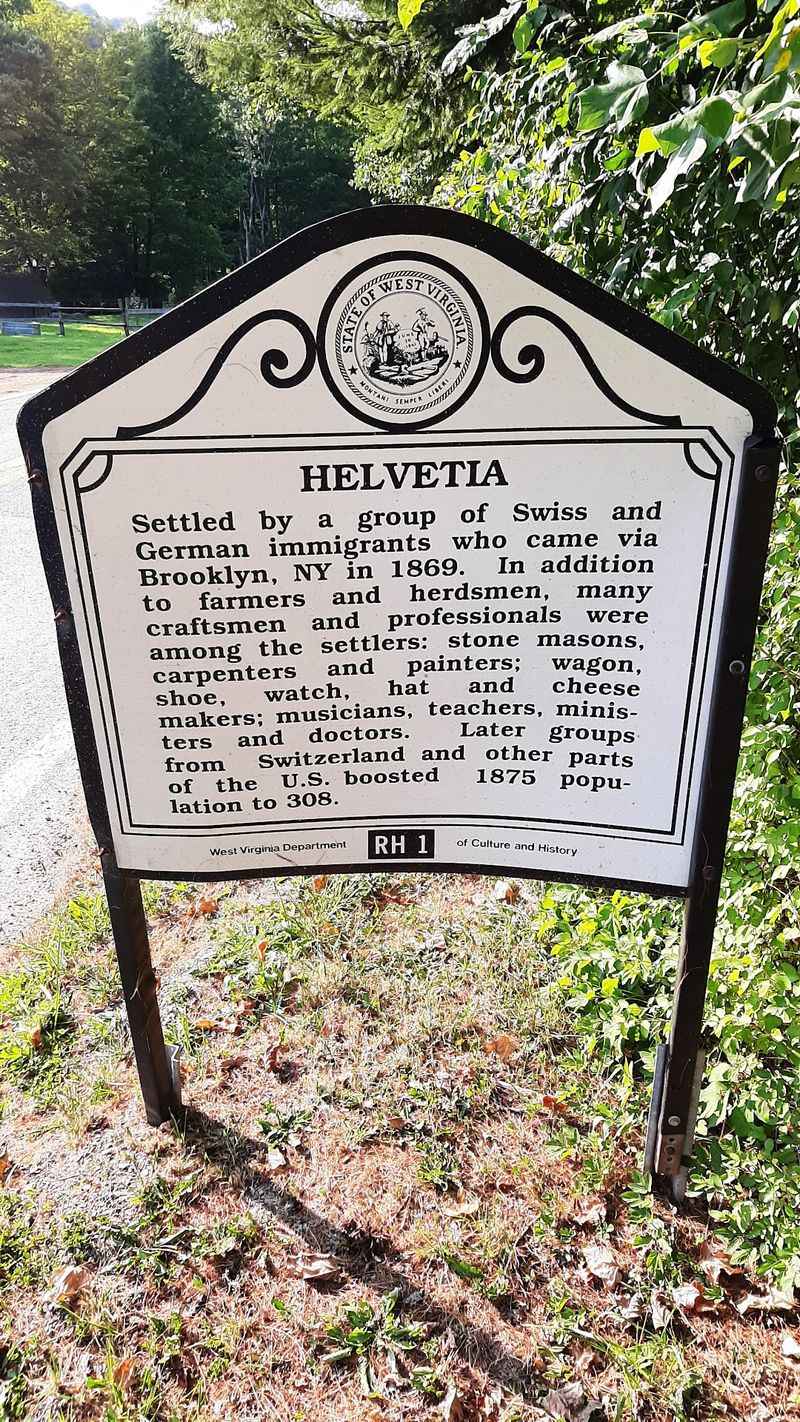
Swiss and German immigrants settled this remote valley in 1869. The hilly landscape reportedly reminded them of home, and the land was affordable.
Growth came fast at first. Records show 32 residents by early 1871 and 308 by 1874.
Those early families built a self-sufficient community of skilled craftsmen and farmers. With few outside roads, they relied on each other for nearly everything.
That isolation turned out to be a gift. It helped protect their Swiss-German culture for decades while the wider world changed fast.
Languages, recipes, songs, and holidays stayed in use longer than they might have in a busier place. Many of those habits remain part of village life today.
Population numbers eventually dropped, as they did in many rural West Virginia communities. Still, the traditions didn’t fade with the headcount.
It’s a story many Mountain State families will recognize. People came for land and opportunity, then built something lasting with their own hands.
Helvetia just happened to do it with a Swiss accent. And honestly, that combination of Appalachian grit and Alpine pride is what makes the place so memorable.
Historic Buildings That Earned A National Spotlight
In 1978, the Helvetia Village Historic District joined the National Register of Historic Places. That listing helps protect the village’s architectural and cultural legacy.
The honor makes sense once you see how intact the community feels. Small-town character here isn’t a decorating theme.
The Historic Square is a good place to start your wandering. Log cabin structures there hold the library, museum, and archives.
A welcoming gazebo sits at the center of it all. It’s an easy spot to pause, get your bearings, and soak up the quiet.
History lovers will appreciate how the pieces fit together. The archives, museum, and library show how seriously the community takes its own story.
Kids may enjoy the log cabins most. Adults will probably linger longer over the details of how a tiny settlement kept records of itself for generations.
No velvet ropes are needed to feel the history. The district works because people still live, gather, eat, and celebrate in it.
For a family trip, that matters. Seeing heritage in active use teaches more than any plaque ever could.
Masks, Music, And A Fiery Goodbye To Old Man Winter
Swiss Mardi Gras in the Appalachian woods? Yes, and it’s called Fasnacht.
The festival is held each year on the Saturday before Fat Tuesday. The 2026 celebration is scheduled for Saturday, February 14.
Costumed revelers pack the Helvetia Star Band Hall for a masquerade ball. Later, they march together in parade-like formation through the village.
The masks and festive outfits nod to old Alpine customs. Many folks go all out, so creativity counts as much as warmth here.
The night ends with the burning of an Old Man Winter effigy. It’s a dramatic, cheerful send-off to the cold season.
If February in West Virginia ever leaves you restless, this is the cure. Few things beat watching winter go up in flames with a crowd cheering along.
Fasnacht blends Swiss heritage with Appalachian toughness in one big evening. It’s raucous, joyful, and a little bit wild in the best way.
Plan ahead and dress for cold weather. Bringing a mask of your own is a fun way to join in rather than just watch.
Spring Means Ramps, Ham, And Mountains Of Cornbread
More than 60 bushels of wild ramps. That’s the scale of Helvetia’s famous Ramp Supper each spring.
The supper happens on the last Saturday of April. Volunteers serve the pungent Appalachian leeks alongside ham, applesauce, potatoes, and cornbread.
If you grew up in West Virginia, you probably already have strong feelings about ramps. If not, consider this your delicious introduction.
The menu is pure mountain comfort. It’s the sort of plate that tastes like a church supper and a family reunion rolled together.
Volunteers make the whole event possible. That community effort is part of the flavor, even if you can’t taste it directly.
Spring is also a lovely time to drive through Randolph County. Roads wind through greening hills, and the supper gives you a perfect reason to go.
Families will find it an easy, affordable-feeling outing built around food rather than gift shops. Bring a hearty appetite and some patience on those curvy roads.
Just one friendly tip. Ramps are famously strong, so maybe skip any important meetings the next morning.
Summer Bliss And A Swiss Birthday Party
Summer in Helvetia brings two good reasons to visit. Each one shows a different side of the village.
First comes the Follow Your Bliss Festival. It’s held the weekend after Father’s Day, kicking off the warm season with a community gathering.
Then there’s the Swiss National Holiday celebration. Helvetia marks it on the Saturday nearest August 1, matching Switzerland’s own national day.
Picture red and white pride in the middle of green Appalachian hills. It’s a fun reminder that this village never forgot where its founders came from.
Summer is a smart time for families to visit. Longer days make the winding drive easier, and outdoor time feels natural.
Pair either event with a meal and some wandering around the Historic Square. You’ll come away with a full day without trying too hard.
These smaller festivals feel personal and unhurried. They’re less about spectacle and more about neighbors keeping traditions going.
That’s exactly why they’re worth a trip. You aren’t watching a show staged for tourists.
You’re joining a celebration that would happen with or without you.
Flag Swinging Steals The Show Each September
Ever watched someone toss a big Swiss flag through the air with perfect control? Helvetia’s fall fair gives you the chance.
The Helvetia Community Fair runs on the second full weekend in September. It doubles as a harvest celebration for the whole village.
Expect folk dancing, singing, and that traditional flag-swinging. Homemade food shows up in abundance, which is never a bad thing.
Early autumn also brings comfortable weather to Randolph County. The hills begin turning, and the drive becomes part of the reward.
Families will like how hands-on the fair feels. There’s music to hear, dances to watch, and plenty to eat along the way.
Adults may appreciate something deeper. These customs function like edible and performable heirlooms, passed carefully from one generation to the next.
The fair captures Helvetia at its most generous. Everyone pitches in, and visitors get a front-row seat to that teamwork.
If you can choose only one festival, this might be the easiest pick. It packs nearly every village tradition into one cheerful weekend.
Golden Siding, Gingerbread Trim, And Plates Of Rösti
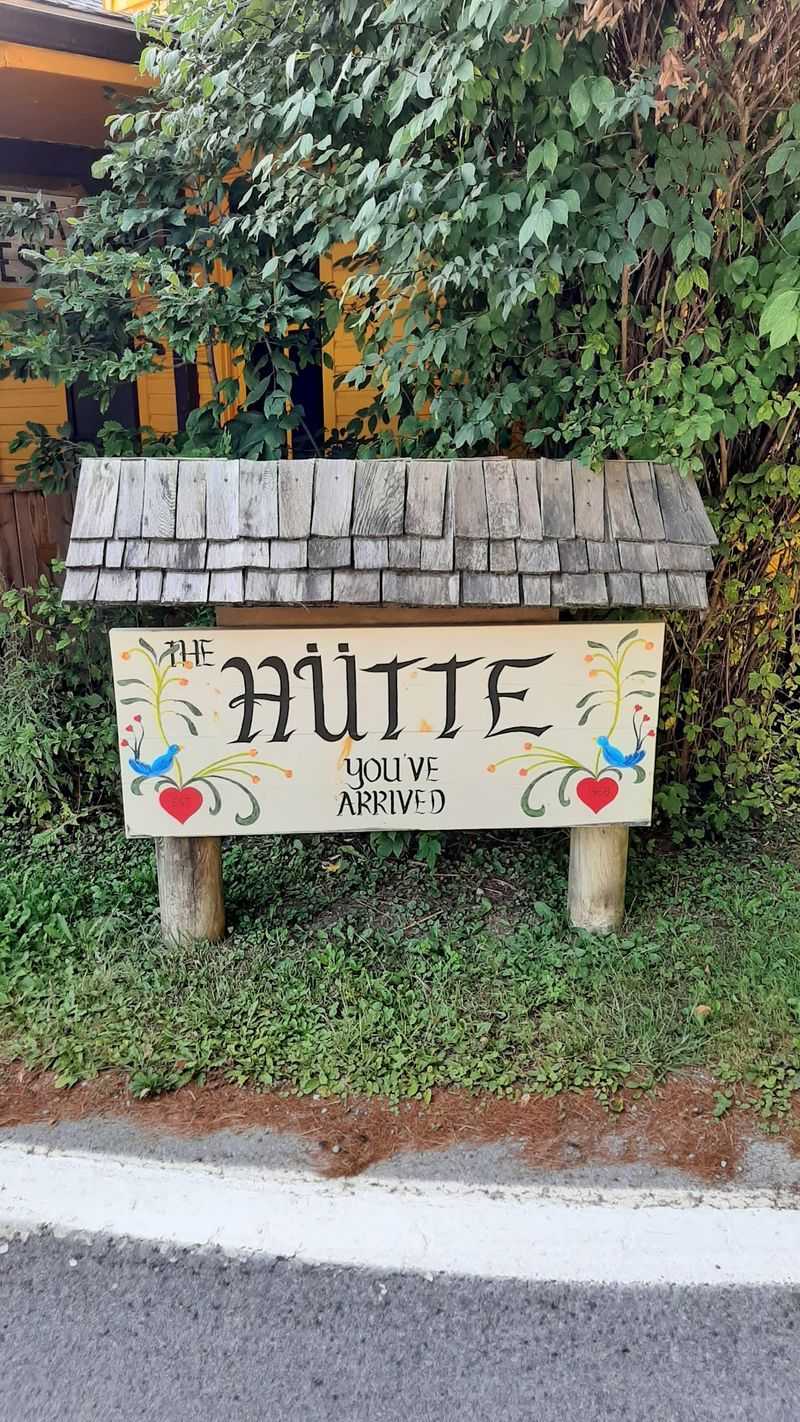
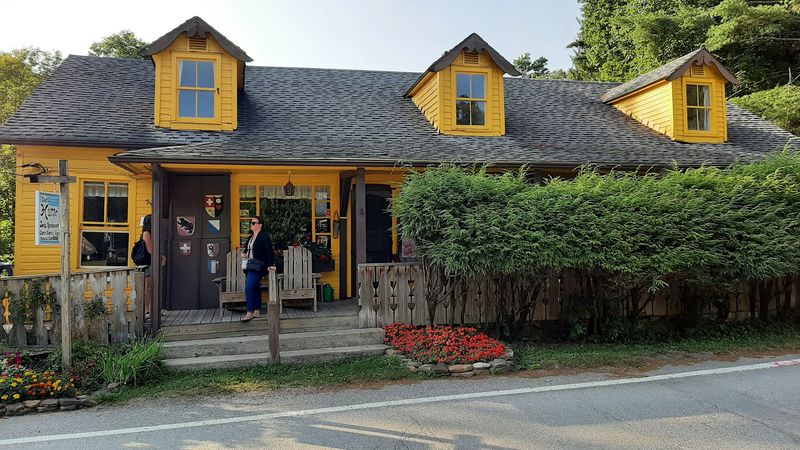
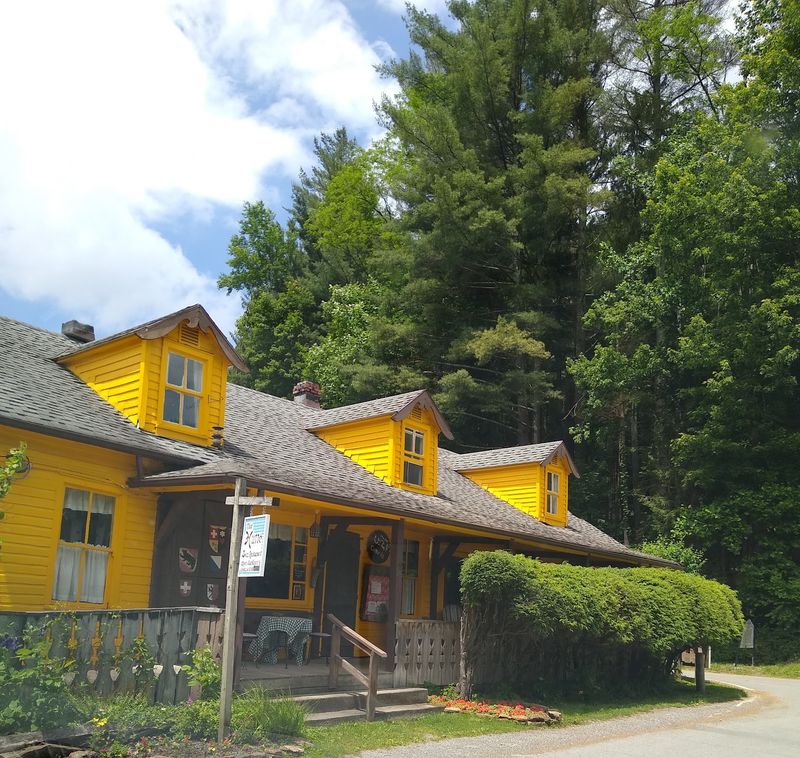
A golden chalet with gingerbread trim sounds like a storybook. In Helvetia, it’s where you eat lunch.
The Hütte Restaurant opened in 1968 and serves hearty Swiss-Appalachian food. Its homey wooden building fits the village perfectly.
Swiss specialties anchor the menu. Look for Zurich Sauerbraten and Rösti, a traditional Swiss potato fritter.
Homemade bread, soups, and the restaurant’s own sausage round things out. Baked ham and bratwurst also appear among the options.
Country meals typically come with vegetables, hot applesauce, and kraut. It’s stick-to-your-ribs cooking built for mountain appetites.
You’ll find The Hütte at 1 Main St, at the corner of Route 45 and Route 46, in Helvetia, WV 26234. It sits right at the heart of village life.
For many travelers, a meal here becomes the anchor of the visit. Plan your drive around it and you won’t regret it.
It’s the rare restaurant that tells a whole community’s story through a plate. Swiss roots, West Virginia comfort, and generations of cooking all share the same table.
A Swiss-Style Cheese With Deep Village Roots
Cheese lovers, this part is for you. Helvetia has made Swiss-style cheese since the 1800s.
Today it’s known as Appalachian Alpine Cheese, or Helvetia Swiss Cheese. Production is now contracted out, but the traditional recipe is still followed.
That detail matters. It means a recipe tied to the original settlers continues today rather than becoming a footnote.
You can buy the cheese at The Hütte and at the general store. It makes a great edible souvenir for the ride home.
Families sometimes struggle to find souvenirs that actually get used. A block of locally rooted cheese solves that neatly.
It also sparks good conversation around the dinner table later. Few snacks come with a story stretching back to the 1800s.
Pair it with crackers, apples, or bread from your own kitchen. Suddenly a weeknight snack carries a little Alpine history.
This might be the simplest way to bring Helvetia back to West Virginia homes far from Randolph County. Just keep a cooler handy if the weather is warm.
Honey, Jams, And A General Store That Doubles As Post Office
Small villages often hide their best shopping in plain sight. Helvetia keeps things simple and sweet.
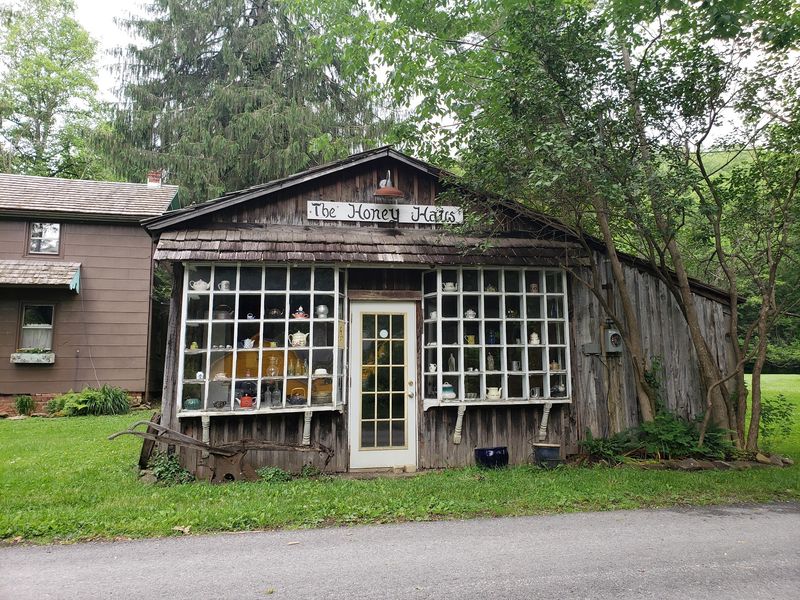
The Honey Haus serves coffee, tea, and pastries. It also sells locally produced honey, jams, and jellies.
That’s a handy combo for road-weary parents. Grab a warm drink, then pick up a jar or two for later.
The general store pulls double duty as the post office. It’s also a natural gathering place where people stop for supplies and a quick chat.
Shopping here feels refreshingly human. You’re dealing with a store that serves neighbors first and visitors second.
It’s also where you can find that Helvetia Swiss cheese. One stop can cover snacks, souvenirs, and mail.
Local jars of honey and jam make thoughtful gifts too. They travel well and carry a real taste of the region.
Spend a few minutes and you’ll understand the village’s close-knit rhythm. Commerce here moves at the speed of conversation, which is exactly the point.
Fiddles, Square Dances, And Old Swiss Yodel Songs
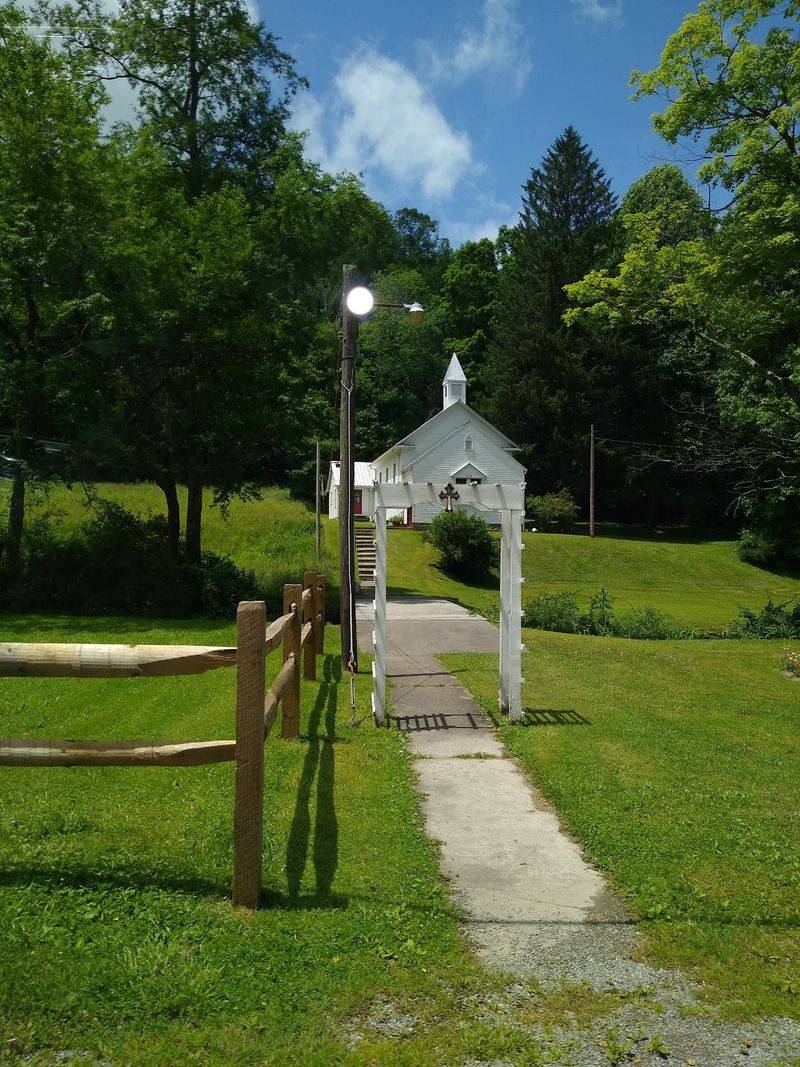
Bright red paint makes the Helvetia Star Band Hall hard to miss. Folks often call it the Red Hall.
The hall has a long history of mountain music and lively dances. Monthly square dances bring fiddles and banjos to life inside.
It’s also home base for big events like Fasnacht. Few buildings in West Virginia carry this much joyful noise per square foot.
Then there are the Helvetia Yodelers. The group preserves Swiss German yodel songs, including one called Sennele Hoia Hoa.
That continuity is remarkable. Songs from the old country still find voices deep in Appalachia.
Families can enjoy the music without knowing a single step. Watching is fun, but joining a square dance is even better.
Adults who love folk music will find plenty to admire. The mix of Appalachian strings and Swiss vocals is something you won’t hear just anywhere.
Check the community calendar before you go. Catching a dance night or a yodel performance turns a pleasant visit into a story you’ll retell for years.
Cozy Rooms, A Beekeeper Inn, And Even Alpacas
Alpacas in the Appalachian hills? One Helvetia lodging includes them.
Helvetia’s Swiss Mountain Retreat is an 1890 Swiss farmhouse. It sits on more than 50 acres of farmland, and guests can visit the alpacas.
Prefer to stay right in the village center? The Hütte Restaurant offers rooms on its upper floor.
The Beekeeper Inn sits a short walk away. It has three cozy bedrooms, each with a private bath.
Swiss Roots works as both a country store and an inn. It offers four rooms for visitors.
Staying overnight changes the whole trip. You won’t have to rush the winding drive home after a festival or dinner.
Parents will appreciate the slower pace. Mornings in a remote valley feel very different from a highway hotel.
Rooms are limited, so book early for festival weekends. A small village fills up fast when the masks come out or the ramps are served.
Curvy Roads, Spotty Signal, And Smart Planning
Download your maps before you leave home. Cell service around Helvetia is often unreliable, and GPS can be spotty.
The village sits deep in southwestern Randolph County. Winding mountain roads lead the way, including Routes 45 and 46.
Gas and cash need some planning too. The nearest ATM and gas station are about five miles south in Pickens, West Virginia.
Fill your tank before the final stretch. Running low on these back roads is not the adventure anyone wants.
Families should pack snacks and patience for the curves. Motion-sensitive kids may appreciate an extra break or two.
The remoteness is part of the deal. It’s a big reason these traditions survived for so long.
Plan your trip around a festival date or meal at The Hütte. That way, the drive always ends with a clear reward.
Leave extra time in your schedule as well. Rushing doesn’t suit the roads or the village, and slowing down is half the charm of getting here.
A Tiny Village Worth Every Winding Mile
Thirty-eight residents keep a whole calendar of Swiss heritage running. That fact alone earns Helvetia a spot on any West Virginia bucket list.
The village offers something rare. It’s real culture, kept alive by neighbors rather than marketing.
Food lovers get Rösti, sausage, ramps, and Swiss-style cheese. Music fans get square dances and yodel songs.
History buffs can explore a district listed on the National Register since 1978. Festival seekers get masks, flag swinging, and a burning Old Man Winter.
For parents, it’s a trip that feeds your own curiosity first. The kids will enjoy it too, which is a lovely bonus.
Is it convenient? Not exactly, and that’s sort of the point.
The long drive and weak signal help protect what makes Helvetia special. You trade connectivity for connection, and it’s a fair swap.
Pick a festival, book a room, and fill your tank in Pickens. Then let these hills show you how a little Switzerland has thrived in West Virginia for over 150 years.
