Oklahoma has a way of surprising you when you least expect it. Most people think of Oklahoma City or Tulsa, but the real magic of the Sooner State hides in the quiet, easy-to-miss corners that locals have quietly loved for generations.
From cobblestone streets and circus history to pine-covered mountains and natural mineral springs, these small towns each carry a story worth hearing.
If you want to see the Oklahoma that true locals know, keep reading, because this list will make you want to pack your bags and hit the road.
1. Medicine Park, Oklahoma
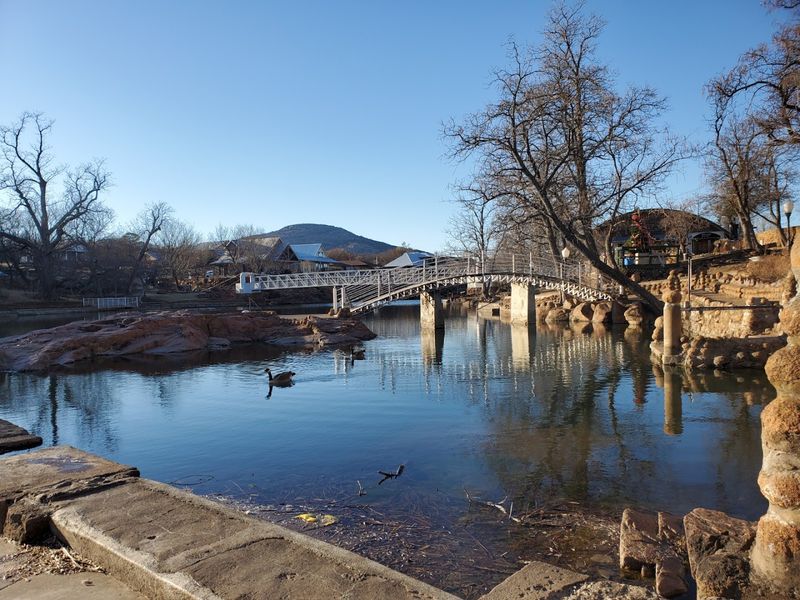
Stepping into Medicine Park feels a little like walking onto a movie set where someone decided granite cobblestones were the only acceptable building material.
Established in 1908, this tiny town near Lawton, Oklahoma, holds the proud title of the state’s first resort town, and it has leaned into that identity ever since.
The cobblestone architecture is not just for show. Every building in the historic district was constructed using rounded granite stones pulled straight from the Wichita Mountains, giving the whole place a rugged, storybook look that you simply cannot find anywhere else in the state.
Outdoor lovers will find plenty to celebrate here. The Wichita Mountains Wildlife Refuge stretches across 59,000 acres right next door, offering trails where bison, elk, and longhorn cattle roam freely.
Bath Lake sits at the heart of town and serves as a restored natural swimming hole that locals have gathered around for over a century. On warm weekends, you will find families cooling off in the water while musicians play on the nearby stage.
The town also hosts a lively arts community, with galleries, studios, and small shops tucked into those famous stone buildings. If you visit in spring or fall, the surrounding mountain scenery adds an extra layer of beauty to an already photogenic destination.
Medicine Park is proof that Oklahoma has its own brand of charm, and you do not need to travel far to find something truly worth remembering.
2. Kenton, Oklahoma
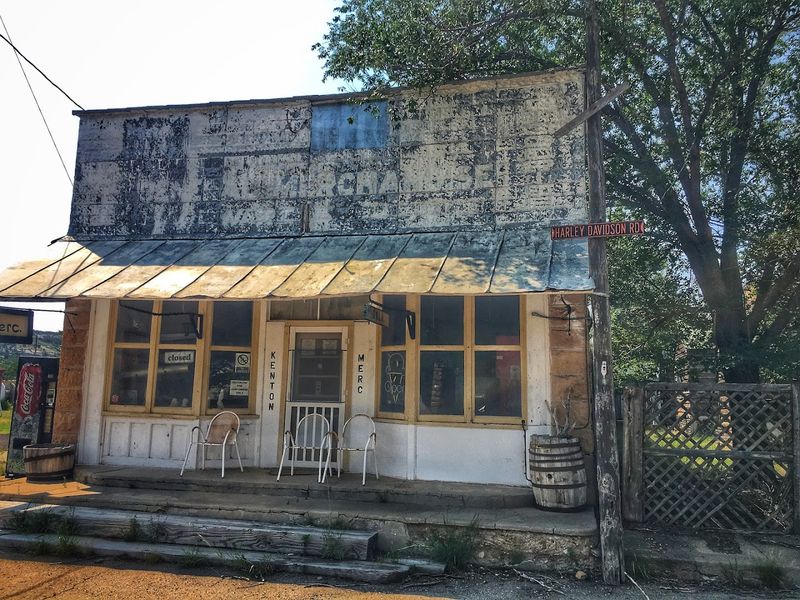
Out in the far western tip of the Oklahoma Panhandle, Kenton sits so quietly that the wind practically outnumbers the residents. With a population that hovers in the double digits, this is about as far off the beaten path as any town in the state can get, and that remoteness is exactly what makes it so special.
Kenton serves as the gateway to Black Mesa, the highest point in Oklahoma at 4,973 feet above sea level. The flat-topped mesa rises dramatically from the surrounding plains, and hiking to its summit rewards you with sweeping views that stretch into New Mexico and Colorado on a clear day.
Because there is so little light pollution out here, the night skies above Kenton are extraordinary. Stargazers and astrophotography enthusiasts make the long drive specifically to see the Milky Way painted across the darkness in a way that city dwellers rarely experience.
The surrounding landscape also holds dinosaur tracks and fossil sites that have fascinated researchers and curious visitors for decades. History runs deep in this corner of Oklahoma, and the land itself seems to carry the weight of it.
Getting to Kenton requires commitment. The roads are long, gas stations are sparse, and cell service is unreliable.
But travelers who make the trip tend to describe it as one of the most memorable experiences they have had anywhere in the country.
Some places earn their reputation through crowds and convenience, but Kenton earns its through pure, unfiltered solitude.
3. Sulphur, Oklahoma
Long before bottled water became a trend, people were traveling to Sulphur specifically for the water. Nicknamed “The Land of the Rippling Waters,” this small town in south-central Oklahoma built its entire identity around the natural mineral springs that bubble up from the earth throughout the area.
Sulphur is the gateway to the Chickasaw National Recreation Area, a surprisingly undervisited federal park that packs an impressive variety of landscapes into a relatively compact space.
Freshwater springs, mineral springs, streams, and wooded trails all coexist here in a way that makes the park feel like a natural science classroom you actually want to spend the weekend in.
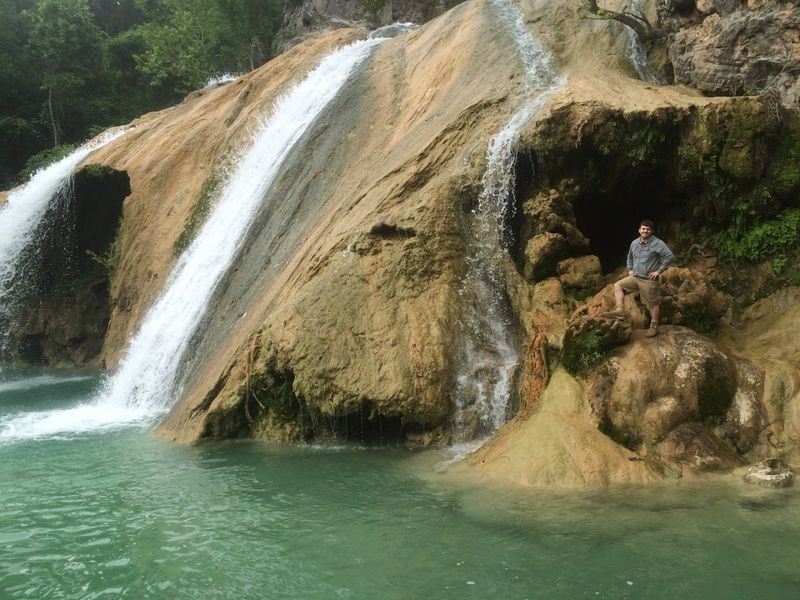
One of the most popular spots inside the recreation area is a small waterfall locals affectionately call “Little Niagara.” It may not match its famous namesake in size, but the clear, rushing water tumbling over smooth rocks has its own quiet kind of drama.
Camping, fishing, hiking, and mountain biking are all available through the Rock Creek Multi-Use Trails, which wind through varied terrain and keep outdoor enthusiasts busy across all four seasons.
The town of Sulphur itself has a friendly, unhurried pace that feels refreshing. Local shops and diners line the main street, and the community hosts events throughout the year that bring both residents and visitors together.
For anyone who wants a genuine Oklahoma outdoor experience without fighting for a campsite, Sulphur consistently delivers the kind of peaceful getaway that is hard to find and even harder to forget.
4. Guthrie, Oklahoma
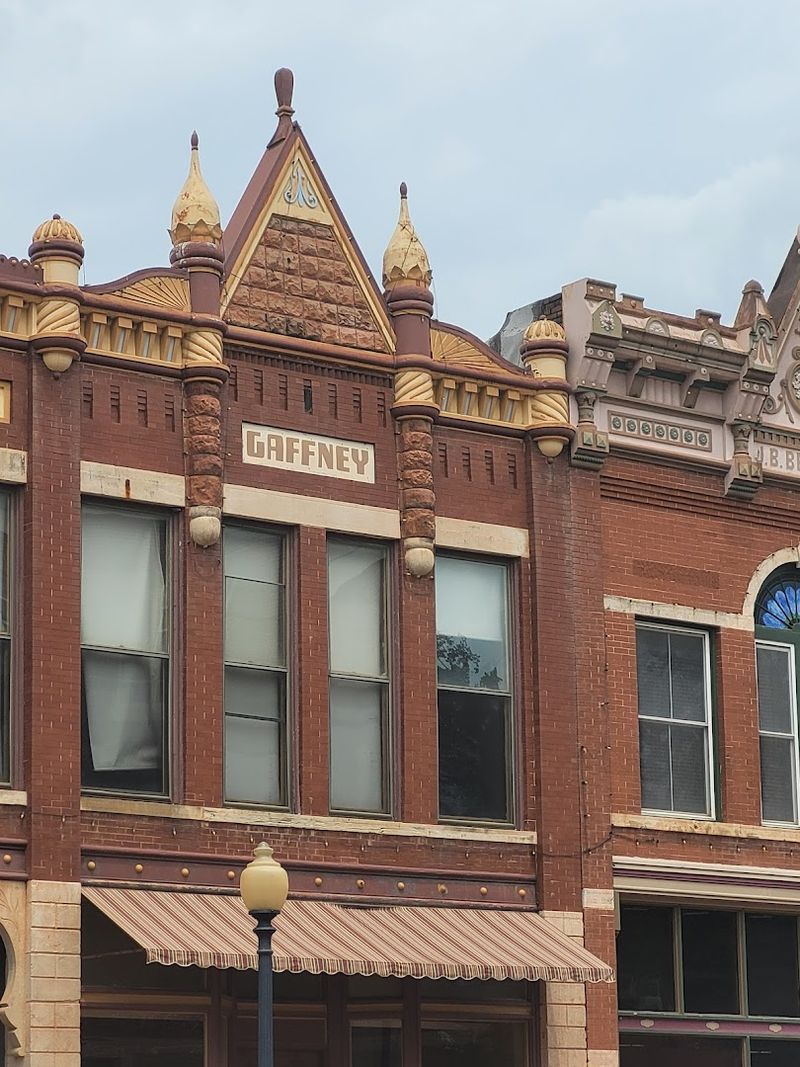
Before Oklahoma City claimed its crown, Guthrie was running the show. Serving as Oklahoma’s territorial and first state capital, this town north of Oklahoma City carries a historical weight that few places in the state can match, and it wears that history with unmistakable Victorian flair.
Guthrie’s downtown district holds the distinction of being one of the largest contiguous National Historic Landmark districts in the United States.
Walking through its streets means passing block after block of beautifully preserved red-brick buildings dating back to the Land Run era of 1889, when tens of thousands of settlers staked their claims on a single afternoon.
The town has leaned into its heritage in creative ways. Ghost tours wind through gas-lit streets after dark, and the local bed-and-breakfast scene is so robust that Guthrie has earned the unofficial title of “Bed and Breakfast Capital of Oklahoma.”
For nature lovers, Bamboo Satori offers a genuinely unexpected experience. Tucked just outside the historic downtown, this hidden garden features over 35 varieties of bamboo growing in a serene, shaded setting that feels worlds away from the open prairie surrounding the town.
Guthrie and Liberty Lakes provide spots for fishing, walking, and simply sitting quietly by the water on an unhurried afternoon. The town also hosts lively events throughout the year, including its beloved territorial Christmas celebration that draws visitors from across the region.
Guthrie rewards the curious traveler with layers of story, character, and authenticity that reveal themselves the longer you stay.
5. Pawhuska, Oklahoma
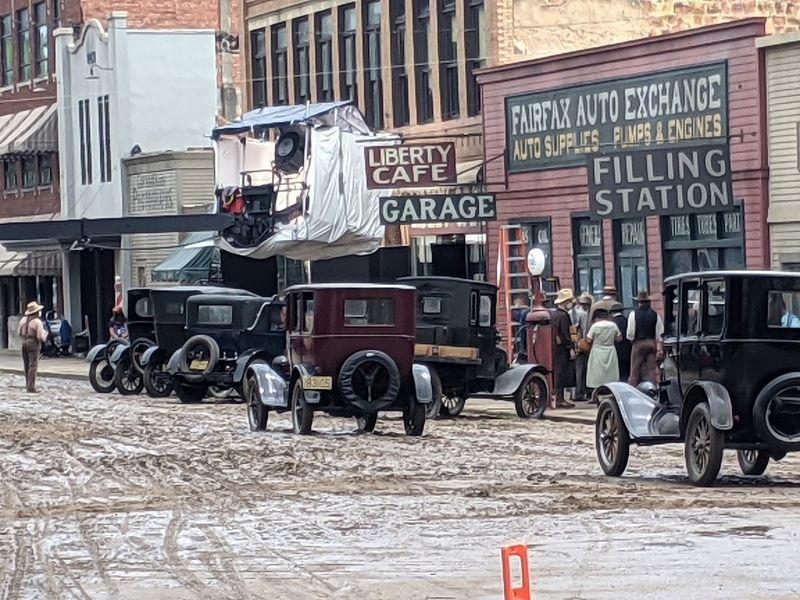
Pawhuska sits in the heart of Osage County, and if you have ever driven through this part of northeastern Oklahoma, you already know that the landscape alone is worth the trip. Rolling hills covered in tallgrass stretch in every direction, and the sky above feels wider here than almost anywhere else in the state.
As the capital of the Osage Nation, Pawhuska carries a rich and complex cultural history that goes back centuries.
The Osage people were forcibly relocated here in the 19th century, and their resilience and cultural contributions have shaped this corner of Oklahoma in ways that visitors can explore through local museums and cultural sites.
The Tallgrass Prairie Preserve, managed by The Nature Conservancy, spans over 40,000 acres just outside of town and represents one of the largest protected remnants of tallgrass prairie in North America.
Bison herds roam freely across the preserve, and seasonal wildflower blooms turn the landscape into something genuinely breathtaking.
In recent years, Pawhuska gained wider recognition thanks to Ree Drummond’s Pioneer Woman Mercantile, a popular restaurant and shop that draws food lovers from across the country. But locals will tell you that the town’s deeper appeal lies beyond any single attraction.
The historic downtown features charming storefronts, local galleries, and a community pride that is palpable the moment you arrive. Pawhuska is the kind of town that surprises first-time visitors and keeps longtime fans coming back every season.
6. Tishomingo, Oklahoma
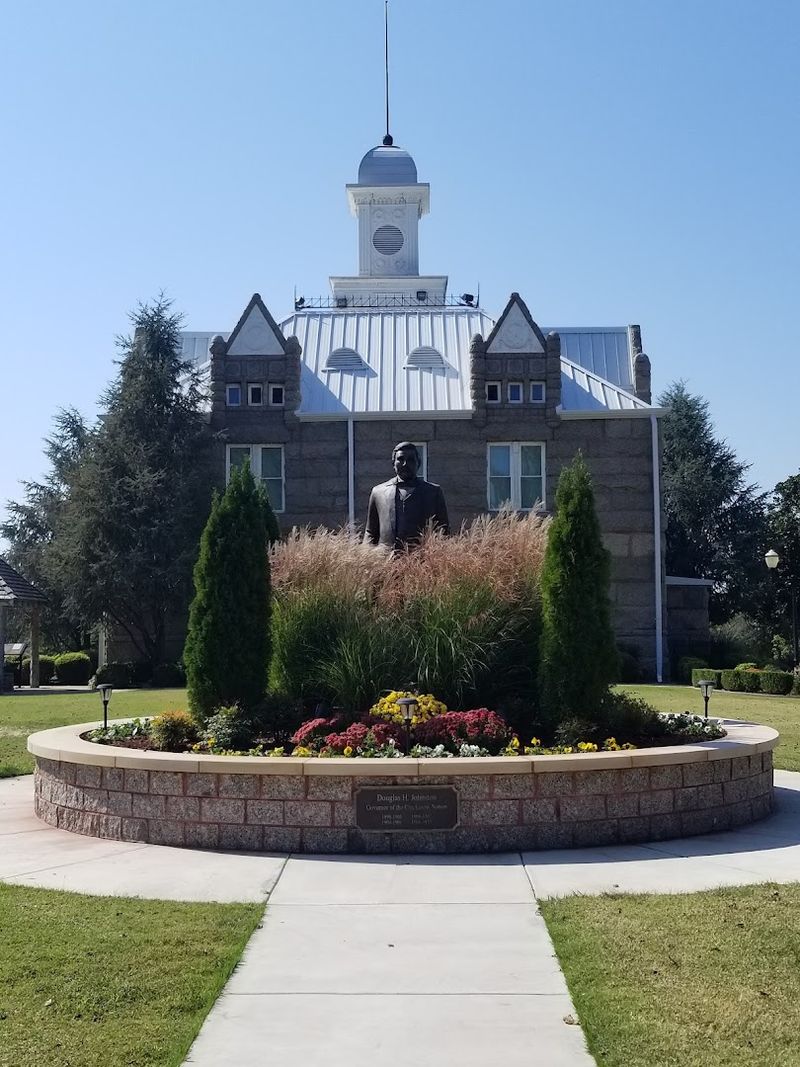
There is a building in Tishomingo that looks like it belongs in a European fairy tale, and it has been standing proudly in this small southern Oklahoma town for well over a century.
The Chickasaw Council House and Museum, constructed in the 1800s, resembles a stone castle and serves as one of the most architecturally distinctive landmarks in the entire state.
Tishomingo functions as the capital of the Chickasaw Nation, and that identity shapes everything about the town.
The Chickasaw people have called this area home since their forced relocation from the American Southeast in the 1830s, and their cultural presence is visible in the local museums, cultural center, and community events that take place throughout the year.
The Chickasaw Cultural Center, located a short drive away in Sulphur, offers a broader look at the nation’s history and traditions, but Tishomingo itself serves as the beating heart of Chickasaw civic life and heritage.
Lake Texoma, one of the largest reservoirs in the region, sits nearby and provides a popular destination for fishing, boating, and shoreline recreation. The lake draws serious anglers who come specifically for its reputation as a striped bass fishing destination of the highest order.
Downtown Tishomingo has a quiet, lived-in charm with local diners and small shops that feel genuinely rooted in the community rather than designed for tourists. Visiting here means stepping into a place where history is not behind glass but woven into everyday life.
7. Broken Bow, Oklahoma
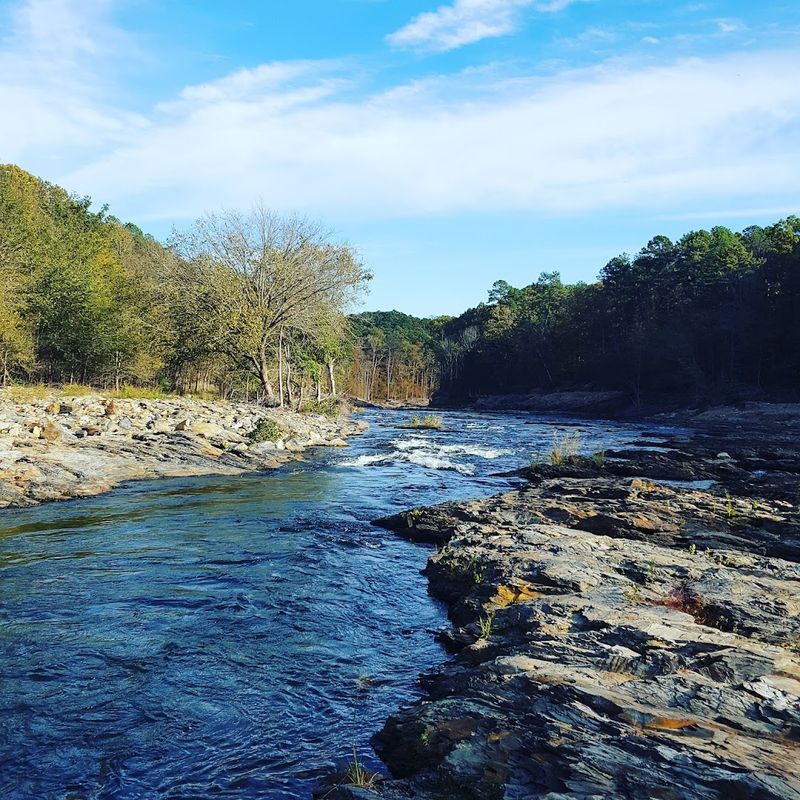
People who have never been to southeastern Oklahoma are often genuinely surprised to discover that the state has pine forests.
Broken Bow sits in the middle of the Ouachita Mountains, where dense stands of loblolly and shortleaf pine create a landscape that feels more like the Pacific Northwest than the southern plains most people associate with Oklahoma.
Broken Bow Lake is the crown attraction, and it earns every bit of the praise locals heap on it. The water is famously clear and cool, surrounded by tree-covered hills that reflect brilliantly on calm mornings.
Kayaking, paddleboarding, fishing, and simply floating on the water are all popular pastimes here.
Beavers Bend State Park borders the lake and offers one of the most complete outdoor recreation experiences in the state. Visitors can rent cabins tucked into the trees, ride horses on forested trails, fish in Mountain Fork River, or ride the miniature train that winds through the park grounds.
The town of Broken Bow itself has grown considerably in recent years as word spread about its natural beauty. Cozy cabin rentals now dot the surrounding hills, making it a favorite weekend escape for families, couples, and outdoor enthusiasts from Texas and beyond.
Fall is a particularly magical time to visit, when the mixed hardwoods turn gold and red against the backdrop of evergreen pines. Broken Bow proves, without any doubt, that Oklahoma holds landscapes capable of stopping you mid-step and making you forget where you were headed.
8. Poteau, Oklahoma
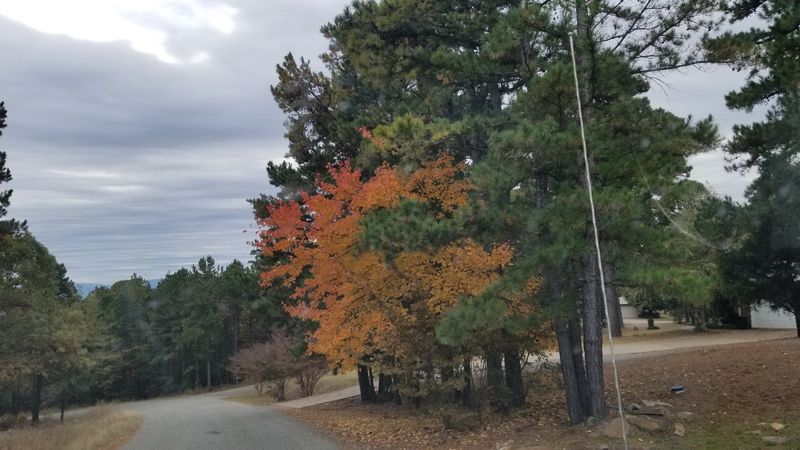
Poteau has one of the most delightfully specific claims to fame in the entire state: it sits at the base of Cavanal Hill, officially recognized as the “World’s Tallest Hill” on the grounds that it stands exactly one foot short of the elevation required to be classified as a mountain.
That single foot of difference has kept Poteau in geography trivia books for decades.
Located in the Arkansas River Valley of eastern Oklahoma, Poteau offers a scenic setting that many travelers pass through without stopping, which is genuinely their loss. The town serves as the seat of Le Flore County and acts as a hub for exploring the surrounding Ouachita Mountains region.
Cavanal Hill itself is accessible via a road that winds to the summit, where panoramic views stretch across the river valley and into Arkansas. The hill is also popular with hikers and mountain bikers who appreciate its trails and the physical challenge of its slopes.
The town has a comfortable, working-class character that feels authentic and unpretentious. Local restaurants serve hearty food, and the community takes genuine pride in its history and its unusual geographical distinction.
Wister Lake State Park sits nearby and provides additional outdoor recreation, including fishing, swimming, and camping along the shores of a picturesque reservoir.
The combination of quirky local pride, mountain scenery, and outdoor access makes Poteau a satisfying stop for anyone exploring eastern Oklahoma.
Sometimes the places that make you smile the widest are the ones that never tried to impress you in the first place.
9. Talihina, Oklahoma
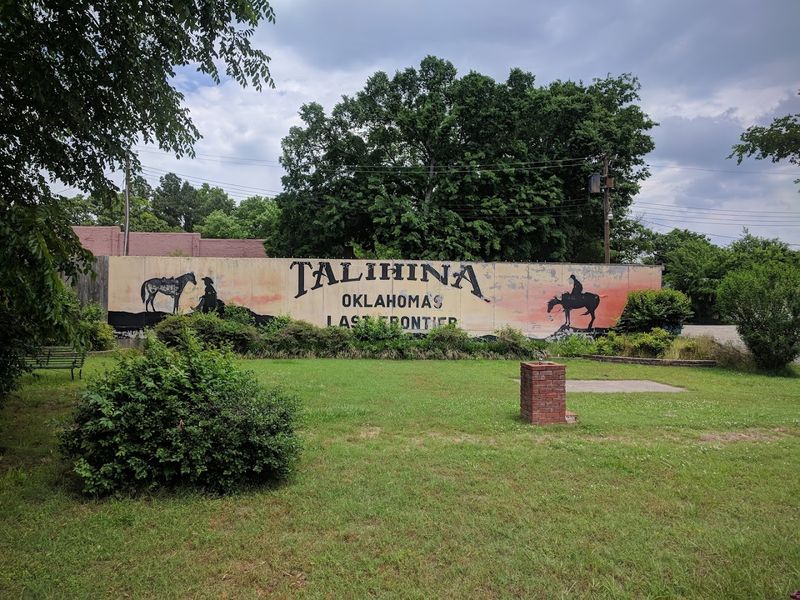
Every autumn, a stretch of highway in southeastern Oklahoma transforms into one of the most spectacular drives in the entire south-central United States, and Talihina is where that experience begins.
The Talimena Scenic Drive starts here and winds for 54 miles through the Ouachita Mountains, offering ridge-top views of fall foliage that rival anything you might find in New England.
Talihina is a small, unhurried town in Le Flore County that does not try to compete with flashier destinations. It simply sits at the doorway to an extraordinary natural landscape and lets the mountains do the talking.
The peak of fall color typically arrives in mid-October, when the mixed hardwood forests along the ridges burst into shades of crimson, amber, and deep gold. Photographers, hikers, and leaf-peepers plan their visits months in advance to catch the display at its most vivid.
Beyond the scenic drive, the surrounding Ouachita National Forest offers extensive trail systems for hiking, mountain biking, and horseback riding throughout the warmer months. The forest covers millions of acres and provides a genuinely wild backdrop for outdoor adventures of every kind.
The town itself carries a quiet, community-minded spirit. Local events celebrate the changing seasons, and residents are generally happy to point visitors toward the best overlooks and trailheads.
Talihina is the kind of place that rewards patience and curiosity. The more time you give it, the more clearly you understand why people who know Oklahoma keep coming back to this particular corner of it year after year.
10. Arcadia, Oklahoma
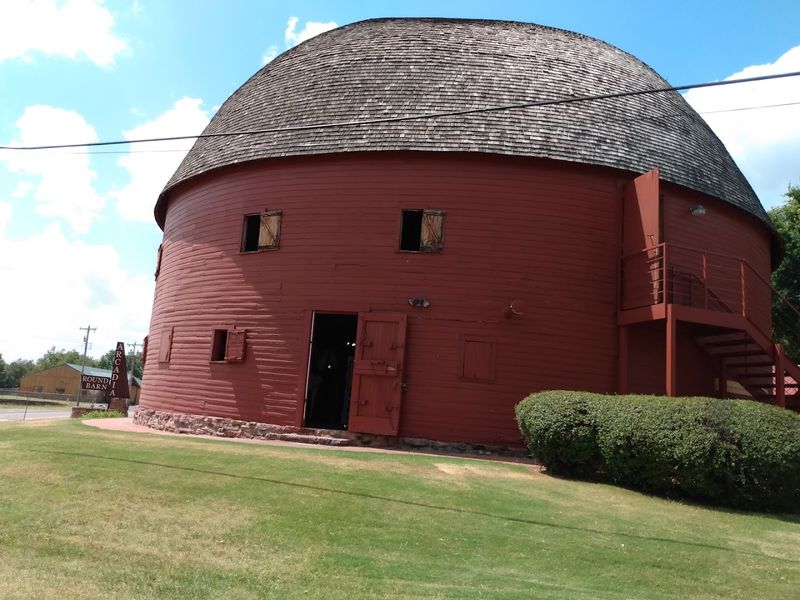
Not every town needs to be big to stop traffic, and Arcadia, Oklahoma, proves that point with architectural confidence.
Sitting along the historic stretch of Route 66 northeast of Oklahoma City, this tiny community has two attractions that together make it one of the most photographed roadside stops in the state.
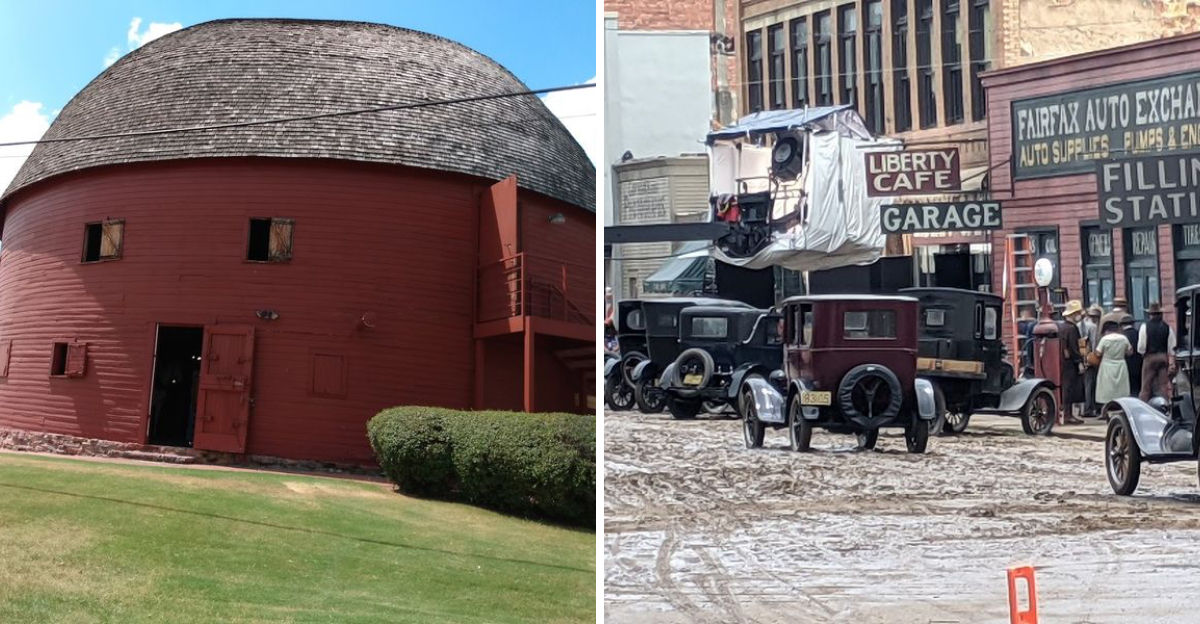
The first is the Arcadia Round Barn, built in 1898 from locally harvested bur oak. Its unusual circular design was a practical solution to the region’s powerful winds, and the fact that it still stands over 125 years later is a testament to the craftsmanship of the people who built it.
The barn is now listed on the National Register of Historic Places and welcomes visitors who want to step inside and appreciate its hand-hewn wooden interior.
Right down the road, Pops 66 offers something entirely different but equally memorable. This modern roadside attraction features a 66-foot-tall neon soda bottle that glows brilliantly at night, and inside the store, shelves are stocked with more than 700 varieties of soda from around the world.
Choosing just one bottle is its own kind of enjoyable challenge.
Route 66 nostalgia runs strong along this stretch of road, and Arcadia captures that spirit without feeling forced or overly commercialized. The combination of genuine history and playful roadside fun makes it a natural stop for road trippers of all ages.
Arcadia is small enough to explore in an hour but interesting enough to linger over, especially if you are still debating between a cream soda and a prickly pear fizz.
11. El Reno, Oklahoma
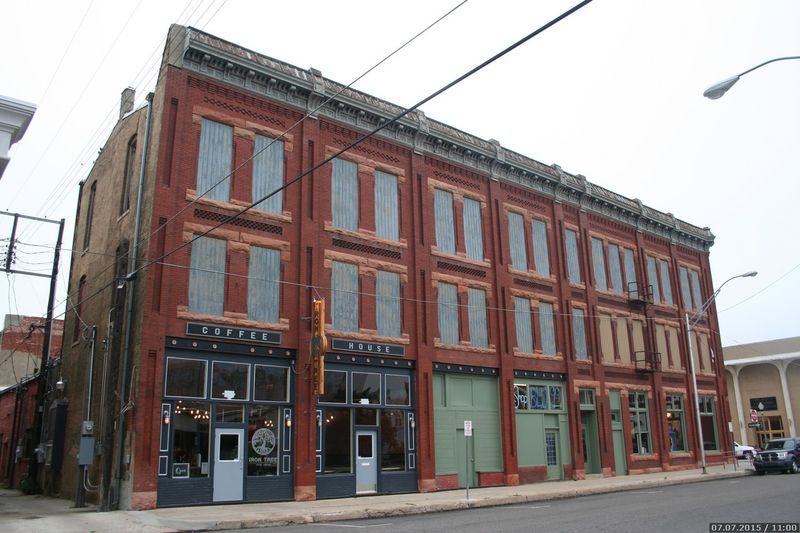
Food culture runs deep in Oklahoma, and El Reno has staked its reputation on a single, gloriously simple creation: the fried onion burger. This is not a gimmick or a food trend.
It is a tradition that dates back to the Great Depression, when resourceful cooks at local diners stretched their beef supply by pressing thin-sliced onions directly into the patty on the griddle, caramelizing them into something extraordinary.
Located just west of Oklahoma City along Interstate 40 and historic Route 66, El Reno has preserved this culinary tradition with impressive dedication.
Several longtime diners in town still serve the fried onion burger the way it has always been made, and the locals who grew up eating them will tell you that no variation or modern twist has ever improved on the original.
Every May, El Reno hosts its Fried Onion Burger Day Festival, an event that draws thousands of visitors and typically features the construction of a record-breaking burger that takes an entire team to flip. The festival has become a beloved tradition that celebrates both the food and the community spirit behind it.
Beyond the burgers, El Reno has a charming historic downtown with Route 66 heritage sites, local shops, and the Canadian County Historical Museum, which traces the area’s fascinating history from the Land Run era forward.
Fort Reno, a historic military post located just outside of town, adds another layer of historical depth worth exploring. El Reno is the kind of town that feeds your curiosity along with your appetite.
12. Hugo, Oklahoma
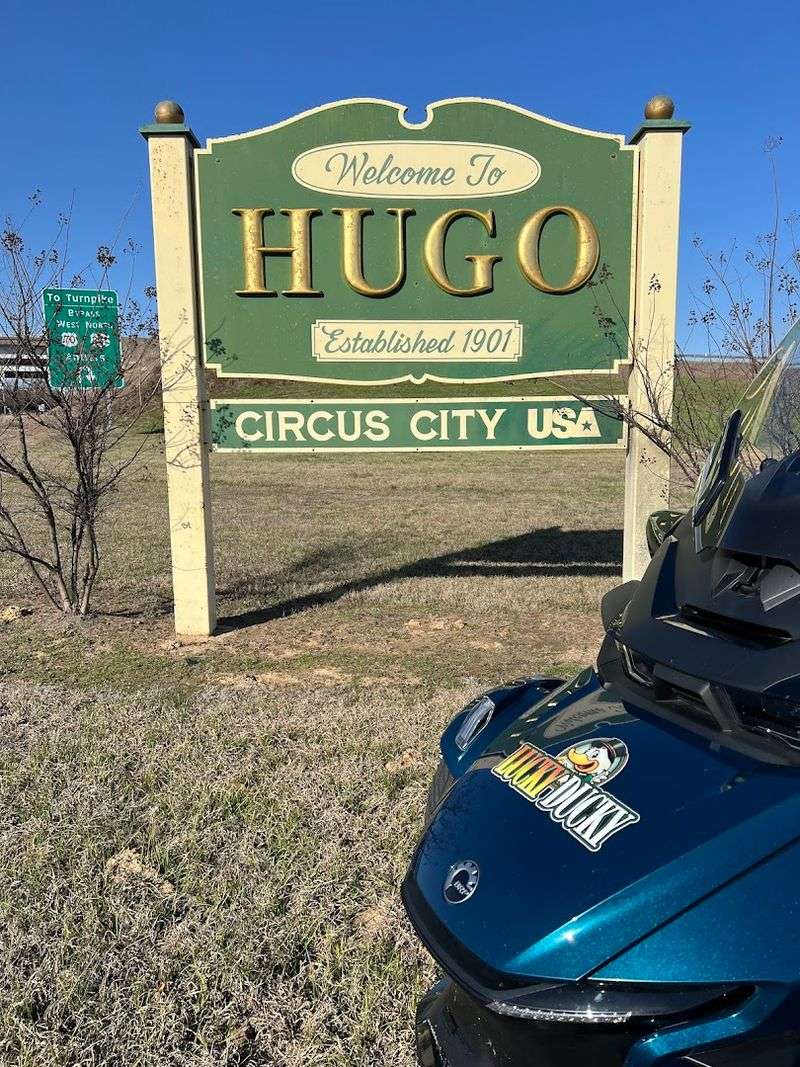
Hugo, Oklahoma, has a nickname that is either the most charming or the most unexpected thing you will hear about any small town in the state: Circus City, USA.
For much of the 20th century, several major American circuses chose Hugo as their winter home base, and the town embraced that identity with open arms and genuine community pride.
Located in Choctaw County in southeastern Oklahoma, Hugo became the off-season headquarters for circuses including Kelly Miller Circus and Carson Barnes Circus, among others.
Performers, animals, and equipment all wintered here, and the presence of the circus world became woven into the fabric of daily life in the town.
The most remarkable reminder of that legacy is Showmen’s Rest, a section of Mount Olivet Cemetery dedicated to circus performers and workers who are buried here.
The headstones are unlike anything you will find in a typical cemetery, featuring carved elephants, clowns, and wagon wheels that mark the resting places of people who spent their lives bringing wonder to audiences across the country.
Hugo also sits near Sardis Lake, a popular recreation area that offers fishing, camping, and boating in a peaceful, forested setting. The lake provides a natural complement to the town’s quirky cultural attractions.
The Kiamichi Country region surrounding Hugo is rich with outdoor beauty and a slower pace of life that feels increasingly rare. Hugo is one of those places that sticks with you long after you leave, mostly because you never expected to find anything quite like it anywhere.
Dear Reader: This page may contain affiliate links which may earn a commission if you click through and make a purchase. Our independent journalism is not influenced by any advertiser or commercial initiative unless it is clearly marked as sponsored content. As travel products change, please be sure to reconfirm all details and stay up to date with current events to ensure a safe and successful trip.
