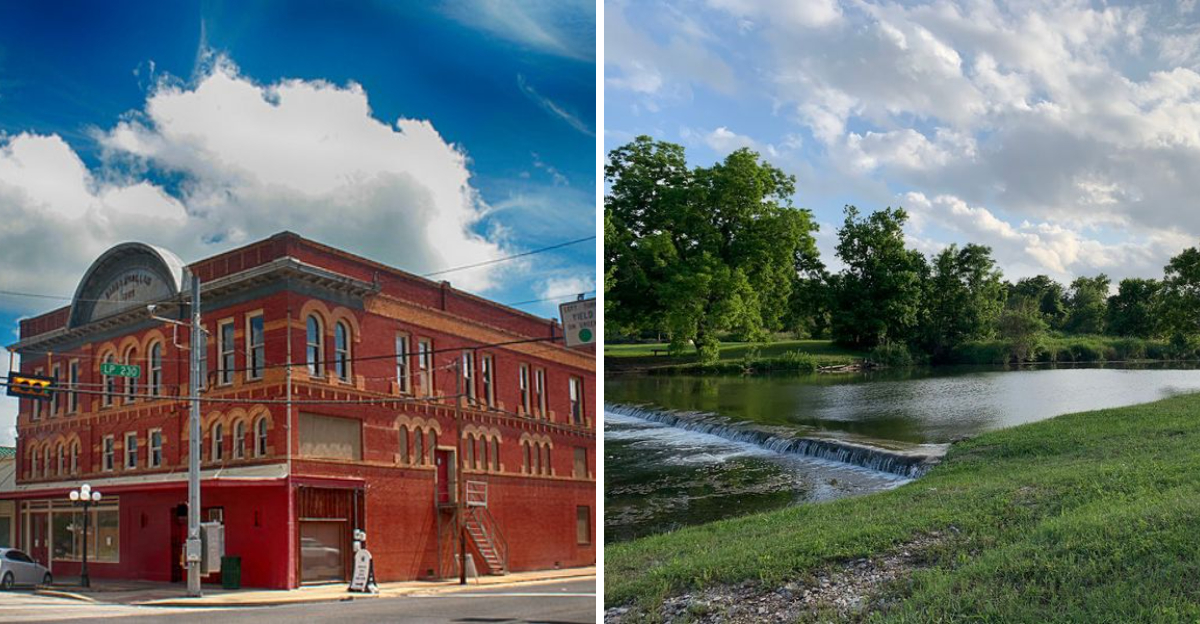
This is the kind of list that makes people pause and think about how much of the state they have really seen. Some towns stay under the radar on purpose, and that is exactly what keeps them interesting.
These places sit just far enough off the usual routes to avoid the crowds, with streets that feel lived in rather than designed for visitors. Local diners, small shops, and quiet corners give each town its own personality without trying too hard.
The experience comes from slowing down and noticing what is already there.
Texas still holds onto towns like these where things feel steady and unchanged. Knowing them feels different, like having a sense of the state that goes beyond the obvious stops.
1. Nacogdoches
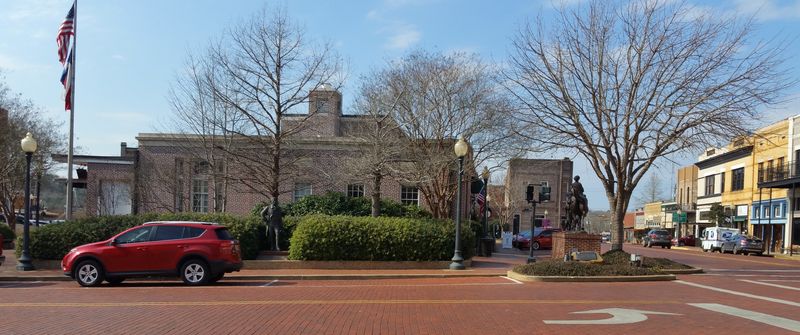
The oldest town in Texas carries that title with quiet confidence, not with flashy signs or tourist traps. Nacogdoches sits in deep East Texas surrounded by towering pines, and the moment you roll into downtown, something about the pace slows you down in the best possible way.
The Sterne-Hoya House Museum is one of those places that makes history feel tangible. You can almost sense the weight of the stories held within its walls.
The Ruby M. Mize Azalea Garden is another gem, especially in spring when the blooms practically glow against the green backdrop.
Beyond the landmarks, it is the streets themselves that tell the story. Old brick storefronts, family-run shops, and towering oaks line the town center.
Locals move through their days with an easy friendliness that feels genuinely unhurried.
Stephen F. Austin State University adds a youthful energy to the mix without overwhelming the town’s historic soul.
Students and longtime residents seem to coexist naturally, giving Nacogdoches a layered character that is hard to find elsewhere. This is East Texas at its most authentic.
2. Alpine
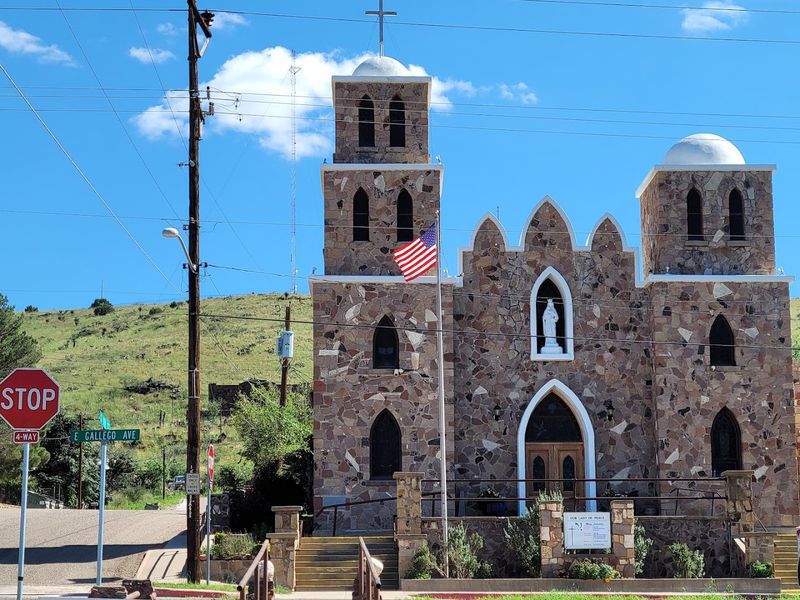
Out in the vast stretch of West Texas, Alpine feels like a town that earned its place by sheer stubbornness and beauty. The air is different here, thinner and cleaner, and the sky seems to go on forever in every direction.
Sul Ross State University anchors the town with a creative energy that blends surprisingly well with the rugged desert surroundings.
The Museum of the Big Bend sits right on campus and offers one of the most underrated history experiences in the state. Artifacts, maps, and exhibits cover centuries of life in this remote region.
It is genuinely absorbing, even if you did not come expecting a history lesson.
Alpine also serves as a natural base for exploring Big Bend National Park, Marfa, and the surrounding Chihuahuan Desert. Day trips branch out in every direction, but honestly, the town itself deserves more than just a night’s sleep.
Murals brighten the downtown walls. Local coffee shops hum with conversation between ranchers and artists who somehow share the same zip code.
The contrast between the stark landscape and the lively creative community is what makes Alpine genuinely unforgettable among West Texas destinations.
3. Jefferson
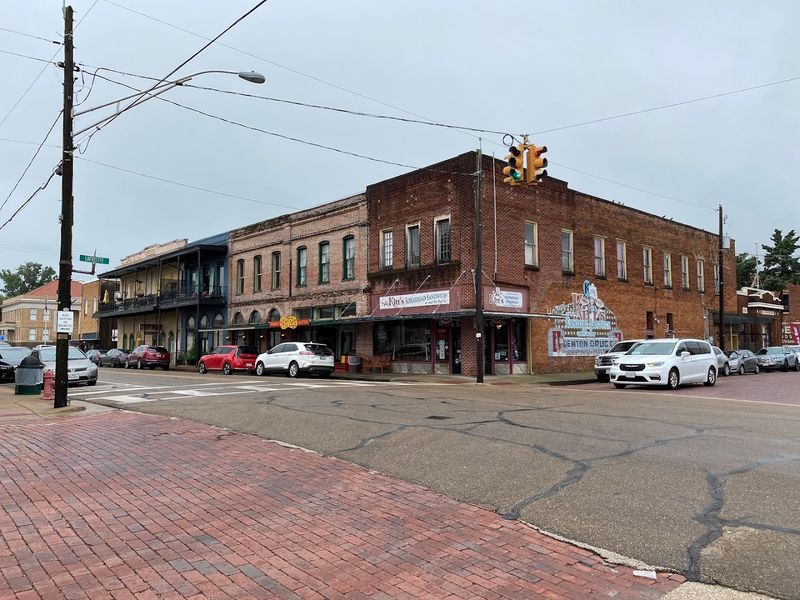
There is a ghost story around every corner in Jefferson, and that is not a complaint. This small town in Northeast Texas was once the most important inland port in the state, and it has never fully let go of that golden era.
The architecture alone is worth the drive, with Victorian homes and storefronts preserved in remarkable detail.
Jefferson sits along Big Cypress Bayou, and the cypress trees draped along the water’s edge give the whole town a moody, atmospheric quality. Boat tours on the bayou offer a perspective on the landscape that you simply cannot get from the road.
The Spanish moss, the still water, the bird calls make it feel far removed from modern Texas.
Historic museums, antique shops, and bed-and-breakfast inns fill the streets with a character that feels lived-in rather than performed. I wandered through town on a quiet weekday and felt genuinely transported.
The Excelsior House Hotel, one of the oldest operating hotels in Texas, adds another layer of fascinating history to the experience.
Jefferson rewards slow exploration. The more time you give it, the more it reveals, making it one of East Texas’s most rewarding small-town destinations.
4. Strawn
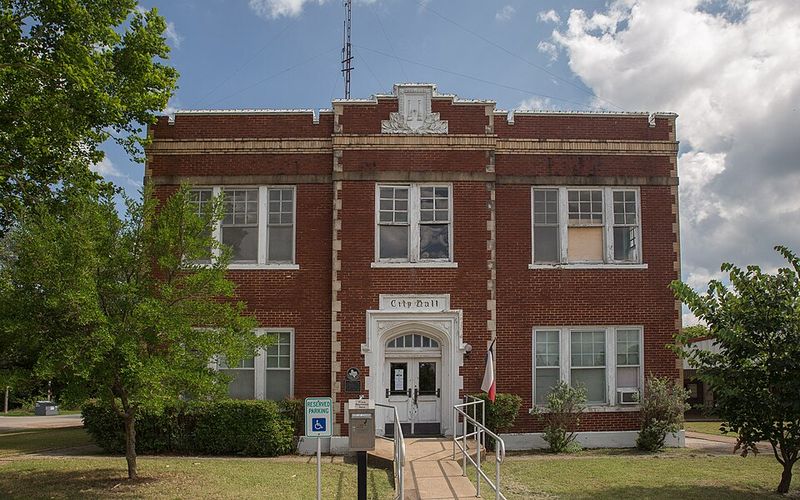
Most people blow past Strawn on Interstate 20 without a second thought, and that is their loss. This tiny Palo Pinto County town sits quietly between Weatherford and Abilene, easy to miss and even easier to underestimate.
But Strawn has a reputation that travels far beyond its modest size.
The town is best known for a particular style of chicken-fried steak that has drawn food lovers from across Texas for decades. Locals talk about it the way other towns talk about landmarks.
There is a sense of pride here that is completely unpretentious and refreshingly honest.
Beyond the food, Strawn offers a glimpse into the kind of small-town Texas life that is becoming increasingly rare. The streets are quiet.
Neighbors know each other. The pace of daily life feels almost deliberately slow, like the town has decided that rushing simply is not worth it.
Palo Pinto County’s rolling hills and cedar-dotted landscape surround Strawn with natural beauty that pairs well with a long afternoon drive. If you are road-tripping across Central Texas, this is the kind of stop that turns a regular drive into an actual memory.
Small towns like Strawn remind you what Texas felt like before everything got so busy.
5. Castroville
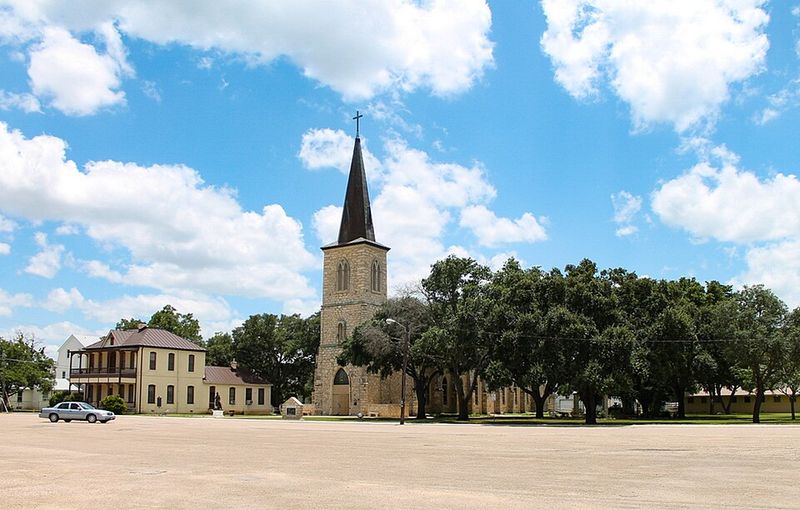
Castroville calls itself the Little Alsace of Texas, and once you see the architecture, you understand exactly why. Founded in 1844 by Henri Castro and a group of Alsatian immigrants, the town developed a distinct European character that it has maintained with genuine care.
The stone buildings, steeply pitched rooflines, and narrow streets feel unlike anything else in Texas.
The Landmark Inn State Historic Site is the heart of the town’s preserved history. The inn itself dates back to the mid-1800s and still operates as a place to stay overnight, which is a remarkable and rare experience.
Waking up inside a piece of living Texas history has a certain magic to it.
The Medina River runs nearby, offering quiet spots for fishing, picnicking, and simply sitting with your thoughts. Castroville is only about thirty minutes west of San Antonio, which makes it surprisingly accessible for a place that feels so removed from city life.
Local bakeries carry on old Alsatian baking traditions, and the community takes obvious pride in its cultural roots. There is a warmth to Castroville that you notice immediately.
It is a town that knows who it is and has no interest in pretending otherwise.
6. Goliad
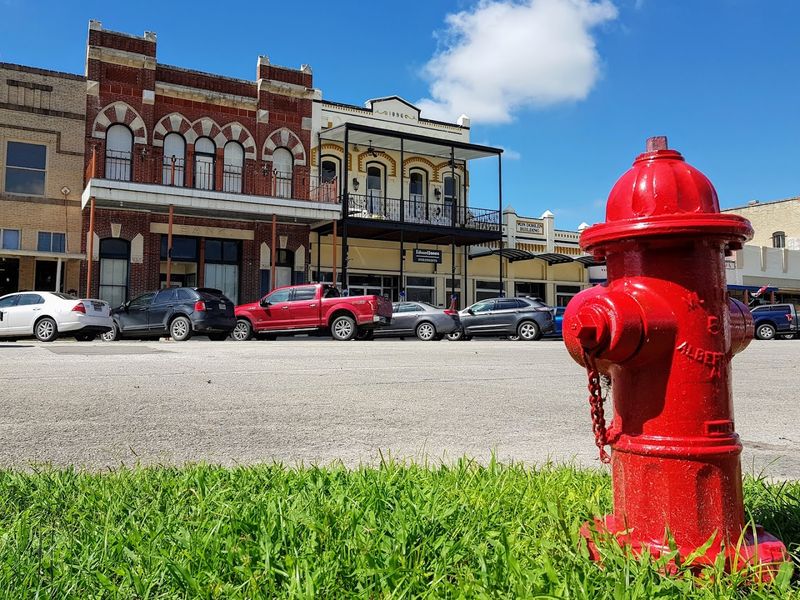
Goliad is one of those Texas towns where history is not behind glass. It is all around you, in the streets, the architecture, the landscape, and the stories that locals share with an easy familiarity.
The town sits along the San Antonio River in South Texas and carries the kind of historical weight that deserves far more attention than it typically receives.
Presidio La Bahia is one of the best-preserved Spanish colonial forts in North America. The mission complex is genuinely striking, with thick stone walls and a restored chapel that still holds regular services.
It is a place that makes you pause and reconsider the depth of Texas history before the Texas Revolution even began.
Mission Espiritu Santo, located within Goliad State Park, adds another extraordinary layer to the town’s story. The restored mission buildings sit peacefully among ancient oaks along the river.
Hiking trails wind through the park, connecting the natural landscape with the historical sites in a way that feels completely organic.
Downtown Goliad has a comfortable, unhurried energy that invites you to linger. The courthouse square, the local shops, and the tree-shaded streets make it a place that rewards wandering without any particular agenda.
7. Wimberley
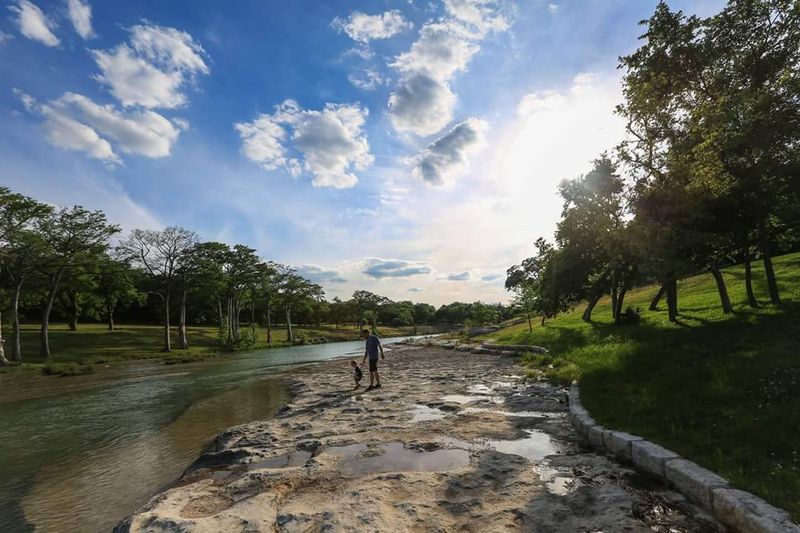
Tucked into the folds of the Texas Hill Country where Cypress Creek meets the Blanco River, Wimberley has built a reputation as one of the most naturally beautiful small towns in the state. The water here is the kind of clear blue-green that makes you stop mid-sentence.
Blue Hole Regional Park draws visitors from all over Texas during the warmer months, and it is easy to understand the appeal.
Jacob’s Well is another natural landmark that borders on legendary. The artesian spring creates a crystal-clear pool that descends into a submerged cave system, making it one of the most visually striking natural features in the Hill Country.
Reservations are required to visit, which helps preserve the experience.
Beyond the water, Wimberley has cultivated a strong arts community with galleries, studios, and a Saturday market that brings local makers together in a genuinely festive atmosphere. The market square fills up with handmade goods, local food, and live music that drifts through the oak trees.
The town manages to balance natural beauty with creative community energy without feeling overcrowded or commercial. It is the kind of place where a weekend feels longer than it actually is, in the most satisfying way imaginable.
8. Shiner
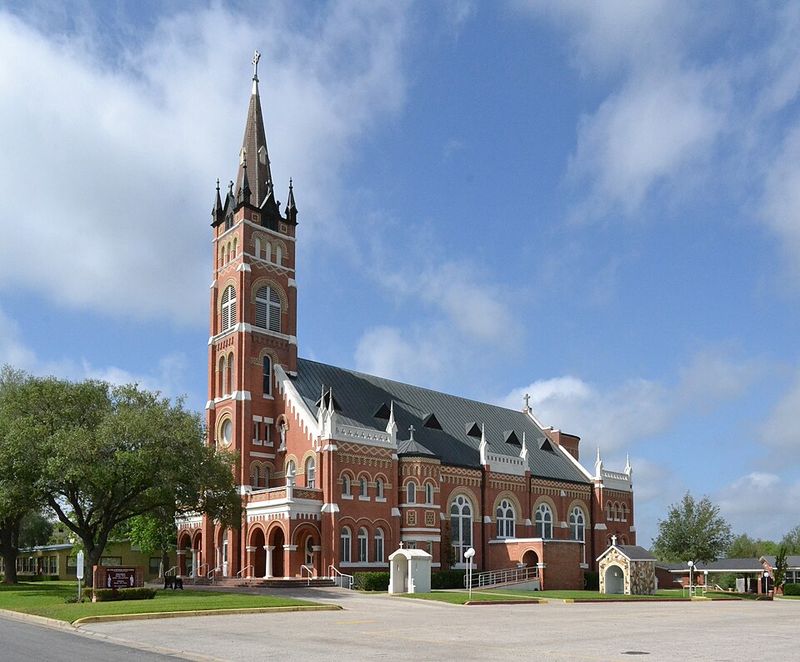
Shiner is a town that operates on its own clock, and once you spend a few hours there, you start to think that clock might actually be set correctly. Located in Lavaca County in South Central Texas, this small community of just over two thousand people carries a cultural richness that far exceeds its size.
Czech and German immigrant heritage runs deep here, visible in the architecture, the community events, and the family names on local businesses. The K.J.T.
Hall and the historic Catholic church of the Assumption are both worth a visit, offering a window into the immigrant communities that shaped this corner of Texas.
The Spoetzl Brewery has been part of Shiner’s identity since 1909 and remains a point of local pride, though the town has plenty of character beyond its famous association. Downtown Shiner has an unhurried charm that feels completely genuine.
Antique shops, local diners, and a well-kept courthouse square give the area a lived-in quality that no amount of renovation could manufacture.
The surrounding farmland rolls out in every direction, flat and golden in the afternoon light. Shiner rewards the kind of traveler who is happy to slow down, look closely, and appreciate what makes a small Texas town truly worth remembering.
9. Smithville
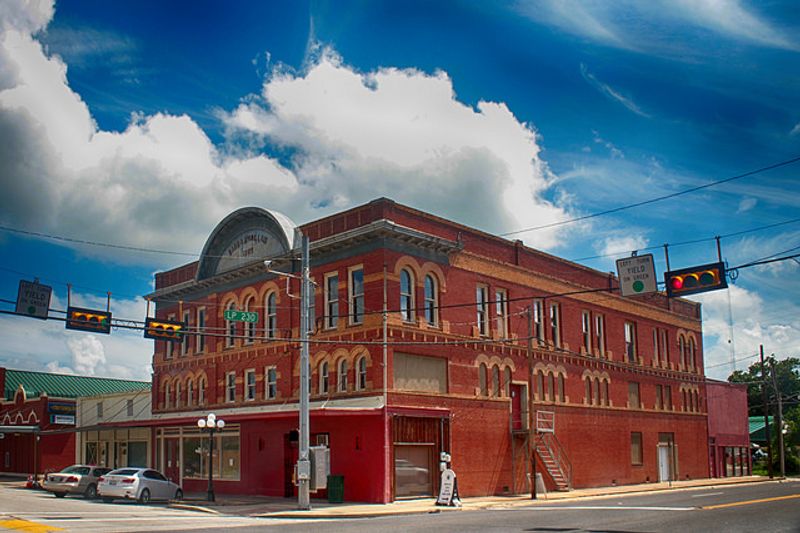
Smithville sits along the Colorado River in Bastrop County, and the town has a personality that feels both rooted and quietly creative. It is close enough to Austin to be accessible but far enough away to have developed its own distinct character.
The downtown area has a pleasantly scrappy charm, with murals, independent shops, and a community that takes obvious pride in its river town identity.
The Colorado River provides a natural backdrop that shapes daily life here. Fishing, kayaking, and riverside walks are part of the regular rhythm for locals.
The Gazebo Park along the riverbank is a peaceful spot to settle in and watch the water move while the rest of the world seems to pause.
Smithville gained some outside attention when it served as a filming location for the movie Hope Floats, and a few locals still bring it up with a mix of pride and amusement. But the town’s appeal runs much deeper than any film connection.
The Smithville Railroad Museum reflects the town’s important history as a railway hub, offering a well-curated look at how the railroad shaped this community.
Annual festivals and community events keep the town lively throughout the year. Smithville is the kind of place that grows on you gradually, and before long you are already planning a return visit.
10. Salado
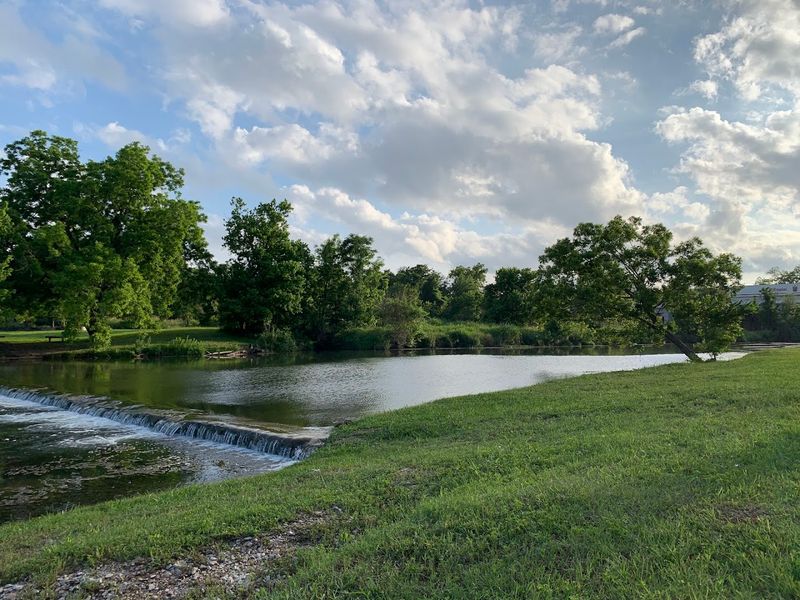
Salado is the kind of Texas town that feels like it was designed to make you slow down and pay attention. Situated along Salado Creek in Bell County, this small village has a long history that stretches back to the days of the Chisholm Trail, when cattle drives passed right through on their way north.
The creek still runs clear and cool beneath a canopy of ancient cypress trees.
The historic district is compact and walkable, lined with limestone buildings that house art galleries, boutiques, and studios. Salado has attracted artists for generations, and that creative energy is woven into the fabric of the town in a way that feels organic rather than curated.
The Tablerock Amphitheater hosts outdoor performances that bring the community together under the open Texas sky.
The Salado Museum and the Central Texas Area Museum both offer thoughtful looks at the town’s layered history, from Native American presence through the frontier era and beyond. Neither feels overwhelming.
Both feel worth your time.
What I appreciate most about Salado is that it never tries too hard. The beauty is right there on the surface, in the water, the trees, the old stone walls, and the unhurried pace of a town that has figured out exactly what it wants to be.
Dear Reader: This page may contain affiliate links which may earn a commission if you click through and make a purchase. Our independent journalism is not influenced by any advertiser or commercial initiative unless it is clearly marked as sponsored content. As travel products change, please be sure to reconfirm all details and stay up to date with current events to ensure a safe and successful trip.
