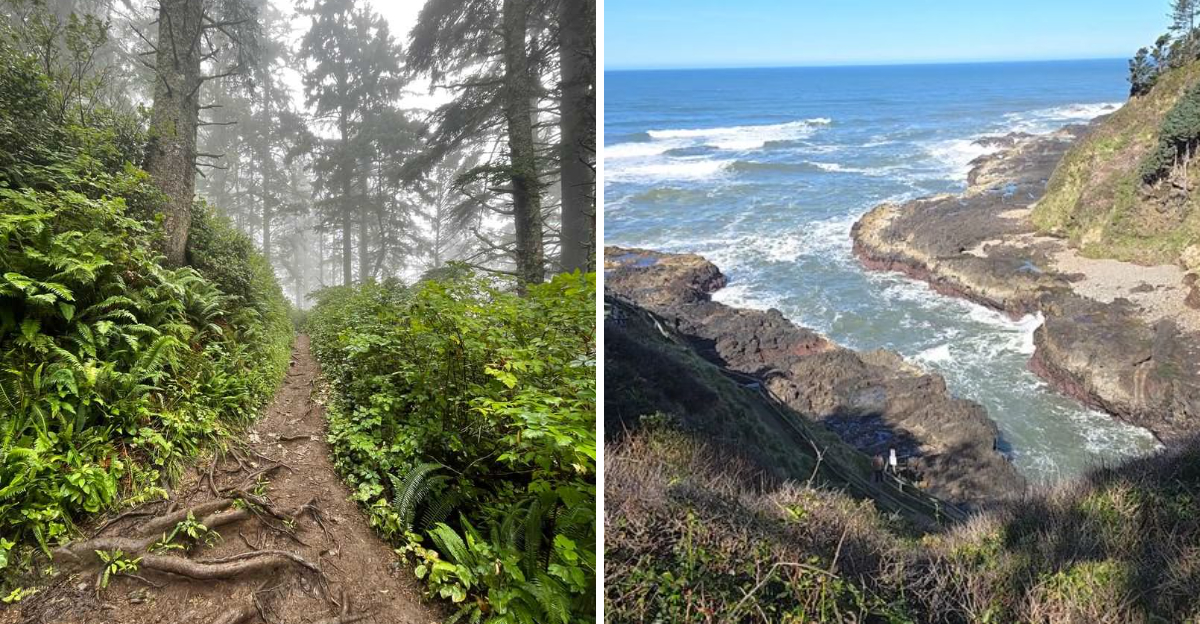
Oregon’s forests offer some of the most breathtaking walking trails in the Pacific Northwest, where towering trees create natural cathedrals and moss-covered landscapes feel almost magical.
Whether you’re seeking a peaceful morning stroll or an afternoon adventure surrounded by ancient giants, the state’s diverse forest areas provide countless opportunities to reconnect with nature.
From coastal rainforests to mountain woodlands, each region showcases unique ecosystems filled with wildlife, wildflowers, and stunning scenery that changes with every season.
These seven remarkable areas represent the best forest walking experiences Oregon has to offer, welcoming hikers of all skill levels to explore their shaded paths and discover the tranquil beauty that makes Oregon’s forests truly unforgettable.
Lace up your hiking boots, grab your water bottle, and prepare to experience the natural wonders waiting along these incredible trails.
Each destination promises fresh air, peaceful surroundings, and memories that will last long after your visit ends.
Adventure awaits in Oregon’s magnificent forests.
1. Silver Falls State Park
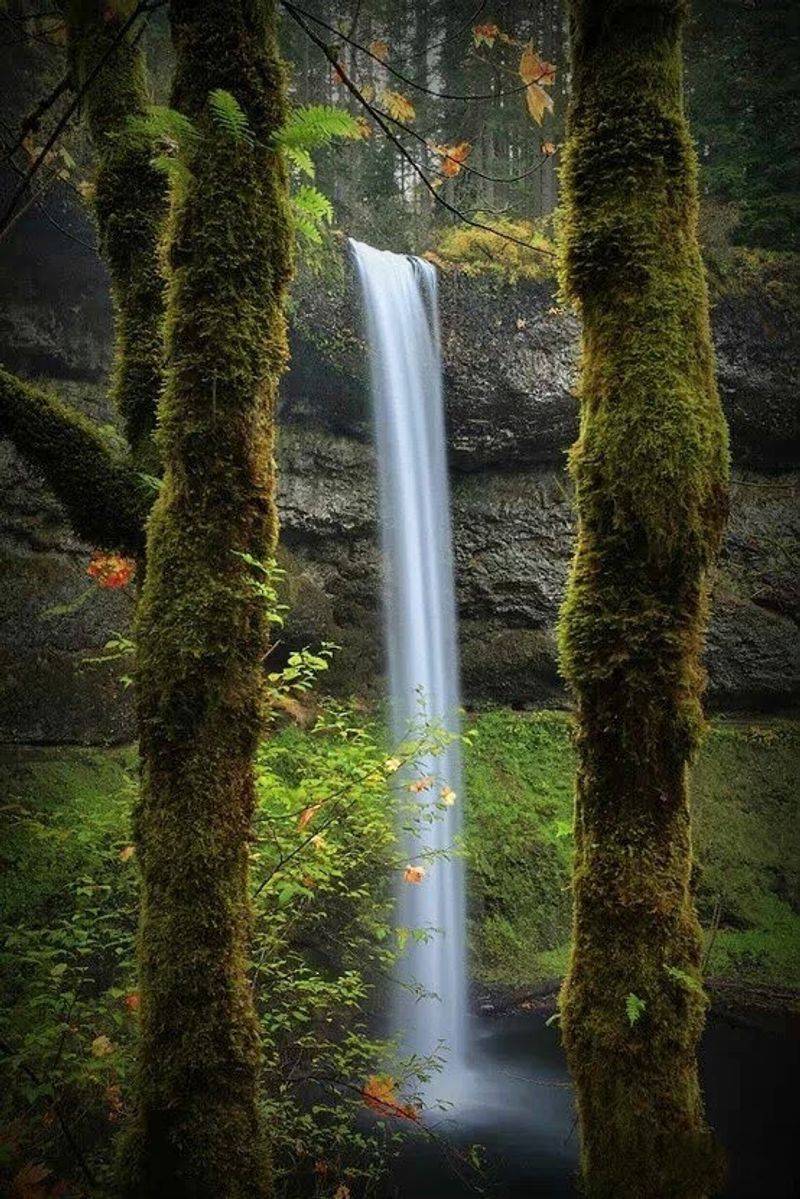
Walking through Silver Falls State Park feels like stepping into a fairytale where waterfalls cascade around every bend and ancient forests whisper stories from centuries past.
Located near Silverton in the western Cascades, this stunning park features the famous Trail of Ten Falls, an eight-mile loop that takes you behind several magnificent waterfalls.
The experience of walking behind a thundering curtain of water while staying completely dry remains one of Oregon’s most memorable outdoor adventures.
Douglas fir and western hemlock trees tower overhead, creating a canopy that filters sunlight into dancing patterns across the forest floor.
Ferns carpet the ground in every shade of green imaginable, while moss drapes from tree branches like nature’s own decorations.
The trail system offers options for every fitness level, from short quarter-mile walks to the full loop that showcases all ten waterfalls in their glory.
Spring brings wildflowers that dot the landscape with bursts of color, while autumn transforms the deciduous trees into brilliant displays of gold and crimson.
Winter visits reveal a quieter side of the park, with fewer crowds and the possibility of seeing waterfalls partially frozen into spectacular ice formations.
The well-maintained paths make navigation easy, though some sections include stairs and can become slippery when wet.
Families love this destination because children can actually walk behind waterfalls, creating excitement that keeps young hikers motivated throughout the journey.
The park provides restrooms, picnic areas, and a day lodge where visitors can warm up or grab a snack.
Photographers flock here year-round to capture the dramatic waterfalls framed by lush forest vegetation, making it one of Oregon’s most photographed natural locations.
2. Opal Creek Wilderness
Imagine walking among trees that were already ancient when your great-great-grandparents were born, their massive trunks reaching skyward in a forest that has never known the bite of a logging saw.
Opal Creek Wilderness protects one of the largest remaining old-growth forests in Oregon, where some trees exceed 1,000 years in age and measure over twenty feet around.
The journey to reach these giants requires commitment, as the trail begins with a three-mile walk along an old mining road before entering the true wilderness area.
Once you pass the former mining town of Jawbone Flats, now an environmental education center, the landscape transforms into something truly primeval.
Western red cedar, Douglas fir, and Pacific silver fir create a cathedral-like atmosphere where silence feels sacred and every footstep connects you to centuries of natural history.
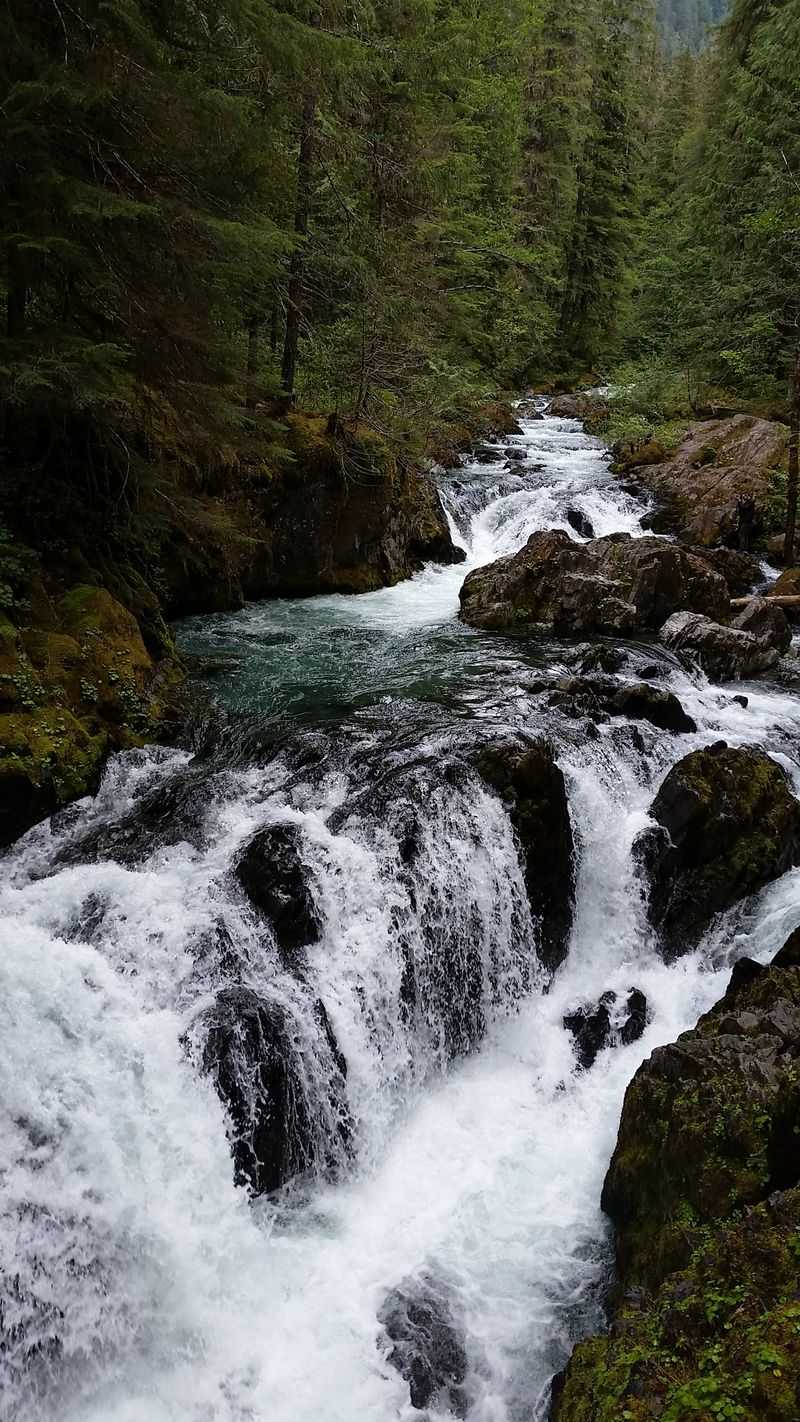
The creek itself flows with water so clear and brilliantly colored that it appears almost unreal, with pools reflecting shades of turquoise and emerald.
Several swimming holes along the route provide refreshing stops during summer months, though the water stays bracingly cold even in August.
The trails here range from moderate to challenging, with some steep sections and creek crossings that require careful footing.
Because this wilderness area receives protection status, you won’t find developed facilities or paved paths, which helps preserve its pristine character.
Wildlife sightings happen frequently, with Roosevelt elk, black-tailed deer, and countless bird species calling this forest home.
The best visiting times span from late spring through early fall, as winter snow and spring runoff can make access difficult or dangerous.
This destination rewards those willing to venture beyond easy roadside attractions with an authentic wilderness experience.
3. Cape Lookout State Park
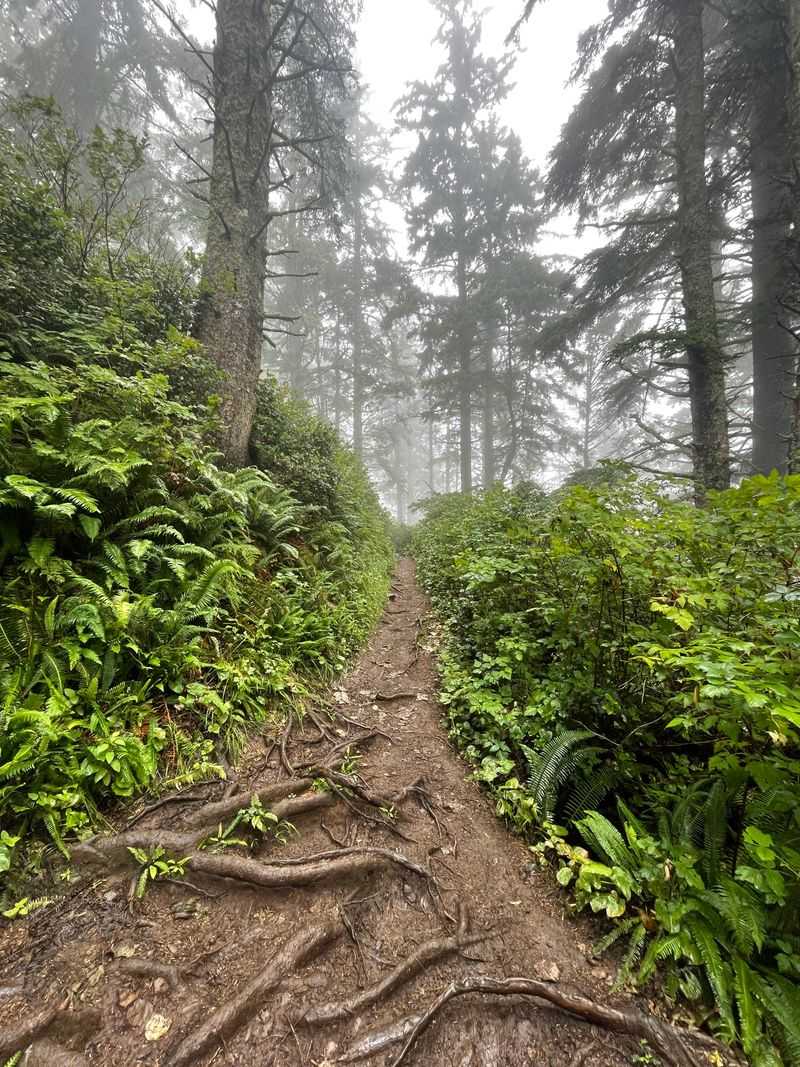
Perched on Oregon’s dramatic coastline, Cape Lookout offers a completely different forest experience where towering Sitka spruce trees grow within earshot of crashing Pacific waves.
The five-mile round-trip trail to the cape’s tip winds through dense coastal forest before emerging onto a narrow headland that juts nearly a mile into the ocean.
Salt-tolerant plants and wind-sculpted trees create landscapes you won’t find anywhere inland, making this a unique addition to any forest trail collection.
Morning fog often blankets the trail, creating an ethereal atmosphere where moisture drips from every branch and visibility shrinks to just a few feet ahead.
As you walk, the constant sound of waves provides a rhythmic soundtrack quite different from the quiet stillness of interior forests.
The trail maintains a relatively gentle grade for most of its length, making it accessible to moderately fit hikers who take their time.
Wildlife viewing opportunities abound, particularly during whale migration seasons when gray whales pass close to shore on their annual journey between Alaska and Mexico.
From the cape’s viewpoint, lucky visitors might spot whales breaching, sea lions lounging on offshore rocks, or seabirds diving for fish in the productive coastal waters.
The forest itself shelters Roosevelt elk, which occasionally wander onto the trail, creating memorable encounters for surprised hikers.
Weather changes rapidly along the coast, so bringing layers and rain gear proves essential even on seemingly sunny days.
The park offers camping facilities for those wanting to explore multiple trails over several days, including a path down to a secluded beach.
Winter storms transform this area into a dramatic showcase of nature’s power, though trail conditions become more challenging during the wettest months.
4. Mount Hood National Forest

Did you know Mount Hood National Forest contains over 1,200 miles of trails winding through diverse forest ecosystems that range from low-elevation old growth to high alpine parklands?
This vast forest surrounding Oregon’s tallest peak offers countless walking opportunities, from easy riverside strolls to challenging mountain ascents.
The Ramona Falls Trail stands out as a particular favorite, leading 7.5 miles round-trip through old-growth forest to a stunning 120-foot waterfall that cascades over columnar basalt in delicate sheets.
Mountain hemlock, noble fir, and lodgepole pine dominate different elevation zones, creating constantly changing scenery as trails gain altitude.
Wildflower displays peak in July and August, when alpine meadows explode with lupine, paintbrush, and avalanche lilies in riotous color combinations.
Many trails provide spectacular views of Mount Hood’s snow-covered peak rising majestically above the forest canopy, creating postcard-perfect photo opportunities.
The Mirror Lake Trail offers another excellent option, climbing two miles through forest to a pristine alpine lake that reflects Mount Hood’s image on calm days.
Families appreciate the shorter nature trails near Timothy Lake and Trillium Lake, where level paths circle beautiful mountain lakes through pleasant forest settings.
Fall transforms the forest’s vine maple and huckleberry bushes into brilliant reds and oranges that contrast beautifully with evergreen conifers.
Because this forest spans such varied terrain, trail conditions and accessibility vary dramatically by season and elevation.
Lower trails become accessible by April or May, while high-elevation routes might remain snow-covered until July.
The forest provides numerous campgrounds, day-use areas, and visitor centers where you can gather current trail information and obtain required parking permits for trailhead access.
5. Tillamook State Forest
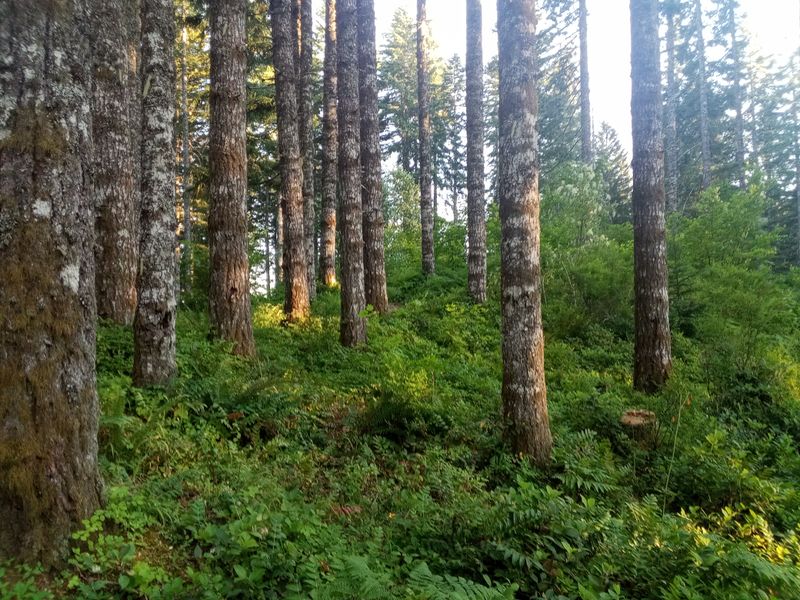
Rising from the ashes of devastating fires that burned over 350,000 acres between 1933 and 1951, Tillamook State Forest tells a powerful story of natural resilience and human determination.
Today, this reborn forest offers over 200 miles of trails through landscapes that showcase different stages of forest recovery, from young plantations to areas where old-growth survivors still stand.
The Kings Mountain Trail provides one of the most rewarding hikes, climbing steeply through dense forest to summit views that stretch from the Coast Range to the Pacific Ocean.
Second-growth Douglas fir now dominates much of the forest, with trees ranging from sixty to ninety years old creating a surprisingly mature appearance.
Remnant old-growth patches that somehow escaped the fires offer glimpses into what the entire forest once looked like before those catastrophic blazes.
Wildlife has returned in abundance, with black bears, cougars, and Roosevelt elk thriving in the regenerated habitat alongside countless smaller species.
The forest’s trail system accommodates multiple uses, with some paths designated for hiking only while others welcome mountain bikers and equestrians.
This multi-use approach means hikers should stay alert and follow trail etiquette, stepping aside when faster users approach from behind.
Many trails follow old logging roads that provide gentle grades perfect for families or those seeking easier walks through pleasant forest surroundings.
Educational signs along some routes explain the forest’s dramatic history and ongoing management practices aimed at creating healthy, diverse ecosystems.
The best months for visiting run from May through October, when trails dry out and weather becomes more predictable.
Numerous trailheads scattered throughout the forest mean you can choose adventures ranging from quick one-hour walks to all-day expeditions depending on your available time and energy level.
6. Willamette National Forest

Stretching along the western slopes of the Cascade Mountains, Willamette National Forest protects nearly 1.7 million acres of diverse forest ecosystems where walking trails lead to waterfalls, hot springs, and pristine wilderness areas.
The McKenzie River National Recreation Trail ranks among Oregon’s most beloved paths, following 26 miles of crystal-clear river through old-growth forest past Sahalie and Koosah Falls.
You don’t need to hike the entire distance to enjoy this trail’s magic, as numerous access points allow shorter out-and-back walks to specific highlights.
Ancient Douglas fir and western hemlock create dense shade along most trails, with occasional openings revealing snow-capped Cascade peaks in the distance.
The forest’s western sections receive abundant rainfall, supporting lush understories of sword fern, Oregon grape, and salal that create a quintessential Pacific Northwest atmosphere.
Higher elevation trails transition into mountain hemlock and true fir forests, where subalpine meadows burst with wildflowers during brief summer growing seasons.
Proxy Falls Trail offers an easy two-mile loop to two spectacular waterfalls that cascade over moss-covered lava flows into misty pools.
The relatively flat terrain and short distance make this trail perfect for families with young children or anyone seeking maximum scenic reward for minimal effort.
Autumn brings spectacular color changes when vine maples turn crimson against the evergreen backdrop, creating particularly photogenic conditions.
More adventurous hikers might tackle portions of the 40-mile McKenzie River Trail or explore the Three Sisters Wilderness, where permits control visitor numbers to protect fragile alpine environments.
The forest provides developed campgrounds, rustic cabins for rent, and day-use areas with picnic facilities near popular trailheads.
Winter snow closes higher elevation trails, but lower routes remain accessible year-round for those prepared to navigate muddy conditions.
7. Siuslaw National Forest
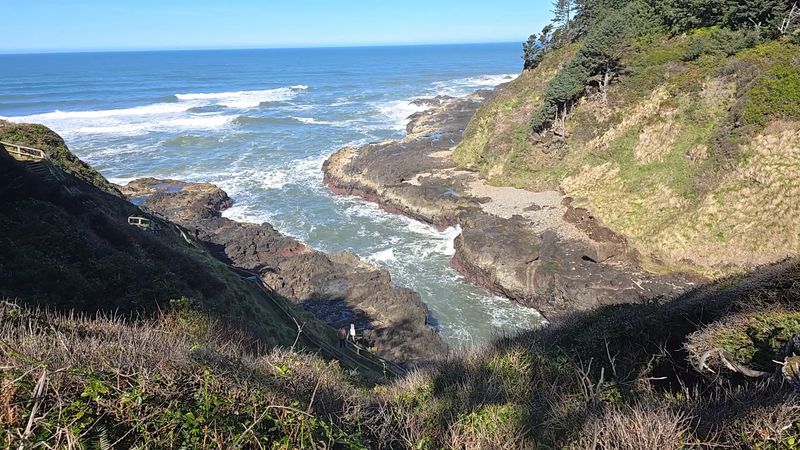
Where coastal rainforests meet massive sand dunes and the Pacific Ocean, Siuslaw National Forest creates an ecological wonderland unlike anything else in Oregon.
The Sweet Creek Trail exemplifies the forest’s character, following a tumbling creek through dense forest past fourteen waterfalls in just four miles of walking.
Massive Sitka spruce trees dominate the coastal sections, their thick bark deeply furrowed and branches draped with lichens that thrive in the moist maritime climate.
This forest experiences more rainfall than almost anywhere else in Oregon, creating incredibly lush conditions where every surface seems covered in moss or ferns.
The constant moisture means trails can stay muddy even during summer months, so waterproof boots become essential gear rather than optional equipment.
Despite the wet conditions, or perhaps because of them, the forest possesses an enchanting quality that makes every walk feel like exploring a lost world.
The Cape Perpetua area offers an exceptional trail network where you can explore tide pools, walk through old-growth forest, and climb to viewpoints overlooking hundreds of miles of coastline.
Interpreter programs during summer months help visitors understand the complex relationships between forest, ocean, and the diverse creatures inhabiting both ecosystems.
Rhododendrons bloom spectacularly in late spring, their pink and purple flowers adding vibrant color to the predominantly green landscape.
Shorter interpretive trails near the Cape Perpetua Visitor Center provide excellent introduction to coastal forest ecology, with signs explaining how trees adapt to salt spray and constant wind.
The forest’s southern sections transition into drier conditions where Douglas fir and western hemlock replace Sitka spruce as dominant species.
Accessibility varies by trail, with some paths featuring boardwalks and gentle grades while others climb steeply over roots and rocks that require careful footing and moderate fitness levels.
Dear Reader: This page may contain affiliate links which may earn a commission if you click through and make a purchase. Our independent journalism is not influenced by any advertiser or commercial initiative unless it is clearly marked as sponsored content. As travel products change, please be sure to reconfirm all details and stay up to date with current events to ensure a safe and successful trip.
