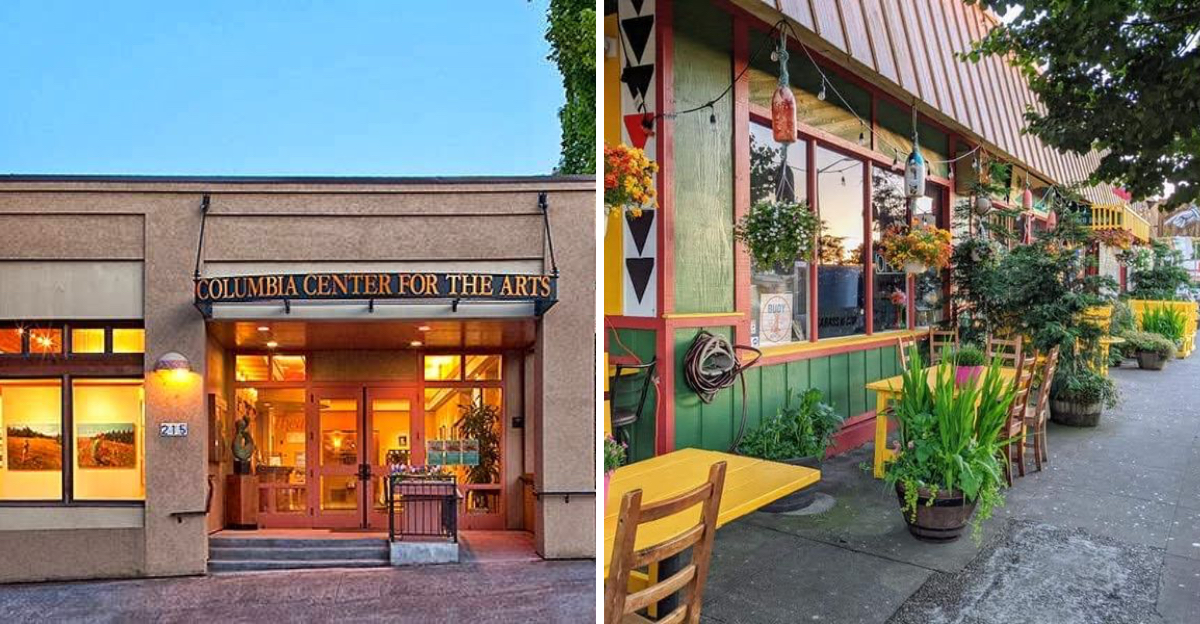
Oregon has a way of nurturing creativity that feels organic and unpretentious.
Across the state, small towns have become home to artists, musicians, and makers who choose to live and work in places where inspiration flows naturally from the landscape, history, and community rhythms.
These aren’t destinations built around tourism branding or forced cultural districts.
Instead, they’re places where galleries sit next to hardware stores, where murals appear on alley walls, and where art exists as part of everyday life rather than a weekend attraction.
From coastal villages to mountain footholds, Oregon’s creative towns offer something increasingly rare: authenticity without performance, culture without curation, and a genuine connection between place and creative expression.
1. Ashland
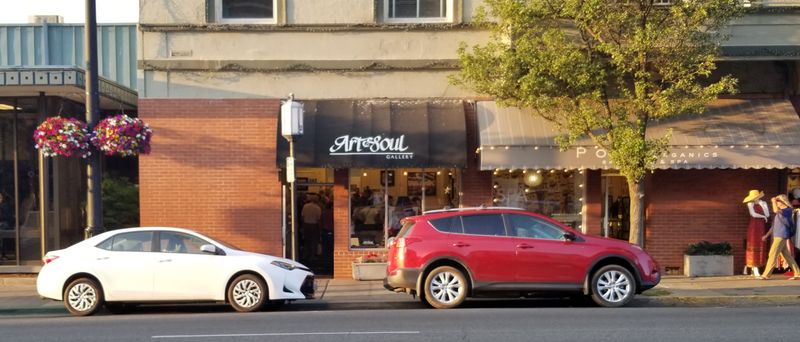
Ashland thrives as a cultural hub where theater, visual arts, and creative expression intertwine with everyday routines.
The Oregon Shakespeare Festival draws audiences from across the country, yet the town’s artistic identity runs much deeper than seasonal performances.
Independent galleries line the downtown streets, showcasing everything from contemporary paintings to handcrafted jewelry.
Resident artists maintain studios in historic buildings, and their presence shapes the character of neighborhoods beyond the theater district.
Year-round performances happen in intimate venues where experimental work finds enthusiastic audiences.
Art walks occur regularly, inviting locals and visitors to explore new exhibitions while connecting with the people who create them.
Public sculptures appear in parks and plazas, adding visual interest to spaces where people gather for farmers markets and community events.
Coffee shops display rotating art collections, and bookstores host author readings that feel more like living room conversations.
The town’s creative energy stems from a genuine commitment to supporting artists as neighbors and contributors to civic life.
Ashland’s location in southern Oregon provides access to mountain trails and seasonal beauty that influences the work produced here.
Galleries stay open late during special events, and sidewalk conversations about new exhibitions happen as naturally as discussions about weather or hiking conditions.
This artistic atmosphere doesn’t feel manufactured or tourist driven.
Instead, it reflects decades of artists choosing to build lives in a place that values creativity as essential rather than ornamental.
2. Cannon Beach
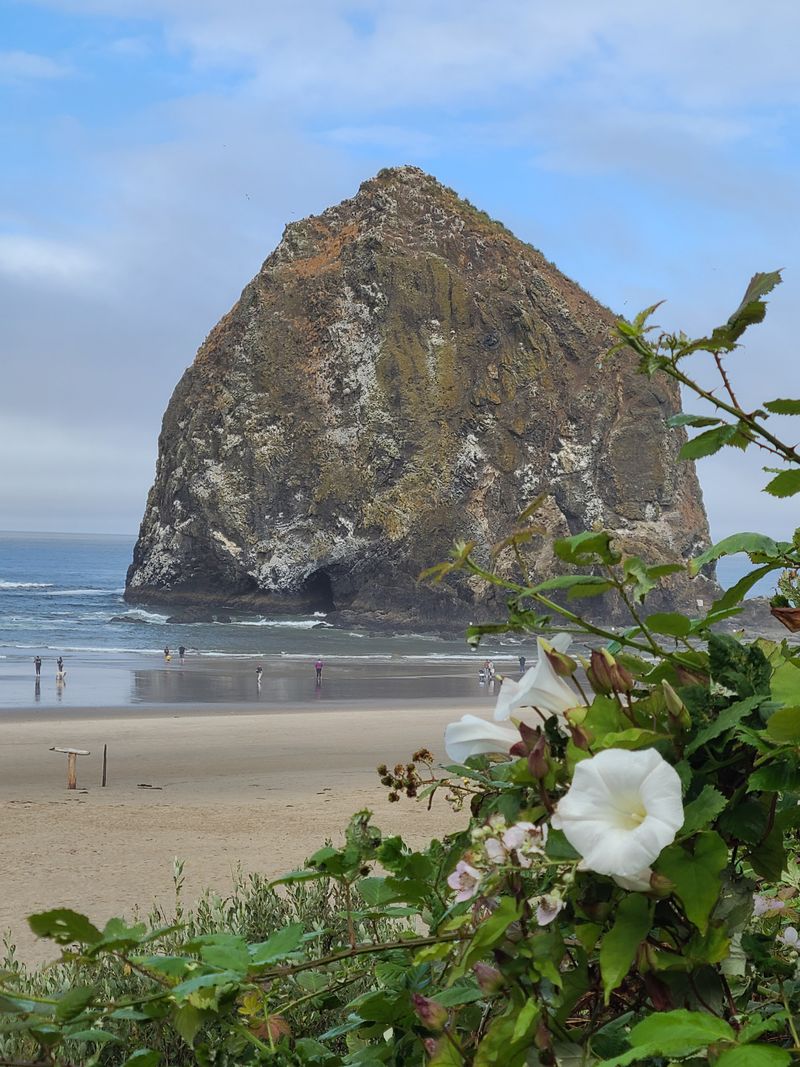
Cannon Beach maintains a quiet reputation among artists drawn to the Oregon coast for its dramatic light and ever-changing weather patterns.
Small galleries occupy weathered buildings along streets that invite slow exploration on foot.
Working studios open their doors during scheduled tours, allowing visitors to watch painters, sculptors, and glass artists at work.
Public art installations appear throughout town, thoughtfully placed to complement rather than compete with the natural surroundings.
The relationship between landscape and creative output feels particularly strong here, where Haystack Rock dominates the shoreline and influences countless paintings, photographs, and sculptures.
Gallery owners often know their artists personally, and conversations about technique or inspiration happen readily.
The town’s artistic presence developed organically over decades as creative people sought places offering both natural beauty and community support.
Walkable streets connect residential neighborhoods to commercial areas, making it easy to encounter art in unexpected places.
Studios tucked into side streets produce work ranging from traditional seascapes to abstract pieces reflecting the power of coastal storms.
Local festivals celebrate this creative culture without overwhelming the town’s essential character.
Art classes welcome beginners, and plein air painters set up easels along the beach regardless of season.
Coffee shops and small restaurants display work by local artists, creating informal gallery spaces that feel accessible and inviting.
This coastal community demonstrates how artistic culture can thrive when it grows naturally from place and shared values rather than calculated branding efforts.
3. Joseph
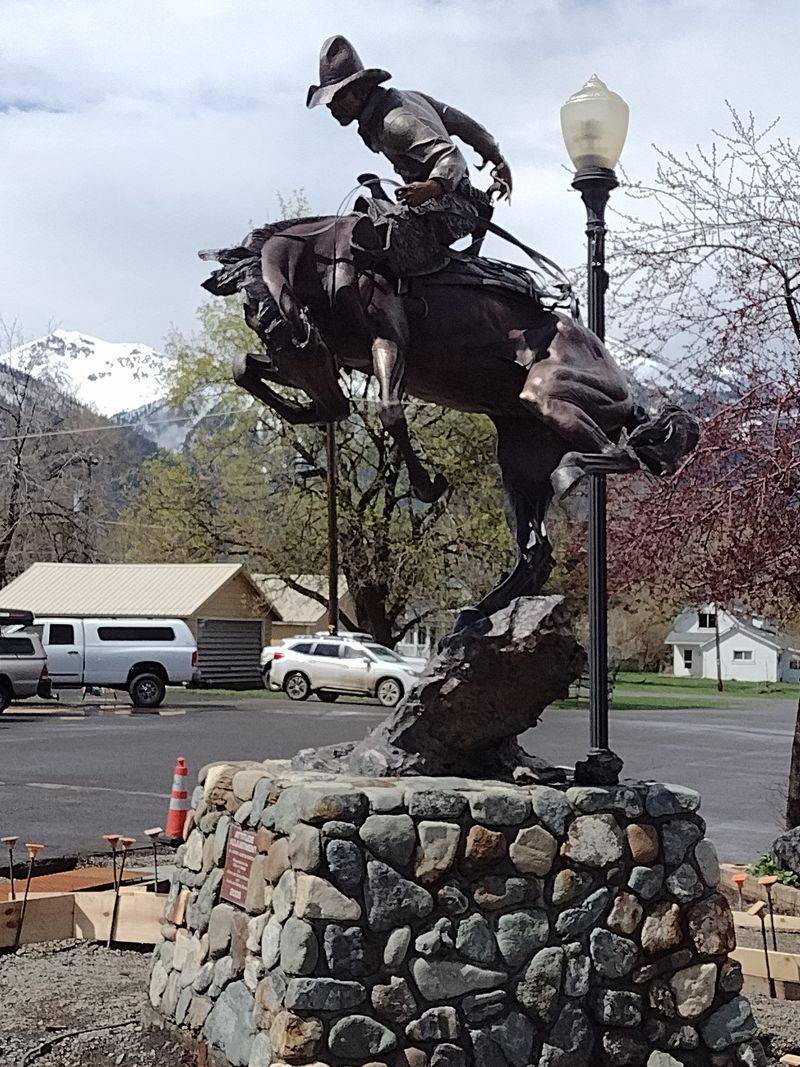
Joseph earned national recognition for bronze sculpture and fine art without sacrificing its small town character or authentic Western roots.
Foundries operate alongside everyday businesses, creating an unusual blend where serious artistic work happens within view of ranching culture and mountain recreation.
Galleries throughout town represent artists working in bronze, painting, photography, and mixed media.
The quality of work displayed here rivals what you’d find in major urban centers, yet the atmosphere remains approachable and unpretentious.
Studio tours reveal the intensive processes behind bronze casting, and artists willingly discuss their techniques with curious visitors.
The Wallowa Mountains provide constant inspiration, appearing in countless artworks that capture their seasonal transformations and dramatic presence.
Joseph’s creative community includes both established artists with international reputations and emerging talents finding their voices.
Public sculptures appear throughout town, adding unexpected artistic moments to ordinary street corners and park spaces.
The town’s commitment to arts education shows in workshops, demonstrations, and mentorship programs connecting experienced artists with newcomers.
Gallery openings feel like neighborhood gatherings where conversations flow easily between artists, collectors, and locals.
This creative backbone developed gradually as artists discovered a place offering both natural beauty and genuine community acceptance.
The blend of working ranches, outdoor recreation, and serious art creates a distinctive character found nowhere else in Oregon.
Studios occupy historic buildings that have been thoughtfully adapted to meet contemporary needs while preserving architectural integrity.
Joseph proves that artistic excellence and rural authenticity can coexist when creativity serves community rather than tourism alone.
4. Silverton
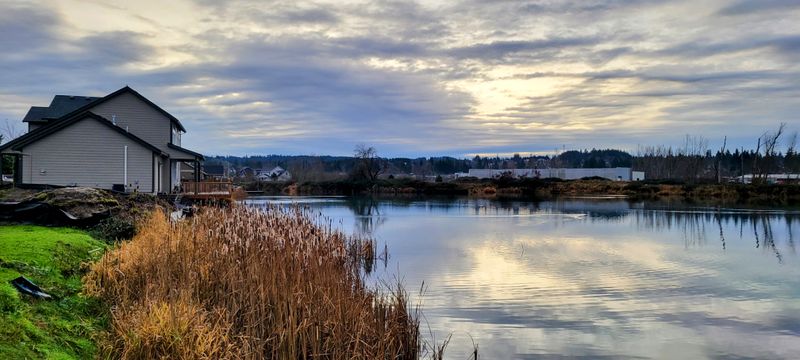
Silverton wears its artistic identity lightly, with creativity appearing in unexpected places throughout this compact town.
Murals cover alley walls and building facades, transforming ordinary spaces into outdoor galleries that anyone can enjoy.
Community art centers occupy repurposed storefronts where classes, exhibitions, and workshops happen regularly.
The emphasis here falls on participation rather than passive observation, with opportunities for people of all skill levels to engage in creative activities.
Local festivals celebrate handmade goods, live music, and community collaboration without the commercial polish of larger events.
Artists working in fiber, ceramics, painting, and metalwork maintain studios accessible during open studio events.
The town’s creative energy feels democratic and inclusive, shaped by people who value making art over marketing it.
Historic architecture provides character and context, with brick buildings housing both traditional businesses and creative ventures.
Public spaces host temporary installations and seasonal decorations created by local artists and school groups.
Gallery spaces operate on modest scales, focusing on regional artists whose work reflects the landscapes and communities of western Oregon.
Coffee shops and cafes display rotating exhibitions, giving emerging artists visibility while adding visual interest to gathering places.
The proximity to Silver Falls State Park influences much of the work produced here, with waterfalls and forest scenes appearing frequently.
Silverton’s approach to arts and culture prioritizes accessibility and community involvement over exclusivity or pretension.
Walking through downtown reveals layers of creative expression, from window displays to sidewalk poetry to impromptu musical performances.
This unpretentious atmosphere makes Silverton feel welcoming to visitors while remaining authentic to the people who live and work here year-round.
5. Jacksonville
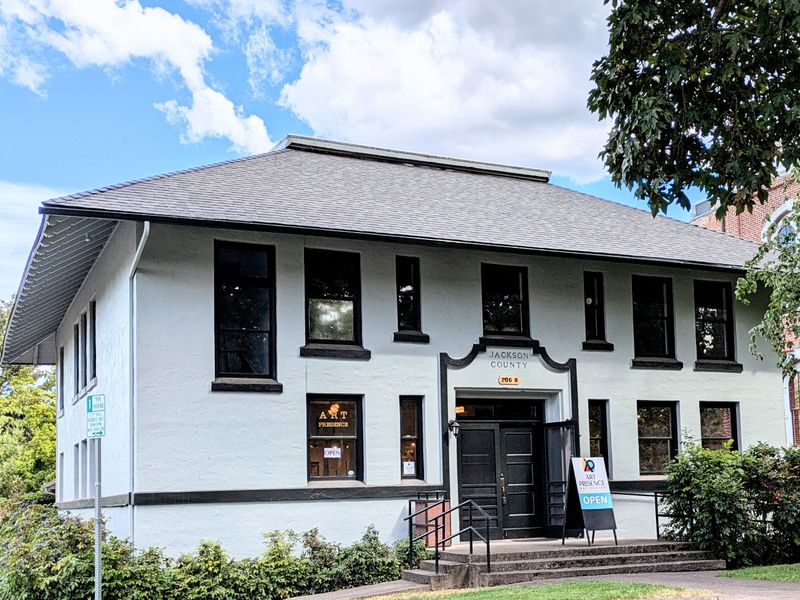
Jacksonville’s creative community operates quietly within remarkably preserved buildings that date back more than a century.
Artists, musicians, and craftspeople work in studios tucked inside brick structures that once served as mercantile establishments and professional offices.
The town’s artistic life feels mature and settled, shaped by continuity rather than rapid change or trendy reinvention.
Galleries occupy spaces with original architectural details, creating interesting dialogues between historical context and contemporary work.
Musicians perform in venues where acoustics benefit from old world construction techniques and careful restoration efforts.
The creative atmosphere here developed gradually as artists discovered a place offering both affordability and authentic character.
Walking tours reveal layers of history alongside current artistic activity, with interpretive signs explaining both architectural significance and contemporary use.
Craftspeople working in traditional techniques find inspiration in the town’s commitment to preservation and historical integrity.
Annual festivals celebrate music, theater, and visual arts without overwhelming the town’s essential quietness and small scale charm.
Studios open during scheduled events, allowing visitors to meet artists and see where work actually happens.
The blend of history and creativity attracts people seeking substance over spectacle, authenticity over manufactured experience.
Local businesses support the arts through exhibition spaces, performance venues, and collaborative events that strengthen community connections.
Jacksonville demonstrates how creative culture can thrive when rooted in place, history, and shared commitment to preserving what makes a town distinctive.
The absence of modern commercial development allows the historic core to function as both living museum and working creative district.
This balance creates an atmosphere where art feels integrated into daily life rather than separated into designated cultural zones.
6. Hood River
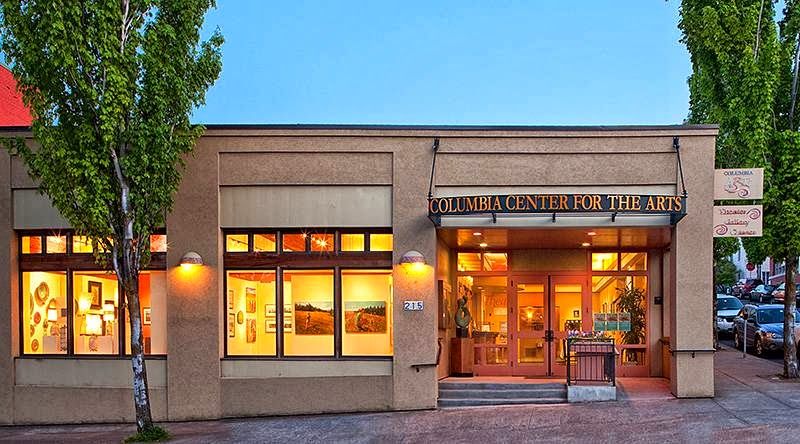
Hood River built its reputation around outdoor recreation, yet a steady arts culture thrives here alongside adventure tourism and agricultural heritage.
Photography galleries showcase work capturing the Columbia River Gorge, Mount Hood, and the dramatic weather patterns that define this landscape.
Woodworkers produce furniture and functional art using materials sourced from regional forests, connecting craft to place in tangible ways.
Design studios serve both local needs and broader markets, with creative professionals choosing Hood River for quality of life rather than urban amenities.
Galleries blend seamlessly into downtown blocks where outdoor gear shops, restaurants, and everyday services create a diverse commercial mix.
The artistic presence here doesn’t compete for attention or dominate the town’s identity.
Instead, it contributes to a cultural richness that appeals to residents and visitors seeking more than recreational opportunities alone.
Studio spaces occupy upper floors and side street locations, maintaining lower profiles while producing work of considerable quality.
Art walks and open studio events happen regularly, inviting people to explore creative spaces they might otherwise overlook.
The influence of landscape appears consistently in local work, from abstract paintings suggesting wind patterns to photographs documenting seasonal changes.
Community support for the arts shows in purchases, attendance, and participation rather than promotional campaigns or cultural branding efforts.
Classes and workshops make creative skills accessible to newcomers and longtime residents alike.
The town’s location between mountain and river provides constant visual inspiration while attracting creative people seeking active lifestyles.
Hood River proves that artistic culture can flourish in places known primarily for other attractions when community values support diverse forms of expression and livelihood.
7. Sisters
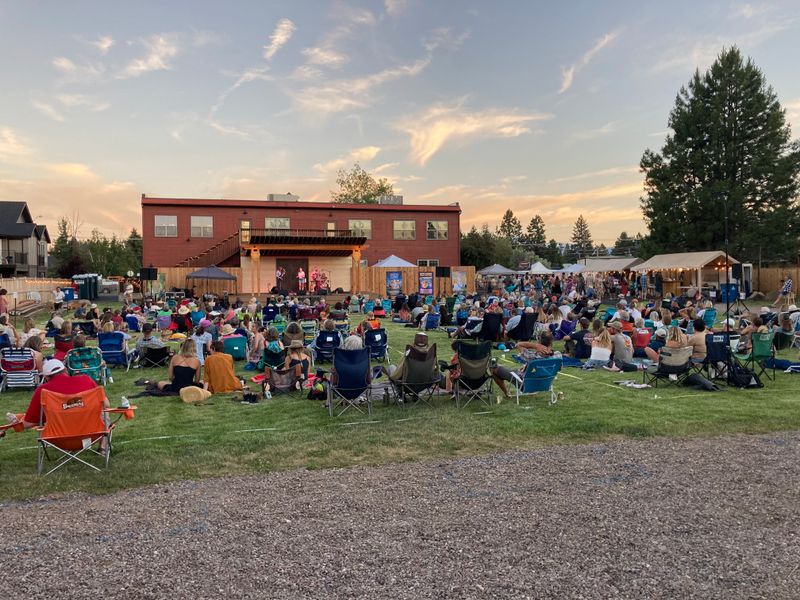
Sisters presents a distinctive visual character through Western themed architecture that provides an unusual canvas for contemporary artistic expression.
Galleries occupy buildings designed to evoke frontier aesthetics while showcasing work in painting, fiber arts, and sculpture.
Artists working here often draw inspiration from the surrounding Cascade landscapes, incorporating natural materials and regional themes into their practice.
The town’s creative energy remains understated, tied closely to local traditions and outdoor culture rather than calculated tourism strategies.
Fiber artists produce quilts, weavings, and textile work reflecting both traditional techniques and contemporary design sensibilities.
Painters capture the dramatic light conditions created by high desert location and mountain proximity.
Sculptors work in wood, metal, and stone, often creating pieces scaled for outdoor installation in private gardens and public spaces.
Gallery owners maintain personal relationships with represented artists, and conversations about process and inspiration happen readily.
The annual outdoor quilt show transforms the entire downtown into a temporary exhibition space, demonstrating community commitment to accessible art experiences.
Studios welcome visitors during open houses, revealing the workspaces where ideas become finished pieces.
Creative businesses coexist comfortably with outdoor outfitters, cafes, and services catering to year-round residents.
The artistic community here values craft, skill, and connection to place over trend following or market chasing.
Public art installations appear in parks and along trails, extending creative expression beyond commercial gallery spaces.
Sisters demonstrates how a town can maintain strong visual identity while supporting diverse artistic voices and evolving creative practices.
The balance between Western aesthetic and contemporary art creates an atmosphere that feels both rooted and current.
8. Astoria
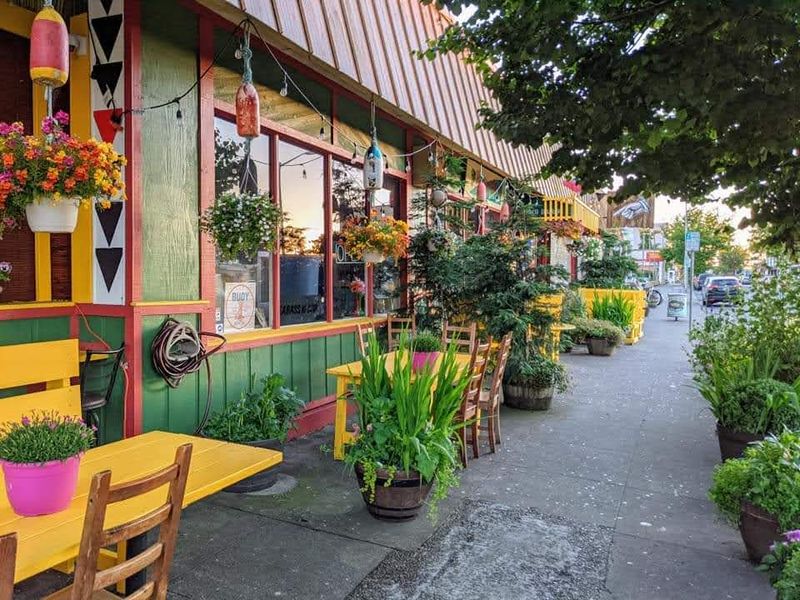
Astoria’s weathered waterfront and layered history create an atmosphere that attracts writers, visual artists, and filmmakers seeking authentic character over polished amenities.
The working port, Victorian architecture, and maritime heritage provide endless subject matter for creative exploration.
Artists maintain studios in renovated warehouses and historic buildings where large windows frame views of the Columbia River and coastal weather systems.
The creative community here tends toward observation and reflection, producing work that engages seriously with place, memory, and regional identity.
Writers find inspiration in the town’s complex history as a fishing center, immigrant gateway, and cultural crossroads.
Galleries display work ranging from documentary photography to abstract paintings responding to fog, water, and industrial forms.
Filmmakers have repeatedly chosen Astoria as a location, drawn by authentic architecture and atmospheric conditions difficult to replicate elsewhere.
The artistic culture developed organically as creative people discovered affordable spaces and a community willing to support unconventional careers.
Coffee shops, bookstores, and small theaters function as informal gathering places where ideas circulate and collaborations form naturally.
Public art projects reflect the town’s maritime heritage while inviting contemporary interpretations of shared history.
Studio tours reveal the diverse practices sustained here, from traditional painting to experimental media and performance work.
The combination of natural beauty, architectural integrity, and working class authenticity creates conditions where creativity feels purposeful rather than decorative.
Astoria proves that artistic communities thrive when rooted in genuine place character rather than manufactured cultural districts or development strategies.
The creative energy here flows from engagement with history, landscape, and the ongoing life of a town that remains economically and culturally complex.
Dear Reader: This page may contain affiliate links which may earn a commission if you click through and make a purchase. Our independent journalism is not influenced by any advertiser or commercial initiative unless it is clearly marked as sponsored content. As travel products change, please be sure to reconfirm all details and stay up to date with current events to ensure a safe and successful trip.
