Oregon has always been a treasure chest of natural wonders and hidden gems that locals cherish deeply.
From rugged coastlines to mystical forests, this state offers countless spots where residents once found peace and solitude.
But as word spread through social media and travel blogs, some of these beloved places have transformed dramatically.
Crowds now gather where silence once reigned, and pristine trails show signs of heavy foot traffic.
Many Oregonians feel a bittersweet mix of pride and frustration watching their favorite spots gain worldwide fame.
The influx of visitors brings economic benefits but also challenges like overcrowding, litter, and environmental damage.
Local communities struggle to balance welcoming tourists while protecting the very attractions that draw them.
This article explores seven Oregon destinations that residents say have changed for the worse due to tourism.
Understanding these concerns helps everyone appreciate why responsible travel matters so much.
Whether you’re planning a visit or just curious, these stories reveal the real impact of overtourism.
Each location tells a tale of beauty discovered, loved, and perhaps loved a little too much.
The goal isn’t to discourage exploration but to encourage mindful appreciation of Oregon’s incredible landscapes.
Let’s examine these seven spots through the eyes of those who’ve watched them transform over the years.
1. Crater Lake National Park
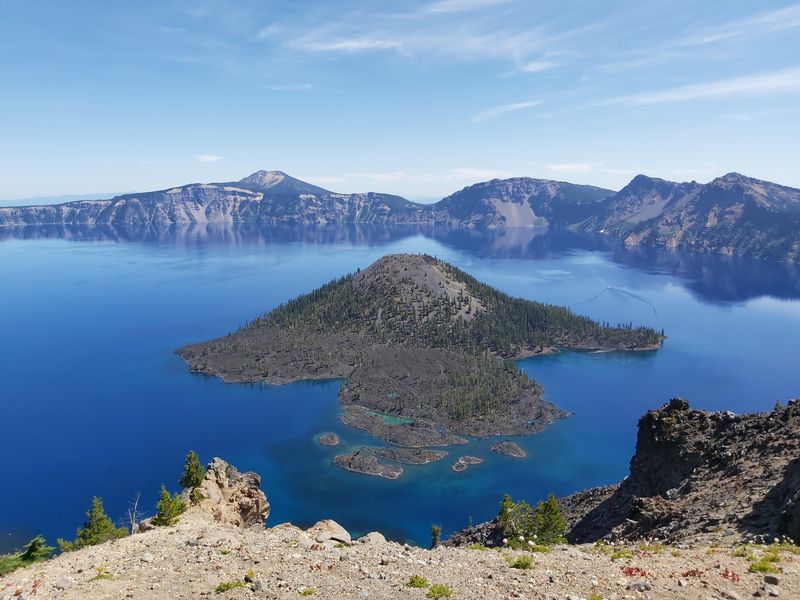
Once upon a time, visiting Crater Lake felt like discovering a secret paradise known only to a fortunate few.
Residents from nearby Klamath Falls and Medford would drive up on quiet weekends to witness the impossibly blue water in peaceful solitude.
Now, summer months bring bumper-to-bumper traffic along Rim Drive, with parking lots overflowing before 9 AM.
The famous viewpoints like Watchman Overlook and Discovery Point have become selfie stations where people jostle for position.
Locals remember when you could sit on the rim for hours without seeing another soul, but those days seem like ancient history.
Tourist buses arrive in waves, and the once-pristine trails show erosion from thousands of boots trampling the same paths daily.
The Cleetwood Cove Trail, the only legal route down to the lake’s shore, has become a congested highway of hikers during peak season.
People often ignore Leave No Trace principles, leaving behind water bottles and snack wrappers despite abundant trash receptacles.
The park’s infrastructure struggles to accommodate visitor numbers that have nearly doubled in the past decade.
Restrooms run out of supplies, and ranger-led programs fill up instantly, leaving many disappointed.
What frustrates longtime admirers most is the lack of respect some visitors show for this sacred natural wonder.
People venture off designated trails, damaging fragile alpine ecosystems that take decades to recover.
The noise level has increased dramatically, with loud conversations and music disrupting the serene atmosphere.
Many locals now avoid Crater Lake entirely during summer, choosing to visit only in shoulder seasons when crowds thin.
They mourn the loss of that magical feeling when you could truly connect with nature’s grandeur.
The lake itself remains as stunning as ever, but the experience of visiting has fundamentally changed.
While tourism brings necessary funding for park maintenance, the balance between access and preservation feels increasingly fragile.
2. Multnomah Falls
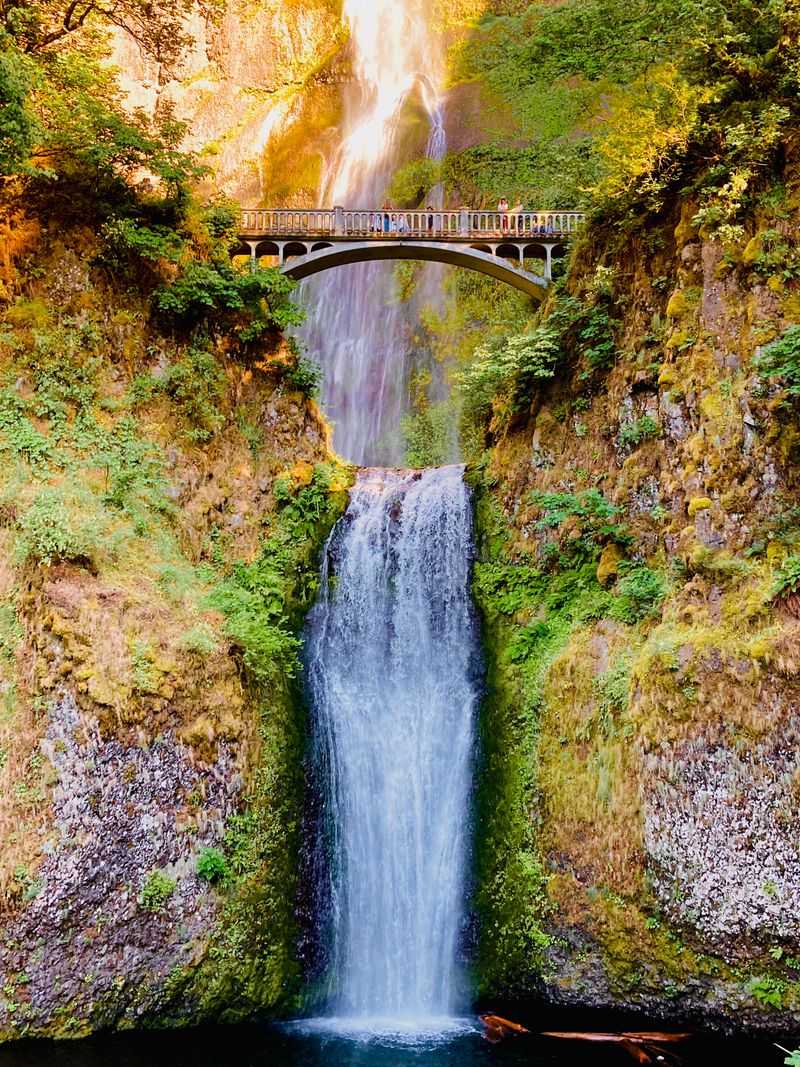
Portland residents used to escape the city for a quick nature fix at Multnomah Falls, just thirty minutes east on Interstate 84.
This iconic 620-foot waterfall once offered a tranquil retreat where families could enjoy a picnic and easy hike without hassle.
Today, it ranks as Oregon’s most visited natural recreation site, attracting over two million people annually.
The parking situation has become so nightmarish that many locals simply refuse to go anymore.
Vehicles line the historic highway for miles, and finding a spot feels like winning the lottery.
The viewing plaza at the base resembles a theme park more than a wilderness experience, packed shoulder-to-shoulder with tourists.
Getting an unobstructed photo of the falls requires patience and strategic timing that many visitors don’t possess.
The Benson Bridge, which crosses in front of the falls’ lower tier, has become a bottleneck where people stop abruptly for pictures.
This creates frustration and sometimes heated exchanges between those trying to pass and those blocking the path.
The gift shop and restaurant overflow with customers, and the lines for the restrooms can stretch outside the building.
Longtime Gorge residents shake their heads remembering when you could arrive anytime and find peace.
The trail to the top of the falls, though moderately challenging, now feels like a procession rather than a hike.
People blast music from portable speakers, leave trash along the path, and sometimes attempt dangerous climbs for social media content.
The 2017 Eagle Creek Fire, sparked by illegal fireworks, devastated much of the surrounding area and highlighted visitor irresponsibility.
Though the falls themselves survived, the incident deepened local resentment toward careless tourists.
Permit systems and improved shuttle services have been proposed, but implementation remains slow.
Many natives now seek out lesser-known waterfalls in the Gorge where they can recapture that sense of discovery and solitude.
Multnomah Falls will always be magnificent, but the experience has been fundamentally altered by its overwhelming popularity.
3. Cannon Beach and Haystack Rock
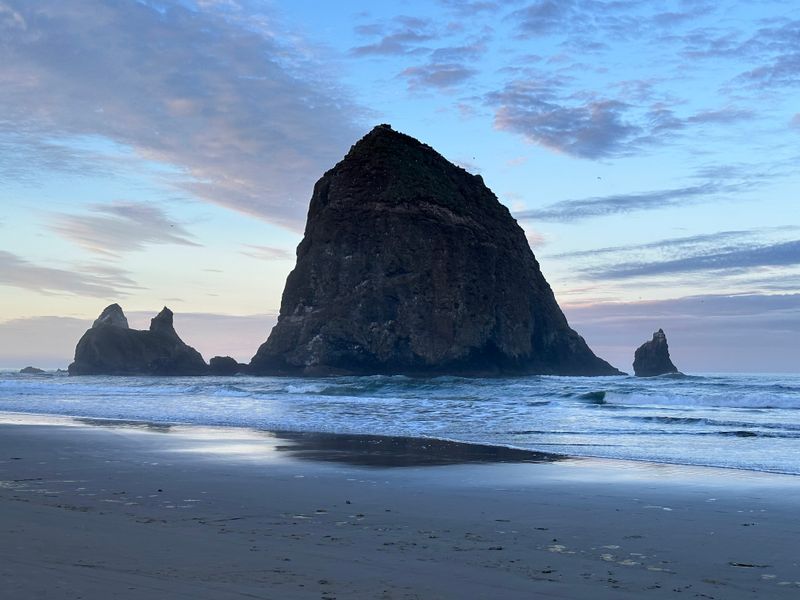
Cannon Beach was once a quiet coastal village where artists and writers found inspiration in the dramatic seascape.
Haystack Rock, the 235-foot sea stack rising from the beach, served as a peaceful backdrop for contemplative walks and tide pool exploration.
Residents enjoyed a slow-paced lifestyle centered around community, natural beauty, and respect for the marine environment.
But Instagram and Pinterest have transformed this hidden gem into one of Oregon’s most photographed locations.
Summer weekends now bring traffic jams that stretch for miles, with visitors circling endlessly for parking spots.
The beach itself becomes a crowded carnival during peak season, with people climbing on Haystack Rock despite regulations protecting nesting seabirds.
Puffins and other species that once nested safely now face constant disturbance from tourists seeking the perfect photo.
Volunteer naturalists work tirelessly to educate visitors about the protected marine garden, but many ignore the guidelines.
Tide pools that once teemed with starfish, anemones, and crabs now show signs of damage from excessive handling and foot traffic.
The town’s infrastructure groans under the weight of tourist numbers it was never designed to accommodate.
Local businesses benefit financially, but many longtime residents feel their community’s character has been lost.
Short-term vacation rentals have driven up housing costs, forcing families who’ve lived here for generations to move away.
The charming downtown shops and galleries now cater primarily to tourists rather than locals.
Restaurants that once served as community gathering spots now have hour-long waits, making casual dining impossible.
Noise levels have increased dramatically, with late-night parties in vacation rentals disrupting residential neighborhoods.
Some locals avoid downtown entirely during summer, feeling like strangers in their own town.
The environmental impact concerns them most, as fragile coastal ecosystems struggle under heavy use.
Litter accumulates faster than cleanup crews can manage, and parking areas overflow with trash.
Many natives remember when you could walk the beach at sunset without dodging crowds or encountering disrespectful behavior.
They wonder if the economic benefits truly outweigh the loss of community identity and environmental degradation that tourism has brought.
4. Painted Hills
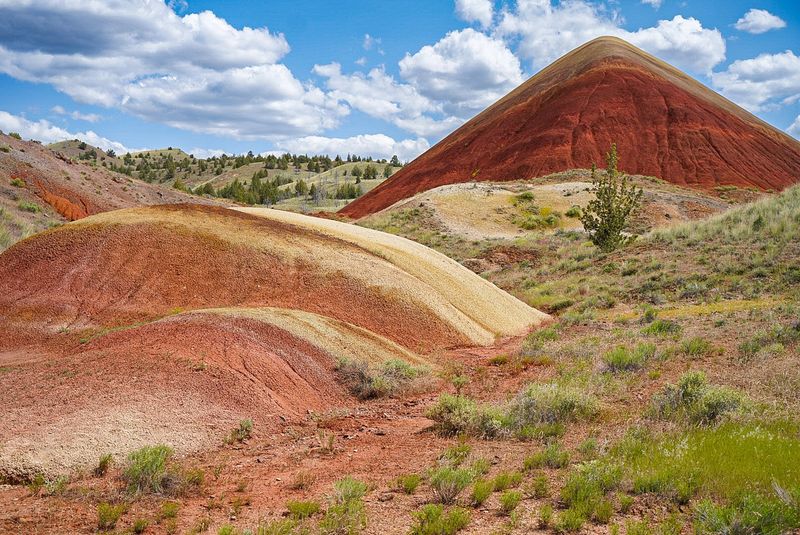
Eastern Oregon’s Painted Hills remained relatively unknown for decades, a geological marvel appreciated mainly by rockhounds and dedicated nature lovers.
The striking bands of red, gold, and black claystone tell a 35-million-year-old story of ancient river floodplains and volcanic ash.
Ranchers and small-town residents from nearby Mitchell and Dayville considered this colorful landscape part of their backyard.
They could visit anytime and have the entire place to themselves, sitting quietly to absorb the otherworldly beauty.
Then travel magazines and social media influencers discovered this hidden treasure, and everything changed almost overnight.
Now the small parking area fills completely by mid-morning during spring and fall when colors appear most vibrant.
Visitors often park illegally along the highway, creating safety hazards and frustrating local ranchers trying to move equipment.
The short boardwalk trails, designed for minimal environmental impact, strain under constant foot traffic.
People regularly step off designated paths to get closer to the hills, despite signs explaining the fragility of the formations.
Even light foot traffic can damage the claystone surface, leaving marks that persist for years.
Locals have witnessed a troubling increase in vandalism and disrespectful behavior at this remote site.
Some visitors carve initials into the soft rock or collect pieces as souvenirs, actions that constitute federal crimes in this protected monument.
The lack of on-site staff means enforcement relies mainly on peer pressure and visitor education.
Cell service is spotty, and the nearest town with services sits twenty miles away, making emergency response challenging.
The increased traffic has also impacted local wildlife, with deer and coyotes altering their patterns to avoid human activity.
Ranching families who’ve lived in the area for generations feel protective of these hills.
They remember when you could explain the geology to your children without competing with dozens of other voices.
The peaceful, almost spiritual quality of the place has been replaced by a tourist attraction atmosphere.
While they appreciate that others want to experience this natural wonder, they wish visitors would show more respect and restraint.
Many now avoid the Painted Hills during peak seasons, visiting instead during winter when snow dusts the colorful landscape and solitude returns.
5. Thor’s Well
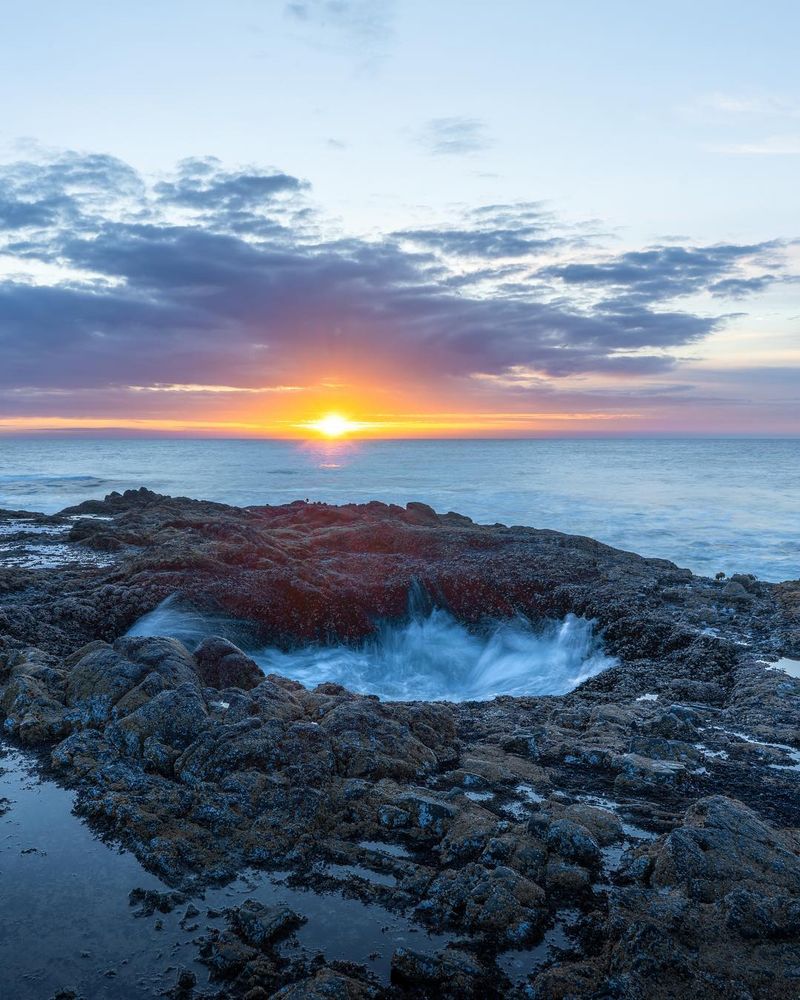
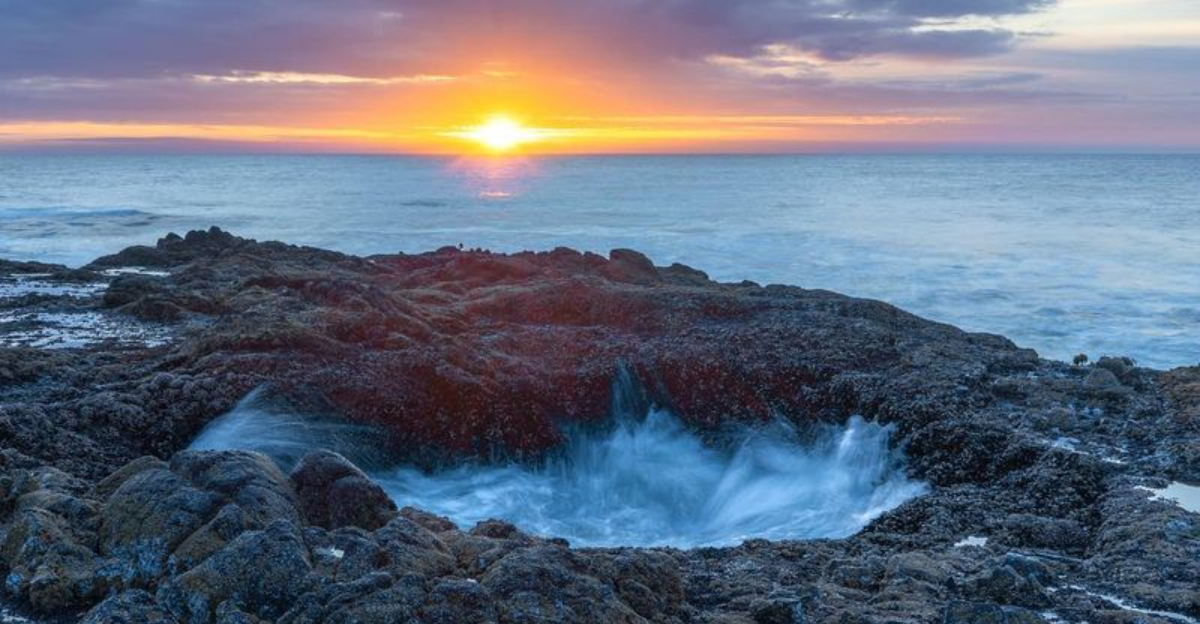
Cape Perpetua’s Thor’s Well earned its nickname as the drainpipe of the Pacific through dramatic photos showing water seemingly disappearing into Earth.
This natural sinkhole in the rocky shore remained a local secret for years, known mainly to Yachats residents and dedicated coastal explorers.
Photographers who discovered it kept the location somewhat vague, understanding that its appeal lay partly in the effort required to find it.
But as digital photography and social media exploded, so did Thor’s Well’s fame, and not always for the better.
The narrow viewing area now becomes dangerously crowded during optimal photography conditions around high tide.
People arrive with expensive camera equipment, claiming spots hours before sunset and guarding their positions aggressively.
The camaraderie that once existed among photographers sharing tips has been replaced by territorial behavior and competition.
Worst of all, visitors regularly ignore safety warnings and venture onto slippery rocks during high surf to capture dramatic shots.
Several people have been swept into the ocean by rogue waves, requiring costly Coast Guard rescues.
Local emergency responders have grown frustrated responding to preventable incidents caused by visitors prioritizing photos over safety.
The Forest Service has installed warning signs and educational materials, but many tourists disregard them entirely.
During winter storm season, when waves create the most spectacular displays, the danger increases exponentially.
Yachats residents have witnessed near-tragedies multiple times, watching helplessly as waves knock people off their feet.
The stress on local emergency services has sparked community discussions about access restrictions or permit requirements.
Some longtime coastal dwellers avoid the area entirely now, saddened by the transformation from peaceful natural wonder to dangerous tourist trap.
Beyond safety concerns, the environmental impact troubles conservation-minded locals.
The fragile intertidal zone surrounding Thor’s Well suffers from constant trampling as people seek better vantage points.
Marine life that once thrived in nearby tide pools has declined noticeably over the past decade.
Litter, including lens caps, water bottles, and food wrappers, accumulates in rock crevices despite cleanup efforts.
The magic that locals once felt visiting this powerful geological feature has been diminished by crowds and the constant worry about someone getting hurt or killed.
6. Mount Hood Meadows and Timberline Lodge
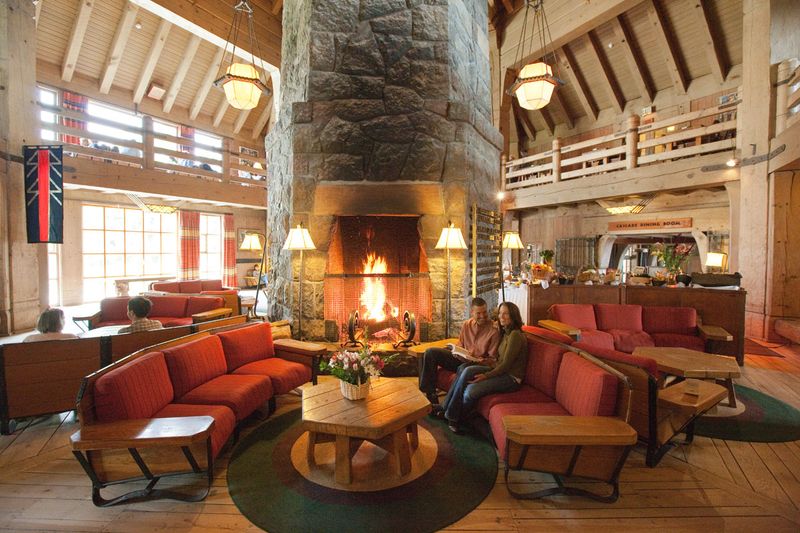
Mount Hood has always attracted visitors, but longtime Oregonians remember when you could enjoy the mountain without feeling overwhelmed by crowds.
Timberline Lodge, the historic WPA-era masterpiece, once offered a cozy mountain retreat where guests could relax by the fireplace in relative peace.
Skiing and snowboarding on Mount Hood’s slopes felt like joining a friendly community rather than fighting for space.
Government Camp residents and Portland families made regular pilgrimages to the mountain, treating it as their personal playground.
But as Oregon’s population grew and social media showcased the mountain’s year-round beauty, the crowds became unmanageable.
Weekend traffic on Highway 26 now backs up for miles, with accidents causing hours-long delays that test everyone’s patience.
Parking at Timberline fills by 8 AM on powder days, leaving latecomers circling or parking illegally along roadways.
The lodge’s common areas overflow with day-trippers who come for photos rather than to ski or appreciate the historic architecture.
The famous Ram’s Head Bar, once a locals’ favorite après-ski spot, now requires navigating dense crowds just to order a drink.
Lift lines at both Timberline and Mount Hood Meadows stretch far longer than in previous decades.
What bothers longtime mountain lovers most is the lack of preparedness many visitors display.
People attempt to drive to the mountain in two-wheel-drive vehicles without chains during winter storms, creating hazardous situations.
Searches and rescues have increased dramatically as inexperienced hikers and climbers underestimate the mountain’s dangers.
The wilderness areas surrounding Mount Hood show increased erosion and vegetation damage from off-trail hiking.
Popular spots like Mirror Lake and Trillium Lake now require permits during summer to manage overwhelming demand.
The mountain community feels the strain as housing costs skyrocket and service workers struggle to afford living near their jobs.
Short-term vacation rentals have transformed quiet residential areas into noisy party zones.
Locals who once enjoyed spontaneous mountain adventures now must plan carefully around tourist seasons.
The sense of ownership and connection that Oregonians felt toward Mount Hood has been diluted by its transformation into an international destination.
While they understand that natural beauty should be shared, they mourn the loss of the intimate mountain experience they once cherished.
7. Smith Rock State Park
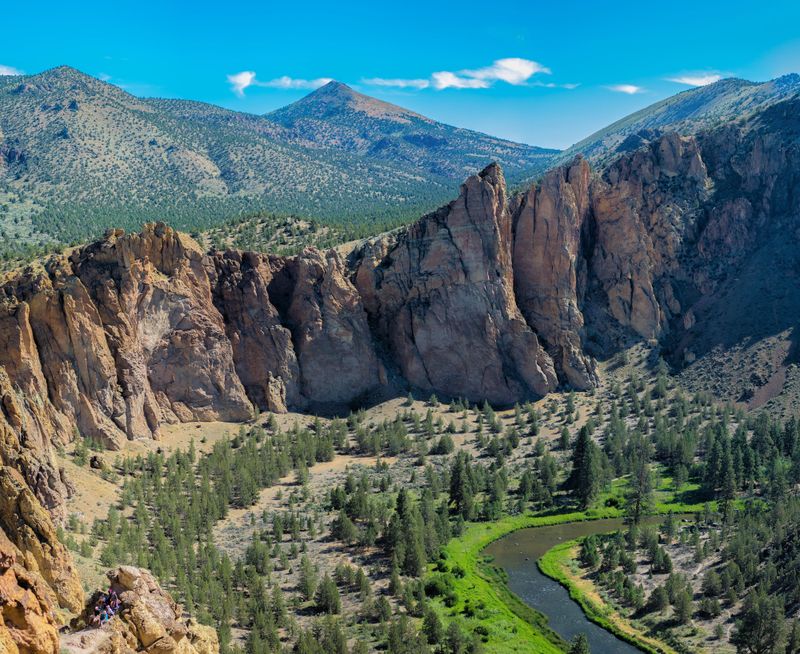
Smith Rock State Park near Terrebonne became the birthplace of American sport climbing, a place where dedicated climbers pioneered routes on stunning volcanic rock.
Bend and Redmond locals treated this high desert gem as their backyard, hiking the riverside trails or watching climbers tackle the famous Monkey Face formation.
The park maintained a laid-back atmosphere where climbers shared beta, hikers greeted each other warmly, and everyone respected the fragile desert environment.
Climbing legend Alan Watts developed routes here in the 1980s, establishing a culture of respect and stewardship that defined the park’s character.
But climbing’s explosion in popularity, fueled by competition shows and indoor climbing gyms, has transformed Smith Rock dramatically.
Weekends now bring such massive crowds that the parking lot fills before sunrise, with overflow parking extending along the access road.
The popular Misery Ridge Trail becomes a conga line of hikers, many wearing inappropriate footwear and carrying insufficient water.
Rescues and medical emergencies have increased as unprepared visitors underestimate the challenging terrain and desert heat.
The climbing areas, once dominated by experienced traditional climbers, now swarm with beginners who sometimes lack proper etiquette or safety knowledge.
Popular routes have waiting lists, and conflicts occasionally arise over queue-jumping or hogging routes.
The environmental impact deeply concerns longtime park advocates and Central Oregon residents.
The high desert ecosystem is incredibly fragile, with cryptobiotic soil crusts that take decades to form but can be destroyed by a single footstep.
Off-trail hiking has increased dramatically, causing erosion and damaging native vegetation that provides critical habitat for wildlife.
The Crooked River, which flows through the park, faces increased pollution from sunscreen, human waste, and litter.
Park facilities strain under visitor numbers far exceeding original design capacity, with restrooms frequently overwhelmed.
Many local climbers now avoid Smith Rock on weekends entirely, visiting only on weekdays or during off-season.
They remember when you could climb all day without encountering crowds or worrying about inexperienced climbers creating dangerous situations.
The spiritual connection they felt to this sacred climbing ground has been diminished by commercialization and overcrowding.
While they want others to experience Smith Rock’s beauty, they wish visitors would educate themselves and show greater respect for this special place.
Dear Reader: This page may contain affiliate links which may earn a commission if you click through and make a purchase. Our independent journalism is not influenced by any advertiser or commercial initiative unless it is clearly marked as sponsored content. As travel products change, please be sure to reconfirm all details and stay up to date with current events to ensure a safe and successful trip.
