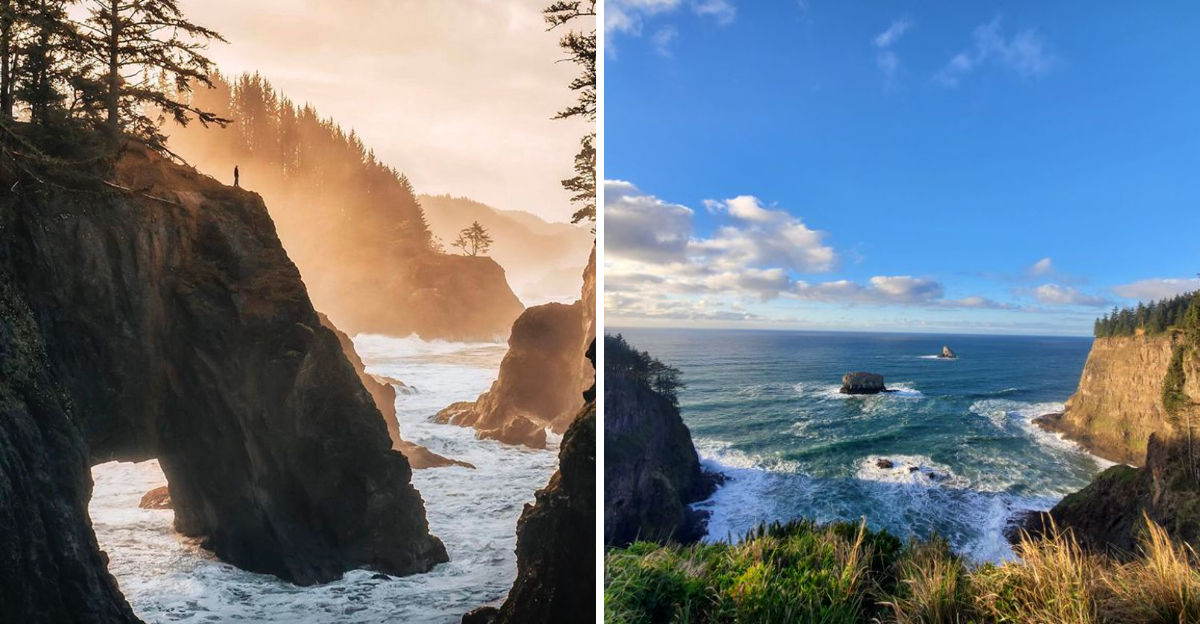
The Oregon Coast transforms into something magical when summer tourists pack up and head home.
Visiting during fall, winter, or early spring means you’ll discover quieter beaches, more affordable accommodations, and nature at its most dramatic.
Storm watching becomes a spectator sport as massive waves crash against ancient rock formations, and migrating whales put on shows without competing for your attention.
These ten coastal regions shine brightest when the crowds disappear, offering authentic experiences that summer visitors often miss.
From misty headlands to wind-swept dunes, the off-season reveals the raw beauty that makes Oregon’s coastline truly unforgettable.
Cozy cafes welcome you with steaming mugs after bracing beach walks, and local shopkeepers have time for genuine conversations.
The shoulder seasons gift you with nature’s most powerful displays while your wallet stays happier with lower prices.
Pack your rain jacket and sense of adventure because these destinations are waiting to show you their wildest, most wonderful sides away from the summer rush.
1. Cannon Beach
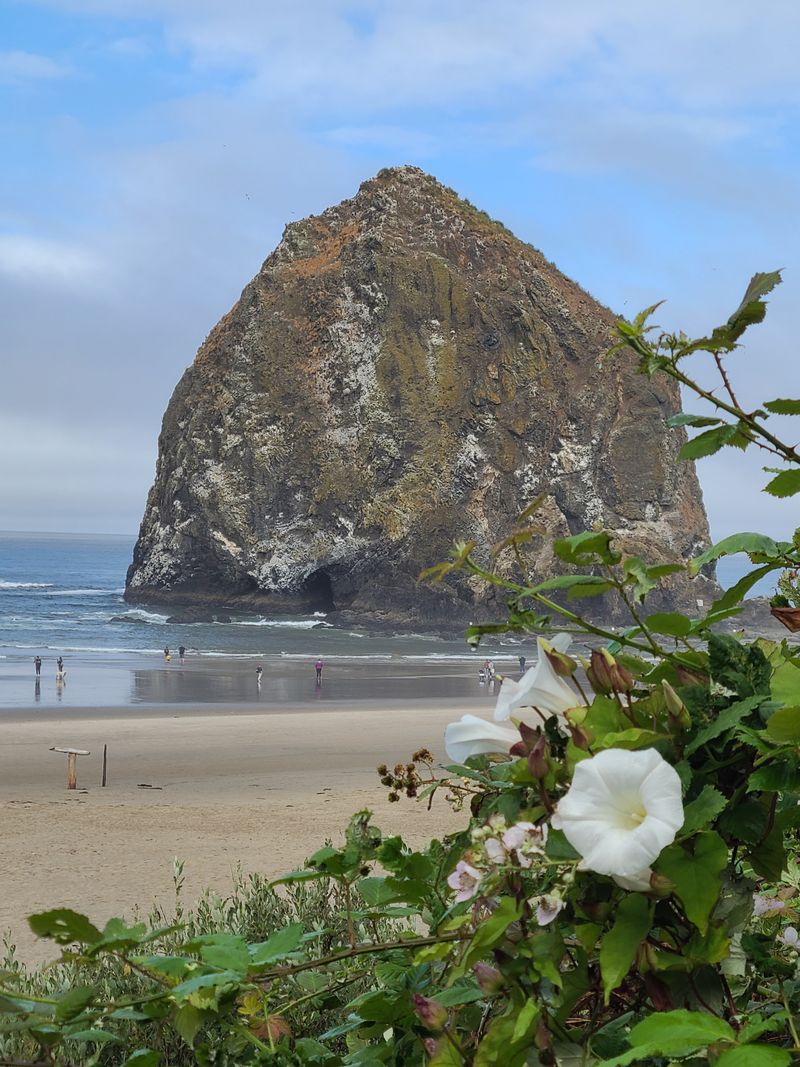
Haystack Rock rises from the sand like a natural cathedral, but late fall strips away the selfie-seekers and reveals this landmark’s true majesty.
Walking the beach becomes meditative when you’re not dodging beach umbrellas and volleyball games.
The iconic monolith stands even more photogenic against brooding autumn skies, while tidepools teem with starfish and anemones undisturbed by constant poking.
Ecola State Park transforms into a hiker’s paradise once summer traffic thins out.
Parking spaces appear magically at viewpoints where you’d normally circle for half an hour.
The Tillamook Head Trail offers solitude and sweeping vistas of the coastline stretching toward Tillamook Lighthouse.
Downtown galleries and boutiques welcome browsers with genuine warmth instead of hurried transactions.
Local restaurants serve the same excellent clam chowder without the wait times.
Cozy up in a beachfront cottage and watch storms roll in from your window seat.
The address for Ecola State Park is 84318 Ecola Park Rd, Cannon Beach, OR.
November through early December offers the sweet spot before holiday crowds arrive.
Rain gear becomes your best friend, but the trade-off is having one of Oregon’s most photographed beaches practically to yourself.
2. Three Capes Scenic Route
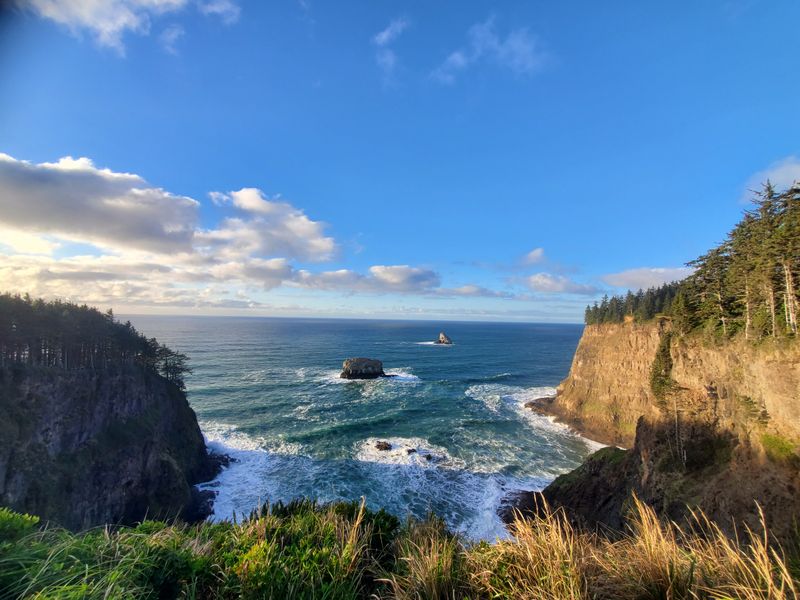
Winter swells turn this scenic loop into a front-row seat for nature’s most powerful performances.
Cape Meares Lighthouse perches on cliffs where gray whales migrate close enough to spot from shore without binoculars.
The famous Octopus Tree, a Sitka spruce with candelabra-shaped limbs, stands in quiet forest solitude when visitors are scarce.
Cape Lookout juts nearly a mile into the Pacific, creating a natural whale-watching platform that rivals any tour boat.
Hiking the cape trail in winter means bundling up, but you’ll witness waves that make summer swells look like bathtub ripples.
Spray shoots skyward as swells collide with ancient basalt, creating temporary rainbows in the mist.
Cape Kiwanda’s sandstone cliffs glow amber in winter light, and the beach stretches empty except for dedicated surfers in thick wetsuits.
Pelican Brewing Company in Pacific City offers warm refuge and ocean views after your coastal explorations.
The entire loop connects via backroads through dairy country, where the Tillamook Cheese Factory provides tasty pit stops.
Cape Meares Lighthouse is located at Cape Meares Loop, Tillamook, OR.
January and February deliver the biggest waves and most dramatic weather.
Dress in layers and waterproof everything, because coastal Oregon weather changes faster than your playlist.
3. Astoria and Warrenton
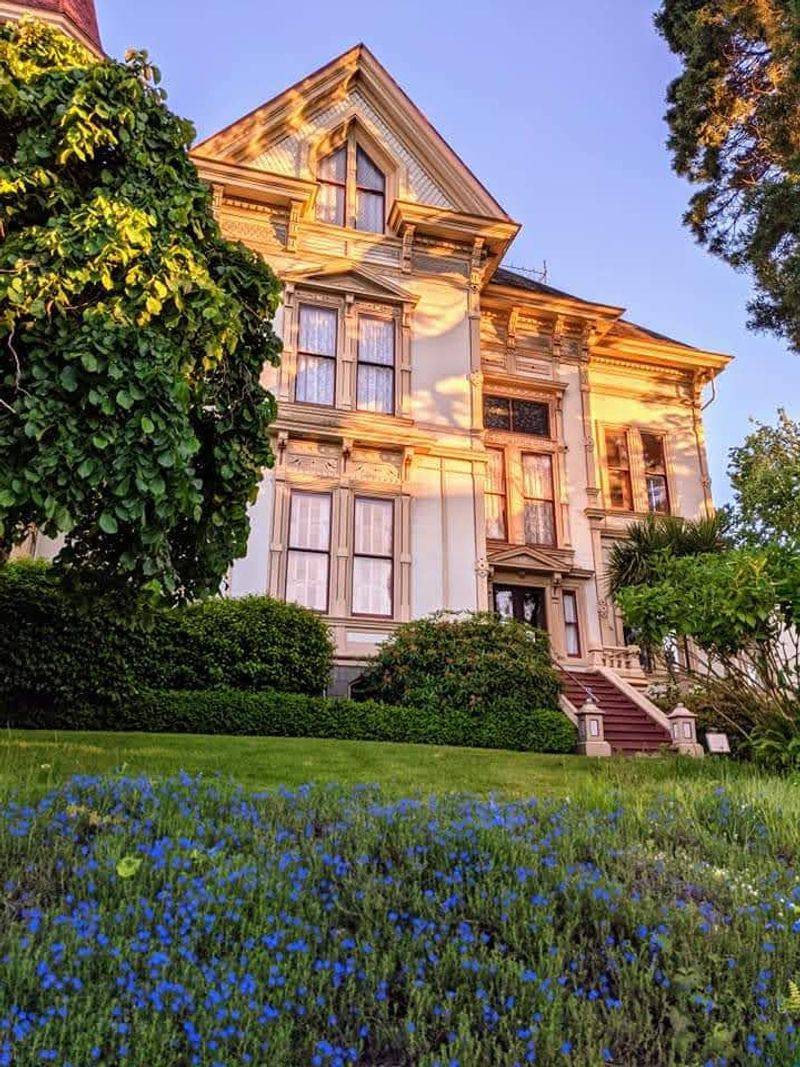
Victorian homes cascade down hillsides above the Columbia River, their painted facades glowing against winter’s muted palette.
The Columbia River Maritime Museum stands as Oregon’s premier maritime collection, and winter visits mean exploring exhibits without shouldering through tour groups.
Interactive displays chronicle the treacherous Columbia Bar, where river meets ocean in a notorious graveyard of ships.
Fort Stevens State Park preserves the skeletal remains of the Peter Iredale, a shipwreck that’s been rusting photogenically since it ran aground.
Winter storms expose more of the hull as sand shifts, making each visit slightly different.
The fort itself offers bunkers and batteries to explore without summer’s fog obscuring everything beyond twenty feet.
Downtown Astoria’s coffee shops and breweries become cozy havens where locals outnumber tourists.
The Astoria Column rewards those who climb its spiral staircase with panoramic views of where river, ocean, and mountains converge.
Trolley rides through historic neighborhoods run year-round, narrating tales of fishing fleets and Scandinavian settlers.
The Columbia River Maritime Museum is at 1792 Marine Dr, Astoria, OR.
Fort Stevens State Park is located at 100 Peter Iredale Rd, Warrenton, OR.
Visit between November and March when the maritime weather adds authenticity to your museum experience.
4. Depoe Bay
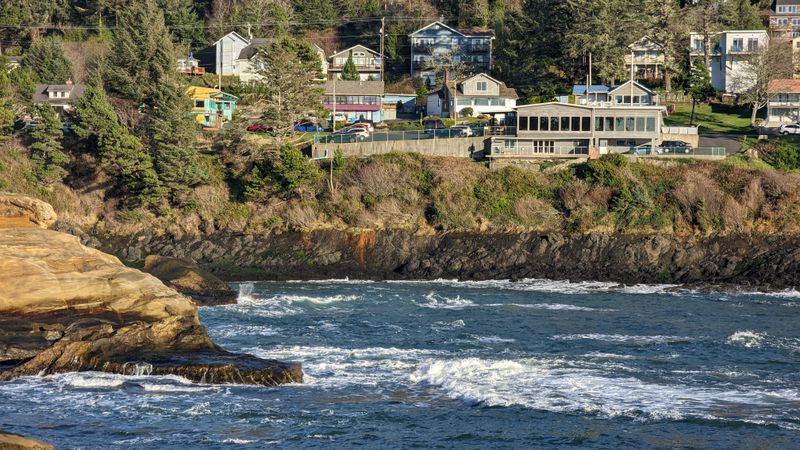
Gray whales cruise past headlands so close you can hear their exhalations echoing off the rocks.
This tiny harbor town earned its whale-watching reputation through geography and timing, not marketing hype.
Resident whales feed in nearby waters year-round, while thousands more migrate through during predictable windows.
Winter brings the southbound migration when pregnant females and their pods travel toward Mexican lagoons.
Spring features the return journey with newborn calves staying close to shore for protection.
The Whale Watching Center provides free spotting assistance and educational displays from trained volunteers.
Rocky Shore Drive winds along cliffs where spouting whales appear with surprising regularity.
Summer crowds pack these viewpoints elbow-to-elbow, but off-season visitors often enjoy private encounters.
The Spouting Horn, where waves shoot through natural rock channels, performs most dramatically during winter storms.
Oceanfront restaurants with floor-to-ceiling windows let you whale-watch while staying warm and dry.
Charter boats offer close encounters, but shore-based viewing succeeds remarkably well here.
The Whale Watching Center is located at 119 SW Hwy 101, Depoe Bay, OR.
December through January and March through May offer peak whale activity with minimal tourist congestion.
5. Newport’s Nye Beach
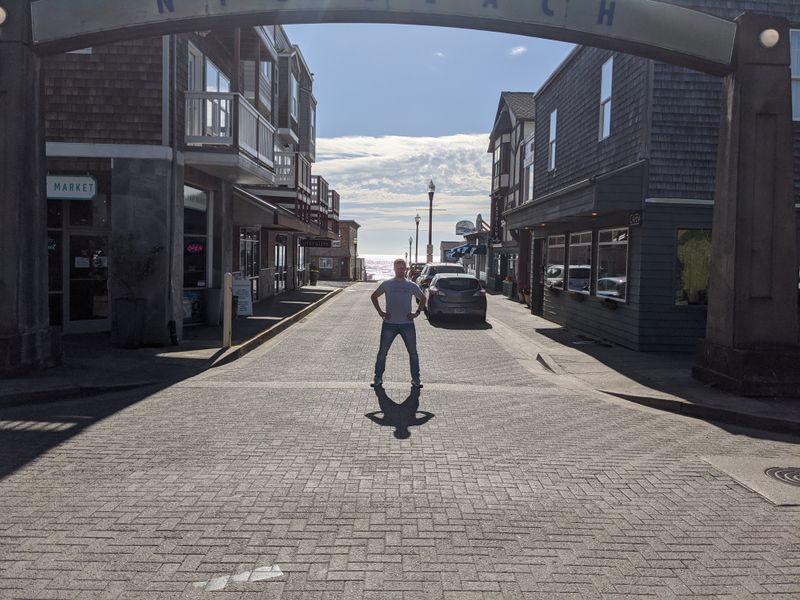
Bohemian charm permeates this historic beach district where artists and writers have retreated for generations.
Victorian cottages converted into boutique inns offer fireplaces and claw-foot tubs perfect for storm-watching weekends.
Winter transforms Nye Beach into a haven for those who appreciate weather as entertainment.
Watching Pacific storms from a warm room with ocean views ranks among life’s underrated pleasures.
The beach itself stretches wide and empty, perfect for contemplative walks between squalls.
Agate hunting improves dramatically after winter storms tumble the surf zone and reveal semi-precious stones.
The Nye Beach Turnaround marks the neighborhood’s heart, where a promenade leads down to sand and surf.
Local galleries showcase coastal artists without the summer gallery-hop crowds.
Coffee shops and cafes cultivate a lingering atmosphere where conversation and people-watching replace rushed schedules.
The Newport Visual Arts Center hosts rotating exhibitions and classes in a building that once served as a beach club.
Yaquina Head Outstanding Natural Area lies just north, where a lighthouse perches on a dramatic headland.
The Nye Beach Turnaround is located at NW Beach Dr and NW 3rd St, Newport, OR.
November through February delivers the best storm systems and lowest lodging rates combined.
6. Bandon by the Sea
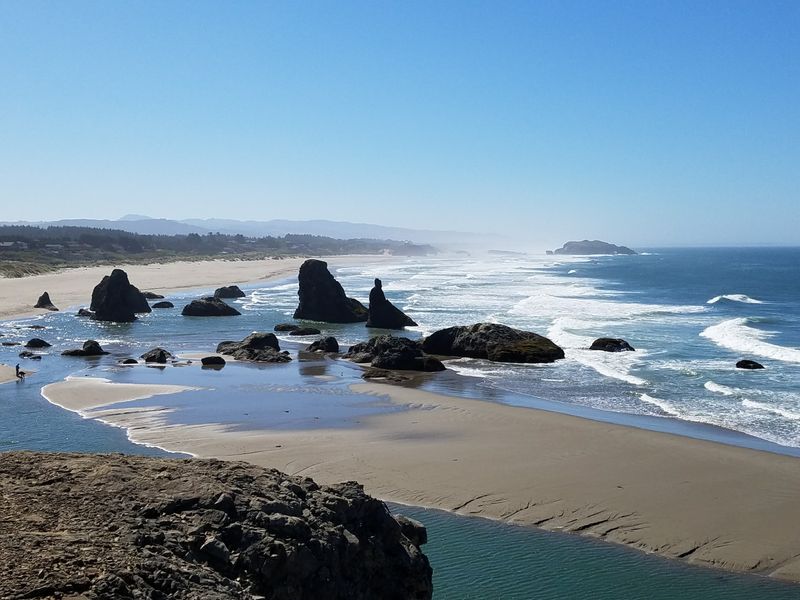
Sea stacks rise from the surf like a giant’s chess pieces scattered across the board.
Face Rock State Scenic Viewpoint showcases these formations without the photobombing crowds that plague summer visits.
Early spring brings wildflowers to coastal bluffs while temperatures remain cool enough for comfortable exploring.
The rock formations themselves tell Indigenous stories of a maiden turned to stone, her face forever watching the sky.
Beach access trails lead down to tide pools where ochre stars and hermit crabs go about their business undisturbed.
Old Town Bandon clusters along the waterfront with galleries, shops, and seafood markets that welcome unhurried browsing.
World-class golf courses like Bandon Dunes become more accessible when demand drops outside peak season.
Links-style layouts challenge players with coastal winds and ocean views that rival Scotland’s famous courses.
The Coquille River Lighthouse stands sentinel at the river mouth, accessible via a short walk across jetty rocks.
Cranberry bogs surrounding the town create patchwork patterns visible from coastal highways.
Local restaurants serve fresh Dungeness crab and fish tacos without the waits that test summer visitors’ patience.
Face Rock State Scenic Viewpoint is located off Beach Loop Dr, Bandon, OR.
April and May offer the sweet spot between winter storms and summer crowds.
7. Samuel H. Boardman State Scenic Corridor

Twelve miles of coastline contain more natural drama than most people see in a lifetime of beach vacations.
Natural bridges span coves where turquoise water swirls through sea caves carved over millennia.
Autumn mist adds mysterious atmosphere to viewpoints that summer’s clear skies make almost too obvious.
Secret Beach lives up to its name when you descend the steep trail to find pristine sand without footprints.
Arch Rock towers offshore like a natural gateway, waves passing underneath in mesmerizing rhythm.
Thunder Rock Cove explodes with spray during high tide, earning its dramatic name through pure acoustic power.
Whaleshead Beach features a rock formation resembling a whale’s head emerging from the surf.
The entire corridor strings together pullouts and short trails that reward the curious with jaw-dropping vistas.
Off-season visits mean parking spaces at every viewpoint instead of circling desperately or skipping stops altogether.
Photographers prize the moody light and dramatic weather that shoulder seasons deliver.
Wildlife watching improves when human activity decreases, with seals and seabirds reclaiming their territories.
The corridor stretches along Highway 101 between Brookings and Gold Beach in southern Oregon.
September through November offers the most atmospheric conditions for exploring this remarkable stretch of coast.
8. Pacific City

Dory boats launch directly into breaking waves, a fishing tradition that looks more like controlled chaos than maritime practice.
Winter swells make these launches even more spectacular as flat-bottomed boats power through walls of whitewater.
The fleet returns each afternoon, timing their approach to ride waves straight onto the beach.
Watching this centuries-old technique never gets old, especially when tourists aren’t blocking your view with selfie sticks.
Cape Kiwanda’s sandstone cliffs glow like amber in winter light, their layered formations telling geological stories.
Climbing the dune to the cape’s summit rewards effort with panoramic views of Haystack Rock offshore.
Yes, another Haystack Rock exists here, often confused with its more famous Cannon Beach cousin.
Hang gliders launch from the dune’s crest when conditions align, soaring above the beach like colorful pterodactyls.
Tide pools at the cape’s base reveal marine life that summer’s trampling feet disturb constantly.
The beach stretches for miles, empty enough for contemplation and beachcombing without competition.
Brewpubs and cafes in town provide warm refuge after adventures in the elements.
Cape Kiwanda State Natural Area is located at Cape Kiwanda Dr, Pacific City, OR.
Visit between October and March to witness the dory fleet and dramatic winter surf conditions.
9. Yachats
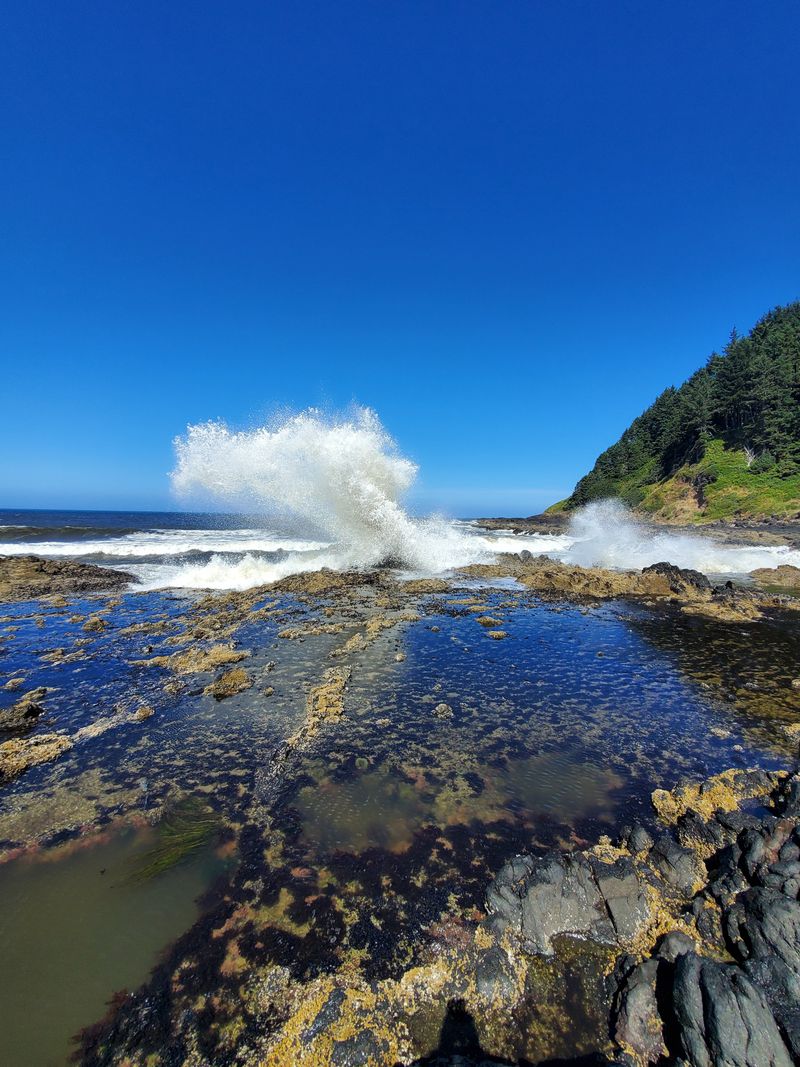
Thor’s Well appears to drain the ocean itself, a gaping sinkhole where waves swirl and vanish into darkness.
High tide during winter storms creates the most dramatic displays when water shoots skyward before disappearing.
This natural feature sits in the Cape Perpetua Scenic Area, where rocky shores replace sandy beaches.
Storm watching reaches its pinnacle here as waves explode against ancient basalt formations.
The Spouting Horn nearby adds to the show, shooting plumes of spray fifty feet high during peak conditions.
Cape Perpetua itself rises over the coastline, offering trails through old-growth forest to summit viewpoints.
The Visitor Center provides tide tables and safety information crucial for Thor’s Well viewing.
Getting too close during big swells has swept careless photographers into the Pacific, so respect the ocean’s power.
Downtown Yachats cultivates a quirky, artistic vibe with galleries and shops that resist chain-store homogenization.
The 804 Trail winds along the rocky shoreline through town, connecting tide pools and viewpoints.
Local eateries serve comfort food perfect for post-storm-watching warmth and conversation.
Thor’s Well is located along Captain Cook Trail, Cape Perpetua Scenic Area, Yachats, OR.
January and February deliver the most powerful storms and dramatic conditions for experiencing this coastal gem.
10. Florence and the Oregon Dunes
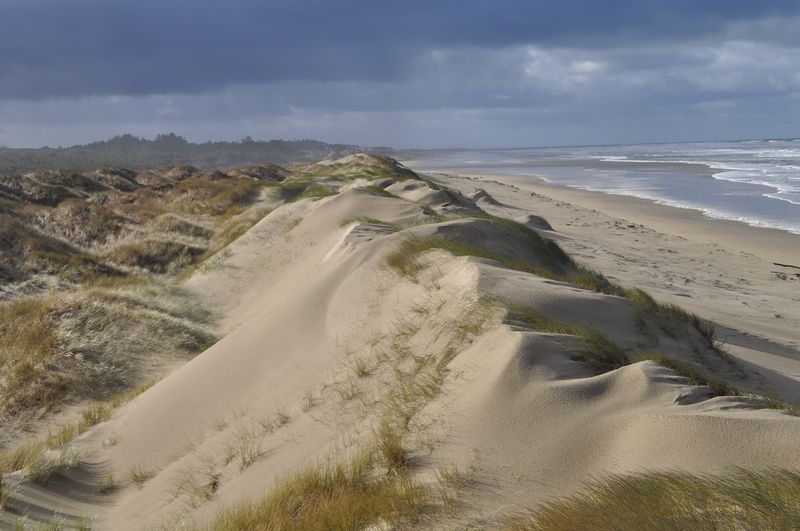
Sand dunes stretch for miles like the Sahara relocated to the Pacific Northwest, creating landscapes that seem alien to Oregon.
These massive formations comprise the largest expanse of coastal dunes in North America.
Spring temperatures make exploring comfortable before summer heat turns sand into a barefoot torture device.
Hiking becomes easier when sand firms up from winter moisture, supporting your weight instead of swallowing your feet.
The dunes reach heights that leave you breathless, both from climbing and from views at the summit.
Shore pines and coastal scrub create oases between sand mountains, harboring wildlife and providing shade.
Heceta Head Lighthouse perches on cliffs north of town, one of the coast’s most photographed structures.
Off-season visits mean touring the keeper’s quarters without jostling for position or waiting in line.
The lighthouse beam still operates, cutting through coastal fog with powerful warning sweeps.
Old Town Florence preserves historic charm along the Siuslaw River with shops and restaurants in vintage buildings.
Sea Lion Caves nearby house hundreds of sea lions during certain seasons, their barking audible before you see them.
Oregon Dunes National Recreation Area Visitor Center is at 855 Highway Ave, Reedsport, OR.
April and May offer the ideal window for comfortable dune exploration and lighthouse visits without crowds.
Dear Reader: This page may contain affiliate links which may earn a commission if you click through and make a purchase. Our independent journalism is not influenced by any advertiser or commercial initiative unless it is clearly marked as sponsored content. As travel products change, please be sure to reconfirm all details and stay up to date with current events to ensure a safe and successful trip.
