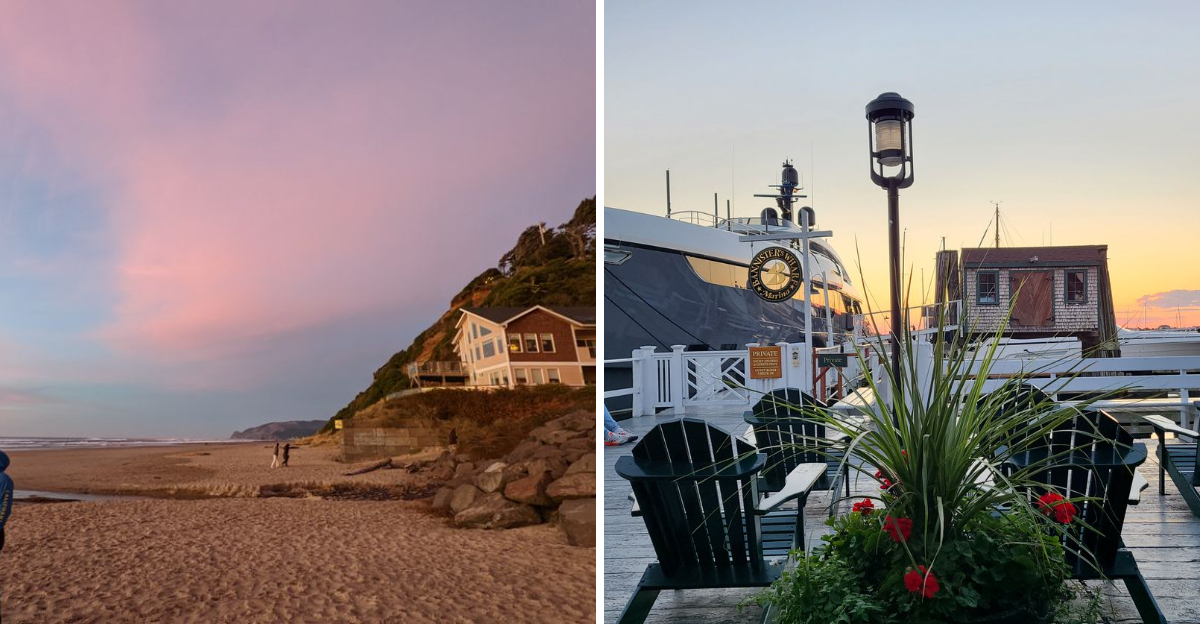
Oregon’s stunning coastline draws millions of visitors each year, eager to experience its dramatic cliffs, sandy beaches, and charming seaside communities.
While tourism brings economic benefits, some small coastal towns are struggling with the overwhelming number of visitors that flood their streets, beaches, and local businesses.
Locals in these communities report concerns about traffic congestion, housing shortages, environmental damage, and a loss of the quiet, peaceful character that once defined their towns.
The balance between welcoming tourists and preserving the quality of life for year-round residents has become increasingly difficult to maintain.
From crowded beach access points to skyrocketing rental prices, the impact of tourism is reshaping these Oregon coastal gems.
Understanding which towns face the greatest challenges can help visitors make more thoughtful travel choices while respecting the communities they visit.
Here are seven Oregon coastal towns where locals say tourists have overwhelmed their once-quiet communities.
1. Cannon Beach
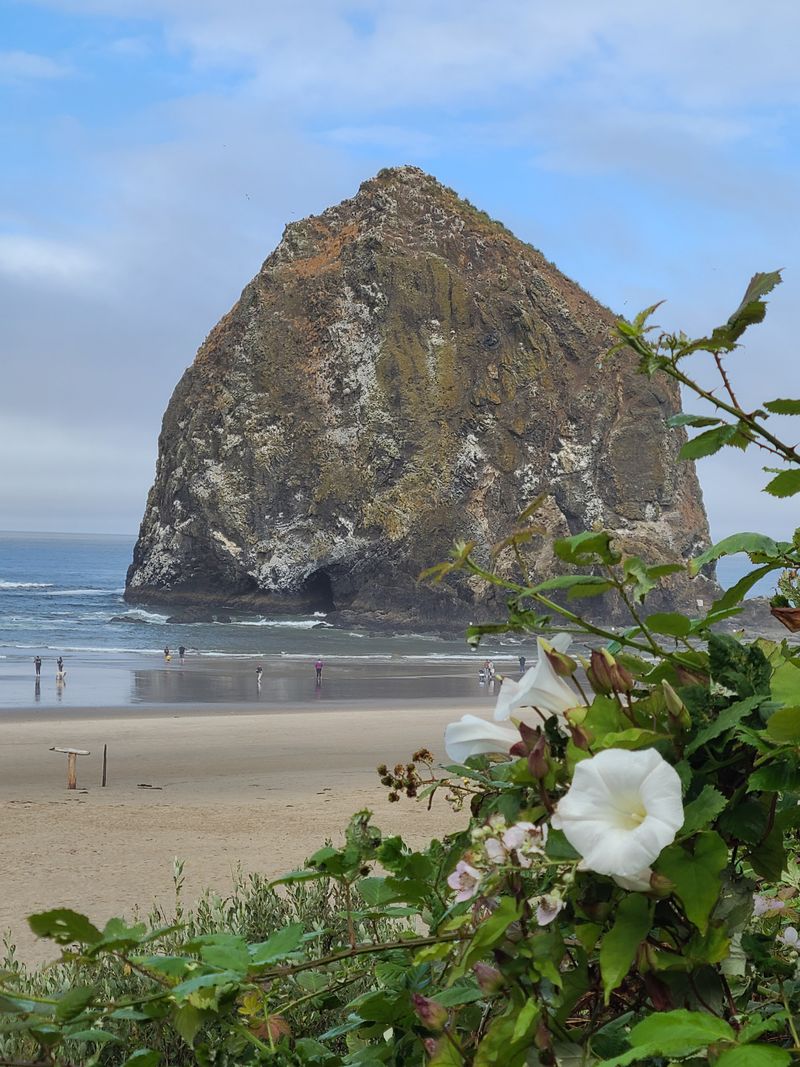
Haystack Rock stands as one of Oregon’s most photographed landmarks, and that fame has transformed Cannon Beach from a sleepy artist colony into a packed tourist destination.
During summer weekends and holidays, the town’s population swells from around 1,700 residents to tens of thousands of visitors, creating gridlock on the single main road through town.
Parking becomes nearly impossible, with tourists circling for hours or parking illegally in residential neighborhoods, frustrating locals who can’t access their own driveways.
The housing crisis has hit particularly hard here, as vacation rentals have consumed much of the available housing stock, pushing long-term residents and service workers out of the community.
Many teachers, restaurant staff, and shop employees now commute from towns 30 or 40 miles away because they simply cannot afford to live where they work.
Local businesses struggle to stay open year-round when they can’t find housing for their employees.
Beach access has become a contentious issue, with visitors leaving trash, disturbing wildlife around Haystack Rock, and ignoring tide pool protection rules.
The Cannon Beach Chamber of Commerce reports that the town’s infrastructure, designed for a small community, cannot handle the current volume of tourists.
Septic systems, narrow streets, and limited public restrooms are all strained beyond capacity.
Despite efforts to implement visitor education programs and encourage off-season travel, the summer crush continues to grow.
Long-time residents say the town’s artistic, bohemian character has been replaced by high-end galleries and shops catering exclusively to tourists.
The sense of community that once defined Cannon Beach feels increasingly lost beneath the weight of its own popularity.
2. Manzanita
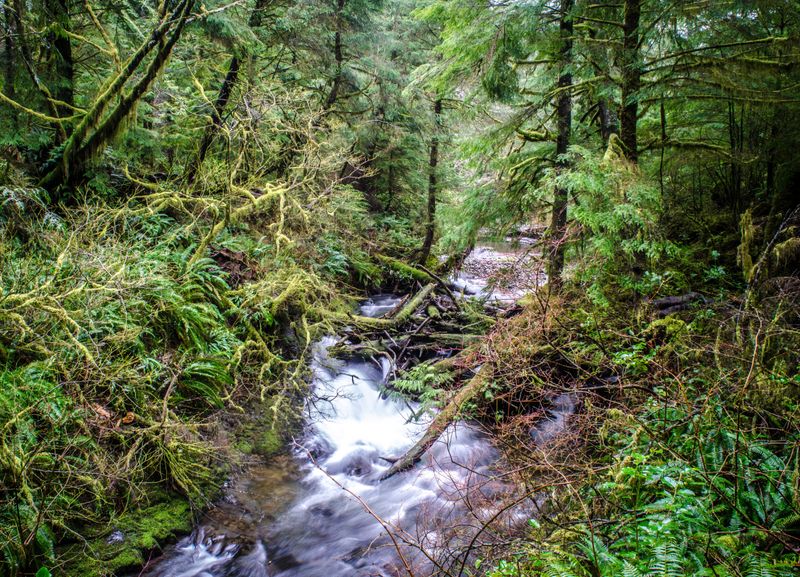
Once considered a hidden gem along the Oregon coast, Manzanita has been discovered by tourists seeking a quieter alternative to Cannon Beach, just seven miles to the north.
This discovery has brought unwelcome changes to a town that prided itself on being off the beaten path.
The seven-mile stretch of beach that locals once had largely to themselves now fills with visitors during peak season, and the town’s small commercial district can barely accommodate the crowds.
Vacation rentals have proliferated throughout Manzanita’s residential neighborhoods, fundamentally changing the character of streets that were once filled with year-round neighbors.
Many homes sit empty for much of the year, occupied only during summer months and holidays, creating a ghost-town feeling during the off-season.
The local school has seen enrollment decline as families are priced out of the housing market by investors purchasing properties specifically for short-term rentals.
Traffic congestion, once unheard of in this peaceful village, now occurs regularly on summer weekends when visitors pour in from Portland and beyond.
The town’s two-lane main road becomes clogged with cars seeking beach access and parking spots that simply don’t exist in sufficient numbers.
Local residents report difficulty accessing basic services during peak times because shops and restaurants are overrun with tourists.
Environmental concerns have also emerged, with increased foot traffic damaging dune ecosystems and visitors often ignoring rules about beach fires and wildlife protection.
The volunteer-run community organizations that once defined Manzanita’s civic life struggle to maintain traditions when so many homes are now occupied by short-term visitors rather than invested community members.
What was once a tight-knit neighborhood feels increasingly transient and impersonal.
3. Seaside
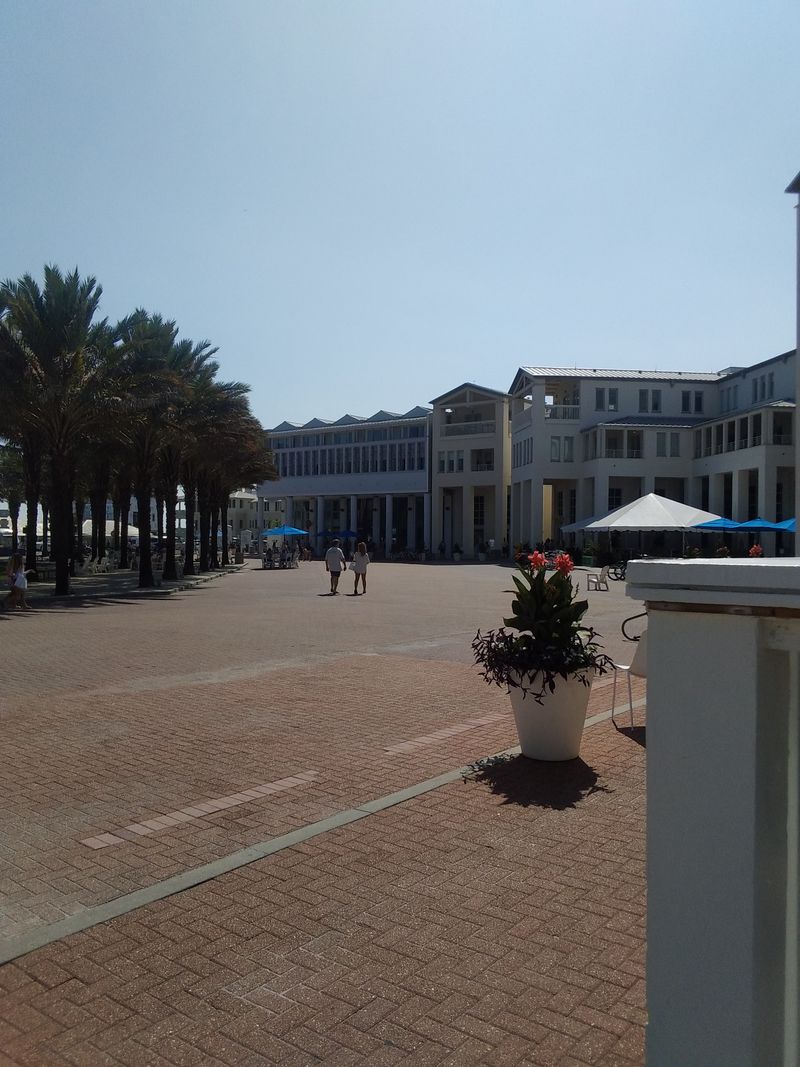
As Oregon’s largest beach resort town, Seaside has always been tourist-oriented, but locals say the scale and intensity of visitation has reached unsustainable levels in recent years.
The town’s population of about 6,800 residents can swell to over 50,000 during summer weekends, creating chaos on the roads, beaches, and the famous Promenade.
What was once a manageable flow of visitors has become an overwhelming flood that strains every aspect of community infrastructure.
The Broadway corridor, Seaside’s main commercial street, becomes so congested during peak season that locals avoid it entirely, doing their shopping and errands in neighboring communities instead.
Restaurants face hour-long waits, grocery stores run out of basic supplies, and the town’s character as a family-friendly destination has given way to a more party-oriented atmosphere that concerns many residents.
Noise complaints have increased dramatically, particularly from visitors renting homes in residential neighborhoods and treating them as party venues.
Housing affordability has become a critical issue, with service industry workers unable to find affordable places to live within the community they serve.
The conversion of long-term rental housing into vacation rentals has accelerated this problem, creating a workforce crisis for local businesses.
Schools struggle with declining enrollment even as the town’s visitor numbers grow.
Beach management has become increasingly challenging, with litter, illegal fires, and disregard for wildlife protection rules creating constant problems.
The city has invested in additional police presence and beach maintenance, but the costs of managing tourism now consume a disproportionate share of the municipal budget.
Long-time residents say Seaside has lost its identity as a community and become merely a tourist processing center.
4. Lincoln City
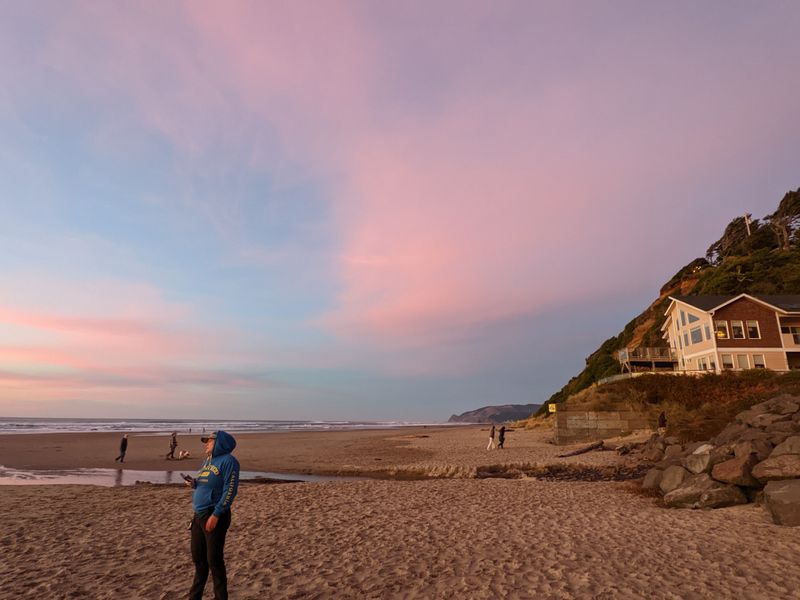
Stretching along seven miles of Oregon coastline, Lincoln City has become synonymous with traffic jams, overcrowded beaches, and a tourism industry that locals say has spiraled out of control.
Highway 101, which runs directly through the heart of town, becomes a parking lot during summer weekends and holidays, with bumper-to-bumper traffic extending for miles.
Residents report that simple errands that should take minutes can consume hours during peak tourist season.
The explosion of vacation rentals has transformed entire neighborhoods from residential communities into transient lodging districts.
Many properties remain dark and empty for most of the year, only filling during peak season with visitors who have no connection to or investment in the community.
This has created a housing crisis for workers, with many service industry employees commuting from inland communities because they cannot afford to live in Lincoln City.
The town’s beaches, while extensive, show signs of overuse, with erosion problems worsening and wildlife habitats increasingly disturbed by the sheer volume of human activity.
Local environmental groups report that tide pools are being damaged by visitors who ignore protection rules and that bird nesting areas face constant disruption.
Trash accumulation has become a persistent problem despite increased cleanup efforts.
The casino, outlet mall, and numerous chain restaurants have shifted Lincoln City’s identity away from its roots as a collection of small coastal villages toward a more commercialized tourist destination.
Long-time residents mourn the loss of local businesses that have been replaced by corporate chains catering to visitors.
Community events that once brought residents together now feel overwhelmed by tourists, changing their character and making locals feel like strangers in their own town.
5. Newport
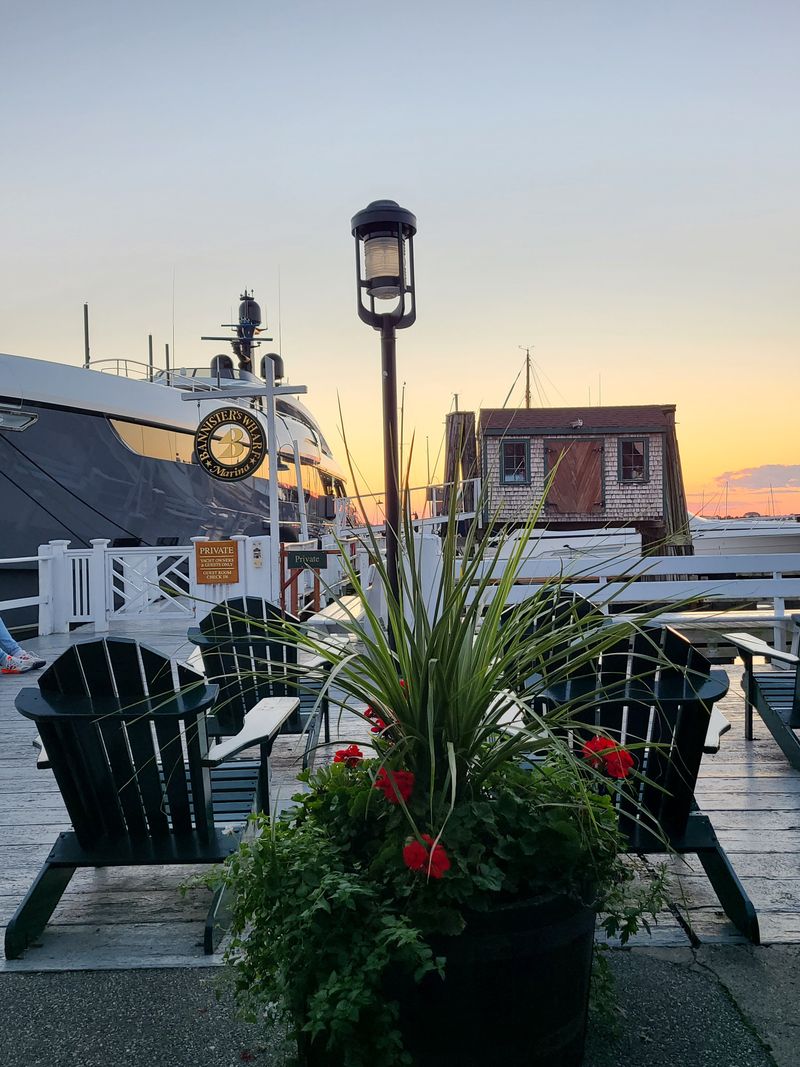
Newport’s identity as a working fishing port has been increasingly overshadowed by its role as a major tourist destination, creating tension between the commercial fishing industry and the tourism economy.
The historic Bayfront district, once dominated by fishing boats and seafood processing facilities, now caters primarily to tourists visiting the Oregon Coast Aquarium and bay-front restaurants.
Locals who work in the fishing industry report feeling pushed out by rising property costs and development focused solely on visitor amenities.
The Oregon Coast Aquarium, while an educational asset, draws massive crowds that overwhelm the surrounding area with traffic and parking problems.
During summer months, the south side of Newport becomes gridlocked, with visitors circling for parking and creating congestion that impacts residents’ daily lives.
The aquarium’s success has sparked additional tourist-oriented development that many locals feel is changing Newport’s authentic character.
Vacation rentals have proliferated in residential neighborhoods, particularly in the Nye Beach area, transforming quiet streets into transient zones with constant turnover of unfamiliar faces.
Property values and rents have skyrocketed, pushing out long-term residents and creating a workforce housing crisis.
Teachers, healthcare workers, and service industry employees struggle to find affordable housing within the community.
The beaches, while beautiful, face increasing pressure from visitor numbers that exceed the capacity of access points and parking facilities.
Litter, illegal camping, and disregard for wildlife protection rules have become persistent problems requiring increased enforcement and cleanup efforts.
Long-time Newport residents say the town is losing its identity as a working waterfront community and becoming just another tourist destination where locals feel increasingly unwelcome.
The balance between honoring Newport’s fishing heritage and accommodating tourism has tipped too far toward visitors.
6. Yachats
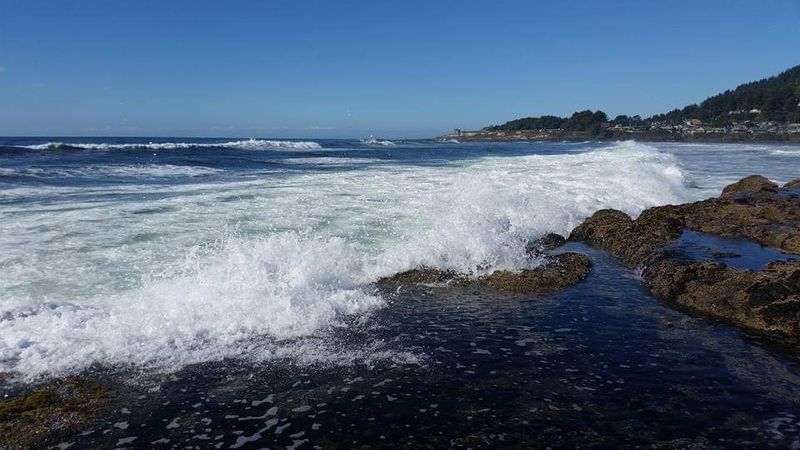
This tiny village of fewer than 700 permanent residents has earned the nickname “Gem of the Oregon Coast,” but that designation has become a double-edged sword as visitor numbers have exploded.
Yachats prided itself on being a quiet, artistic community where nature lovers could experience the coast without the commercialization found elsewhere.
That reputation has attracted so many tourists that the town now struggles with the same problems it once helped visitors escape.
The 804 Trail, a scenic coastal path that winds through town, has become so crowded during peak season that locals avoid it entirely.
What was once a peaceful place for residents to walk and connect with nature now feels like a theme park attraction, with visitors stopping traffic to take photos and crowding the narrow pathway.
Nearby Cape Perpetua Scenic Area draws thousands of visitors who then flood into Yachats for meals and shopping, overwhelming the village’s limited infrastructure.
Vacation rentals have consumed a significant portion of Yachats’ small housing stock, creating a critical shortage of long-term rentals for residents and workers.
The local library, post office, and community center report that the character of the town has shifted dramatically as fewer year-round residents remain.
Volunteer organizations struggle to maintain programs when so many homes are occupied by short-term visitors rather than community members.
Restaurants and shops in Yachats face a peculiar challenge: they’re overwhelmed during summer but struggle to stay open during the off-season when visitor numbers drop.
This seasonal boom-and-bust cycle makes it difficult for businesses to retain staff and maintain consistent operations.
Environmental impacts are also mounting, with increased foot traffic damaging coastal ecosystems and tide pools that were once pristine.
Residents say Yachats is losing the very qualities that made it special in the first place.
7. Pacific City
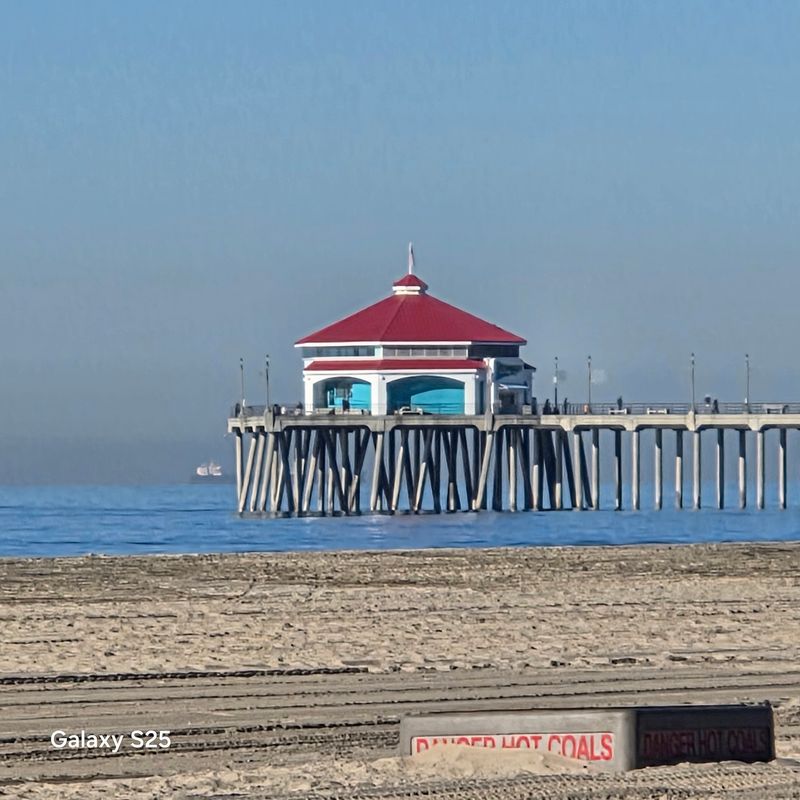
Cape Kiwanda’s distinctive sandstone cliffs and massive sand dune have made Pacific City one of Oregon’s most Instagram-worthy destinations, and that social media fame has brought crowds that this small unincorporated community was never designed to handle.
What was once a quiet fishing village known primarily to locals and dory boat enthusiasts has become a magnet for tourists seeking the perfect photo opportunity.
The transformation has been swift and, according to long-time residents, devastating to the community’s character.
The practice of driving vehicles directly onto the beach, a tradition dating back generations for launching dory boats, has been exploited by tourists who now bring trucks, SUVs, and even rental cars onto the sand.
This has created safety hazards, environmental damage, and conflicts between commercial fishermen who need beach access for their livelihoods and tourists who treat it as a recreational playground.
Efforts to regulate beach driving have met resistance from both sides, leaving the community in limbo.
The giant sand dune at Cape Kiwanda attracts thousands of climbers, many of whom ignore safety warnings and get injured or require rescue.
The dune itself shows signs of erosion from the constant foot traffic, and the surrounding area struggles with litter and human waste problems as visitor facilities cannot keep pace with demand.
Parking lots overflow, leading tourists to park illegally along narrow roads and in residential areas.
Pelican Brewing Company, located right on the beach, draws massive crowds that contribute to the congestion and parking problems.
While the brewery provides jobs, locals say the sheer volume of visitors it attracts has fundamentally altered Pacific City’s laid-back atmosphere.
Housing costs have risen dramatically as vacation rentals proliferate, and the small community feels increasingly like a tourist attraction rather than a place where people actually live and work.
Dear Reader: This page may contain affiliate links which may earn a commission if you click through and make a purchase. Our independent journalism is not influenced by any advertiser or commercial initiative unless it is clearly marked as sponsored content. As travel products change, please be sure to reconfirm all details and stay up to date with current events to ensure a safe and successful trip.
