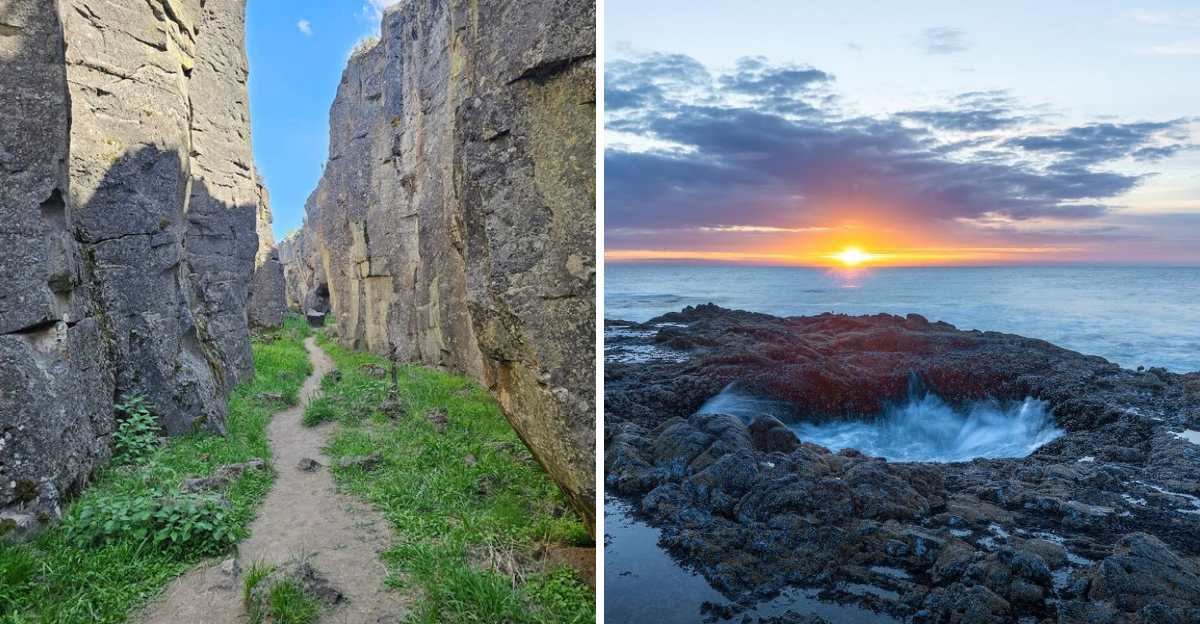
Tourist brochures always send you to the same crowded spots. You know the ones.
Long lines, overpriced parking, and photo bombers everywhere. Oregon has a whole other side that most visitors never see.
Quiet trails, weird roadside wonders, and tiny towns with huge personality. Places where the only crowd is a few locals walking their dogs.
A ghost forest that appears at low tide. A telephone booth in the middle of nowhere.
A chapel built entirely from lava rock. These day trips will make you feel like you discovered a secret the guidebooks missed.
No gift shops, no admission fees, just pure unexpected Oregon. Pack a snack and leave the crowds behind.
1. Prehistoric Gardens, Gold Beach Area, Oregon
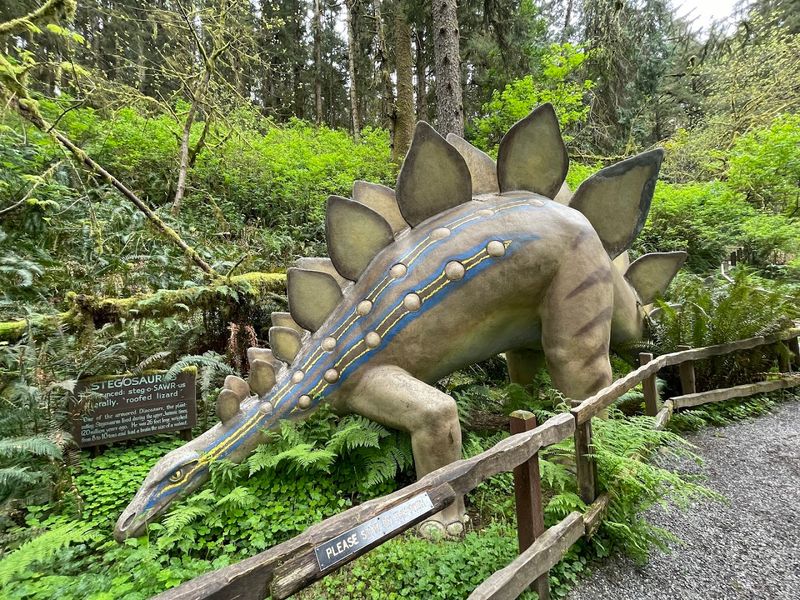
Somewhere along Highway 101, a Tyrannosaurus Rex peers through the ferns at passing cars.
Prehistoric Gardens sits near the California border, south of Gold Beach, Oregon. It is one of the most joyfully strange roadside attractions in the entire Pacific Northwest.
The park features over 20 life-sized dinosaur sculptures built by sculptor E.V. Nelson starting in the 1950s.
They are set inside an actual temperate rainforest, which makes the whole thing feel surprisingly believable.
Walking the winding path, you pass Triceratops, Brachiosaurus, and Stegosaurus peeking out between massive ferns. The rainforest setting adds a genuinely prehistoric mood that photos cannot fully capture.
This is not a polished theme park. The charm is in its homemade, nostalgic character.
Kids absolutely love it, but adults tend to get just as wide-eyed once they step inside.
Admission is affordable, and the whole visit takes about an hour. It pairs perfectly with a coastal drive along the southern Oregon shoreline.
If you have ever wanted to feel like you accidentally wandered onto a movie set from 1963, this is your spot. Pack a light jacket because the rainforest canopy keeps things cool even in summer.
2. Crack in the Ground, Christmas Valley, Oregon
Not every great hike needs a mountain or a waterfall to be worth the drive.
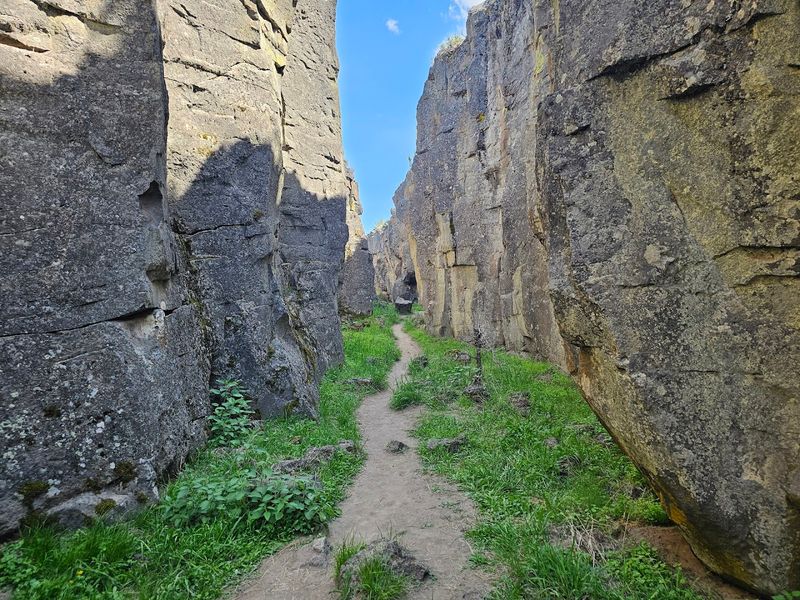
Crack in the Ground is a volcanic fissure located near Christmas Valley in Lake County, Oregon. It stretches roughly two miles long and drops up to 70 feet deep in some sections.
This geological oddity formed thousands of years ago when lava cooled and contracted, leaving a narrow slot canyon cutting through the high desert. The contrast between the barren landscape above and the cool shadowy crack below is genuinely striking.
Temperatures inside the fissure stay noticeably cooler than the surrounding desert, which makes it a surprisingly refreshing summer hike. In some spots, the walls narrow enough that you have to turn sideways to squeeze through.
The trail is about four miles round trip and is mostly flat. Sturdy shoes are recommended because the rocky floor can be uneven in places.
Christmas Valley itself is a small, quiet community that feels far removed from Oregon’s busier destinations. There are no crowds, no entrance fees, and no gift shops waiting at the trailhead.
Bring plenty of water and sunscreen for the exposed desert sections. The drive out here is long but scenic, passing through wide open high desert that has its own quiet beauty.
3. Thor’s Well, Yachats, Oregon
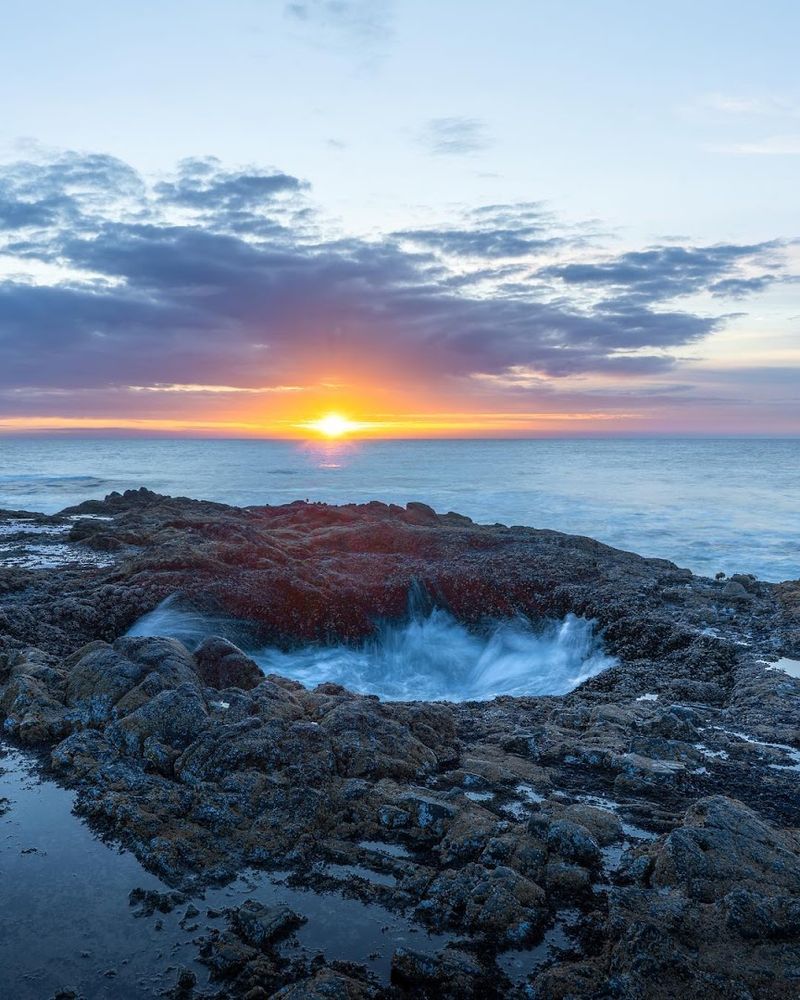
The ocean appears to be draining somewhere beneath the rocks, and that is exactly what makes this place so hypnotic.
Thor’s Well is a natural sinkhole carved into the basalt shoreline near Yachats, Oregon, along the central coast. It sits within Cape Perpetua Scenic Area, one of the most dramatic stretches of coastline in the entire state.
During incoming tides and moderate surf, waves surge into the opening and then shoot upward in a powerful vertical burst. The effect looks like the sea is swallowing itself and spitting it back out at the same time.
The best viewing time is about an hour before or after high tide. Low tide reveals the full shape of the well and allows you to get closer safely.
Always watch for sneaker waves, which can appear without warning on this stretch of coast.
Cape Perpetua also offers forest trails, tide pools, and a historic stone shelter built by the Civilian Conservation Corps in the 1930s. You can easily spend half a day exploring the area around the well.
Yachats itself is a small coastal town with a strong local food scene and a relaxed, artsy atmosphere. It sits about 24 miles south of Newport on Highway 101.
4. Enchanted Forest, Turner, Oregon
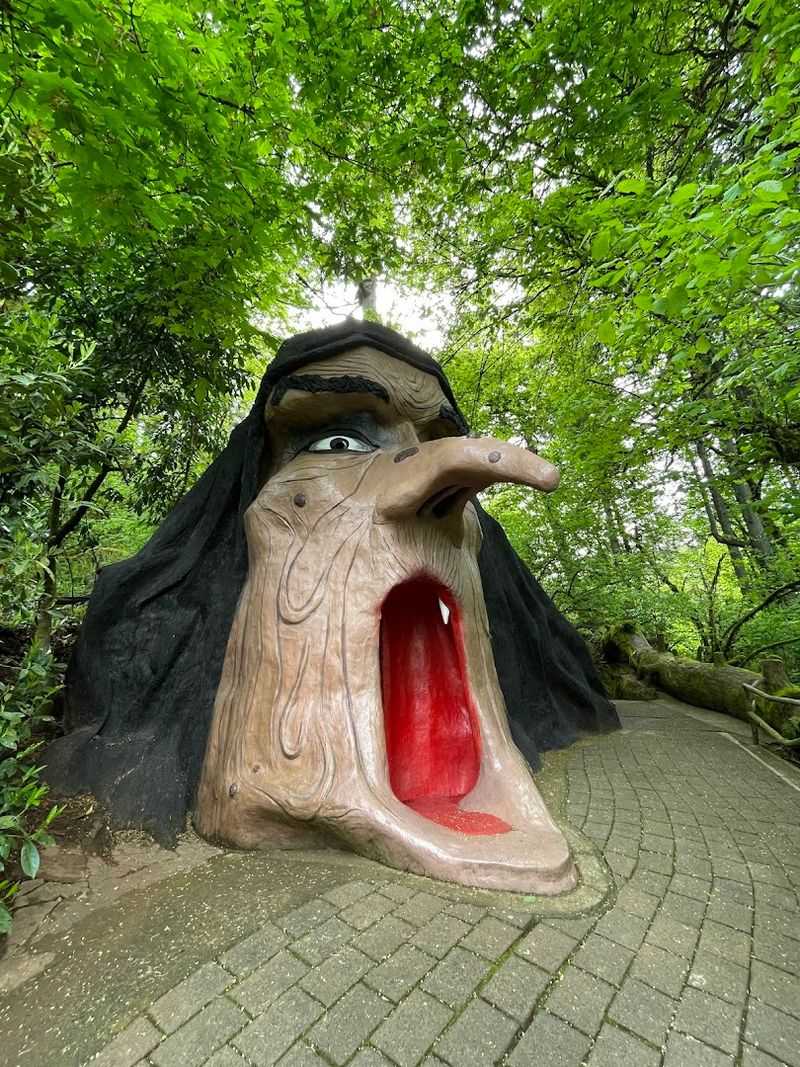
A hand-built fairy-tale world hiding in the hills south of Salem is not something you expect to find on a Tuesday afternoon.
Enchanted Forest is a family theme park located in Turner, Oregon, just off Interstate 5. What makes it remarkable is its origin story: Roger Tofte spent seven years building the entire park by hand before opening it in 1971.
The park includes Storybook Lane, where you walk past scenes from classic children’s stories. There is also a haunted house, a western town, an ice mountain bobsled ride, and Fantasy Fountains, an indoor water and light show.
Everything here has a homemade, personal quality that modern theme parks simply cannot replicate. The detail in the sculptures and structures reflects decades of care and creative passion.
The Tofte family still runs the park today, which gives it an authentic, community-rooted character. It feels less like a business and more like someone’s lifelong dream that you get to walk through.
Enchanted Forest is open seasonally, so check the schedule before planning your visit. Turner is about 10 miles south of Salem, making this an easy day trip from Portland or the Willamette Valley.
5. Witch’s Castle, Portland, Oregon
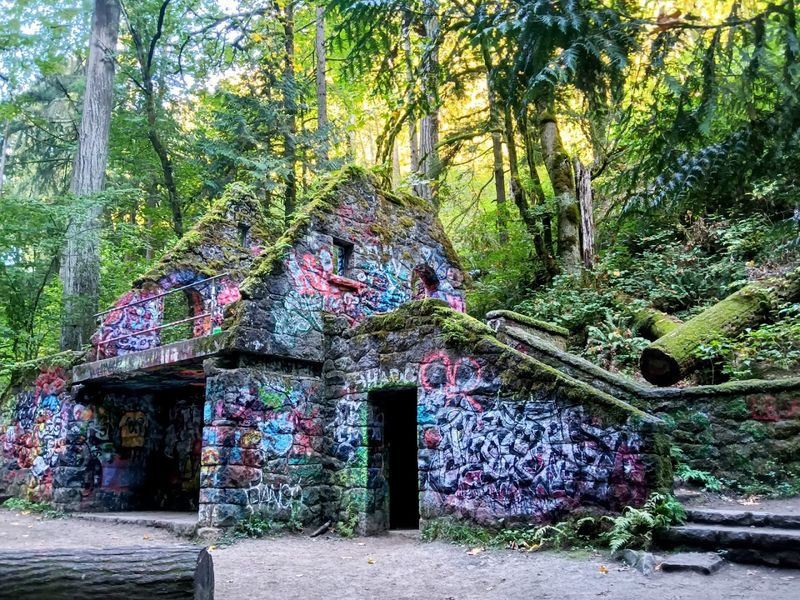
A crumbling stone structure covered in thick green moss sits quietly in the middle of Portland’s largest urban forest, and most residents have never seen it.
Witch’s Castle is a set of stone ruins located in Forest Park, Portland, Oregon. The structure was originally built in the 1920s as a public restroom and ranger station along Balch Creek Trail.
Over the decades, it fell into disuse and became overtaken by moss, ferns, and forest growth. Today it has a genuinely atmospheric, ancient-looking quality that feels completely out of place in a major American city.
The hike to reach it is easy and accessible. Most visitors start from the Lower Macleay Park trailhead near NW Upshur Street.
The walk follows Balch Creek through a shaded canyon and takes roughly 20 to 30 minutes each way.
Forest Park itself covers over 5,000 acres and is one of the largest urban forests in the United States. The trail system here is extensive, so you can easily extend your visit with a longer loop.
The ruins are particularly photogenic in overcast weather, when the light is soft and the moss practically glows. Spring and early fall offer the best conditions for photography and comfortable temperatures.
Witch’s Castle is a rare spot where history, nature, and a little bit of strangeness all meet in one short walk.
6. Painted Hills, Mitchell, Oregon
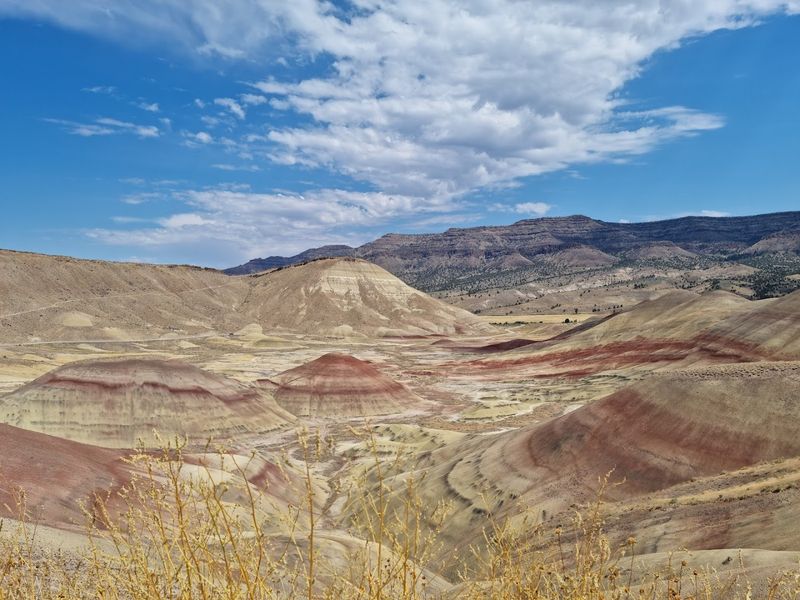
Some landscapes look like they belong on another planet, and the Painted Hills make a strong case for that every single time.
The Painted Hills are part of John Day Fossil Beds National Monument, located near the small town of Mitchell in Wheeler County, Oregon. They sit roughly 75 miles east of Bend, making them a long but very rewarding day trip.
The hills are made of ancient volcanic ash layers that have compressed and mineralized over millions of years. The result is a series of rolling mounds striped in deep red, golden yellow, black, and tan.
The colors shift noticeably depending on moisture levels and the angle of the sun. Early morning and late afternoon light bring out the most vivid tones, so timing your visit matters.
Several short trails wind around and above the hills, ranging from a flat half-mile loop to a slightly longer ridge hike. None of them are strenuous, and all of them offer completely different perspectives of the landscape.
The site is federally protected, so staying on designated trails is important. Dogs are allowed on leash, which makes this a solid option for pet owners looking for a scenic outing.
Mitchell itself is a tiny high desert town with a gas station and a diner, so fuel up before you head out.
7. Opal Creek Wilderness, Jawbone Flats, Oregon
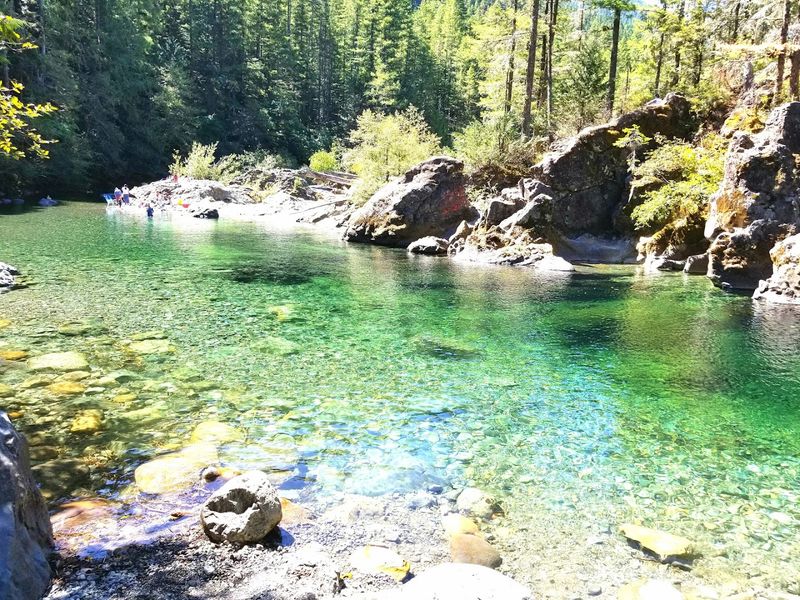
Old-growth forests are rare, and walking through one that has been untouched for centuries feels like stepping back a very long way.
Opal Creek Wilderness is located in the Willamette National Forest, about 25 miles east of Mill City, Oregon. The area is named for the brilliant blue-green color of its creek pools, which look almost artificially vivid in person.
The main trail follows Opal Creek through a valley lined with ancient Douglas firs, western red cedars, and big-leaf maples. Some of the trees here are over 1,000 years old and tower well above the canopy.
The hike to the historic mining ghost town of Jawbone Flats is about 5.5 miles one way. Along the route, you pass several swimming holes that are popular in summer.
The water is cold but remarkably clear.
Jawbone Flats itself is a preserved 1930s mining settlement managed by the nonprofit Friends of Opal Creek. Visiting it adds a historical layer to what is already a visually stunning hike.
The trailhead is located about two hours from Portland via Highway 22. Road conditions on the final approach can be rough, so a vehicle with decent clearance is helpful.
Opal Creek rewards visitors who appreciate quiet, old things.
8. Lake Owyhee State Park, Adrian, Oregon
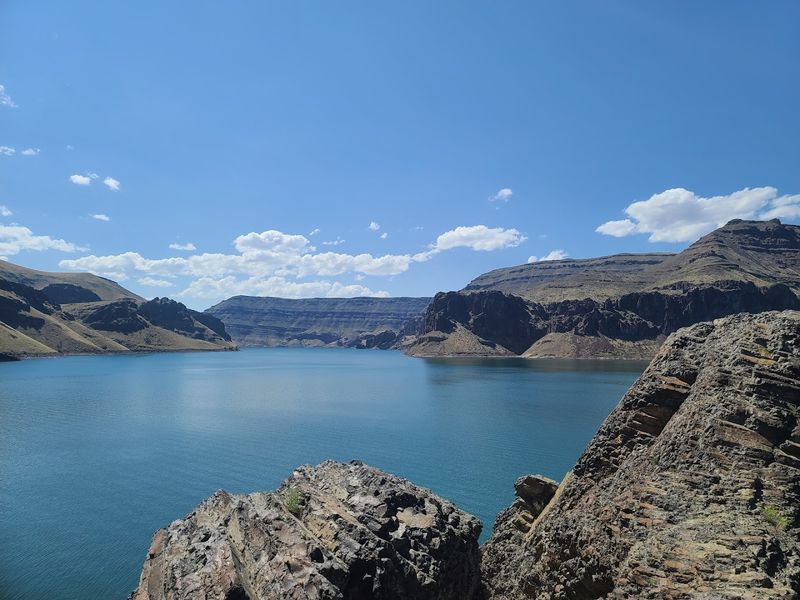
Most people driving through southeastern Oregon keep going without stopping, which means Lake Owyhee stays beautifully quiet.
Lake Owyhee State Park is located near the small town of Adrian in Malheur County, Oregon. It sits in the far southeastern corner of the state, roughly 70 miles southwest of Ontario near the Idaho border.
The lake is a reservoir formed by Owyhee Dam, built in 1932. It stretches about 52 miles through a canyon carved from ancient volcanic rock in shades of rust, orange, and deep red.
The scenery here is dramatic in a way that feels completely unlike western Oregon. The canyon walls rise sharply from the water, and the reflections on calm mornings are genuinely striking.
Boating, kayaking, and fishing are the main activities on the lake. The surrounding park also has hiking trails and a campground if you want to extend your visit into an overnight trip.
Rattlesnakes are present in the area, so staying aware on rocky trails is important. The best time to visit is spring or fall, when temperatures in this high desert region are manageable.
Adrian is a tiny agricultural community with limited services, so bring everything you need before arriving. Lake Owyhee is one of those places that makes you realize how much of Oregon most people simply never see.
The solitude here is its own kind of reward.
9. Cape Blanco State Park, Port Orford, Oregon
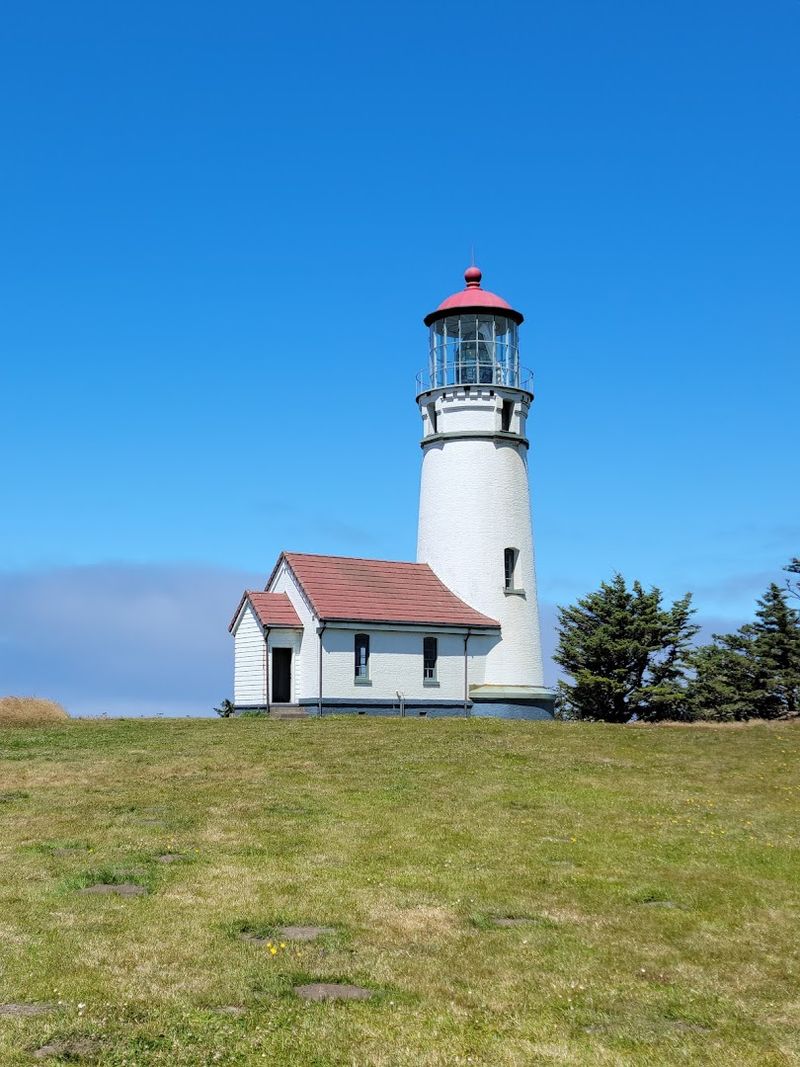
Oregon’s westernmost point is also one of its windiest, and that wind makes every visit feel like a genuine adventure.
Cape Blanco State Park sits north of Port Orford in Curry County, Oregon, along the southern coast. The park is home to Cape Blanco Lighthouse, which has been operating continuously since 1870, making it one of the oldest active lighthouses in the state.
The lighthouse sits on a bluff about 245 feet above sea level. Tours are available seasonally and allow visitors to climb to the top for a sweeping view of the coastline in both directions.
The park also includes Hughes House, a beautifully preserved Victorian farmhouse built in 1898. It tells the story of the Irishman Patrick Hughes, who raised cattle on this coastal headland for decades.
Trails wind along the bluff tops and down to a driftwood-covered beach. The beach here is wide, wild, and almost always uncrowded, even during peak summer months.
Port Orford is a small fishing town about 9 miles south of the park. It has a handful of local restaurants and shops worth exploring before or after your visit.
Wildlife sightings at Cape Blanco include harbor seals, gray whales during migration season, and a wide variety of shorebirds. The combination of history, coastal drama, and wildlife makes this one of the southern coast’s most complete day trip destinations.
Bring a windbreaker and wear it.
10. Steens Mountain, Frenchglen, Oregon
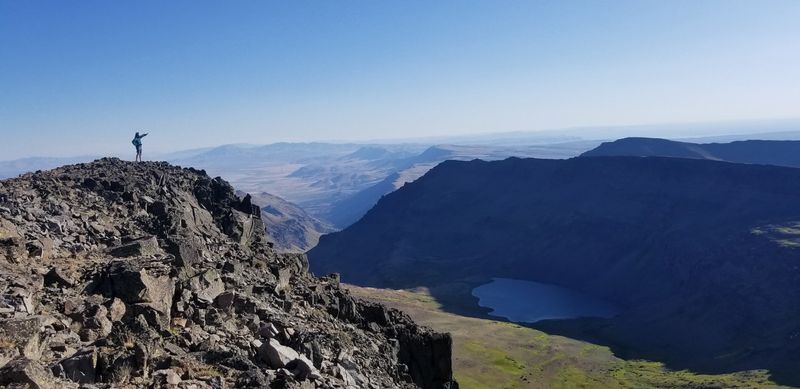
A mountain that rises a full mile above the surrounding desert in under 30 horizontal miles is not something you forget easily.
Steens Mountain is a massive fault-block mountain located in Harney County, Oregon, near the tiny ranching community of Frenchglen. It is one of the most geologically unique landforms in the American West.
The west face rises gradually through sagebrush, aspen groves, and alpine meadows. The east face drops sharply into the Alvord Desert below, forming a dramatic escarpment unlike anything else in Oregon.
The Steens Mountain Loop Road is a 66-mile gravel route that climbs to nearly 9,700 feet. It is typically open from mid-July through October, depending on snowfall.
The road is manageable in most passenger vehicles during dry conditions.
Along the way, you pass four glacier-carved gorges: Kiger, Little Blitzen, Big Indian, and Wildhorse. Each one offers a different perspective on the scale of glacial erosion that shaped this landscape.
Wild mustangs roam the lower slopes of Steens Mountain, and sightings are relatively common in the early morning hours. Pronghorn antelope and golden eagles are also frequently spotted throughout the area.
Frenchglen has a historic hotel built in 1924 that serves meals to visitors during the season.
